
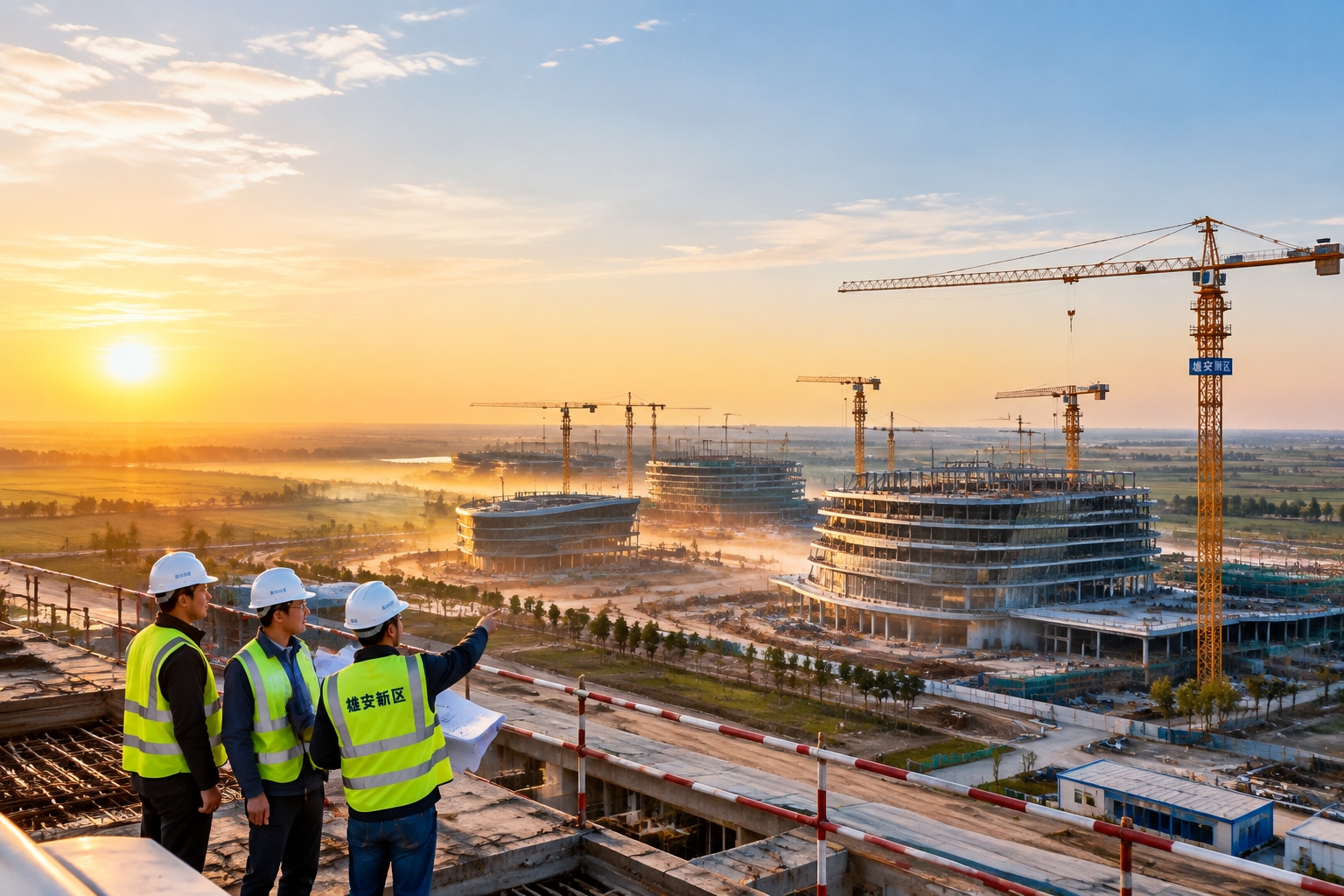

Morning at the Construction Site
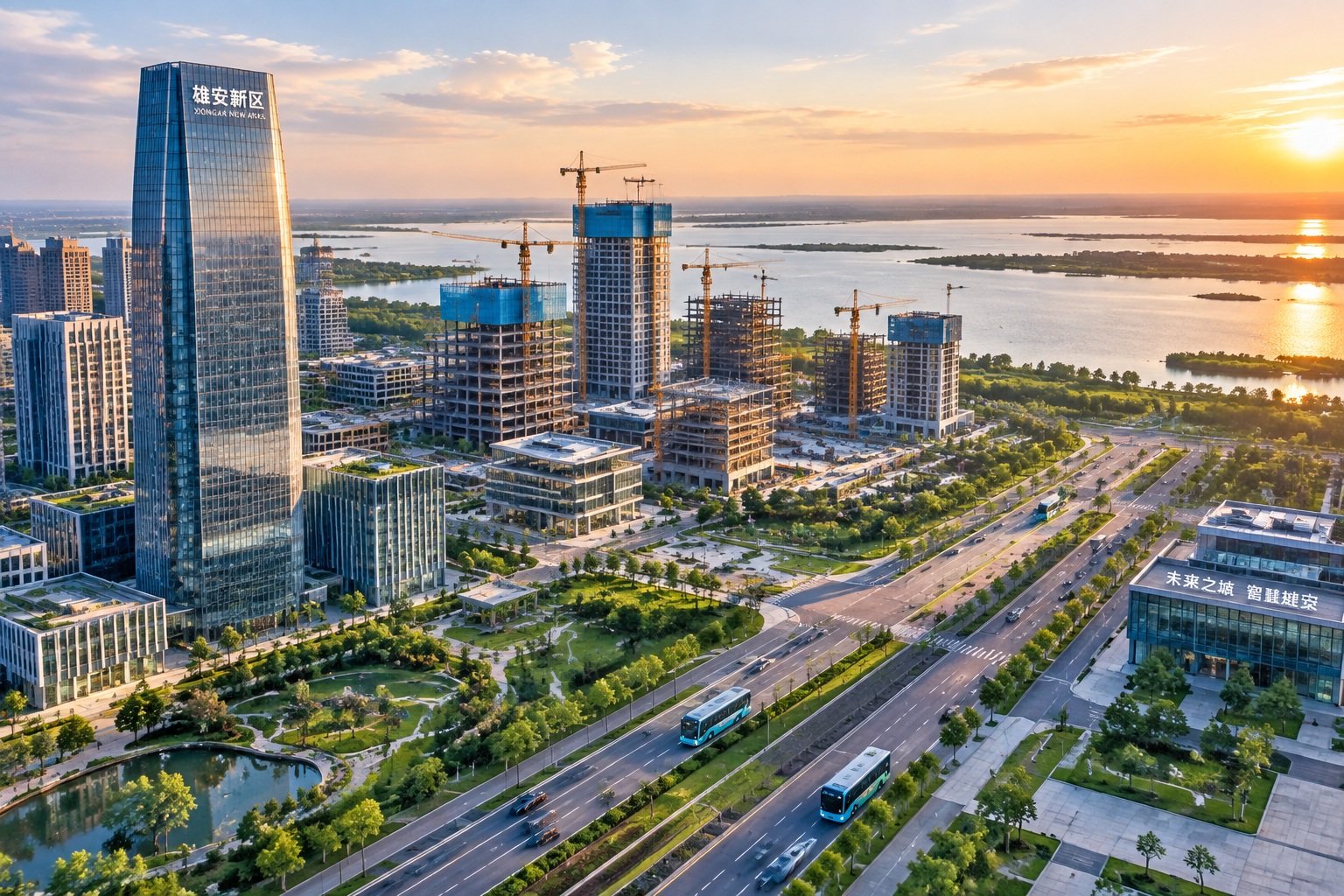
At 6 a.m., the first excavators rumble to life in the starting zone of Xiongan New Area. Dust rises over a landscape that was, just three years ago, a patchwork of wheat fields and small villages. But in the command center a few kilometers away, a different version of this city already exists — a digital twin, updated in real time, every pipe and building plotted before a single brick is laid.
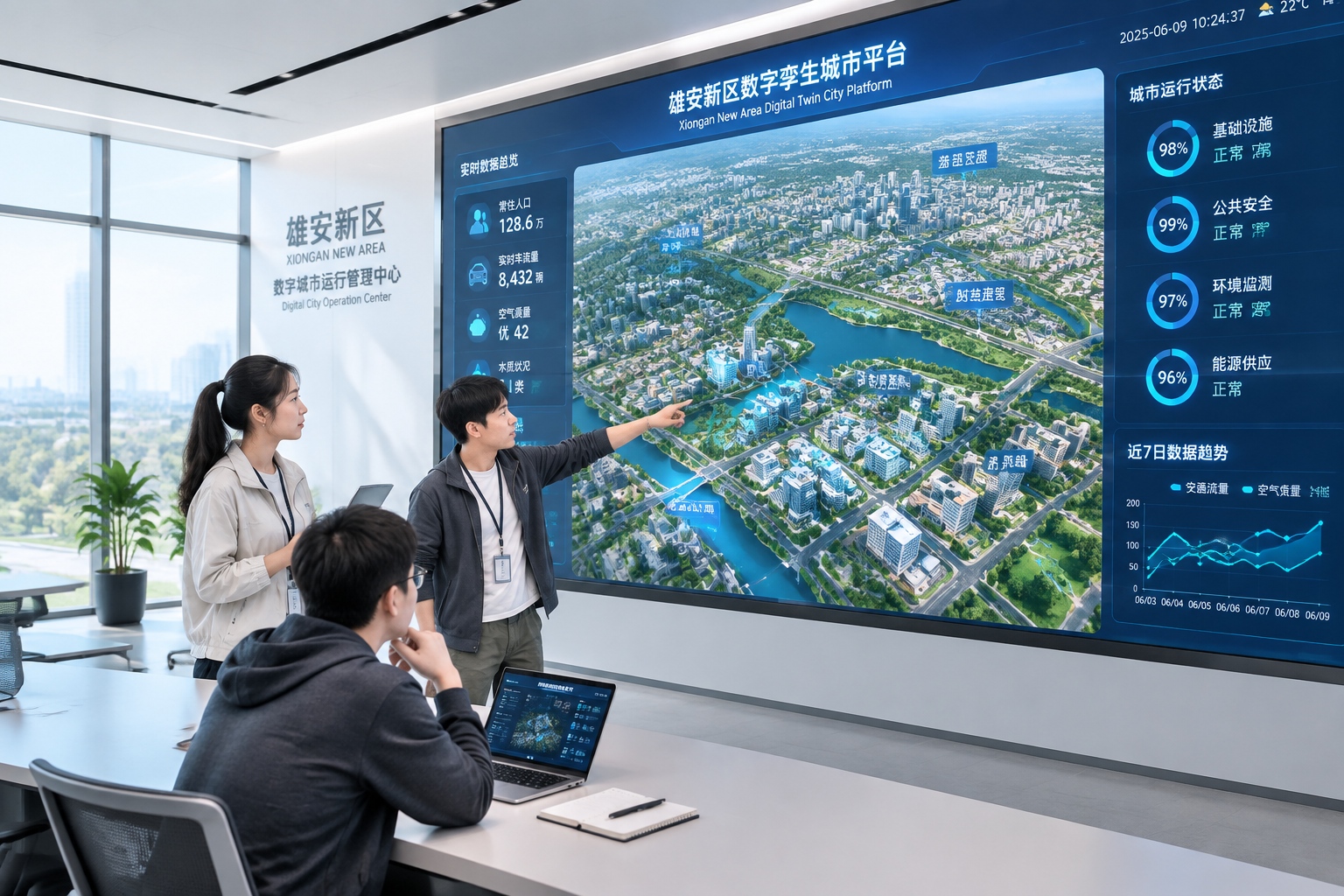
The Digital Twin: A City Built Twice
Xiongan is often called China’s “city of the future,” but its most futuristic feature is invisible to the naked eye. Every physical structure here has a corresponding virtual model. Sensors embedded in roads, bridges, and buildings feed data into a central platform that monitors everything from traffic flow to energy consumption. “We can simulate a flood or a traffic jam before it happens,” says Li Wei, a project manager at the Xiongan Digital City Lab. “Then we fix the physical design accordingly.”
The concept — known as “digital twin” — is not entirely new, but Xiongan is the first city in China to implement it at this scale. When fully completed, the twin will allow city managers to test changes in the virtual world before rolling them out in reality, saving time and resources.
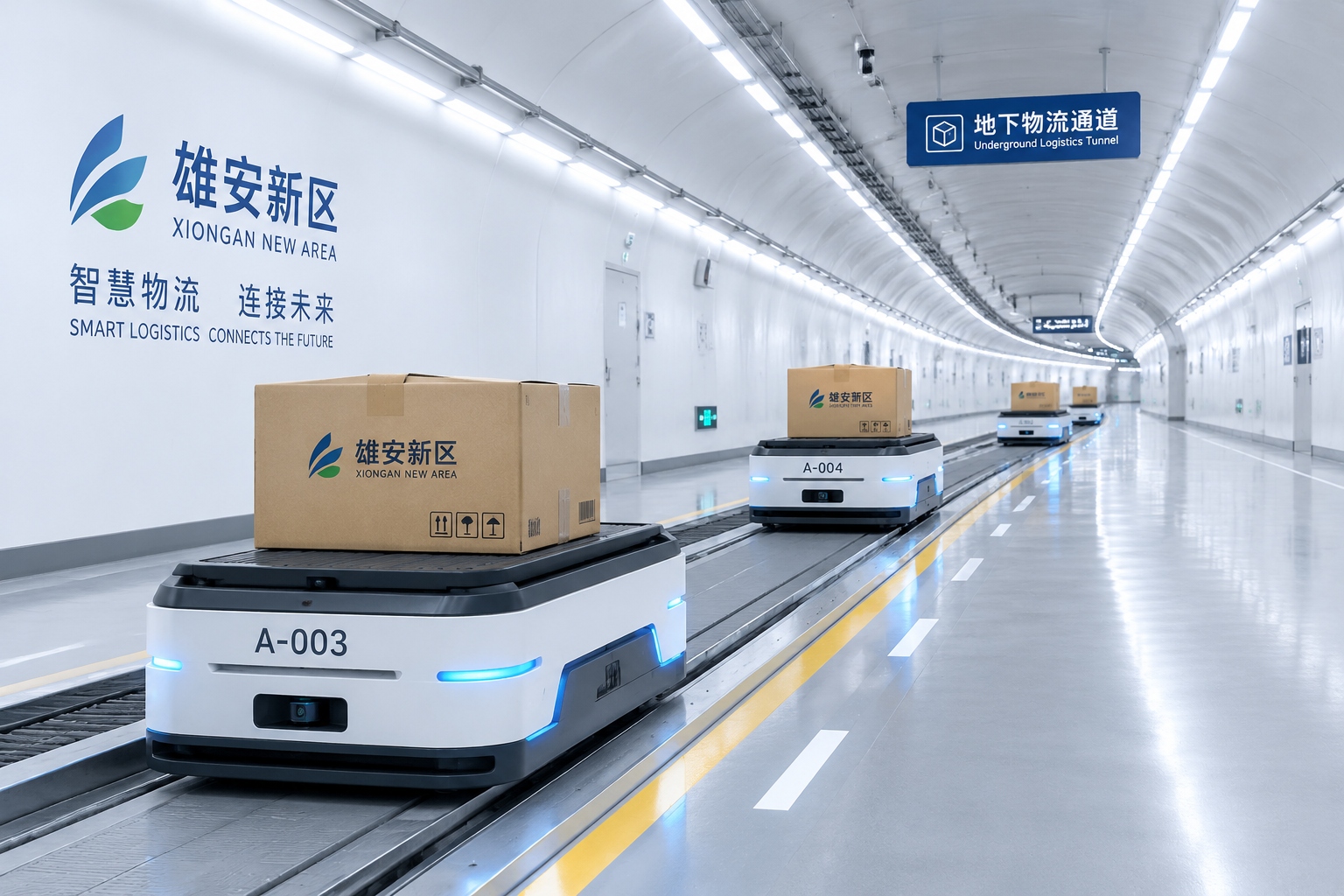
Underground Logistics and Green Living
One of the most talked-about features is the underground logistics system. Instead of delivery trucks clogging streets, packages will travel through a network of tunnels, directly to community distribution centers. In one residential block already occupied, a resident named Zhang Mei shows me how it works: she orders groceries on her phone, and half an hour later, she picks them up from a smart locker in her building’s lobby — the package arrived via an underground conveyor belt. “It feels like living in a sci-fi movie,” she laughs.
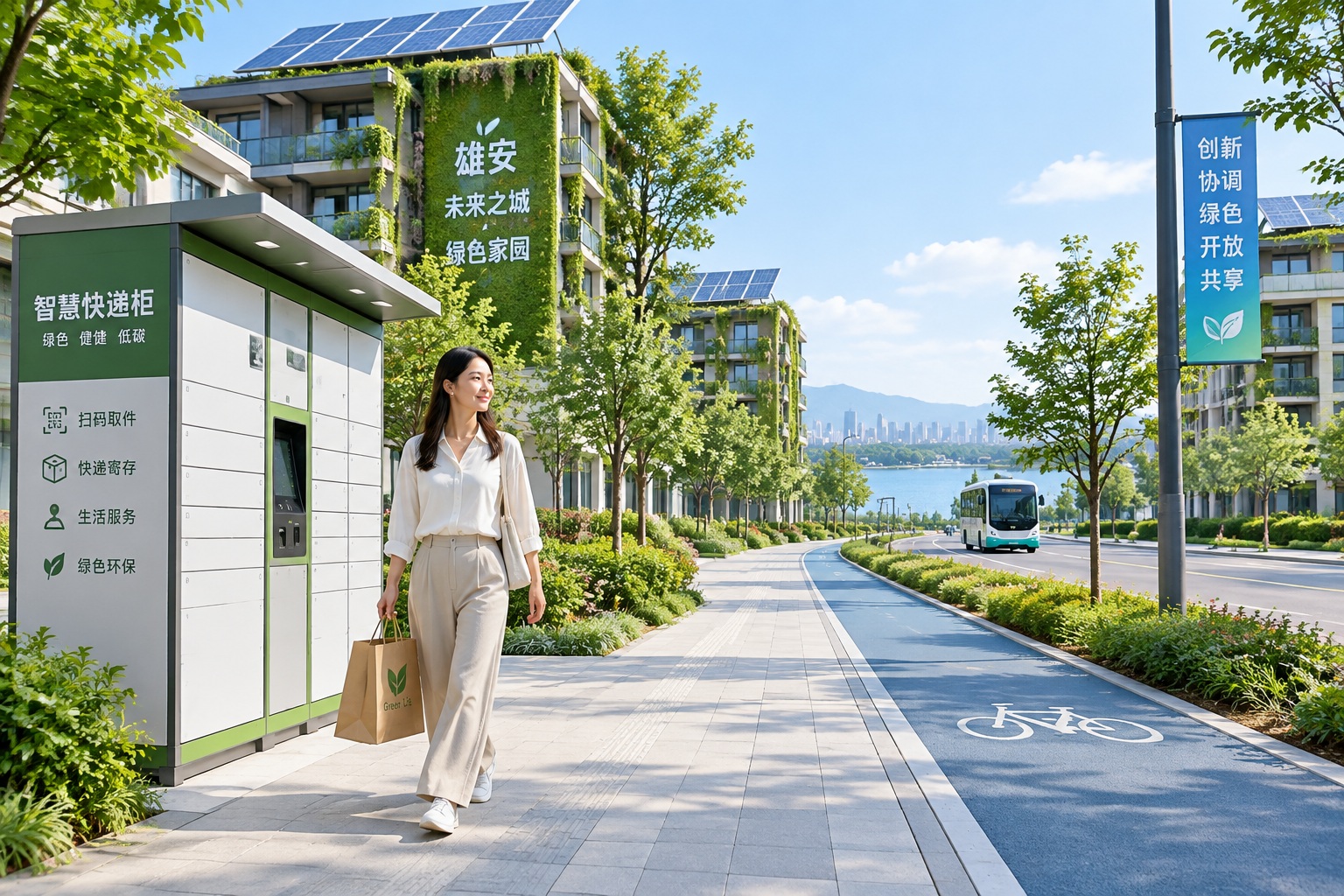
Above ground, the city is designed for people, not cars. Buildings are spaced to allow natural ventilation and sunlight. Rooftops are covered with solar panels. Rainwater is collected and recycled. The goal is to achieve 90% green building coverage by 2030.
Why Build a City from Scratch?
Xiongan is not just a technological experiment. It serves a strategic purpose: to relieve pressure on Beijing, which struggles with congestion, pollution, and overpopulation. Located about 100 kilometers southwest of the capital, Xiongan is meant to absorb functions that don’t need to be in Beijing — government agencies, universities, research institutes, and corporate headquarters. In doing so, it aims to reshape the economic geography of the Beijing-Tianjin-Hebei region.
But building a city from scratch also means starting with a blank slate. Planners can embed smart technology, green infrastructure, and resilient systems from day one — something impossible in older cities. “We are not just building a city; we are building a new way of urban life,” says Chen Ming, chief architect of the Xiongan Planning Bureau.
Voices from the Ground: An Early Settler’s Story
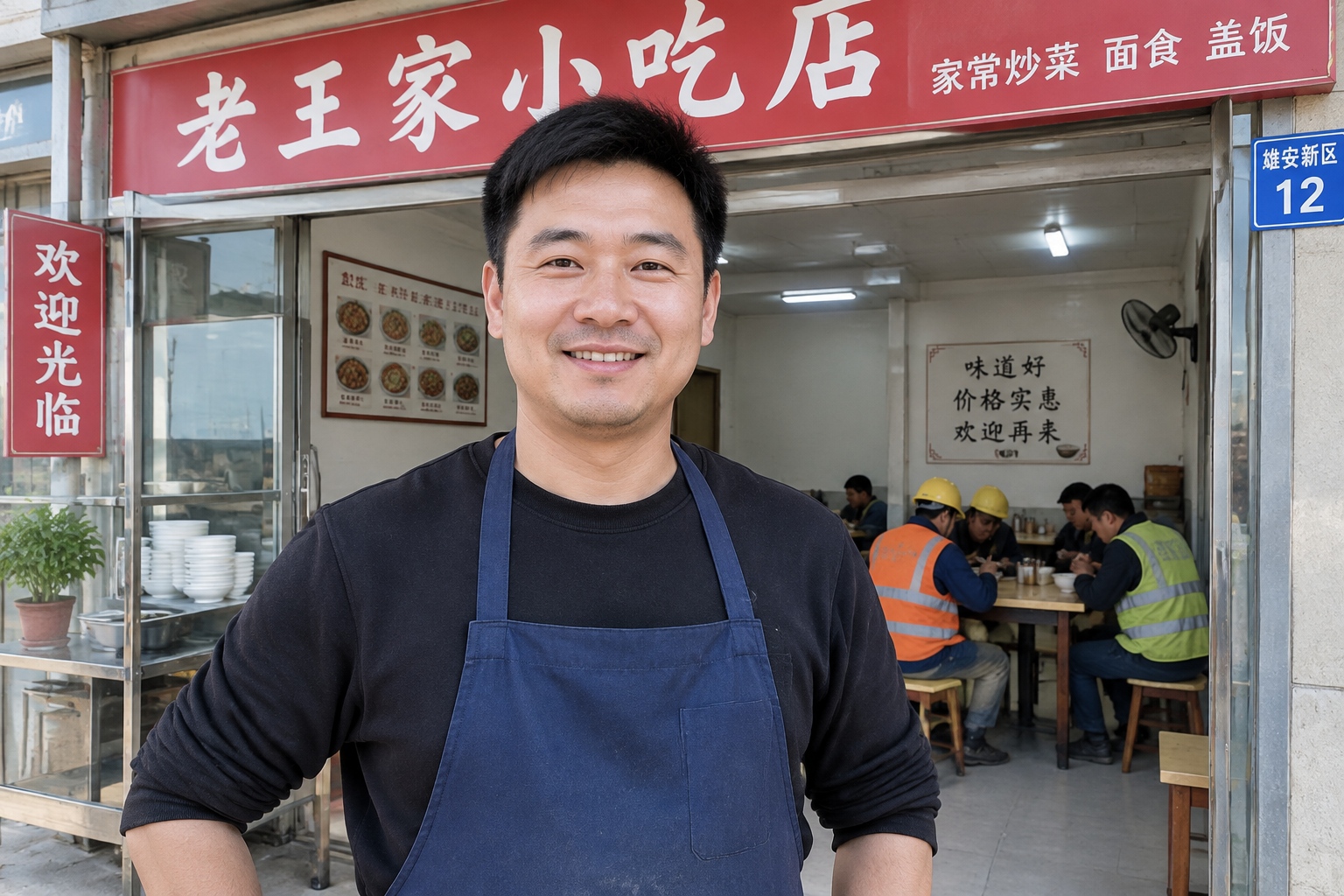
Not everyone is a planner or engineer. Wang Lin, a 34-year-old restaurant owner, moved here from a nearby village in 2020. His eatery now serves construction workers and early residents near the citizen service center. “When I first came, there was nothing but dirt roads and trucks. Now I see schools opening, trees planted, and more people moving in every month.” He admits the transition hasn’t been easy — business is still slow — but he believes in the long-term vision. “My son will grow up in a city that didn’t exist when I was born.”
Reality Check: Progress and Challenges
Despite the ambition, Xiongan is still a work in progress. The planned population of 2.5 million is a long way off; current residents number in the tens of thousands. Many commercial zones remain empty lots. Critics point to the risk of creating a “ghost city,” like some other Chinese new towns. But the pace of construction is undeniable: over 2,000 buildings have been completed, expressways and a high-speed rail link to Beijing are already in operation, and the first batch of relocated Beijing-based state-owned enterprises have set up offices here.
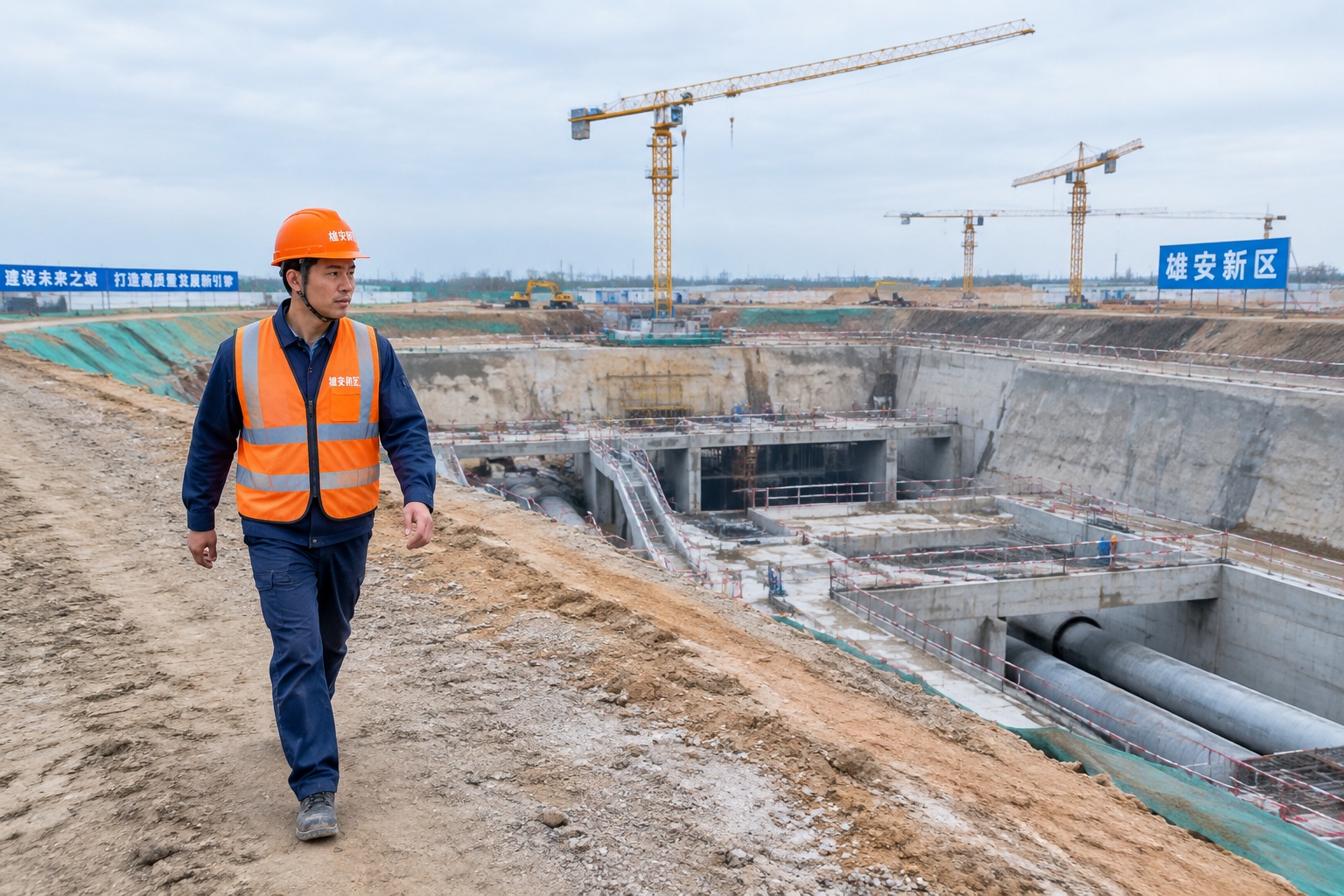
What makes Xiongan different from earlier new towns is its deliberate slowness: planners have prioritized infrastructure and underground works before building above ground. “You can’t see the most important parts — they are underground,” says construction manager Zhao Lei. “Once the foundation is solid, the rest will follow.”
The Bigger Picture
Xiongan is not just a Chinese story. It’s a testbed for urban solutions that cities around the world are grappling with: how to integrate smart technology, reduce carbon footprints, and create livable spaces from scratch. If it succeeds, it could offer a model for the 21st-century city. If it fails, it will be a cautionary tale. Either way, standing here in the dust and noise of construction, you feel the weight of history — and the sheer audacity of starting from zero.
Start the discussion at forum.chinacomes.com