


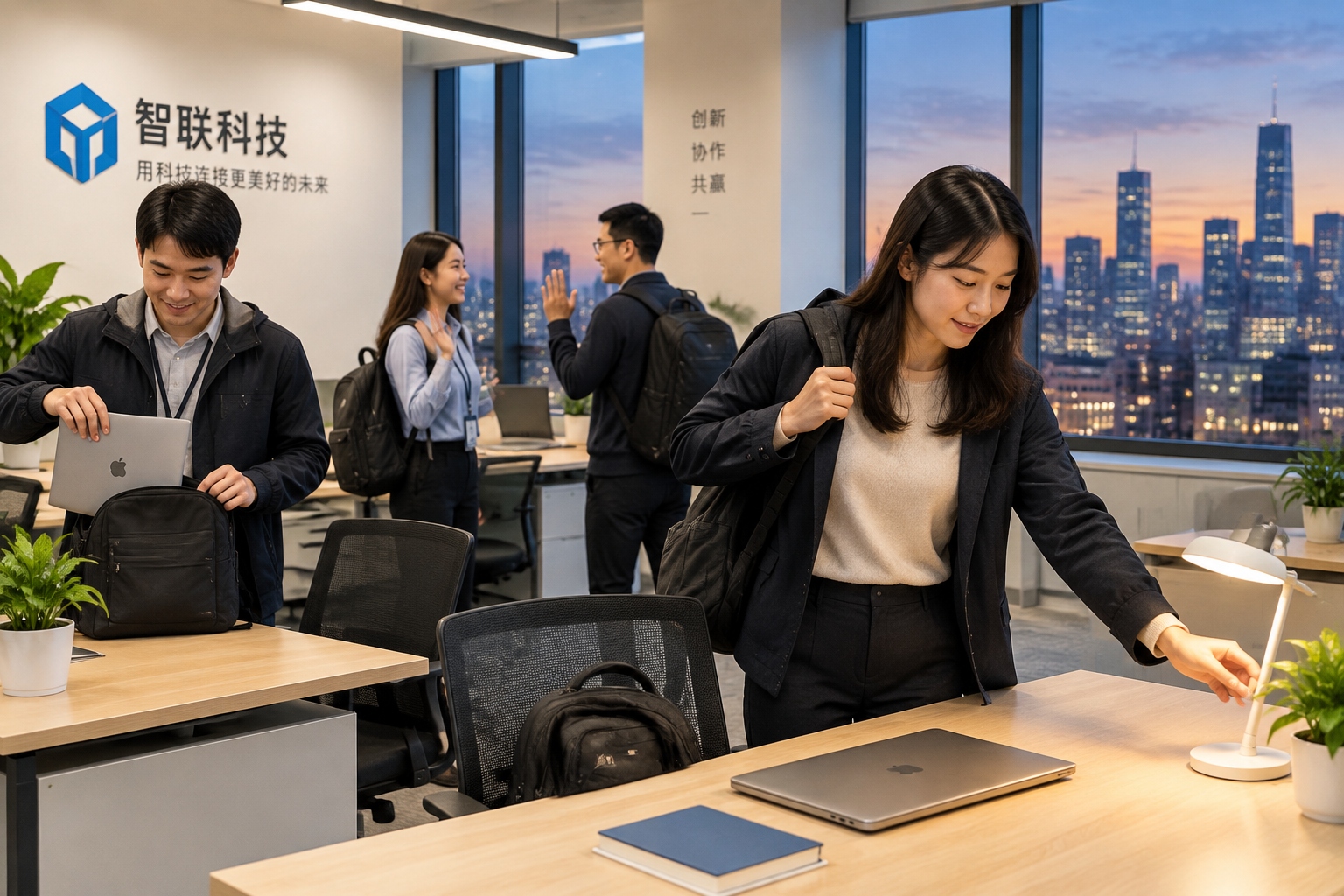
At 8:45 p.m. on a random Tuesday in Shanghai, the crowd exiting Metro Line 2 still looks busy. But in the glass office towers along Lujiazui, the lights are dimming an hour or two earlier than they did only five years ago. Some employees are leaving with yoga mats under their arms or dinner plans on their phones. This would have been rare in the late 2010s, when managers expected employees to stay until the evening “peak traffic” had passed — which was around 10 p.m.
A work pattern known as “996” — 9 a.m. to 9 p.m., six days a week — was once regarded as the entry ticket to China’s fast-growing digital industries. Today, the phrase appears less in job advertisements and more in court rulings, workplace chat groups and cautionary stories. “996” has not disappeared, but its legitimacy has cracked. How deep does the shift go, and why do national work-hour statistics still look so high?
What Was “996” and Why Did It Catch On?
The phrase “996” began circulating among Chinese internet engineers as far back as 2016, as a tongue-in-cheek description of brutal project schedules. It hit the mainstream in 2019, after a group of developers launched an open-source campaign on GitHub called “996.ICU” — a pun on the motto “Work 996, get ill and land in ICU.” The movement tapped into years of frustration with a culture that equated visible overtime with ambition.
That culture had genuine economic roots. During China’s mobile internet boom, from roughly 2014 to 2019, products moved from idea to launch in months, and investors rewarded speed over efficiency. Employees at fast-growing e-commerce, ride-hailing and social-media companies frequently put in long hours in exchange for generous salaries, stock options and fast promotion. For many, rejecting “996” appeared to mean rejecting the opportunities it brought.
Turning Points: Law, Policy and Public Mood
The turning point came in August 2021, when China’s Supreme People’s Court and the Ministry of Human Resources and Social Security jointly ruled that “996” is a serious violation of Chinese labour law. That ruling did not magically end late nights, but it changed the vocabulary. Workplaces that once described overtime as ambition had to start calculating hours, leave policies and compensation.
Company policies followed, pushed along by public opinion. ByteDance abolished its “big and small weeks” system in mid-2021, making most teams work five days a week; Kuaishou did the same within days. Several other large internet firms introduced internal “work-life balance” rules, limiting after-hours group messages and adding approval requirements for overtime. On platforms like Xiaohongshu and Douyin, “leaving on time” became a subtle form of status. Young employees began broadcasting the hour they left the office, and some businesses responded by advertising “no forced 996” as a recruitment benefit.
Work Hours: Still High on Average, but Expectations Have Moved
Nationwide statistics show only a marginal decline in average hours. Official data suggest Chinese enterprise employees still work close to 46 hours a week, which is noticeably higher than in the US (around 34) or Germany (around 35). Yet the average masks a striking generation gap and a large divide between industries.
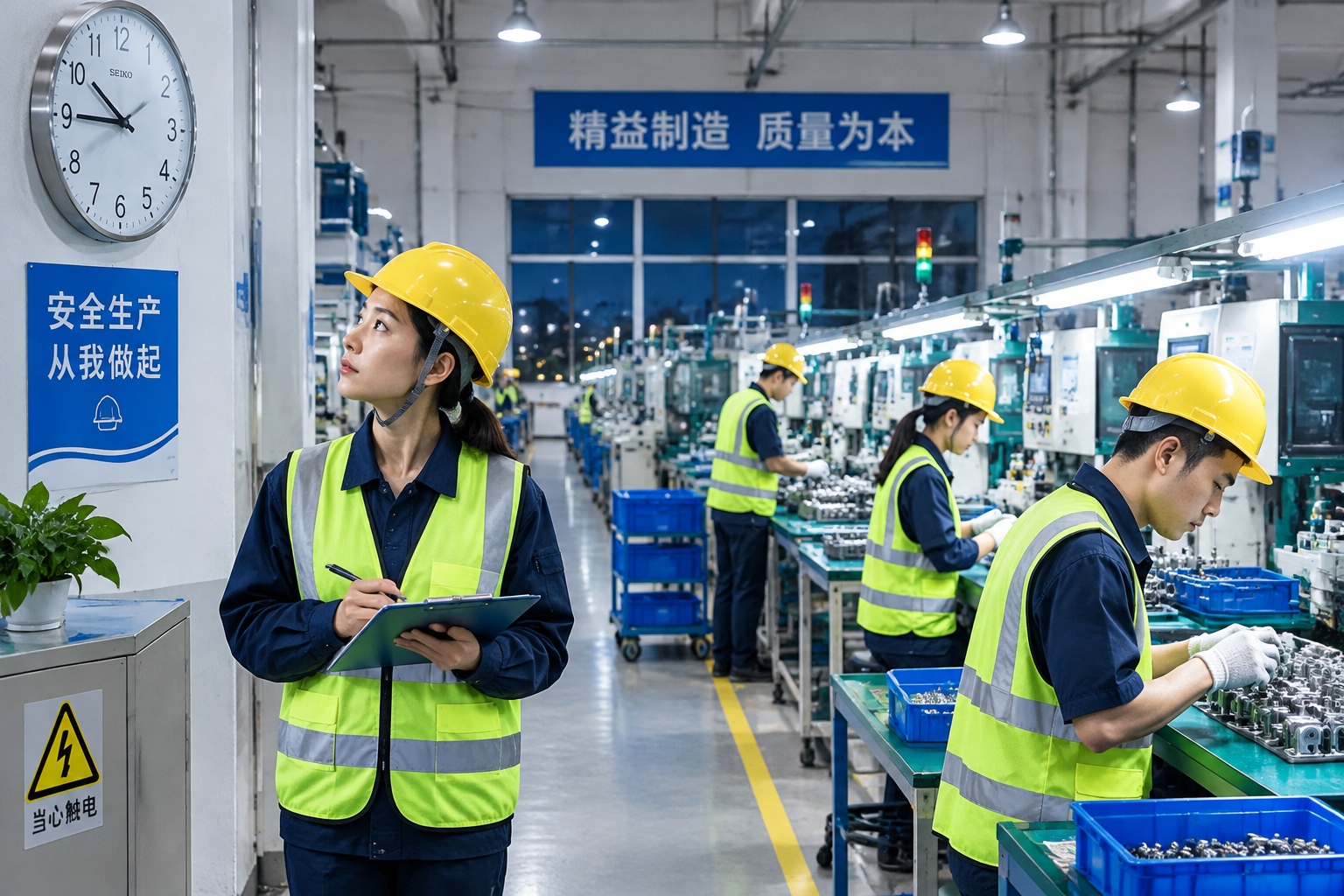
In the factories of Guangdong and the logistics hubs of Zhejiang, long shifts remain common. Workers in such jobs often depend on overtime pay to reach a decent monthly income, and they do not have the same negotiating power as desk-based professionals. In offices in first-tier cities, however, the conversation has shifted dramatically. Job-search platforms now list “weekend off” and “no forced overtime” as filters. On Boss Zhipin, one of China’s largest recruiting apps, the “no overtime” filter has become one of the most-used search tags in the white-collar segment. Several recent surveys of white-collar workers report that around half would consider taking a pay cut in exchange for regular leave.
Young People Are Choosing the Exit Door
The most visible consequence is not shorter hours in existing jobs; it is a change in which jobs young people choose. After years of private-sector burnout, positions in state-owned companies and public institutions have become the first or second choice for many new graduates. What used to be labelled as “iron rice bowl” boredom is now seen as a shield against toxic schedules.
A smaller but influential group is stepping out of corporate buildings altogether. Freelance developers, designers, translators and online educators can now earn a living by stacking projects rather than logging nine-to-nine attendance. Many document their lifestyle under terms like “digital nomad” or “remote work” on Chinese social media. Some have moved to Chengdu, Chongqing or Changsha, where rent is lower and broadband connectivity keeps them close to the digital economy.

Why the Shift Has Not Reached Everyone
If such a large number of young people feel this way, why does the national work-hour figure stay high? One reason is that most Chinese firms, especially smaller ones outside the tech spotlight, face little public scrutiny. Many operate on thin margins, so asking them to guarantee eight-hour days would require a productivity transformation that few managers are ready to undertake.
Another reason is how performance is measured. Even when formal overtime disappears, many bosses still judge commitment by who answers late-night messages or who arrives first in the morning. This “presenteeism” is especially strong in e-commerce and content industries, where cycles follow promotional calendars. And not every worker can afford to refuse. For new entrants in a competitive job market, the fear of being replaced is real, and the social safety net for flexible workers remains underdeveloped.
Conclusion: Not the End of “996”, but the End of Its Halo
So, is the “996” era ending? Not yet. But something genuine is happening beneath the statistics. The term has moved from a celebrated norm to a contested one. Fewer people believe that working through the night is a necessary rite of passage. Young employees are asking better questions in interviews, signing fewer unfair labour contracts and reporting hidden overtime more often. Companies, in turn, have found that promising work-life balance can attract talent more effectively than a foosball table in an empty office.
The road ahead is not straight. Reducing structural overtime will require not just law enforcement or an attitude change, but better management training, social insurance coverage for flexible employees and economic incentives that push industries to compete on quality rather than raw hours. For now, China’s workforce has stopped glorifying exhaustion — and for a country that once wore tiredness as a badge of honour, that is already a considerable step.
Start the discussion at forum.chinacomes.com