

One Evening in Luang Namtha
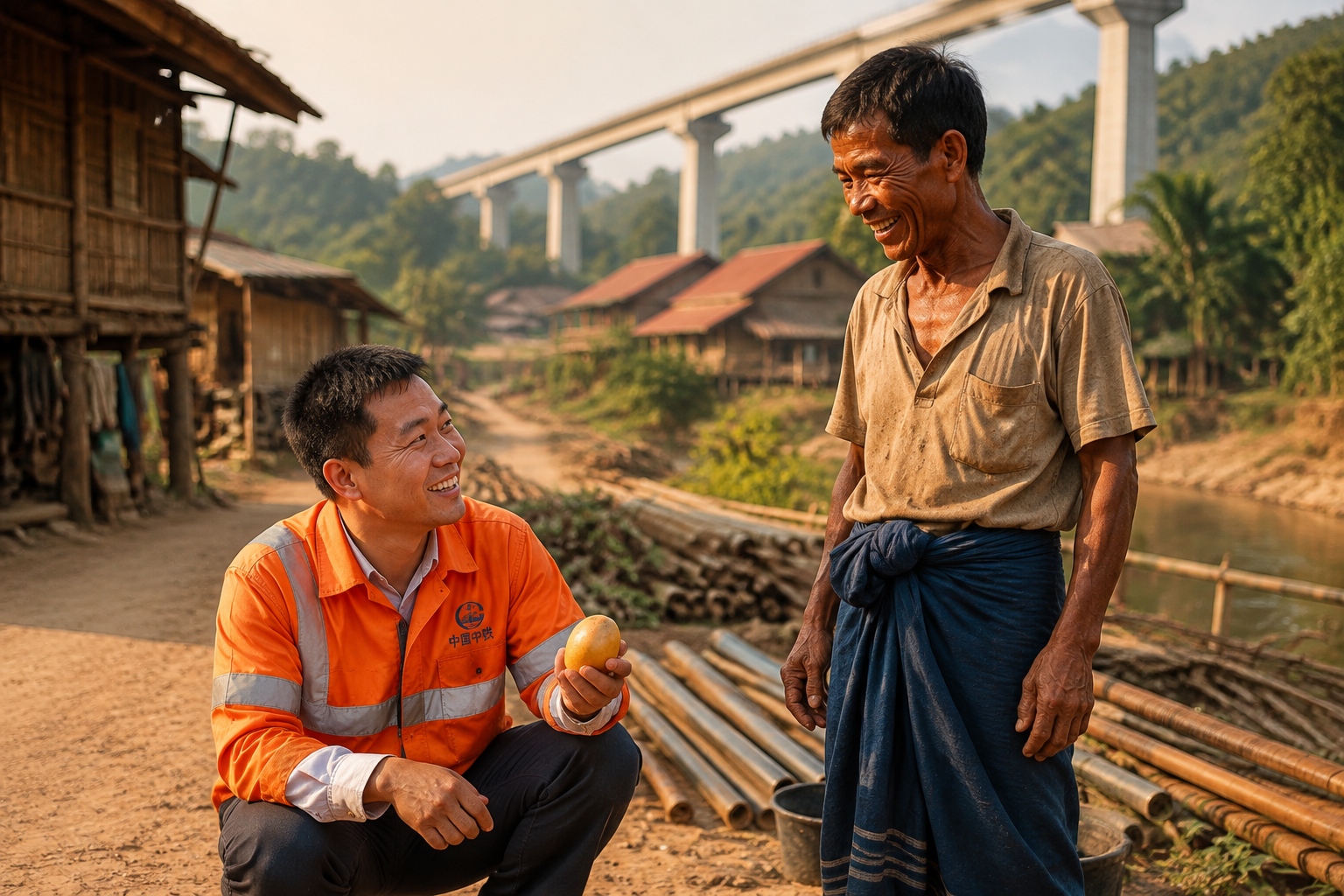
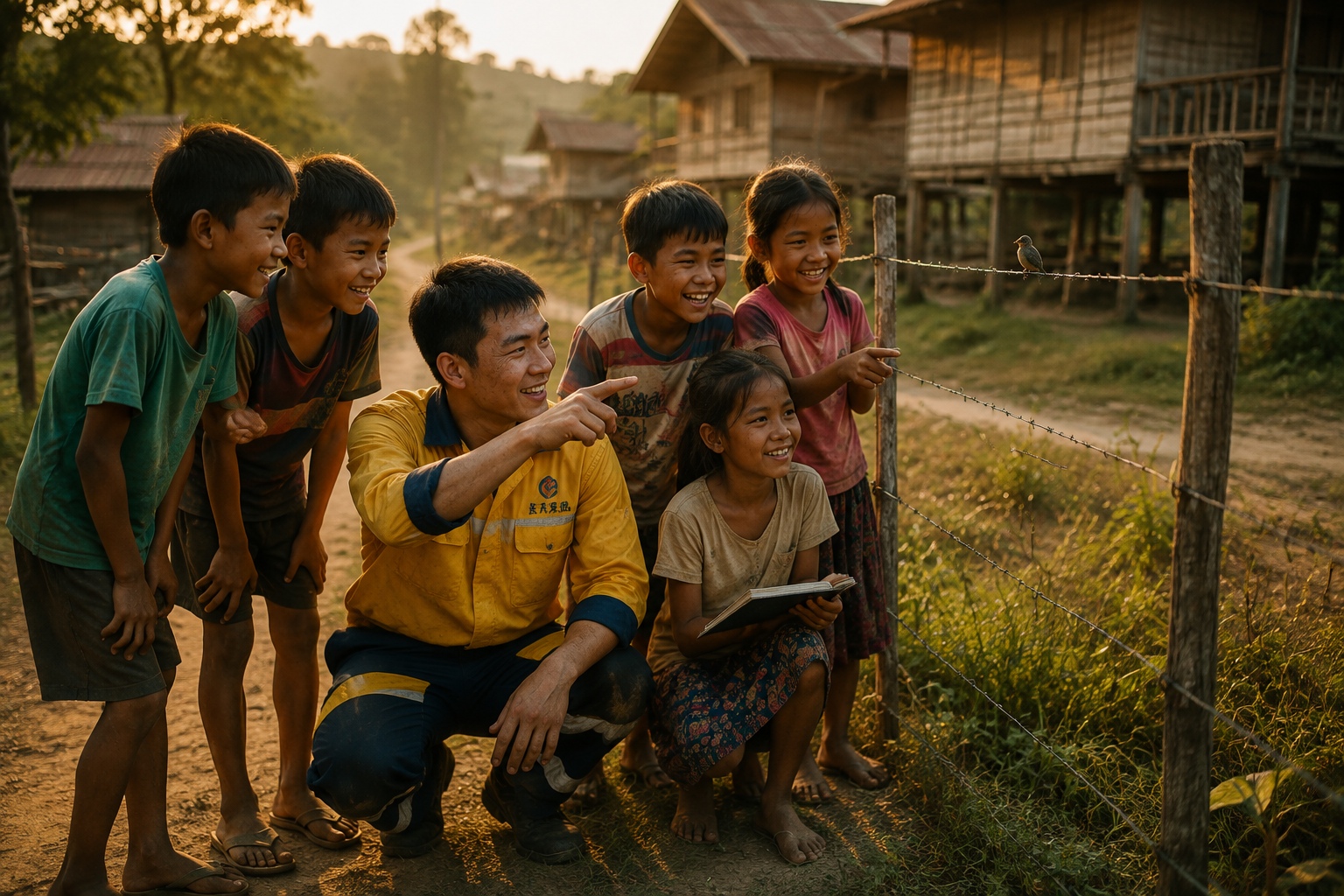
The first time I heard about the China-Laos Railway, I was standing in a dusty village outside Luang Namtha, watching a young Chinese rail worker try to explain something to a group of Lao children. He was pointing at a small bird on a wire, then at the sky. The kids giggled. One girl shouted, “Nok! Nok!” — the Lao word for bird. The worker laughed, pulled out his phone, and typed the word, showing it to a colleague from Beijing who was filming the scene.
That moment stayed with me. It wasn’t in any official briefing. It wasn’t about loan agreements or construction milestones. It was just a person, far from home, learning another person’s word for “bird.”
The Railway That Connected More Than Stations
The China-Laos Railway, which opened in December 2021, runs about 1,035 kilometers from Kunming in southwest China to Vientiane, the Lao capital. It cut travel time from two days by bus to a few hours by train, and it turned landlocked Laos into a link in a regional supply chain. But for the people who lived along the route, the railway was never just steel and concrete.
During the five years of construction, thousands of Chinese engineers, surveyors, and laborers lived in temporary camps beside Lao villages. Many had never been outside China before. They arrived with few shared words, only gestures, food, and patience.
Learning Lao From the Kids
In the village of Ban Kouay, near the Luang Prabang tunnel, I met a welder named Liu Qiang. He told me that in the first month, he survived on two words: “sabaidee” (hello) and “khop jai” (thank you). Then the village kids started hanging around the construction site after school. They taught him more: “nam” for water, “kau niaw” for sticky rice, “ma” for dog. He taught them Mandarin numbers and how to say “Hello, how are you?” in Chinese. When he left six months later, the children ran after the bus, shouting, “Liú Qīang! Liú Qīang!” — the first time they had ever used a foreigner’s given name.
Stories like this are not exceptional. In nearly every camp, workers and villagers found ways to communicate. Some used picture dictionaries. Some used cooking. A cook from Hunan taught a Lao woman to make Chinese-style eggplant, and the woman taught him to make laap, a minced meat salad with herbs. They traded recipes the way diplomats trade documents — carefully, with pride, and with a desire to be understood.
Fruit, Water, and Small Kindnesses
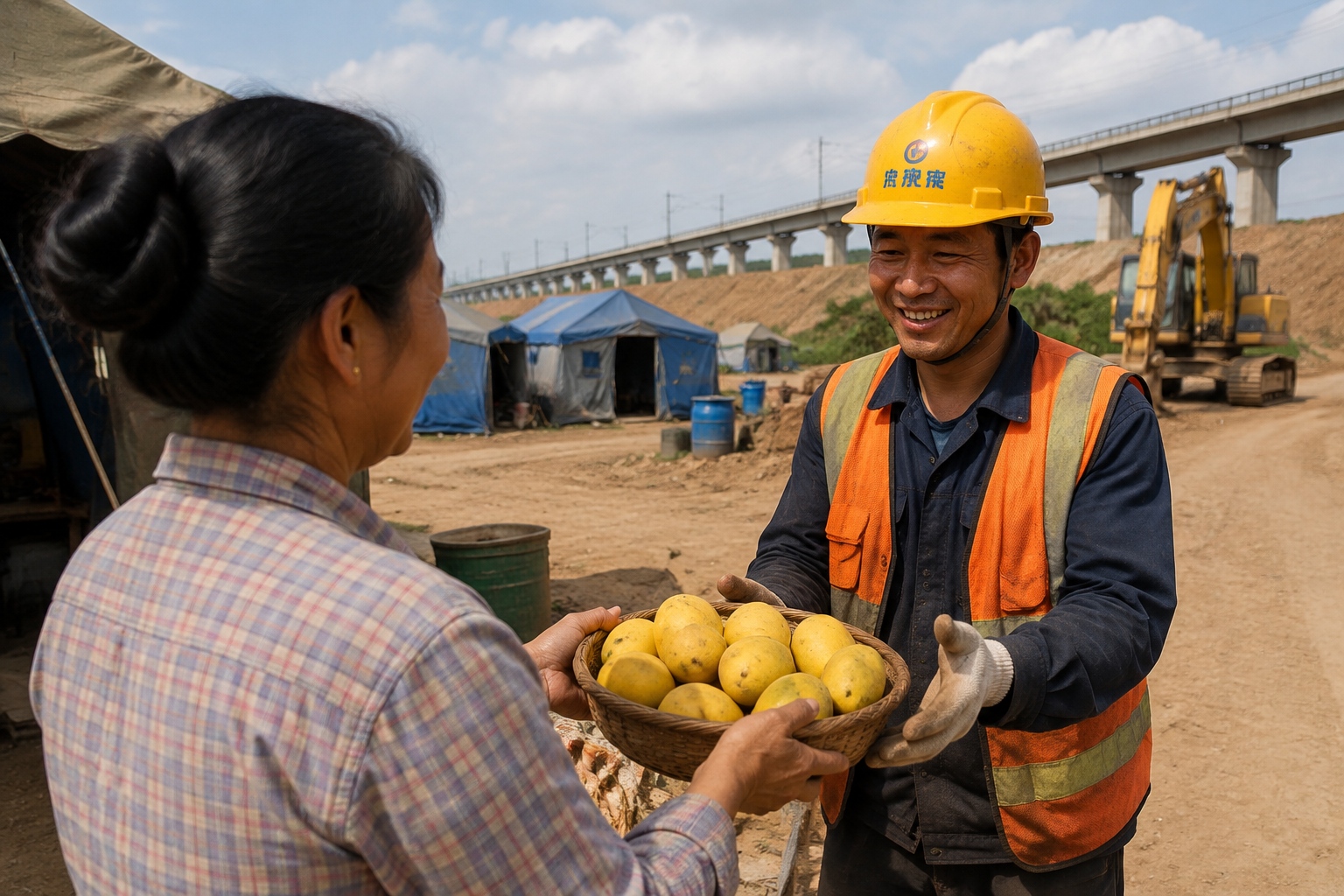
The most common currency along the railway was fruit. Lao farmers living near the tracks often walked over with bags of mangoes, bananas, or papayas for the crews working under the sun. At first, the workers hesitated — they didn’t want to owe anything. But the villagers insisted, pressing fruit into their hands with the kind of warmth that doesn’t need translation.
One elderly farmer in Oudomxay told me why she did it. “They were building something for my grandchildren,” she said, fanning herself under a tamarind tree. “What is one mango?”
In return, workers left behind what they could: medicine for fever, extra rice, spare torches, and, most memorably, a football. The football appeared in a village called Ban Donchay, where the kids had been playing with a ball made of rags and plastic. A young surveyor from Guangxi bought a real ball from the nearest town, sixty kilometers away, and gave it to them. He said it was his way of saying thanks for the sticky rice they had brought to his camp every Saturday.
A Shared Language of Food
Food was the bridge. At night, workers and villagers often gathered around communal fires while Lao women showed the Chinese men how to wrap sticky rice in bamboo tubes. The workers, in turn, produced wok-tossed vegetables with Sichuan peppercorns sent from home. There were no interpreters at these dinners. People passed bowls, nodded, smiled, and watched how others ate. Hunger is a universal translator.
Later, many workers brought Lao ingredients back to China. In Kunming’s dining scene, you can now find restaurants serving larb and tam mak hoong (spicy green papaya salad) that trace their recipes to those camps along the railway. And in Luang Prabang, some guesthouses serve a Chinese breakfast of rice porridge with pickled vegetables, a direct legacy of the workers who stayed on as trainers after the tracks were laid.
After the Trains Started Running
When the line opened, the construction camps disappeared. Workers moved to other projects in China or stayed behind as station staff, maintenance technicians, or locomotive engineers. The village kids who once ran after Liu Qiang are now in middle school. Some of them take the train to Luang Prabang or Vientiane — a journey their parents’ generation made by road over several days.
The old farmer who gave away mangoes now sells them at a stall near a small station, serving passengers who hop off for a photo. She tells me she still remembers one worker who cried when he ate her fruit because it tasted like the mangoes his grandmother grew in Yunnan. “He was homesick,” she said. “I know that feeling. My son works in Thailand.”
During my last visit, I sat in the waiting hall of a modest station and watched a Chinese train conductor helping a Lao woman fold her bicycle into the luggage compartment. They didn’t share a language. But they shared a system — of tickets, platforms, and someone who points where to go. The railway has become a character in the region’s daily life, but the people who made it are the real story.
The Tracks Are New, The Kindness Is Old
If you read the official accounts, the China-Laos Railway is an exercise in engineering and logistics. But standing on a station platform, watching families board trains with woven baskets, grandchildren, and bags of snacks, you see something simpler. This is what happens when people decide to build a path through a mountain: they end up building paths to each other.
The workers came to lay track. They left with recipes, photographs, and phone numbers written on paper scraps. The villagers gave away mangoes and sticky rice. They received footballs, medicine, and a way out of the provinces that had been too far from everything.
Sometimes progress looks like a sleek electric train. Other times, it looks like a welder from Sichuan, speaking broken Lao to a child who is teaching him the word for bird.
This story was reported from field visits along the China-Laos Railway between 2019 and 2023. Names of villagers and workers have been used with their permission.
Start the discussion at forum.chinacomes.com