
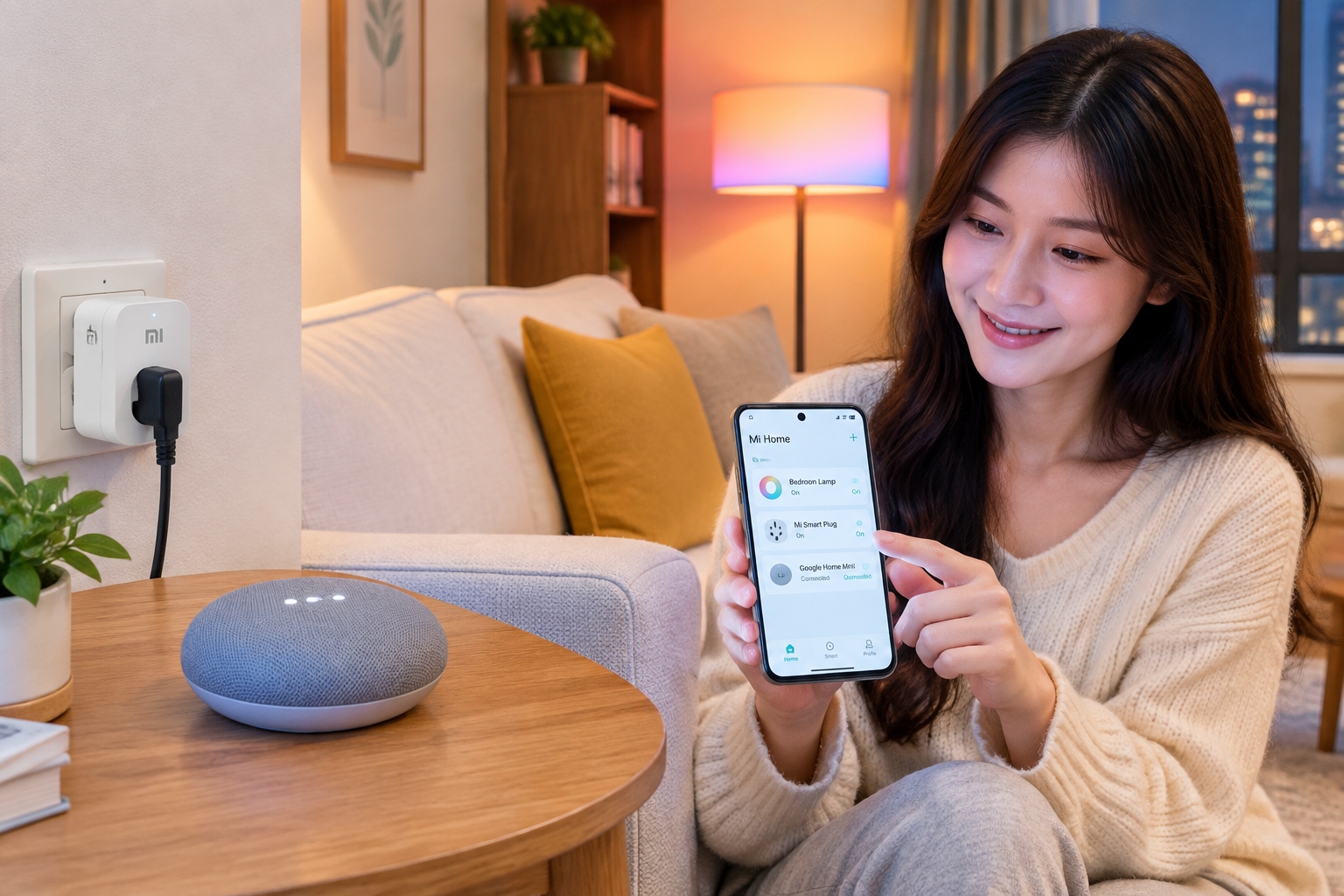

Movie Night in a Beijing Apartment
At 8pm I settled into my 40-square-meter rental in Beijing and said, ‘Hey Google, movie time.’ In two seconds, the ceiling light dimmed to a warm 40%, the floor lamp beside my couch switched on, and the smart plug powering my TV turned on. No clapping, no fumbling for an app, no three different remotes.
This setup didn’t cost a fortune. The whole system – a Xiaomi smart bulb, two smart plugs, one motion sensor, a Wi-Fi camera, and an old Google Home Mini – came in under $100 including shipping from JD.com. That is roughly the price of a single Philips Hue starter kit in the United States. So I spent a month using it as a living comparison of three ecosystems: Xiaomi’s Mi Home, Google Home, and Amazon Alexa.
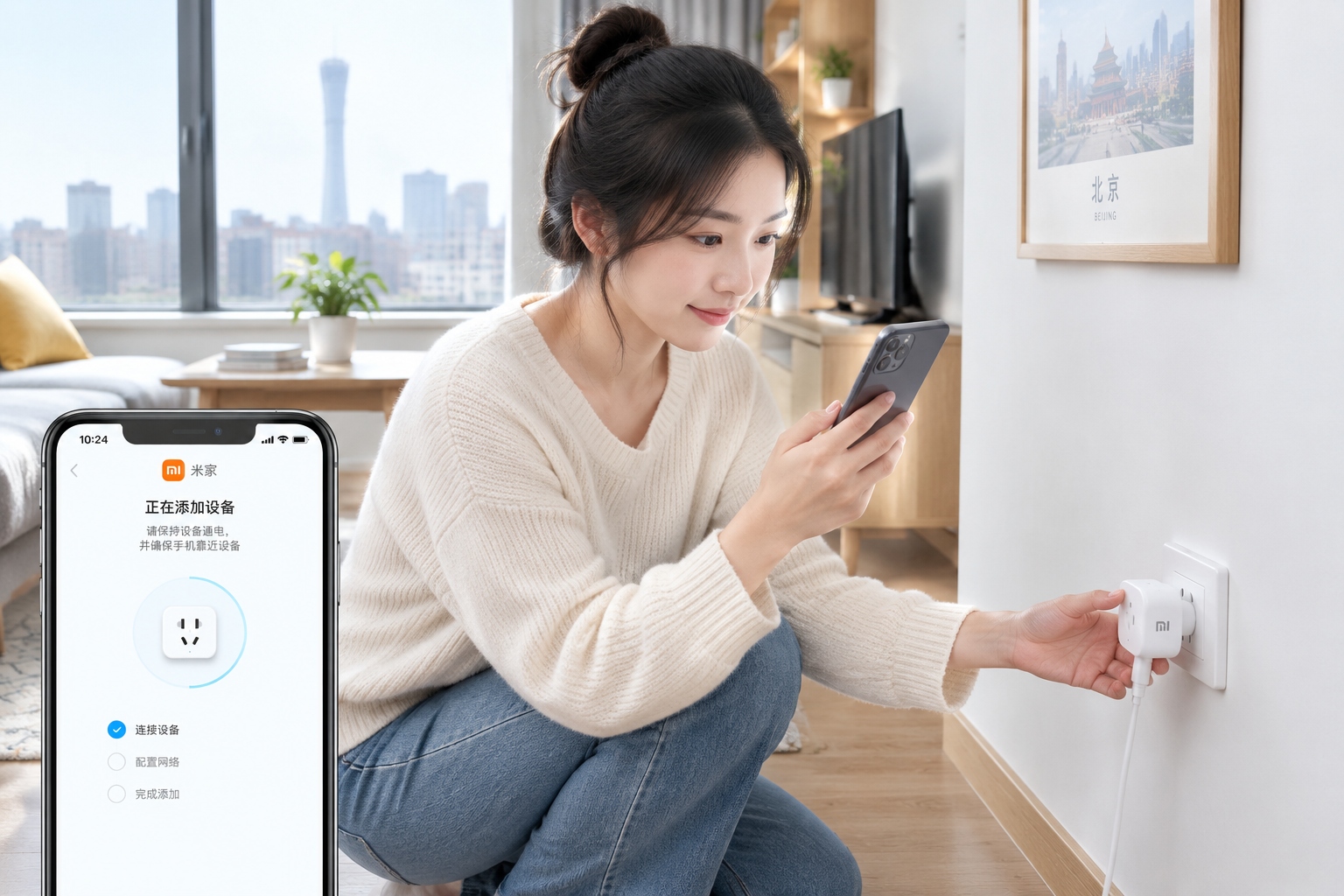
For readers in North America or Europe, the immediate question is usually: can a Chinese ecosystem actually talk to Google and Amazon? The short answer is yes, but the how and why explain a lot about why smart homes have taken a different path in China.
What $100 Buys Across the Three Systems
Start with the physical hardware. Google and Amazon don’t manufacture many smart home devices themselves. Google leans on the Nest line and certified partners; Amazon relies on Ring, Blink, and countless Alexa-compatible brands. Xiaomi, in contrast, is both a hardware maker and a platform operator.
My $99 shopping list from JD.com looked like this:
Xiaomi Smart Plug ($14) – a 10A Wi-Fi plug with energy monitoring.
Xiaomi Yeelight Bulb ($16) – color temperature tuning from 2700K to 6500K.
Xiaomi Motion Sensor ($9) – a Zigbee sensor with a coin-cell battery.
Xiaomi 2K Security Camera ($34) – supports person alerts and local SD storage.
Mi Home Gateway Hub ($26) – the bridge that connects Zigbee sensors to Mi Home.
Total: $99.
To replicate that setup with mainstream Google or Amazon gear, you would need a smart speaker or display for voice control, a compatible hub or bridge, and bulbs and plugs that support Matter or Works with Alexa. A simple Philips Hue two-bulb starter kit costs around $45 on Amazon, one Wemo smart plug around $25, a smart plug two-pack from Kasa more like $30, and a Wyze cam gets close to $40. You’d quickly cross $200 before you even add the hub or voice speaker.
Setup: Crossing the China Account Boundary
Here is where a Western reviewer might hit a wall. Xiaomi sells two versions of most devices: the international build (which officially supports Google Home and Alexa) and the mainland China build (which often doesn’t). Chinese consumers typically buy the latter because it’s cheaper and localized to China’s servers.
My Xiaomi account was initially set to the Chinese mainland region. It worked beautifully inside the Mi Home app, but when I tried to link that account to Google Home, Google couldn’t see a single device. The Alexa skill also returned ‘no devices found’ because the skill server was pointing to the global instance.
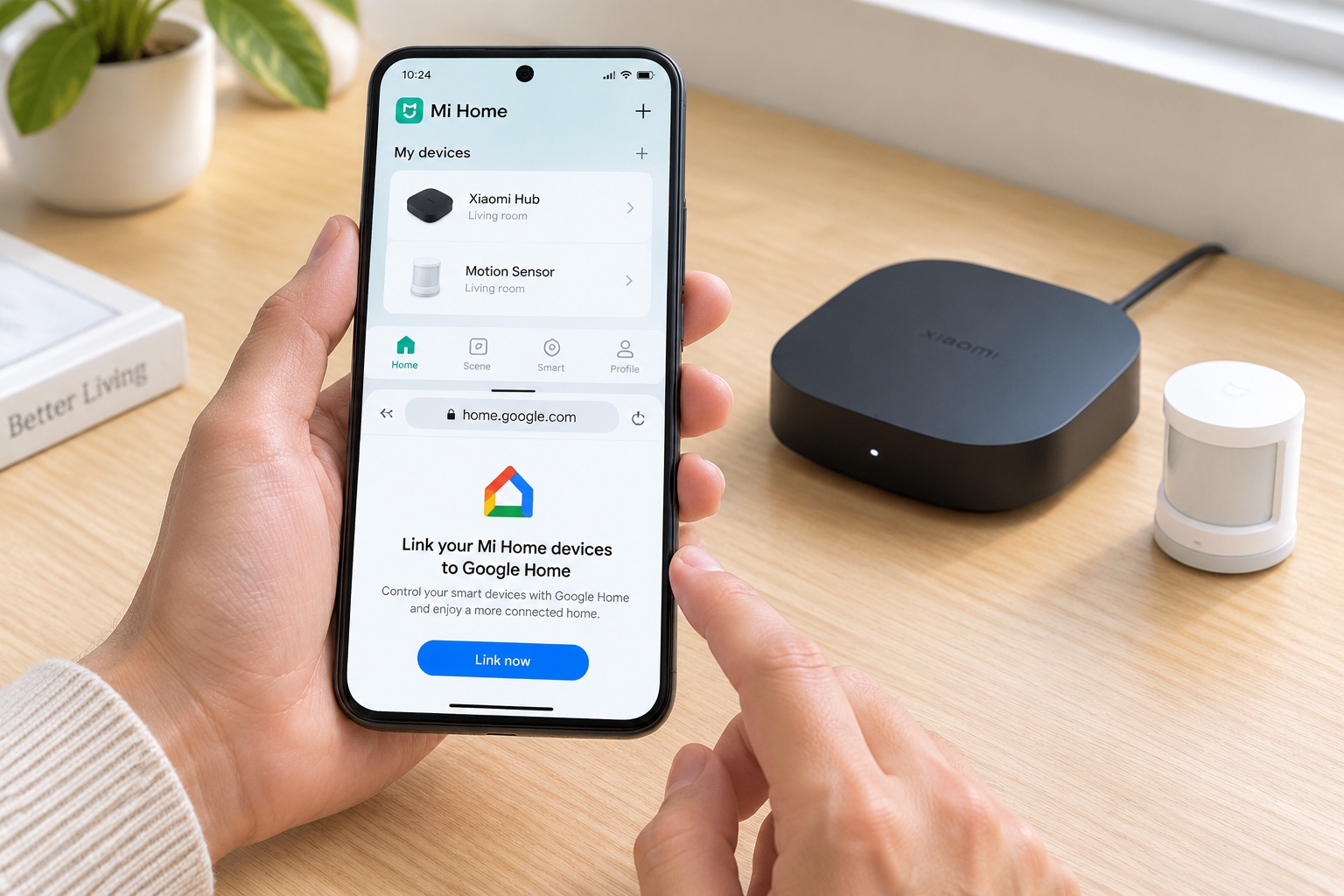
The fix is straightforward but annoying. I created a second Xiaomi account tied to the global server, then paired only devices that expose local control capabilities. You can also install Home Assistant community firmware on a $35 Raspberry Pi to unify everything, but that’s a project, not a plug-and-play experience.
This workaround is a perfect window into China’s parallel internet. Chinese smart home ecosystems work very well locally; syncing them with Western platforms often requires a double identity, like a person with two passports.
Scene Tests: Which System Gets Out of the Way?
I ran five scenarios over two weeks. They all involved daily life rather than lab-level precision.
Morning: I asked Alexa to turn off both my bedroom and floor lamps before rolling out of bed. Average response time through the Xiaomi plug: 1.8 seconds. Google Home did the same in 1.6 seconds. No perceptible difference.
Evening: The motion sensor was set to trigger the hallway light from 7pm to midnight. In the Mi Home app this automation took three taps to set. Sensor-to-light latency was around 0.7 seconds – fast enough that you don’t think about it.
Late night: I asked Google to dim the living room bulb to 5%. The Yeelight bulb responded instantly because it was natively compatible with Google.
Visitor: The Xiaomi camera pushed a person-arrival alert to my phone while I was away, and it correctly ignored the postman when he just walked past the corridor.
Everything worked. The biggest difference wasn’t response speed but the depth of control inside each app.
Apps: Xiaomi Offers More, but with Chinese Bureaucracy
The Mi Home app is messy, feature-heavy, and deeply flexible. You can build automations with multiple triggers, including weather, sensor state, and time. You can define different actions for each member of your family. You can even set the living room light to change color based on a phone GPS position. For a tinkerer, Mi Home is paradise.
It also shows its roots. Open the ‘Discover’ tab, and you’ll find promotional videos from Xiaomi users, not curated content. Every second page of the app pushes a Xiaomi product. The interface is a reminder that hardware is sold closer to cost, with the app driving brand loyalty.
Google Home’s app is more polished, but its automation engine is much simpler. Amazon Alexa has broad device support and a mature routine system, but for creating complex conditions you often need to enable an associated app from the brand itself.
The Role of Cloud Servers and Latency
Because each Xiaomi device can be connected to local servers on your global or China region, your data travels differently. For devices using Xiaomi’s cloud, commands can execute in 1 to 2 seconds. For devices controlled locally through the gateway, the response time drops to under half a second. Google and Amazon devices almost always route through their cloud, which means your command depends on internet quality.
In a Chinese city with fast broadband, the Xiaomi local network was consistently snappier than cloud-dependent counterparts. But when I used the same Xiaomi devices via Google Home, the delay increased by roughly a second – because the request bounced from my apartment in Beijing to a Google server and back.
Pricing, Privacy, and What ‘Cheap’ Actually Means
Let’s do the math beyond shopping carts.
Xiaomi devices are cheaper because the company accepts lower hardware margins to build a platform. You also get fewer long-term software commitments and a privacy policy that makes many Western users uncomfortable. It’s fair to be cautious. But if you want to stay local, you can block internet access for some devices and use a local automation engine; the community has made this easier than ever.
Google and Amazon offer clearer data policies, stronger regulatory alignment with the EU and US, and smoother integration if you stay inside their ecosystem. That security and convenience comes with a big hardware premium.
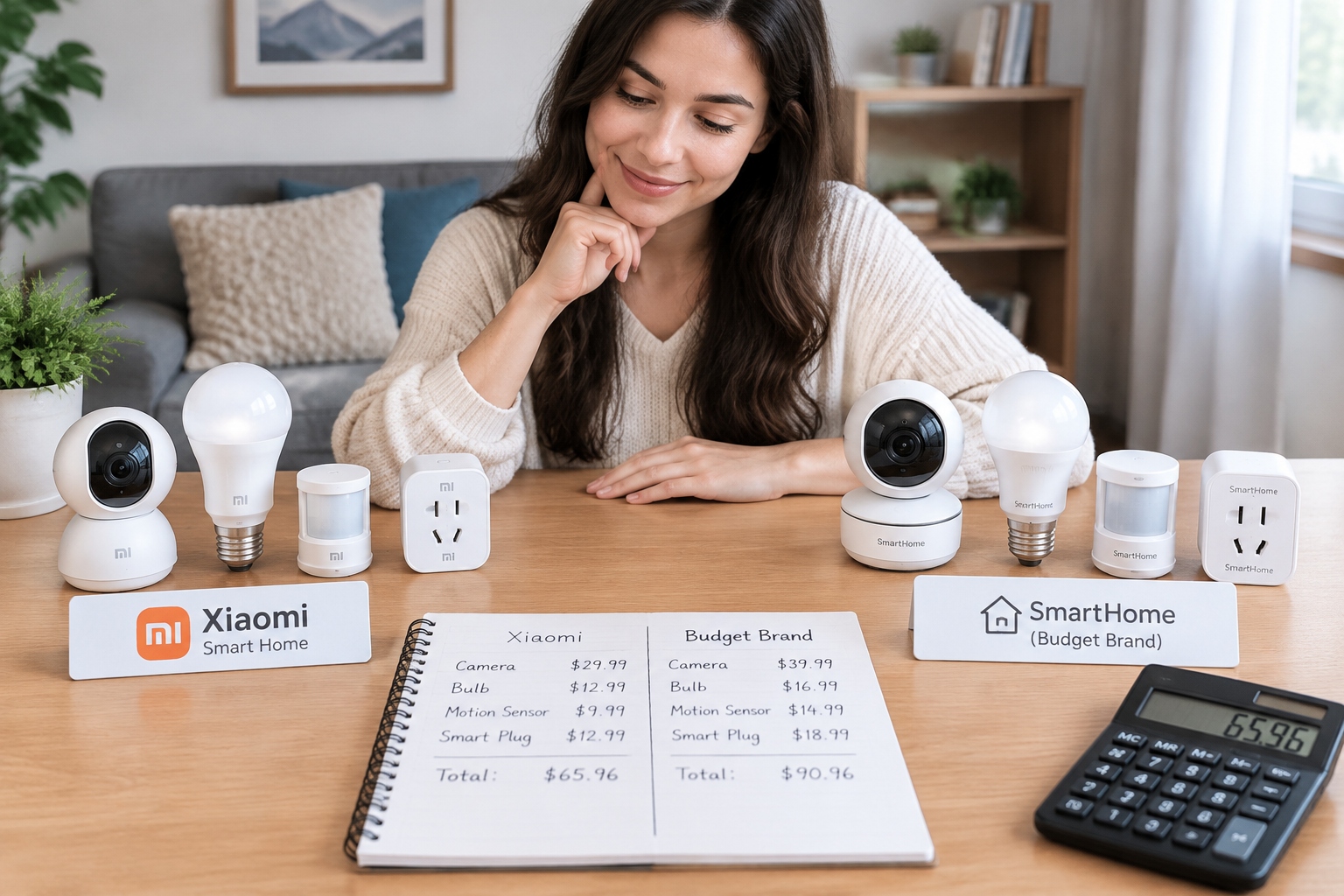
My true cost comparison for the same functions, including a voice assistant speaker, was around $99 for the Xiaomi path but $210–$240 for a comparable Google or Amazon path. If you include a Nest Mini or Echo Dot, the gap narrows, because you can use any of those speakers to control Xiaomi devices.
The Real ‘China Difference’
What impressed me was not the low price alone, but the sheer ubiquity. In China, smart home isn’t a hobby – it’s a default feature of many new-build apartments. The entry-level products sit in university dorm rooms, elderly grandparents’ houses, and expensive penthouses alike. Xiaomi does what Western startups haven’t done: it turns a smart home into a commodity.
For a visitor or expat living in China, this budget ecosystem is easy to pick up. For an overseas reader, the lesson is slightly different: the parallel ecosystem strengthens the case for cross-platform standards like Matter. Meanwhile, Xiaomi’s global rollout of its same devices with normal HTTP APIs is making cost-effective smart homes possible for people in emerging markets, too.
My Bottom Line
If you’re a beginner in the US or Europe and you just want voice control for a few lamps, Google Home or Alexa is the wisest path. The setup is smooth, the warranty is local, and you avoid account gymnastics.
But if you’re on a budget and don’t mind learning, Xiaomi’s international line can cut your bill in half. Start with the global versions sold on Amazon or the official Mi store. Keep your Mi account on the global server. Buy a Mi Hub to keep local control fast. And if you ever feel adventurous, set up Home Assistant using the Xiaomi integration.
A $100 smart home is no longer a dream. It’s a Saturday afternoon project.
Start the discussion at forum.chinacomes.com