
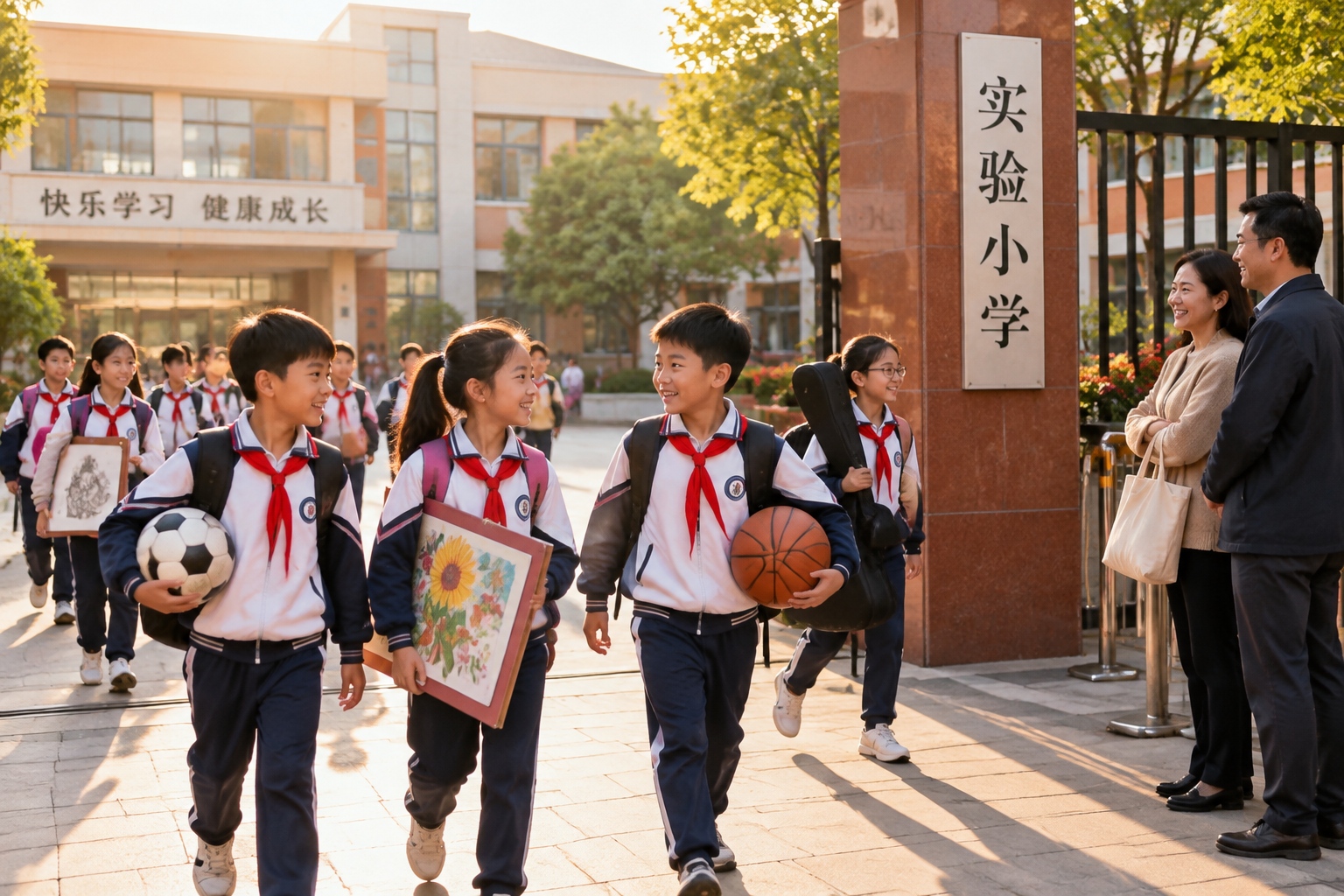

At 4:30 p.m., a Different Kind of Afternoon
On a Tuesday in Chengdu, 9-year-old Liu Yuhan is not packing her bag for a math cram school. She is in her school’s robotics club, trying to make a small wheeled robot follow a black line. Her mother waits outside, scrolling through her phone. Three years ago, this same hour would have been a scramble: a van ride across town to a 90-minute English class, then homework until 10 p.m. ‘We spent more on tutoring than on rent,’ her mother says.
That shift is the most visible result of ‘Double Reduction’ — a set of policies Beijing announced in July 2021. The official name is long: ‘Opinions on Further Reducing the Burden of Homework and Off-Campus Training for Compulsory Education Students.’ In Chinese, it is shortened to 双减 (Shuang Jian), meaning ‘double reduction.’ The two burdens are homework and tutoring.
What the Policy Actually Says
China’s compulsory education covers grades 1 to 9, roughly ages 6 to 15. The policy targets two things.
First, homework. Schools must limit written homework: no written homework for grades 1 and 2; no more than 60 minutes a day for grades 3 to 6; no more than 90 minutes for junior high. The goal is not just less homework but better-designed homework.
Second, off-campus tutoring. For subject-based tutoring — math, English, physics, chemistry and so on — the rules are strict. No new licenses for grades 1 to 9. Existing institutions must register as non-profit. No tutoring on weekends, public holidays or school vacations. No capital investment, no IPOs, no advertising. Online tutoring is limited to certain hours on weekdays.
The aim is to reduce family spending and student stress, and to push private capital out of basic education. Before 2021, China’s K-12 tutoring industry was worth hundreds of billions of yuan. Companies like New Oriental and TAL Education were listed on U.S. stock exchanges. After July 2021, their market value collapsed. By the end of 2021, subject-based tutoring institutions for compulsory education had been cut by over 92% offline and 87% online, according to the Ministry of Education. Before the policy, an estimated 75% of urban students received some form of tutoring. The average urban family spent 5,000 to 20,000 yuan a year on it, and in big cities like Beijing and Shanghai, the figure could exceed 50,000 yuan.
The 4:30 Classroom
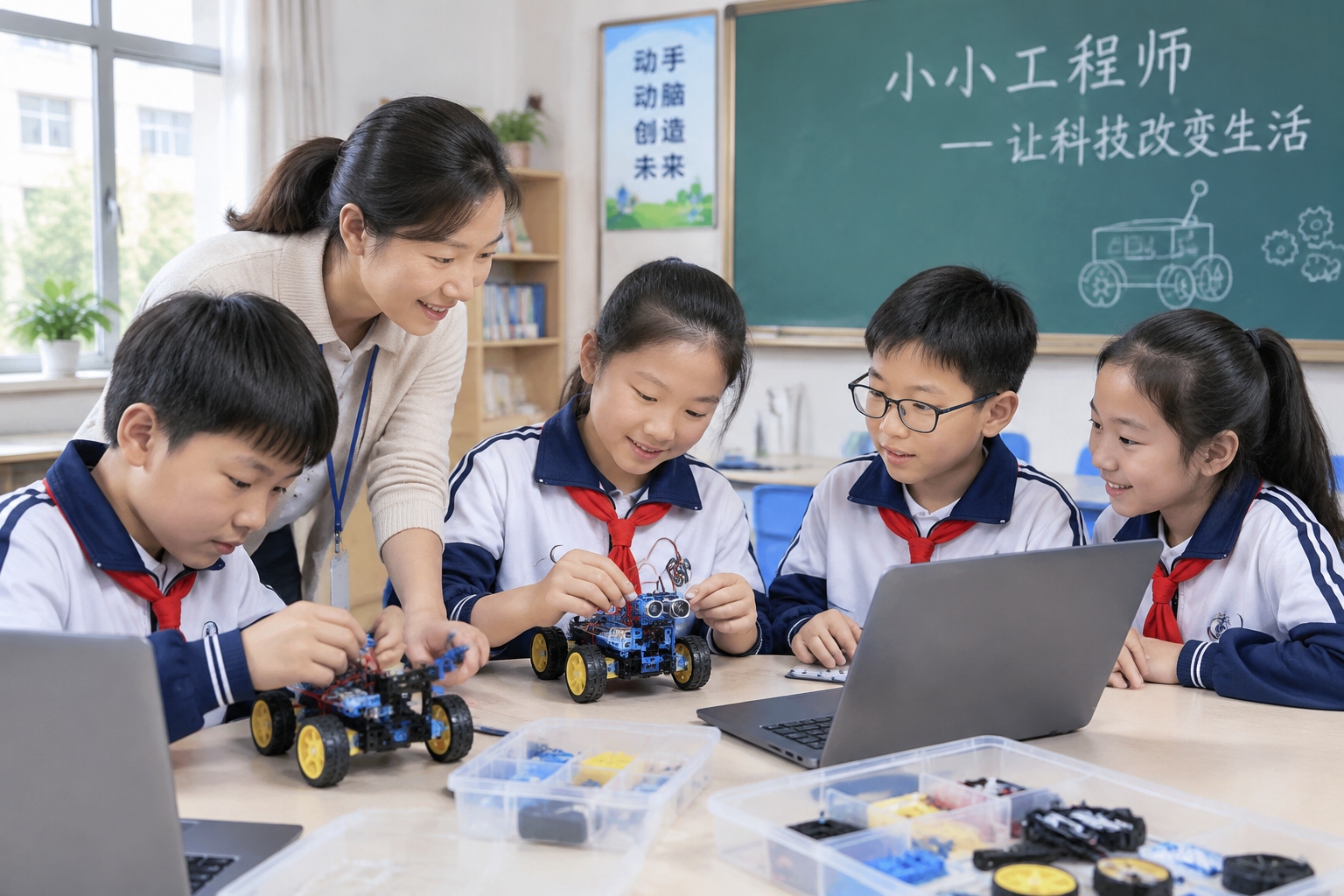
Before the policy, many Chinese primary schools ended around 3:30 or 4 p.m. Parents who worked full time had to choose: pick up the child early, hire a nanny, or send them to a tutoring center. The policy created a new expectation: schools should provide after-school services. The model is called ‘5+2′ — five days a week, two hours a day, ending around 5:30 or 6 p.m., closer to parents’ off-work time.
By the end of 2021, more than 90% of compulsory education schools offered after-school services. By 2023, it was nearly universal. In cities, the options have expanded: sports, art, coding, science clubs, chess, calligraphy. Some schools partner with museums, tech companies or sports associations. In Shanghai, a primary school might offer 30 different clubs in one semester. In Shenzhen, students can join drone flying or 3D printing. In a rural school in Yunnan, after-school often means basketball on an outdoor court or supervised reading.
Funding comes from a mix of government subsidies and modest fees. Many cities charge 300 to 600 yuan per semester for basic after-school care, with waivers for low-income families. Teachers are paid extra for the hours, often 50 to 100 yuan per hour. The gap between urban and rural after-school quality is one of the policy’s quiet challenges.
What Happened to the Tutoring Industry
The tutoring industry did not disappear. It went underground. Before 2021, an estimated 10 million people worked in off-campus training. Many lost jobs or moved to non-subject tutoring, adult education or other sectors. New Oriental pivoted to livestreaming e-commerce and non-academic tutoring; its East Buy livestreaming unit reported revenue of 4.5 billion yuan in 2023. TAL moved into smart learning devices.
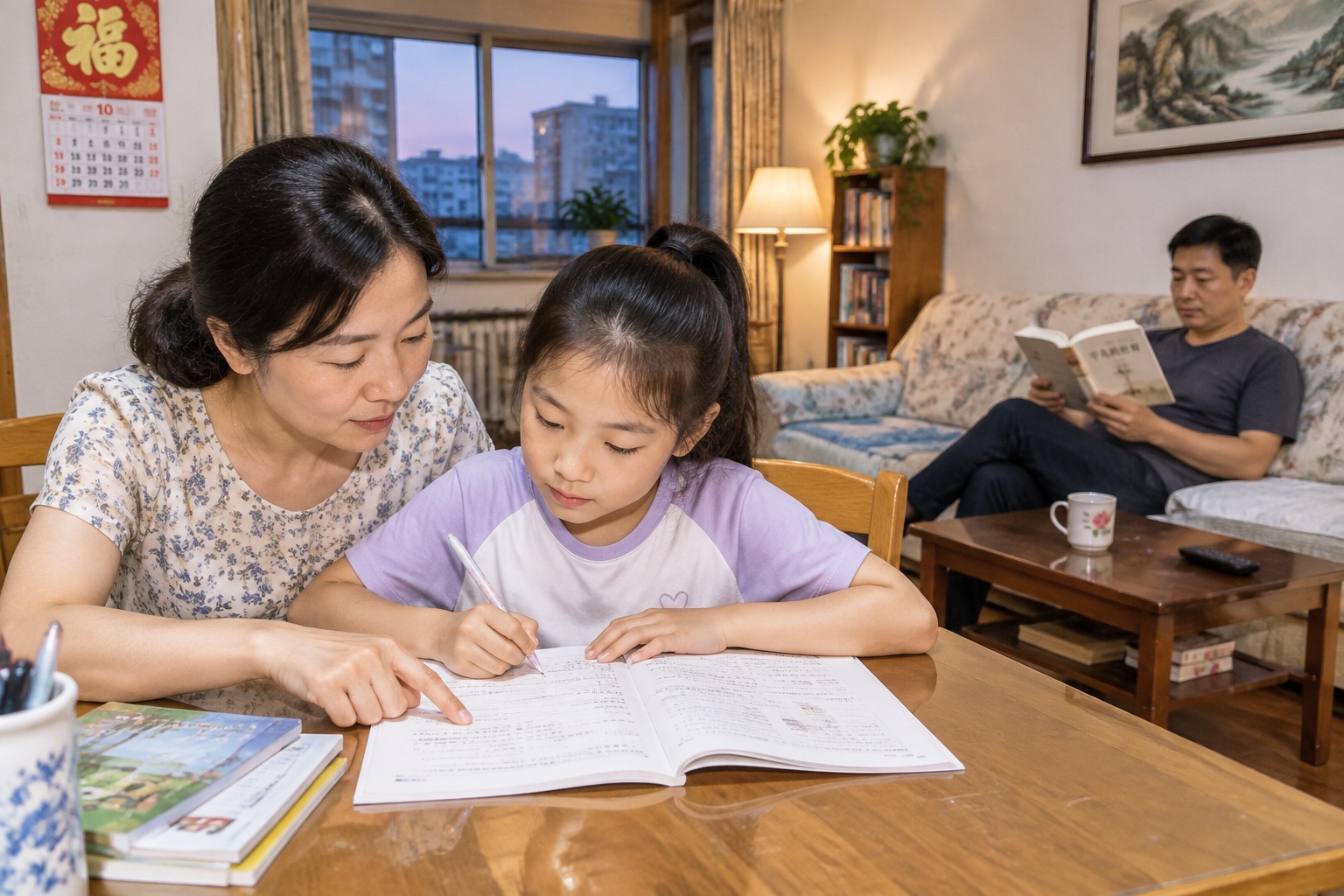
Demand for academic help, however, remains. In big cities, one-on-one home tutoring now costs 300 to 800 yuan per hour. Some families use ‘study camps,’ ‘educational travel’ or ‘research trips’ as cover. Since 2023, education authorities have stepped up inspections. In 2024, a Beijing court fined a tutor for disguised off-campus training. Enforcement is a cat-and-mouse game. According to a 2023 report by the 21st Century Education Research Institute, hidden tutoring still exists in major cities, often through parent networks and private WeChat groups.
What Parents Say
Ms. Zhang, a mother of a 10-year-old in Shanghai, used to spend about 4,000 yuan a month on weekend math and English classes. Now her daughter stays at school for after-school services. Basic homework help is free; an art club costs 800 yuan per semester. ‘We save money,’ she says. ‘But I still worry. Other kids might have private tutors at home.’
Mr. Li, a father of a 14-year-old in Zhengzhou, used to spend 20,000 yuan a year on physics and math tutoring. He spends less now, but his son’s test scores dropped slightly. ‘The gaokao has not changed,’ he says. ‘We still care about scores.’ Some parents have shifted anxiety to non-academic activities — swimming, piano, coding — which are legal. Others hire ‘study companions’ just to supervise homework. A 2022 survey by China Youth Daily found that 60% of parents said the policy reduced their financial burden, but 45% still felt anxious about their child’s academic future. The anxiety has not vanished. It has moved.
Teachers’ New Workload
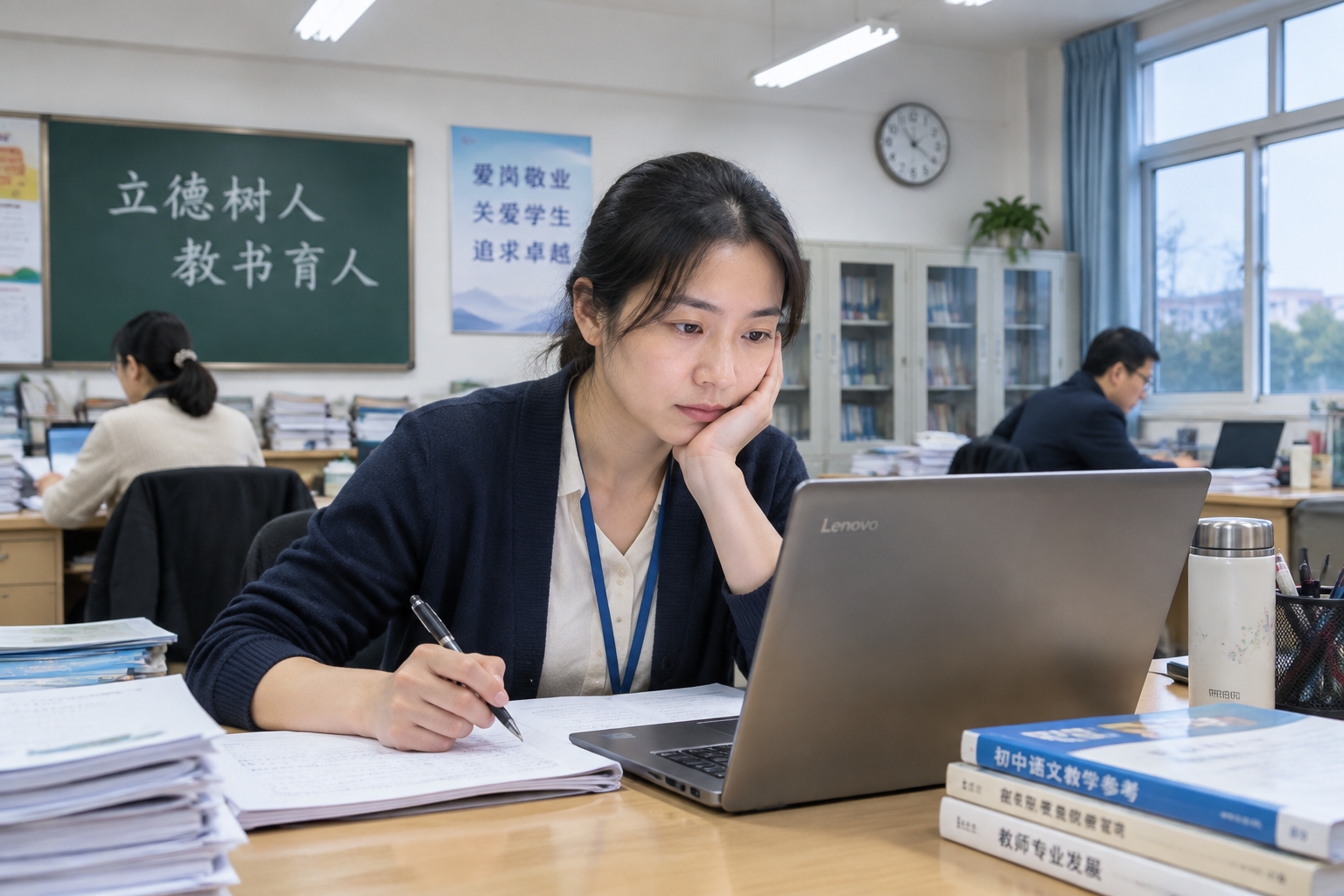
After-school services mean longer days for teachers. Many schools rotate shifts and pay extra — often 50 to 100 yuan per hour. But not all teachers find it sustainable. A 2022 survey by China Education Newspaper found that over 60% of teachers reported increased workload. A 2023 survey by the National Institute of Education Sciences found that 70% reported increased stress. Some schools hire retired teachers, university students or community volunteers. Quality varies.
Teachers also face pressure to improve classroom teaching. ‘We cannot just assign more homework,’ says a middle school math teacher in Hangzhou. ‘We have to teach better.’ That is the policy’s harder goal: not just cutting hours, but changing how schools teach. Some schools have created new roles, like after-school service coordinators, to manage clubs and schedules. But in many places, the extra work still falls on regular teachers.
Has the Rat Race Slowed?
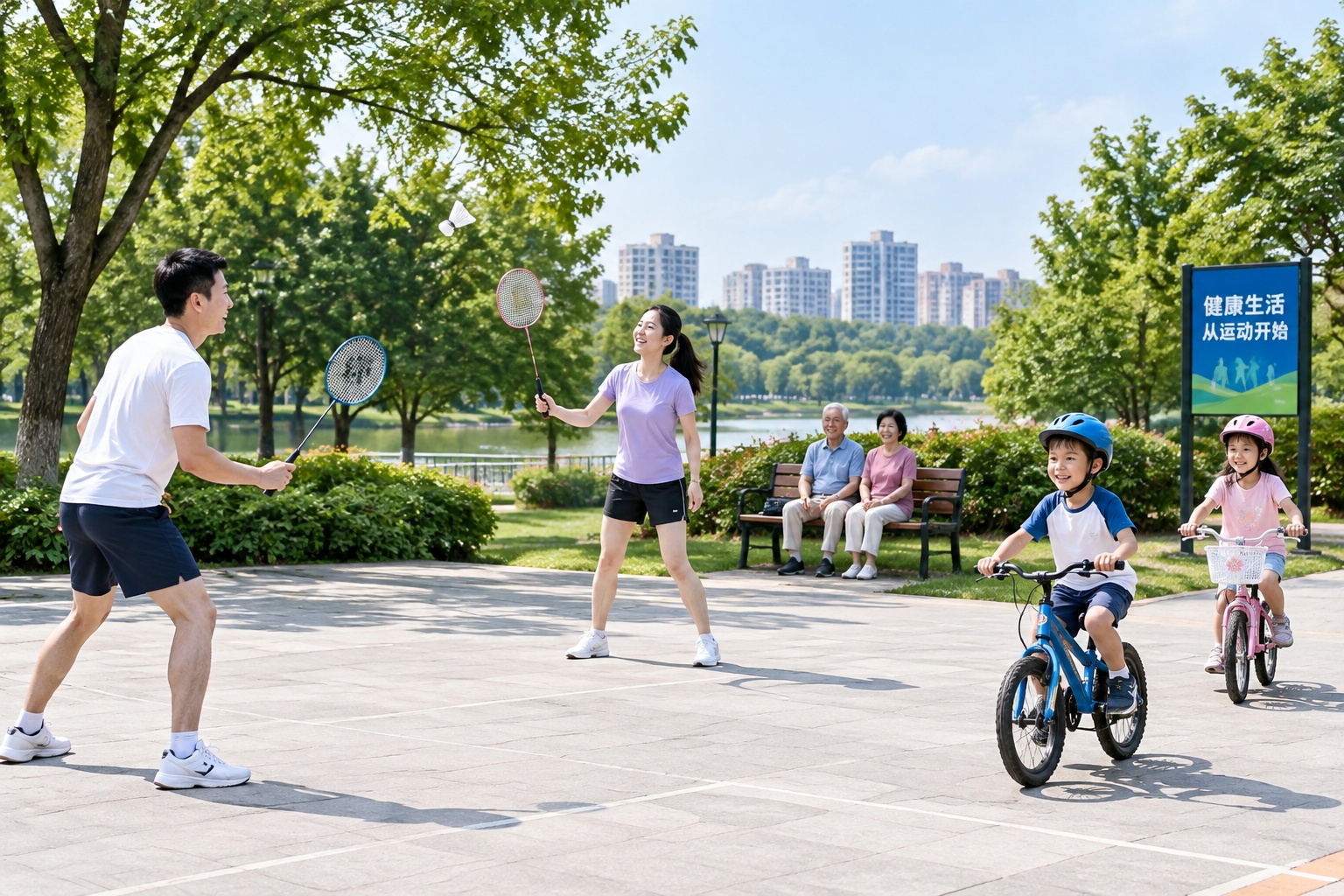
The policy aims at a deeper shift: from exam-focused education to whole-person development. Officially, vocational education is being promoted. In 2022, China revised its Vocational Education Law, giving vocational school graduates more pathways to higher education. But the gaokao still dominates. In 2024, 13.42 million students took the gaokao. Top universities remain the main route to secure jobs. So anxiety has not disappeared. It has found new forms.
Some families now focus on ‘comprehensive quality’ — sports, art, competitions — which can become a new race. Others simply rely more on public schools. A 2024 report by the Chinese Academy of Social Sciences noted that parenting anxiety remains high, but spending on tutoring has dropped by 30% to 50% in some cities. The long-term effect depends on whether the gaokao itself changes, and whether employers value skills over diplomas.
What to Watch Next
Several questions will shape the policy’s legacy. Can regulators keep up with hidden tutoring? Will rural schools catch up in after-school quality? Will teacher pay and staffing improve enough to prevent burnout? And without reforming the gaokao, how much can burden reduction really achieve?
For Liu Yuhan’s mother in Chengdu, the change is tangible. ‘We have dinner together now,’ she says. ‘That matters.’ But she still checks her daughter’s math scores. The policy has bought time and money for millions of families. Whether it changes the deeper anxiety depends on what happens next — in classrooms, in hiring, and in the exam hall.
Start the discussion at forum.chinacomes.com