

Introduction
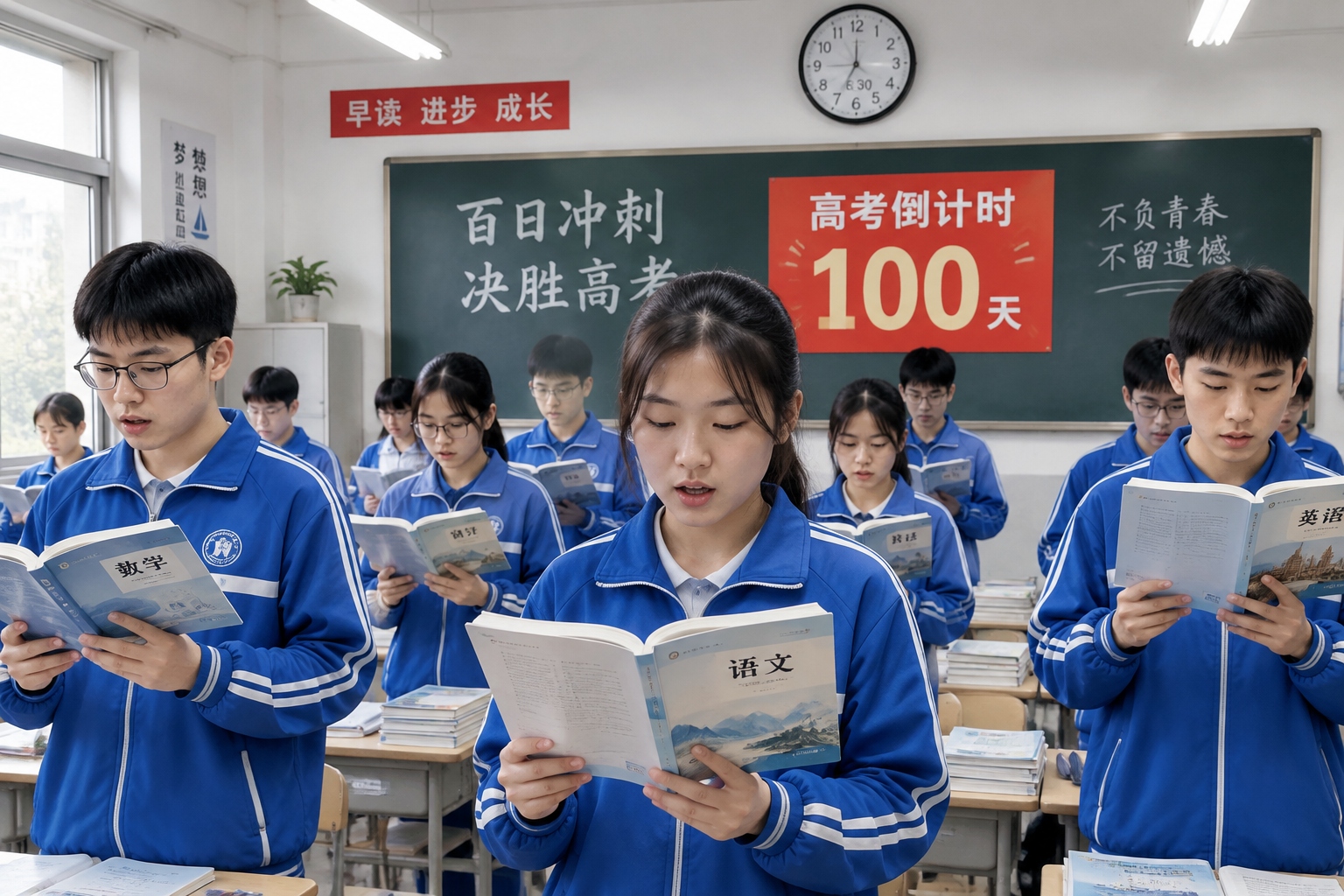
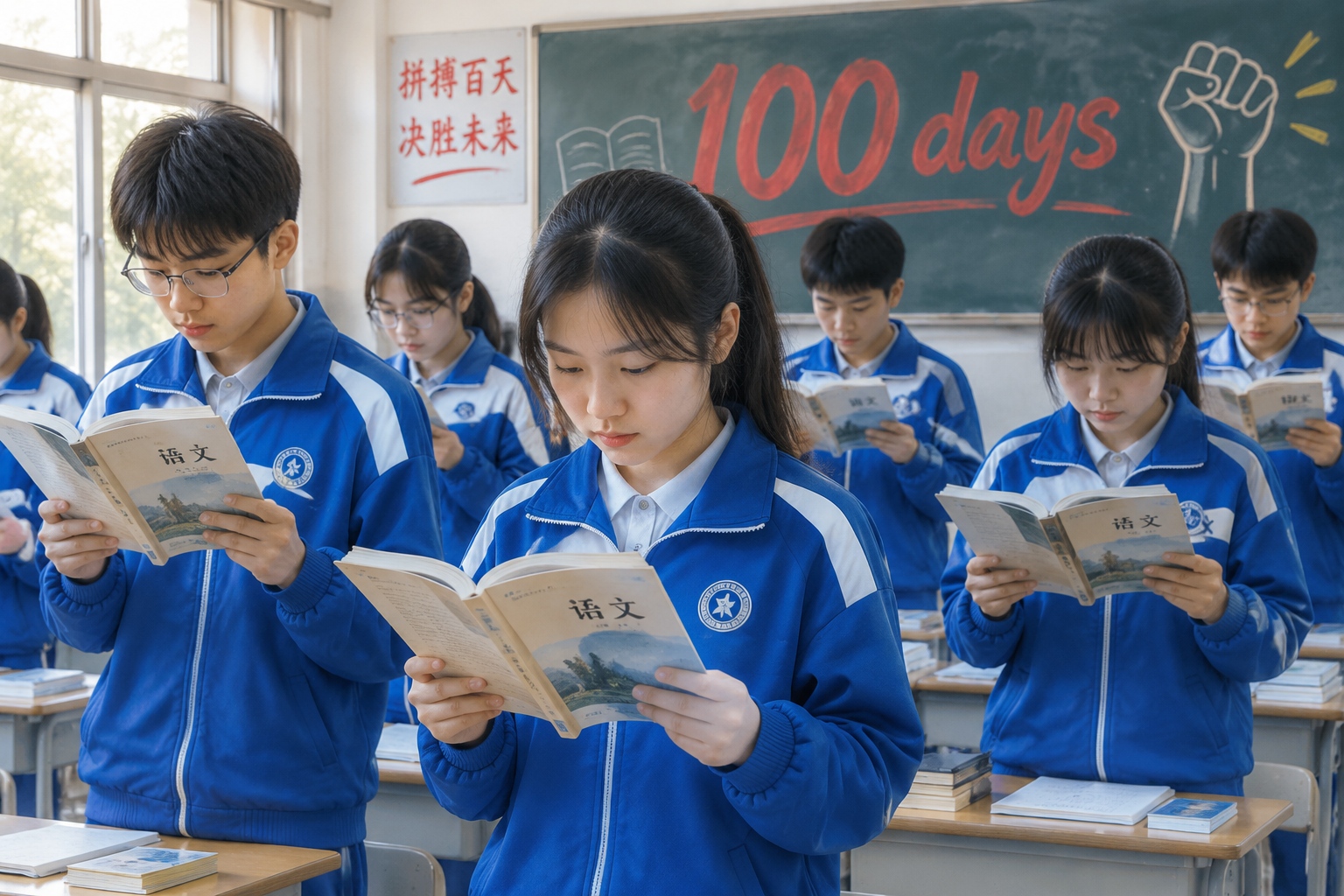
At 6:15 a.m., the classroom lights flicker on in a high school on the outskirts of Zhengzhou. The blackboard at the front has a red chalk countdown: “100 days.” A girl in a blue uniform—18-year-old Li Wei—stands at her desk reading aloud from a history textbook. Her voice is hoarse. This is the first day of the gaokao sprint, the final 100-day countdown before China’s national college entrance exam. For Li Wei and millions of seniors across the country, this period will shape which university they can attend—and for many, the direction of their early adult lives.
The gaokao is a single six-hour exam spread over two days, covering everything from Chinese literature to advanced math. It is not just a test; it is the main gate to higher education in China. A score can open doors at elite universities like Peking or Tsinghua, or send a student to a less-known college far from home. In the months before the exam, many schools pour their resources into a “gaokao sprint class”—an intensive, no-distraction program where teachers drill students through past papers, review weak points, and monitor progress week by week.
The Race Begins
Li Wei’s day started before sunrise. Her mother left a bowl of millet porridge and a boiled egg on the table, with a sticky note: “Come home for lunch—don’t skip meals.” She ate in four minutes, pulled on her uniform, and pedaled her bike through wet streets. The city was still dark, but the school gates were already open.
By 6:30, the classroom was humming. Some students were chewing on biscuits while flipping through vocabulary cards; others recited formula charts with their eyes half closed. The class monitor erased the blackboard and wrote: “Day 100. Focus.” There was no joking. Even the most talkative boy in the back row sat with his head down.
In Chengdu, Shenzhen, and Harbin, similar scenes repeat every morning. Senior year in China runs from September to June, but the real pressure begins at the 100-day mark, when schools hold a “hundred-days oath” rally. Students pledge to give everything for the exam. Parents cry. Teachers hand out detailed schedules.
The sprint class is not optional for most students. At Li Wei’s school, all senior classes switch to a revised timetable: longer school days, shorter breaks, and a weekly mock exam that mimics the real gaokao environment. The goal is to build both knowledge and stamina.
Inside the Sprint Classroom
The classroom itself has changed. Desks are arranged in long rows, each student facing a stack of binders and past-paper collections. The windowsills are crowded with water bottles and boxes of throat lozenges. On the back wall, a chart tracks each student’s mock exam scores—names are replaced by seat numbers to avoid embarrassment, but everyone knows who is where.
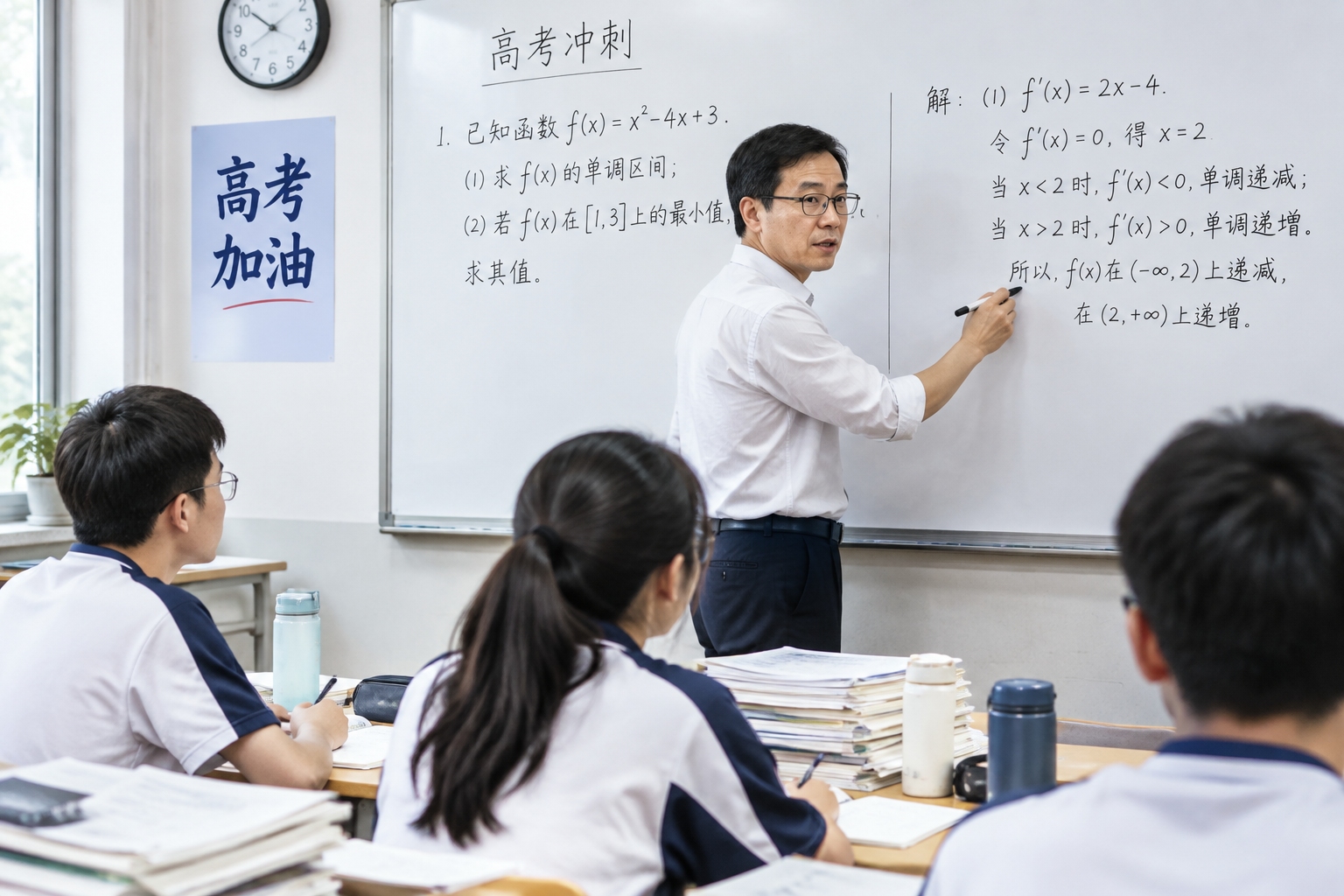
Classes run from 7:30 a.m. to 9:30 p.m., with just a 90-minute lunch break and a 30-minute dinner break. The teacher mostly talks, writing on the whiteboard with quick strokes. Occasionally, a student will raise a hand to ask about a multiple-choice trick. In an intensive session, three hours can pass almost before anyone notices.
“The last 100 days are not about learning new things,” explains Mr. Chen, Li Wei’s math teacher. “It’s about converting what you know into marks. Speed, accuracy, and the ability to stay calm under a ticking clock.”
A Typical Day
Morning hours are for memorisation. Li Wei reads English essay templates and Chinese classical essays, writing key sentences on a small whiteboard she keeps at her desk. By 9:30, the first class ends and she heads to the corridor to stretch. Some students splash cold water on their faces. Others close their eyes for three minutes.
At noon, the canteen is packed. Li Wei quickly eats a bowl of noodles and returns to the classroom to complete a set of math multiple-choice problems. “I feel guilty if I take a longer rest,” she says. She is not alone: many classmates do the same, using the quiet hour for practice.
Afternoon sessions focus on subjects with more problem-solving: physics, chemistry, biology (in the science track). Li Wei’s weakest point is physics, so she sits closer to the teacher’s desk, trying to follow every derivation. Her workbook is full of red corrections and sticky tabs marking tricky topics.
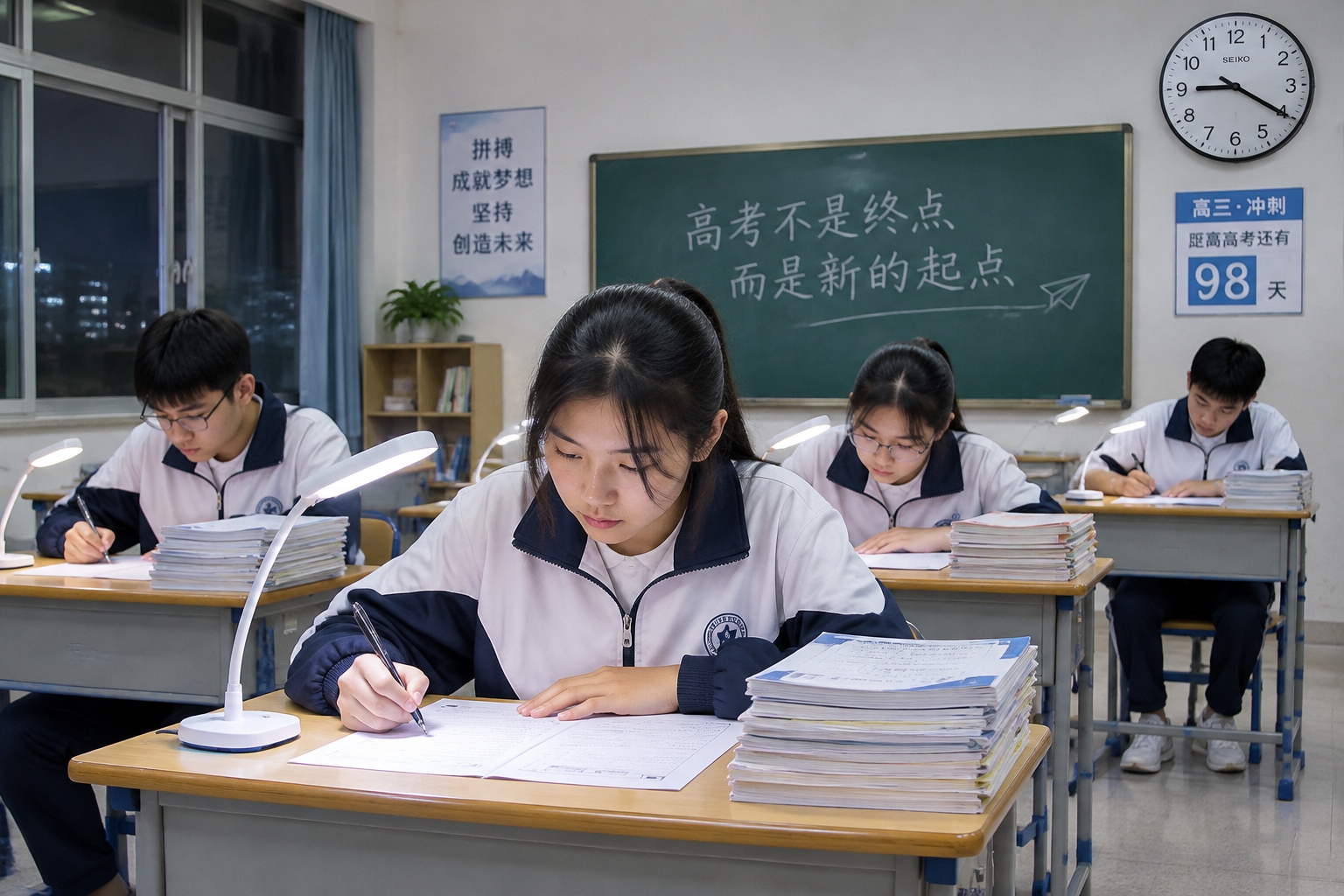
By dinner time, the buzz of a dozen conversations fills the canteen for a brief moment. Then it’s back to the classroom for the evening study session, which lasts until 9:30. The last period is often a timed drill: students must finish a whole paper within the exam time limit, phones switched off, no talking.
At 9:45, Li Wei walks out with her backpack loaded. The sky is dark, and the streetlights cast long shadows. She pedals home, and her mother has warm soy milk waiting. They hardly talk about the gaokao. After a shower, Li Wei opens her notes for another 45 minutes, then sleeps.
Pressure in the Air
It would be misleading to say the pressure is invisible. During the fifty-minute school bus ride (now shortened because the school arranges buses for seniors), some students wear headphones and stare at their own reflections. Others quietly cry. A girl in the corner tells her deskmate she feels “like a machine that keeps failing.”
Teachers have learned to watch for signals. When a student’s mock exam score drops twice in a row, the teacher calls them to the office not for a lecture but for a short talk. “Are you sleeping enough?” the teacher might ask. “Do you want to switch study strategies?”
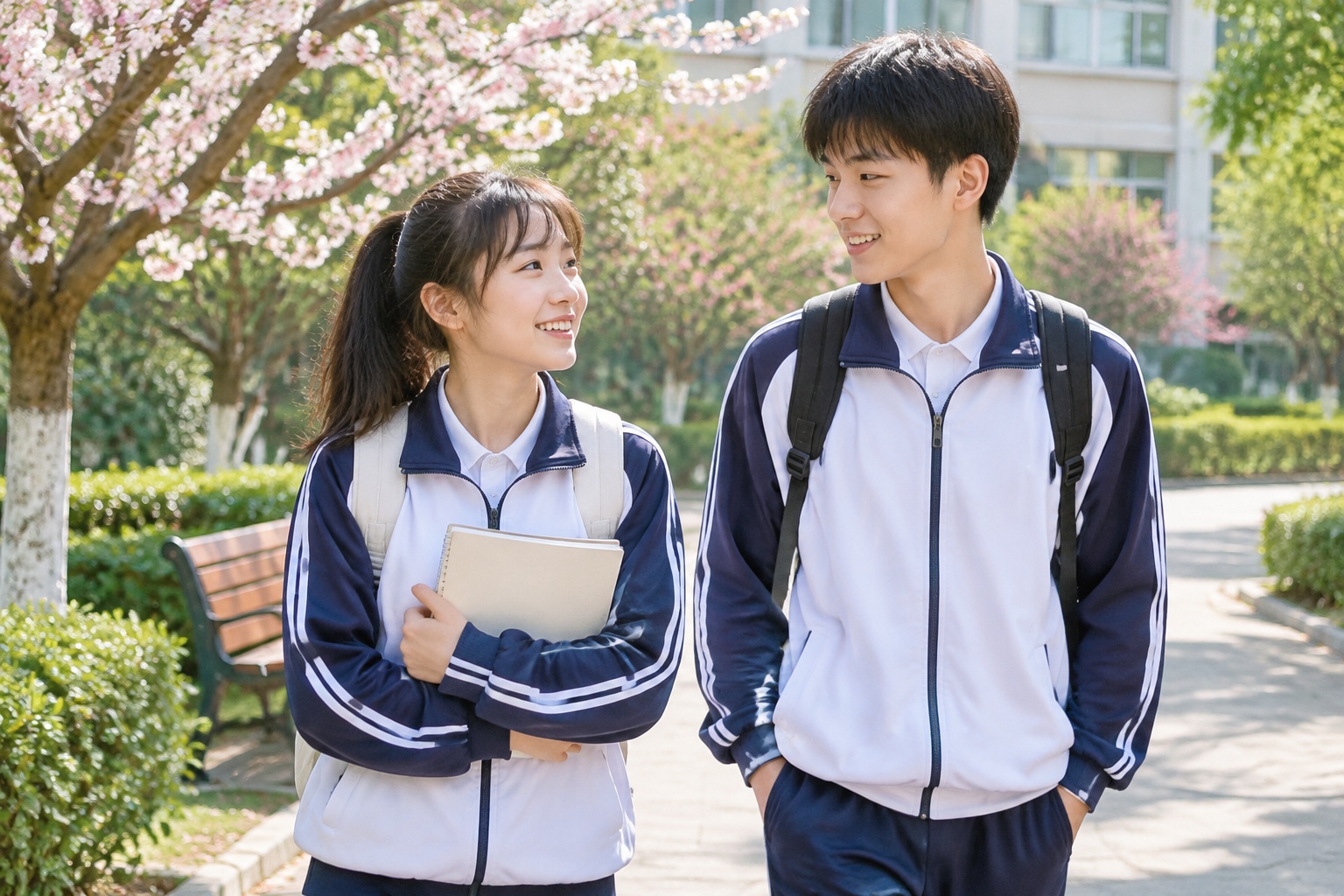
Li Wei finds release in small rituals. During the 15-minute exercise break at 3 p.m., she and two friends walk around the school garden. They don’t talk about exams. They talk about a new café that just opened in the mall, or what they’ll do after the gaokao is over. One friend wants to dye her hair pink; Li Wei wants to travel to Xi’an and see the old city walls.
Family support takes unspoken forms. Li Wei’s father, a delivery driver, now comes home early, adjusting his shift to make sure dinner is warm. Her mother used to chat with relatives on the phone; now she sits quietly in the living room, watching TV with the volume down.
“It’s like the whole house is holding its breath for me,” Li Wei says, half laughing. She knows many classmates have it worse—some board at school, seeing their parents only once a month.
The pressure isn’t just from the exam itself. It’s from the sense of a once-in-a-lifetime chance. In China, the gaokao is still widely seen as the fairest path to social mobility. A few hundred extra points can mean switching from an ordinary provincial college to a top-tier national university. So every mistake in a mock test feels amplified.
Yet the sprint class also creates a strange kind of solidarity. Students compete at the surface, but they also share answers, lend aspirin, and pass around a bag of candies during long afternoons. The guy who always scores highest in Chinese literature sometimes spends his break explaining tricky essay structures to others.
The Last Lap
As the countdown turns from 100 to 50, the rhythm becomes more intense. Li Wei’s school closes the gym and the library to seniors, forcing them to stay in the classroom during breaks. Parents send care packages with dried fruits and energy drinks. The teacher’s desk is covered with extra packets of past papers from other provinces.
At Day 30, Li Wei’s physics score finally stabilises. She allows herself a small smile. She also notices her own stamina improving: a three-hour exam no longer leaves her dizzy. Her seat is now reserved at the back, near the window, where the spring breeze comes in.
The last ten days are notably different. Teachers stop assigning new material and focus on reviewing mistakes. Students are told to sleep earlier and adjust to the exam schedule. The school turns the classroom into a quiet hall with a clock above the blackboard. On the final day before the break, the head teacher walks around the room, giving each student a small red envelope with a chocolate inside. It’s not money—just a wish for sweetness.
Afterword
The morning of June 7th, Li Wei stands outside the exam hall with thousands of strangers. Her mother pressed a bacon and egg sandwich into her hand. She can hear her own heartbeat. The gate opens. She walks in, sits down, and takes a deep breath as the exam paper is distributed.
For millions of students in China, this ritual feels both enormous and ordinary. It is not the end of youth, as some fear, nor the peak of life, as others hope. It is a test of what they can do on a given day—and a reminder that many more tests await them beyond the classroom.
Two weeks later, Li Wei gets her score. It’s enough for a university in the provincial capital, though not the one she dreamed of. She looks at the notification on her phone for a long time, then closes the app and opens a travel-planning page for Xi’an. The sprint is over. The rest of the journey begins.