

Frost, Steel, and a New Life
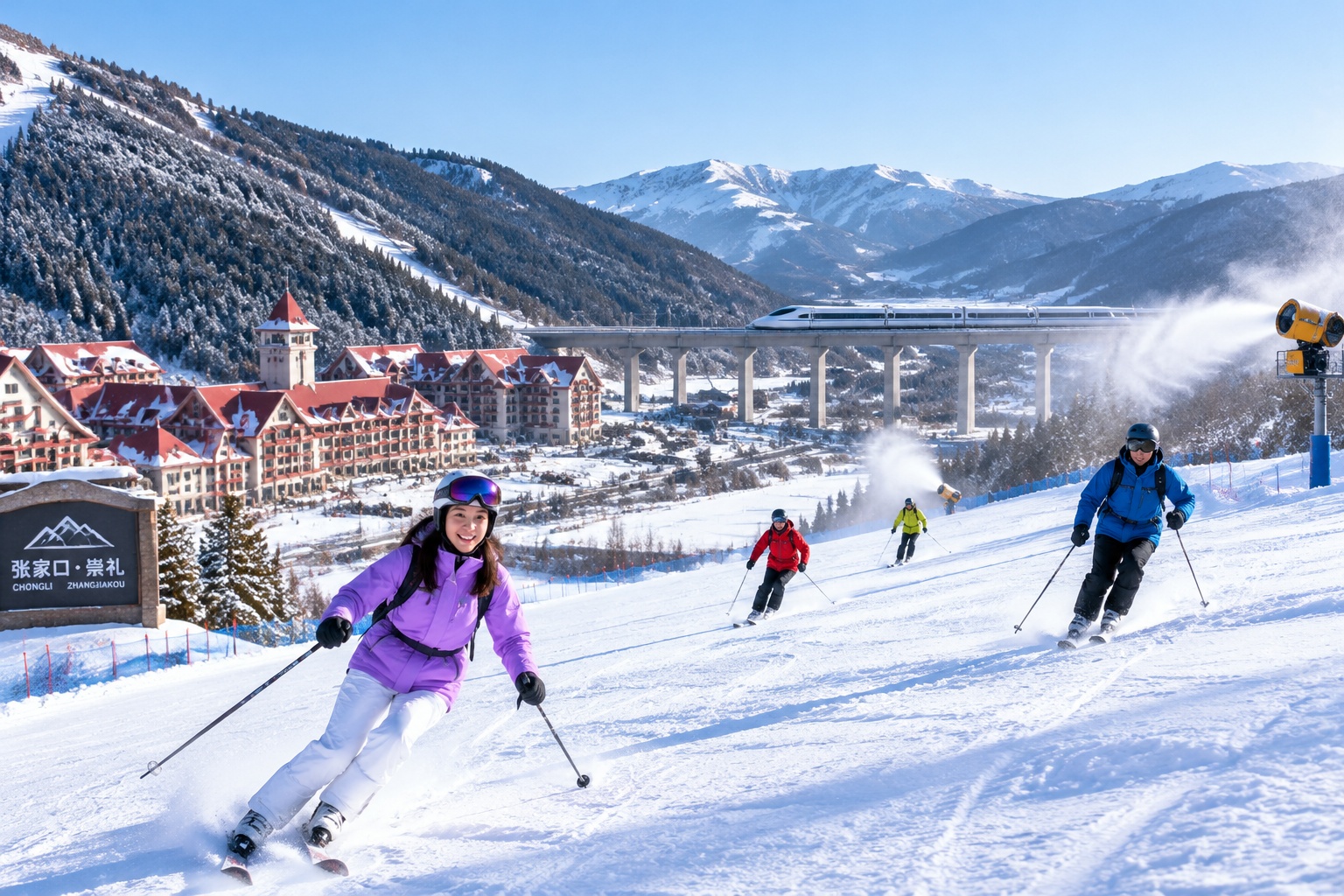
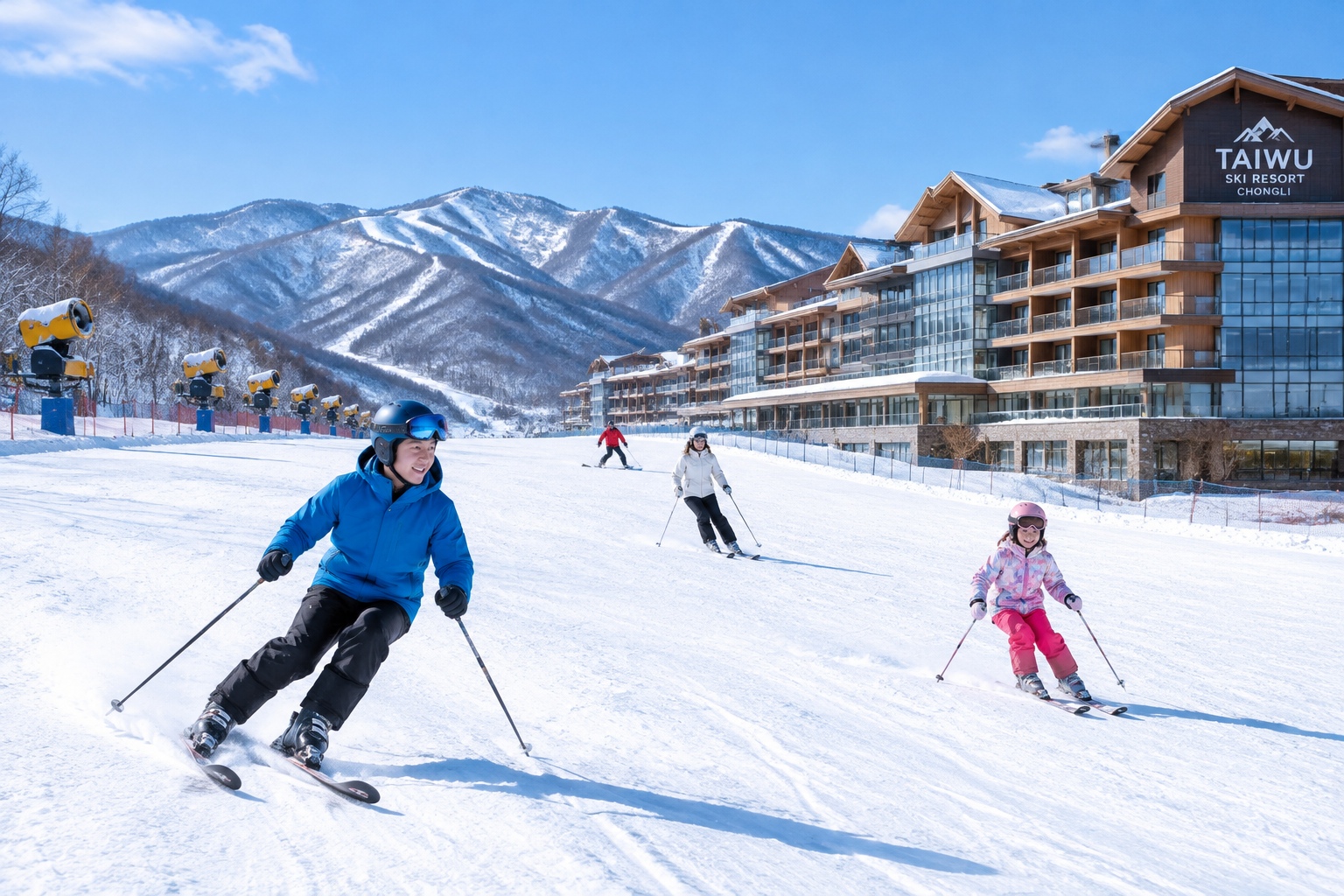
At 8:20 a.m., the first gondola of the day begins to slide up the white slope of the Taiwu ski resort. A young instructor named Yao Wei, 32, sips hot tea from a plastic thermos, watching the morning sun hit the fake-snow guns. “When I was in middle school, this entire area was a wasteland of dry grass and rocks,” he says. “Now it’s full of people from Beijing wearing $2,000 ski jackets.”
Yao grew up in a village 12 kilometers away. His parents were farmers, growing potatoes and maize on thin soil that produced just enough to feed the family. “Winter was the hardest. There was no work, no heat, so we stayed in bed before 8 p.m. because it was warm that way,” he recalls.
A Poor County That Bet on Snow
Chongli, a district under Zhangjiakou in Hebei Province, was once one of China’s most isolated corners. In 2014, it was still listed as a national-level poverty county, with per capita annual income under 2,300 yuan ($320) at the official poverty line. The economy relied on mining and low-yield agriculture. Young people left for Beijing or the coastal factories, leaving behind an aging population.
But the region had one hidden asset: snowfall. Situated at the southeastern edge of the Mongolian Plateau, Chongli enjoys cold, dry winters and slopes that rise to 2,000 meters above sea level. For decades, a few small ski clubs from Beijing made the bumpy drive up to ski on a single rope lift. None of the locals saw it as a future.
The Olympic Effect: Fast Trains and Blueprint Construction
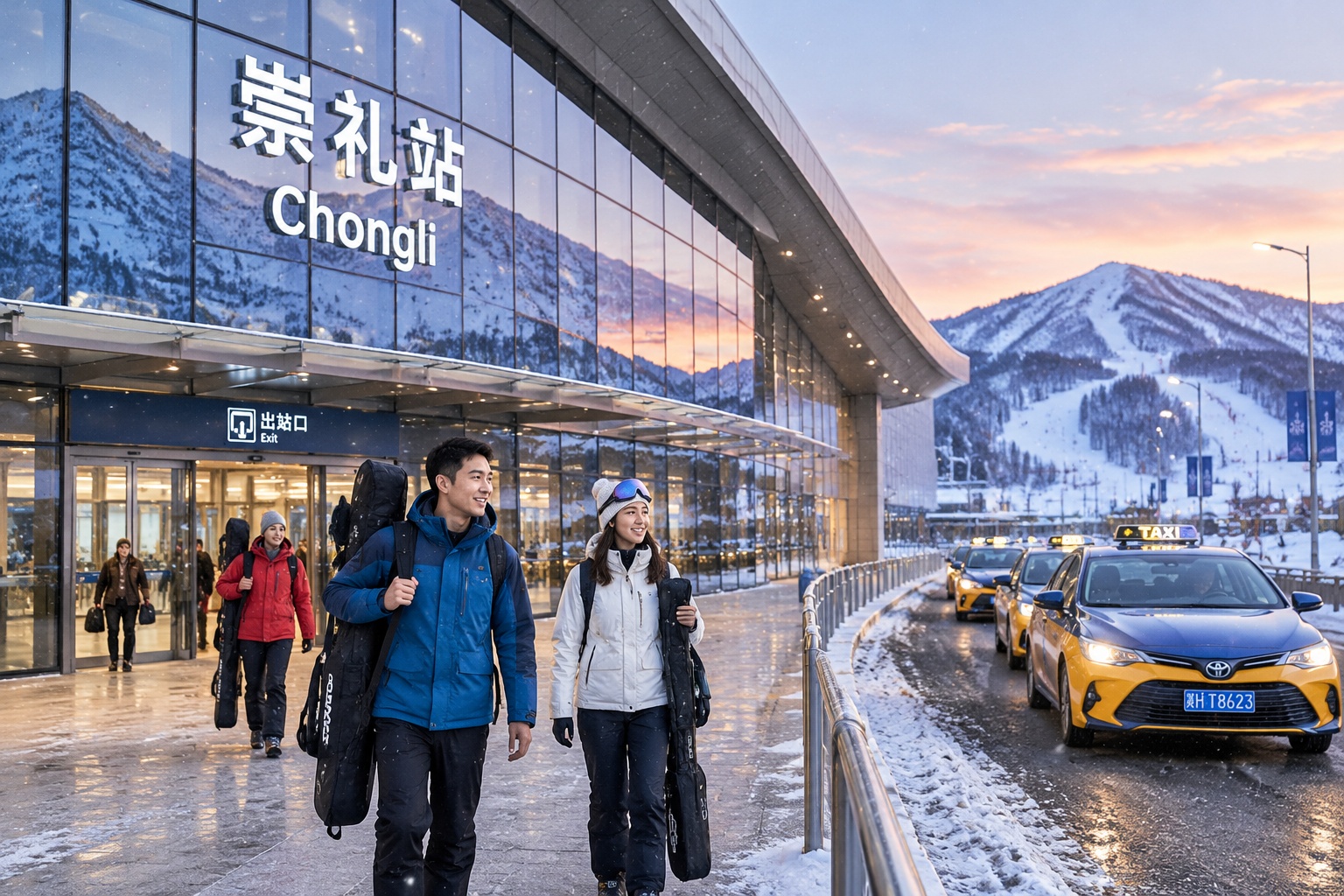
That changed in July 2015, when the International Olympic Committee awarded Beijing the 2022 Winter Games. Chongli was selected to host snow events such as freestyle skiing and snowboard. Almost overnight, the place turned into a construction site. The high-speed rail line from Beijing, which opened in December 2019, gives skiers a direct 50-minute connection. The station sits in a valley that used to be farmland. Now it’s a glass-and-steel gateway to a ski resort area that has grown to eight major destinations with more than 160 trails.
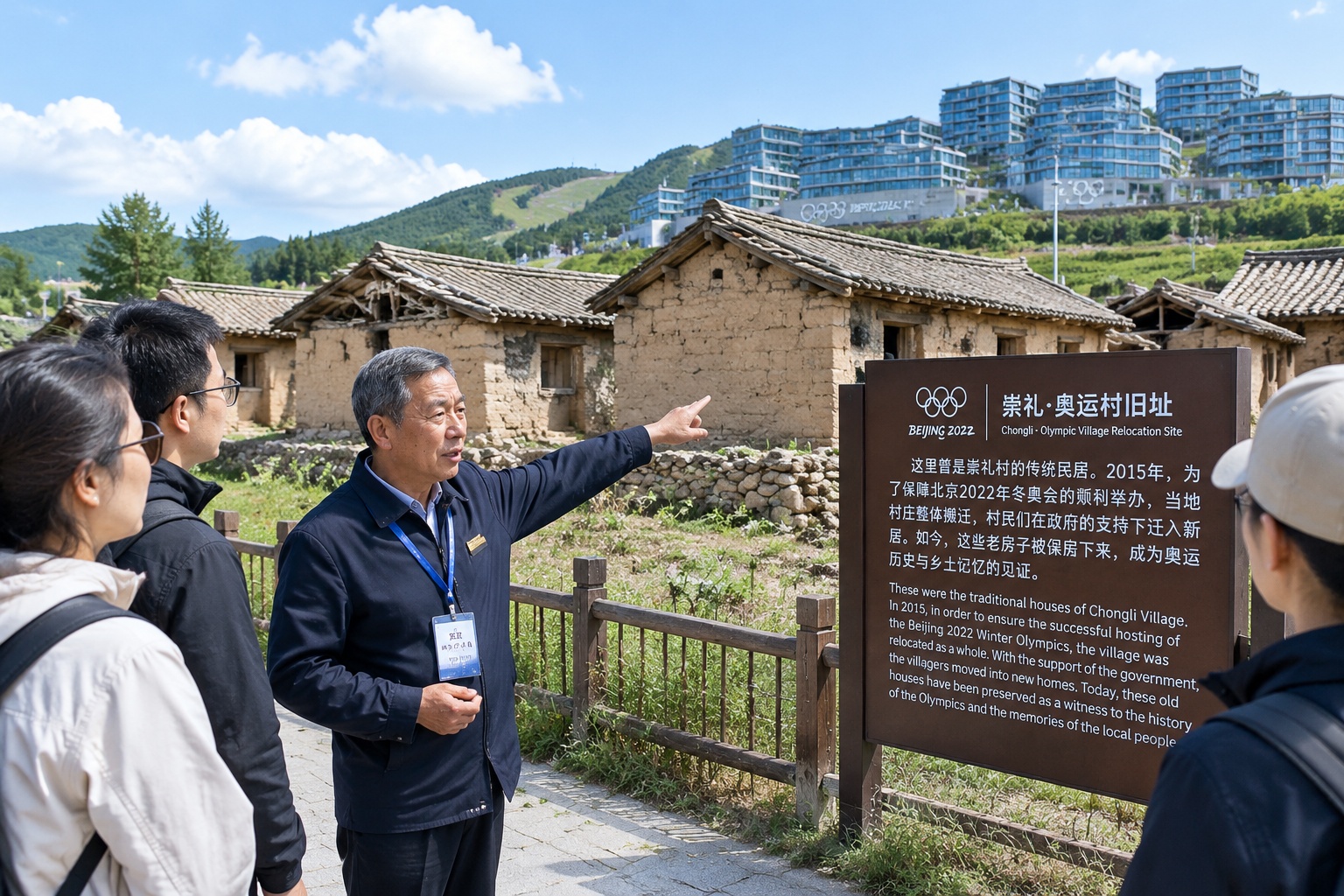
Villages were relocated to make way. One of them, Taizichen, was transformed into the Olympic village. Its old, crumbling houses were replaced by modern apartment blocks where athletes stayed during the Games. After the closing ceremony, the village was converted into a year-round conference and summer camp center. The old village site was kept as a historical exhibit, with crumbling mud walls and weathered roofs standing a short walk from the new lobbies.
The Real People Behind the Numbers
Government figures show that Chongli hosted over 6 million visits during the 2023–24 winter season, up from less than 1 million in 2015. Tourism revenue climbed from around 700 million yuan to nearly 4.8 billion yuan. In the first two years after the Olympics, the number of local residents working in hospitality and recreation doubled to about 30,000.
Take Wang Junling, 43, a woman from the village that was moved. She and her husband now work in a hotel near the ski slopes. “We used to earn maybe 30,000 yuan a year. Now we earn 120,000, and we have health insurance,” she says. Their son, 22, is a ski patrol at the Genting resort; his wife runs a dumpling shop for tourists. “It’s not just money. We have a future,” Wang says.

When the Snow Isn’t Falling
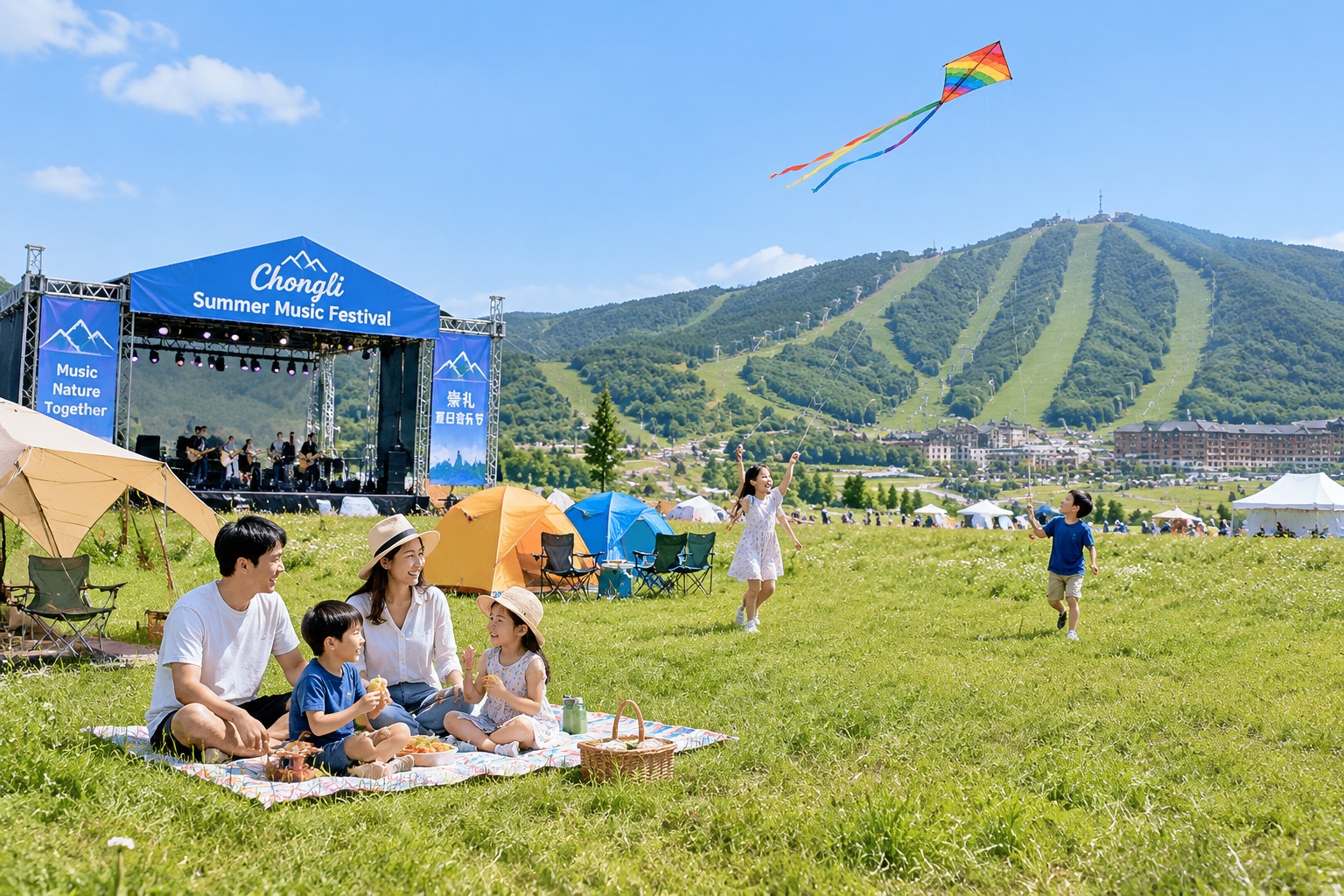
The Olympic boost created a fragile economy. Snow seasons last roughly 100 days, and the rest of the year is quiet. When the COVID-19 pandemic closed borders and locked down cities, bookings crashed. Resorts had to offer huge discounts and seek new markets. But now, local operators are expanding into summer activities. Mountain biking trails are laid over dry ski slopes. A camping site called “Starry Night” opened in 2022, offering 200 tents on a meadow where visitors can barbecue and stargaze.
Huang Lin, 26, left Beijing to work remotely in Chongli. She bought a small apartment with a balcony overlooking the hills. “In winter, I ski every morning. In summer, I open my laptop to the sound of cowbells and the smell of wild grass. The internet is faster than in my Beijing sublet,” she says. Her new cafe, which opened to serve the camping crowd, has turned into a gathering spot for remote workers.
Tensions and Trade-offs
Not everything has run in a straight line. Environmental groups have raised concerns about the heavy use of artificial snow, which requires large volumes of water. Resort managers say they recycle water from reservoirs and that the region’s water table remains stable. Bulldozers cleared some forest land for new trails, prompting tree-planting programs. But locals are quick to point out that the transformation has lifted living standards without evident environmental collapse.
There are also social costs. The real-estate boom drove up housing prices, which are now among the highest in Hebei. Many young people cannot afford to buy in the towns near the slopes; they commute from cheaper districts. Others complain that the influx of wealthy tourists makes the place expensive during peak weekends.
What’s Next for Chongli?
Local officials have a new slogan: “From event-driven to experience-driven.” The goal is to attract repeat visitors for longer stays, not just one-day ski trips. The Olympic venues have been reopened to the public for tours and competitions. Schools organize ski classes, and the government subsidizes youth training programs. There’s even a plan to extend the ski season into summer with an artificial snow tube park, though the technology is still experimental.
For people like Yao Wei, the coach, the future is already visible. His daughter is now in a hospitality training program in Zhangjiakou. “I told her: if you want to work in ski resorts, you don’t need to go to Switzerland. This place is just as good now.”
A Slice of Snow, A Global Story
Chongli’s transformation is a specific chapter in China’s broader story: a formerly poor mountain county that used the Olympics as a launch pad for a completely new livelihood. It’s not without flaws—there are still winter weekends when the shuttle bus is late, and some service staff have never seen their own village’s preserved ruins. But the change has been tangible for the people who stayed.
The lift climbs higher, and Yao Wei points out a new hotel complex being framed with steel pillars. “That’s the next phase,” he says. “Come back in five years. It’ll be different again.” The gondola reaches the summit, and he checks his bindings before sliding off into the morning glare.
Start the discussion at forum.chinacomes.com