

The Lights in Shanghai May Come From a Coal Mine in Shanxi
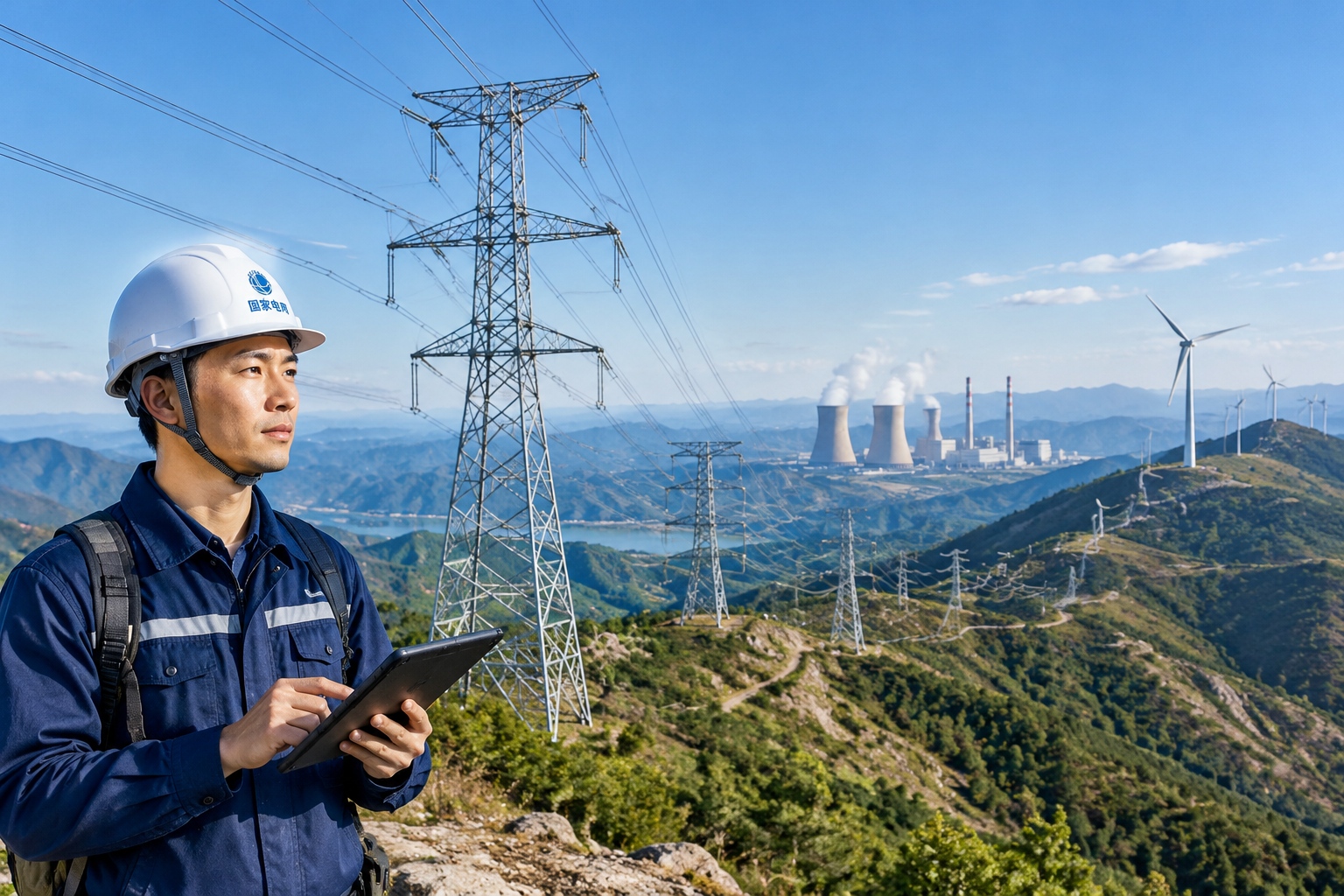
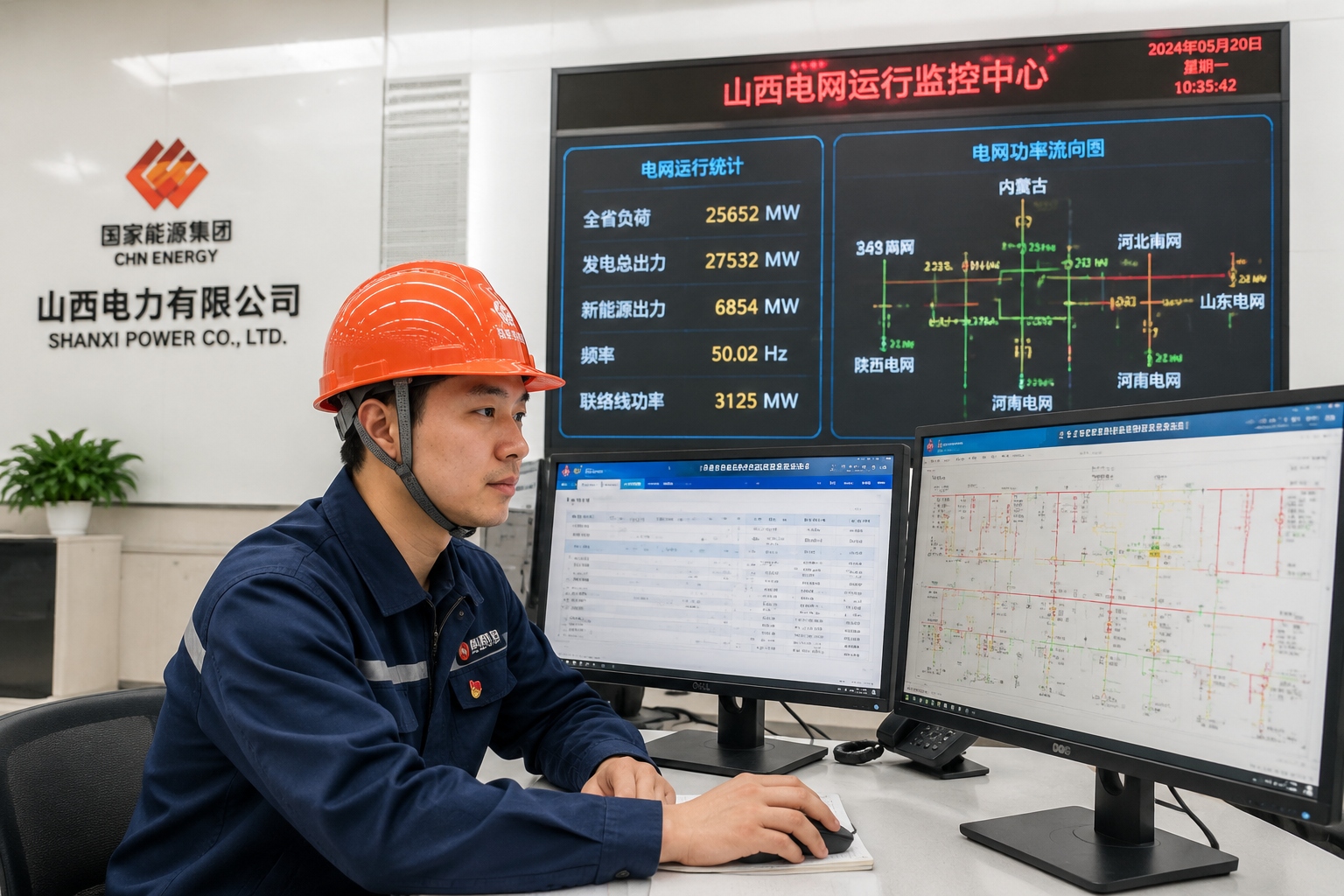
At a power plant on the northern edge of Shanxi province, a technician checks a control screen showing how much electricity is being pushed onto the grid. In a few hours, that power will light office buildings in Shanghai, run factory machines in Zhejiang, and charge electric buses in Nanjing. Shanxi is an inland, landlocked province, but its power lines stretch across half of China.
Why an Inland Province Became a Power Hub
China’s energy resources are unevenly distributed. The east coast consumes a lot of electricity but has limited coal, gas, and large-scale renewable potential. The north and northwest, including Shanxi, hold most of the country’s coal reserves and have vast open land for wind and solar farms. For decades, Shanxi shipped its coal by rail to power plants near coastal cities. But moving coal is expensive and dirty. A more efficient way is to turn coal into electricity locally and send the electricity through high-voltage lines.
Shanxi sits close to the major demand centers in the north China plain and the Yangtze River delta. Its elevation and geology also make it suitable for building large power stations and transmission infrastructure. Over the past two decades, the province has transformed from a simple coal supplier into a major electricity exporter.
The Numbers Behind Shanxi’s Electricity Exports
The scale is impressive. Shanxi exported more than 100 billion kilowatt-hours of electricity in 2023, according to provincial energy figures. That is enough to supply around 70 million average Chinese households for a year. The electricity goes mainly to Jiangsu, Zhejiang, Hebei, and Beijing, among other places. In total, Shanxi now sends electricity to more than ten provinces and municipalities.
To understand what 100 billion kilowatt-hours means, consider that the entire country of Vietnam generates roughly 250 billion kilowatt-hours in a year. Shanxi’s exports alone are equivalent to about 40% of Vietnam’s total electricity generation. What makes this possible is not just the coal mines, but a network of ultra-high-voltage (UHV) transmission lines, a technology China has pushed to world-leading status.
Ultra-High Voltage: The Game Changer
Conventional high-voltage lines lose a lot of energy over long distances. UHV lines, which operate at 800 kilovolts or higher for direct current and 1000 kilovolts for alternating current, cut losses dramatically and can carry huge amounts of power. One ±800 kV UHV DC line can transmit 8 million kilowatts of electricity, equivalent to several large power plants, over a distance of more than 2000 kilometers.
Shanxi is a key node in this network. The Jinbei–Jiangsu UHV DC project, completed in 2020, runs from northern Shanxi to the coastal province of Jiangsu, stretching over 1100 kilometers. It can deliver up to 10 million kilowatts of power, enough to cover nearly 8% of Jiangsu’s peak demand. Similar lines connect Shanxi to Hebei and other regions. These projects are not just steel towers; they are engineering feats that reshape how energy flows across the country.
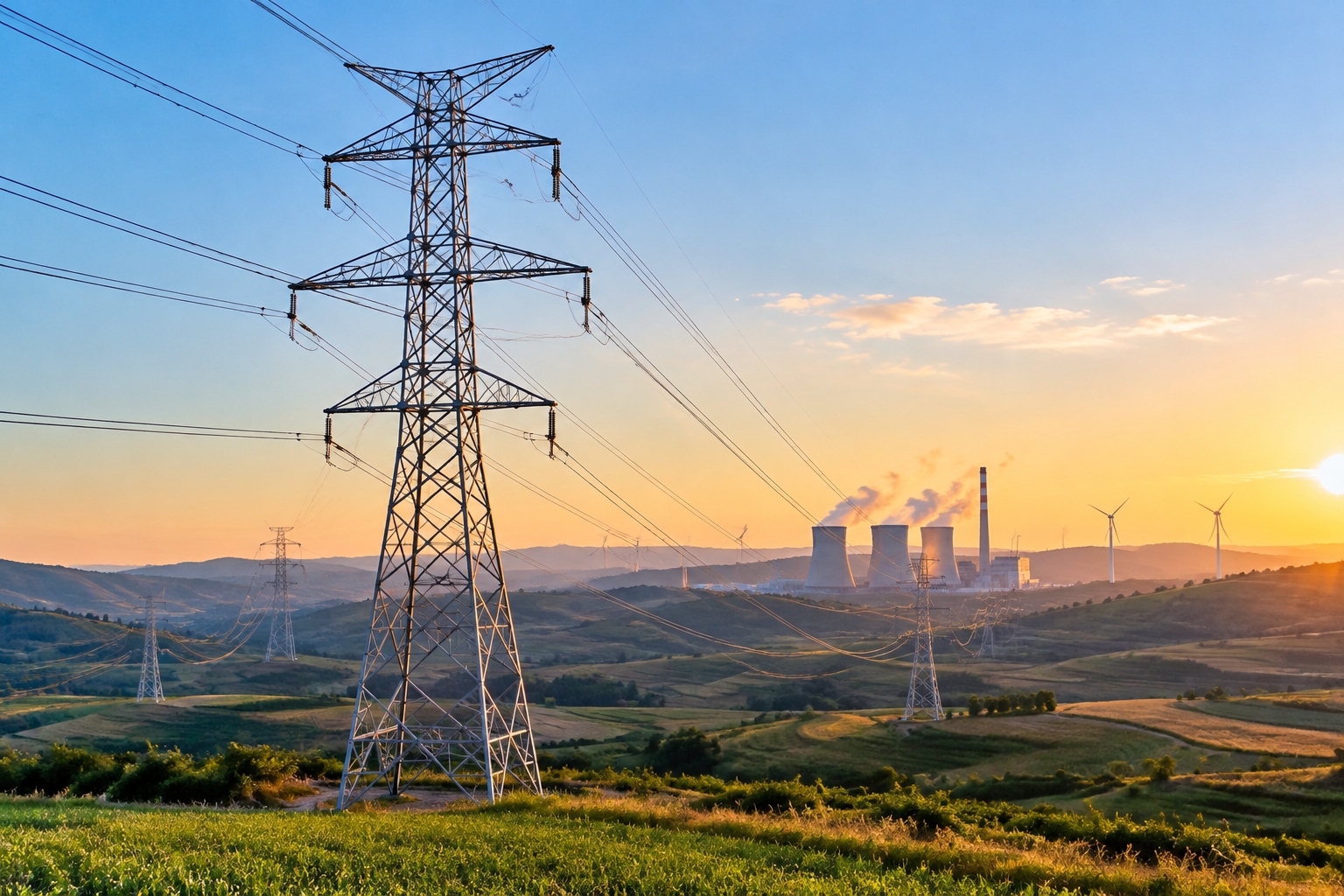
Ultra-high-voltage lines carry Shanxi’s electricity across China.
From Coal to Wind and Sun
Coal still dominates Shanxi’s power mix, but the province is also adding clean energy at a rapid pace. In the mountains of northern Shanxi, rows of wind turbines and solar panels now share the landscape with coal villages and ancient temples. By the end of 2023, renewable energy installed capacity in Shanxi reached about 50 gigawatts, accounting for over a third of the province’s total power capacity. The government plans to increase the share of renewables in its electricity exports, aiming for green power to make up a larger portion of the total transmission.
This matters because China’s eastern cities are under pressure to reduce their carbon footprint. Buying electricity generated from wind and solar in Shanxi helps them lower emissions without having to build renewable plants on their own crowded land. In this sense, Shanxi is becoming a clean energy provider for the whole country, not just a coal hub.
What This Means for China’s Energy Map
Shanxi’s power exports illustrate a broader shift in China’s energy strategy. Instead of moving fuel to power plants, China is increasingly moving electricity from resource-rich regions to demand centers. This approach lowers transport costs, reduces congestion on railways, and allows cities to meet strict air quality targets. It also supports the national goal of peaking carbon emissions before 2030.
For the people of Shanxi, power exports bring jobs and tax revenue, but they also come with trade-offs. Coal mining and coal-fired power generation still create pollution and water stress. Communities near mines and plants face environmental risks that need constant management. The province is working to diversify its economy, but the transition is slow and difficult.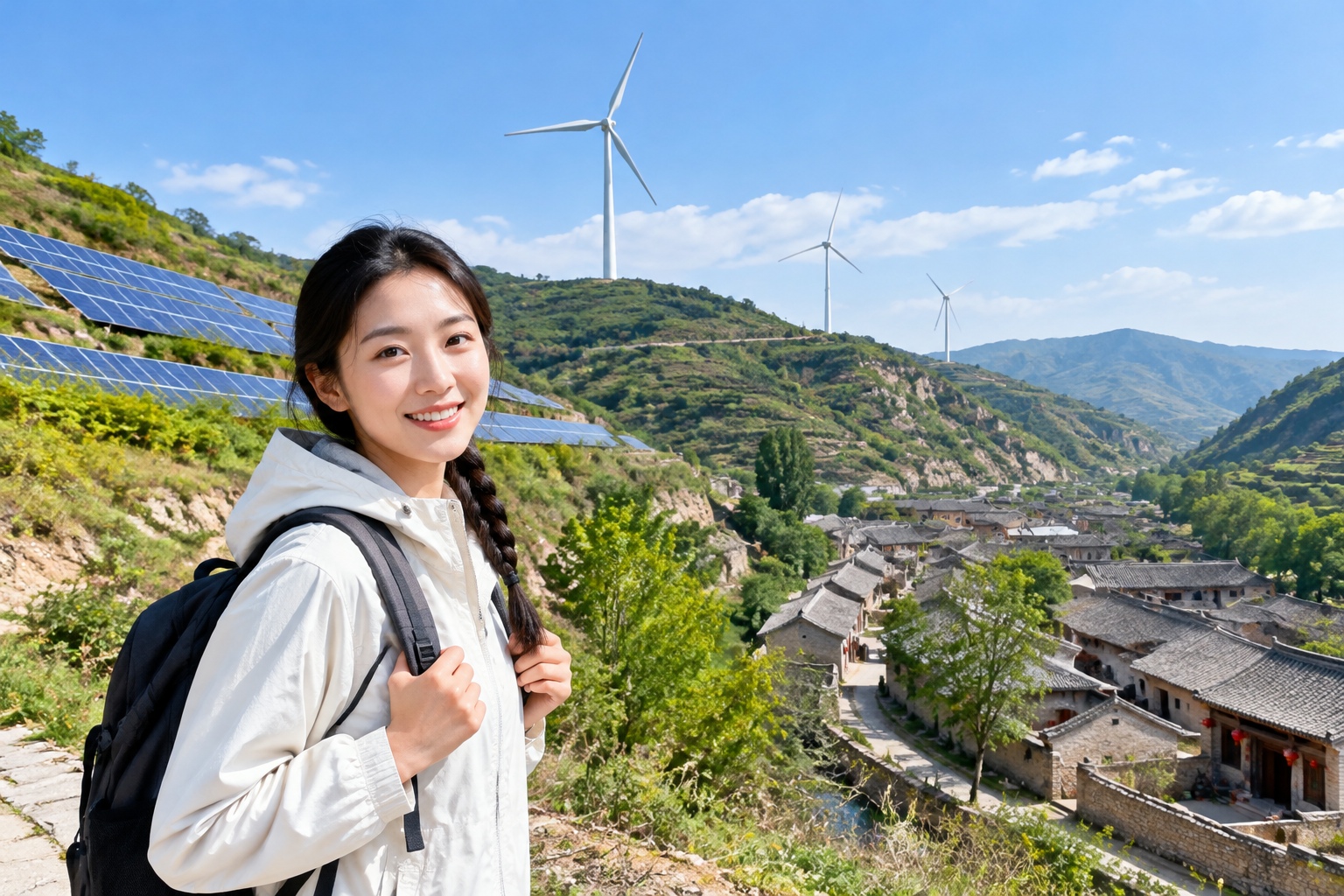
Challenges Ahead
One major challenge is grid stability. Renewable energy is intermittent, so coal plants are still needed to provide backup when the wind stops or the sun sets. Striking the right balance requires smarter grids, more energy storage, and flexible power sources. Shanxi is experimenting with large-scale battery storage and pumped-hydro storage to smooth out these fluctuations.
Another issue is local electricity consumption. While Shanxi exports a lot of power, its own residents and industries also need reliable electricity. During peak winter heating season, there is sometimes tension between meeting local demand and fulfilling export contracts. Provincial grid operators must carefully coordinate with neighboring regions to avoid shortages.
Despite these difficulties, Shanxi’s role as a power supplier is unlikely to disappear soon. The inland province has an advantage that many regions lack: access to both cheap coal and growing renewable resources, plus the transmission corridors to deliver them. As China pushes towards a greener grid, Shanxi will have to adapt, but its central place on the energy map is secure.
Next time you see a transmission tower in a Chinese city, know that it might be carrying electricity from a place like Shanxi – an inland province that has turned its underground resources and open skies into a steady current that lights up half the country.
Start the discussion at forum.chinacomes.com