
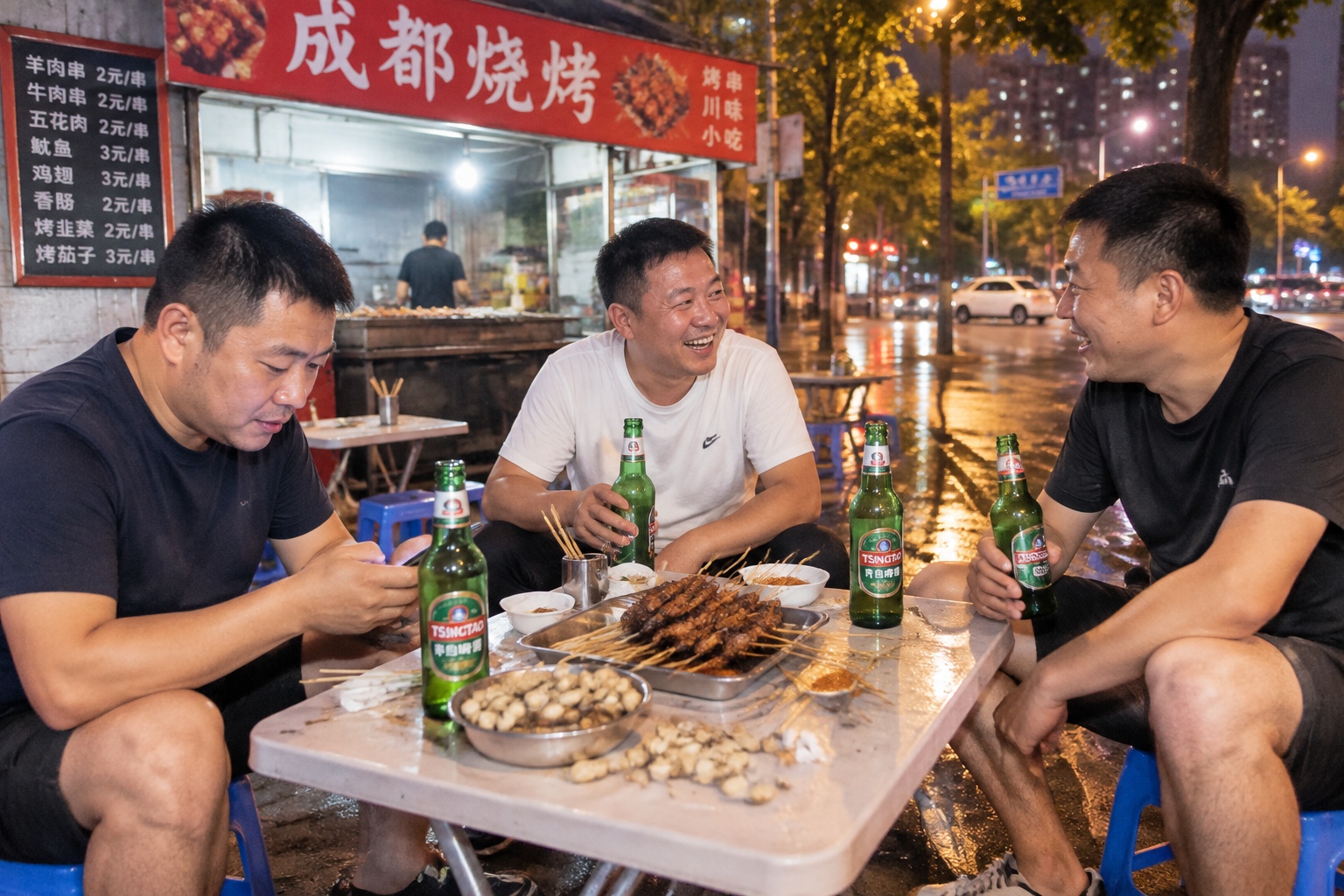

A Friday Night at a Barbecue Stall
At 9:40 on a Friday night in Chengdu, a plastic table outside a barbecue stall is covered with skewers, peanut shells, and empty beer bottles. Three men, all in their late thirties, are arguing about whether a fishing rod is worth 800 yuan. One of them, Wang Lei, 38, works for a logistics company. He rents a one-bedroom flat 20 minutes away by scooter. He has never married. When a nearby table starts talking about a wedding, he does not flinch. He reaches for another skewer and asks the others if they want to split a plate of grilled eggplant.
Wang Lei is not an exception. In Chinese cities, men like him are everywhere: in subway cars at 10 p.m., in convenience stores buying instant noodles, in internet cafes on weekends. They are old enough to be called leftover men by relatives, yet they rarely appear in the loud public conversation about marriage, anxiety, and loneliness. The online world is full of women debating whether to marry, how to marry, and what to do if they never do. The men are quieter. Much quieter.
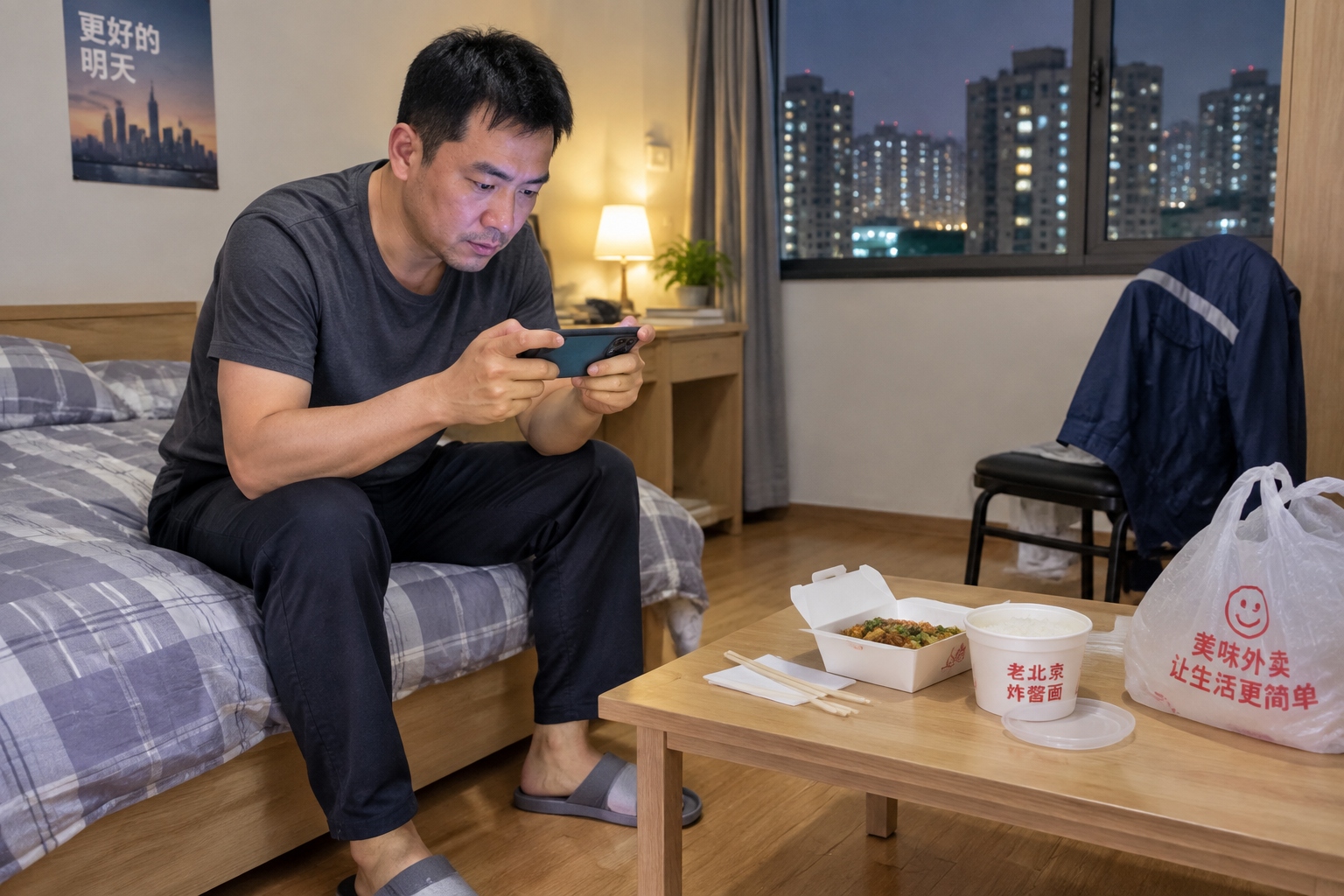
The Old Bargain: Marry, Buy, Obey
For most of the past four decades, marriage was not only a private choice. It was a social bargain. A man was expected to form a family, buy a home, have a child. Once he did, he became useful in a very specific way. He had something to lose. A mortgage, a wife, a child’s school fees—these were not just responsibilities. They were soft spots. With soft spots, a man tolerated a bad boss, accepted overtime, and smiled at difficult clients. He bought furniture, baby formula, and apartments. He stayed off the streets.
This was not a conspiracy. It was a system that worked for many people. Men gained status and belonging. Families gained stability. The economy gained consumption. The state gained social order. The phrase cheng jia li ye—establish a family and a career—was treated as a default setting for adult men.
But defaults can break.
The Math That Stopped Working
In the past decade, the cost of that bargain has risen faster than the reward. In many Chinese cities, a modest apartment can cost 20 to 30 times a man’s annual income. In smaller towns, the price is lower but still brutal. Bride price, once a symbolic gift, has in some regions become a serious transfer of wealth—100,000, 200,000, even 300,000 yuan, plus a car, plus a wedding banquet. Then comes a child. Education, tutoring, housing near a good school: the spending does not end.
A man earning 6,000 yuan a month can do the arithmetic. If his parents help, they may empty their retirement savings. If they cannot, he borrows. If he borrows, he spends the next 20 or 30 years paying it back. And what does he get? Not a guaranteed happy family. He gets a household that can break under the same pressure. Divorce is common enough that every man knows someone who went through one. He has seen the arguments over property, the custody fights, the bitterness.

So he asks a simple question: why play a game where the odds are so bad?
Information Made Everything Visible
Ten years ago, a man might not have known what married life looked like for his peers. Today, he sees it on his phone. Short videos show exhausted fathers, angry couples, divorce lawyers explaining how assets are split. Social media is full of women saying they regret marriage, and men saying they regret marriage, and everyone saying they regret having children. Some of this is performance. Some of it is real. Either way, it shapes expectations.
At the same time, the single life has become cheaper and more comfortable. A 40-yuan T-shirt lasts for years. A 15-yuan bowl of noodles is filling. A shared apartment in a less central neighborhood costs far less than a mortgage. With a monthly salary of 4,000 or 5,000 yuan, a man can eat, game, fish, and still have money left. He will not be admired. But he will not be trapped.
The key moment is not when he cannot find a wife. It is when he stops wanting one. Anxiety requires desire. Once a man says, silently or out loud, ‘I don’t want that anymore,’ the anxiety does not just shrink. It evaporates.

A Silent Exit, Not a Movement
This is not a protest. There are no banners, no organizations, no manifestos. It is a personal decision made by millions of individuals. They work, they eat, they sleep, they play games, they go fishing. They do not march. They do not post much. They are not trying to change society’s mind.
Society, meanwhile, has not been kind to them. A single woman can be described as independent, focused on her career, living on her own terms. A poor single man is often seen as a failure, or worse, a potential threat. Relatives call him useless. Colleagues make jokes. Dating apps are brutal. So he withdraws. He avoids family gatherings. He stops explaining himself. He becomes invisible.
That invisibility is why we do not see his anxiety. It is not that he has none. It is that no one is listening. And after enough years, he stops expecting anyone to listen.
What It Means When the Stabilizer Fails
For decades, the Chinese family was a stabilizer. It turned restless young men into responsible workers. It connected personal effort to a future reward: a home, a spouse, a child. That reward is now uncertain and extremely expensive. When a man’s motivation shifts from my wife and children to my own small pleasures, he is no longer the same kind of fuel. He still works, but he does not overwork. He still spends, but he spends on himself. He does not buy a house. He does not chase a school district.
This has consequences. Real estate loses a generation of buyers. Consumption shifts from baby products to games, fishing gear, and cheap travel. Social trust changes too. A man who has opted out may still be polite, but he is less invested in the collective story. He has seen the ending, and he does not believe in it.
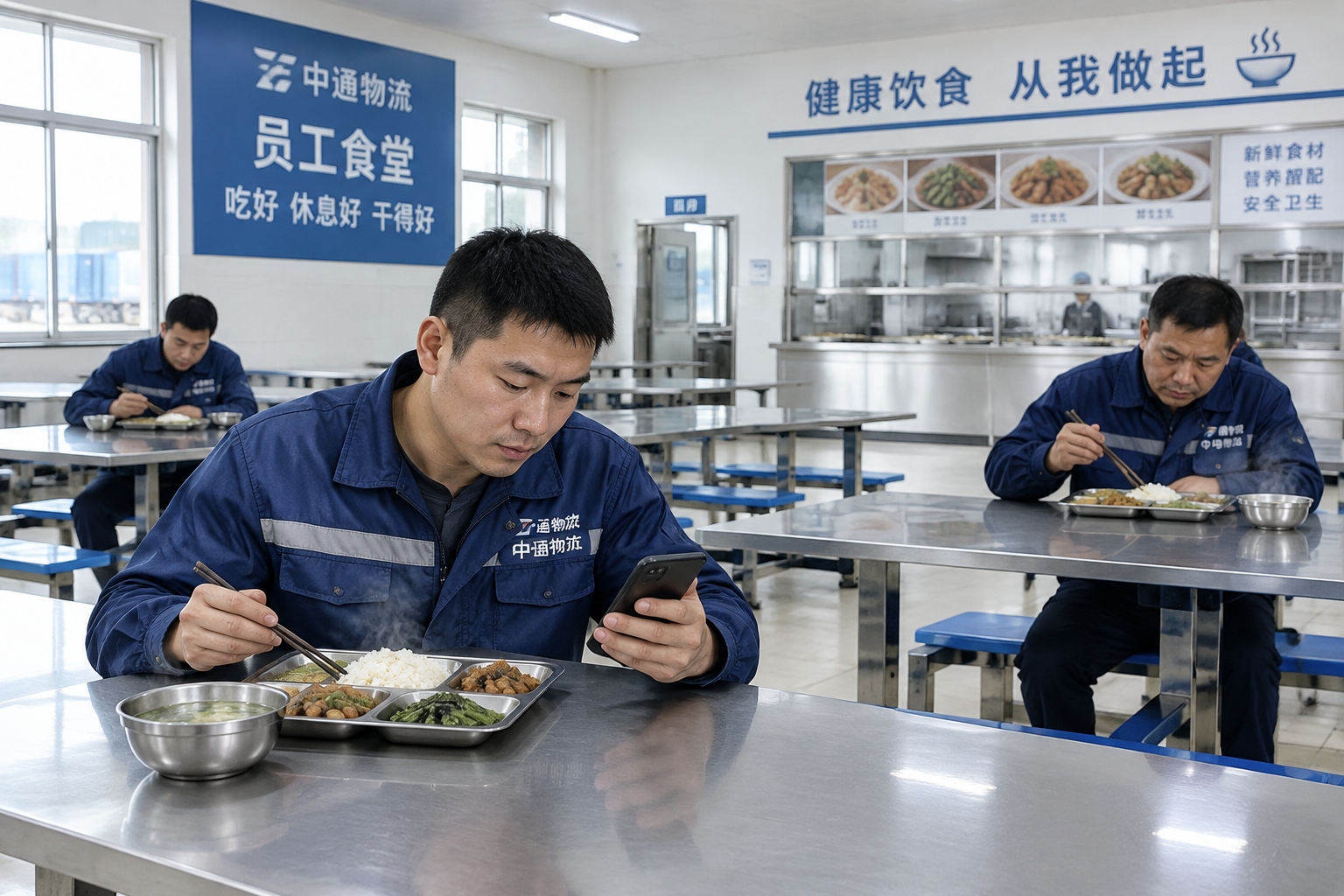
Not everyone opts out. Many men still marry. Many women still want families. Rural and urban China differ. Class matters. A wealthy man with an apartment in Shanghai faces a very different market from a factory worker in a small city. The trend is not a monolith. But the direction is clear enough to worry policymakers, parents, and anyone who studies Chinese society.
The Question Behind the Silence
Ask one of these men what he will do when he gets old. He will probably smile, a little sadly, and say, ‘I’ll live until I can’t. Why think so far ahead?’ That is not a plan. It is a shield. It protects him from a future he cannot afford to imagine.
Is he enlightened? Is he giving up? The answer depends on where you stand. From the outside, he may look calm. From the inside, he may feel relief, loneliness, anger, or nothing at all. What is clear is that his silence is not empty. It is a response to a system that promised a reward and delivered a bill.
The men at the barbecue stall will finish their beer, split the check, and ride home on electric scooters. Tomorrow they will go to work. They will not write an essay about marriage. They will not join a movement. They will just keep living. And that quiet, ordinary persistence may be one of the most important stories in China today.
Start the discussion at forum.chinacomes.com