


Imagine walking into a bookstore in London or New York. You want to understand China, but the shelves are packed with dense political analyses or dry economic reports. Then you see a paperback with a striking cover: Legends of the Condor Heroes. You pick it up, expecting perhaps a simple fantasy adventure. What you find instead is something that feels surprisingly close to home.
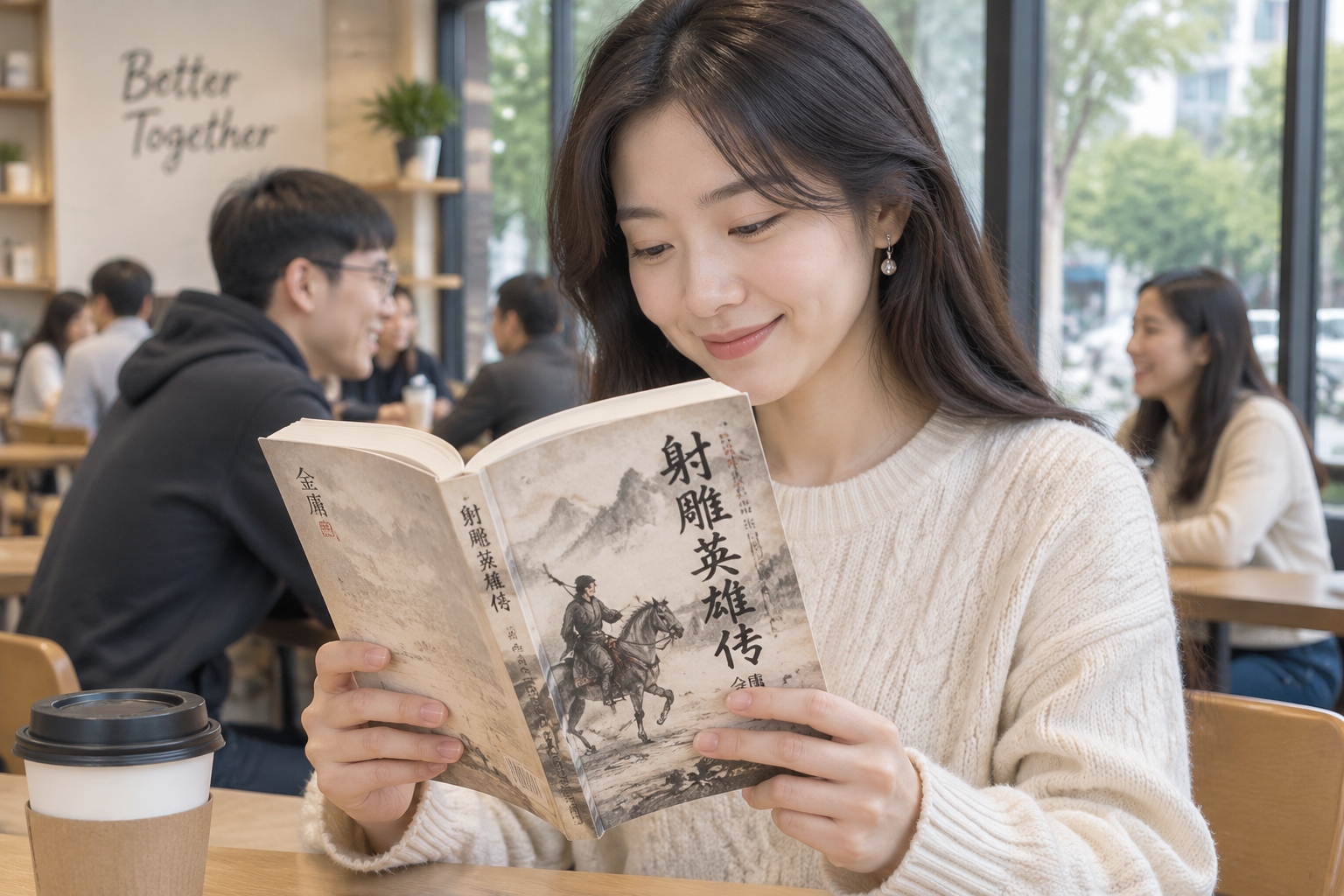
If you have ever watched martial arts movies and wondered, “Where did these stories come from?”, this book is the answer. For decades, Jin Yong (Louis Cha) has been the undisputed king of wuxia—literally “martial heroes”—a genre that blends combat, chivalry, and history. But for Western readers, jumping into wuxia can feel like entering a labyrinth with no map. Concepts like qi (energy), sects, and internal cultivation can be confusing.
This is why Jin Yong’s 1957 novel, Legends of the Condor Heroes, is widely considered the perfect entry point. It is not just a story about fighting; it is a human story set against one of history’s most dramatic backdrops.
A Hero Who Fails, Succeeds, and Stays Human
Most Western fantasy heroes are born with special powers or destined for greatness from birth. Think of Harry Potter’s lightning scar or Frodo’s noble lineage. Jin Yong flips this script entirely.
The protagonist, Guo Jing, is not a genius. He is slow to learn, stubborn, and often gets things wrong. In the early chapters, he struggles just to memorize basic martial arts moves while his peers master them in days. If you have ever felt inadequate in school or at work because you weren’t the “smartest person in the room,” you will instantly understand Guo Jing.
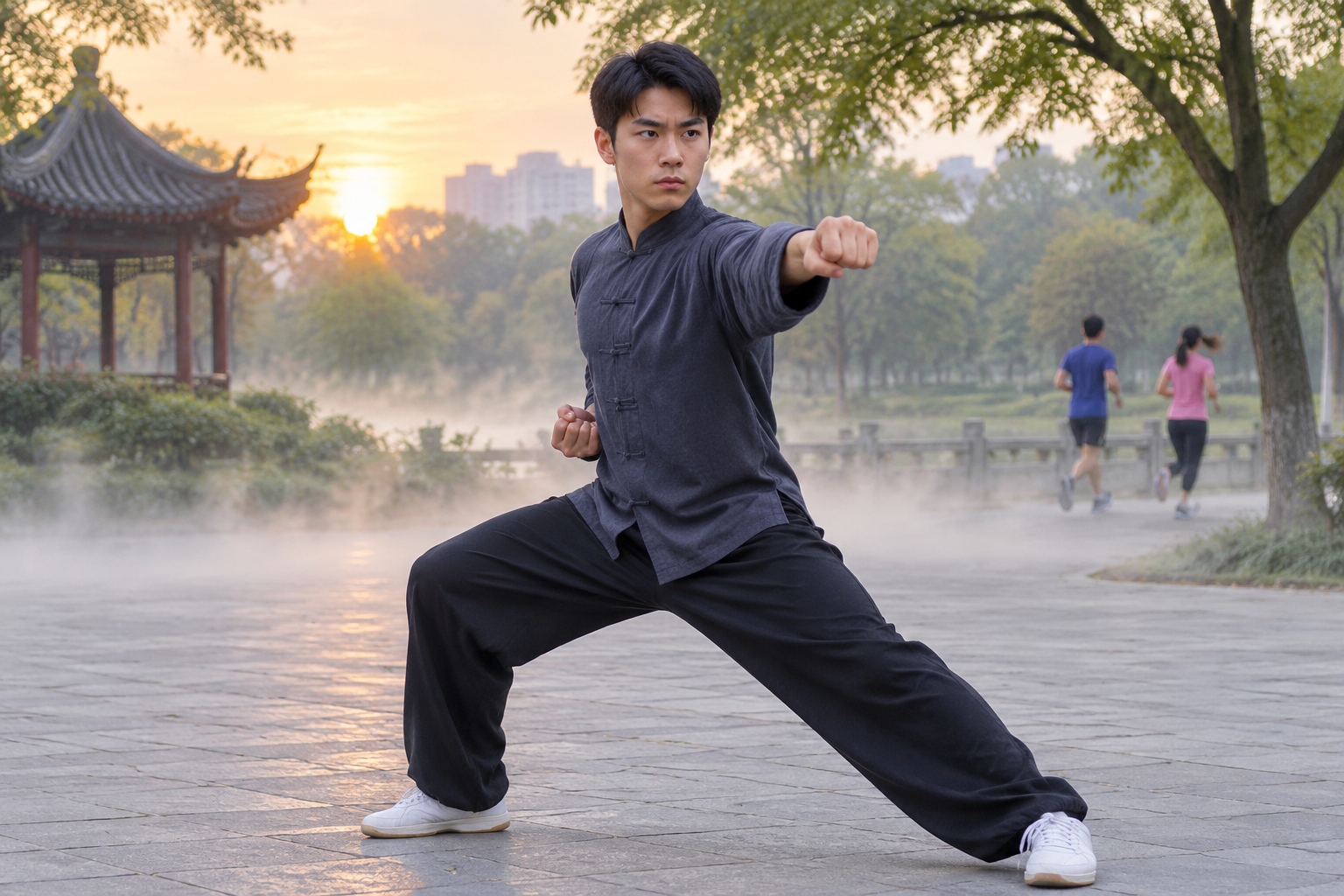
His strength isn’t talent; it is persistence. He practices the same basic punch thousands of times. He keeps his promises even when it hurts him. This resonates deeply with Western ideals of meritocracy and hard work. You don’t need to understand the complex mechanics of Chinese internal energy cultivation to appreciate why Guo Jing succeeds. You just need to recognize that consistency beats charisma.
The Female Lead Who Steals the Show
If Guo Jing is the heart, Huang Rong is the brain. She is witty, manipulative (in a charming way), and fiercely independent. Unlike many traditional archetypes where women are prizes to be won or damsels in distress, Huang Rong drives the plot. She solves puzzles, tricks enemies, and often saves Guo Jing from his own naivety.
For modern readers accustomed to strong female protagonists in literature and film, Huang Rong feels contemporary. She is not just “strong”; she is complex. She challenges social norms of her time, disguising herself as a beggar to test people’s character or dressing up as an old man to escape trouble. Her relationship with Guo Jing is built on mutual respect rather than mere attraction. They balance each other: he provides the moral compass and raw power; she provides the strategy and wit.
History, Not Fantasy
A common misconception about wuxia is that it is pure fantasy, similar to high fantasy novels with dragons and magic. Legends of the Condor Heroes is different because it is rooted in real history.
The story takes place during the Southern Song Dynasty (1127–1279), a period when China was fractured and under siege by the Mongol Empire led by Genghis Khan. The stakes are not just personal vendettas; they are existential. The fall of cities, the displacement of people, and the clash of civilizations provide an epic weight that pure fantasy often lacks.
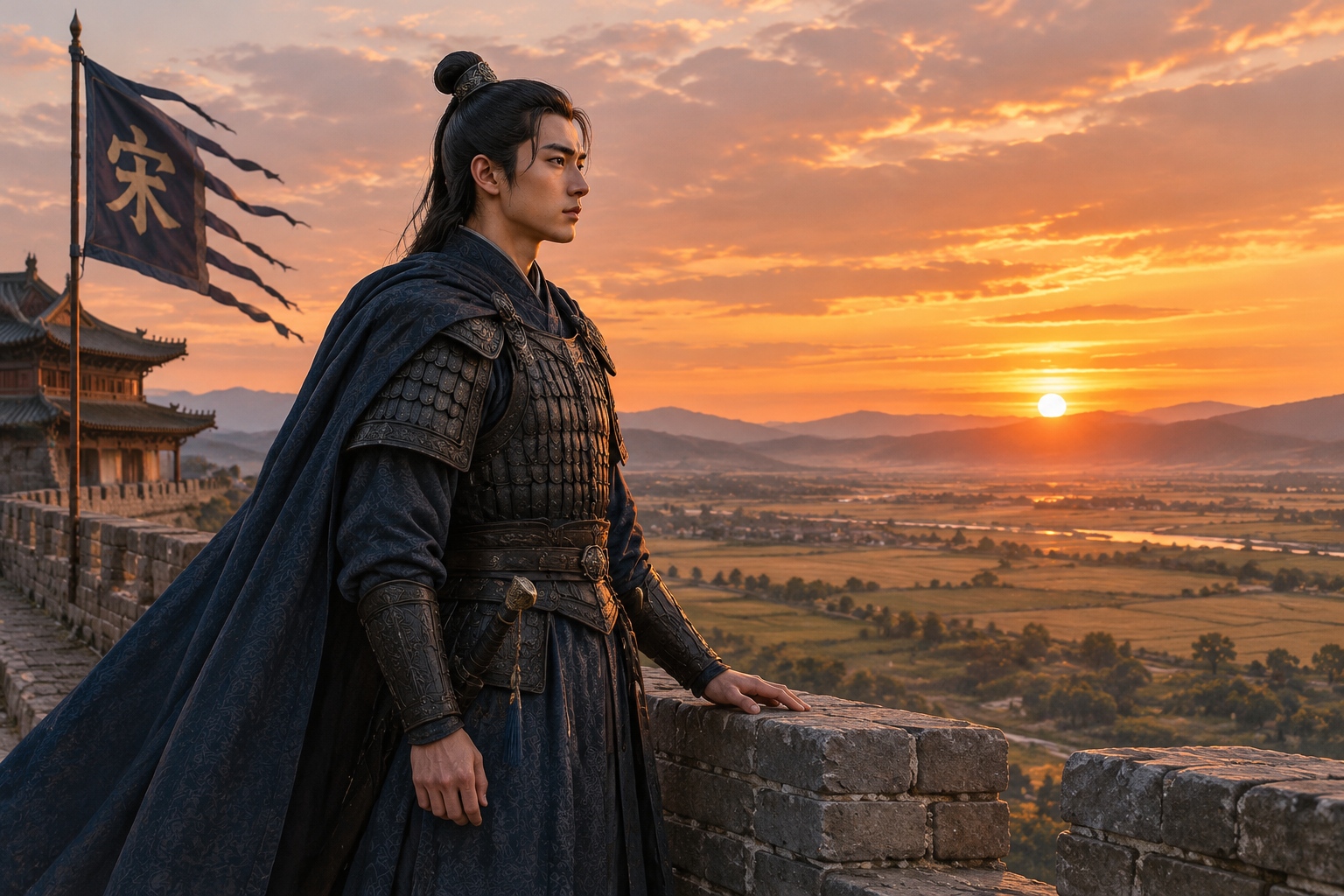
When Guo Jing stands on the walls of Xiangyang defending against the Mongol army, you feel the historical gravity. This is not a made-up war; it is based on real events that shaped East Asian history for centuries. For Western readers who enjoy historical fiction like Game of Thrones or The Pillars of the Earth, this grounding makes the martial arts elements feel more consequential. The fighting matters because people die, cities fall, and cultures change.
A Cultural Encyclopedia Disguised as Adventure
Reading Legends of the Condor Heroes is like taking a crash course in traditional Chinese culture without realizing you are studying. Jin Yong weaves details about calligraphy, music, medicine, cuisine, and philosophy into the action scenes.
For example, martial arts moves are often named after lines from classical poetry or derived from Taoist philosophy. A character might defeat an opponent not by hitting harder, but by using a move inspired by a painting of cranes. This adds layers of depth. You don’t need to know the original poem to enjoy the fight scene, but knowing it enriches the experience.
Similarly, the concept of xia (chivalry) is explored deeply. It is not just about being a knight in shining armor. It is about moral ambiguity. Characters often face dilemmas where doing the “right” thing means breaking laws or betraying sects. This moral complexity mirrors the ethical struggles found in Western literature, making the characters feel universal despite their cultural differences.
Why Start Here?
Jin Yong wrote fifteen novels, but Legends of the Condor Heroes is the most accessible. The plot is linear enough to follow easily but complex enough to stay engaging. The translation by Anna Holmwood and others has been praised for capturing the spirit of the original text without losing readability.
Unlike some other wuxia novels that require knowledge of Chinese mythology or specific historical periods, this book explains its world as it goes. It welcomes you in. By the time you finish the first volume, you will understand terms like qi, jianghu (the martial arts community), and the difference between “inner” and “outer” skills naturally.
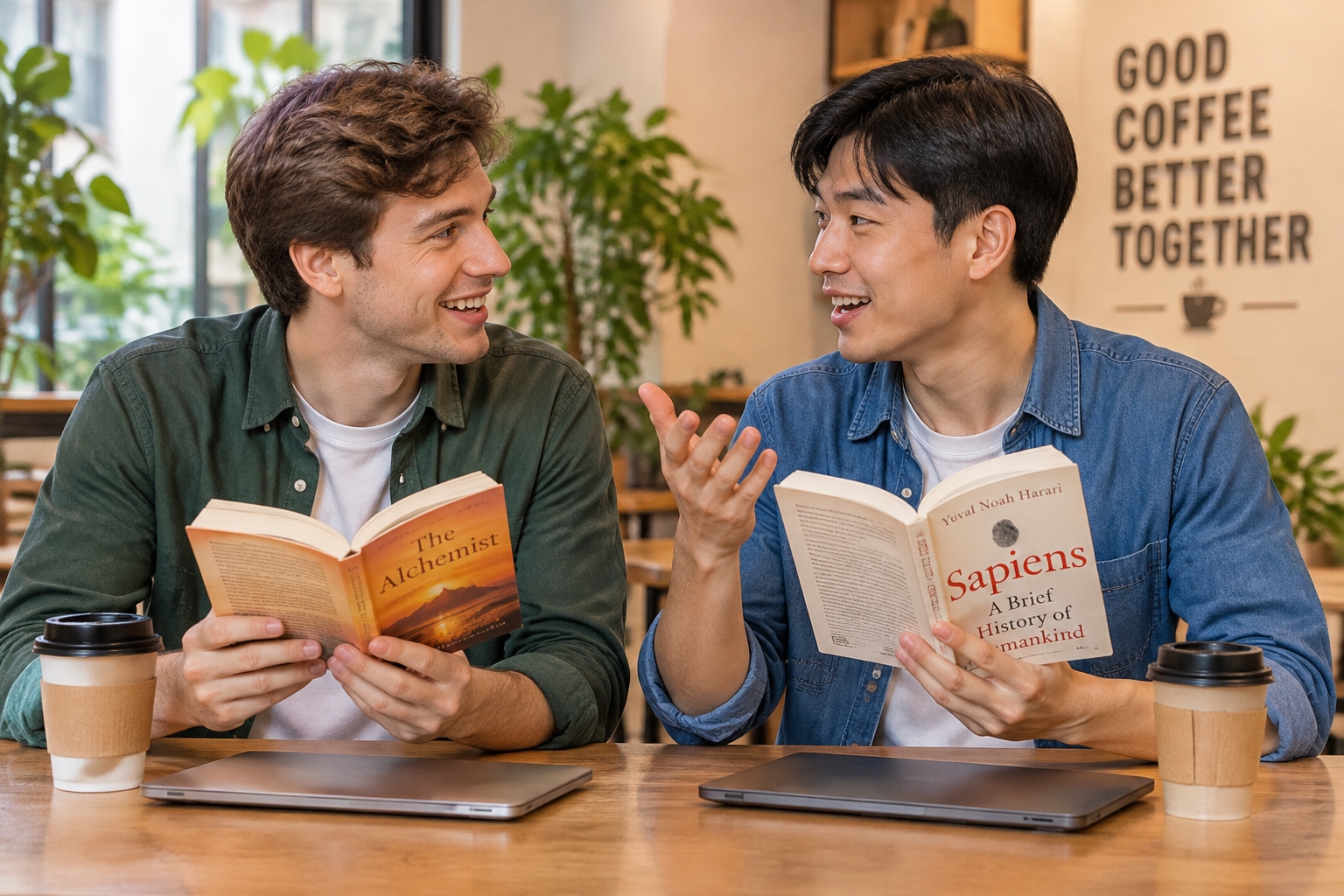
More importantly, it connects. You see yourself in Guo Jing’s struggles and Huang Rong’s sharpness. You feel the weight of history. And you discover that Chinese storytelling is not just about exotic settings; it is about human nature, loyalty, love, and loss.
If you want to understand China beyond the headlines, start with this book. It is a bridge built of ink and paper, inviting you to walk across.