
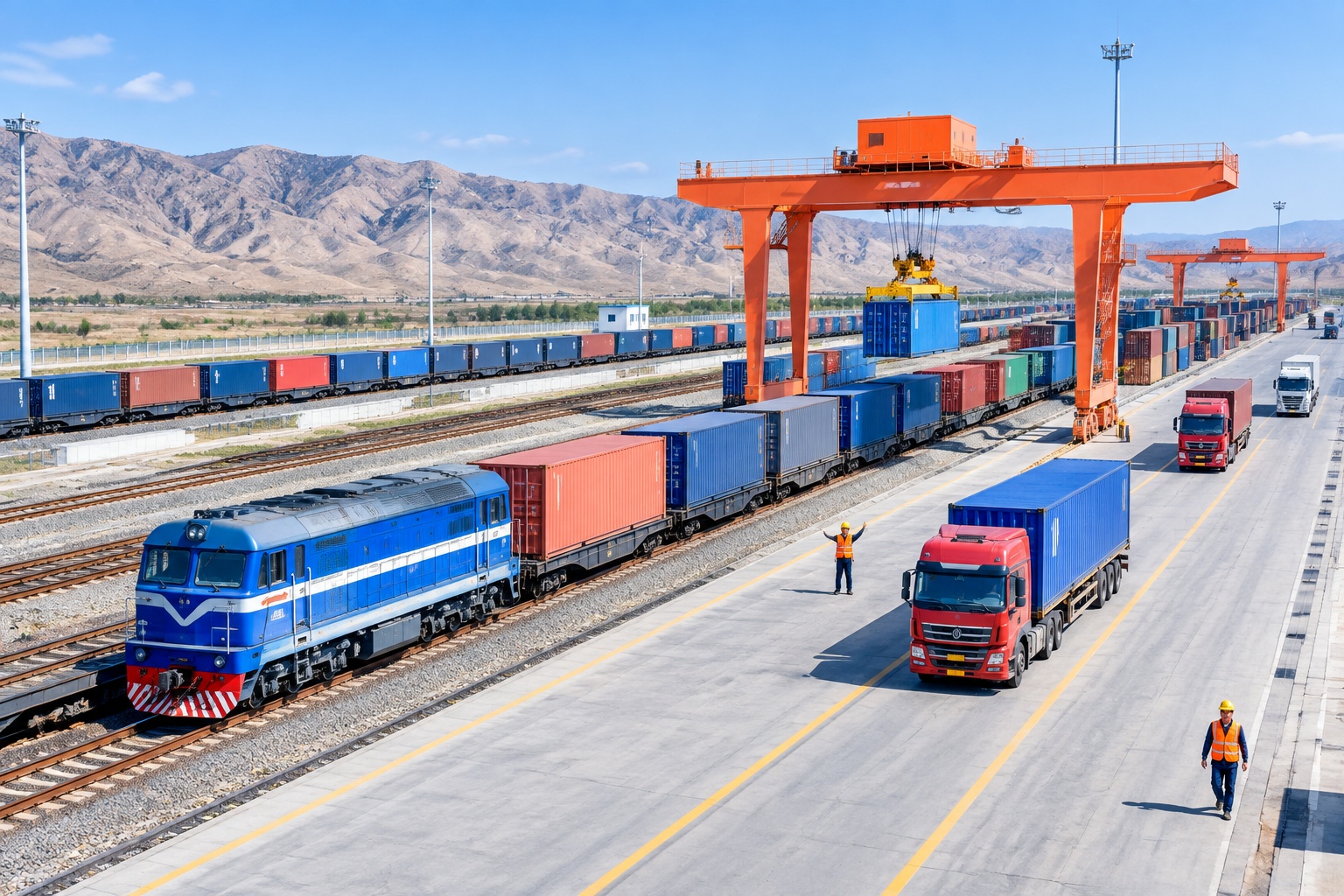

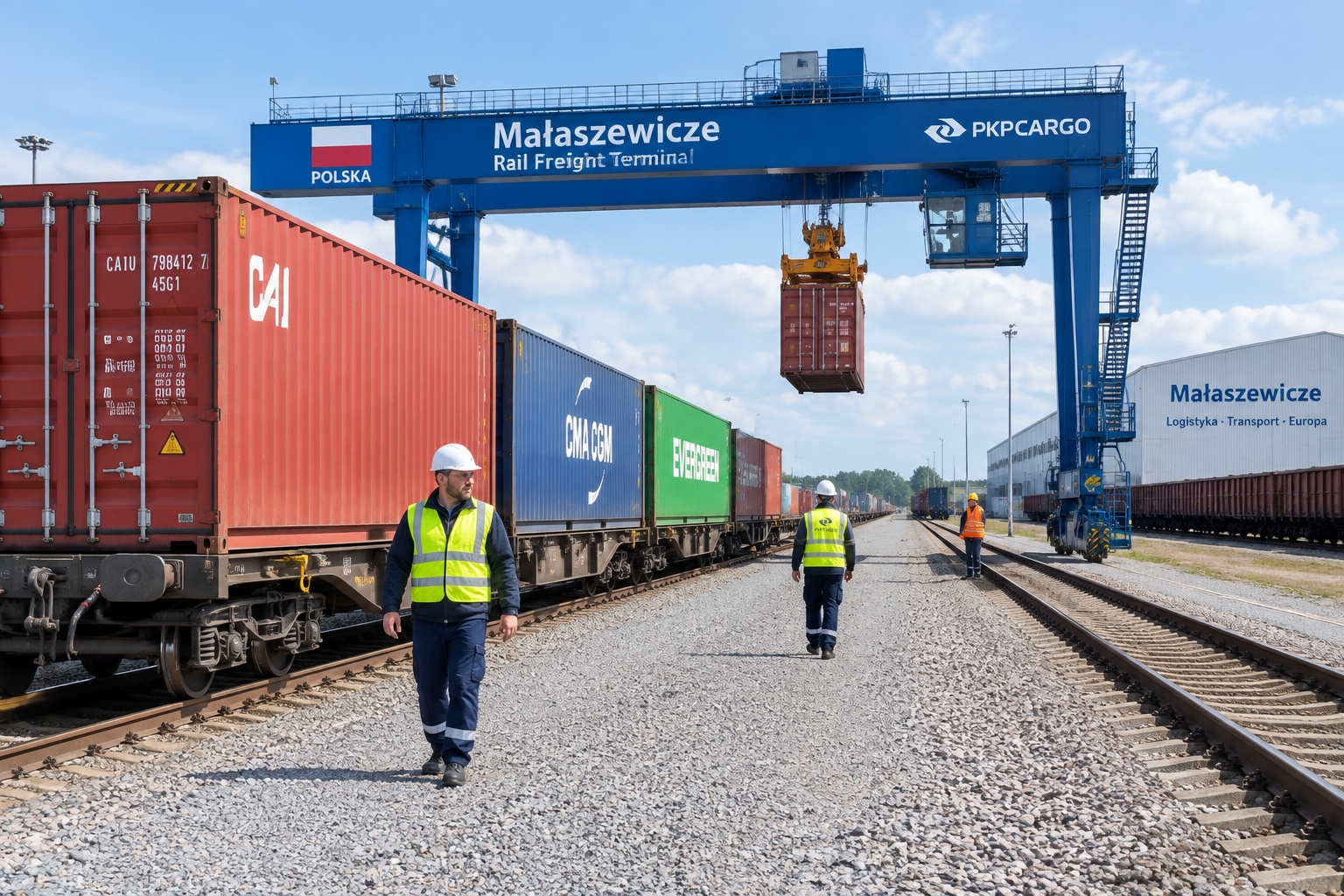
In Małaszewicze, a railway yard near the Belarus border in eastern Poland, containers are stacked like giant Lego bricks. A freight train has just arrived from the Chinese city of Xi’an, and workers in reflective jackets are transferring cargo to trucks that will leave for Hamburg, Warsaw, and Milan before dawn. This yard is one of the busiest hubs on the China-Europe Railway Express, the cargo rail network that China has built up as part of its Belt and Road Initiative (BRI). For Martin Dembek, who manages a warehouse logistics company here, the BRI is not an abstraction. Every additional train means another order handled. Businesses that plan well get contracts.
The BRI works as an infrastructure and industrial network that spans Asia, Europe and Africa. Many outsiders see photos of Chinese presidents at launch ceremonies, but at ground level it creates contracts: the right to dredge a port, the order for a signalling system, the lease on a factory in a new special economic zone. This article walks you through the main ways foreign companies are already earning money from the initiative, and how you could do it too.
The Belt and Road Initiative: the short version
The Belt and Road Initiative is an enormous umbrella term launched in 2013. It connects China with the world through six land corridors and sea routes, supported by loans, investment and bilateral agreements. China’s aim is to improve transport, energy and trade ties with partner countries, often by building infrastructure that otherwise would not get financed. In practice, projects range from the China-Pakistan Economic Corridor to rail links in Hungary and high-voltage power grids in Brazil. As of 2024, China has signed Belt and Road cooperation documents with more than 150 countries and 30 international organizations.
You do not need to sell your company to a Chinese buyer to take part. In fact, most foreign firms that benefit are never named in the press. They make or supply components, handle legal and engineering design, deliver logistics, or manage information systems for a Chinese-built project. The key is finding a niche.
Where foreign suppliers and contractors plug in
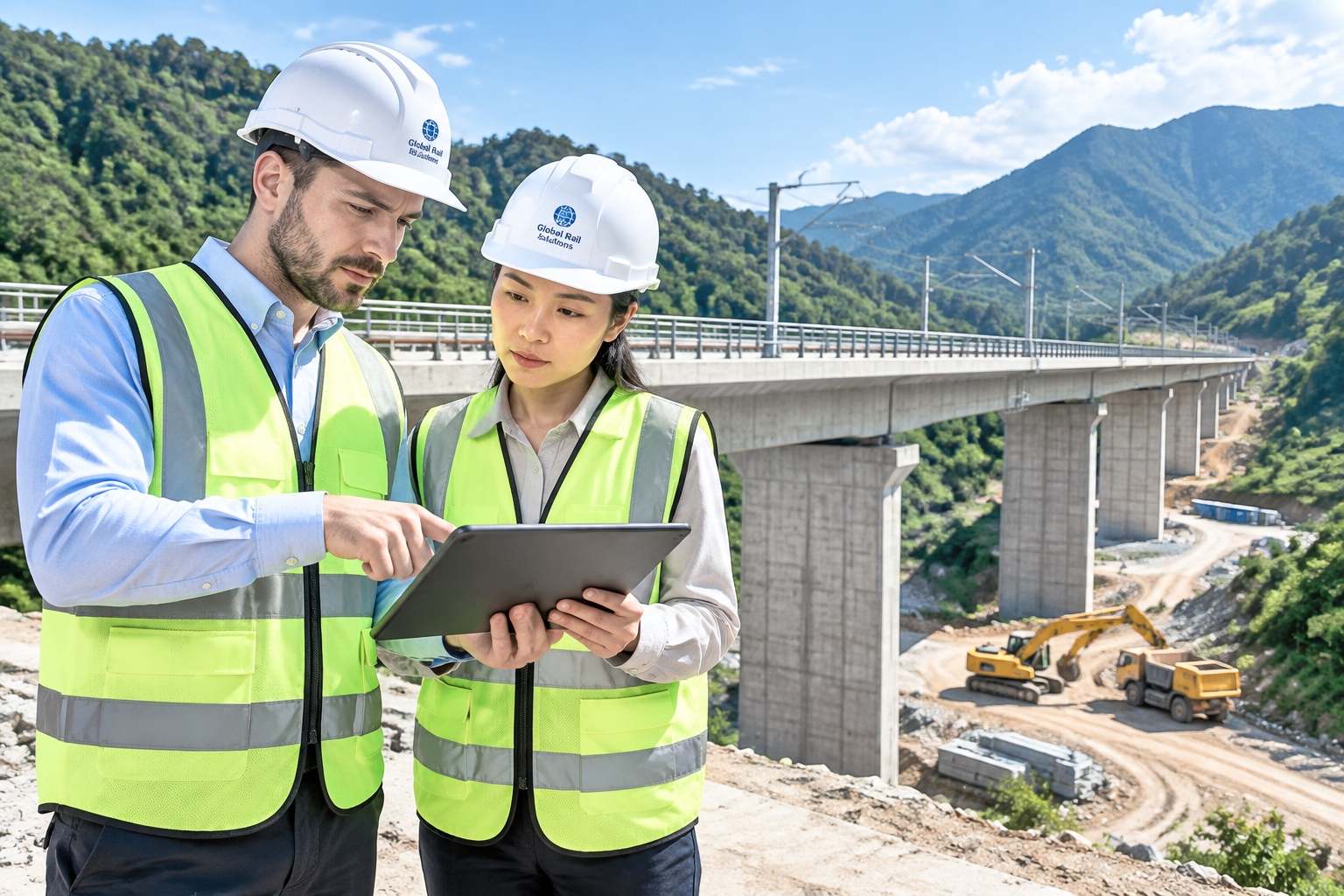
Chinese EPC contractors (engineering, procurement, construction) lead most big Belt and Road projects, but they supply only part of the inputs. They rely on global market leaders for heavy machinery, precision equipment and specialised services. For instance, on many border railway projects, Chinese companies install tracks and bridges, but the automatic train protection system might be made by a company in Sweden or Israel, because the local railway operator requires a proven safety certification. At oil and gas fields in Iraq, a Chinese contractor might build the pipework, while the compressor units come from the Italian company Nuovo Pignone. Even in the port business, Chinese builders often bring in foreign port operators – a French or Singaporean terminal operator can run the crane software.
More broadly, around any year there are thousands of BRI-related tenders open through national procurement agencies, multilateral development banks, and central project portals. However, many subcontracts are passed through personal networks. If you want a share, you need to start a relationship with a Chinese company early, sometimes through your country’s chamber of commerce or an existing client. Get your firm on their qualified vendor list, and be ready to demonstrate technical performance in difficult weather and at Chinese speed.
Trade corridors: riding the China-Europe rail wave
More than half the world’s consumers live within reach of a Silk Road corridor, and the railway is the flagship. The China-Europe Railway Express has been doing exactly what its name says since 2011. In 2023, more than 17,000 freight trains ran along the routes, according to China State Railway Group. That is up from about 1,700 trains in 2016. A typical voyage from Chengdu to Duisburg now takes about 16 days, a huge discount from the 30 to 40 days it takes by sea.
The opportunity in logistics is not in laying rails. Commercial opportunities appear in container depot management, bonded warehousing, trucking fleets, insurance, and customs brokerage. In Rotterdam and Łódź, European logistics startups have developed systems to reserve space on Chinese-owned freight trains through a webpage. They take 100 to 200 boxes per week and then become partners of the Chinese operator. This is not giant diplomacy; this is a market.
Reverse trade is also growing: German kitchen appliances, French wine, Spanish ham, and Italian furniture are loaded onto trains, and in China they arrive through customs at Chongqing, Xi’an and Chengdu. China has simplified customs clearance for food and cosmetics in selected bonded areas. A small brand can use a freight forwarder to ship from Milan to Shanghai in about 20 days for one third the cost of air freight.
Bilateral customs agreements between China and Kazakhstan, Poland, and Hungary have cut border waiting time from one day to a few hours. New digital services enable single-window clearance.
Industrial parks: plug-and-play factories beyond China
A fast way to get a physical presence in a new market is to lease a site inside one of the many Chinese-supported industrial zones. No need to buy land or obtain a construction permit from a distant ministry. The zone management offers serviced plots, electricity, water and sewage treatment.
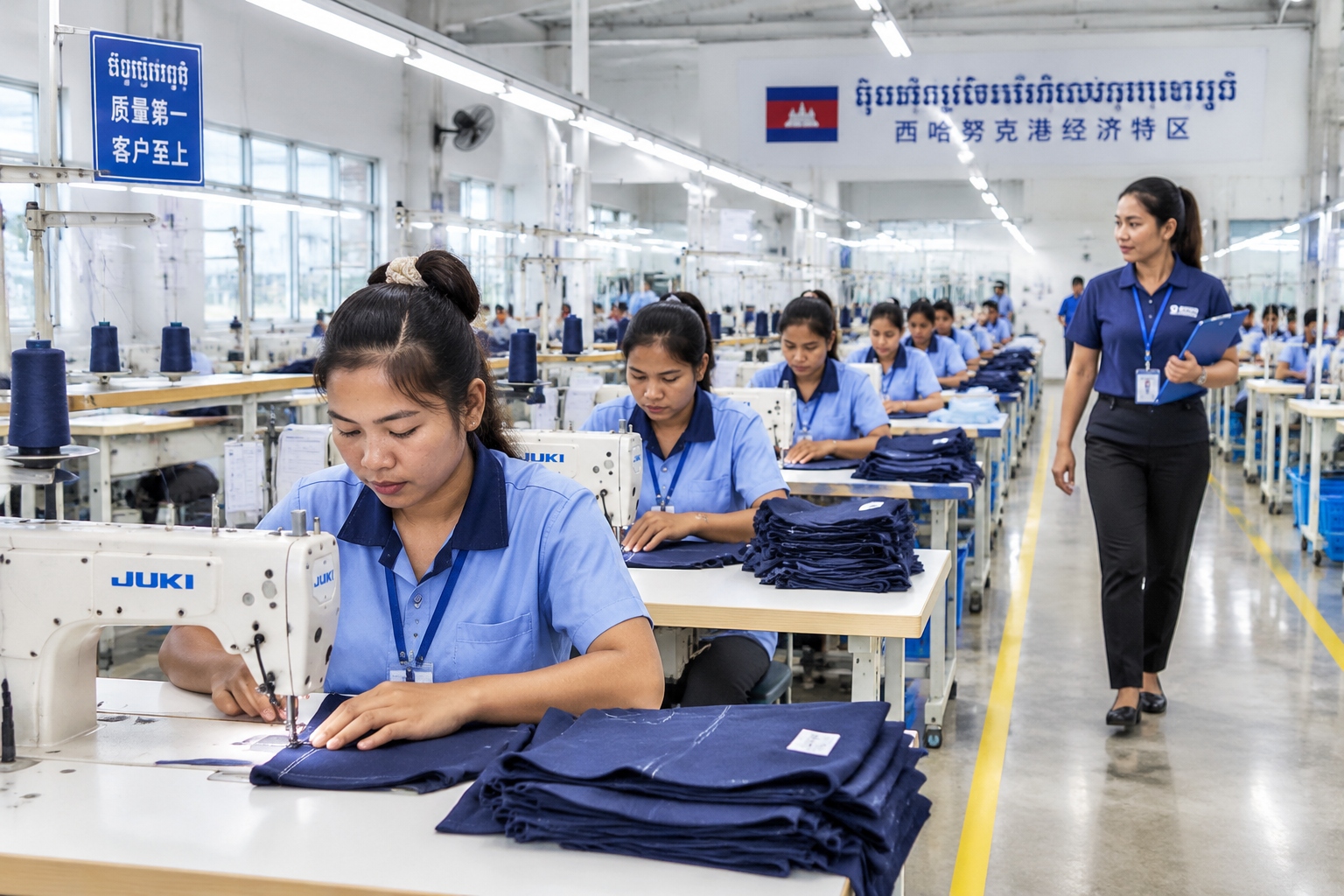
Take the Sihanoukville Special Economic Zone in Cambodia. It has attracted more than 170 companies and creates over 30,000 jobs, mainly in garments and auto tyres. A Belgian or Japanese supplier can rent units here and manufacture for export to the European Union with favourable trade agreements. Because the zone is run like a Chinese park, Chinese and Cambodian banks have set up desks to help tenants arrange working capital and letters of credit. Staff from the developer help navigate Cambodia’s Ministry of Commerce. Foreign tenants get a quick head start.
In Belarus, the China-Belarus ‘Great Stone’ Industrial Park offers attractive tax terms: residents get a discount on land costs and ten years without profit tax. It has drawn companies from Belarus, Russia, Singapore, Germany, and even the United States. If you see risk in moving to China but still want to serve the Eurasian market, this can be a middle way.
Third-party market cooperation: partnering with Chinese firms
Chinese companies increasingly want partners, not enemies. The BRI’s own policy documents refer to ‘third-party cooperation,’ where Chinese and foreign companies jointly invest in a third country. China’s government has signed co-financing agreements with France, Italy, Portugal, and many other countries. For example, a Chinese state-owned power company and a German wind turbine manufacturer might together build a wind farm in Pakistan. The Chinese company handles financing and engineering, the German company supplies the turbine technology and maintenance training. Both firms bring their own export-import banks, so the total financing is bigger, and the political risk is spread.
A more concrete pattern is visible in the EU-China Connectivity Platform, which funds research and trial projects in rail, digital and clean energy. European technology companies can plug into those networks, attend matchmaking events, and create alliances with Chinese partners. Many of the foreign companies now working in Great Stone Industrial Park or on the China-Laos railway used this route.
Practical ways to become part of the Belt and Road
First, go where the Chinese multinationals source. Instead of cold-calling, register with the online procurement channels of major Chinese contractors. Large companies often have open supplier systems, and foreign SMEs can register with minimal forms.
Second, use your local ties. If you operate in Central Asia, Eastern Europe or Africa, local presence is gold. Chinese contractors often need a local license, a local agent, or a company that understands local regulations. Set up a branch or find a consultant there.
Third, craft a compliance story. Europe has special rules on sanctioned goods, and Chinese SOEs are careful about corruption allegations. Provide transparent pricing and consider adding an environmental, social, and governance (ESG) report to your proposal. This reduces risk within your own company and improves your image with Chinese clients.
Fourth, protect your payment. Never rely on a verbal promise from a project engineer. Use confirmed letters of credit or advance payments. Offer delivery terms such as CIF or CIP, and consider purchasing credit insurance through your national export credit agency. Local chapters of the EU Chamber of Commerce in China also keep updates on disputes and payment behaviours.
One final piece of advice: start small. A single sub-contract on a Belt and Road project can become the beginning of a long partnership. But no one leaps from a train station to a billion-dollar road without first delivering a reliable shipment or a well-thought-out feasibility study.
Start the discussion at forum.chinacomes.com