

Gone Are the Days of the “Welcome OEM” Booth
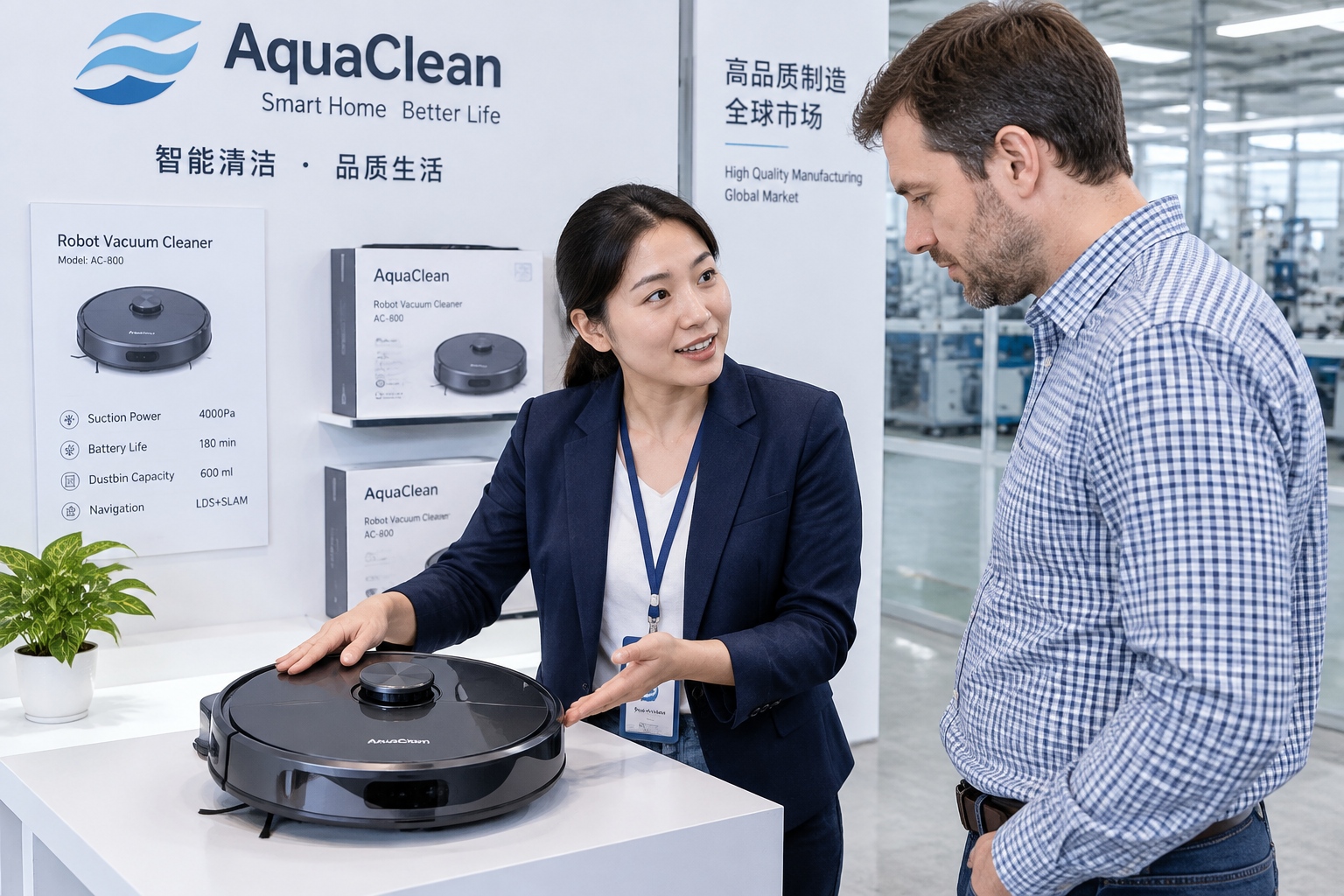
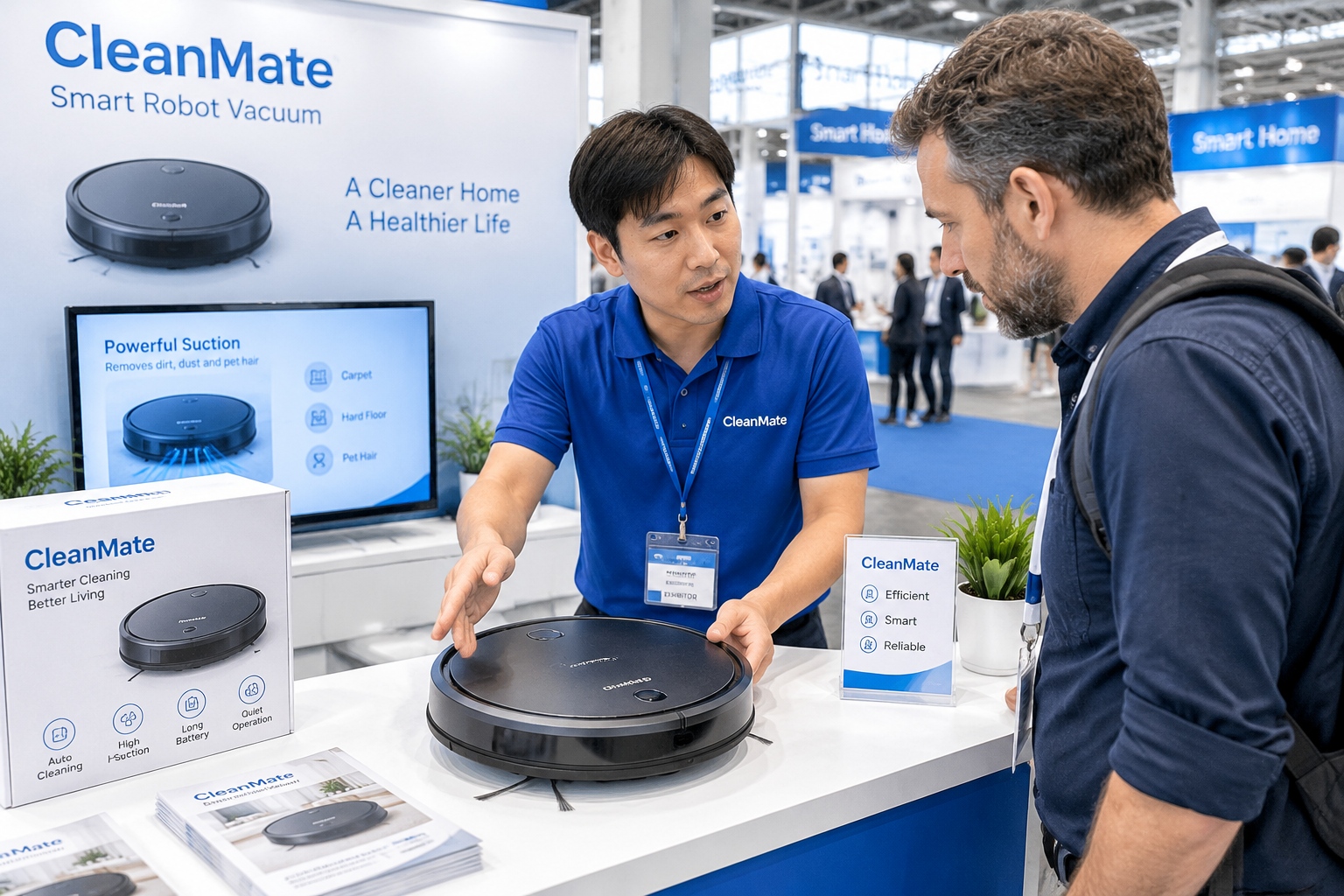
At the IFA electronics show in Berlin a couple of years ago, the Chinese exhibition area looked different. The exhibitors still showed gadgets you could buy for ten euros, but they were not hiding behind white labels. On every new electronic appliance, a brand appeared: Anker, Tineco, Ecovacs, Worx. A decade earlier, many of these companies would have been holding a laminated price sheet and telling buyers, “We can make your product.” Now they were telling the same buyers: “Let us tell you about our own product.”
That change has a name in manufacturing vocabulary: the shift from OEM, original equipment manufacturing, to OBM, own brand manufacturing. It is happening more quickly than most foreign observers realise, and it is not limited to smartphone makers or hip consumer startups. Factory owners that once survived on third-party contracts are now putting their own names on drill bits, robotic vacuum cleaners, and even cookware. The motivation is simple: when you have a brand, you stop competing for the bottom 2% of the supply chain.
Why Did Their Owners Go From Anonymous to Visible?
The first generation of Chinese export factories relied on cheap labour and hard-to-copy production speed. They built products for European and American retailers, but rarely asked who would finally use them. The brand would set the price and control the customer relationship. The factory’s job was to quietly meet quality standards and send sales reps to negotiate next year’s cost reductions.
The system worked until buyers began to squeeze margins, materials costs rose, and online platforms gave factories direct access to the consumer. Once a factory can directly sell an electric kettle on Amazon or a crowdfunding site, the old logic disappears. Many factory owners now ask themselves the same question, sometimes in very direct language: “Why should we stay invisible when we already make the whole product?” That question is pushing Chinese suppliers into a dual track. They still keep their OEM lines profitable, but they are building a second layer with their own names and their own product teams.
Four Factories That Took the Leap
Positec Tool: from Screwdrivers to Robotic Mowers
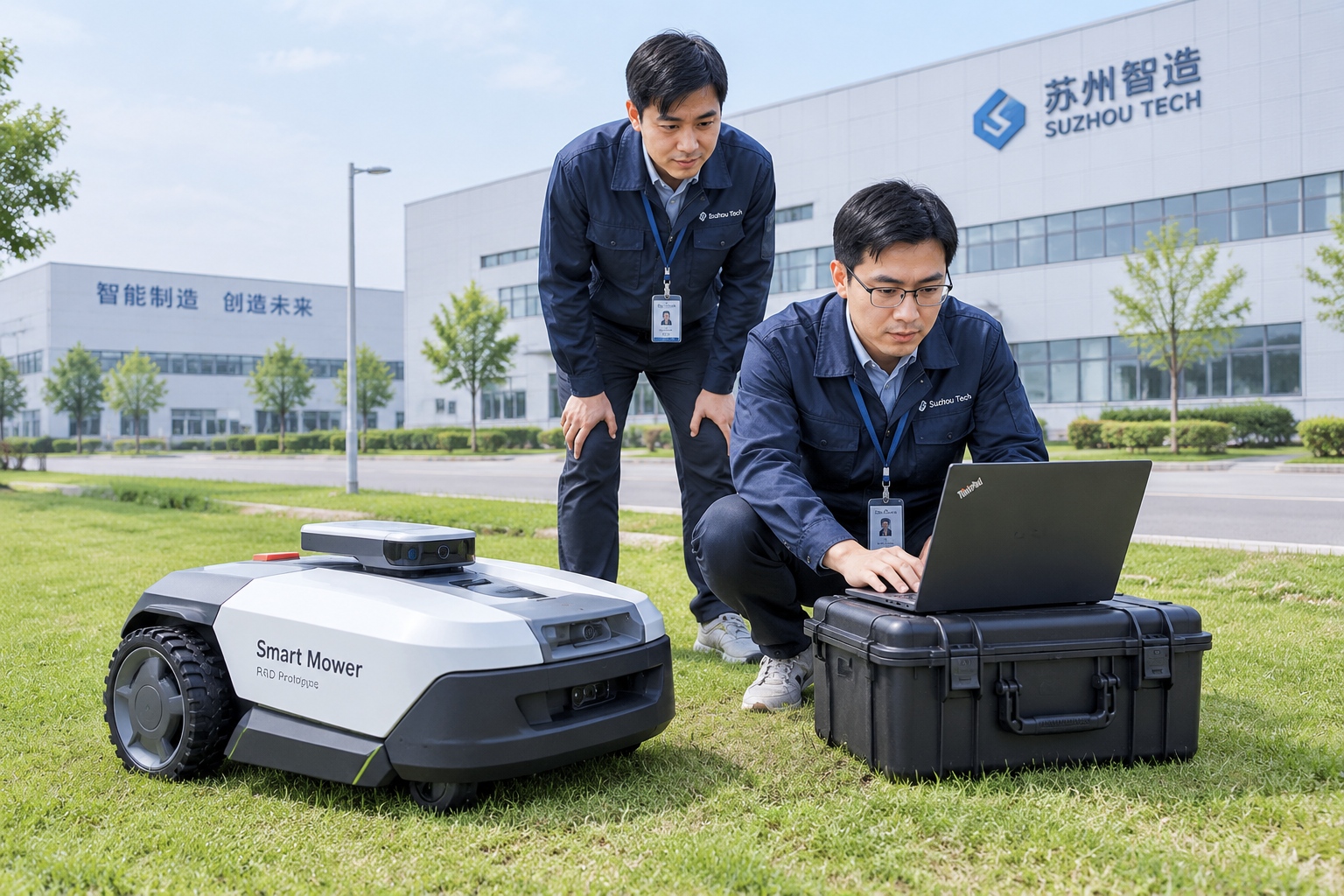
Positec was founded in Suzhou in 1994. For its first ten years, it was a classic OEM producer of electric tools, making drills and grinders for American and German brands. The company founder, Gao Zhendong, often tells Chinese media that OEM is a school you enter to learn, not a home to stay in. In 2004, he launched a brand called Worx and aimed it at hardware stores in the US and later Europe. Worx did not become profitable or popular overnight. But by the late 2010s, the company redefined its product line with Landroid, a robotic lawnmower that does not need a boundary wire. In recent years, Worx has been ranked among the leading robotic mower brands in Europe, while Positec continues to supply contract products to other labels.
“What really changed for us was learning to see the end user,” Gao was quoted as saying in the Suzhou Daily. “OEM engineers worked to someone else’s specification. Now we have to design around uneven lawns, rainy weather, and customers who want to control everything from an app.” For Positec, branding did not mean aggressive advertising. It meant spending money on motor software, battery systems and a service network that could repair a broken product in Germany without endless shipping.
Ecovacs Robotics: from Hidden Vacuum Factory to Global Brand
Ecovacs’ predecessor was a company called Techek, based in Suzhou, which started by making canister vacuum cleaners for major manufacturers in Europe and Japan. The founder, Qian Dongqi, decided in the mid-2000s that the company’s own future had to be a smarter machine. In 2006, the Ecovacs brand launched its first robot vacuum, the Deebot. It was not the first robot on the market; iRobot already had the famous Roomba. But Ecovacs controlled the factory, which meant it could test a new model, redesign it, and put it into mass production in less than half the time it would take a pure brand company. Today, the group’s sub-brand Tineco has made floor washers with smart interactive screens into a home staple in North America and Europe.
The company’s public narrative is not about being cheaper than foreign competitors. It is about learning to incorporate more sensors, algorithms and user data. Qian has explained in Chinese media that “the factory brings one advantage that designers don’t have: it sees what is actually inside the machine. You can quickly test new features, debug them and improve them.” For manufacturers that take this path, the factory itself becomes a source of brand trust.
Anta: From Shoe OEM in Fujian to Multi-Brand Sports Group
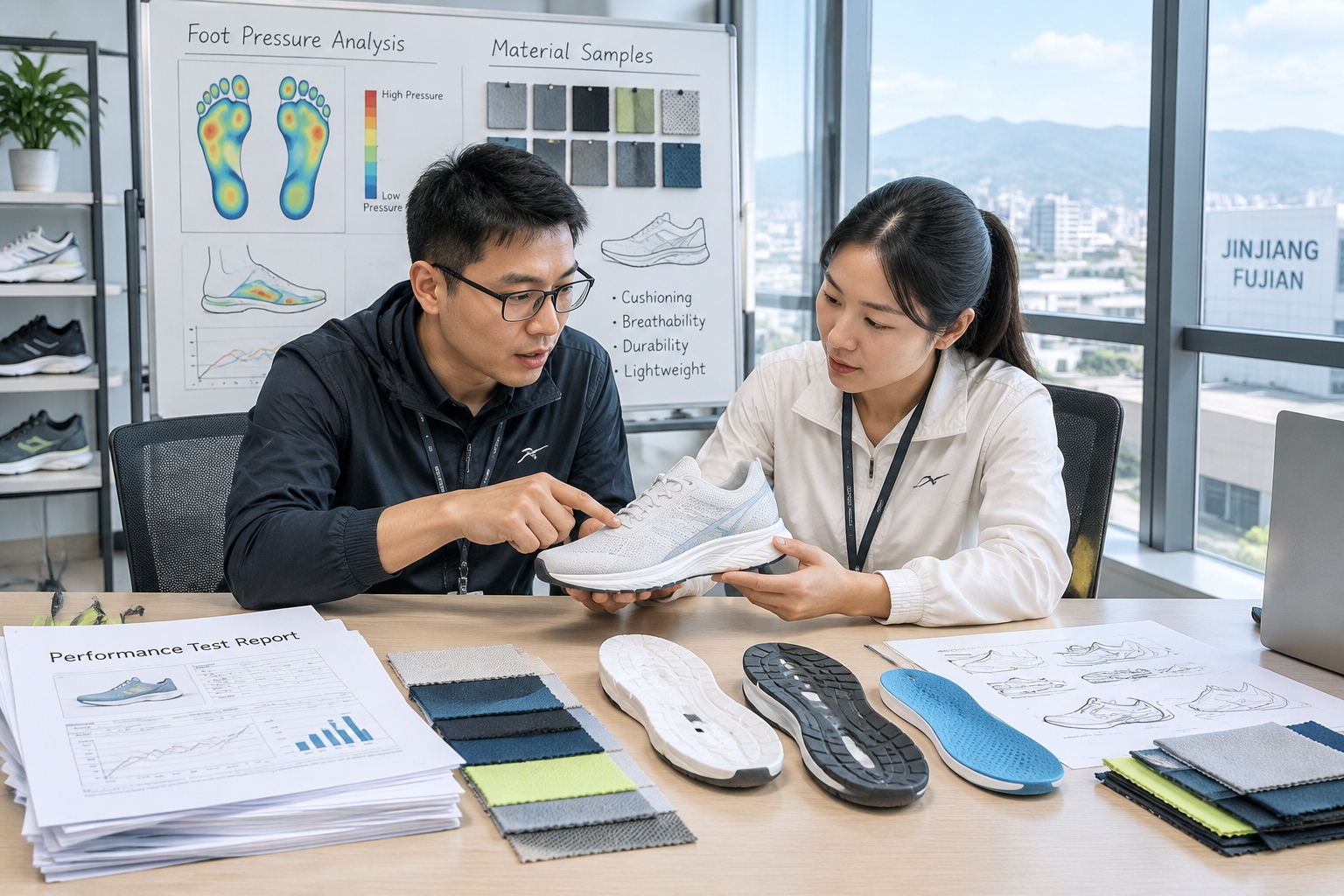
Anta, now the largest sportswear company in China, started like many factories in the city of Jinjiang. Ding Shizhong, who founded the company in the early 1990s, grew up in a shoemaking village. In 1994, he put his own brand, Anta, on the shoes his factory made. At that time, most fellow factory owners saw this as a risky move because the domestic retail market was underdeveloped and international brands looked untouchable. Anta won by combining sponsored national sports events, affordable price points and a nationwide network of independent wholesalers.
More important than its early retail wins was its later decision to use the name as a springboard. In 2009, Anta bought the mainland China rights to the Italian brand FILA. Then, in 2019, a consortium led by Anta acquired Amer Sports, the Finnish owner of Arc’teryx and Wilson, giving the company premium global brands and a huge outdoor-hardware portfolio. Ding Shizhong has often repeated a simple phrase in interviews: “Don’t make the Chinese Nike, make the world’s Anta.” Today that ambition looks less like a slogan and more like a strategy for holding both manufacturing scale and brand control.
Anker: A Brand Built on Supply Chain and Search Data
Some Chinese brands did not start by making hardware in their own factories. Anker founder Steven Yang worked at Google before moving back to China in 2011. Instead of opening a plant, he built a company that would design and test compact chargers and batteries, then rely on a network of mature factories in Shenzhen to produce them. Anker’s first channel was Amazon; product teams used customer review data to decide which charging model to build next.
Experts may point out that Anker is not a manufacturer. But it is the clearest example of the “brand from China” movement. Yang has said in multiple interviews that honest feedback from customers abroad taught him something many OEMs never see at all: it is not enough to make a product at a low price, you have to make one that answers the question a consumer asked five minutes before. Anker’s rise has pushed many factories to create new brands by working with people like Steven Yang, rather than waiting for orders from established companies. Today, Anker’s annual revenue is above RMB 14 billion, and its products are sold in more than 100 countries.
Why Some Chinese Brands Never Get Off the Ground
The so-called “brand turn” in Chinese manufacturing is not always pretty. Many factories have simply put a label on an existing product and tried to list it on Amazon, only to face high advertising costs and angry customers. There are four common mistakes that entrepreneurs speak about quietly at trade fairs:
Mistake 1: Branding as a Logo
Designing a logo does not create value. Consumers need a product that looks different, feels different and delivers a clear benefit. That usually means having a design and engineering team, not just an SEO writer and a TikTok account.
Mistake 2: Underestimating Overseas Trademark Rules
Too many Chinese firms discover that their own brand name is already registered in a key market, or that their product violates a patent held by an industry giant. Chinese factories used to deal with this by hiding under the OEM contract. Now that they put their own names on, they must invest in a legal search before launching.
Mistake 3: Ignoring the Whole Service Loop
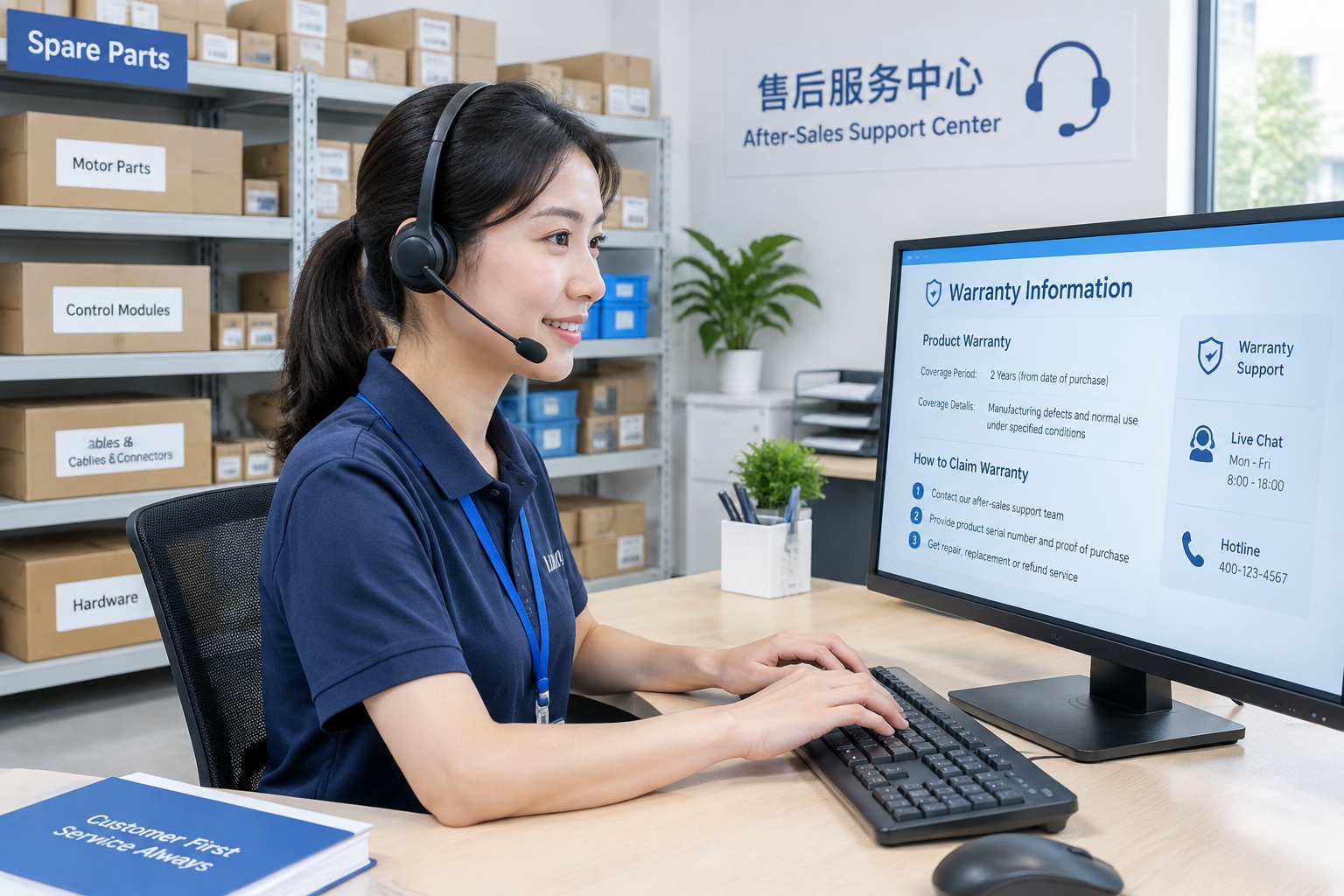
If you sell 20,000 robotic mowers in Germany and 100 break in the first season, you need spare parts, repair partners and a phone line. Brand owners cannot behave like freight forwarders. Successful brands, including Ecovacs and Worx, have worked hard to establish local service and spare-parts warehouses.
Mistake 4: Playing “One More Amazon Seller”
Platform-native sellers have exploded since 2020. Many Chinese factories saw a competitor get rich using their production capacity, and concluded that a logo plus a lightning deal was all it took. In fact, most of those short-lived products disappear within two years. Winning a race for search ranking without a loyal base is a temporary victory.
How to Vet a Chinese Manufacturer That Is Building Its Own Brand
If you are a brand owner, a retail buyer or a distribution partner outside China, you may have mixed feelings about these changes. A factory that is now selling its own brand in your market could see you as a competitor, not a client. But the new landscape also gives you different opportunities. Chinese OEM-to-OBM firms understand the product life cycle better, and they are usually open to partnership.
Before you sign anything, ask the factory a few practical questions:
Do you plan to launch your own label in the same market where you want to supply me?
Be explicit about market exclusivity. Many factories are happy to keep their own brand for Asia or e-commerce while manufacturing a different white-label product line for you. But you need written clarity.
What is the ratio of engineers to salespeople?
A credible brand company should be able to show a team of product engineers who meet consumers or read local reviews. If their product development is still entirely led by overseas clients’ specs, they may not be ready for deep co-creation.
Can they handle after-sales in my region?
Ask about local spare parts, warranty claims and repair operations. If they are building a global brand, they should have a story to tell. If they do not, you may be forced to handle too much on your own.
How do they protect their intellectual property from copycats?
Factories that have been copied by domestic competitors often understand why IP matters internationally. Ask what patents or trademarks they hold in your jurisdiction, and get a checklist from a local IP attorney before anyone signs.
None of these questions are meant to scare you away from Chinese manufacturing. On the contrary, they reveal what “brand factories” say at their best: we are serious about the long term. That is a good sign for a future partner.
The Next Chapter of Chinese Manufacturing
Chinese suppliers are still very good at making stuff. That ability will not disappear. But in the next decade, the companies that used to mark every plastic cover for export are aiming to make something even harder to copy: habits and reputation. They have already moved from building trusted supply chains to building trusted names. Not all will succeed, but for a country whose exports reached about 23 trillion yuan in 2023, the trend is hard to ignore. Next time you see a familiar Chinese logo in a foreign supermarket, take a moment to wonder how many years of hidden work went into that label.
Start the discussion at forum.chinacomes.com