

The Movie That Moved a Nation
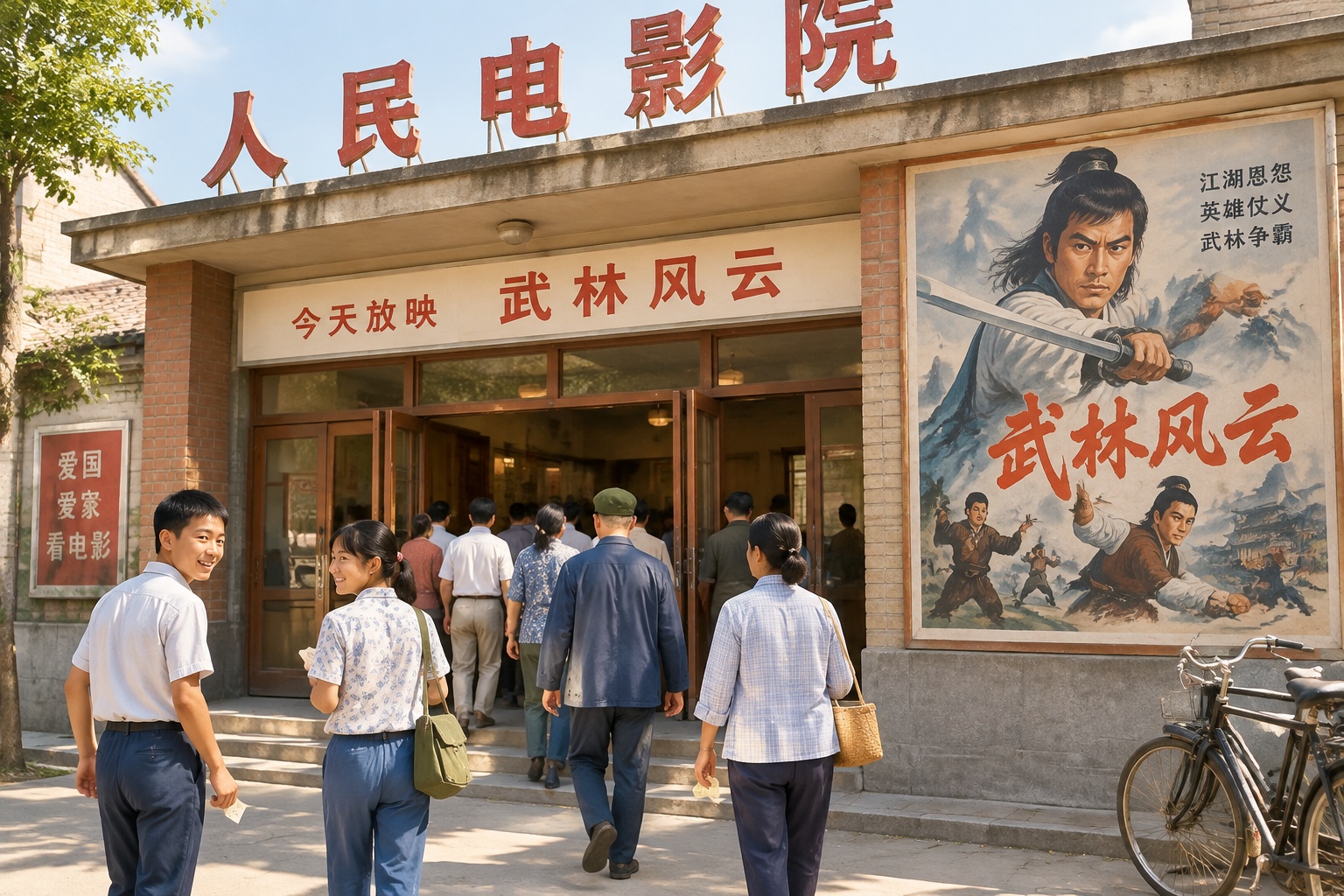
I once talked to a middle-aged security guard in Guangzhou who told me he first thought about becoming a martial arts actor after he saw a movie in 1982. That film was Shaolin Temple, a 99-minute mix of Buddhist philosophy, jaw-dropping stunts and a fresh-faced actor named Jet Li. The movie broke box-office records across China, and its influence went far beyond the theatre: kids gathered at dawn to stretch, kick and punch with sticks; martial arts schools appeared in every small town; parents sent their children to learn wushu, hoping it would build character as well as muscle.
For older Chinese, Shaolin Temple is not just a movie. It’s a memory of a time when “sports” meant discipline, national pride and a connection to thousand-year-old heritage. In the 1980s, China was just opening up, and sport was one of the first windows to the world. Table tennis, volleyball and gymnastics produced national heroes. Physical education was taken seriously in schools, and watching a winning athlete on television felt like a national collective experience.
From Political Fitness to Personal Fitness
Fast-forward to the 1990s and 2000s. Economic reforms gave ordinary families disposable income. Gyms sprouted in Chinese cities, imported from the West. Basketball hoops appeared in alleys; tennis courts became visible in new residential developments. The government began to shift its focus from elite athletes to mass fitness, building community sports parks and subsidizing exercise equipment on public grounds.
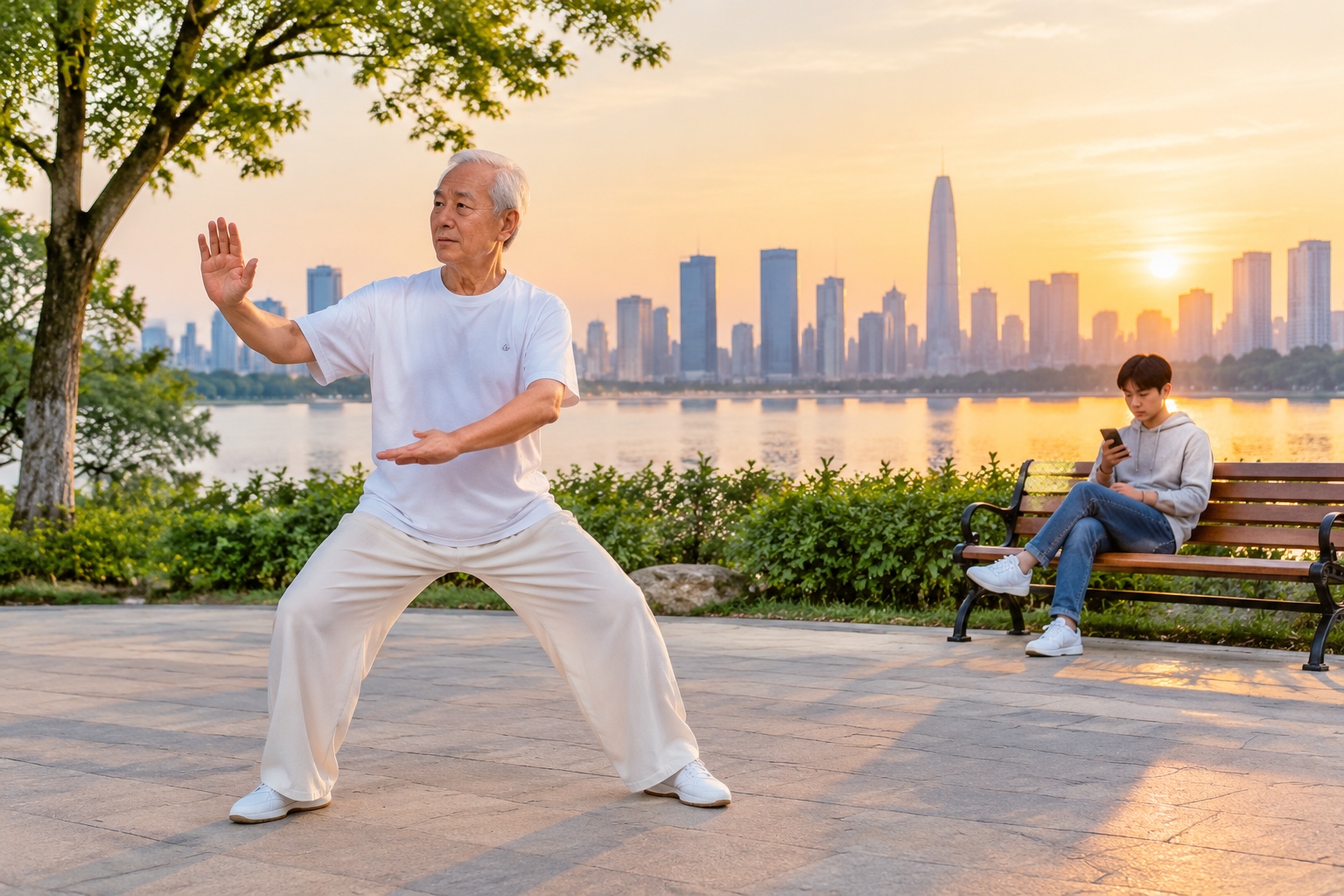
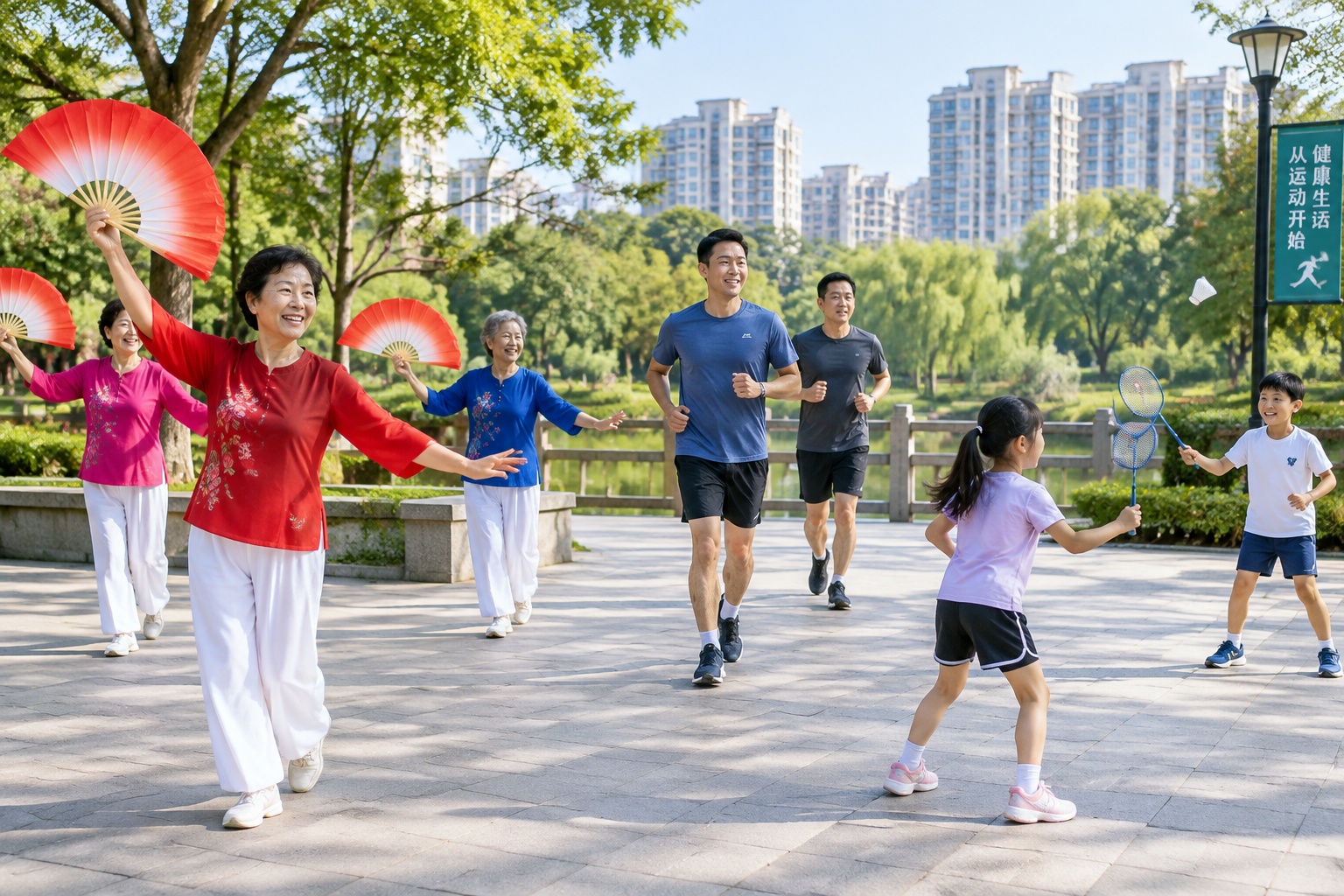
Today, when visitors from Europe or North America come to Chinese cities, they often see a mix of exercise styles that may look contradictory. In a single park, you might see senior citizens dancing to music at 7 a.m., middle-aged men doing pull-ups on public machines, and teenagers dribbling a basketball while waiting for their coffee. The 1995 National Fitness Program, a top-level government plan, gradually turned physical exercise into a lifestyle right rather than a political duty. But unlike, say, the jogging culture in the United States, Chinese fitness has become social and communal—it happens in groups, like square dancing or group cycling.
The Great Leap from Physical to Digital
Internet access and smartphone penetration changed everything. In the 2010s, more Chinese became online gamers than any other country’s population. But it wasn’t until the government officially recognized esports as a sport that its status changed forever. In 2019, the Ministry of Human Resources and Social Security listed “esports operator” as a national profession. In 2022, esports appeared as an official sport at the Asian Games in Hangzhou—a symbolic nod to its legitimacy. Cities like Shanghai and Chengdu began building esports parks and stadiums, complete with training centers, broadcast studios and retail spaces.
This development puzzles many Western readers, because esports remain controversial in some countries. In China, the acceptance came partly from the state’s view of digital industries as engines of growth. If a game can generate revenue and employment, and if it can be organised into a disciplined team competition, why not call it a sport?
However, this official embrace is not without tension. Many parents are still anxious about video game addiction. The government stepped in with strict limits on gaming hours for minors, and many families prefer traditional athletics. The shift happening here is not an either/or: Chinese sports culture is creating spaces where the physical and the digital coexist.
What the New Sports Say About Modern China
It is easy to compare the 1982 martial arts hero with today’s esports pro and say that China has traded tradition for technology. But to me, the more interesting comparison is in the values both sports cultivate. A young monk in the film had to wake up, carry water, sweep floors and repeat a single strike thousands of times. A young esports player also spends ten hours a day in training, reviewing replays, practicing finger drills and developing strategy with teammates. Both demand patience, resilience and an acceptance of hierarchy. Whether the arena is a temple courtyard or a 10,000-seat esports centre, the rituals of dedication look very much the same.
At the same time, the range of what counts as “sports” today reveals how individualised China’s society has become. Skaters riding along the Shanghai riverside at dusk, middle-aged women in a choreographed exercise group, rock climbers in an indoor bouldering gym—all of these are happening in the same country at the same time. This diversity would have been unthinkable in the era when “sports” was a monosyllabic reference to school athletic meets or national TV broadcasts.
If You Visit China, Watch For These
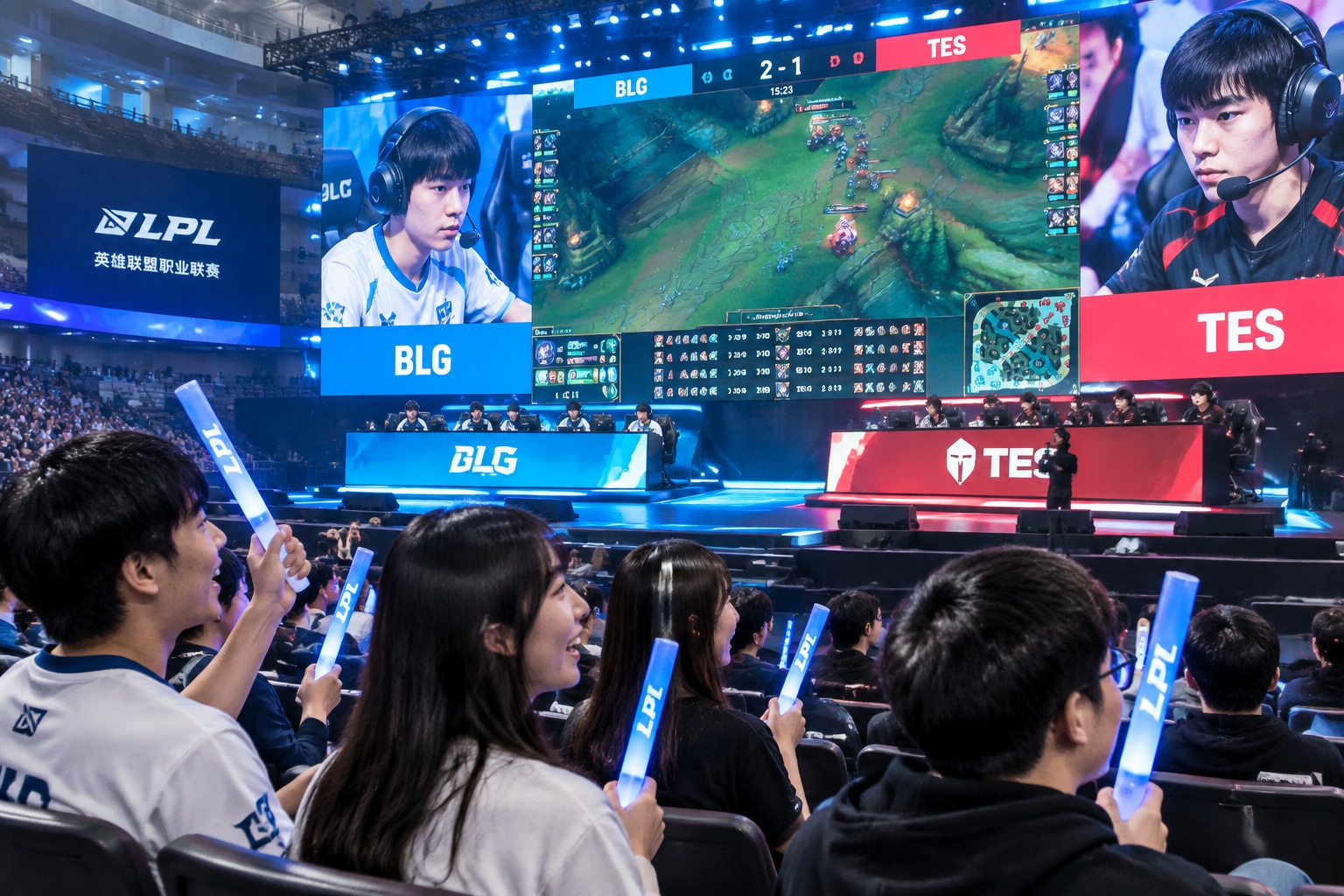
If you travel to China, you might find three things striking. First, public exercise is not a subculture; it’s a civic habit: parks fill before sunrise and after dinner. Second, sports venues are now social media props; a young woman might post a gym selfie in the morning, then share a live stream of an esports final at night. Third, the boundary between spectator and player is blurred. In Chinese esports arenas, the crowd stands, waves glowing sticks, and chants the same way football fans do—except the players on the stage have headphones and trackpads. For a visitor from the West, this can feel like watching the future of sports media, but it’s also a reflection of China’s infrastructure: old sports stadiums are being retrofitted, and new ones are designed with digital screens and connectivity in mind.
A Broader Definition
From Shaolin Temple to an esports final, Chinese sports have moved from a national narrative to a personal choice, from a physical necessity to a digital passion. It would be lazy to describe that as a loss of tradition. Instead, it’s a widening of what “sport” can mean. For a farmer in 1982, athletic ambition was a film fantasy; for a Chinese teenager today, it can be a scholarship dream, an esports career, or simply a daily jog with a wearable tracker. The hero may have changed his outfit from a monk’s robe to a gaming jersey, but the underlying hope remains: to grow stronger, to belong, and to be good at something.
In my view, this is what makes Chinese sports culture so fascinating. It isn’t moving in one direction; it is expanding in many directions. The only constant is the energy people bring to it—on the mat, the court, the running path or the stage.
Start the discussion at forum.chinacomes.com