

Where Chinese Brands Became the Default
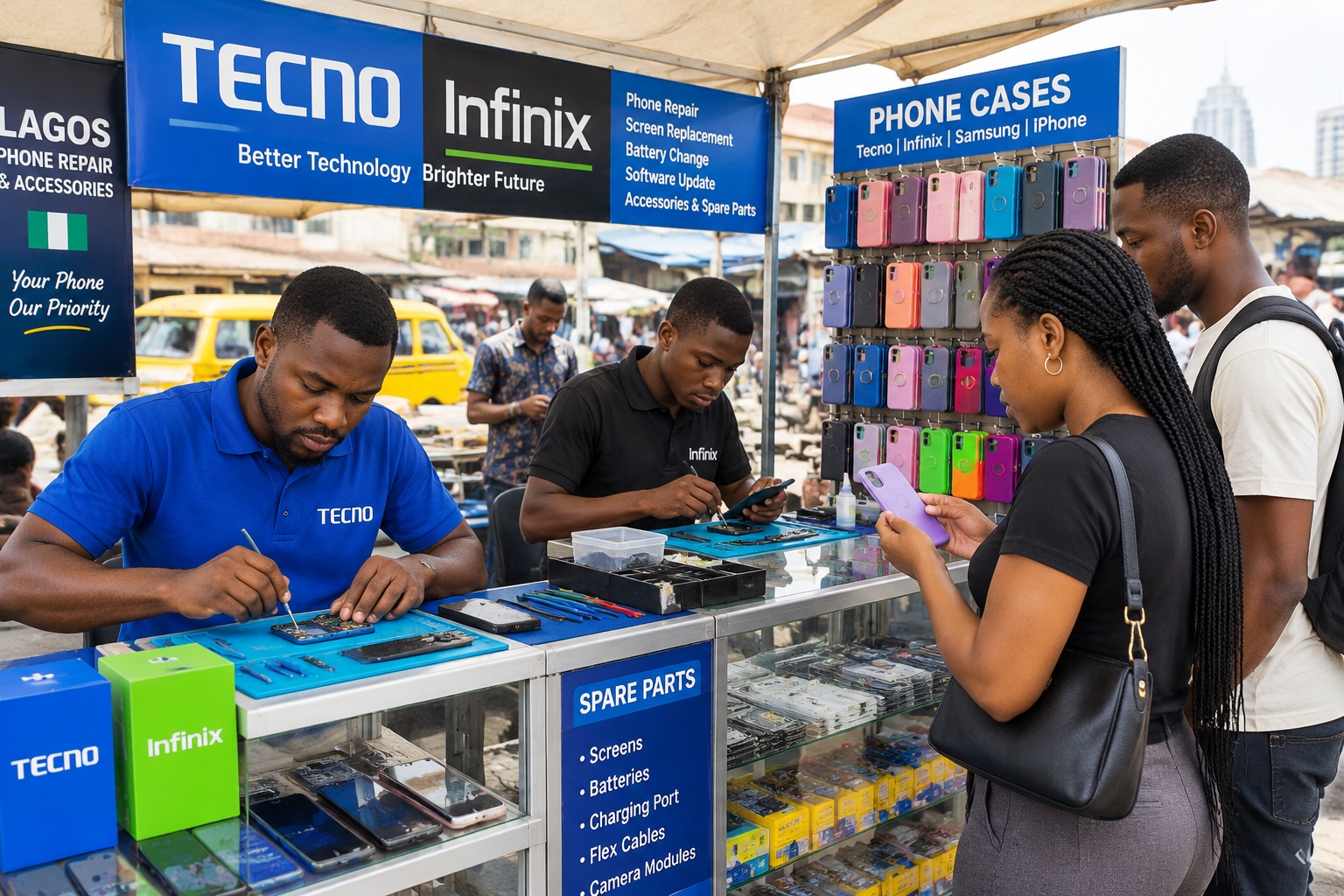
On a crowded street in Abuja, Nigeria, a phone repairer named Emeka holds up a Tecno. The screen is cracked, but he tells his customer it will be fixed within the hour. Tecno belongs to Transsion, a Chinese company that few people in the West know—but that millions of Africans have used for years.
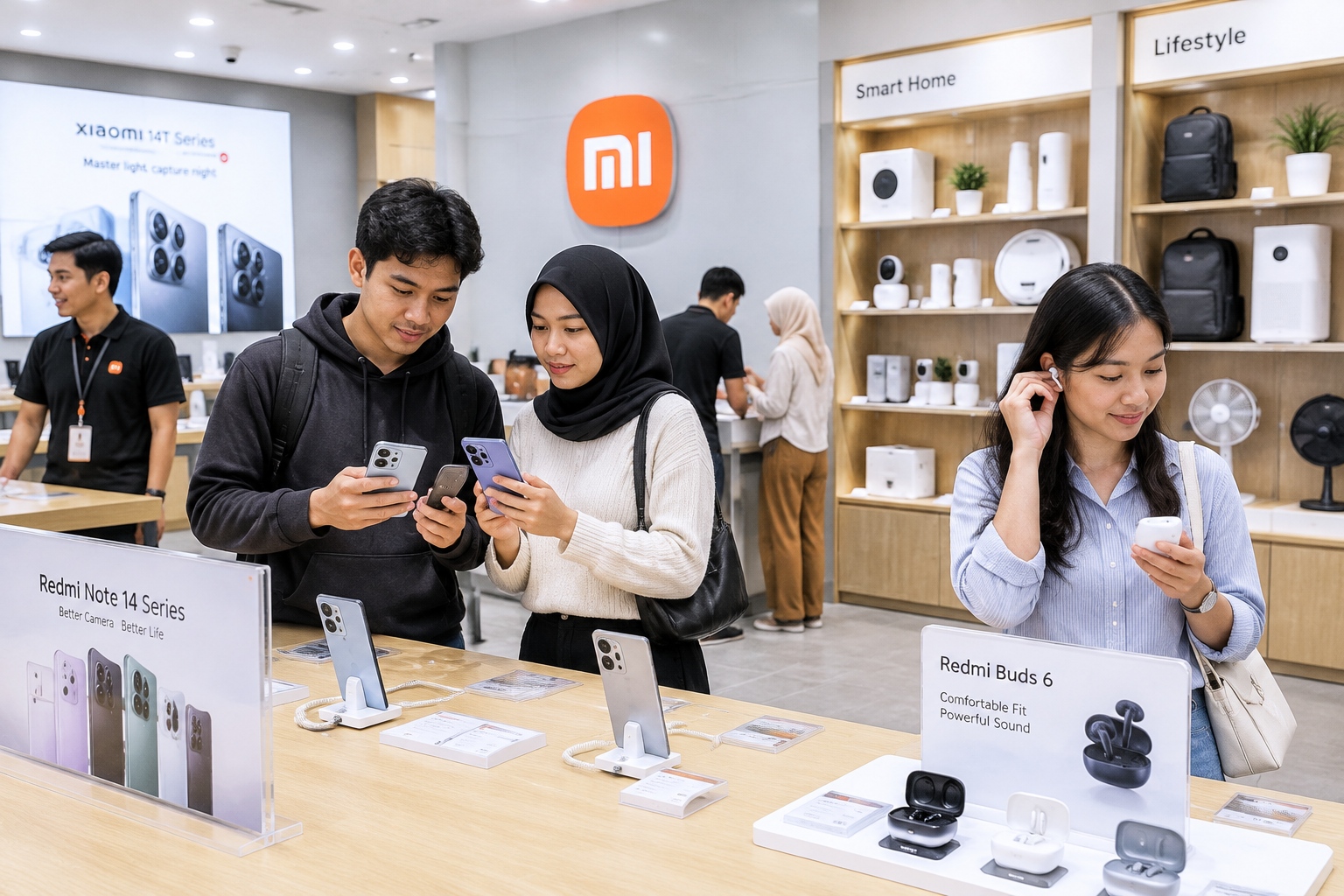
Six thousand kilometers away in Jakarta, Indonesia, young shoppers pack a Xiaomi store in a mid-range mall. They are not just buying phones. They are comparing prices on Shopee and TikTok Shop, tapping QR codes, and asking the store staff whether the Dimensity chip can handle four hours of mobile gaming.
These two scenes are happening at the same time. They suggest something underreported in Western coverage: Chinese electronics brands have already become the default option in many parts of the Global South—not because of subsidies or geopolitical sympathy, but because they built phones, TVs, and wearable devices for the way people actually live.
If you compress the China story into one sentence, it is not that growth is fast. It is that many products and services have become so fitted to daily life that users no longer notice their origin.
What Is the Global South and Why Does It Matter Here?
Global South is a loose term. In this article, it covers Southeast Asia, Africa, the Middle East, and Latin America—places with young populations, rapidly urbanising cities, and less mature infrastructure compared with North America or Western Europe. In these markets, average income is lower, mobile data is often the primary internet connection, and the formal retail network is shallow.
These conditions fit the Chinese electronics playbook. But winning each region has required a different set of moves. In Southeast Asia, Chinese brands won through e-commerce and aggressive pricing. In Africa, they won through hyper-local features and deep distribution. In the Middle East, they won through a mix of premium products and infrastructure-linked deals. In Latin America, they won on price and brand repositioning, but still face tariff and supply-chain hurdles.
Southeast Asia: The Multi-Channel Play
Indonesia, Vietnam, Thailand, Philippines, and Malaysia are among the largest smartphone markets in the world. They are also the most contested. Samsung remains strong here, but Chinese brands—Xiaomi, OPPO, vivo, realme, and Infinix—have steadily eaten into its lead. According to market-tracker reports from IDC and Counterpoint from recent years, Chinese brands together account for more than half of all smartphones sold across Southeast Asia.
The winning tactic in this region is not one channel; it is all channels at once. Xiaomi sells through flagship stores, telecom operators, authorized dealers, and e-commerce platforms like Shopee and Lazada. It works the same way local furniture or cosmetics sellers do: launch teasers on social media, open flash sales at midnight, and push older models aggressively in rural areas.
Chinese brands have also exported the livestream-shopping format to Indonesia. During a live sale, a host speaks Bahasa Indonesia, presses the phone against a gaming controller, and tests a slow-motion camera on an outdoor motorbike. This is not a globalised advertisement translated into a local language. It is a local advertisement invented by Chinese supply chains and adopted by Southeast Asian sellers.
Offline service matters just as much. For a motorcycle taxi driver in Manila or Bangkok, a phone repair must be fast and affordable. Chinese brands make sure parts are available in neighborhood shops. OPPO and vivo, with their own service centers in secondary cities, have built post-sale trust that pure e-commerce brands cannot easily match.
Africa: The Transsion Playbook
In Africa, the clearest case is Transsion. The company started by investing in feature phones for consumers living on a few dollars a day, then gradually moved them to its Tecno, Infinix, and itel smartphones. Today, Transsion controls about half of the African handset market by volume—far above any other single brand.
Its success is a lesson in local intelligence. Many 2010-era smartphones drained batteries quickly. Transsion made phones that lasted two or three days. African networks often respond poorly inside concrete buildings; Transsion tuned antennas and supported three or even four SIM cards, since users in Nigeria or Kenya often switch networks to save money on calls.
There are less obvious details. The camera software was trained to recognise darker skin tones long before Apple and Samsung made similar promises. The music equaliser was tweaked toward Afrobeat. The interface supports local languages such as Swahili and Hausa. When users load old films from a MicroSD card, the phone handles it naturally, because many users have no reliable Wi-Fi connection. These are not fashion features. They answer daily pain points.
Price is a crucial part of the story, but it is not the only part. Transsion also flooded the informal trade. In Lagos, Nairobi, and Dakar, truckloads of Tecno handsets appear in wholesale markets, street stalls, and repair kiosks. When a phone breaks, a dealer who already knows the product sells the next one. This direct relationship at the bottom of the pyramid is hard for any foreign competitor to copy quickly.
The Middle East: Moving Upmarket
Saudi Arabia, the UAE, and Qatar have some of the highest disposable incomes in the Global South. Here, Chinese electronics brands cannot simply compete on price. The successful ones have used a dual strategy: sell premium devices to affluent Gulf consumers, and partner with governments on infrastructure projects that bring their ecosystems along.
Huawei is the most visible case. In Dubai and Riyadh, the brand is present in flagship retail spaces and increasingly in high-end audio, watches, and foldable smartphones. But the real entry card has been enterprise business. When a state-owned telecom operator in the Gulf upgrades to 5G, or when a city installs connected cameras and cloud platforms, the hardware procurement often creates a halo effect. A person who sees Huawei technology at work in a smart city project is more likely to pick a Huawei tablet if asked.
Other brands are taking a different path. Xiaomi has used its large product ecosystem—electric scooters, smart home devices, robots, and televisions—to enter Gulf chain stores. Hisense and TCL, two Chinese consumer electronics makers, have become familiar in Saudi and Egyptian living rooms, and their large-screen television prices undercut South Korean competitors by a wide margin.
The Middle East consumer, it should be said, is not monolithic. In Egypt and Iraq, price sensitivity is much higher. Transsion and realme operate strongly there. They sell phones that look better and cost less than older Samsung models, and they distribute through smaller retailers who do not need credit lines from international banks.
Latin America: Price, Tariffs, and Manufacturing Gaps
Latin America might be the hardest terrain for Chinese electronics brands. Mexico, Brazil, Colombia, and Argentina have import tariffs, complicated taxes, and in some cases local-content rules. The distance between regions matters. A phone that sells well in São Paulo may find a completely different buyer in rural Peru.
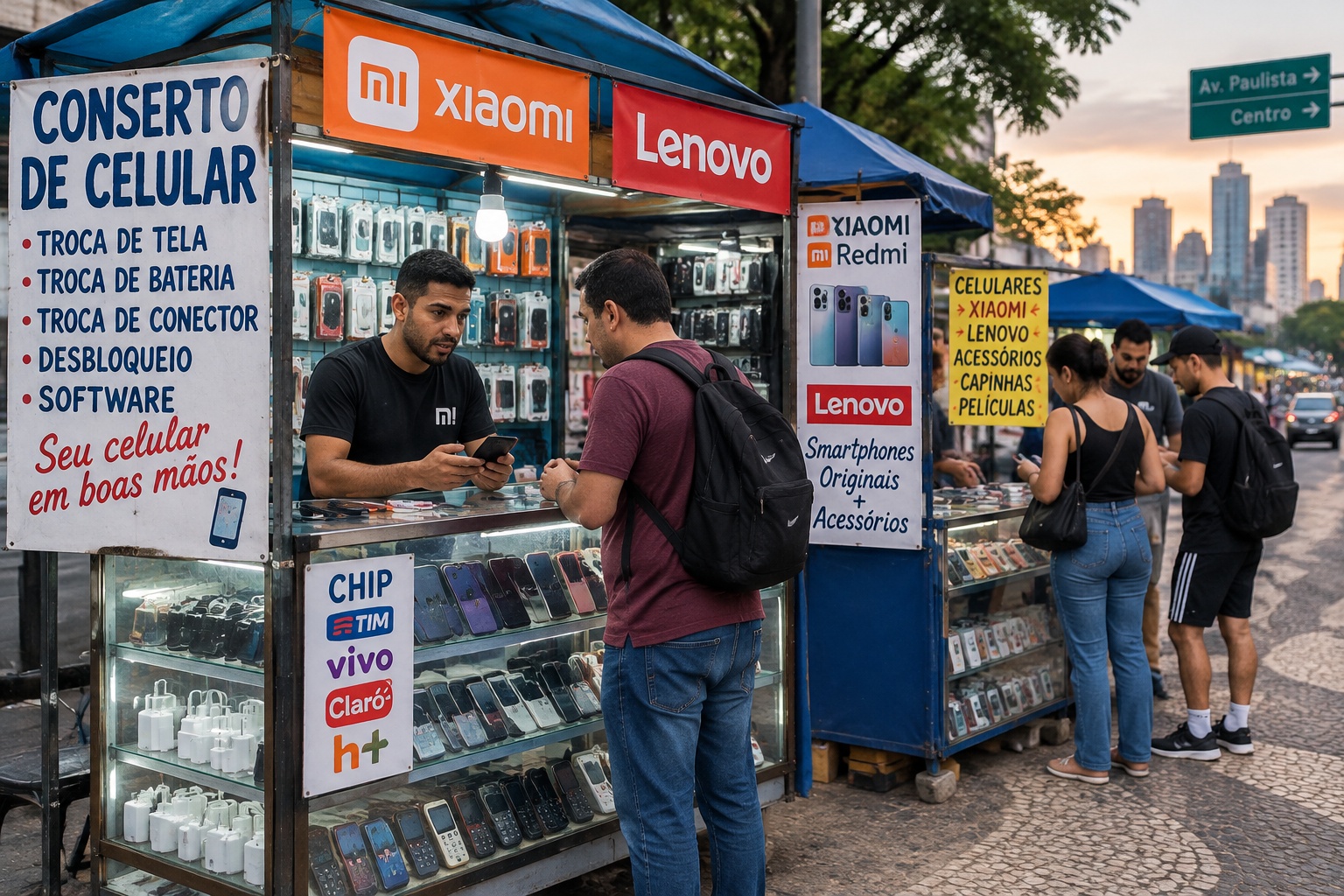
Xiaomi entered Brazil years ago, retreated, and then returned through partnerships with local manufacturers. Lenovo, which owns the American-origin Motorola brand, runs its own factories in Brazil and sells under both Motorola and Lenovo. That gives the company Brazilian-made status, avoiding some import barriers while keeping consumer trust in a known brand. Xiaomi, realme, and others have supplied via licensed distribution.
The winning basis in Latin America is still price-performance, but with a nuance: consumers here have experienced years of inflation, so they are used to comparing installment plans, credit-card rewards, and discount days. Chinese brands have adjusted by launching models with lower upfront price that meet typical daily tasks rather than flagship ambitions. They also sold through marketplaces such as Mercado Livre, where logistics and payment are already handled.
One of the bottlenecks is service and repair networks. In many Latin American cities, phone repair is done by independent technicians who may not easily find original parts imported from China. Chinese brands have started to open brand-authorised repair centers in high-density shopping districts, but coverage is still thinner than in Southeast Asia. This raises the cost of ownership and limits repeat purchases.
The Next Test: Loyalty Beyond Price
Despite their expanding market share, Chinese electronics brands face a structural challenge in the Global South: switching costs are low. Many consumers pick a phone based on the best deal at the moment, not because they are emotionally attached to a brand. Price is a powerful advantage in these markets, but it is also easy for a competitor to copy.
More importantly, product differentiation in smartphones is getting harder. Camera modules, screens, and chips come from a short list of global suppliers. The true brand loyalty of the future will be built on ecosystems and services: cloud accounts, phone-to-laptop integration, smart-home devices, and AI features that become personalised over time. Xiaomi is pushing in this direction; Transsion has begun to bundle local streaming and mobile-money services in its phones.
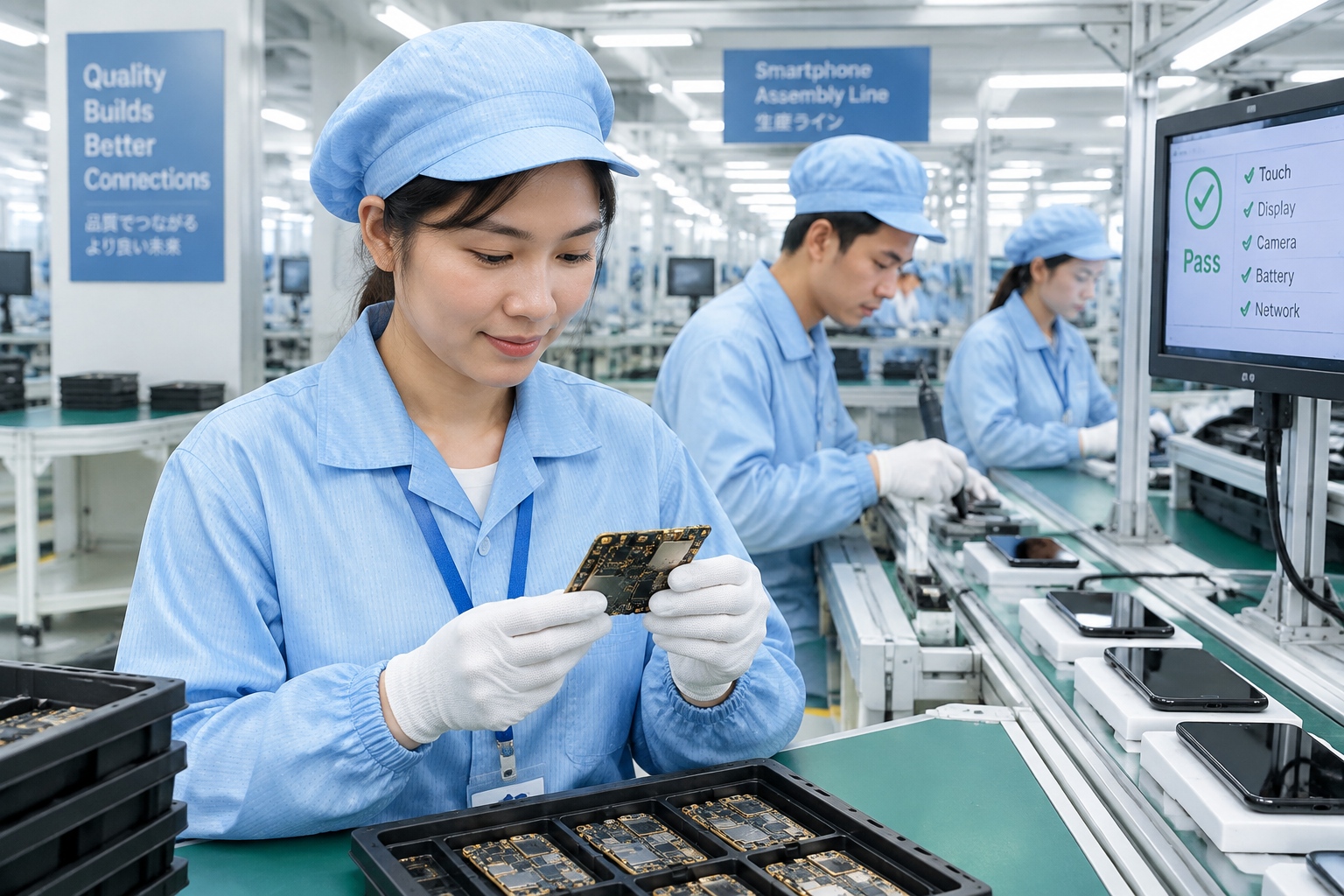
There is also a political and reputational dimension. Governments in Indonesia, India, Brazil, and some African countries have pushed foreign electronics makers to produce locally, create jobs, and share more technology. Chinese brands have generally proven willing to do this. Oppo, vivo, and Xiaomi now manufacture smartphones in India. Transsion has local assembly plants in Ethiopia and Nigeria. These factories are not just a response to regulation; they are a way to become part of the economic story of these countries.
Still, some risks remain. If Chinese brands keep cutting prices to squeeze out competitors, overall profitability could weaken, and that could shrink the research budgets needed for the next stage of product development. Another risk is market fragmentation: each country or region needs its own battery settings, payment apps, and network frequencies. A brand that wins in East Africa does not automatically win in Mexico.
A More Normal Kind of Competition
The most accurate way to describe Chinese electronics brands in the Global South may be boring and normal. When you walk through a mall in Jakarta or Nairobi, the brands are no longer odd or unusual. They are simply your next phone, your repair shop, or the TV hanging on your wall. That is the quietest kind of victory.
In the years ahead, the question will not be whether Chinese electronics brands can gain more market share in the Global South. They already have. The question is whether they can build a relationship with users that lasts longer than the battery cycle of a smartphone. The market is rich, young, and connected. The global winners will be those who understand each city’s night market, electricity supply, payment habits, and sense of what a good phone is—not for the world average, but for a real neighbourhood.
Start the discussion at forum.chinacomes.com