
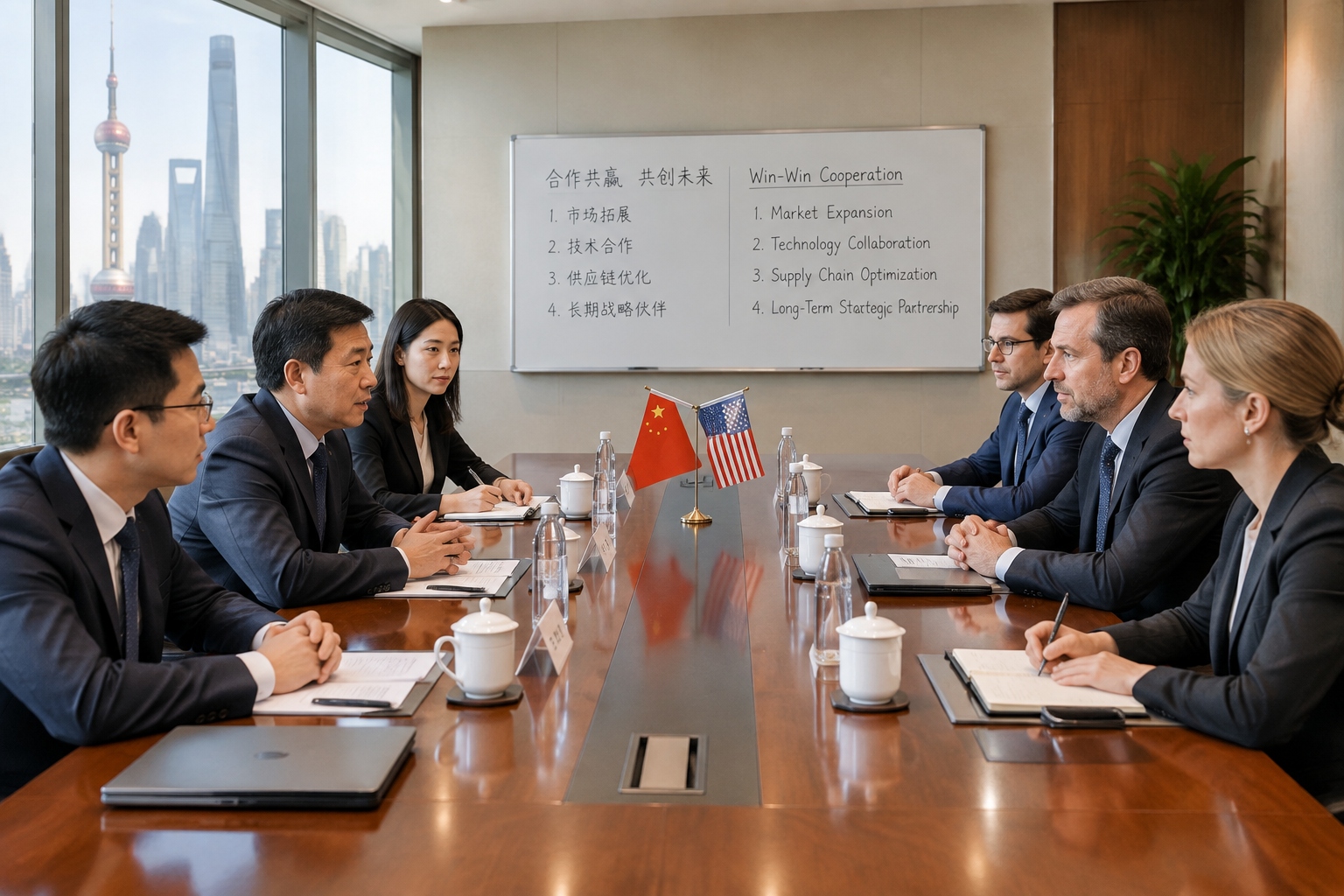

A factory director poured me a cup of tea in his office in eastern China, surrounded by certification plaques. “We signed the deal and ate the banquet,” he said, “then the Dutch buyer sent us a list of complaints the way a teacher corrects homework. We were supposed to become friends, not a school project.” He shook his head. Later, I asked how many foreign partners had made similar cultural missteps. He laughed and picked up the teapot: “More than I can count. Let me tell you ten.”
Over two weeks I recorded his stories and added incidents from other experienced Chinese and foreign executives. Each is true in structure, with names and details obscured to protect the memory of lost contracts. The lesson repeated across every case is simple: in China, deals die quietly—not because of price or technology, but because someone failed to read the cultural codes that carry trust. Just as often, a simple adjustment in posture or wording can save a million-dollar relationship.

1. Criticizing Your Counterpart in Public Kills the Relationship
An Italian sales manager visited a Guangzhou electronics manufacturer to solve a quality issue. In the meeting, he printed out the factory’s failure reports and handed them around, saying, “These mistakes should never have happened.” The factory general manager took the report but didn’t open it. “We will improve,” he said with a thin smile. The rest of the meeting was painfully polite. Two days later, the Italian’s order was quietly moved to another factory. The public blame had made the GM lose “face” (mianzi) in front of his own staff, and in China, face is the social currency that allows someone to lead.
How to avoid it
- Raise sensitive issues one-on-one, never in a group.
- Frame problems as “Let’s solve this together,” not “You made a mistake.”
- Give public credit; give criticism privately.
2. Ignoring Drinking Rituals Signals That You Don’t Trust Them
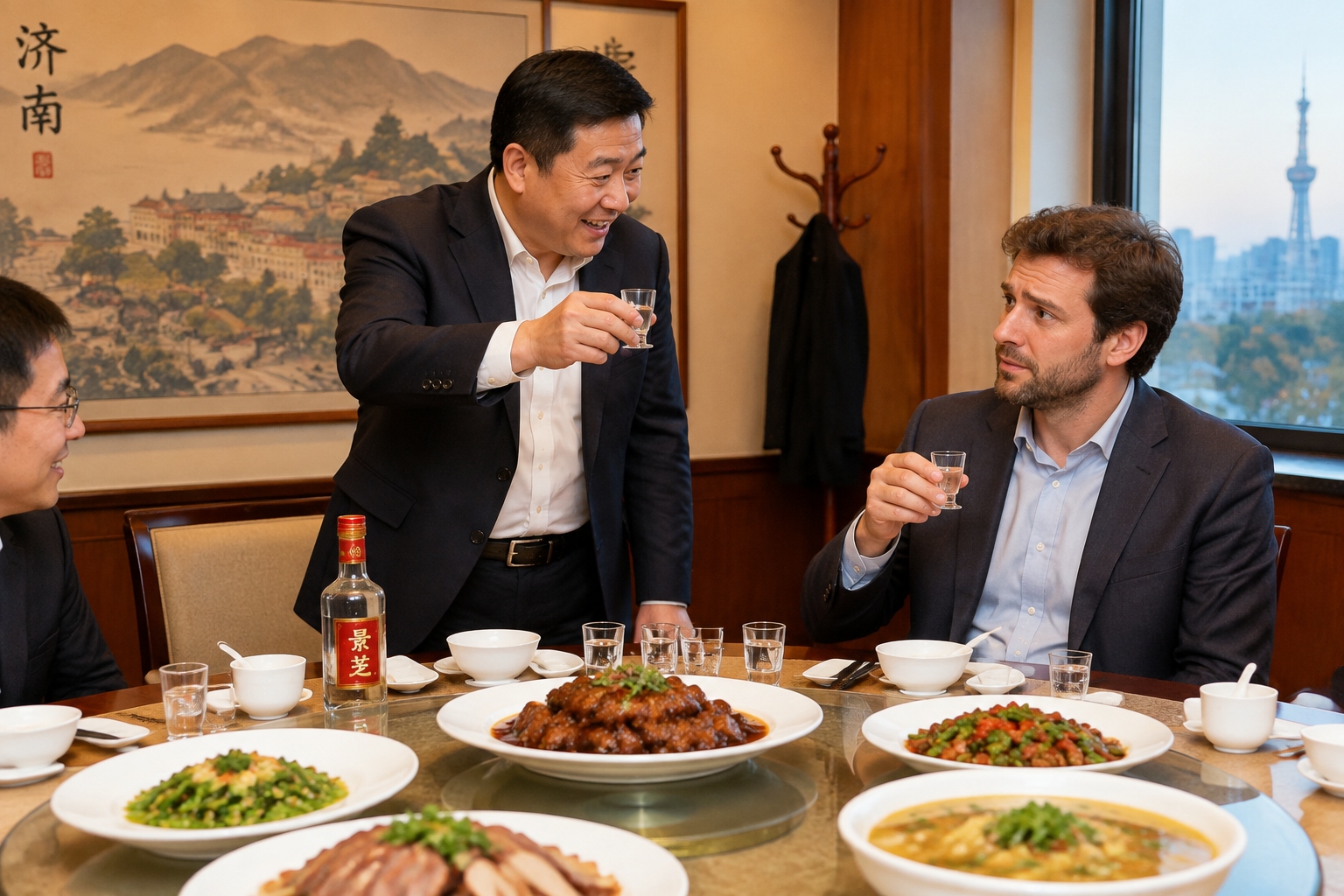
In Shandong, one of China’s most ritualistic drinking provinces, an American renewable-energy negotiator joined a banquet with a dozen local officials. At each toast he barely wet his lips, explaining he had to drive. The deputy mayor stopped raising his glass, and the conversation drifted to weather. The huge subsidy agreement the American had come to discuss was never mentioned again. Drinking at Chinese business banquets is not about getting drunk; it’s a gesture of shared sacrifice. A polite “my doctor prohibits alcohol” is respected. A generic “I don’t drink” is heard as “I don’t trust you.”
How to avoid it
- When your host says “ganbei” and empties the glass, at least raise yours and take a genuine sip.
- Offer a credible medical or driving reason rather than a flat refusal.
- If you truly can’t drink, ask a colleague to toast on your behalf.
3. Expecting the Person Across the Table to Have Decision-Making Power
A Swedish machinery maker had a warm meeting with a division head at a Chinese industrial conglomerate in Beijing. The division head was enthusiastic and said, “Let’s move forward.” But the Swedish CEO tried to settle price and delivery terms immediately. The division head politely repeated that he needed to “report to headquarters.” After the meeting, the CEO sent emails and phone messages daily. He went silent. The truth: the real decision-maker was a senior vice president in Shenzhen who was never introduced. The division head had authority to say “no” but not “yes.” By pushing, the Swedes made the coordinator look useless, and he stopped championing the project.
How to avoid it
- Ask early, “Who will approve the final contract?”
- Request a courtesy meeting with that person, even if no business is discussed.
- Let your direct contact present the proposal upward at their own pace.
4. Gifts Can Carry Hidden Meanings You Don’t Expect
A Canadian wood-products company sent a Chinese client a luxury desktop clock with the company logo for the lunar new year. The client’s assistant placed the box under the table and said nothing. “送钟” (song zhong) sounds like “attending a funeral” in Mandarin. The deal didn’t collapse, but the relationship went cold for months. Other common taboos: umbrellas (sǎn, sounds like “disperse”), knives (cutting ties), and anything green on the head—the classic “green hat” implies a cheating spouse.
How to avoid it
- Run your gift idea by a local colleague before wrapping.
- Choose safe items: high-grade tea, regional snacks, or premium pens.
- Never send clocks, knives, umbrellas, or sets of four (the word “four” sounds like death).
5. “We’ll Think About It” Usually Means “No”
A British software startup chased a Nanjing finance firm for eight months. Every call ended with “Interesting. We need to think about it.” The UK founder kept sending slide decks and discount offers. Eventually a junior employee told him that the company had never been serious; they had chosen a domestic competitor in the first month. Polite postponement is how many Chinese professionals avoid the blunt “no” that would damage the other side’s face.
How to avoid it
- Set a timebound check: “Would it be all right if I call you on Friday for a decision?”
- Use a third-party intermediary to get the honest impression.
- Notice that if they stop asking specific questions, the answer is already no.

6. A Signed Contract Isn’t the Finish Line
An Australian engineering firm signed a joint-venture agreement after six months. Then the Chinese partner began requesting small adjustments in payment schedules, extra reports, and site visits. The Australian MD cited the contract again and again: “It’s in the clause, we can’t change.” His Chinese colleagues saw an inflexible friend, not a partner. In China, a contract marks the beginning of a working relationship more than the end of negotiation. Goodwill on small requests often lays groundwork for bigger flexibility later.
How to avoid it
- Expect requests for adjustments after signing; set up a simple change-request process.
- Continue relationship rituals—lunches, teas, festival greetings—after the ink dries.
- Say yes where possible, but clarify limits with a smile.
7. No Intermediary Means No Door Opens
A French cosmetics startup wanted to enter China’s state-owned pharmacy network. They cold-called headquarters for months; every call landed in “not our department.” A competitor hired a local industry advisor who knew the procurement manager socially and introduced them at a tea auction. Three weeks later, the competitor had a trial order. China’s business environment runs heavily on guanxi (关系), networks of mutual trust built through introductions and past favors. Approaching a large Chinese organization without any personal link can make you look naïve or suspicious.
How to avoid it
- Invest in a broker, consultant, or industry association that can introduce you to the gatekeeper.
- Attend trade shows and seminars in your target city to form connections before the pitch.
- Don’t begin by asking for immediate sales; first ask for advice and introductions.
8. Going Over Your Contact’s Head Insults Them
A Korean medical-supplier rep was upset that a provincial hospital’s procurement manager kept postponing a purchase. He emailed the hospital president directly, attaching a signed contract. The president forwarded the email to the procurement manager, who felt humiliated and sidelined. The supplier never got an answer. In Chinese organizations, hierarchy is not bureaucracy for its own sake—bypassing it signals you disrespect the person who holds the operational power, and that person is exactly who you need on your side.
How to avoid it
- Let your contact be the one to escalate, if they choose to.
- If you must reach higher, ask your contact to help arrange a meeting.
- Praise your contact’s work to their superior whenever you get the chance.
9. Demanding a Slashed Price Is Read as Calling Them a Liar
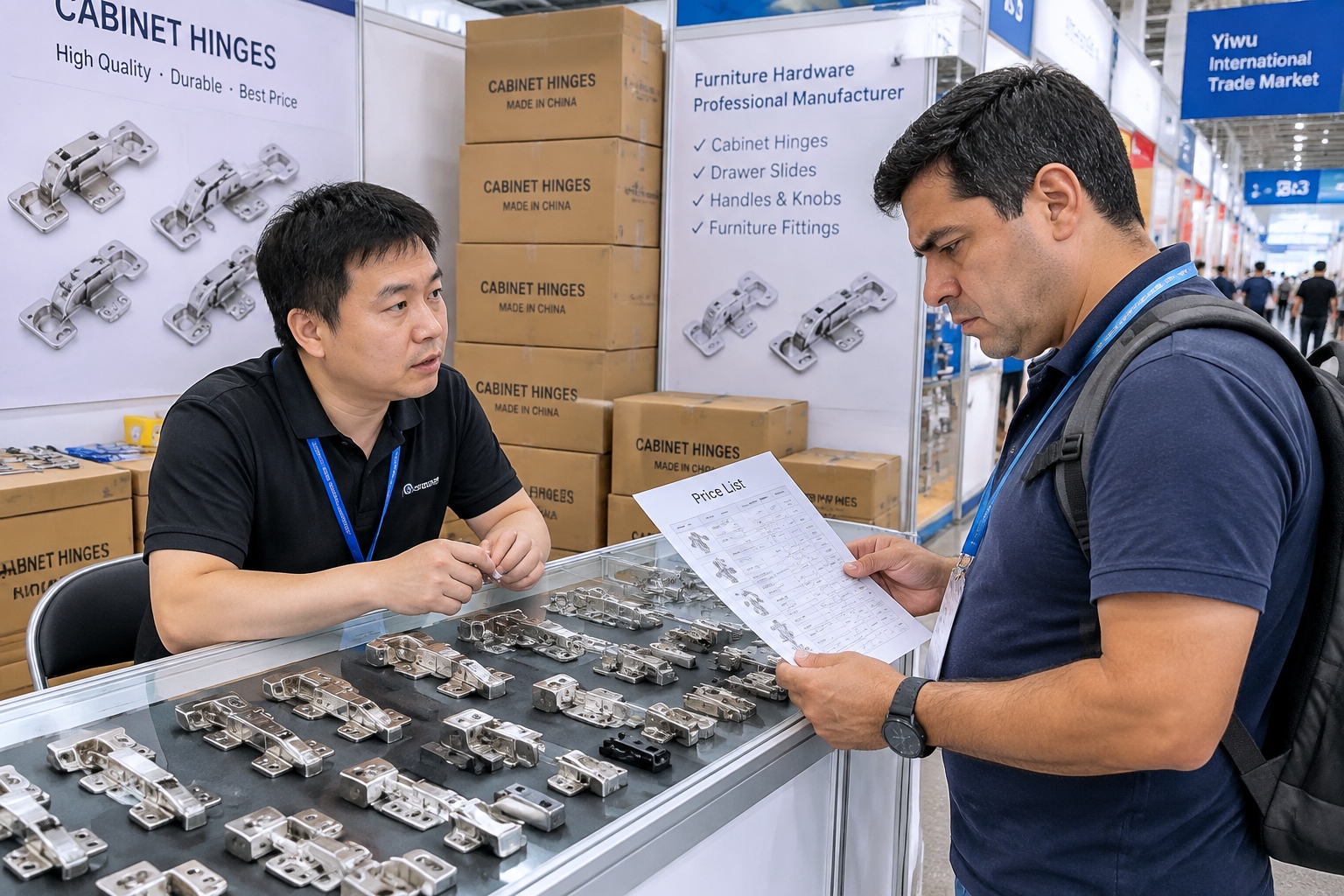
At a trade fair in Yiwu, a South American buyer found a hardware factory that made good-quality hinges. He cut the quoted price in half, saying, “I’ll get cheaper in Vietnam; lower your price or I leave.” The factory owner smiled and said, “Then perhaps you should go to Vietnam.” A local translator later explained: for many Chinese manufacturers, their first price already includes a fair margin, because they hope to turn a small order into a decade-long connection. A 50% discount demand tells them you think they are dishonest.
How to avoid it
- Talk about annual volume, exclusivity, and design support rather than pure discount.
- Ask, “If we commit to 5,000 units per year, what is your best price?”
- If you need to walk away, do it gracefully, leaving the relationship open for another deal.
10. Treating a Business Card Like Trash Treats the Person Like Trash
In Dalian, a management consultant handed his card to a British visitor. The visitor took it with one hand, glanced at it, and slid it into his back pocket as he sat down. The consultant’s tone became noticeably cooler. A business card in China represents the person who gave it. Receiving it with both hands, reading the name and title carefully, and placing it in a card case—not in your back pocket—are small ceremonies that acknowledge the other person’s dignity. Skipping them, especially early on, can colour every later interaction.
How to avoid it
- Give and receive cards with both hands or at least with the right hand and a slight bow.
- Look at the card, make a positive comment about the title, then place it on the table or in a holder.
- Never write notes or scribble on someone’s card in front of them.

Patterns Behind the Stories: What You Can Do About Them
Look across these ten situations and three shared lessons appear.
First, manage face. From public criticism to extreme bargaining, every failed deal included a moment when the other side felt their authority or dignity was undercut. Chinese colleagues will rarely tell you “you hurt my face.” They’ll just stop returning calls. The antidote is to ask yourself, before each action: does this help my partner look capable in front of their people?
Second, treat trust as personal, not institutional. Both the intermediary story and contract story show that the relationship with people matters more than paperwork. Spend time on banquets, introductions, and calls without a clear agenda. Guanxi is not corruption; it is the grease that gets decisions unstuck.
Third, read the indirect signals. “We’ll think about it” and sudden silence are as meaningful as open objection. In Chinese high-context communication, direct words carry less than tone, posture, and context. When in doubt, verify through a mutual friend—not through a pointed email.
Many Chinese businesspeople welcome foreign partners and make generous allowances for cultural ignorance. They do not make allowances for arrogance or disrespect. So you don’t need perfect Chinese etiquette. You do need to watch where you step, who you praise, and what you shrug off as “just a custom.” The deal may rest on it.
Start the discussion at forum.chinacomes.com