

Introduction: The Morning Rush, Reimagined
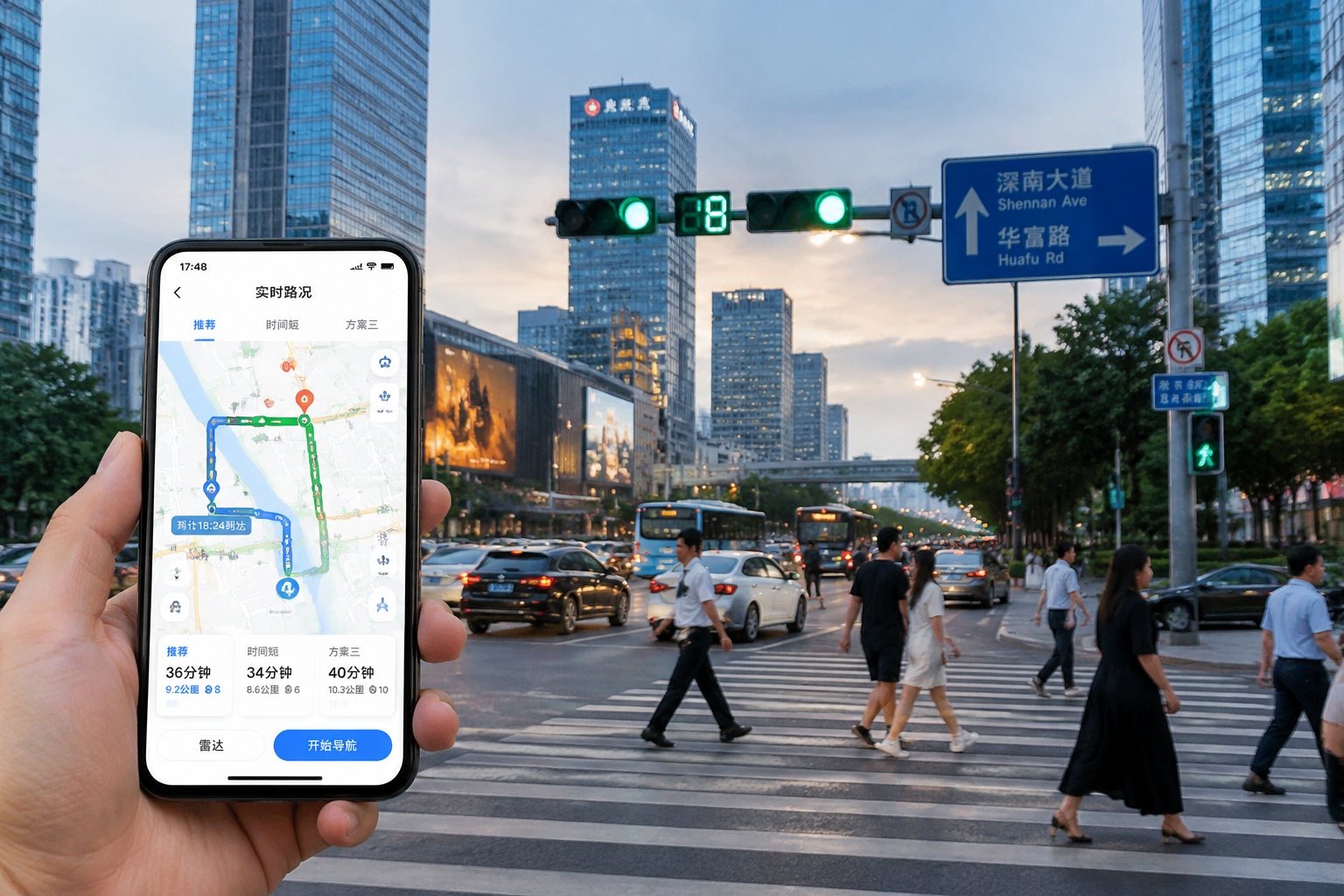
It’s 8:30 AM in a Chinese mega-city of 10 million. Li Wei, a software engineer, opens his phone and taps a single app before leaving his apartment. The app shows him a real-time congestion map with a predicted travel time to his office 12 kilometers away. It also suggests a route that avoids three upcoming bottlenecks — and it knows this because the city’s traffic lights have already started adjusting their timings based on the inflow of vehicles from the highway. This is not a futuristic fantasy. It’s the daily reality for millions of residents in cities like Hangzhou, Shenzhen, and Chengdu, where a single urban traffic management platform, often accessible through a government-backed app, is quietly transforming how millions move.
The User Side: Real-Time Data, Tangible Decisions
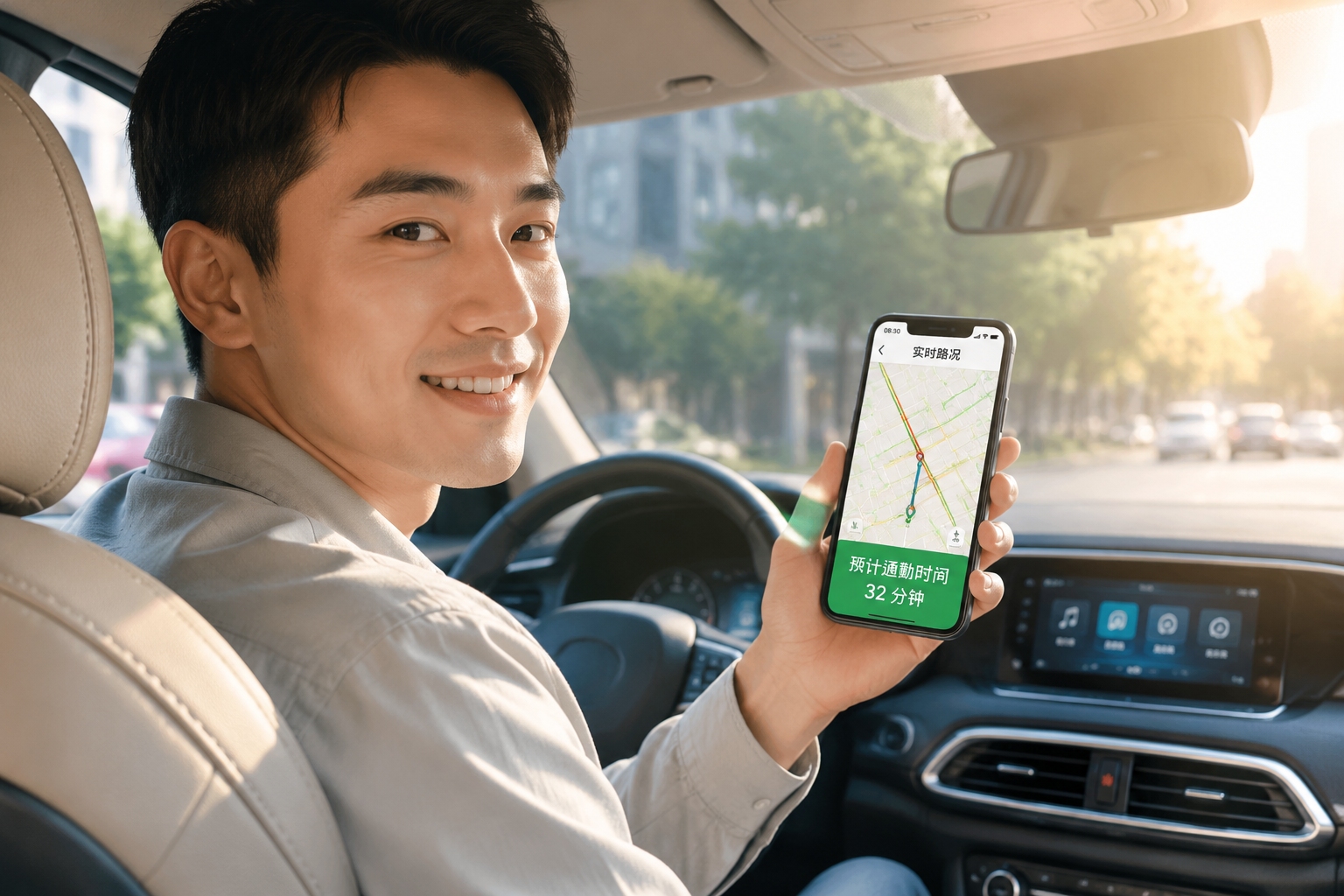
For the average driver or commuter, the app presents a simple interface: a color-coded map showing live traffic conditions (green for smooth, yellow for slow, red for congestion). But behind the simplicity lies a stream of data: GPS pings from taxis, ride-hailing cars, and public buses; traffic camera feeds; and signals from roadside sensors. The app’s most useful feature is its ability to predict traffic conditions up to 30 minutes ahead, using historical patterns and real-time events. For example, if a major sports event ends at 9 PM, the app will already show lighter lanes near the venue and advise users to avoid the area. This predictive capability alone has been shown to reduce average commute times by 15–20% in pilot districts.
Behind the Screen: AI and the Algorithmic Brain
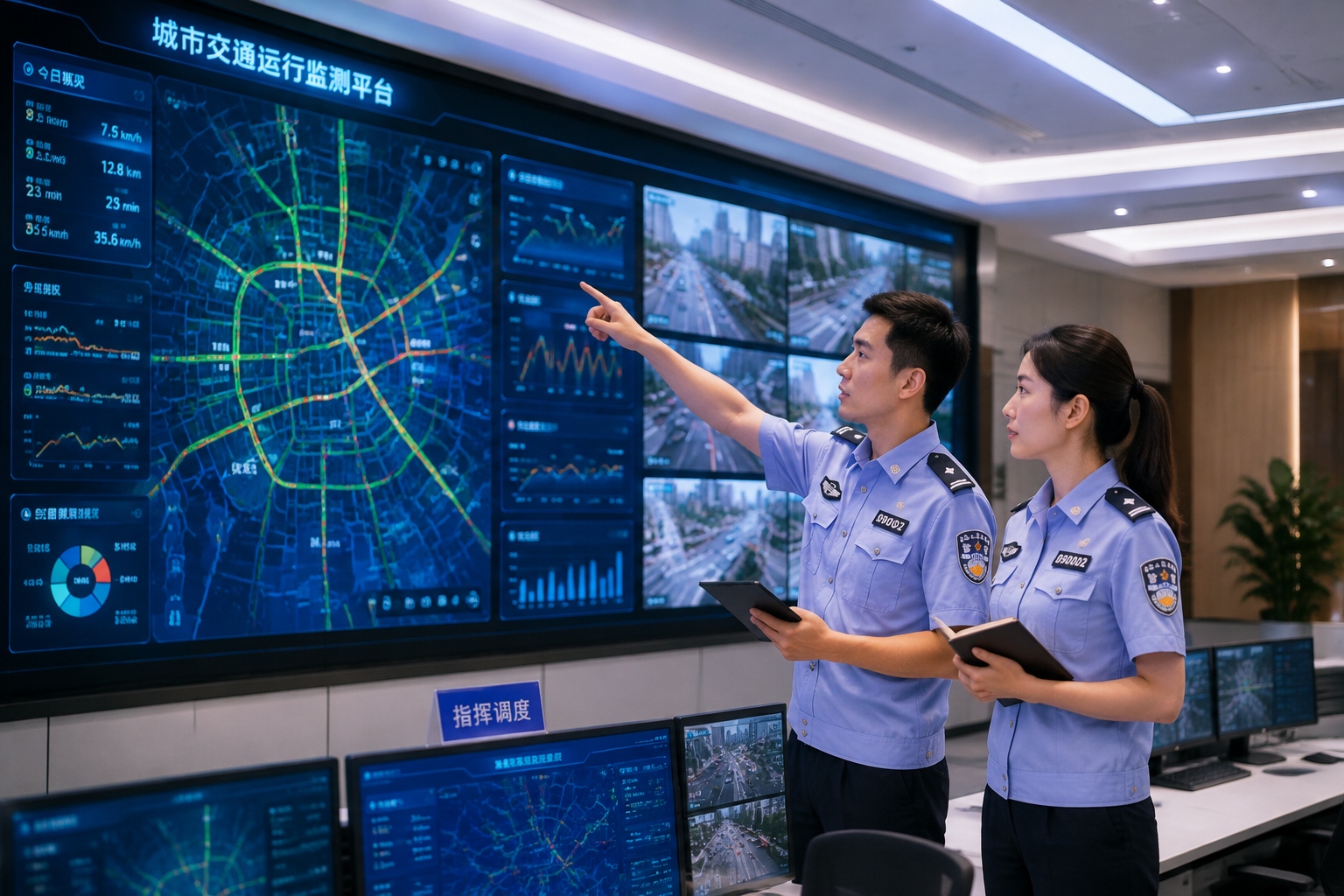
What makes this app truly powerful is not the user interface but the backend system. Every second, the platform ingests terabytes of data from thousands of sources. An AI engine, often based on deep reinforcement learning, processes this data to optimize traffic signal timings across the city. Instead of fixed schedules, traffic lights operate on dynamic cycles: the system adjusts green light duration based on real-time queue lengths, vehicle types (e.g., prioritizing buses), and pedestrian flow. In one district in Shenzhen, after deploying this system, average vehicle delay at intersections dropped by 23%, and the number of stops per trip decreased by 30%. The AI also learns from special events: during a sudden downpour, it can instantly extend green phases on major arterial roads to flush out waterlogging-prone areas.
On the Ground: A Traffic Officer’s New Toolkit
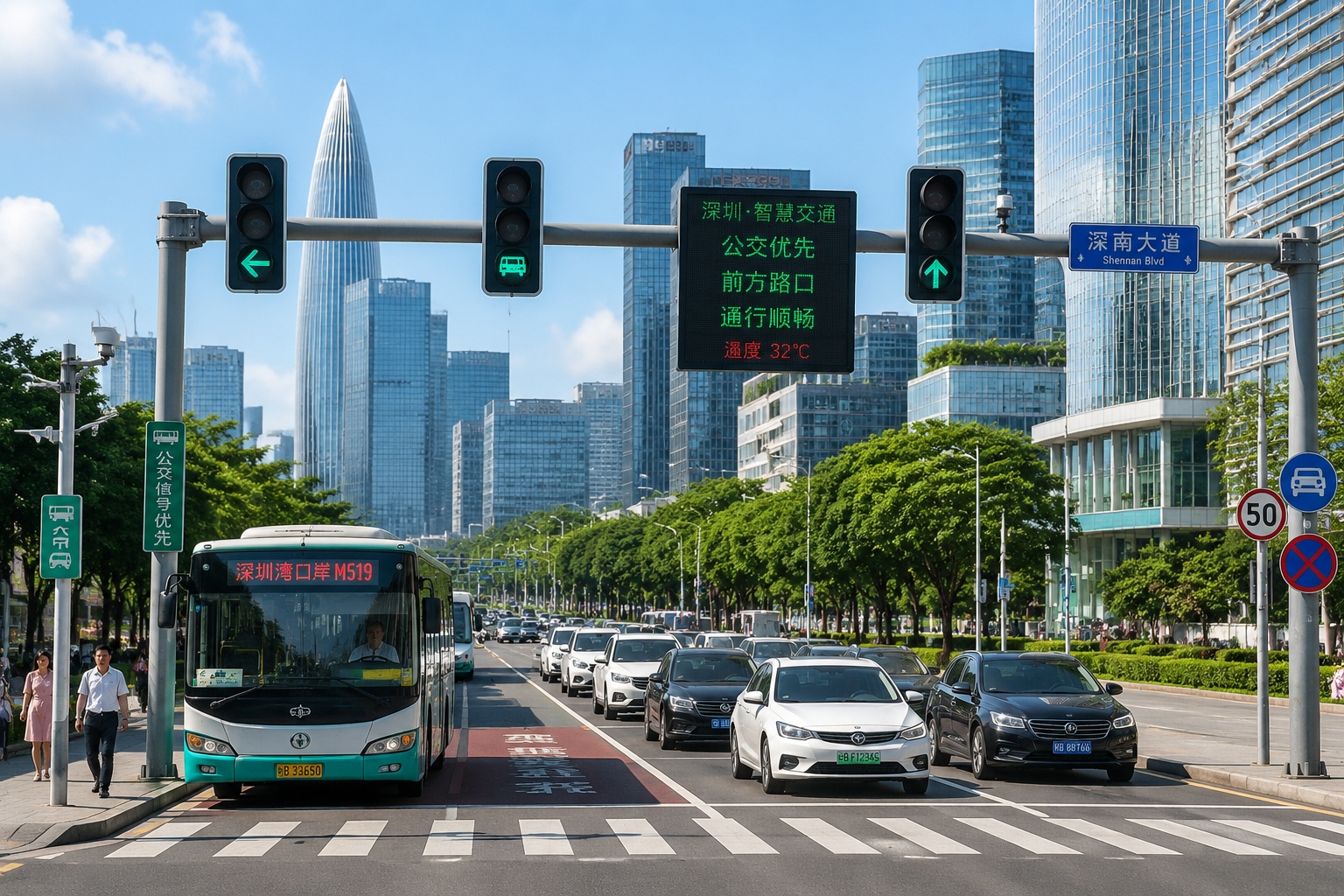
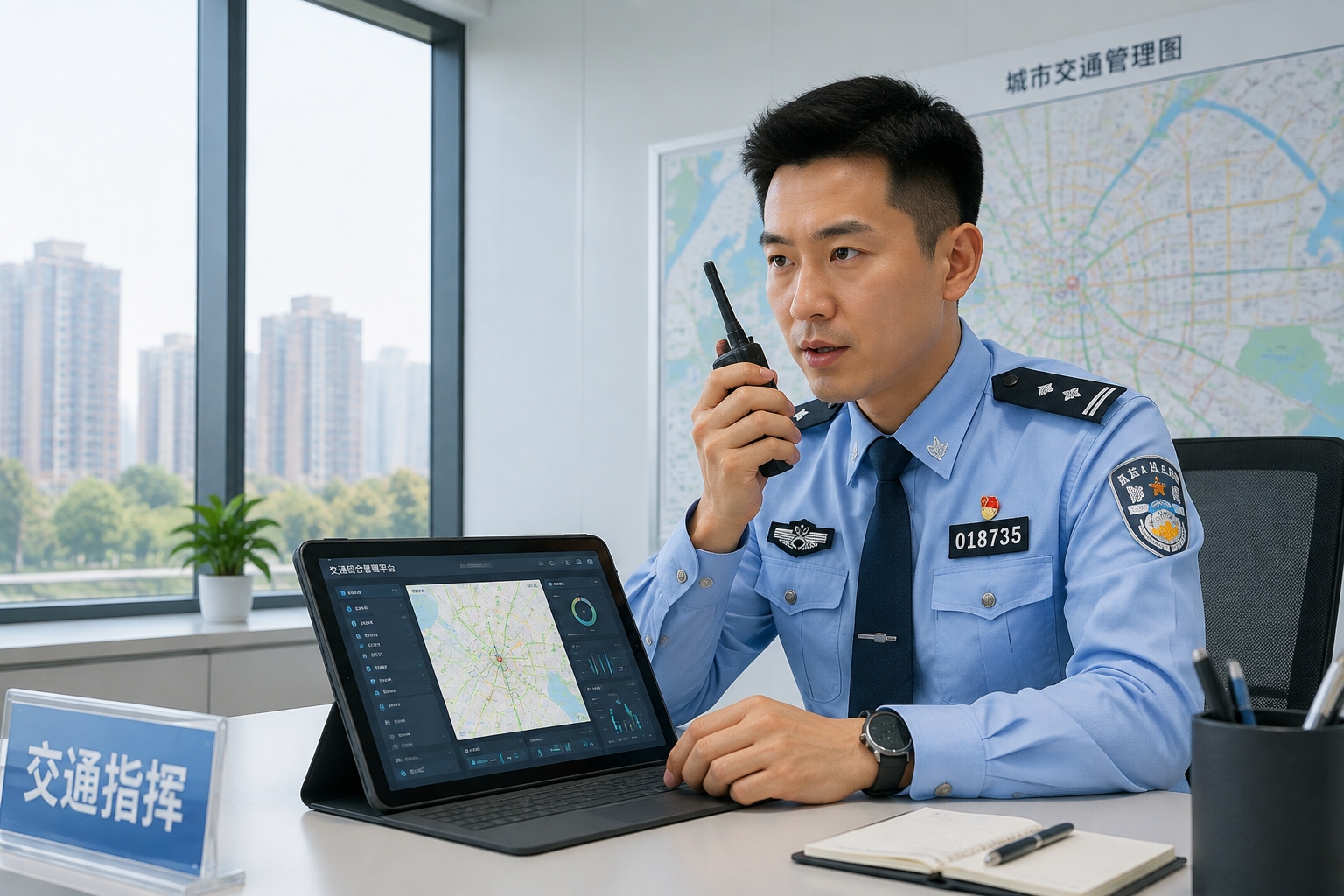
Captain Zhang has worked in the traffic control center of a southern Chinese city for over a decade. He remembers the old days: paper maps, radio calls from patrol cars, and manual adjustments to signal controllers. Today, he sits in front of a wall of screens powered by the same app. The dashboard shows a live heatmap of congestion, incident alerts flagged by AI, and suggested intervention actions. “If the system detects a sudden slowdown at an intersection,” Zhang explains, “it will automatically shift the signal timing to clear the blockage. I only get notified if the problem persists for more than two minutes. It’s like having a thousand invisible traffic cops working simultaneously.” The app also allows him to remotely control individual signals during emergencies — for example, creating a green wave for an ambulance — and communicate with field officers through integrated messaging.
The Numbers: Before and After
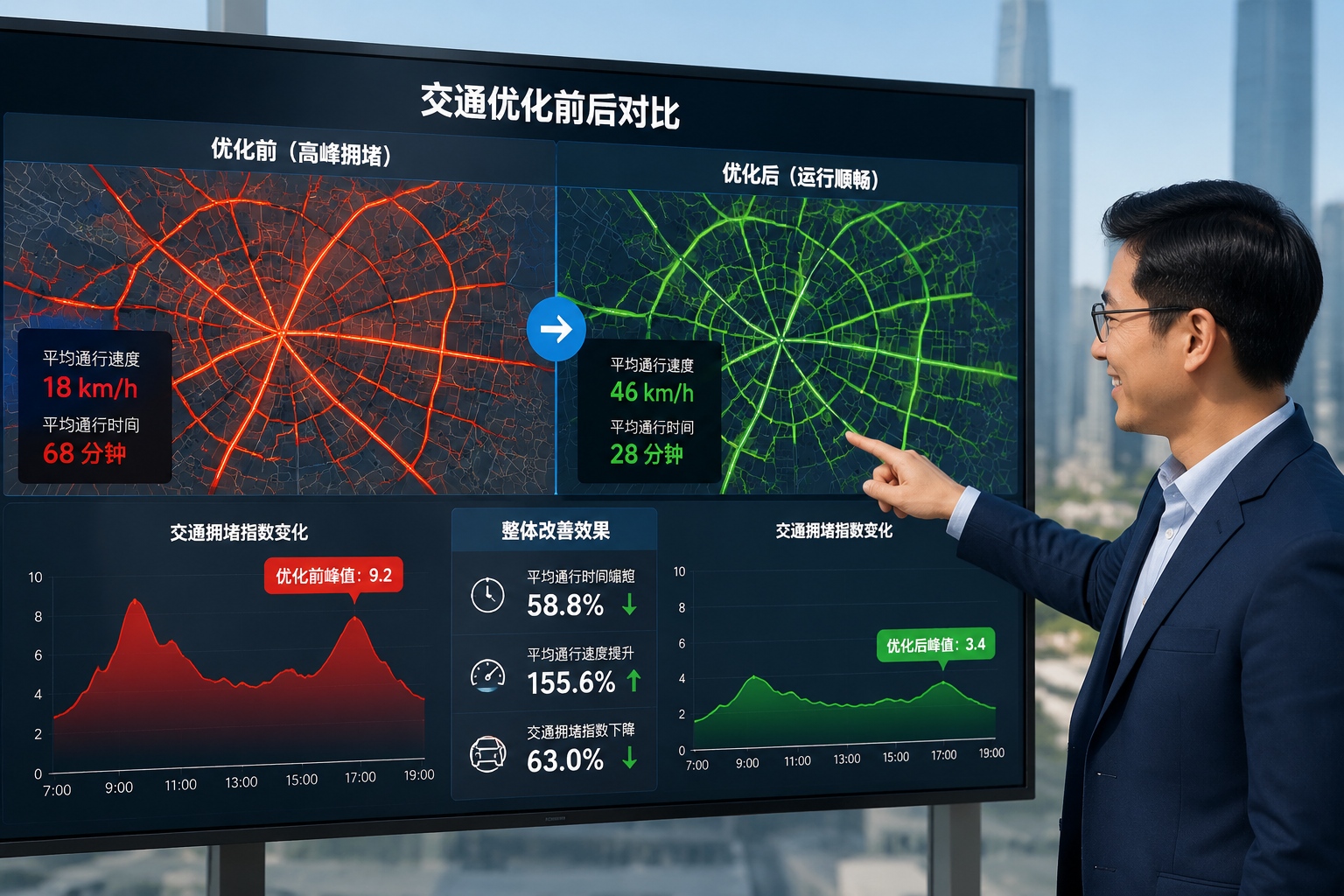
The impact of this centralized digital management is measurable. In a pilot project covering 1,500 intersections in a major city, the average travel time during peak hours decreased by 19.5%, while average speed increased by 22%. More importantly, the standard deviation of travel time — a measure of reliability — shrank by 25%, meaning commuters can now predict their arrival time with much greater confidence. For a city of 10 million, the cumulative effect is enormous: fuel savings, reduced carbon emissions, and millions of hours of time recovered each year. A report from the city’s transport bureau estimated that the system saved the equivalent of $50 million in time value annually for a population of 3 million — scaling that to 10 million suggests savings of over $150 million.
Beyond Efficiency: Changing How People Live
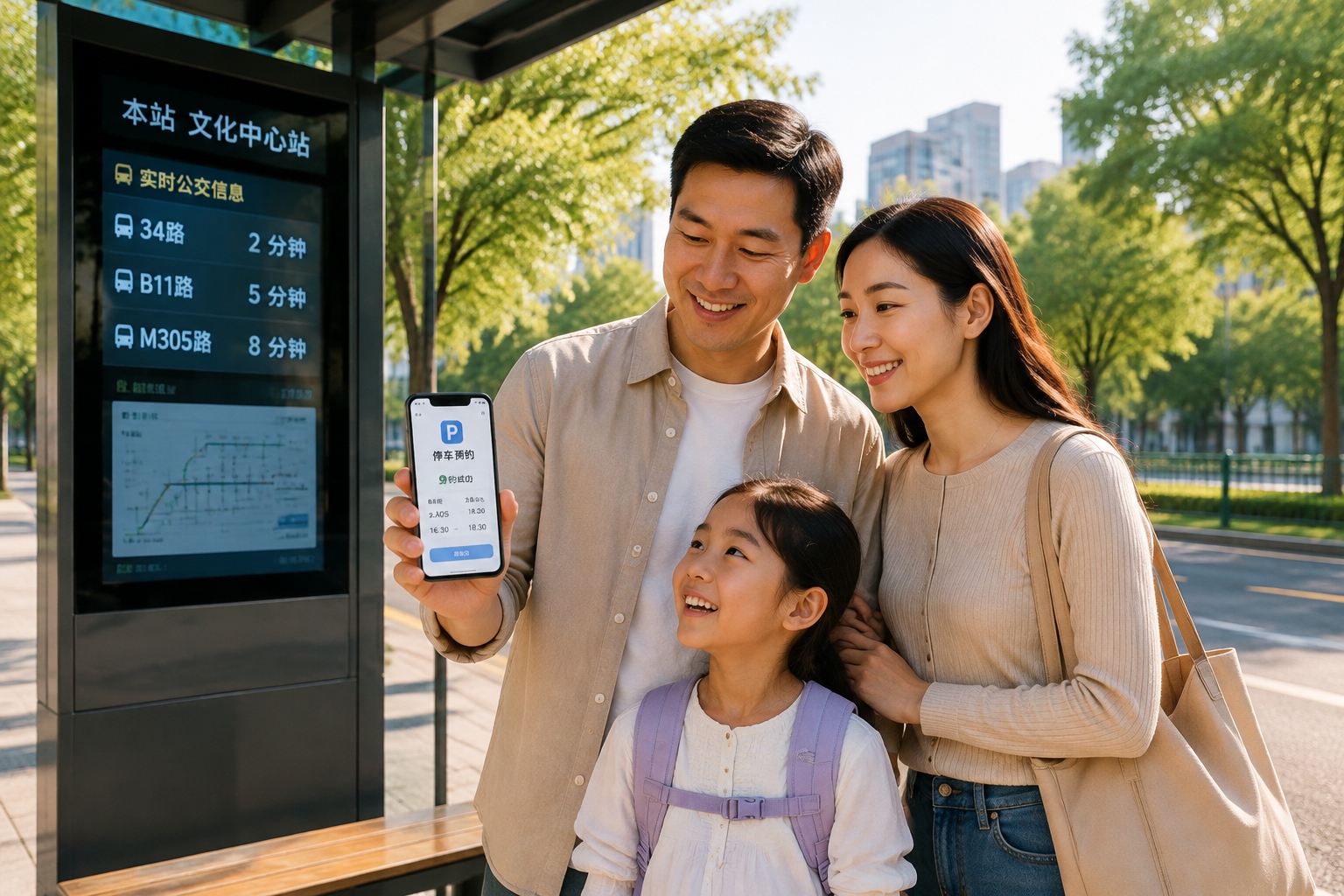
The app’s influence extends beyond the dashboard. Because it makes travel predictable, more residents feel comfortable relying on public transit and ride-hailing services, knowing they can plan accordingly. Some cities have integrated the traffic app with parking, allowing drivers to reserve and pay for a spot ahead of time — reducing the time spent circling blocks. Real-time bus arrival information encourages public transport use. And because the app is usually part of a broader “smart city” platform, it shares data with emergency services, pollution monitoring, and even urban planning. Over time, this data also helps planners decide where to build new roads or expand metro lines. The result is a city that learns and adapts, not just in traffic but in the way it serves its people.
Conclusion: The Quiet Revolution in Urban Governance
A single app managing the traffic of a 10-million-person city is not a gimmick — it is a demonstration of how digital tools can solve complex, real-world problems at scale. It replaces guesswork with data, delay with prediction, and frustration with convenience. For the rest of the world, China’s experience offers a concrete case study in the power of integrated digital governance. The next time you see a red light, imagine what it could do if it were part of a smart system. For millions of Chinese drivers, that imagination is already reality.
Start the discussion at forum.chinacomes.com