
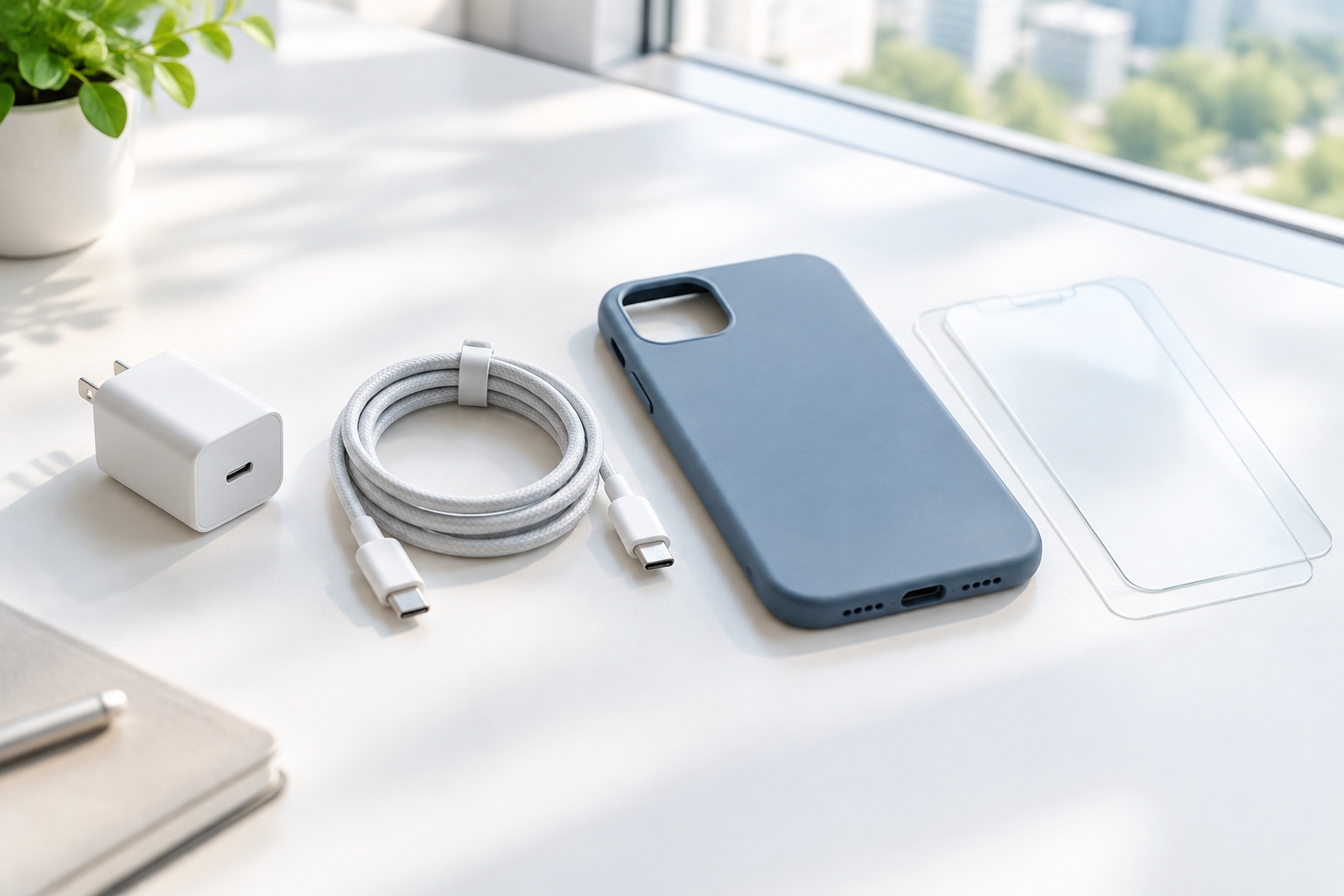

Where Did That Cable Really Come From?
You just unboxed a new USB-C cable from Amazon — it works perfectly, costs half that of the Apple original, and the packaging says nothing about the maker. The brand is barely pronounceable. Yet the product is so good that you decide to come back for more. Congratulations, you’ve stumbled into the world of China’s ‘hidden champions’.
In the global supply chain for phone accessories, a handful of Shenzhen and Dongguan companies have silently achieved market dominance. They produce the cases, cables, chargers, and screen protectors you see everywhere, often before a more famous brand puts its name on them. They just don’t spend billions on consumer advertising. Instead, they rely on hyper-efficient manufacturing, rapid product iteration, and one very powerful word: value.
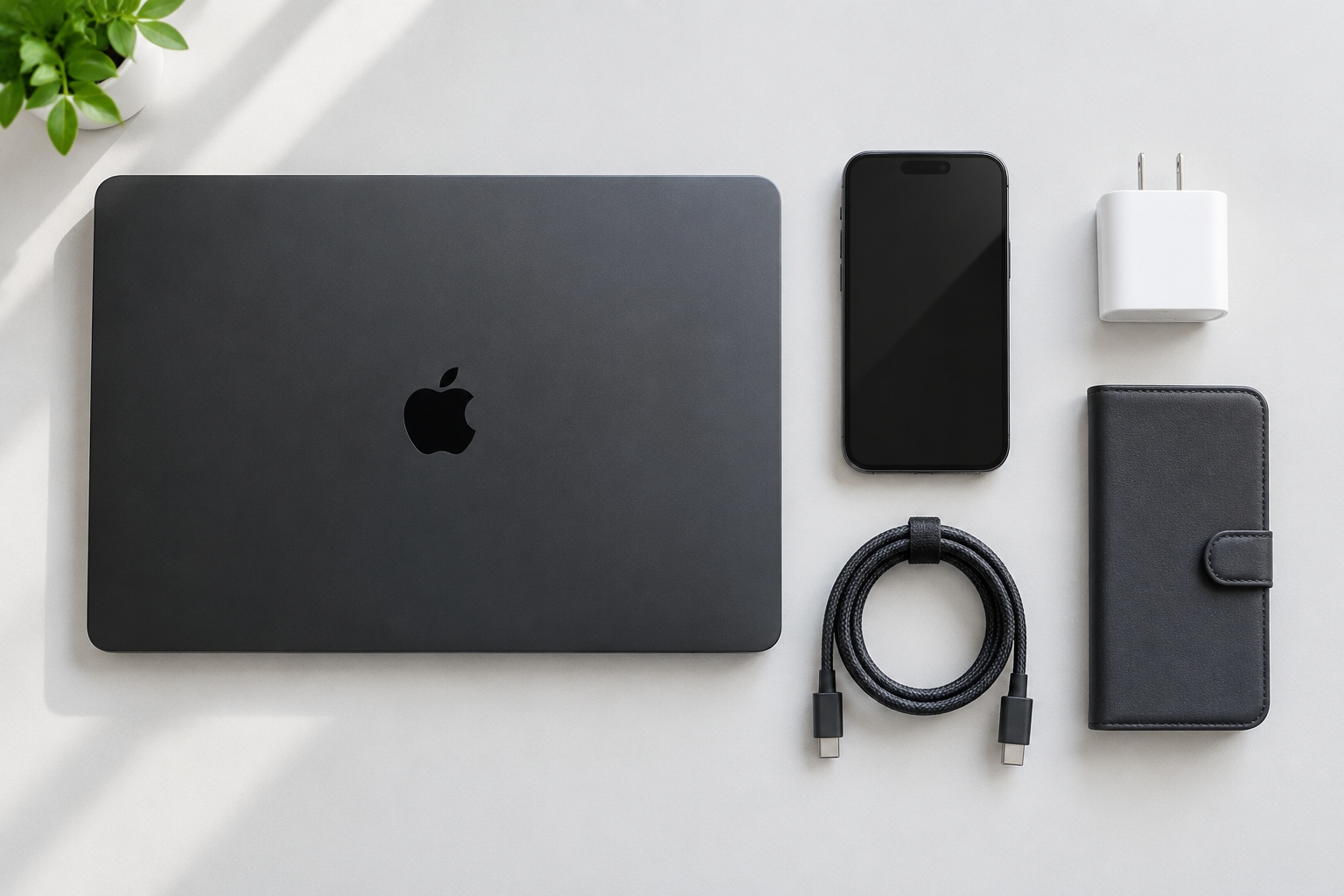
Meet the Five Hidden Champions
We spent weeks digging through Amazon bestsellers, corporate registries, and trade databases to identify five private companies that have conquered their niches without ever showing up in the tech press. Here they are, from the most familiar (you may have used their products without knowing) to the most obscure.
Ugreen: The Connectivity King
Shenzhen-based Ugreen started out as a contract manufacturer for brand-name electronics companies back in the late 2000s. Today, it operates its own massive brand, selling more USB cables, hubs, and chargers than almost any other company on Earth. Search ‘lightning cable’ on Amazon, and you’ll likely find Ugreen’s braided nylon cable near the top, with over 50,000 ratings. The secret? They make their own cables from a durable tangle-free material that costs barely more than generic plastic, and they release new models every season to fit the latest phone generations. Ugreen also quietly builds private-label products for major European retailers — so the cable you bought from a trusted electronics store could come from the same factories that power Ugreen’s own high-speed output.
ESR: Apple’s Silent Partner
If you own an iPad Air or iPhone, there’s a good chance you’ve seen ESR’s cases and screen protectors in trade shows and Amazon search results. Based in Shenzhen and Hong Kong, ESR specializes in accessories for the Apple ecosystem. On Amazon, its iPad keyboards outsell even some Apple-branded accessories. The company’s rise is closely linked to Apple’s product cycles: whenever a new iPhone launches, ESR has cases ready to ship worldwide within days. The company operates its own tooling workshops, which allows it to produce experimental designs like magnetic stands and modular cases without waiting for third-party factories.
Torras: The Design-Led Case Pioneer
Torras is what happens when an engineering tool manufacturer falls in love with design. Guangzhou-based Torras originally made precision machinery parts for automotive factories. Almost accidentally, it transitioned into phone cases and then into what the Chinese industry calls ‘feature accessories’ — magnetic car mounts, gradient-color cases, and ultra-slim protective covers for new smartphones. The company now sells over a million cases per month across Amazon, eBay, and its own website. Unlike the other brands on this list, Torras deliberately markets its products with a Western aesthetic, using American and European influencers. Yet it remains completely owned and operated from China, with an in-house design team that rapidly mixes art-school creativity with industrial production constraints.
Baseus: The Charging Powerhouse
If there is one brand that defines the Chinese charging industry, it’s Baseus. Founded in 2011, this Shenzhen company has grown into a global leader in portable chargers, GaN wall adapters, and charging cables. Baseus’s philosophy is simple: release an obsessive variety of products for every lifestyle scenario — budget, gaming, outdoor, office — and let customers pick what works. On Amazon, Baseus products often appear in the ‘#1 New Release’ or ‘Best Seller’ lists for categories like ‘USB Wall Chargers’. The company reportedly ships over 60 million products a year. Its innovative edge includes a line of tiny yet powerful GaN chargers that made the large, chunky laptop chargers obsolete for many travelers. Despite its scale, Baseus has never made a phone of its own, staying in its lane as the hidden engine of the charging ecosystem.
SmartDevil: The Screen-Protector Empire
SmartDevil — yes, that really is its registered name — emerges from the special irony that many people buy a screen protector from a brand they think is American: ‘iCarez’ or ‘amFilm.’ SmartDevil is one of the largest global OEM/ODM makers for those so-called brands. On its own, it operates a direct-to-consumer business under the ‘SmartDevil’ label in China and on AliExpress, selling tens of millions of screen protectors per year. The company’s edge is ultra-precise laser-cut glass: its production lines are designed in-house and capable of creating custom protectors for almost every smartphone model within a week of its launch. SmartDevil has also moved beyond screen protectors into USB-C hubs and phone grips — a logical extension for a company that always anticipated what your next device would need.
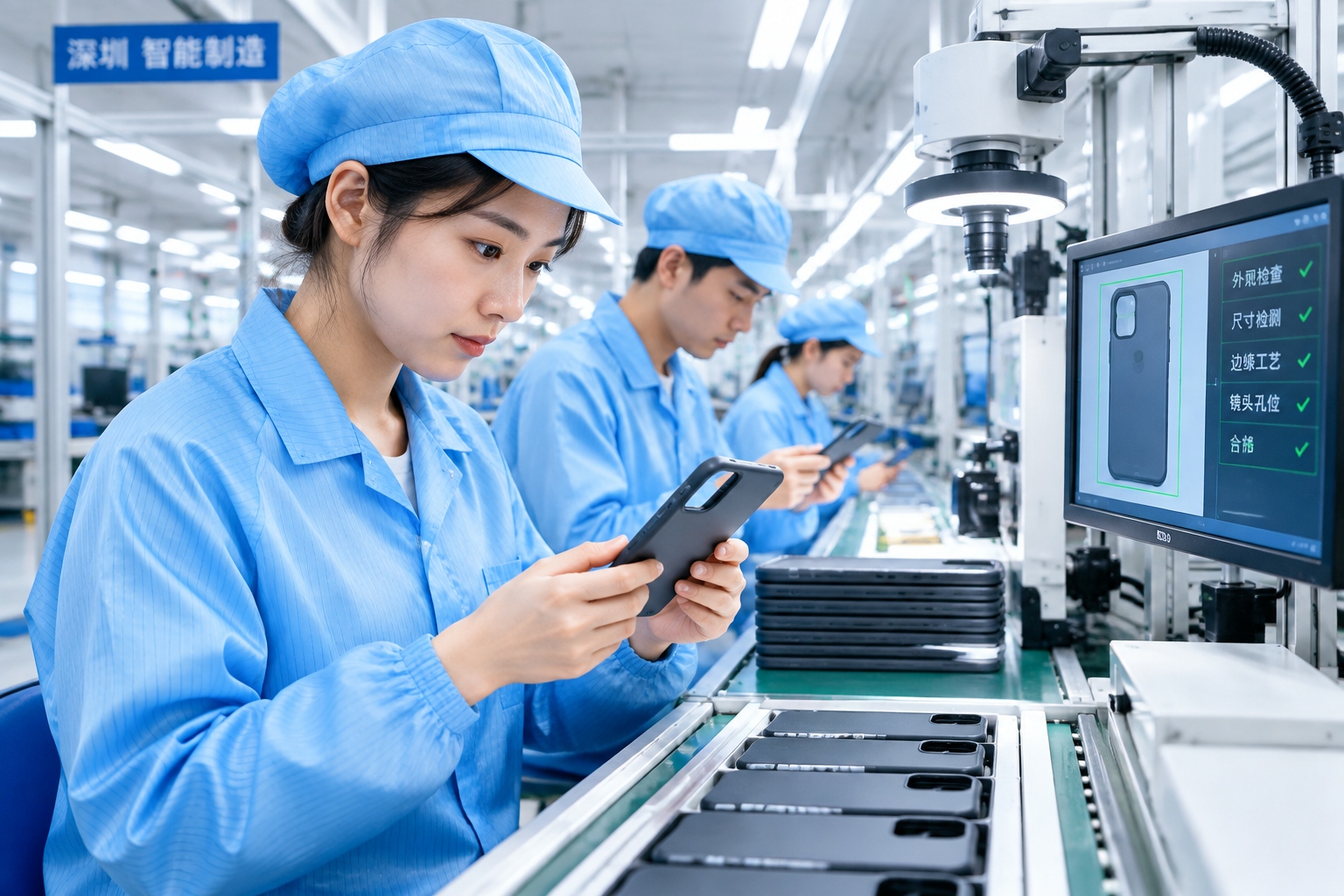
The Shared Secrets of Their Success
These five companies come from different sub-sectors, but their growth formulas follow a similar pattern:
1. Total Supply Chain Control
They don’t rely on random factories. Most own key parts of their production or maintain exclusive partnerships with nearby component plants. If a phone manufacturer releases a new model with a different camera ring, a SmartDevil or Ugreen can adjust their production line in days, not months.
2. Iteration Speed Over Brand-Building
Instead of spending money on expensive brand ads, they spend it on rapid prototyping and product variety. A new phone launch triggers a flurry of new accessories suited for it. If one design doesn’t sell out quickly, they change it within weeks.
3. Cost Advantage with Built-In Durability
Because they operate their own supply chain, these companies can offer a 2-meter braided USB-C cable for $6 that still feels as heavy-duty as a cable four times the price. The price-to-quality ratio is so aggressive that many international brands choose to simply buy from them and slap their own logos on it.
The OEM-ODM Connection You Never Knew
So next time you buy an expensive ‘premium’ brand phone case, check its origin. Many premium labels have their accessories produced by the exact same factories that produce Torras or Baseus. In fact, several of the ‘American’ accessory brands you see are merely front-end marketing companies that place orders from these manufacturers. A factory worker in Shenzhen may assemble the same charging dock that sells for $19 under one brand and $49 under another. The hidden champions, however, have one key advantage: they directly sell to consumers, cutting out the middleman and keeping their own prices transparent.
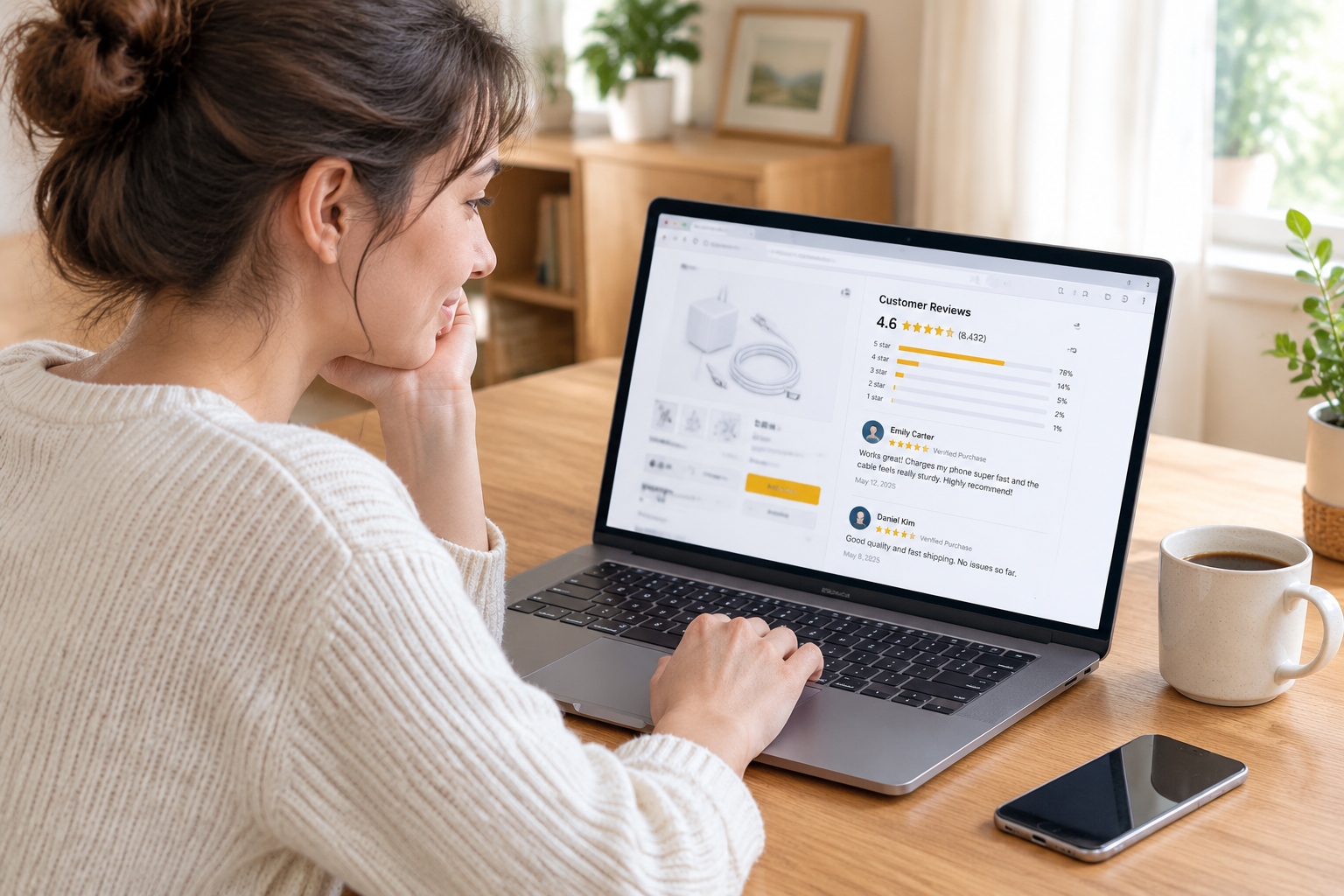
How to Find Your Own Hidden Champion
Want to join the smart shoppers who pay half the price for the same quality? Use these research tactics:
1. Check Amazon’s ‘Also Bought’ lists. Hidden champions frequently appear next to top sellers. Look for brands with Shenzhen or Guangdong addresses on their product pages.
2. Search by product features, not brand. Instead of typing ‘iPhone charger,’ make a search like ‘GaN USB-C 65W charger dual port’ and click on the best-reviewed items. Then inspect the manufacturer’s page.
3. Visit AliExpress but filter for established stores. Many of these Chinese brands have their own official stores on AliExpress. You can spot them by their consistent product photos and substantial review counts.
4. Read the ‘brand owner’ line on Amazon. When a product is listed on Amazon, the official brand might be hidden, but you can often find the company registration name in the ‘Product Information’ section (e.g., ‘Baseus Innovation Technology Co., Ltd’).
Once you discover them, you’ll stop caring about the flashy names and start enjoying phone accessories that just work, without breaking the bank. That’s the real story behind China’s hidden champions: they’re not invisible because they’re secretive — they’re invisible because they’re busy manufacturing quality at a scale the world has never seen.
Start the discussion at forum.chinacomes.com