

On a July evening in Jinan, Shandong province, a phone buzzes with an electricity bill: 231 yuan, about $32. Two air conditioners had run through most of the afternoon, the fridge never stopped, and an induction cooker handled most meals. Nobody in the three-person household gave it much thought.
That silence is worth paying attention to. China’s power system has changed more in the past decade than at any time since it was built, and yet for most families the monthly bill still looks like a rounding error. The gap between those two facts is where the real story of China’s energy transition lives.
What a Chinese household actually pays for energy
Retail electricity prices in China are set by government, not by supply and demand, and they are low by international standards. Most provinces use a three-tier structure. In Shandong, the first 2,520 kilowatt-hours of the year cost 0.5469 yuan each, roughly 7.7 U.S. cents. The next block costs 0.5969 yuan, and anything above 4,800 kWh costs 0.8469 yuan.
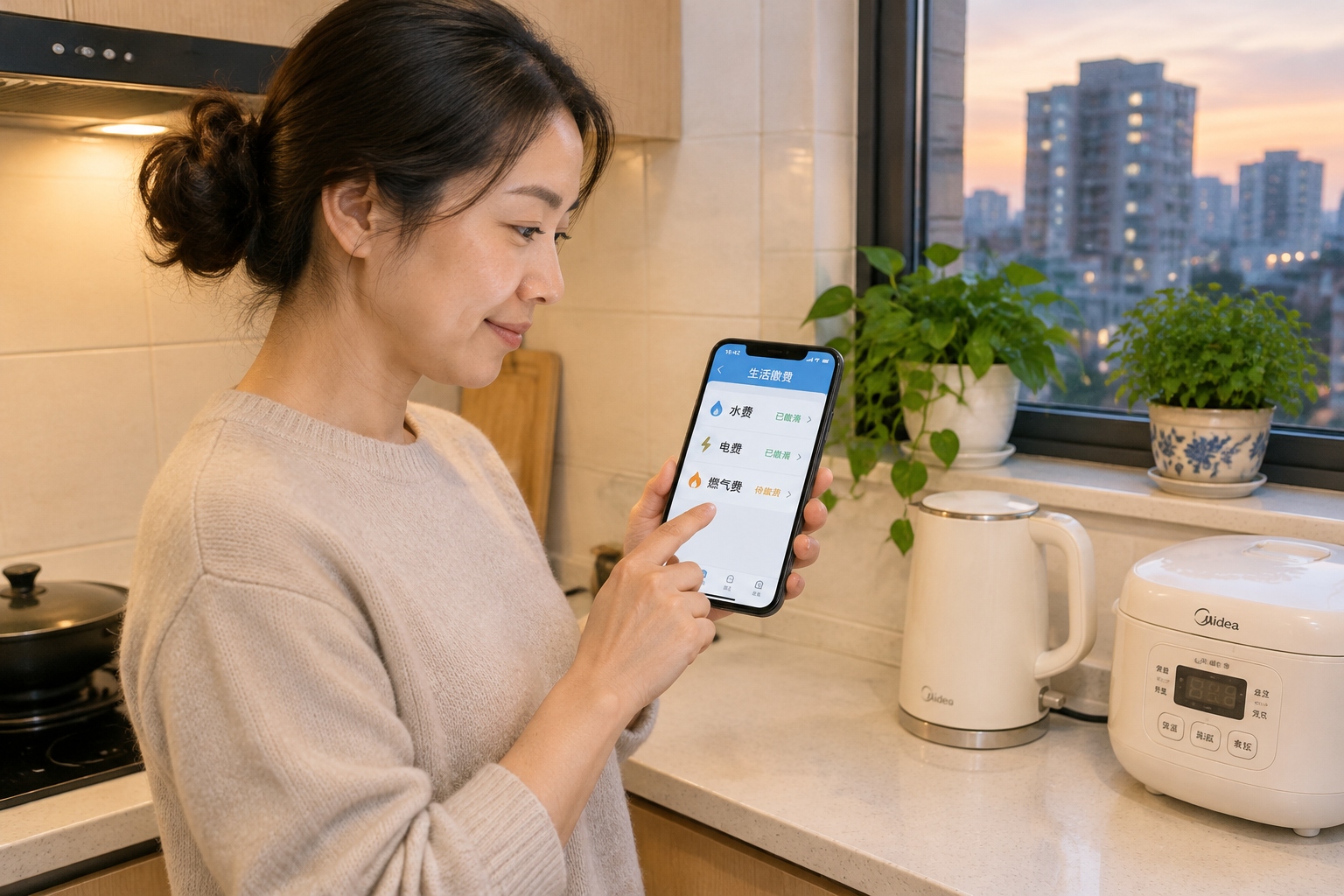
That arithmetic explains the 231-yuan bill. A household using 400 kWh in July pays about 115 yuan for the first 210 kWh and about 113 yuan for the rest, roughly 228 yuan before small fees.
Cooking and hot water usually run on piped natural gas, priced between about 2.5 and 3.5 yuan per cubic meter depending on the city. A family that cooks daily and showers at home burns through 15 to 25 cubic meters a month, which comes to 40 to 85 yuan.
Heating is billed differently again. In northern China, district heating is charged by floor area rather than by consumption, commonly 20 to 30 yuan per square meter for the whole winter. A 90-square-meter flat pays 1,800 to 2,700 yuan, due in October, whether the winter turns out to be mild or brutal. Southern China has no such system; families there buy electric heaters or run air conditioners in reverse.
Add it up and a middle-income urban household spends a few thousand yuan a year on energy. It is a real cost, but rarely the first line a family budgets around. That is the starting point for everything that follows.
Where the energy comes from, and why the meter tells only half the story
Households consume only about 15 percent of China’s electricity; industry uses roughly two-thirds. So changes on the generation side show up in national statistics long before they show up in a kitchen.
Coal still generates around 58 percent of the country’s electricity, down from more than 70 percent a decade ago. Wind and solar together supplied about 18 percent in 2024, up from under 5 percent in 2015. In May 2025, China’s total solar capacity passed one terawatt. In 2024 alone it added roughly 277 gigawatts of solar.
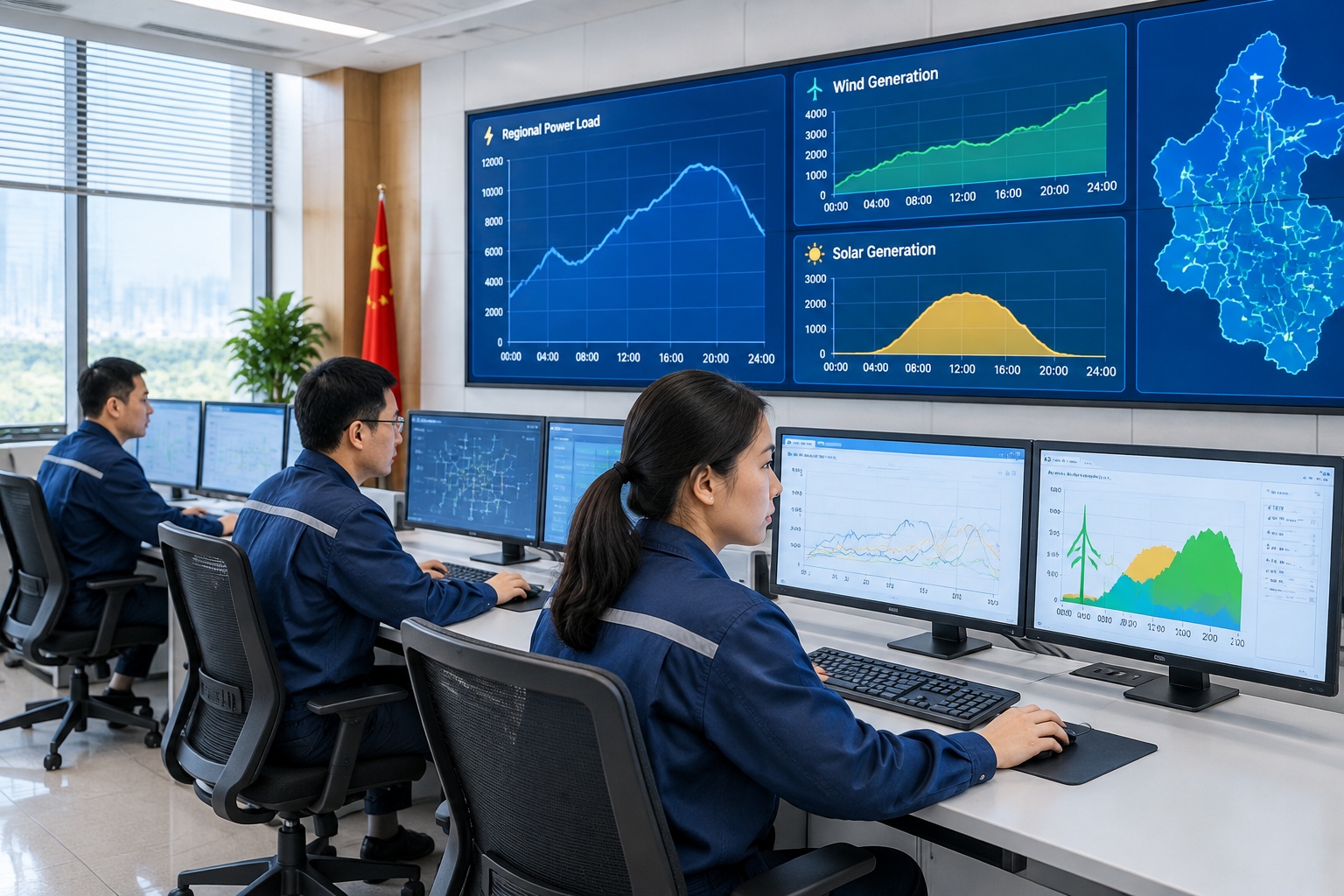
Most of that is utility-scale, built in north-western deserts and delivered eastward on ultra-high-voltage lines that carry power 2,000 kilometres or more. A smaller but growing share sits on rooftops.
The distinction matters when reading a household bill. A family can use exactly as many kilowatt-hours as it did in 2015 and be responsible for far less carbon dioxide, or use twice as much and cancel out the gain. Electrifying heating and transport adds new load to a grid that is getting cleaner, but is not clean yet.
Rooftop solar moves from the village roof into the household budget
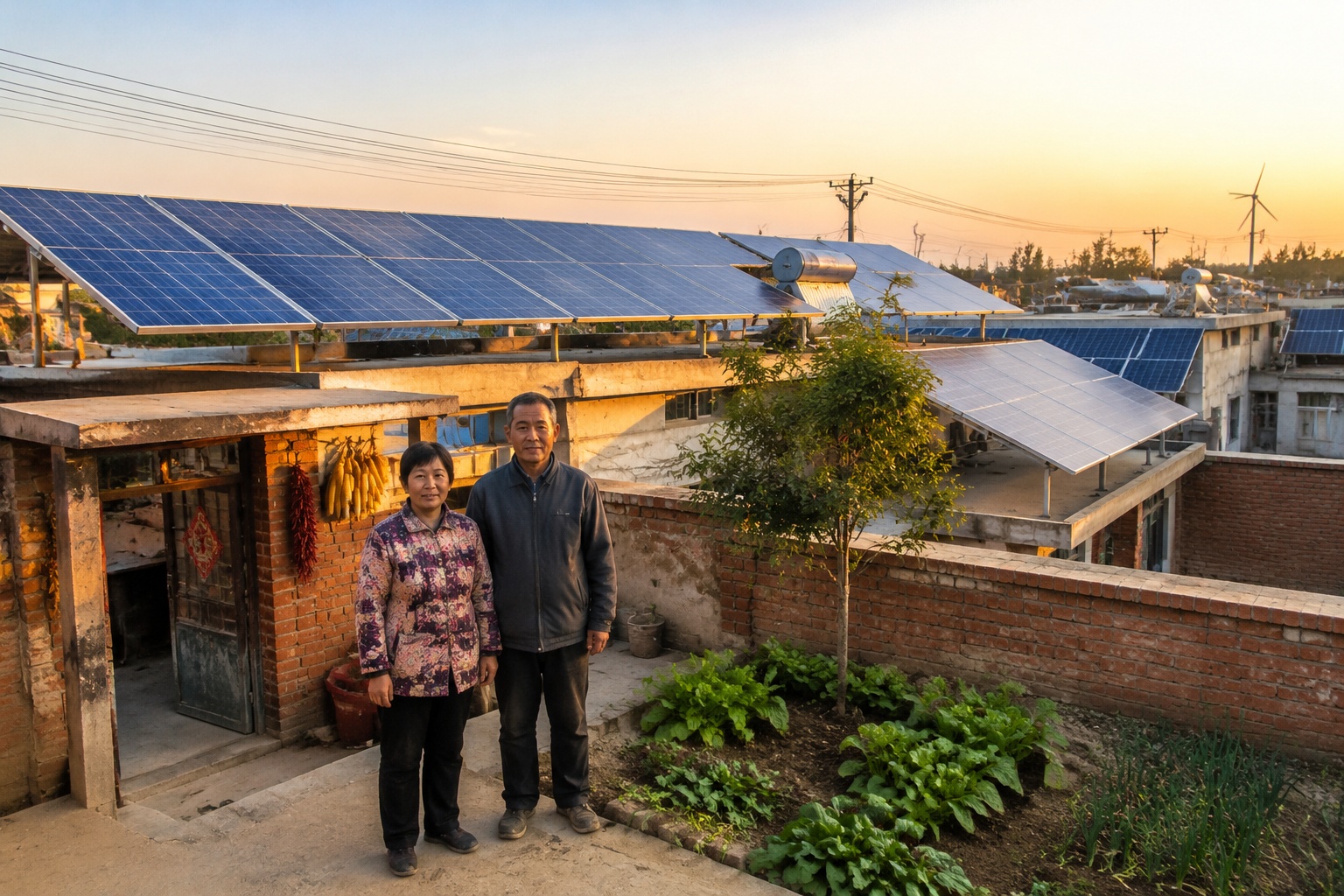
The clearest place to see the shift is a village rooftop. A self-built house in Shandong or Hebei usually has 60 to 120 square meters of flat roof, a single owner, and no shared decision to negotiate. A 20-kilowatt array costs roughly 50,000 to 60,000 yuan installed and generates about 24,000 kilowatt-hours a year in that region.
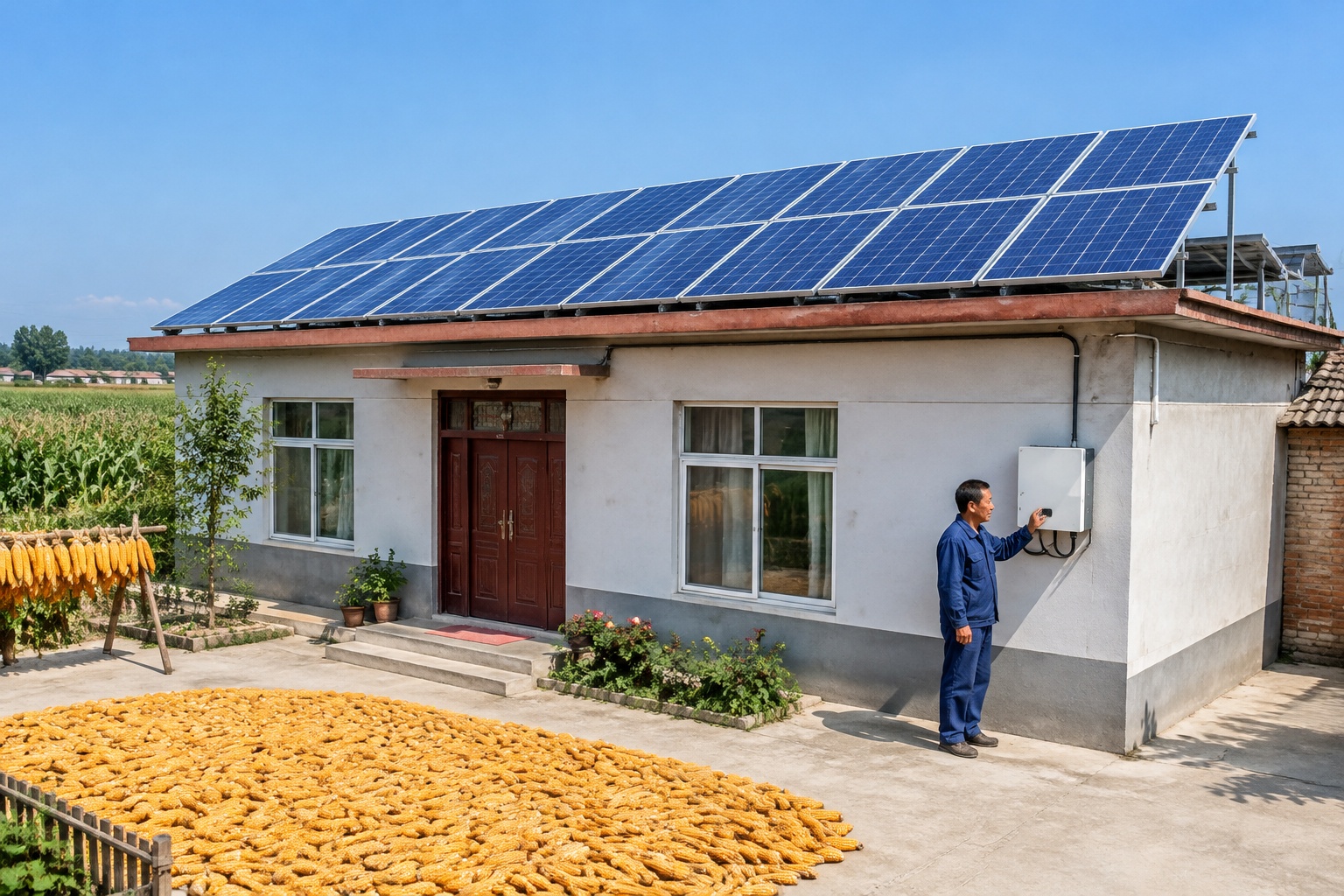
Two models dominate. In the first, the family pays for the system and keeps the revenue, with a payback period that has typically run five to eight years. In the second, a company installs and owns the panels and pays the household rent, often 20 to 60 yuan per panel per year. A 2021 government push for “whole-county” rooftop solar spread the second model into hundreds of counties.
City apartments work differently. The roof belongs to every owner in the building, so one family cannot decide alone. A block-level installation needs residents’ agreement, a structural survey, and usually a company willing to negotiate with dozens of households.
Policy shifted again in 2025. In February, the National Development and Reform Commission and the National Energy Administration issued a document known simply as Document 136: from June 1, 2025, new wind and solar projects sell power at market prices instead of a fixed feed-in tariff. Installers rushed to beat the deadline, and China added about 93 gigawatts of solar in May 2025 alone. For households installing now, the numbers depend on how much of the power they consume themselves. “Generate for your own use, sell the surplus” rewards self-consumption; selling everything to the grid is a weaker bet than it was two years ago.
Did going green make the bill smaller? Not automatically
Households do not buy electricity at wholesale prices. Retail tariffs are regulated, so the fall in solar and wind costs shows up mainly in the finances of generators and grid operators. Transmission, storage and backup capacity all cost money, and regulators decide how much of that reaches consumers. Most provinces also cross-subsidise: industrial users pay more per kilowatt-hour than families do.
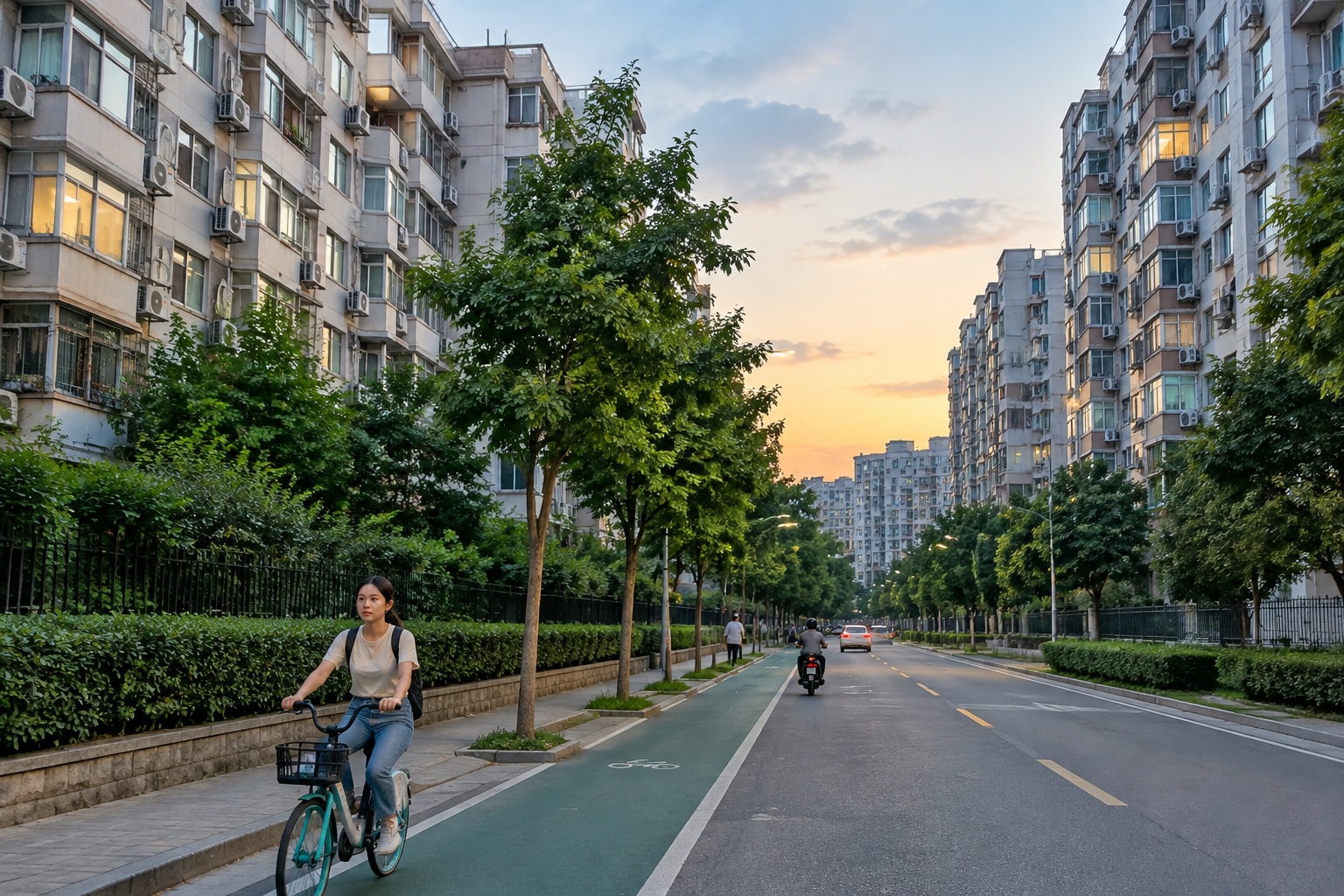
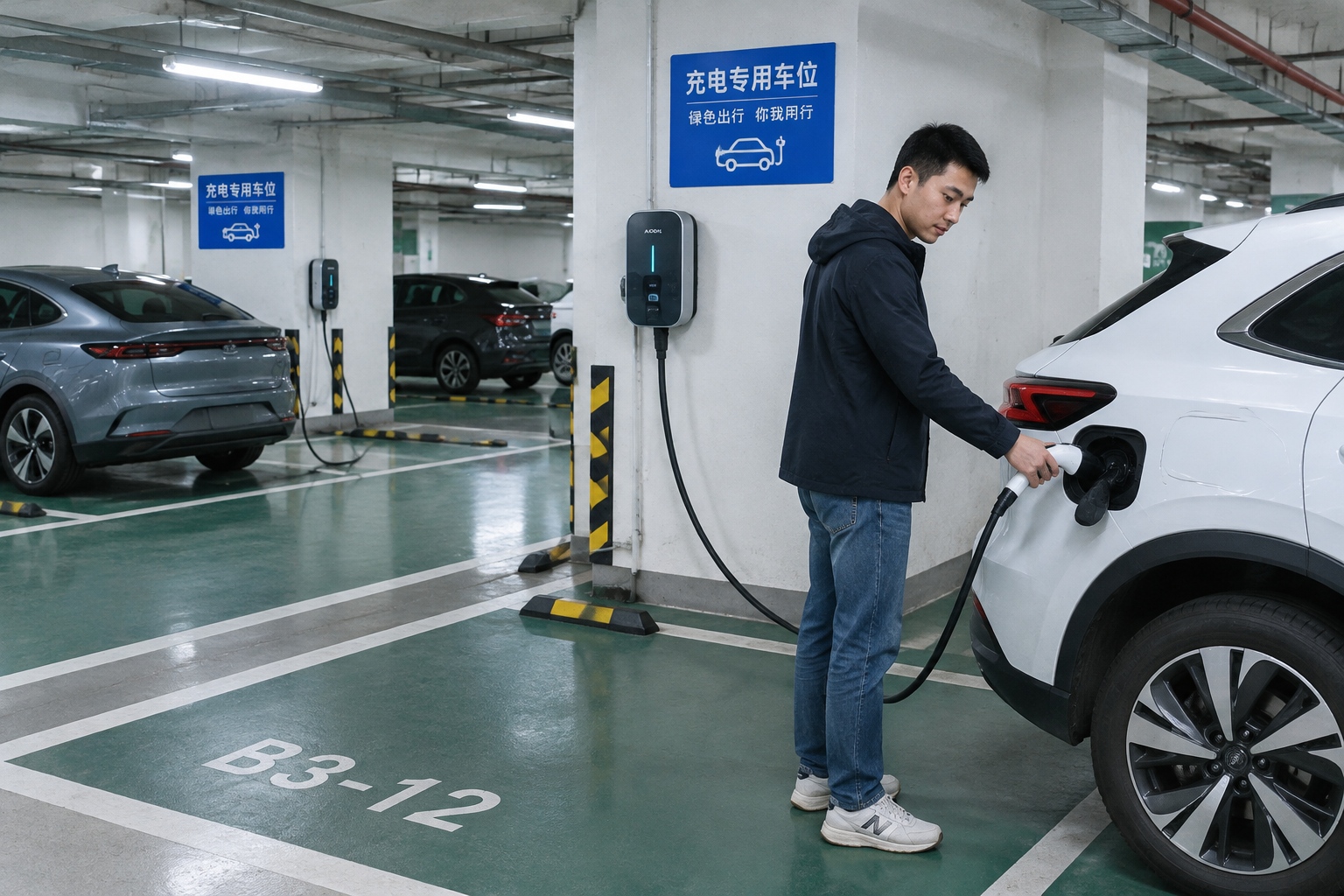
Four things actually move a household bill: how much you use, when you use it, which price tier you land in, and how efficient your appliances are. Timing matters more than it used to. Provinces including Jiangsu, Zhejiang, Guangdong and Shandong offer peak-valley pricing to households that opt in, with valley hours typically running from 10 p.m. to 8 a.m. at roughly half the daytime rate. Charging an electric car overnight can add 300 kilowatt-hours a month for about 100 yuan instead of 170.
International comparisons need care. The U.S. Energy Information Administration put the average American residential rate at about 17 cents per kilowatt-hour in 2024; China’s average is roughly 0.55 yuan, or 7 to 8 cents. Compare the same annual consumption, in the same currency, for the same year, and remember that average incomes differ. A bill that looks tiny in dollars is not automatically tiny for the family paying it.
The change is also in the kitchen, the bathroom and the parking space
Some of the biggest shifts happen away from the roof. Starting in 2017, the Beijing-Tianjin-Hebei region and provinces including Shandong, Shanxi and Henan ran a coal-to-electricity programme, replacing household coal stoves with air-source heat pumps and subsidising part of the cost.
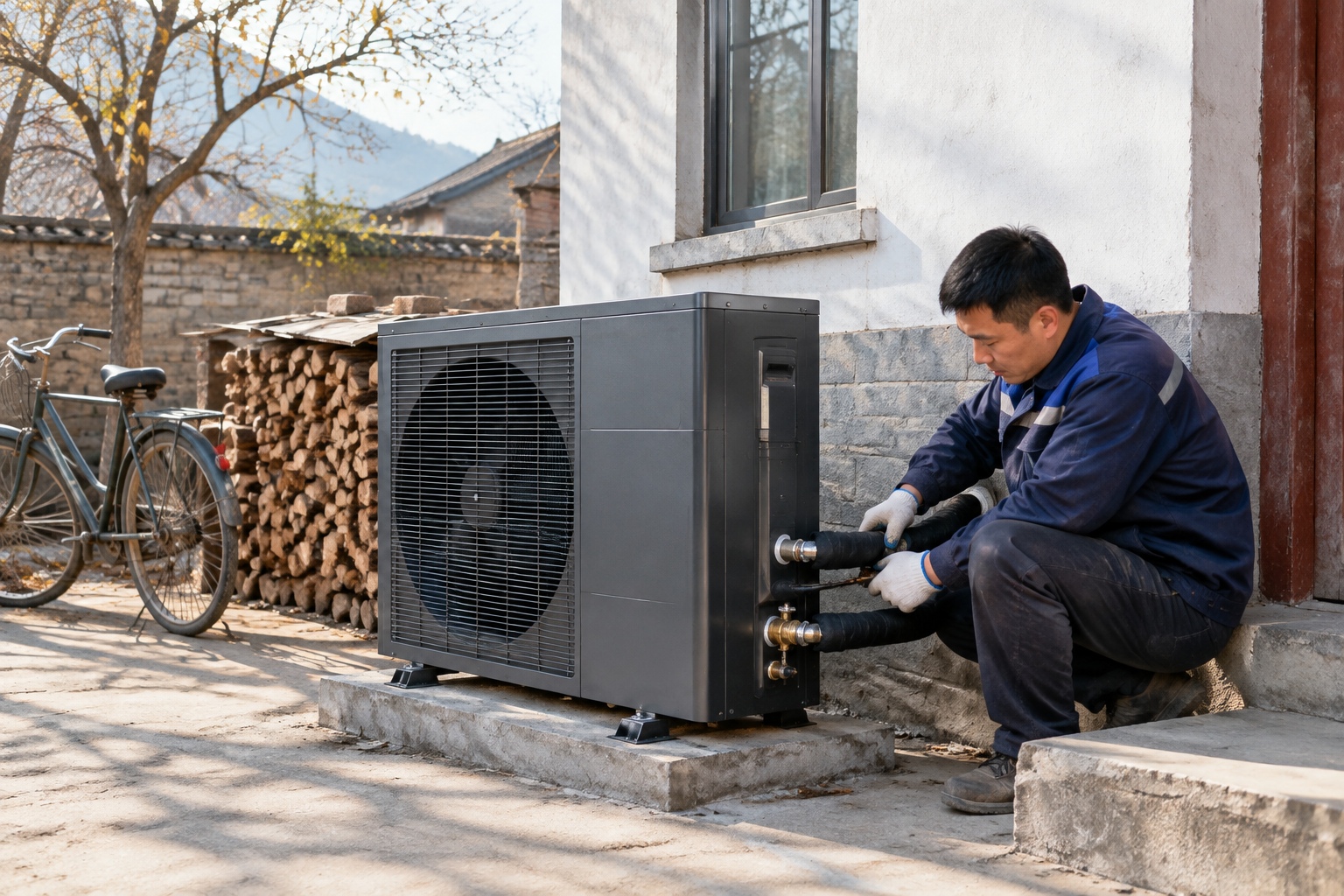
A heat pump delivers three to four kilowatt-hours of heat for every kilowatt-hour of electricity, so it is far cheaper to run than a resistance heater. The catch is the upfront cost, commonly 10,000 to 30,000 yuan, and weaker performance in extreme cold.
Indoors the change is quieter: inverter air conditioners, LED lighting, thicker insulation in new buildings. The more visible shift is on the road. China sold about 12.9 million new energy vehicles in 2024, more than 40 percent of all new cars. For a family with a fixed parking space, a dedicated charging meter on a valley tariff converts fuel spending into electricity spending.
Who benefits, and who is still shut out
Renters sit outside most of these options. A tenant cannot install rooftop solar, rarely gets permission for a heat pump, and often cannot put a charger in a shared garage. Landlords have little reason to pay for upgrades that mainly reduce someone else’s bill.
Geography creates its own gaps. Rural families in the north who heat with electricity can face winter bills several times their summer ones, and poorly insulated houses make every kilowatt-hour count for less. Households in older urban buildings may have wiring that cannot safely carry a seven-kilowatt charger.
Income matters too. Tiered pricing means heavy users pay more per unit, which is fair in principle and awkward for a large family living in a small flat. The sharpest divide is between people who own their roof, their parking space and their appliances, and people who own none of the three.
Back to the bill
The choices attached to that 231-yuan notification are now concrete and calculable: whether to put panels on a roof, whether to charge a car at 11 p.m. or 7 p.m., whether to replace a twelve-year-old air conditioner with one that uses half the power.
What has genuinely changed is the system behind the socket. The grid is cleaner than a decade ago, tariffs are more flexible than five years ago, and a rural family with a large roof can turn empty space into income.
What has not changed is who gets to choose. Cheap, increasingly green electricity is a policy outcome, and someone pays for it: sometimes the taxpayer, sometimes industry, sometimes the renter who cannot touch the roof above their head. The bill in Jinan stays small enough to ignore. That is exactly why it is worth reading.
Start the discussion at forum.chinacomes.com