

Introduction: Two Cities, One Supply Chain
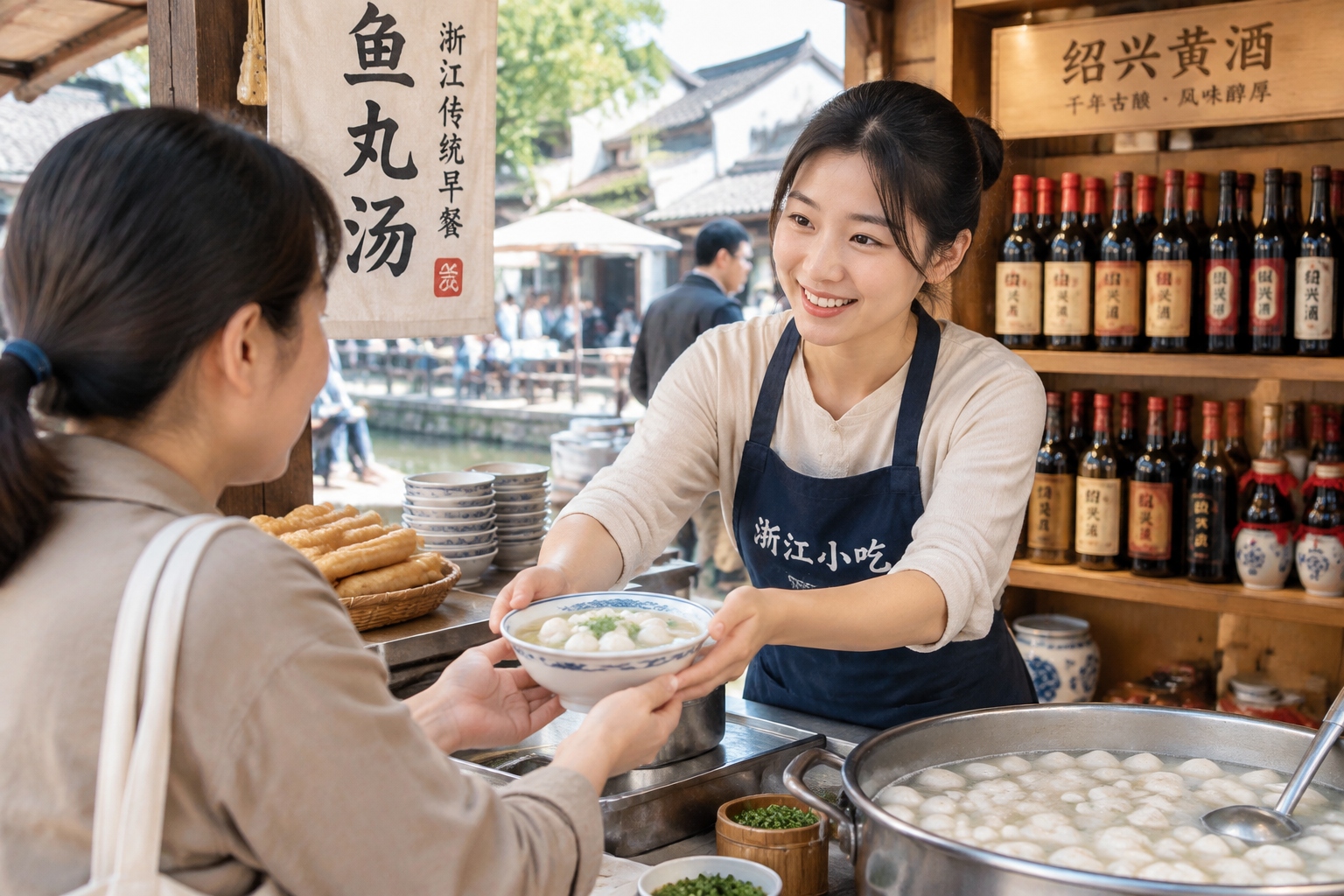
In Ningbo, a port city on Zhejiang’s eastern coast, a breakfast stall owner named Chen Wei starts her day at 5 a.m. She drops frozen fish balls into boiling broth for customers rushing to work. The fish balls are not made in her kitchen; they come from a local factory that processes 20 tons of fish daily. Two hundred kilometers inland, in Shaoxing, a warehouse manager named Zhang Lei checks inventory of yellow wine destined for restaurants in Shanghai and Tokyo. These two products—fish balls and rice wine—seem worlds apart. Yet they share a modern destiny: both are traditional Zhejiang foods transformed by regional specialization and chain-store economics.
Beyond the ‘Big Dishes’: Zhejiang Cuisine Gets Everyday
Zhejiang cuisine, or Zhe cuisine, has long been associated with elaborate banquet dishes: Dongpo pork, Beggar’s chicken, West Lake fish. These ‘big dishes’ required hours of preparation and were reserved for weddings, holidays, or business dinners. But in the past decade, a quieter shift has occurred. Traditional flavors are being repackaged as everyday items—quick meals, snacks, and ready-to-cook kits. Ningbo fish balls, once a homemade specialty, are now sold in convenience stores across China. Shaoxing wine, historically a cooking wine or festive drink, is marketed as a casual beverage for young consumers. This is not a decline in tradition; it is an expansion of access. According to industry reports, China’s prepared food market reached 600 billion yuan in 2023, with regional specialties accounting for a growing share. Zhejiang’s food manufacturers are betting that consumers want authenticity without the labor.
The Hidden Logic: Regional Division of Labor
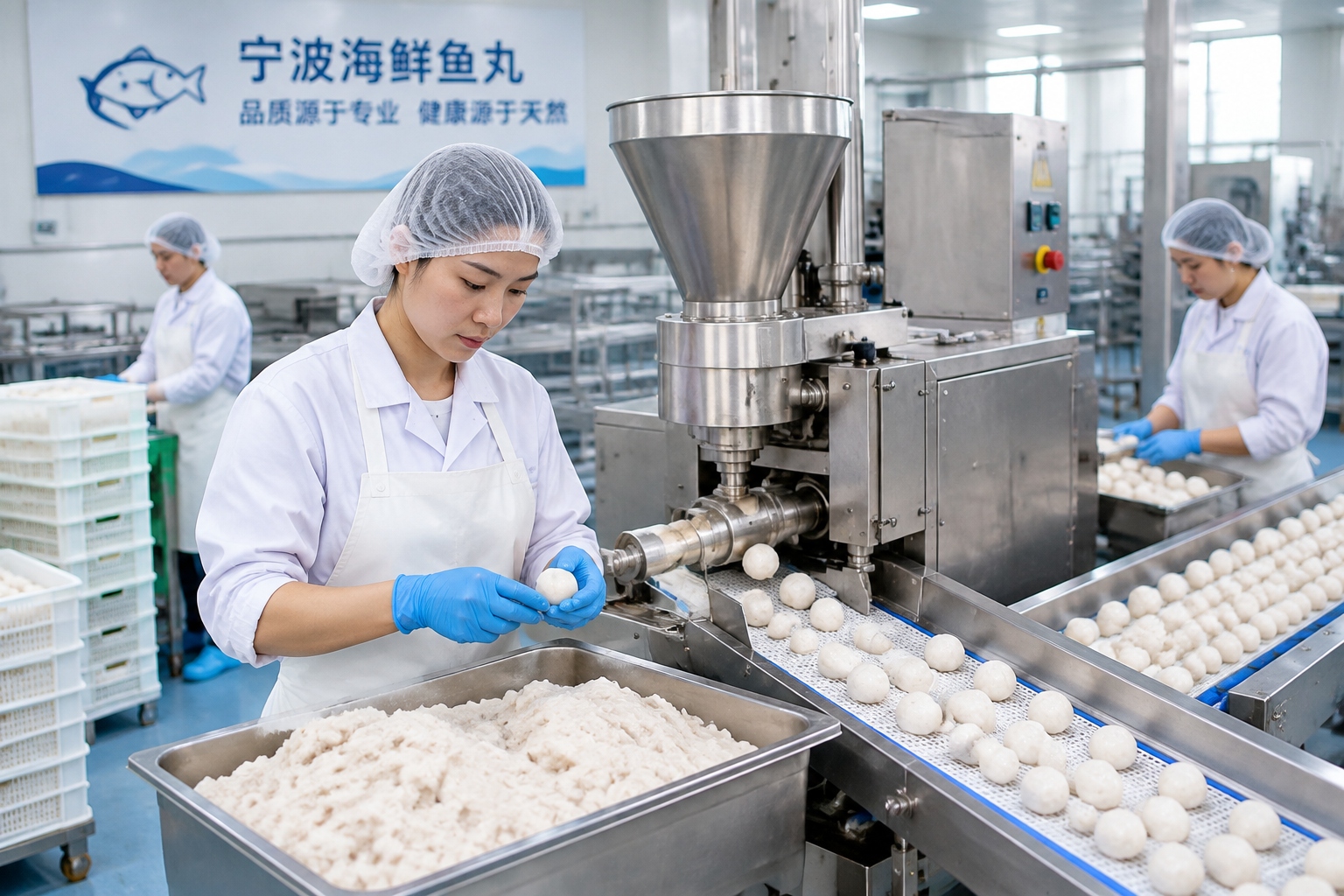
Ningbo and Shaoxing did not become food hubs by accident. Ningbo’s advantage lies in its geography: a major fishing port with cold-chain infrastructure built over decades. Local factories now apply food science to traditional recipes—adjusting starch content, freezing techniques, and packaging to maintain texture during shipping. One factory manager explains that their fish balls must survive 18 months in a freezer and still taste springy after boiling. That requires precise control of fish paste temperature, moisture, and additives. It is a far cry from grandmother’s kitchen, but it is what makes national distribution possible.
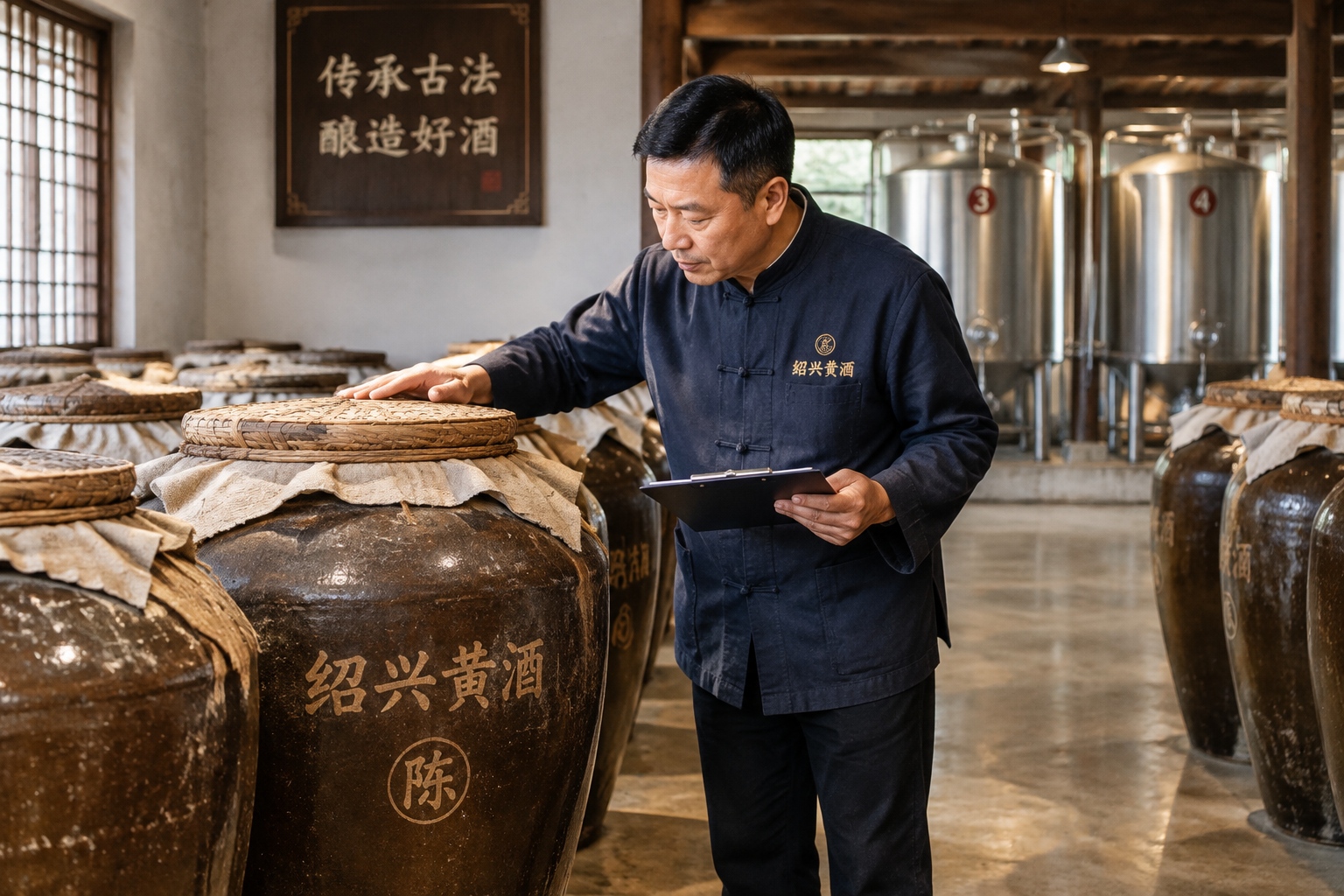
Shaoxing’s edge is different: time and microbiology. The region’s humid climate and centuries-old brewing techniques produce a unique fermentation profile. Today, large-scale breweries use stainless steel tanks and temperature sensors, but they still rely on aged starter cultures and local water. The result is a product that can be standardized enough for supermarkets yet retains a sense of place. Together, these two cities illustrate a pattern seen across China: regional clusters specialize in what they do best, then plug into national supply chains.
The Chain Reaction: Standardization vs. Tradition
The rise of chain restaurants and retail brands has forced a reckoning with tradition. A bowl of fish ball soup at a chain outlet in Beijing must taste the same as one in Ningbo. That requires central kitchens, strict specifications, and trained staff. Some purists argue this flattens flavor. But others see it as a gateway: a young office worker in Chengdu tries a standardized fish ball, likes it, and later seeks out a more authentic version. The same dynamic applies to Shaoxing wine. Large brands now offer sparkling or low-alcohol versions for younger drinkers, while small workshops focus on artisanal batches for connoisseurs. This is not a zero-sum game. Chain standardization expands the market; traditional craftsmanship defines the ceiling. The two coexist, often within the same company.
Life in the Supply Chain: Voices from the Ground
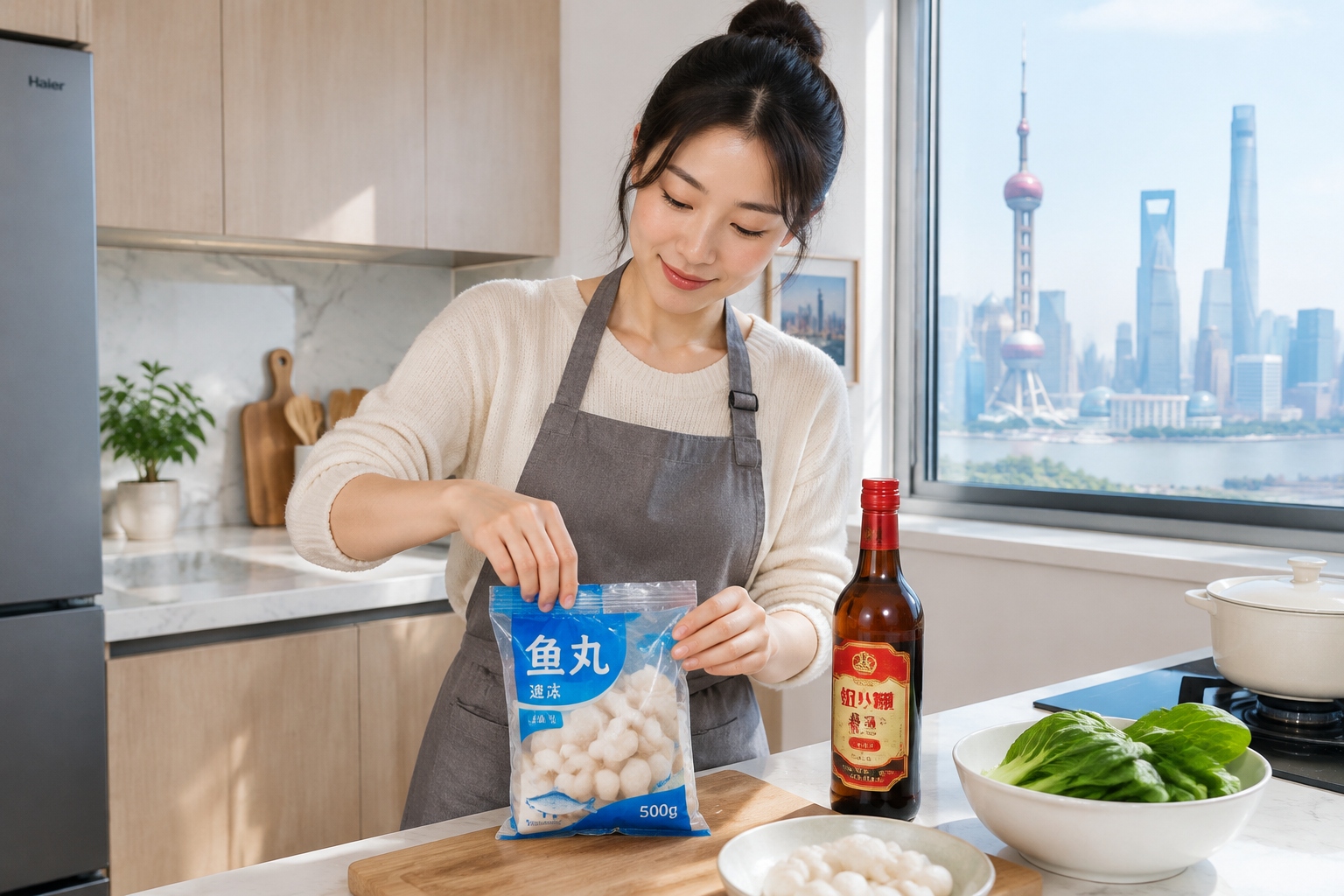
Behind every packaged fish ball or bottle of wine are ordinary people navigating change. In Ningbo, a 28-year-old quality control technician named Li Na monitors metal detectors and temperature logs. She grew up eating homemade fish balls but now ensures they meet export standards. ‘It’s still fish,’ she says, ‘but the rules are different.’ In Shaoxing, a third-generation brewer named Wang Jian has modernized his family’s workshop with stainless steel fermenters while keeping the original yeast strain. He sells to both local restaurants and an online platform that ships to overseas Chinese communities. ‘People in California want the taste of home,’ he says. ‘We just make it easier to get.’ On the consumption side, a Shanghai office worker named Zhou Min buys frozen fish balls for hot pot and a bottle of Shaoxing wine for cooking. She represents the new normal: convenience without abandoning flavor.
Conclusion: A Microcosm of Modern China
The story of Ningbo fish balls and Shaoxing wine is not just about food. It is about how regional economies in China specialize, standardize, and scale. It is about tradition finding new forms—not disappearing, but adapting. It is about ordinary people: factory workers, brewers, consumers—who make and remake daily life. For overseas readers, the lesson is simple. When you see a package of fish balls or a bottle of Shaoxing wine in an Asian grocery store, you are looking at a supply chain that connects a fishing port, a fermentation town, and a global diaspora. That is modern China: not a monolith, but a network of places and people, each doing their part.
Start the discussion at forum.chinacomes.com