

Introduction
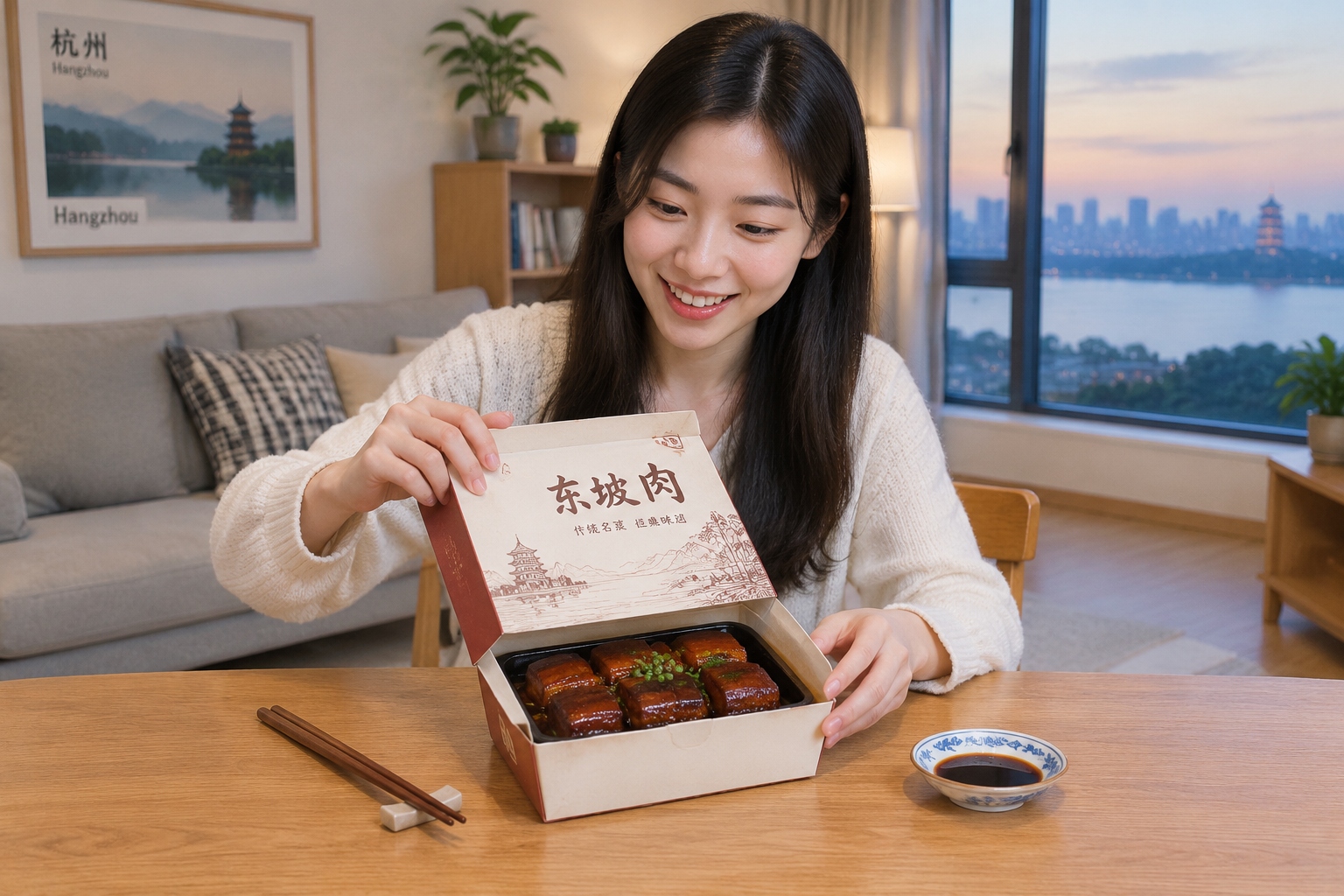
On a Tuesday evening in Hangzhou, Chen Wei, a 28-year-old marketing manager, unlocks her phone and opens a food delivery app. She scrolls past the usual bowls of noodles and fried rice, and taps on a restaurant that lists “Dongpo Pork” and “Steamed West Lake Fish in Vinegar Gravy.” Fifteen minutes later, a delivery rider hands her a bag that smells of soy sauce and star anise. For Chen, this is not a special occasion — just a regular dinner after a long day at work.
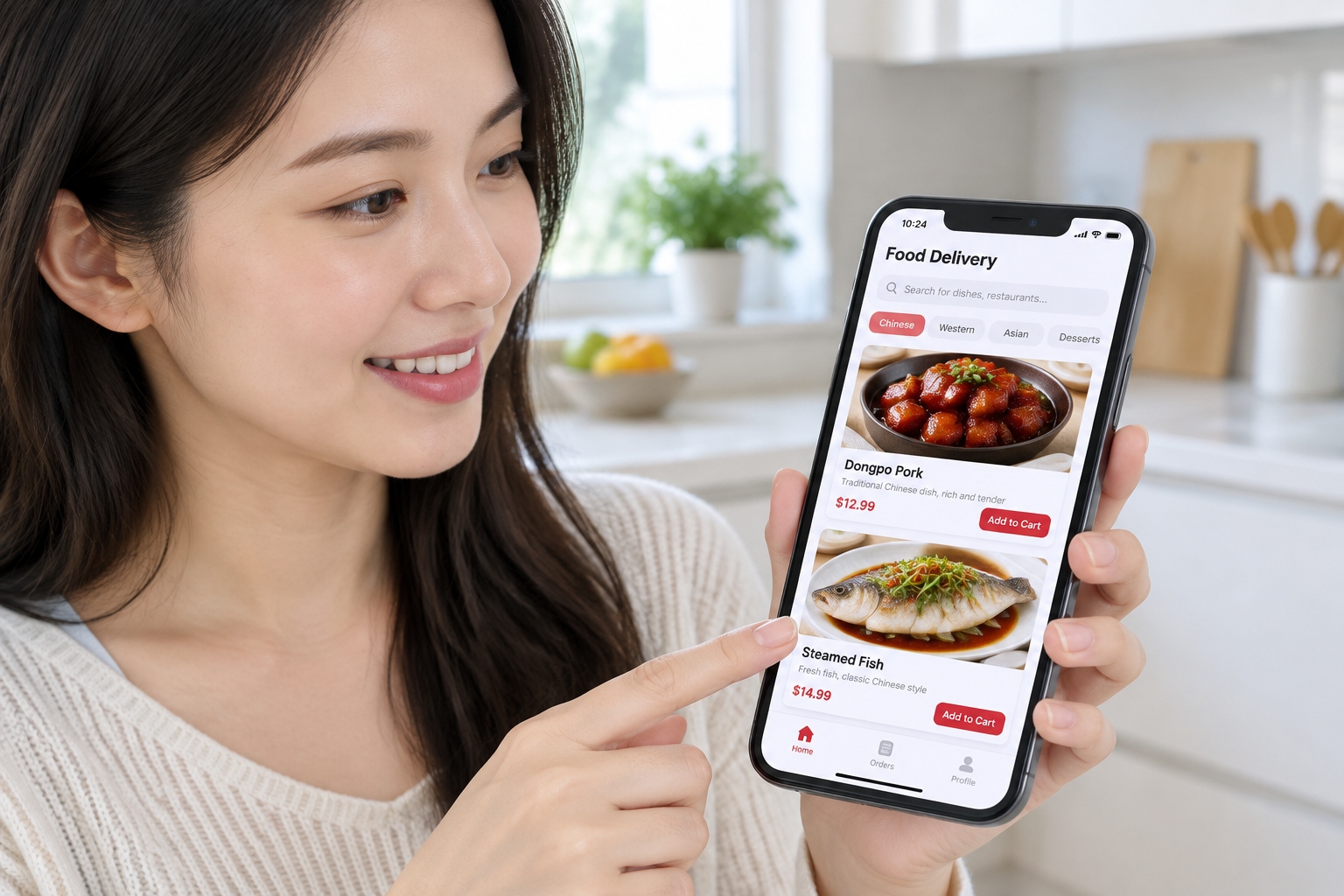
This scene is becoming increasingly common across Zhejiang province. Once the centerpiece of elaborate family banquets and holiday feasts, traditional “big dishes” (大菜) are now being reimagined as accessible, everyday meals. The shift is driven by a combination of factors: busy urban lifestyles, the rise of high-quality food delivery platforms, and a deep cultural attachment to local culinary heritage. To understand this transformation, I spent time with three people who embody different sides of the story.
The Young Professional: Convenience Without Compromise
Chen Wei grew up in a small town in Zhejiang, where her grandmother would spend hours preparing dishes like braised pork belly (东坡肉) and steamed bamboo shoots. “Those were flavors I associated with family gatherings and Lunar New Year,” she tells me. But after moving to Hangzhou for work, Chen found little time to cook such elaborate meals. “I could only make simple stir-fries. The big dishes felt out of reach.”
Then, about three years ago, she noticed that more local restaurants were offering traditional Zhejiang dishes on delivery platforms like Meituan and Ele.me. At first, she was skeptical — would the quality hold up? But after a few orders, she was pleasantly surprised. “The Dongpo pork arrived in a sealed container, still steaming. The skin was perfectly caramelized, and the meat melted in my mouth. It tasted just like my grandmother’s.” Now, Chen orders traditional dishes at least twice a week. “It’s my way of staying connected to home without spending hours in the kitchen.”
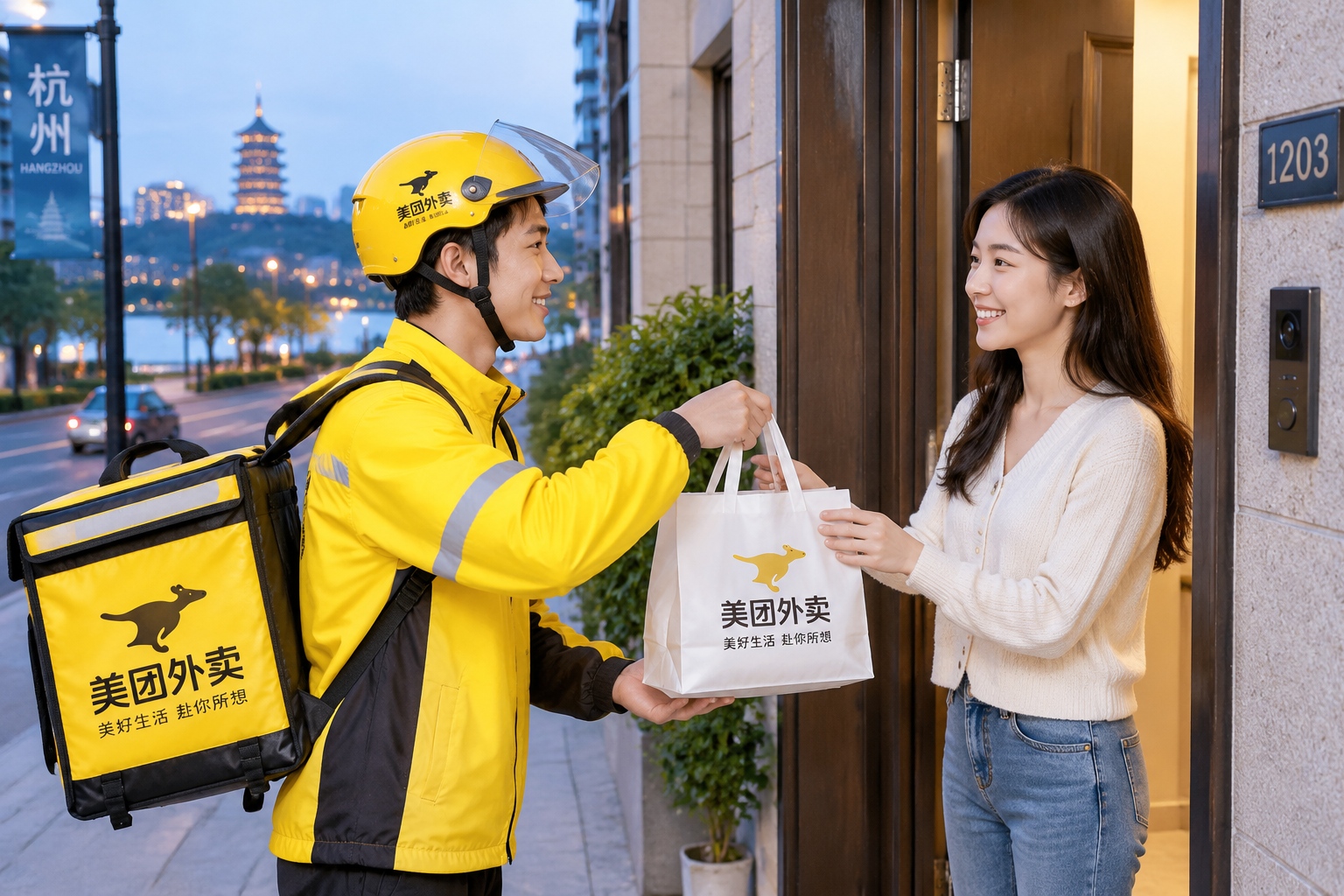
For Chen and many like her, the convenience of delivery has transformed the meaning of these dishes. They are no longer reserved for special occasions but have become a comforting, everyday luxury. The platforms have also made it easier to explore regional variations within Zhejiang cuisine, such as the lighter, seafood-heavy dishes from coastal Ningbo or the spicier fare from the southwestern parts of the province.
The Home Cook: Bridging Tradition and Modernity
In a residential area of Shaoxing, I meet Liu Fang, a 45-year-old mother of two. Liu is known in her community for her cooking, especially her version of “Dry-Fried Bamboo Shoots” (油焖笋) and “Shaoxing Drunken Chicken.” But she admits that her cooking style has changed dramatically over the past decade.
“My mother taught me to cook these dishes, but she would spend an entire day preparing them. I don’t have that kind of time,” Liu says, laughing. Instead, she has adapted. She uses pre-marinated meat from local markets and buys pre-cut vegetables. For the drunken chicken, she uses a ready-made Shaoxing wine marinade. “It’s not cheating,” she insists. “It’s being practical. The flavors are still authentic because the key ingredients are local and of high quality.”
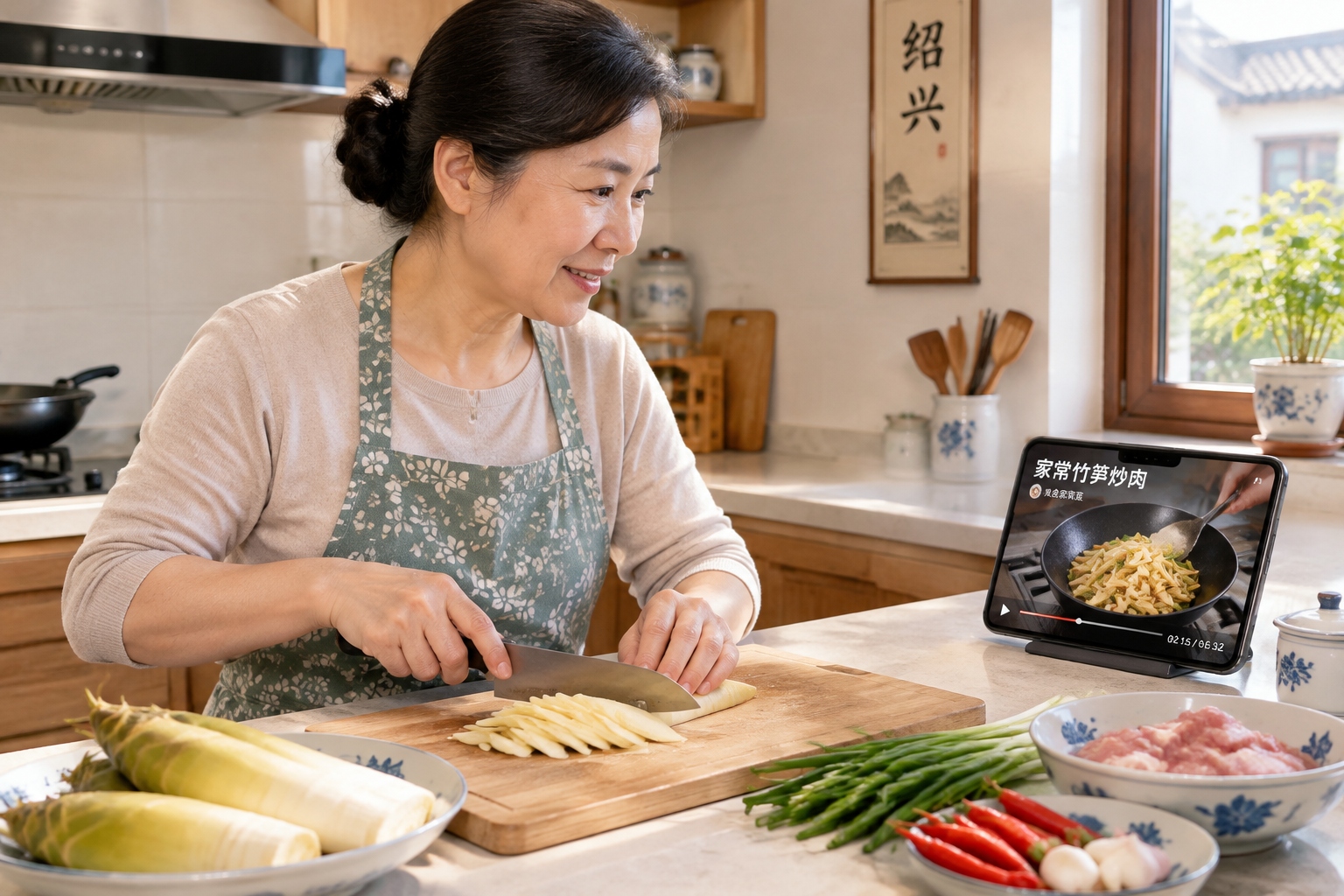
Liu also uses online recipe videos and cooking apps to learn shortcuts. She follows a popular food blogger from Zhejiang who demonstrates how to make “Braised Lion’s Head Meatballs” in under 40 minutes. “I never thought I could make that dish on a weekday, but now I do.” Her family doesn’t complain. “As long as it tastes good, they don’t care if I spent two hours or 30 minutes.”
This pragmatic approach to traditional cooking is widespread in Zhejiang. Farmers’ markets and supermarkets now offer pre-prepared ingredients for classic dishes, from stuffed tofu to fish balls. Cooking classes and community workshops have also popped up, teaching young couples how to recreate family recipes in a modern kitchen.
The Restaurant Owner: Scaling Tradition
Just outside the ancient water town of Wuzhen, I visit a small restaurant called “Grandma’s Kitchen,” run by 52-year-old Wang Yong. The restaurant has become a local institution for its authentic “Zhejiang home-style cooking.” But Wang has also adapted to the changing times.
Five years ago, Wang resisted joining food delivery platforms. “I thought our dishes — like steamed perch with ginger and scallion — would lose quality during transport,” he explains. But after seeing neighboring restaurants thrive with online orders, he decided to give it a try. He invested in better packaging: insulated boxes, separate containers for sauce and garnish, and tamper-evident seals. The result? Orders skyrocketed.
“Now we deliver about 200 meals a day, in addition to our dine-in business,” Wang says. “We’ve even started a weekly subscription service for office workers. They order a set of three traditional dishes every Monday, and we deliver them to their workplaces.” Wang has also created a “Quick Family Feast” package — a combination of pre-cooked dishes that can be reheated at home, perfect for busy families who want a proper meal without the fuss.
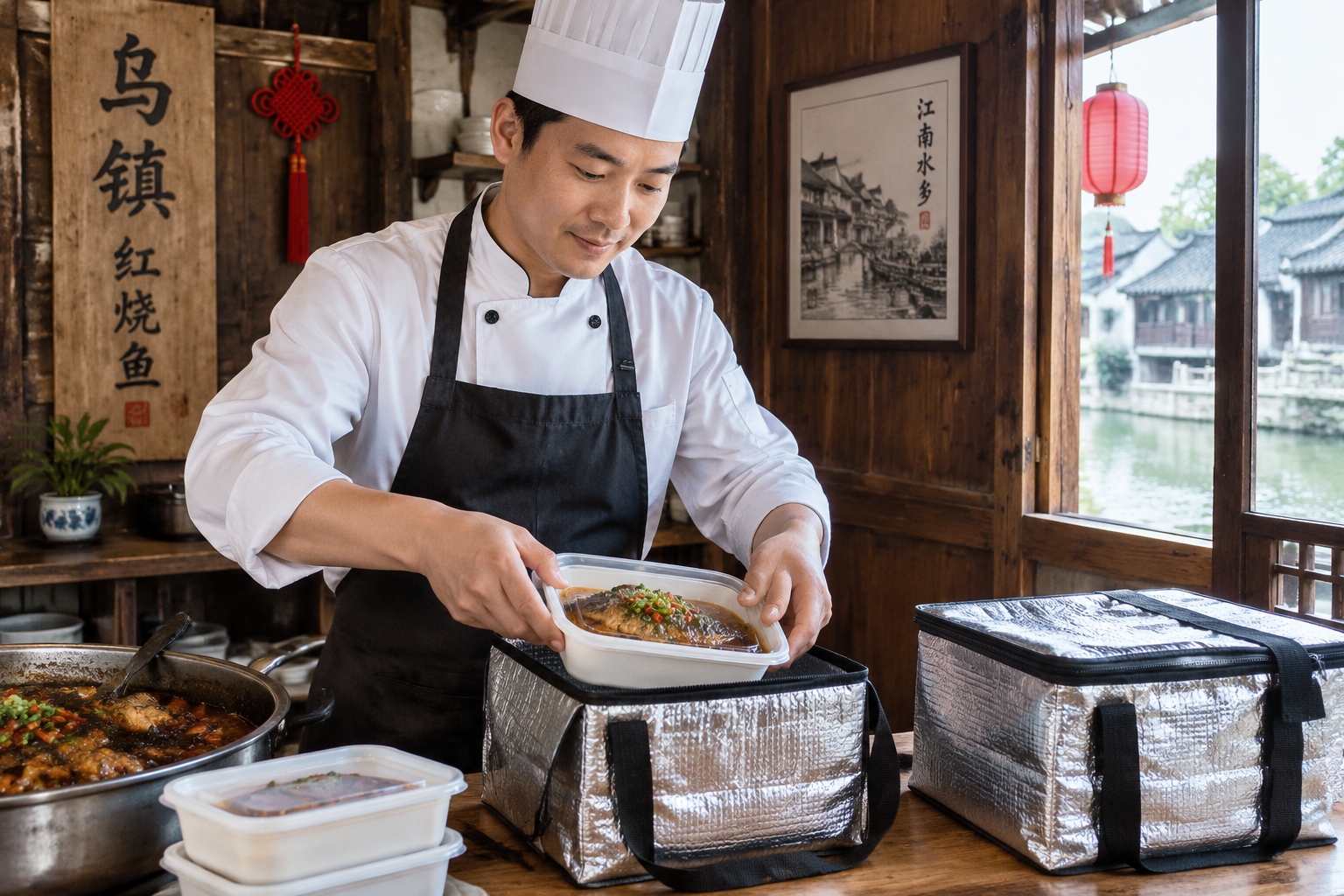
Wang’s story reflects a broader trend in Zhejiang’s food industry. Small restaurants and even street vendors are upgrading their practices to meet delivery demands, without sacrificing the authenticity of their cuisine. Some have opened centralized kitchens specifically for delivery, while others partner with local farms to ensure fresh ingredients.
Why Zhejiang? The Cultural and Economic Roots
Zhejiang has a rich culinary tradition that emphasizes freshness, balance, and subtle flavors. The province’s cuisine, known as Zhe (浙菜), is one of China’s “Eight Great Cuisines,” and it ranges from the sophisticated banquet dishes of Hangzhou to the hearty seafood of the coastal areas. Historically, these dishes were reserved for weddings, festivals, and important family gatherings.
But in recent years, economic growth and urbanization have reshaped eating habits. According to the Zhejiang Provincial Bureau of Statistics, the province’s per capita disposable income ranks among the highest in China, giving residents more spending power. At the same time, the average workweek for urban professionals remains long, and time for cooking has shrunk. This creates a demand for convenient yet high-quality meals.
Food delivery platforms have capitalized on this trend. Meituan, one of the largest, reported that orders for traditional Chinese dishes in Zhejiang increased by 35% in 2023 compared to the previous year. “People want the taste of home, but they don’t have the time or skill to make it themselves,” says a Meituan spokesperson. “Our platform connects them with restaurants that can provide that experience.”
Government initiatives have also played a role. The Zhejiang Provincial Department of Culture and Tourism has promoted “Heritage Cuisine” campaigns, encouraging restaurants to preserve and innovate traditional recipes. Some local governments offer subsidies to small businesses that use locally sourced ingredients, which helps keep the supply chain short and the flavors authentic.
A Taste of Everyday Life
Back in Hangzhou, Chen Wei finishes her Dongpo pork dinner and shares a photo on social media. Her friends comment, asking where she ordered from. She replies with the restaurant’s name and adds, “You have to try their braised eel, too. It’s amazing.” Then she tosses the empty containers into the recycling bin and settles into her sofa for the evening.
For Chen, the tradition of enjoying a well-made dish remains, even if the context has changed. The meal is no longer part of a grand family reunion; it’s a solo experience after work. But the flavors still carry memories of her grandmother’s kitchen, of holidays back home, of a province that knows how to eat well.
This is what makes Zhejiang’s food story so compelling. It’s not about clinging to the past or losing tradition — it’s about adapting. By making big dishes small, and by bringing the feast to the everyday table, Zhejiang shows how a culture can stay alive not just in museums, but in the daily lives of its people.
Start the discussion at forum.chinacomes.com