


Why Shenzhen Became the Hardware Capital
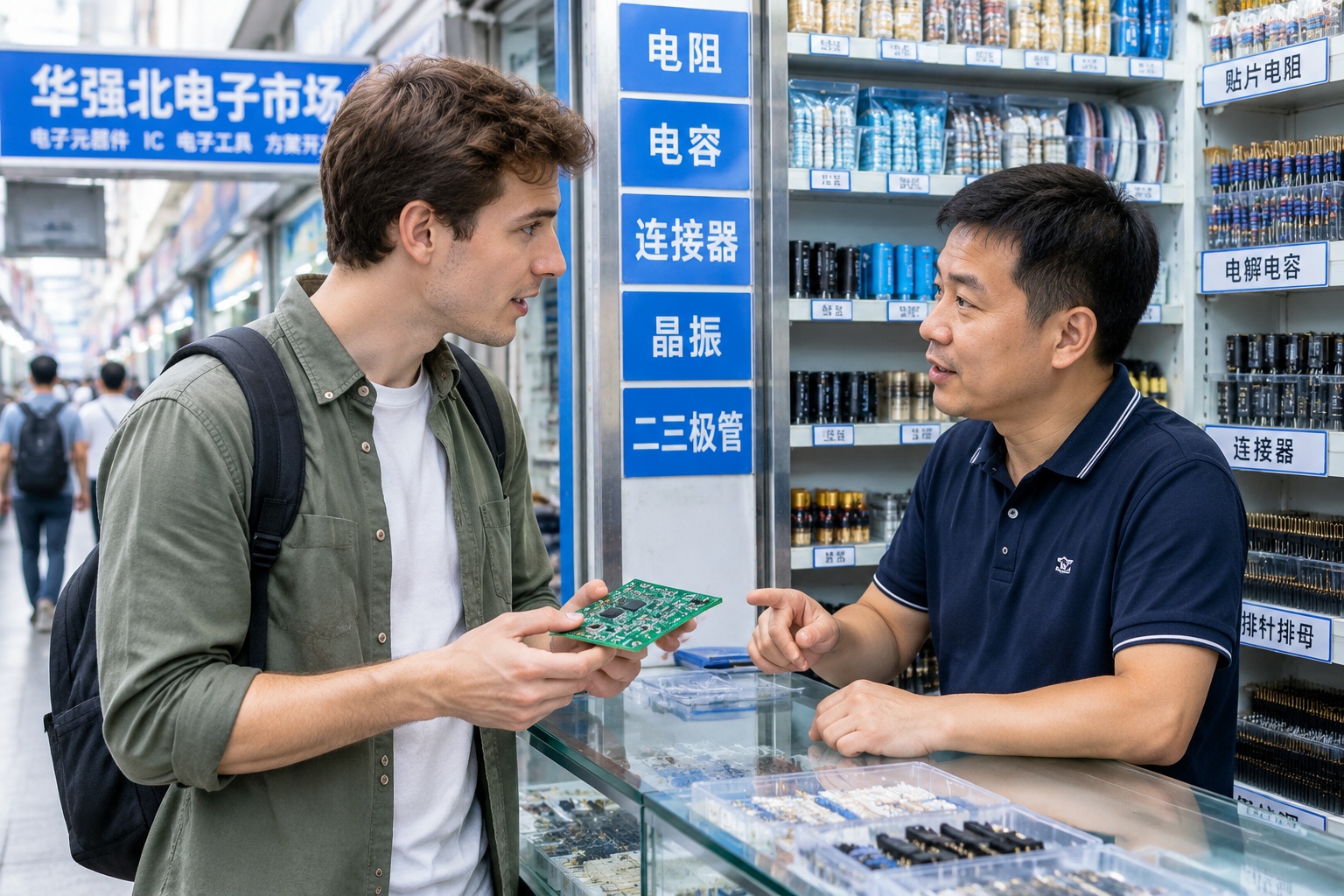
Over the past decade, Shenzhen has quietly become the world’s hardware prototyping lab. The city’s unique advantage isn’t low wages or even high tech—it’s density. The entire hardware supply chain, from components to assembly, sits within a 30-minute metro ride. When you walk through the streets of Huaqiangbei, you see what makes this possible: hundreds of stores, each a living inventory, each vendor an expert in their specialty.
The Evolution of Huaqiangbei
Huaqiangbei used to be a place where you’d find a rare chip by walking from stall to stall. That remains true, but the area has also become a business park for hardware. Today, you’ll see startups in nearby offices, accelerators like HAX, and prototyping services just around the corner. The physical market remains essential for small quantities and instant inspection.
Who Is This New Huaqiangbei For?
It’s for founders who want to move from idea to product in weeks. If you’re building an IoT gadget, a robotics accessory, or a specialized sensor, Shenzhen offers a fast lane. But even if you’re not planning to manufacture in China, understanding this ecosystem can give you an edge.
A Founder’s Step-by-Step Guide
Here’s a practical path I’ve seen many startups follow. You can adapt it based on your product.
1. Begin With Market Research
Before you book a flight, spend a day searching 1688.com and Taobao. Look for similar products and note the price points. This tells you what consumers expect. Once you’re in Shenzhen, wander through the markets and chat with vendors. They’re happy to share which products are moving fast.
2. Build a Basic Prototype
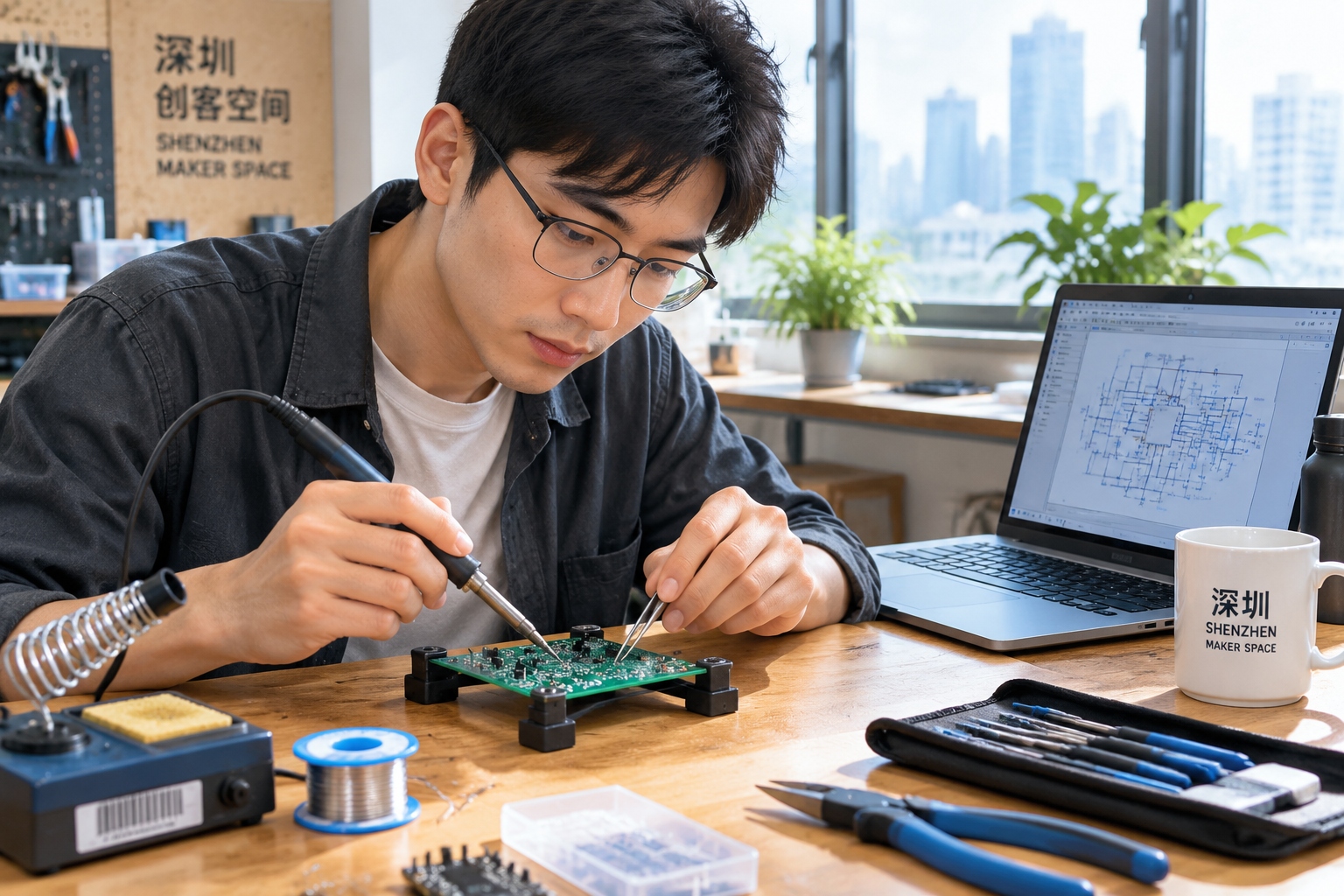
Start with development boards like ESP32 or Raspberry Pi. You can source these at the market or from online stores like Seeed Studio. Use 3D-printed enclosures from local print shops. For PCB fabrication, well-known services such as JLCPCB can give you a prototype in 48 hours. This speed is rare elsewhere in the world.
3. Source Components Strategically
The markets are organized: ICs, connectors, displays, and switches are on specific floors. Make a list and walk directly. For small volume, you can buy from stalls. For larger shipments, get quotes from distributors on the spot. Always test samples. Counterfeit parts do exist, but they’re less common in reputable stalls.
4. Choose the Right Factory Partner
Your factory is your long-term partner. Alibaba is a starting point, but many excellent factories aren’t online. Attend hardware meetups, ask other founders, and visit Shenzhen Open Innovation Lab. When you meet a factory, ask for their engineering team, not just sales. You need people who can solve technical problems.
5. Test, Certify, and Ship
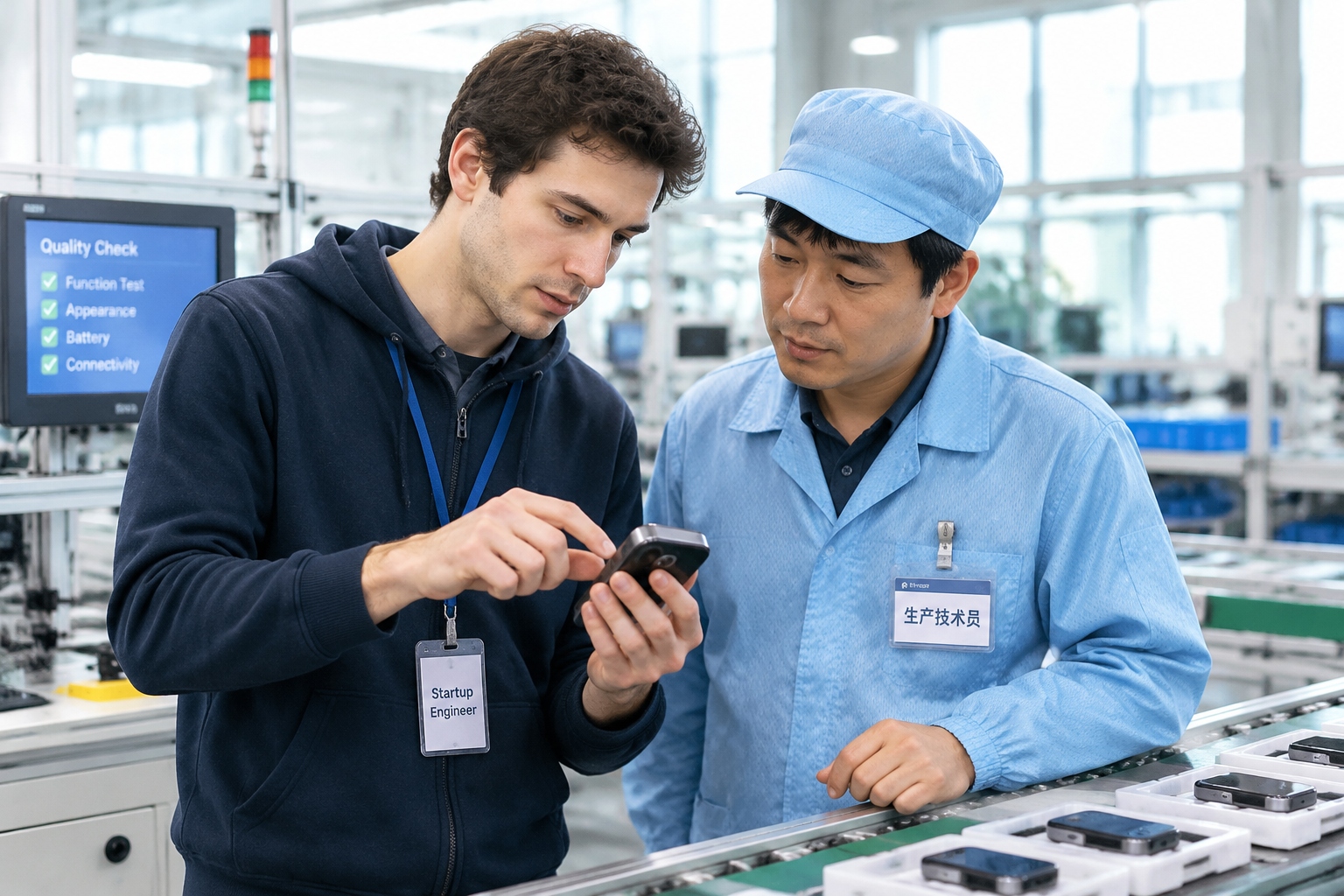
Once you have a final prototype, spend time on testing. In China, there are accredited laboratories that can issue quality certifications quickly. Work with them early so you can share costs and avoid delays. Good product safety is non-negotiable, and it opens doors to global distribution.
The Unwritten Rules of Chinese Manufacturing
After several years in Shenzhen, I’ve learned that the culture is as important as the hardware. These rules are what separates smooth collaborations from costly mistakes.
Rule 1: Relationships Are Everything
Chinese factories prefer long-term relationships over one-off deals. Treat your factory manager as a teammate. Share meals, ask about their lives, and attend their holiday celebrations. When your order hits a problem, this relationship pays off.
Rule 2: Clarity Over Complexity
Be extremely specific in your specifications. Use drawings, measurement units, and tolerance values. Don’t assume the factory knows what you mean by ‘logo size’—give exact dimensions. A clear spec is the best prevention for friction.
Rule 3: Master Payment Terms
Factories generally ask 30% deposit, 70% before shipping. That’s standard. For new partnerships, consider using Alibaba’s trade assurance or a third-party inspection service. As trust builds, you can negotiate better terms.
Rule 4: Expect the Unexpected
Supply chains flex, components get delayed, and deadlines slip. Build buffer time into your schedule. Smart founders keep a second source for critical parts. The city’s agility is your advantage, but only if you plan for it.
Founders’ Stories: What Really Happens in Shenzhen
Every founder has their own ‘Shenzhen story.’ I remember talking to Jason, who created a smart bike light. He admitted that Shenzhen gave him permission to iterate. ‘We made five versions in one month,’ he said. ‘The locals always push you to start making, not talking.’ Similarly, Anna, who makes wearable devices, appreciates the sense of community. ‘If you’re honest about your challenges, someone will introduce you to the right person. It’s a city that operates on shared success.’
Conclusion: Start Your Own Shenzhen Story
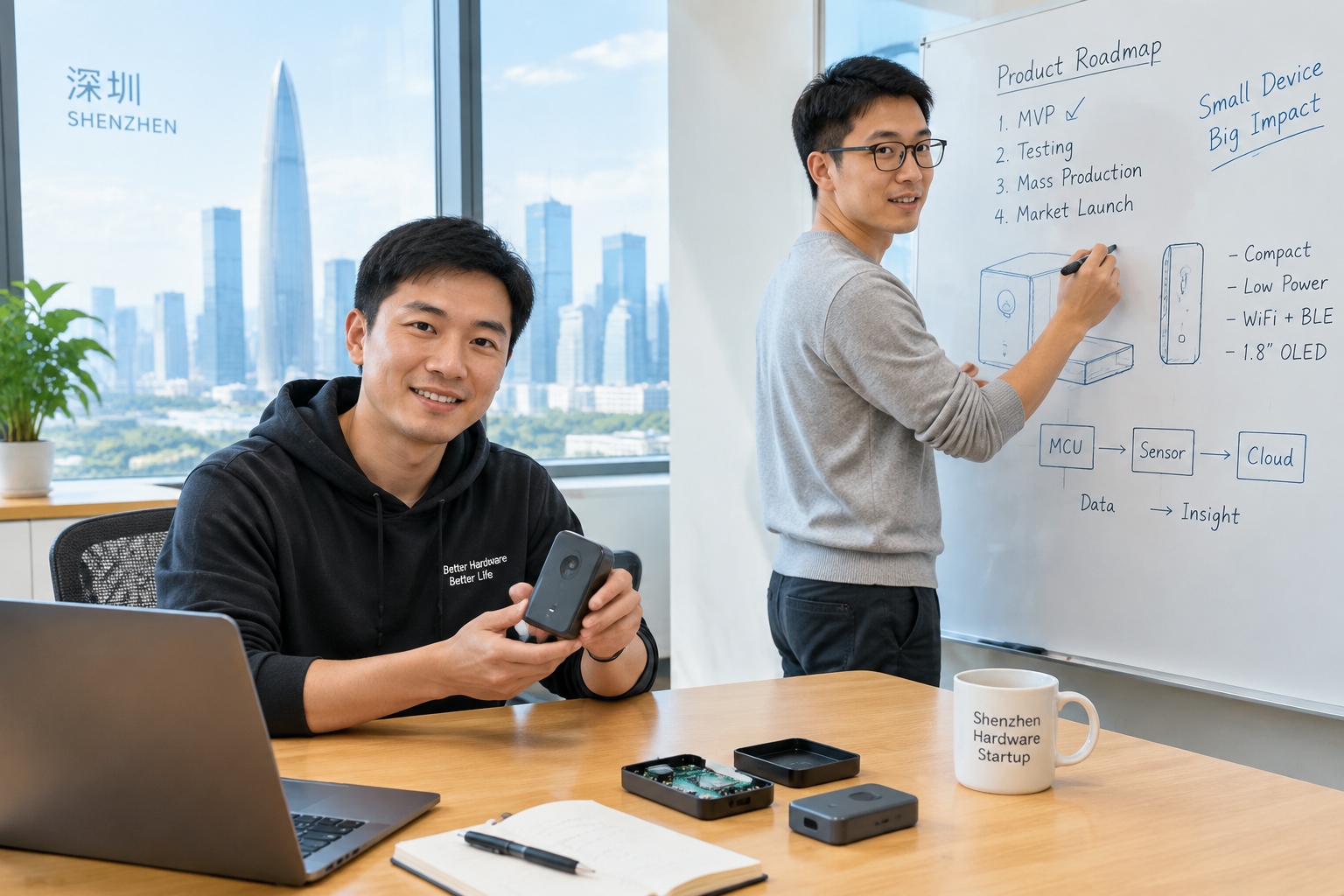
Huaqiangbei has grown far beyond its own streets. It has become an open-source workshop for the world’s hardware startups. The access is incredible, the pace is exhausting, and the potential is limitless.
If you’re serious about building a physical product, consider Shenzhen first. You don’t need to move here permanently—even a two-week trip can reshape your product map. The new Huaqiangbei is not a place you only buy from; it’s a place you build from. That’s the truth I want every maker to feel.
So start small. Ask a dealer about a chip. Sit at a factory desk and break down a production line. In Shenzhen, the next big product isn’t a secret—it’s waiting to be assembled.
Start the discussion at forum.chinacomes.com