
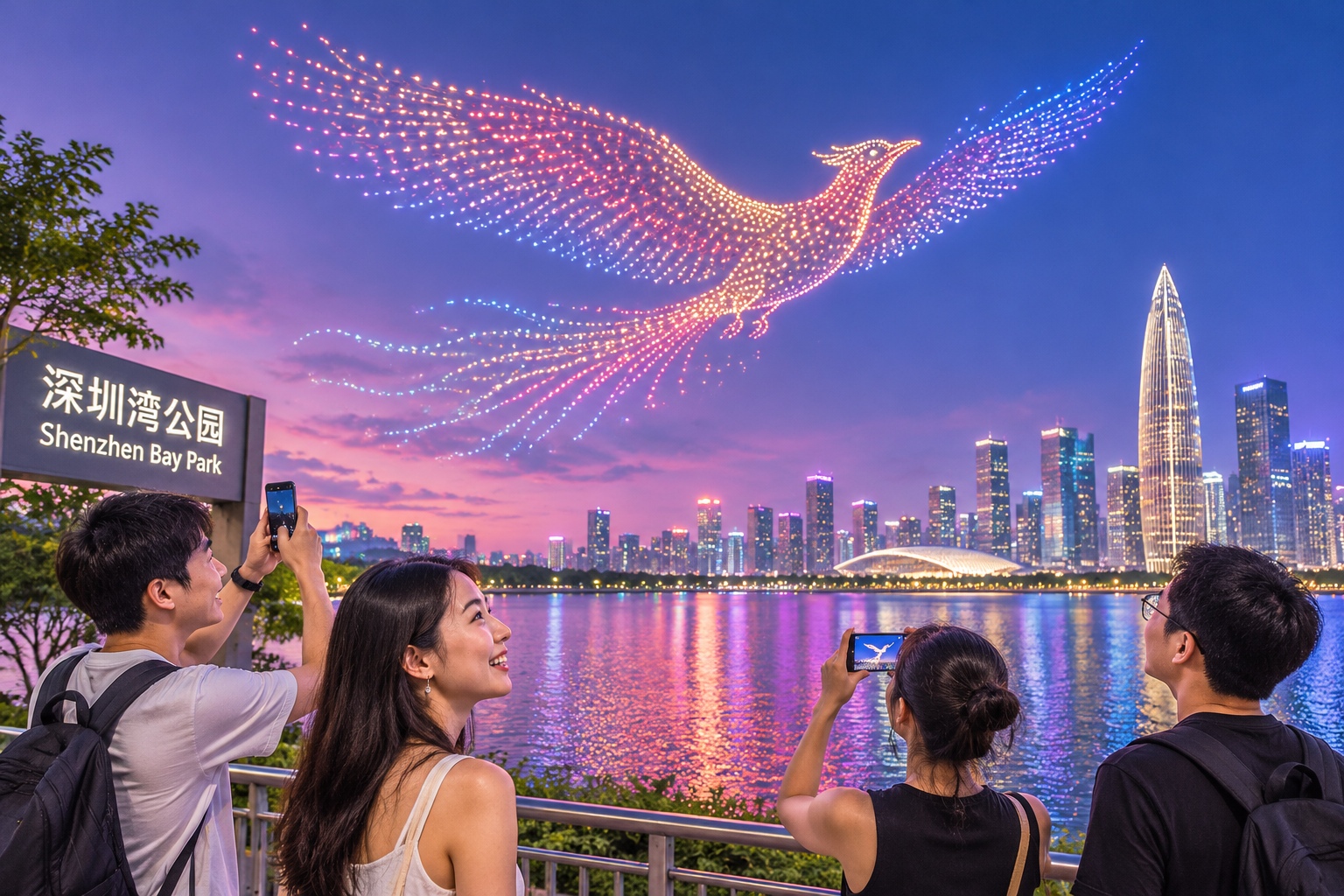

A Sunset Surprise at Shenzhen Bay
It was a clear evening in November. I stood on the boardwalk at Shenzhen Bay Park, watching a flock of birds settle on the mangrove trees. Then, hundreds of glowing drones rose silently from the water’s edge, forming a giant falcon that soared across the sky. The crowd gasped and pulled out their phones. This wasn’t a government show or a corporate gala—it was a routine promotional stunt by a local drone company, run by a 26-year-old founder who started in a shared apartment three years ago. Ten years ago, that same stretch of coastline was a construction site for factories churning out toys and cheap electronics. Today, it’s a public park where residents jog and watch flying robots choreograph light shows. That evening, I realized: Shenzhen has already made the leap from ‘Made in China’ to ‘Created in China.’
Why Shenzhen? The Data Behind the Shift
Shenzhen is often called China’s ‘Silicon Delta,’ and the numbers back it up. In 2023, the city filed more than 72,000 international patent applications under the Patent Cooperation Treaty (PCT)—about one-third of China’s total and more than many countries including Germany. The city is home to over 360 business incubators and 50,000 high-tech enterprises, including global giants like Huawei, Tencent, and DJI. What’s remarkable is not the scale but the pace: In 2010, Shenzhen was still the world’s factory floor for iPhones and sneakers. Now it’s the birthplace of consumer drones, electric vehicle batteries, and MRI machines. The transformation happened in less than a generation—and it can be seen everywhere, from the neon-lit towers of Nanshan Science Park to the cramped workshops in Huaqiangbei.
Inside a Drone Giant: DJI’s Flagship Store
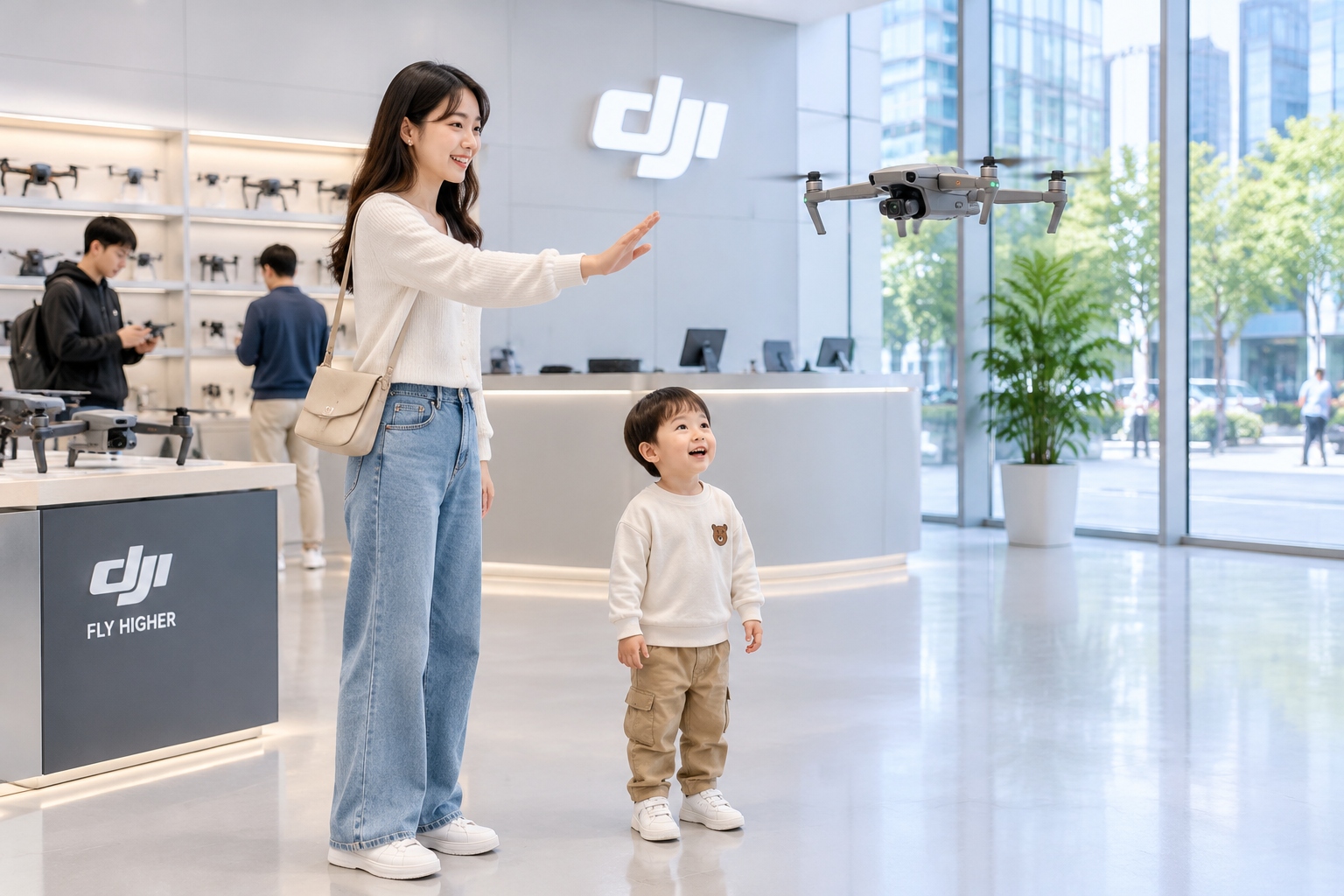
My first stop was DJI’s flagship store on Shennan Avenue. The glass-walled building felt more like an Apple store than a drone shop. A young woman was using a gesture-controlled camera drone to film her toddler in the test-flight area. ‘We bought this for family trips,’ she told me. ‘It’s so easy to use, my husband learned in five minutes.’ DJI, founded in 2006 by a Hong Kong University graduate who started in a dorm room, now commands over 70% of the global consumer drone market. The key, say engineers I spoke with, was not just hardware innovation but software integration—making complex flight algorithms accessible. The store also showcased agricultural drones that spray crops and industrial drones that inspect power lines. This is a company that creates products the world didn’t know it needed, then defines the category.
Electric Dreams: Driving a Shenzhen-Made EV
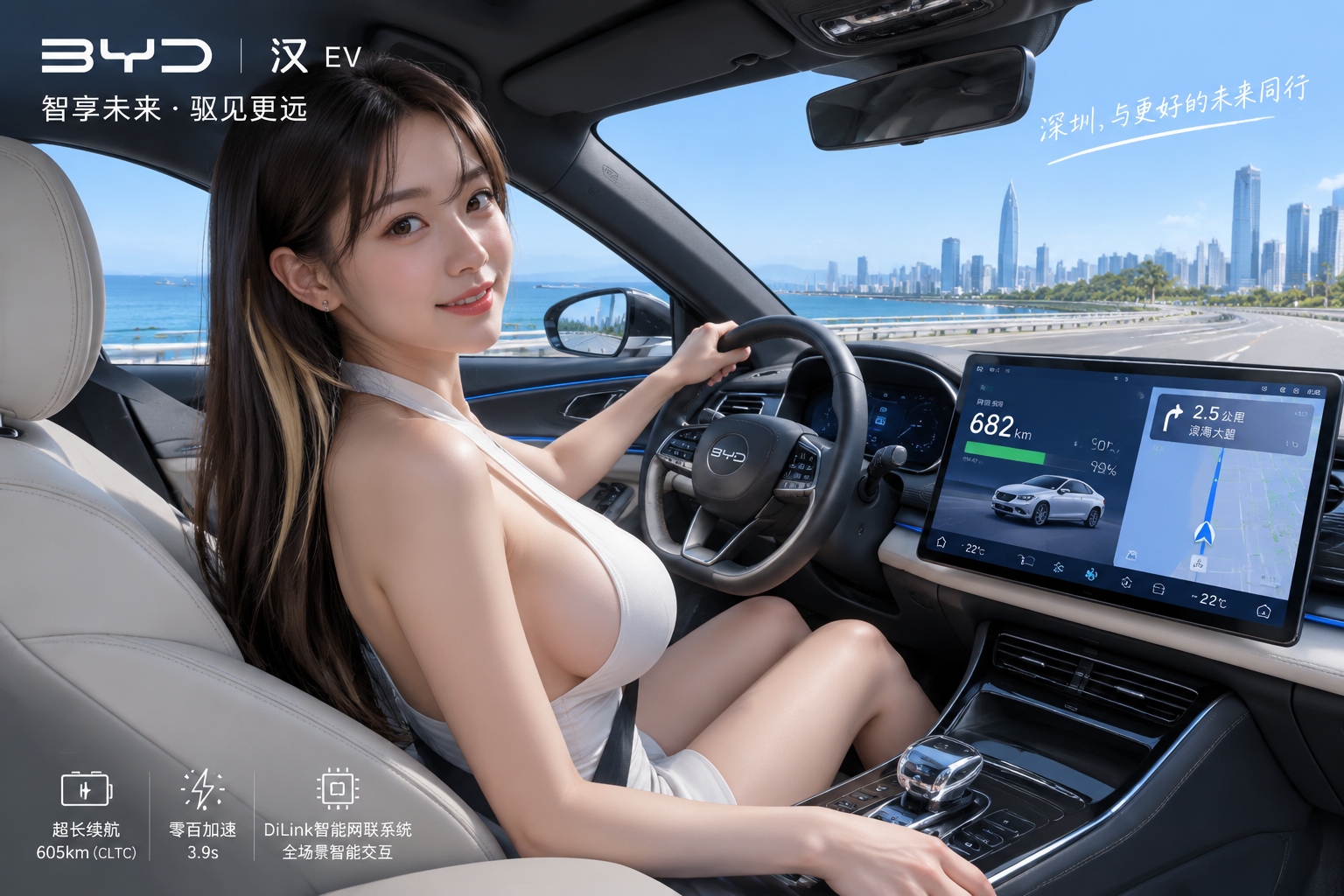
No trip to Shenzhen would be complete without experiencing its electric vehicles. I test-drove a BYD Han EV, a sleek sedan with a 0–60 mph time of 3.9 seconds. The car’s ‘blade battery’—a lithium iron phosphate design that BYD pioneered—has virtually eliminated thermal runaway risk, a major safety breakthrough. Shenzhen’s bus fleet has been 100% electric since 2017, thanks to a city-wide mandate and BYD’s manufacturing base. Today, one in every four new cars sold in Shenzhen is an EV, and the city boasts over 20,000 public charging stations. The impact is visible: the air quality index dropped from ‘moderate’ to ‘good’ on most days. As I drove along the coastal highway, the display showed the car’s battery status and nearby charging points, seamlessly connected through a local tech ecosystem.
From Copycat to Creative: Huaqiangbei’s New Face
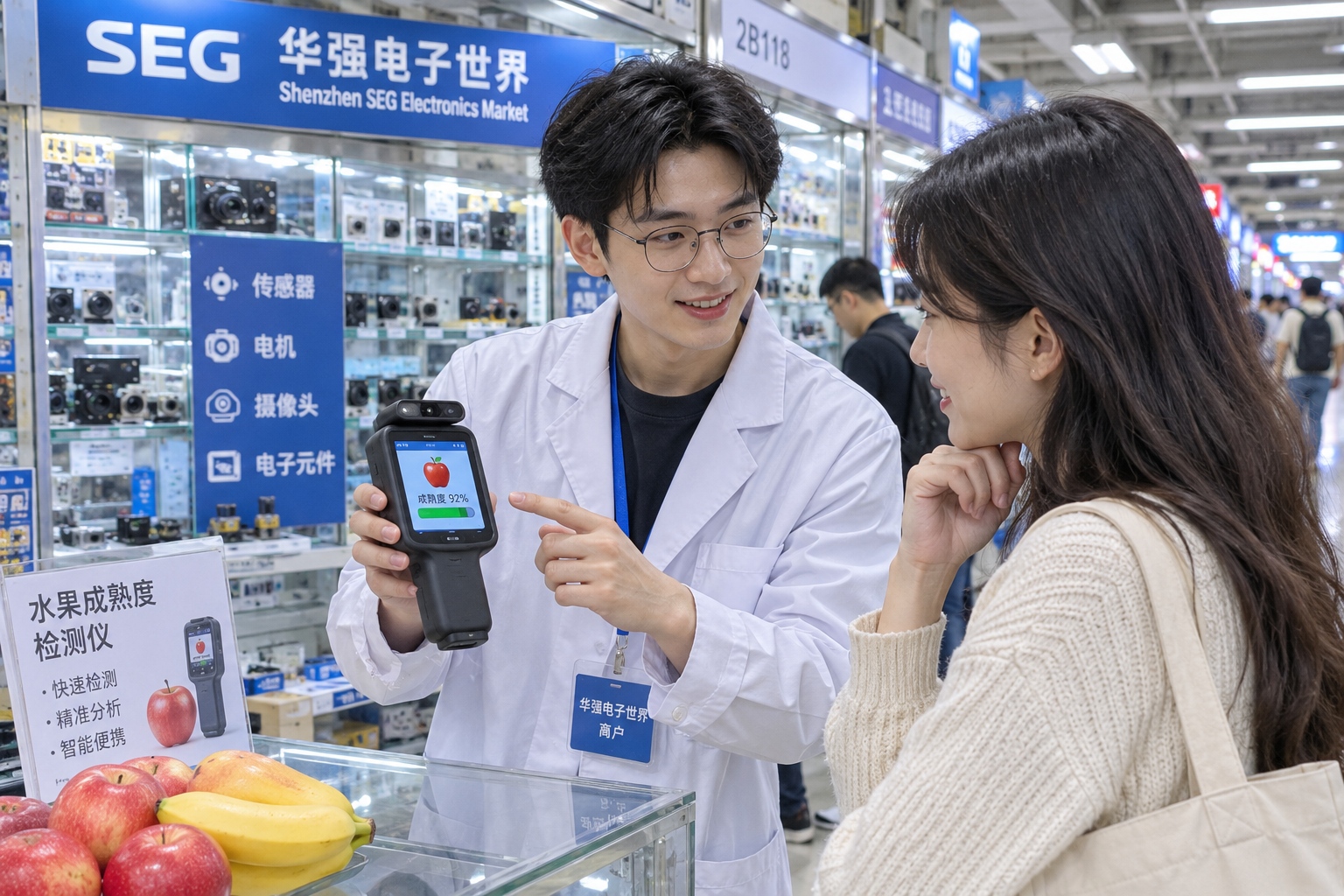
Huaqiangbei, once notorious for counterfeit iPhones and fake Gucci bags, has quietly reinvented itself. Inside the SEG Electronics Market, I found floor after floor of components—sensors, motors, camera modules—alongside small teams testing prototypes. A 24-year-old hardware engineer showed me a handheld device that scans fruit ripeness using spectroscopy. ‘I built the prototype here in two weeks using off-the-shelf parts,’ he said. ‘The market is now a launchpad for hardware startups.’ The transformation mirrors Shenzhen’s broader shift: from copying existing products to creating new ones. The city’s ‘Maker Movement’ has spawned global successes like the 3D printer brand Bambu Lab, which raised $150 million in venture capital in 2023.
What It Feels Like to Live in the Future
By the end of my trip, I understood what makes Shenzhen different. It’s not the patents or the unicorns—it’s the everyday reality. A street vendor sells skewers and accepts QR code payments from a foldable screen. A grandmother piloting a delivery drone from her phone to bring groceries to her fourth-floor apartment. A teenager learning to code at a free workshop in a mall. These are not people imagining a high-tech future; they are already living it. Shenzhen’s story is not just about one city. It’s a symbol of China’s broader shift from a manufacturing economy to an innovation-driven one. The world still talks about ‘Made in China,’ but any visitor to Shenzhen can see: the next century is being designed here.
— This article is based on the real observations of a tech blogger who visited Shenzhen in November 2024. All data is from publicly available sources as of 2024.
Start the discussion at forum.chinacomes.com