
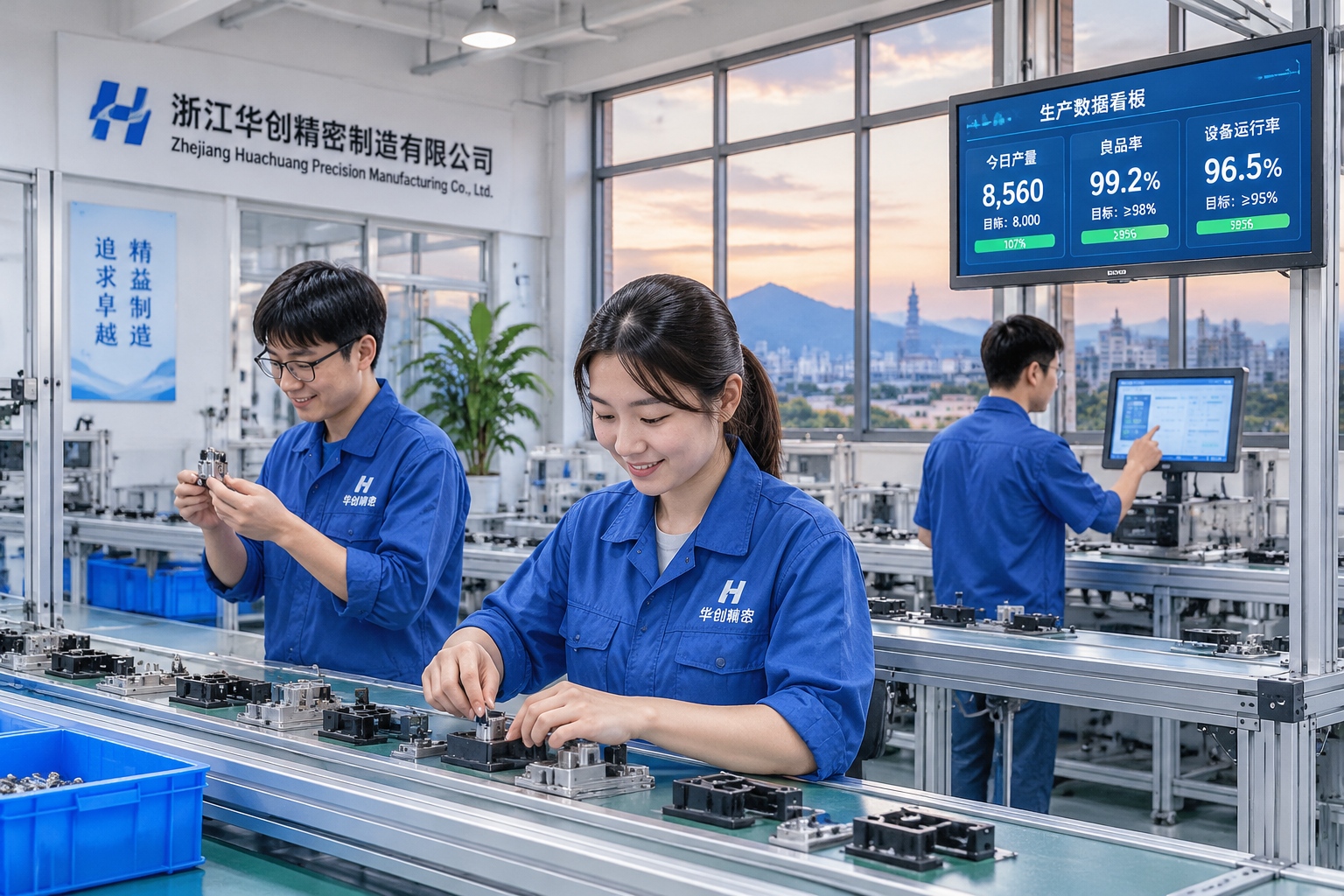

At 9 p.m., the Factory Is Still Alive
At 9 p.m., on the outskirts of Ningbo, Zhejiang, the lights are still on in a small factory. Owner Li Wei, 45, stands next to a robotic arm that gently places a metallic spring onto a testing rig. In the office behind him, a laptop screen shows a live map of orders from Europe and Southeast Asia. His company has just 85 employees, but the pneumatic springs it produces are found in office chairs from Berlin to Tokyo.
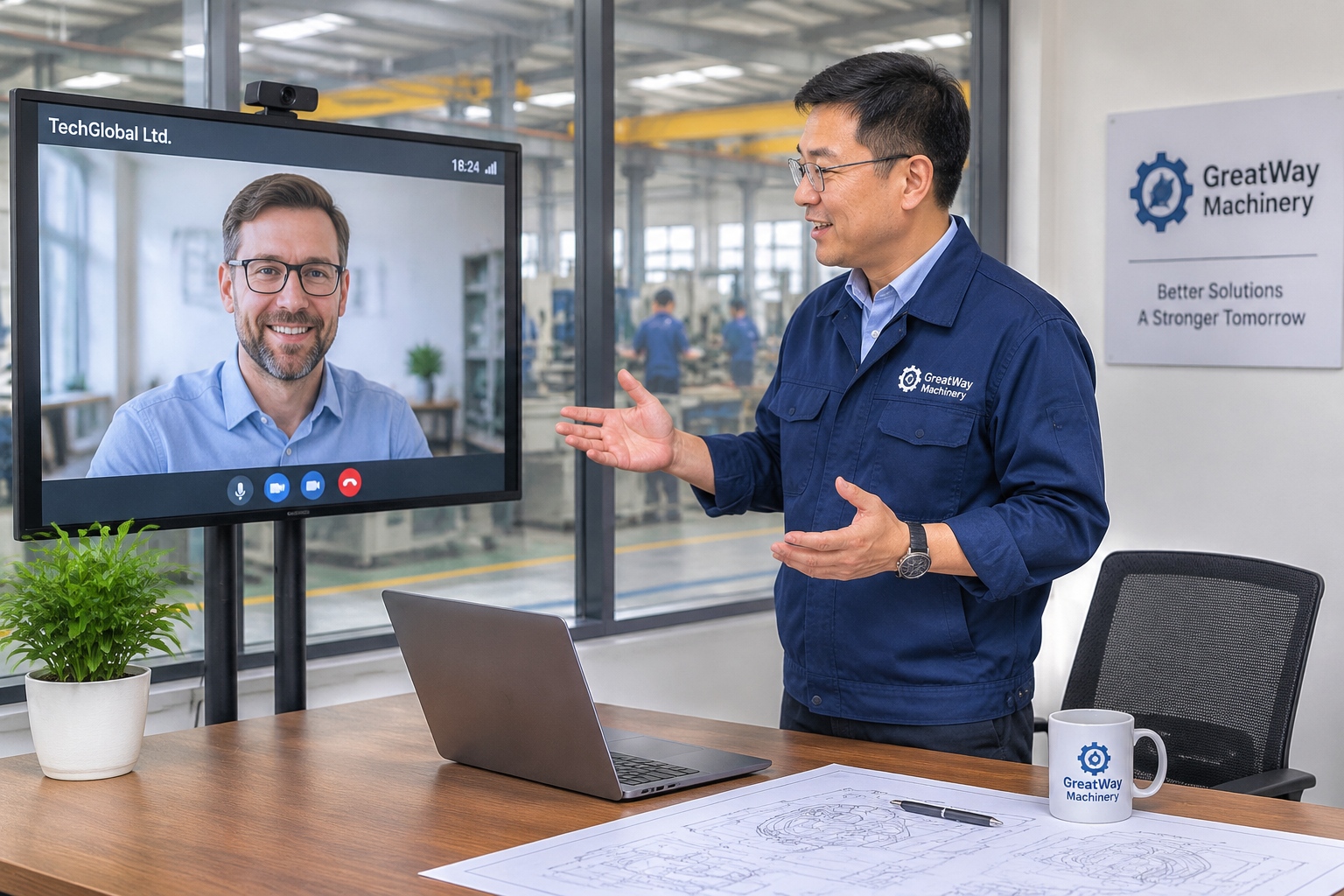
Li’s story is typical in Zhejiang, a coastal province in eastern China that has become a global testing ground for how small businesses can adapt, shrink the distance to customers, and grow without losing agility.
What Exactly Are “Ant Soldiers”?
For half a century, Zhejiang’s economy has looked different from the image of China’s massive state-owned steel mills. In this province, development has been carried by an army of tiny private workshops: family-run plastic-moulding shops, hardware factories, textile stalls, and packing stations. More than 99% of all registered companies in Zhejiang are small and medium-sized enterprises (SMEs). Local economists affectionately call them “ant soldiers” — small on their own, powerful when they move together.
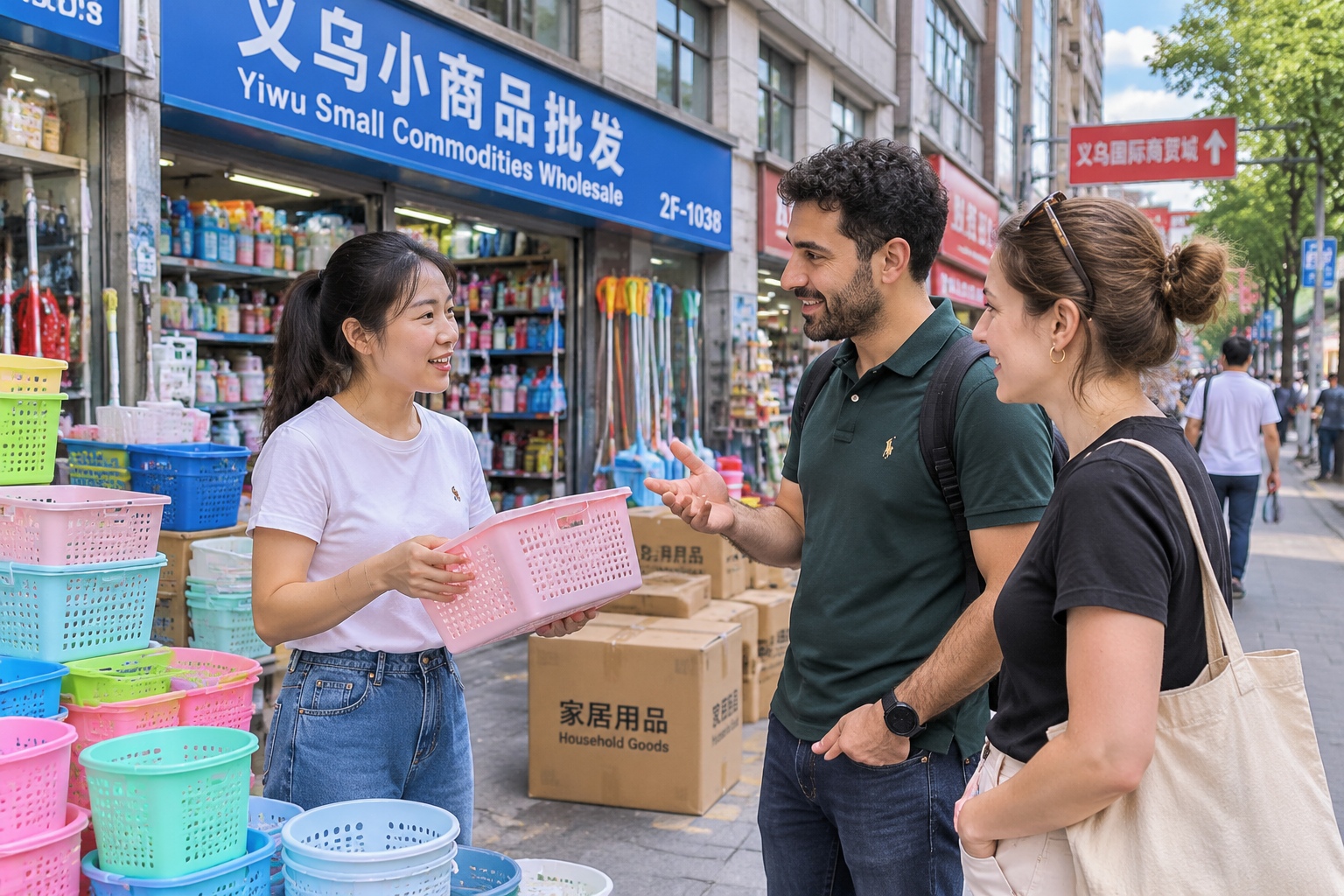
The regional pattern is one of “block economies” (块状经济). In Wenzhou, a city of shoemakers, thousands of small firms together produce roughly one in every ten pairs of shoes sold globally. In Yiwu, a two-hour drive away, the world’s largest wholesale market spreads across an area of 5.5 million square meters, selling trinkets, tools, and packaging materials by the truckload. Nearby Shengzhou produces more neckties than almost any other place. These are not lonely start-ups; they are members of dense local networks.
From Ant to “Little Giant”: A Deeper Look
In 2011, China’s Ministry of Industry and Information Technology launched a national program to identify and support SMEs that are “specialized, refined, distinctive, and innovative.” The phrase is abbreviated as “little giants” (小巨人). These “little giants” are companies that dominate a very specialized market segment — often abroad — and hold their own intellectual property. Zhejiang now has more than 1,000 national-level “little giants” and many more provincial-level ones.
One such company is a Ningbo electronics firm that makes sensors for elevators. It started as a family workshop repairing radios in the 1990s. Today it exports to 40 countries and holds over 200 patents. But that shift was not automatic.
What Actually Changed
Walk through Zhejiang’s industrial districts today and you see a different scene from the 2000s. The old shaking workshops that spat out low-end goods now share the street with quiet laboratories and automated lines. One obvious driver is cost. Rising wages, stricter environmental rules, and cheaper competition from Vietnam and India forced small firms to climb the value ladder.
The digital revolution came next. Many Zhejiang SMEs joined cross-border e-commerce platforms like Alibaba’s AliExpress, using them to reach customers directly instead of going through decades-old trading middlemen. Li Wei, the spring maker, tells me that before 2017, 90% of his orders came from importers in Hong Kong or agents in Hamburg. Now he chats with end-customers on video calls, customizes specs with them, and ships small batches by air freight.
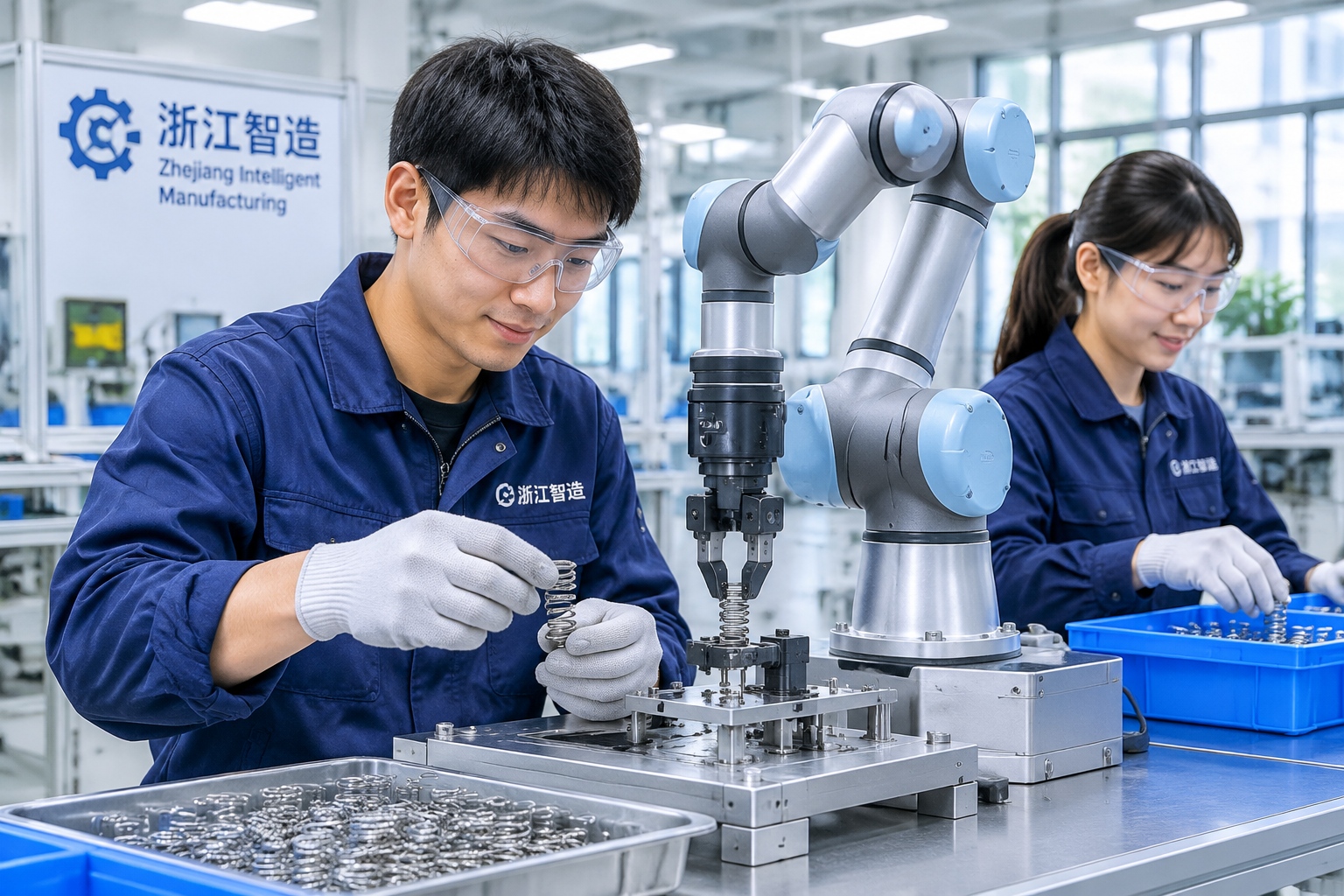
Technology is not just for marketing. In workshops that once relied on manual screwdrivers, collaborative robots now handle repetitive tasks. “We had to spend on automation because we simply can’t find enough young workers,” says Li, echoing a common headache. Small firms that balanced cost and precision became “little giants.” The ones that failed were often those that stayed the same.
The Younger Hands Taking Over
Walk around any industrial street in Zhejiang and you will meet the children of the original founders, known in China as “founder’s second generation.” Many studied abroad or moved to Hangzhou or Shanghai to work in internet companies, then returned to drag their families’ factories into the 21st century.
One former e-commerce manager in Haining, a town famous for leather coats, convinced his parents to start selling uncoated leather jackets directly to overseas buyers. He redesigned the supply chain so that a small order of 50 jackets can be delivered within two weeks. “My father thought the minimum order should be 3,000,” he laughed. “Now we have no minimum.”
The Hidden Rules of the Zhejiang Playbook
What can non-Chinese business people, and even curious travelers, learn from this “Zhejiang method”? Here are four things that are constantly visible on the ground.
- Cluster mentality – No one company does everything. Firms share suppliers, technical know-how, and commercial relationships. If you plan to do business in China, a whole town might be your supply chain.
- Small is a feature, not a bug. Rather than rushing to become multi-national corporations, many “little giants” intentionally stay small, building deep expertise and long-term customer relationships. They often have very few clients, but very happy ones.
- Speed over perfection. Zhejiang factories are famous for fast prototyping. A client shows a sketch; they can make a working sample overnight. This agility is rooted in intense local competition.
- Trust and reputation travel fast. In an environment where family ties and hometown networks matter, a bad delivery order can destroy a small firm. Long-term trust keeps clusters running.
The Real Texture of Zhejiang Business
Not everything is glowing. Zhejiang SMEs still struggle with rising raw-material costs, trade barriers, and the difficult shift to sustainable production. Many small firms talk about margin pressure; a recent survey of SME owners found that more than half expect the next two years to be harder. “Back in the 90s you could make money if you had guts. Now you need brains, savings, and a bit of luck,” one Wenzhou hardware maker told me.
There’s also a generational gap. Some of the “second-generation” entrepreneurs are not willing to take over their parents’ factories. The number of registered female SME owners, however, has grown sharply, especially in e-commerce, showing that the ecosystem is diversifying.
But when you drive through Zhejiang at night, past the industrial parks with their illuminated factory signs, it is hard not to be moved by the sheer weight of ordinary human effort. These are companies started by farmers, street vendors, and mechanics. They are not the corporate titans of Beijing and Shanghai. They are the invisible force that makes the world’s office chairs, shoes, sensors, and luggage function — one small factory at a time.
Conclusion
Zhejiang’s journey from “ant soldiers” to “little giants” is not a story about heroic solo founders. It is a story about collective entrepreneurship, where reputation moves through the same street, where a new machine is installed in one corner and within weeks every competitor knows about it. It’s this dense, messy, and deeply human market that has made Zhejiang one of China’s most quietly powerful provinces.
So next time you sit down in an office chair, check where the spring is made. It may come from a small factory in Ningbo, whose owner stayed up late to send it to you.
Start the discussion at forum.chinacomes.com