

Introduction
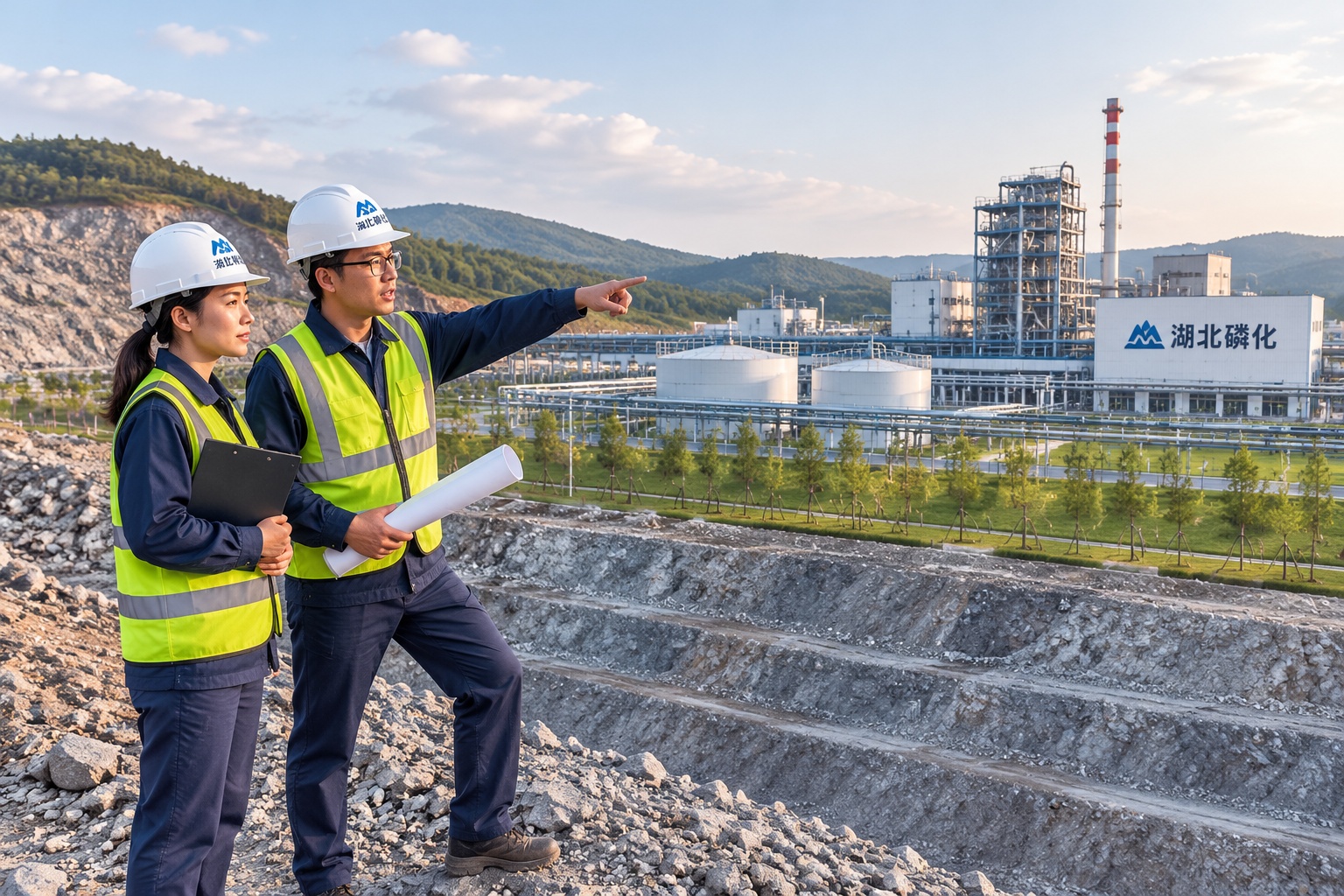
Yichang, a city on the Yangtze River in central China’s Hubei province, used to have a problem that was impossible to ignore. On windy days, a fine white dust from the hillside phosphate mines would blow through the streets, coating windowsills and car roofs. For decades, this dust was the price locals paid for a booming industry. Now the dust is less noticeable, but a bigger environmental challenge has moved into the spotlight: how to deal with the mountains of by-product waste that phosphate chemistry leaves behind.
Why Hubei’s phosphate matters
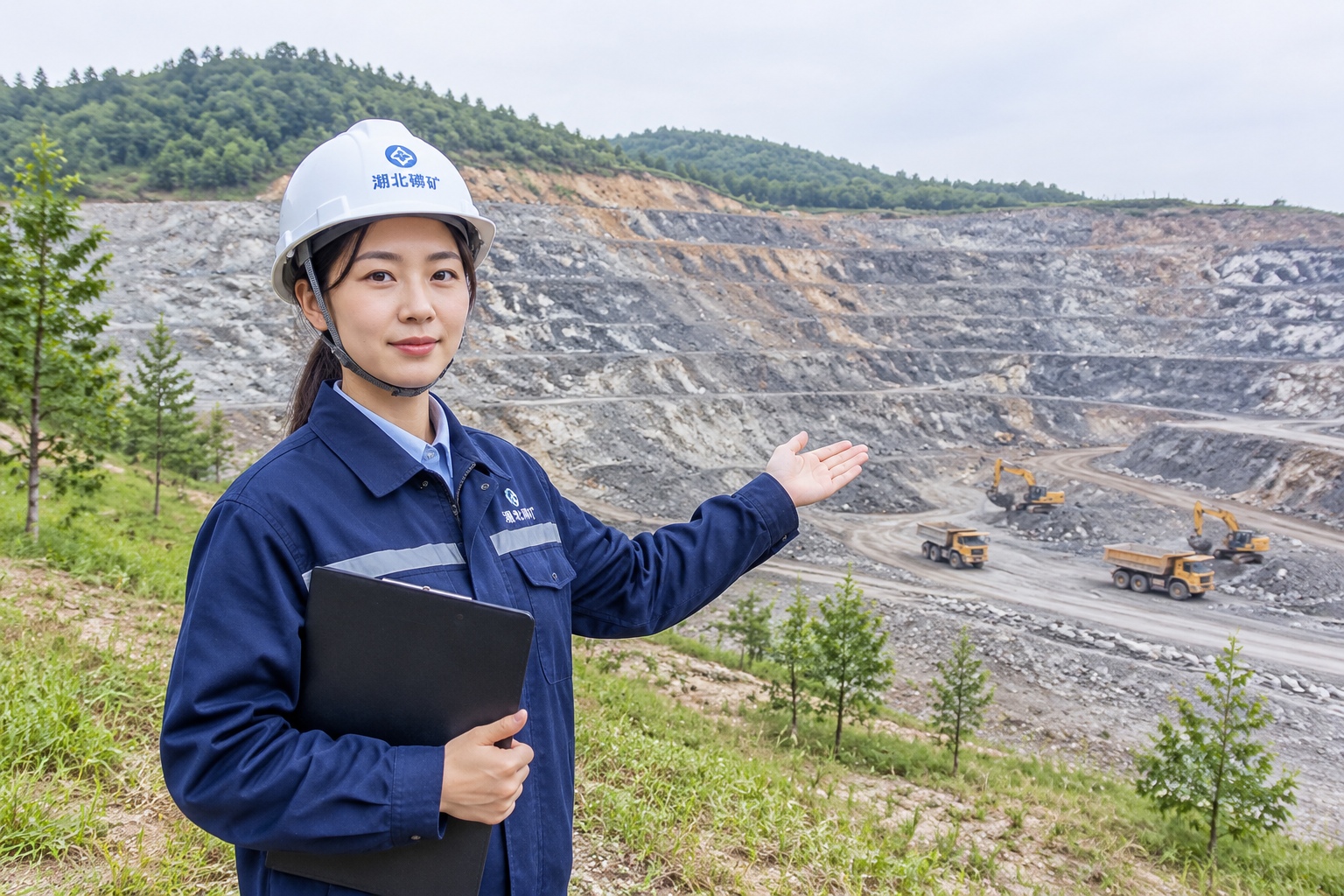
Hubei holds roughly one-third of China’s phosphate rock reserves, making it a cornerstone of the country’s fertilizer and chemical sector. Phosphate is essential for growing crops, and in recent years it has also found a new role in lithium iron phosphate batteries, which power many electric vehicles. The province’s chemical plants produce large volumes of phosphate fertilizer, yellow phosphorus, and phosphoric acid, supporting a supply chain that feeds farmers across Asia and beyond. In short, the region’s economy is deeply tied to this mineral.
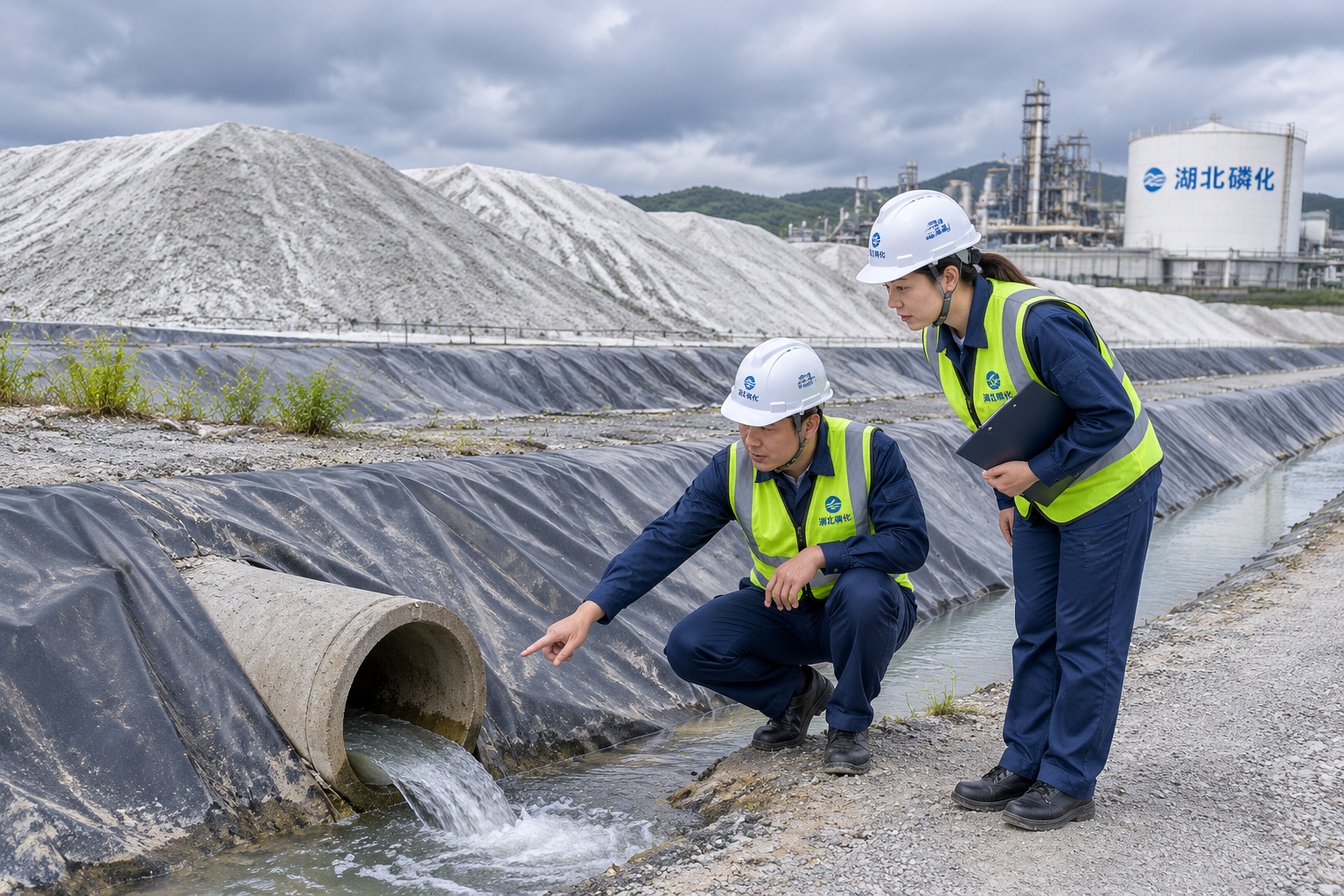
But that has come at a cost. Traditional phosphate processing produces a bulky by-product called phosphogypsum. For every tonne of phosphoric acid, roughly four to five tonnes of phosphogypsum are left behind. In Hubei, the accumulated stockpile is estimated at over 300 million tonnes. These grey-white mounds occupy valuable land and can leach heavy metals and acidic water into nearby rivers, especially along the Yangtze’s tributaries. Locals near mining areas know the taste of poor water and the sight of barren slag heaps.
The dark side: mountains of waste
For a long time, phosphogypsum was simply piled up. It was considered harmless waste, but as the piles grew taller, so did public concern. There have been leaks and collapses, and residents living downstream have complained about skin rashes and contaminated drinking water. The government has acknowledged that many of these historic dumps are now urgent cleanup targets.
Turning point: making waste into walls
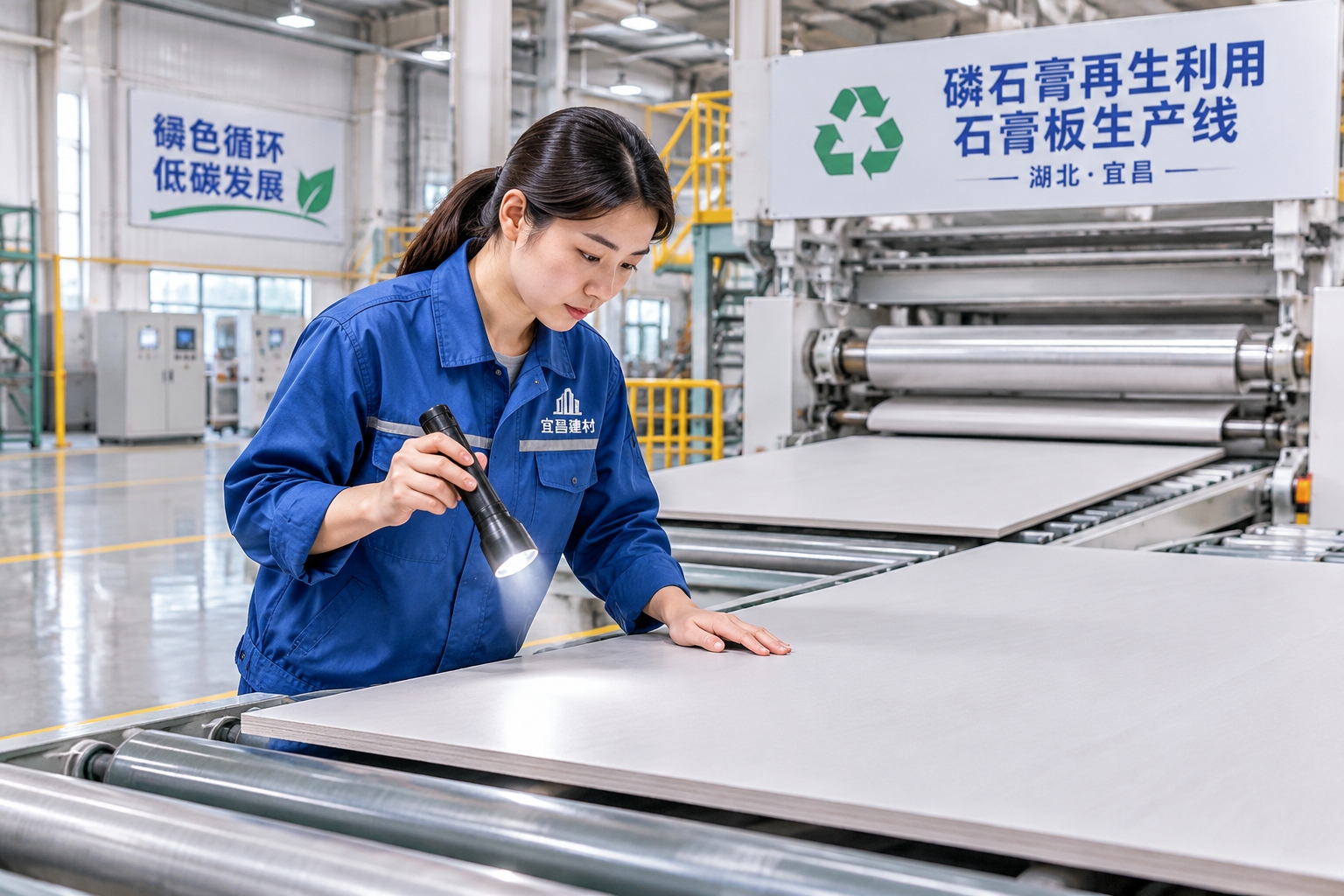
In the past few years, Hubei has started to change the equation. The provincial government introduced an unusual rule: companies must match their phosphoric acid output with the capacity to utilize the phosphogypsum they generate. This “production based on utilization” policy forces every new tonne of acid to come with a plan to reuse the waste. As a result, companies have invested in plants that convert phosphogypsum into plasterboard, cement additives, and materials for roadbeds. A facility in Yichang, for example, now turns hundreds of thousands of tonnes of phosphogypsum each year into drywall panels used in residential construction. Other firms are exploring ways to extract rare earth elements from the waste.
Water treatment has also improved. Some chemical plants now run closed-loop systems that recycle nearly all their processing water. In an industrial park outside Yichang, an official pointed out a small artificial pond stocked with fish: “The water that used to kill fish is now clean enough for them to live in,” he said.
Still in the shadow: cost, technology, and laggards
Yet the transition is far from complete. Building phosphogypsum recycling lines costs millions of dollars, a huge burden for smaller firms. The market for recycled gypsum products is still limited by price and consumer preference. And the historic stockpiles—some of them 20 years old—will take decades to clear. Environmental monitors have noted that while new waste is increasingly processed, older sites continue to leak. There is also a mismatch between where the waste is stored and where it can be used, adding logistics costs.
Hubei’s provincial plan calls for raising the comprehensive utilization rate of phosphogypsum to around 50% by 2025, up from about 20% a few years ago. That is an ambitious target, and the fact that it is being tracked publicly is itself a sign of how seriously the issue is now treated. The Yangtze River Protection Law, which took effect in 2021, also strictly limits new waste sites in the river basin, adding legal teeth to the cleanup effort.
The bigger picture: a resource economy in transition
Hubei’s phosphate story is not an isolated case. It reflects a broader shift in China’s resource-heavy provinces, where the appetite for growth is being tempered by environmental red lines. The old path of “take the ore, leave the mess” is no longer acceptable, but the new path is still being built. Cost, know-how, and inertia remain real obstacles. What makes Hubei interesting is the explicit linkage between production and waste treatment, a policy experiment that goes beyond simply promising to be greener.
For locals like Chen Guoquan, a farmer who watched his well water turn bitter, the change feels slow but real. “They used to say the dust was good for business. Now they’re making walls from that old dust,” he said, smiling cautiously. “We’ll see if that’s enough.”
The light of phosphate is still strong—it feeds people and powers vehicles. But its shadow is no longer being ignored. In Hubei, the struggle to separate the two has become part of everyday life.
Start the discussion at forum.chinacomes.com