


A Morning Squeeze on the Metro
At 7:40 a.m., Xiao Lin is already wedged into a Metro Line 2 train, his lean frame swaying with the motion of the carriage. He’s wearing a white shirt, a dark suit jacket, and carrying a laptop bag that weighs about five kilograms. Around him, other young professionals do the same—staring at their phones, mostly checking overseas stock markets or WeChat messages from their teams. The train is heading east across the Huangpu River, toward Lujiazui, Shanghai’s financial district.
For Xiao Lin, 27, this commute takes about an hour from his apartment in Pudong’s outer suburbs. When he arrives at Lujiazui station, he’ll take the escalator up into a world of glass-and-steel skyscrapers—home to over 4,000 financial institutions, from commercial banks to brokerages to asset management firms. It feels like entering an anthill, but an extremely orderly and expensive one.

What Is a “Financial Migrant Worker”?
“金融民工” (jīnróng míngōng)—literally “financial migrant worker”—is a term Xiao Lin uses without bitterness. It’s a self-deprecating joke among young employees in China’s finance industry, mocking their own working conditions: long hours, constant deadlines, and salaries that often don’t match the glitzy image of the sector. “We call ourselves that because we’re just as tired as construction workers, except we wear better clothes,” he says with a dry laugh.
In China’s public imagination, finance is a golden industry—high pay, fast career growth, and proximity to the big money flowing through the economy. But the reality is more layered. Entry-level analysts and associates often work 80-hour weeks, especially in brokerage firms, fund houses, and investment banks. They crunch numbers, write reports, and answer to bosses who may not sleep much either.
Inside the Office: From Market Open to Lunch
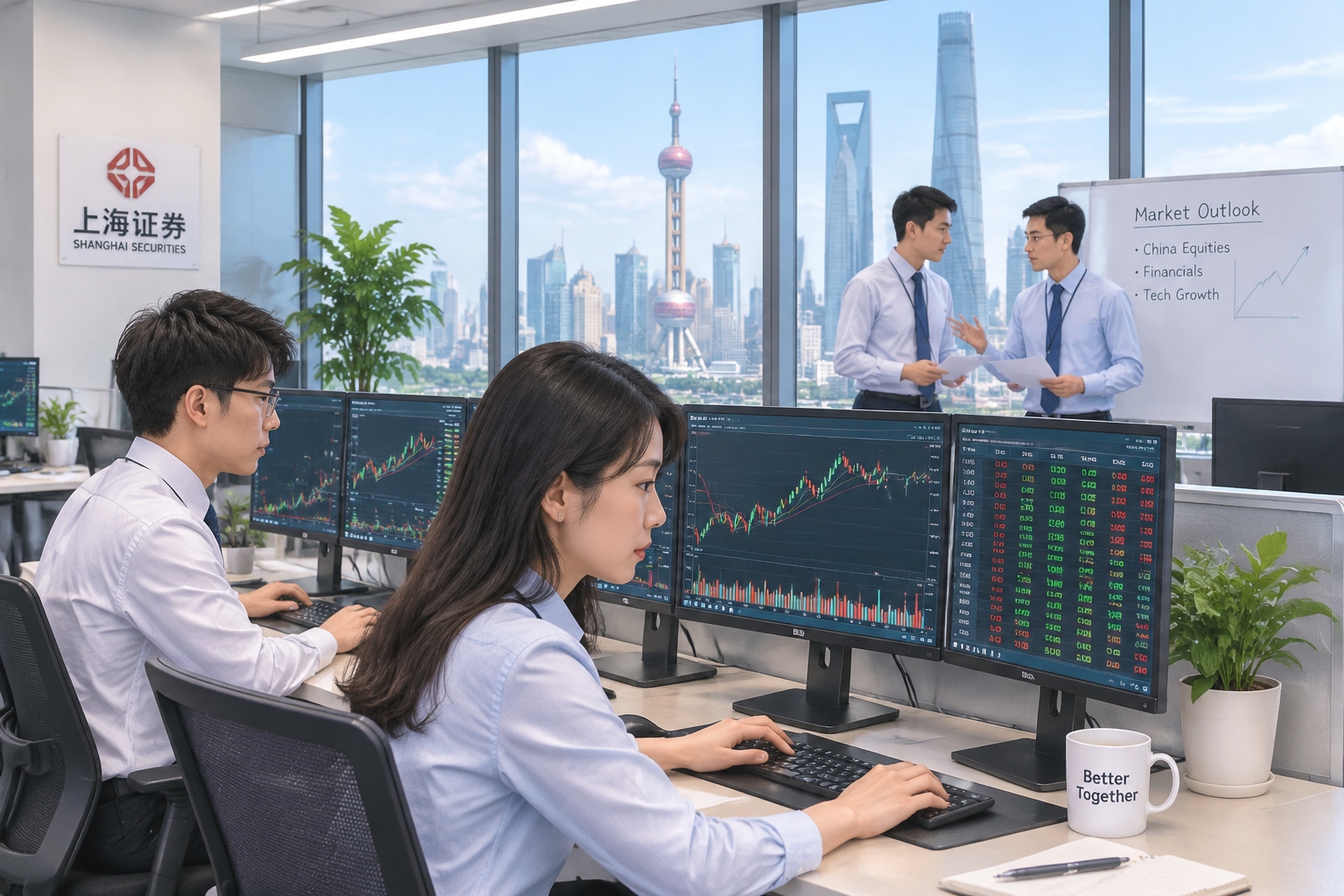
By 8:30 a.m., Xiao Lin is at his desk on the 32nd floor of a tower facing the Huangpu River. The office is an open-plan grid of desks, each holding two or three monitors displaying real-time charts, financial news, and internal messaging systems. His first task is to scan the overnight markets and send a quick update to his team’s WeChat group. He’s an analyst at a mid-sized asset management company, and his job involves tracking Chinese equities and writing research notes.
At 9:30 a.m., when the Shanghai Stock Exchange opens, the phone lines and chat windows light up. There’s a morning meeting at 10:00, where the investment team reviews their positions and discusses the day’s news. Xiao Lin has to present a quick summary of a tech stock he’s been monitoring for the past two weeks. He feels the usual morning knot in his stomach—not fear, but adrenaline. He speaks for five minutes, answers a few questions, and then returns to his desk to continue building a financial model.
Lunch is a quick affair. Many people in Lujiazui skip proper meals, grabbing a bento box from the FamilyMart convenience store in the building’s basement, or ordering a cold noodle bowl from a nearby delivery kitchen. Xiao Lin used to go out with colleagues to a sit-down restaurant, but the company’s cost control and his own workload have turned lunch into a five-minute fuel stop. At 12:15, he’s back in front of his screen, carrying a cup of coffee from the lobby coffee shop.
Afternoon Chaos and Endless Reports
The afternoon is a blur of client calls and report edits. At 2:00, he joins a phone meeting with a fund manager in Shenzhen to answer questions about a recent drop in a logistics stock. He doesn’t have all the answers, so he promises to follow up with a written analysis by the end of the day. That means he’ll have to work overtime.
One of the biggest challenges, he says, is managing the constant flow of information. “You’re always afraid of missing something important—a regulatory change, a quarterly report, a sudden move in asset prices. It’s like drinking water from a fire hose.”
At 5 p.m., his boss sends him a revised version of a pitch deck that needs to be polished before tomorrow’s meeting. “Can you take a look at the numbers and make them more visual? Thanks,” the message reads. Xiao Lin sighs and opens the file. He knows this will push him past 9 p.m., maybe later.
Late Nights in the Neon Glow
By 6 p.m., the office is still at two-thirds capacity. The cleaners have started passing by with trash bags, and the air smells faintly of leftover takeout boxes. Xiao Lin finishes the pitch deck’s charts, then spends an hour on the logistics stock report. He sends it to his boss at 8:47 p.m. with a note: “Let me know if you need any changes.”
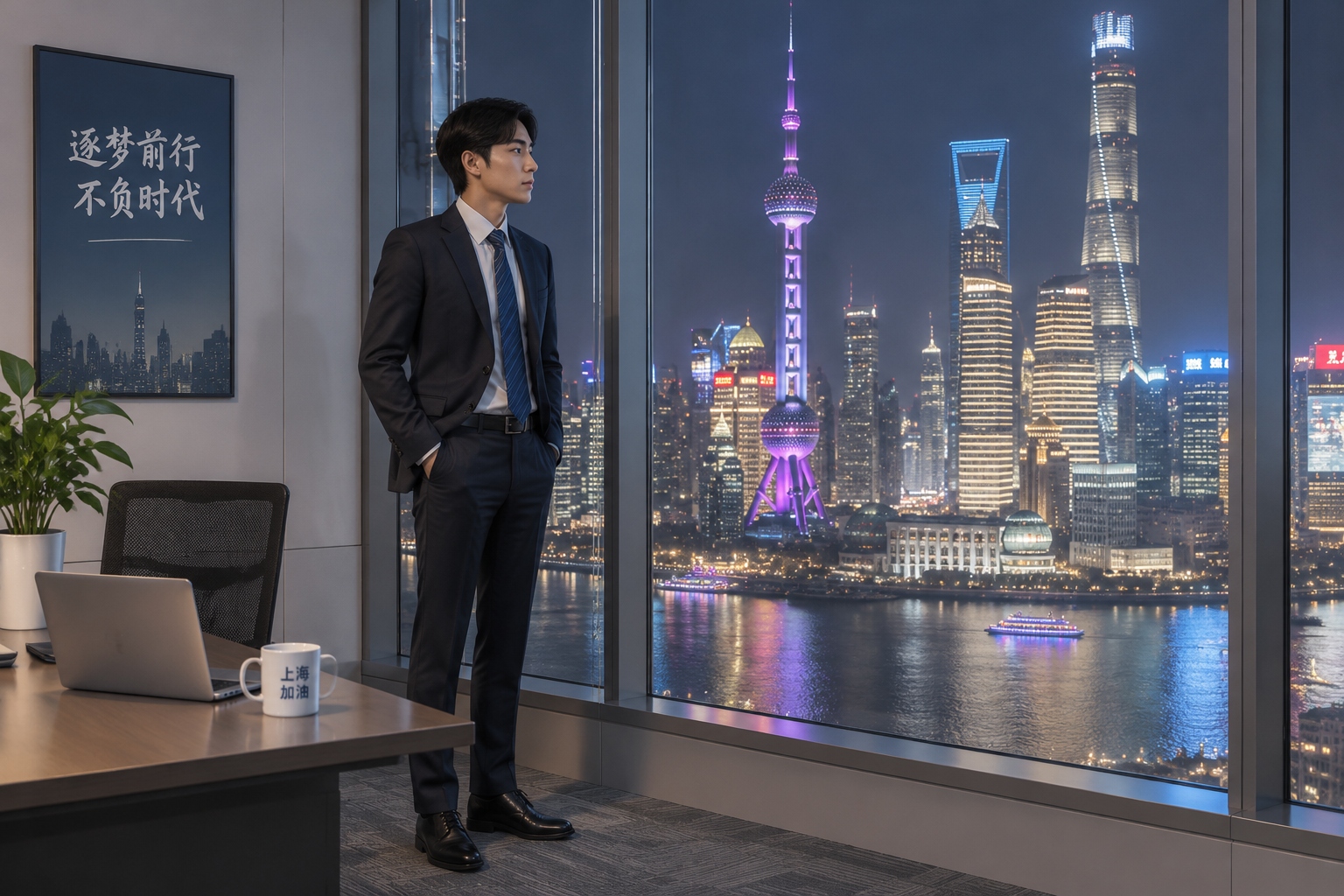
He stays until 9:30 because his boss’s reply comes at 9:15 with a few minor adjustments. After making the edits, he finally closes his laptop. The sky outside is dark, but the skyscrapers around him are lit up like vertical cities, each floor glowing with the light of a hundred late-working screens.
He chooses to walk to the metro station instead of taking a taxi. The night air feels good after a day in air conditioning. He checks his phone: 10 new unread messages, two from his mother, one from a friend asking if he can meet this weekend. He knows the answer will be a careful “maybe”.
Counting the Cost
Xiao Lin lives in a shared apartment about half an hour away by metro, in a quieter part of Pudong. He rents a room that costs about 3,500 yuan (around $480) per month—a significant chunk of his 12,000 yuan monthly salary, but still cheaper than living in the heart of Lujiazui, where rent for a studio can easily hit 10,000 yuan or more.
Like many of his peers, he’s not making millions. In fact, after taxes and social insurance, his take-home pay is around 9,000 yuan. He saves a little, spends some on eating out and clothes, and occasionally tells himself he’s lucky to have this job in a tough market. But he also knows that some of his college classmates in tech or consulting work fewer hours and earn more. “It’s not all about money,” he says. “I do learn a lot here. But I also wonder how long I can keep this pace.”
His long-term plan is to get a CFA charter and maybe switch to a different role, like fund management or private equity. But he’s aware that the competition is fierce. “In Lujiazui, everyone seems to be chasing the same few opportunities,” he says.
Tomorrow Will Come
At 11:30 p.m., Xiao Lin gets home, takes a quick shower, and lies down on his bed. He sets his phone alarm for 6:45 a.m. He scrolls through social media for 10 minutes, then puts the phone away. Outside his window, the city lights still glow, but on this side of Pudong, it’s mostly dark. He thinks about tomorrow’s schedule: a conference call at 8 a.m., a team meeting at 10, a client visit in the afternoon. The cycle will repeat itself.
Lujiazui is not just a place where people work; it’s a machine that keeps the financial heart of China beating. Xiao Lin is a tiny gear in that machine—sometimes exhausted, sometimes proud, but still moving forward. He knows he’s lucky in many ways: a stable job, a career ladder, and a city that offers endless opportunities. But he also knows the work-life balance he once imagined is still a distant dream.
Before he closes his eyes, he sends a text to his mother: “I’m fine, don’t worry.” She replies with a voice message, her voice warm but concerned. He listens to it twice, then lets the sleep take over. Tomorrow, he’ll do it all over again.
Start the discussion at forum.chinacomes.com