

From Long Drives to Ten Minutes: A New Normal
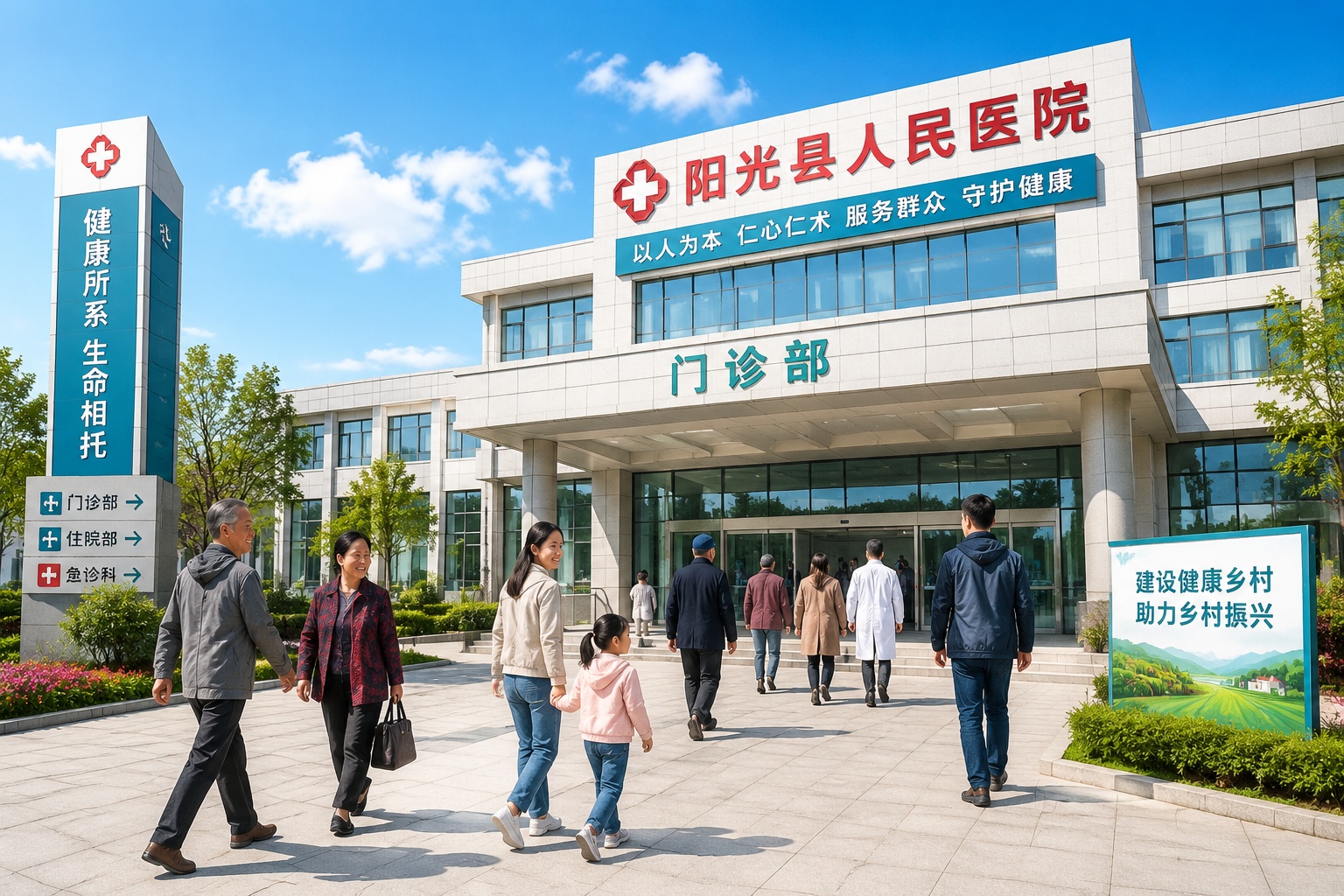
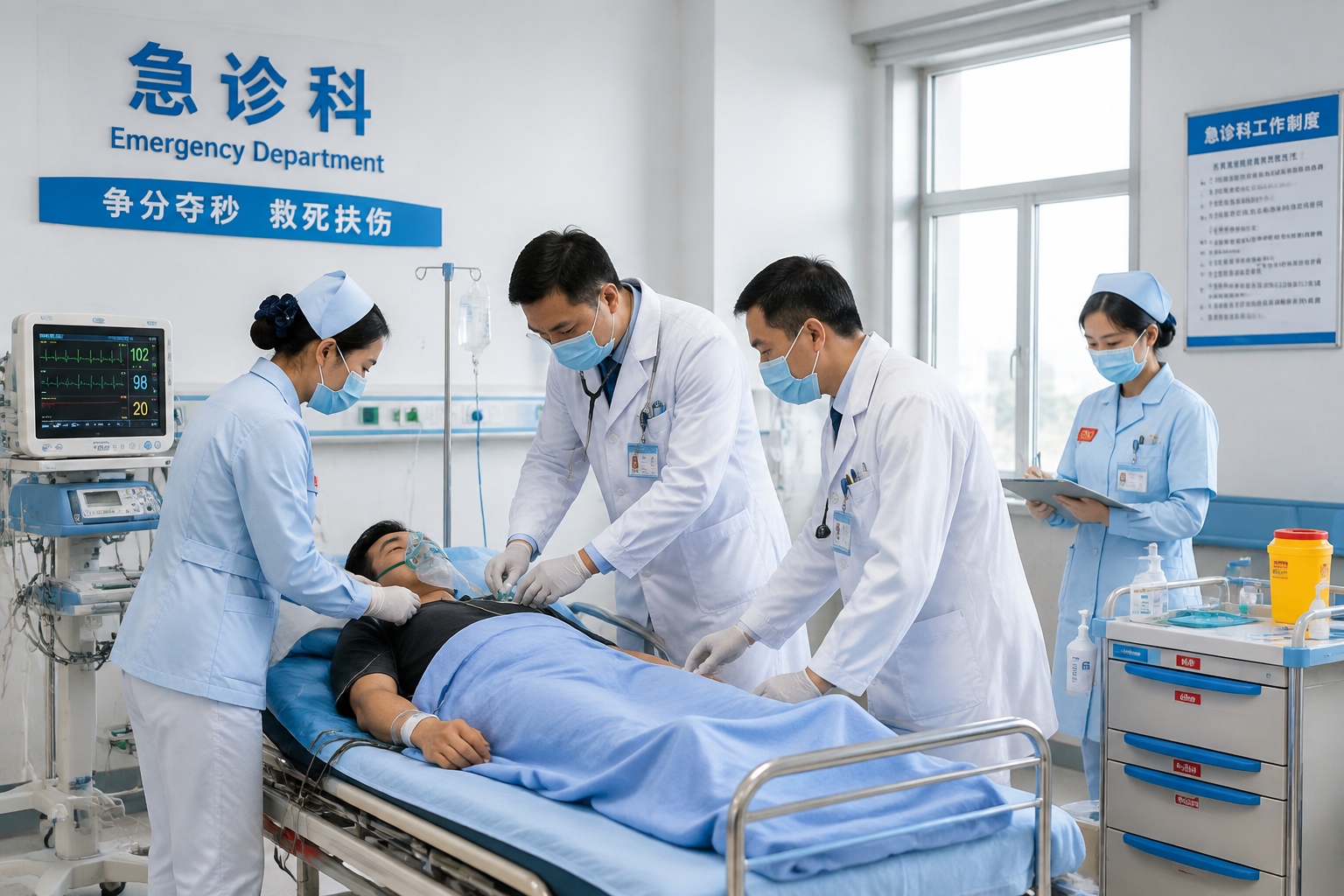
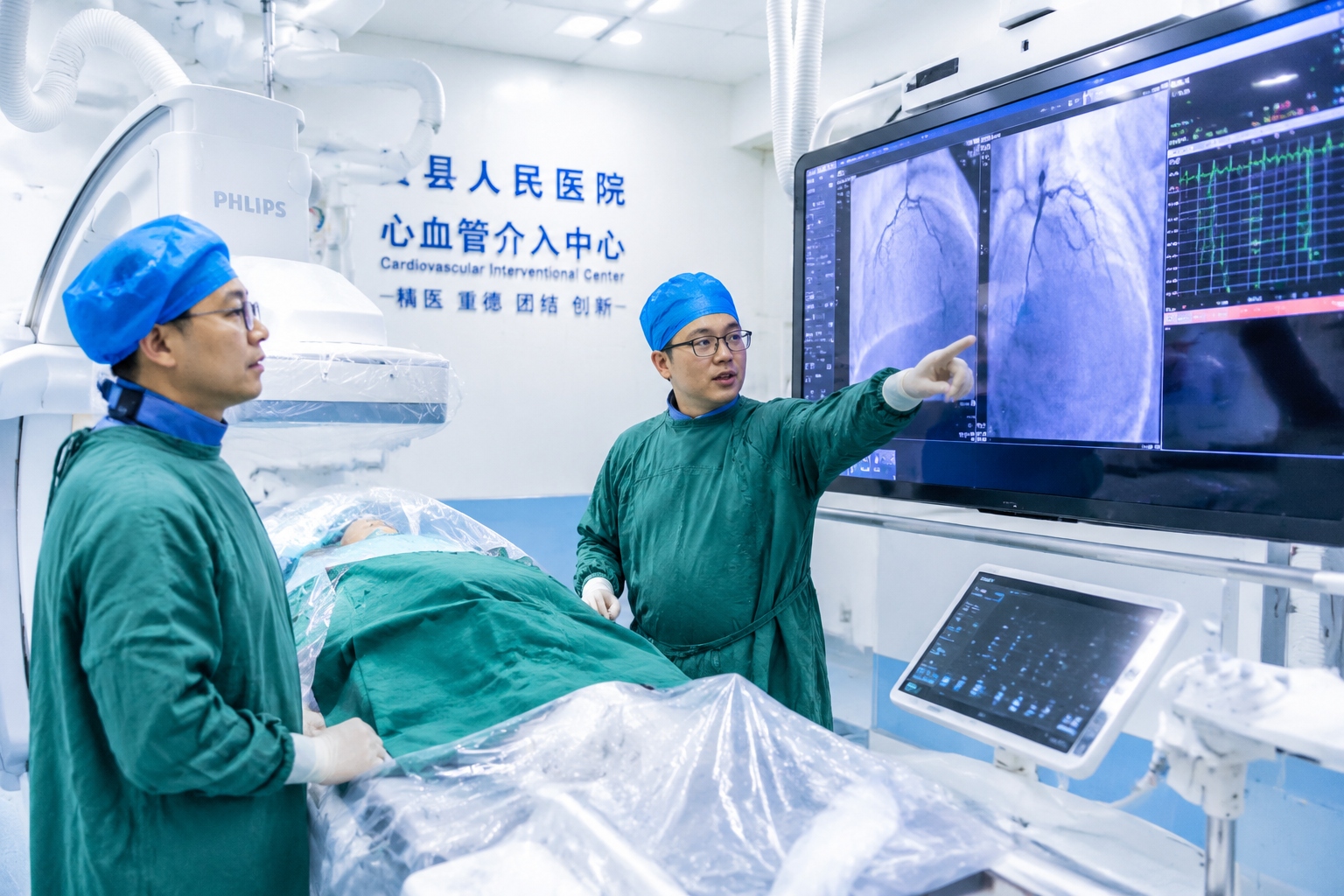
When Liu Fen’s 67-year-old father complained of chest tightness on a spring morning in Xuchang, Henan province, her family didn’t panic. Ten minutes later, they were at the county hospital’s emergency department. The doctor on duty spotted the signs of a heart attack, moved her father to the cardiac catheterization lab, and inserted a stent. The total time from symptom to treatment was under two hours. A decade ago, this would have been impossible locally; her family would have faced a three-hour drive to Zhengzhou, followed by days of waiting for a bed.
This is not a luxury-city story. It is the story of a county-level hospital in one of China’s most populous provinces. And it is happening more often, because China has invested heavily in making its 2,800-plus county hospitals do more of the work that used to send patients far away.
The Old Problem: Why Patients Left Home
In China, county hospitals have long been the medical anchor for a vast rural population. But through the 1990s and 2000s, many were underfunded and understaffed. CT scanners were rare, surgeons were few, and emergency care was basic. If a person had a serious condition—cancer, heart disease, a major fracture—the only reliable option was to travel to a provincial capital or even Beijing. That meant long trips, expensive accommodation, and competition with thousands of other patients for the same hospital beds.
The result was a deeply unequal system. Urban residents enjoyed modern medicine; rural residents got a referral slip and a train ticket. In 2010, a widely cited study found that more than 70% of rural patients who needed major surgery still sought care in big cities, even though most of them had no family there.
What Changed: A National Push to Build Capacity
Starting around 2015, China’s government made county hospitals a priority in its healthcare reform agenda. The rationale was simple: if you want to fix the system, start at the middle of the pyramid, where most people actually seek care. Under programs like “county hospital capacity building,” central and provincial governments allocated tens of billions of yuan to upgrade facilities and equipment. The money bought high-end CT and MRI machines, digital X-ray systems, intensive care units, and—most importantly—trained staff.
To attract physicians, many counties now offer higher salaries, housing allowances, and faster promotion tracks. A cardiologist who returned to his home county after training in Beijing explains: “The salary here is 80% of what I could earn in the capital, but the housing allowance and the chance to build a cath lab from scratch made it worthwhile. I feel more useful here.” Training programs send young doctors to city hospitals for fellowships, then oblige them to come back for at least three years.
The ‘Medical Community’ Model: Linking Hospital and Village
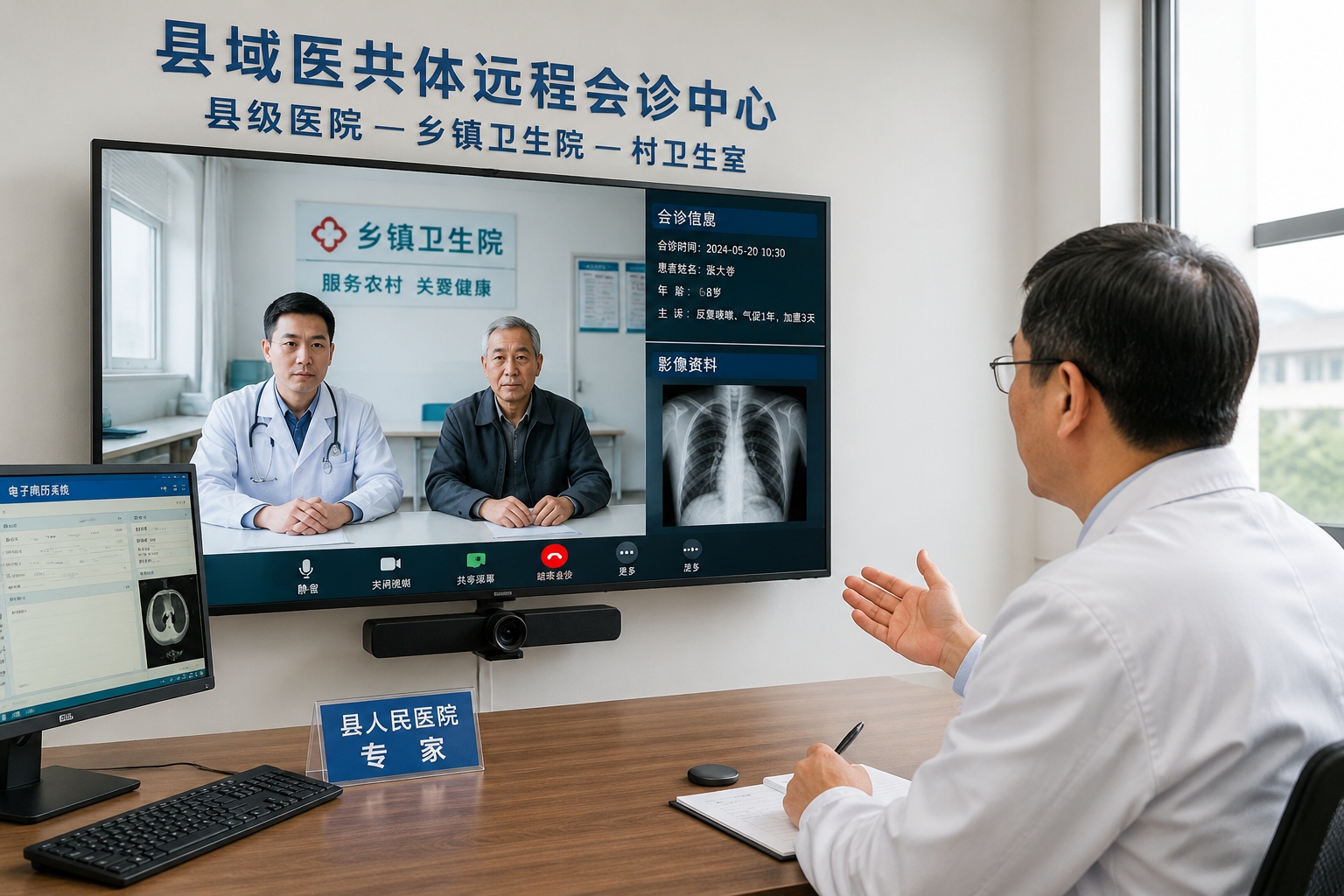
Equally important is a structural change: the rise of “close-knit county medical communities” (紧密型县域医共体). In this model, a county hospital takes the lead and coordinates with township health centers and village clinics. It creates a shared network of specialists, equipment, and data. Specialists from the county hospital travel to townships on a rotation, and patients can get referrals without repeating basic tests.
In Deqing County, Zhejiang Province, for example, the county hospital reads X-rays taken at township clinics through a remote imaging center. The patient stays in the village; the radiologist’s report comes back in an hour. Residents no longer need to travel to the county to get a scan, and they avoid duplicate tests. This model is spreading: by 2023, a large majority of Chinese counties had established some form of medical community or partnership.
What Patients Actually Feel: Lower Costs, Fewer Trips
For ordinary families, the change is not in “empowered local institutions” but in everyday routines:
- Less distance: A patient with early-stage kidney disease can now get hemodialysis at the county hospital, three times a week, after work. In the past, the nearest dialysis center might be four hours away, making treatment almost impossible.
- Lower bills: Health insurance reimburses a larger share of care at county hospitals than at provincial ones. For a hip replacement, the out-of-pocket cost is typically 30–50% lower when done locally, once travel and lodging are counted.
- Faster recovery: Being treated near home means family can visit without turning the situation into a migration. A grandmother having cataract surgery can be home for lunch.
National data reflect this shift. County-level hospitals now handle more than half of all inpatient admissions in the country. In some provinces, the share is above 70%. Patients are voting with their feet.
Take the case of Zhou Ying, a 44-year-old factory worker in Anhui Province. She was diagnosed with kidney failure in 2022. The nearest city dialysis center was four hours away. “It would have meant quitting my job,” she said. Her local county hospital opened a dialysis unit that year. Now she cycles there three times a week and continues to work.
Not a Fairy Tale: Remaining Friction Points
To be candid, the transformation is uneven. In poorer western counties, recruiting and retaining doctors is still hard. Some newly built equipment sits underused because of a lack of operators. Financial pressure remains a real concern: many county hospitals took on debt during construction, and budget constraints can limit high-tech maintenance.
And institutional changes don’t automatically change hearts. Rural patients may still doubt local doctors, especially for serious illnesses. They may choose a big-city hospital for peace of mind, even when the county hospital is perfectly capable. Trust, not just machinery, is the final mile of medical reform.
Meanwhile, the burden of chronic disease is rising. County hospitals are now wrestling with an aging population and an epidemic of diabetes and hypertension. The old tools—drug prescriptions and exams—are not enough; they need to build family-doctor teams and preventive care. That is the next test.
Conclusion: The Distance That Disappeared
China’s county hospital upgrade is not just about laying bricks and buying machines; it’s about redefining what “local” can mean. For a farmer in eastern China, it means a heart attack is treated before it kills; for a grandmother, it means she can get dialysis in the morning and be home for lunch; for the next generation, it means medical care isn’t a family crisis that requires abandoning work and home.
The problem isn’t fully solved—county medical services still need more doctors, smarter management, and quality assurance. But the direction is clear. In a country where distance was once the biggest health barrier, a few thousand county hospitals are now closer to home than ever before.
Start the discussion at forum.chinacomes.com