
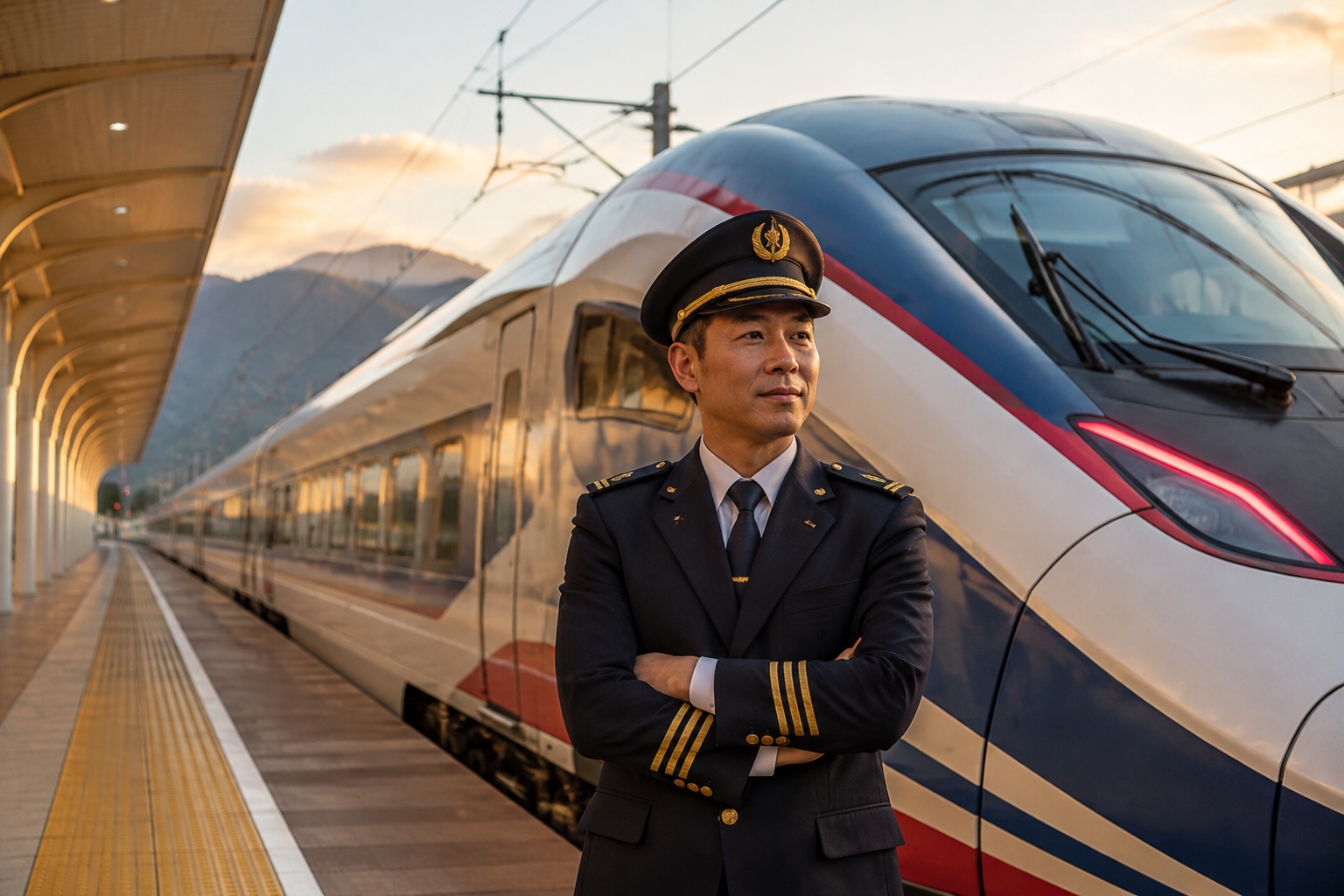

Meet Somchai, a Driver on the China-Laos Railway
Somchai, 38, grew up in a small village outside Luang Prabang. For years, the only way to reach the capital, Vientiane, was a bumpy bus ride that took more than a day. Today, he sits in the cabin of a modern electric train, gliding through tunnels and over mountain bridges, covering the same distance in under two hours.
“When I first saw the train, I couldn’t believe it,” he says, smiling. “It felt like a dream. Now it’s my office.”
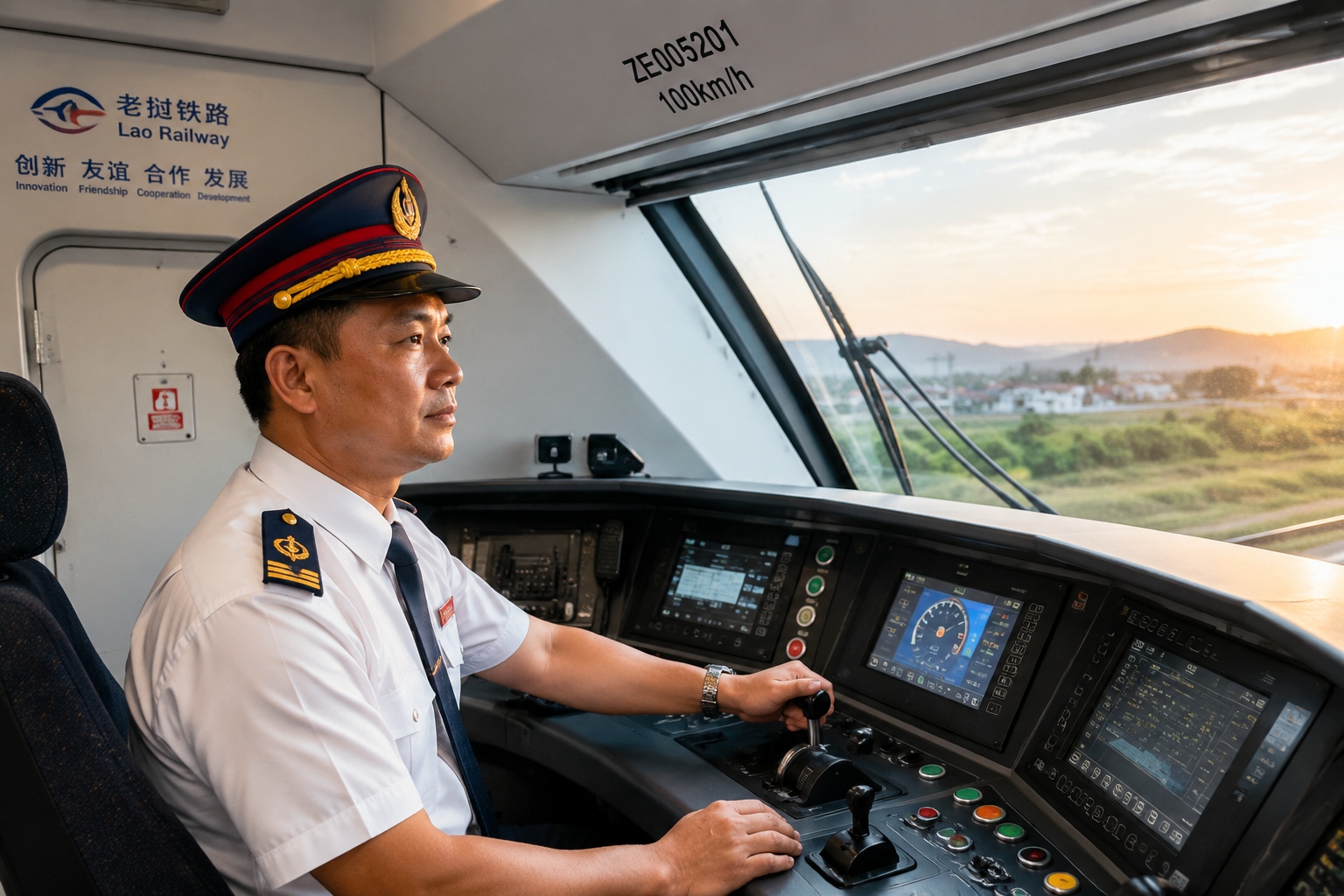
Somchai is one of the first Lao drivers trained to operate the new line. He spent months in China learning the automated systems, emergency procedures, and the strict safety culture that comes with high-speed rail. “It was hard, but I knew this was a chance of a lifetime,” he recalls. “Now, when I sit in the cab, I still get a little thrill.”
From Dirt Roads to Steel Tracks
The China-Laos Railway, opened in December 2021, is a 1,035-kilometer line connecting Kunming in southwest China with Vientiane. For Laos, it’s the first major railway, and it is changing the country faster than Somchai ever imagined.
Before the railway, moving goods from China to Laos could take days along winding mountain roads. Now, fresh vegetables, electronics, and building materials move by rail, cutting transport time to a fraction of what it was. Cargo volume has grown steadily, and the line now handles millions of tons each year.
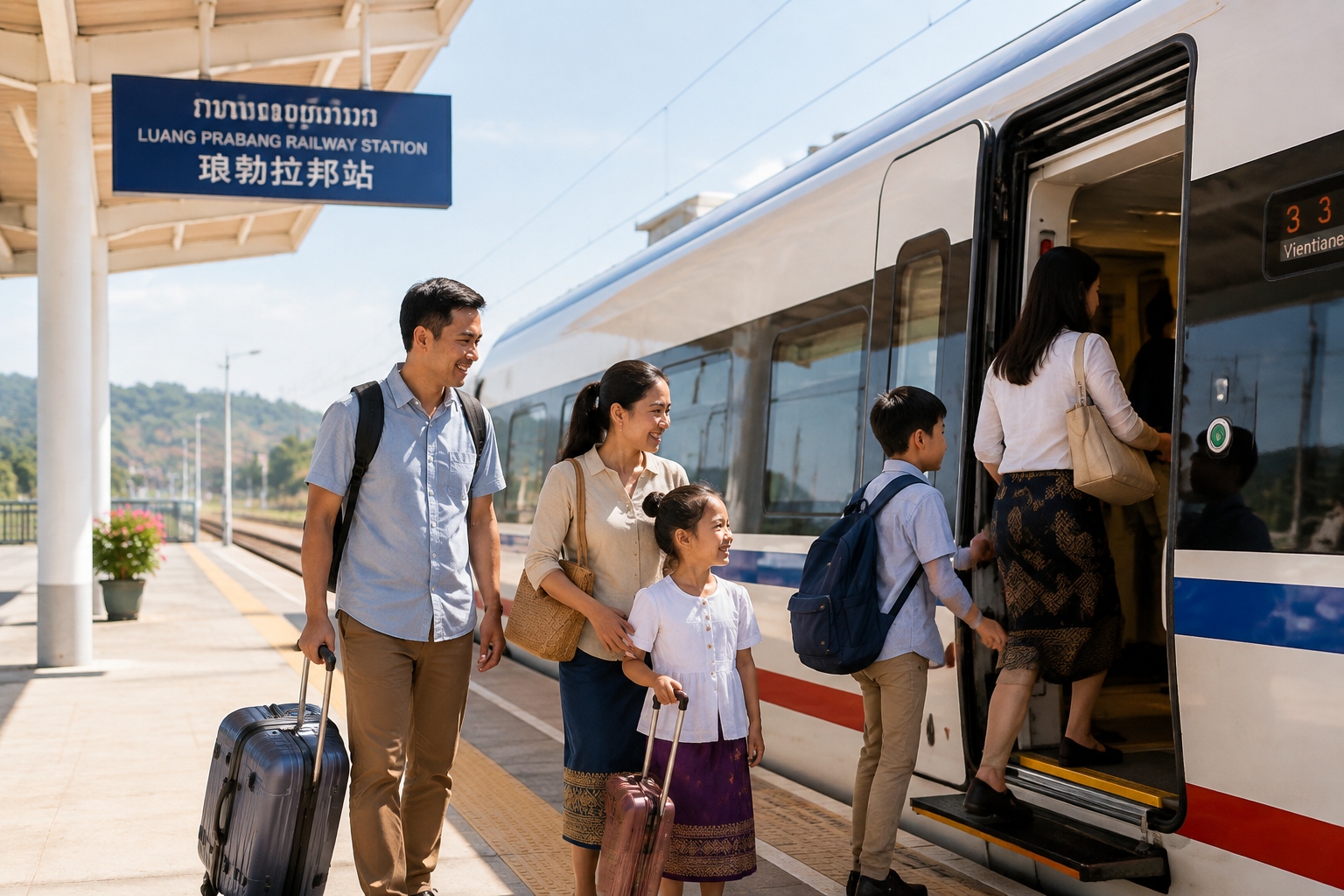
For ordinary people, the change is even more visible. “My aunt used to talk about the bus trip to China like it was a once-in-a-lifetime journey,” Somchai says. “Now she takes the train to buy fabric for her shop. She was amazed to return home the same day.”
Somchai’s New Routine
Somchai’s shift starts at 6 a.m. in Vientiane. He checks the train, reviews weather updates, and climbs into the cab. The train is quiet, he says, and responds to his touch in a way that an old truck never could. “My back still remembers the potholes,” he jokes.
His favorite part of the route is the Vieng Kham region, where the track climbs into the mountains. “You see villages from above. Sometimes kids wave at the train. I wave back, even though they can’t see me.” The line crosses 167 bridges and 20 tunnels, a feat of engineering that leaves many passengers speechless. Somchai gestures toward a pass we can’t see: “My grandfather used to walk those hills with a mule. He’d be proud to know his grandson drives a train under them.”
Families Reunited by Speed
For Somchai, the most meaningful change is personal. His parents now take the train to visit him in Vientiane several times a year. “Before, it was a trip you made once a year, if you could. Now they just come for a weekend.”
He also sees more tourists on the train. “The railway brings the world to our doorstep. Sometimes passengers ask me about the mountains we’re passing. I tell them about the old caravan routes that used to run through these hills.”
What It Means for Lao Workers
The railway has created local jobs, not just for drivers but for station staff, maintenance crews, and hospitality workers along the route. Somchai’s younger brother works at the Boten station, helping with cargo clearance. “He used to work on a farm and wanted to leave. Now he has a steady job and is learning Chinese.”
There are challenges too, Somchai admits. Learning to operate such advanced trains required rigorous training. And the railway’s finances have to balance with Laos’s heavy debt burden. Some critics worry about environmental disruption and the cost of railway loans. “I understand the concerns,” he says. “But I also see the goods moving, the tourists coming, and our kids going to school with better opportunities.”
Night Run into Vientiane
One of Somchai’s favorite trips is the last train of the day. The sky turns deep orange, and the train glides past rice fields and towns that light up one by one. “I think about all the people going home, or going to see someone they love. I’m just glad I can help them get there.”
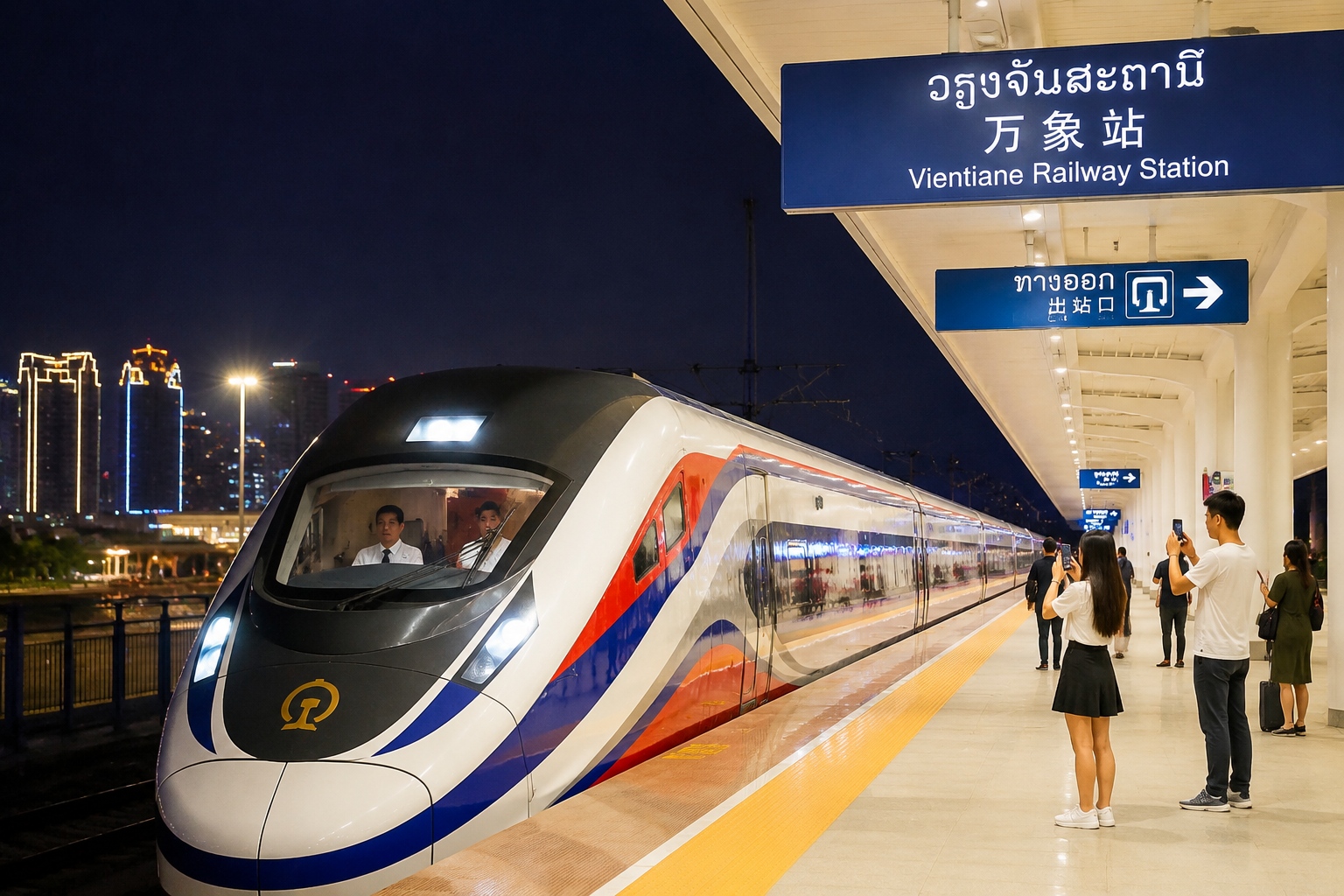
As he pulls into Vientiane station, the lights of the city reflect on the train’s windows. Somchai leans back, takes a deep breath, and thinks about the next day’s journey.
“The train didn’t just change how we move,” he says. “It changed our sense of distance. Everything feels closer now.”
Start the discussion at forum.chinacomes.com