
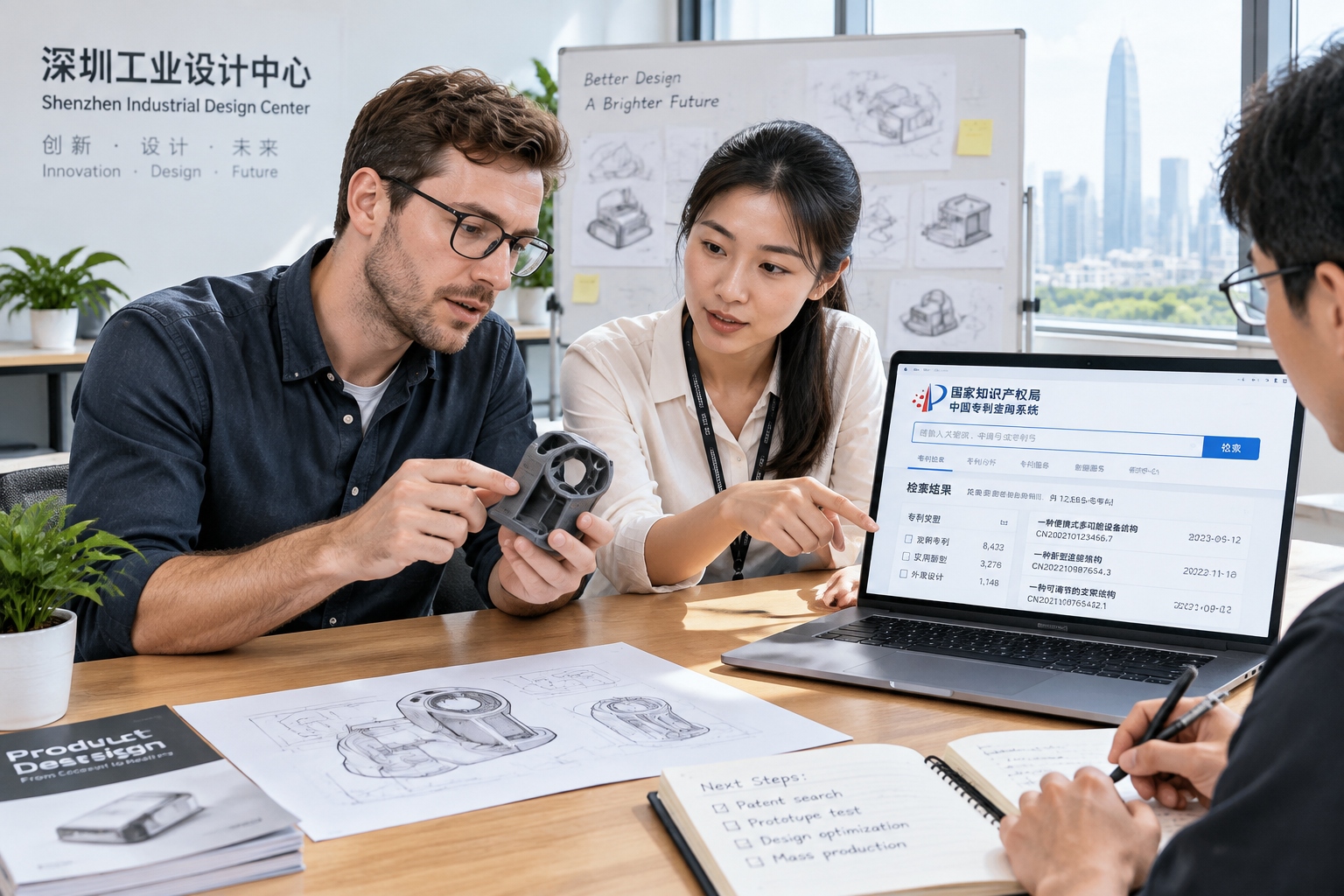

A German engineer’s question in Shenzhen
Elena Fischer, a product engineer from Munich, spent a year developing a portable water purifier that uses a novel membrane-cleaning process. In 2024, she agreed to let a Shenzhen hardware startup manufacture it. Before signing the deal, one thing puzzled her: should she file for an invention, utility model or design patent in China?
Her confusion is common. China’s patent system has three distinct categories, each with different requirements, approval times and enforcement strength. If you are an individual inventor or a small company looking to bring a product to the Chinese market, here’s what you need to know.
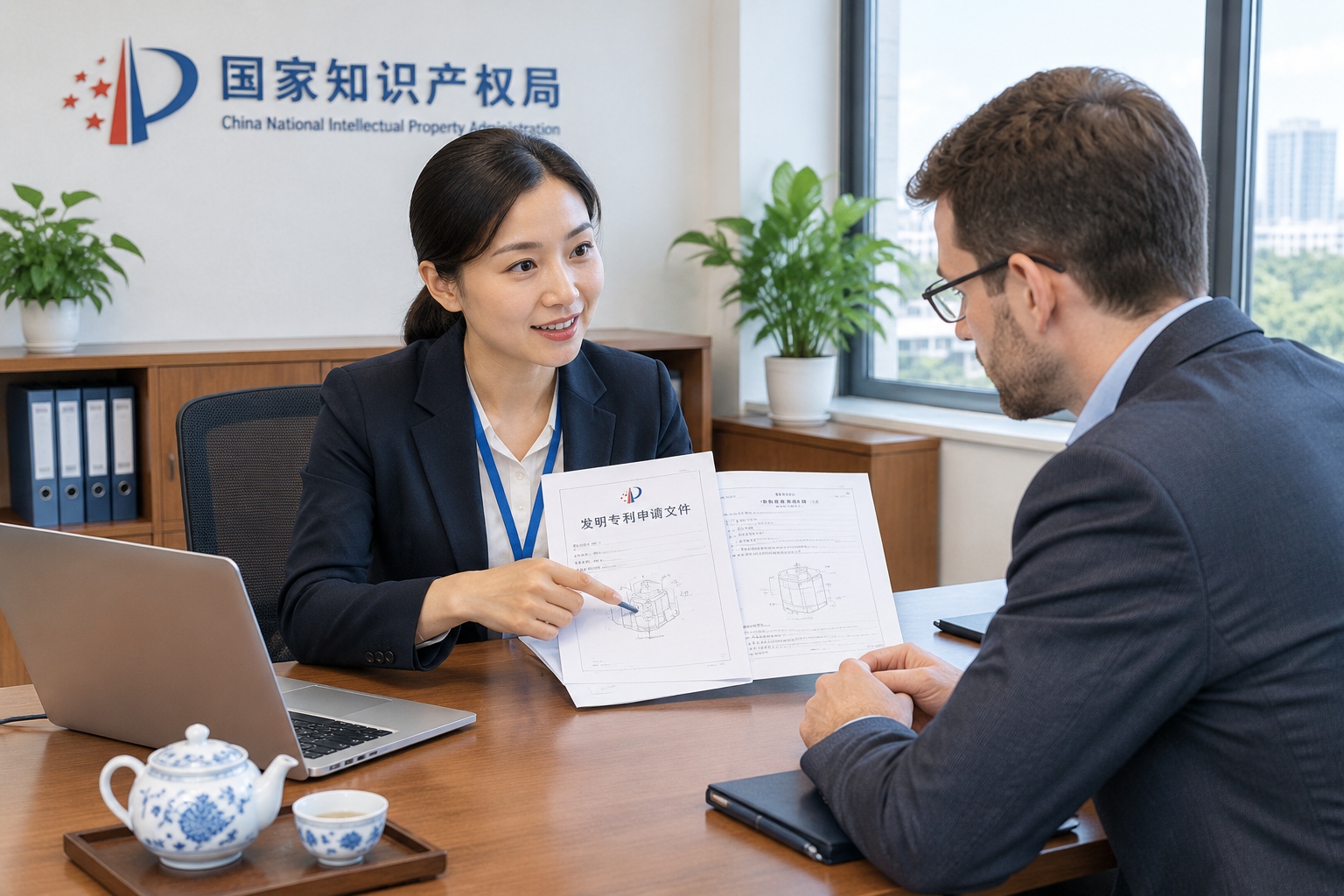
Three patent types at a glance
China’s National Intellectual Property Administration (CNIPA) classifies patents into three types:
- Invention patents protect new technical solutions for a method or a product. This can be a manufacturing process, a chemical compound, a software algorithm tied to hardware, or a device itself. Term: 20 years from filing date.
- Utility model patents protect new, useful solutions related to the shape or structure of a product. Unlike invention patents, you cannot file a pure method — it has to be a physical product with a structure. Term: 10 years from filing date.
- Design patents protect a product’s shape, pattern, color, or combination of these, as long as it is aesthetically appealing and suitable for industrial application. Term: 15 years from filing date.
These differences matter: an invention has the longest term but requires substantive examination. Utility models and designs are examined more quickly and with lower fees, but their scope is much narrower.
How to choose: three real scenarios
Still unclear? Let’s compare three products that could all come out of the same Shenzhen factory.
Scenario 1 – Invention patent: a new membrane-cleaning method
Elena’s purifier uses a back-flush process that breaks down calcium buildup without taking the filter apart. The method itself is a technical process. No utility model can protect a method, and a design patent only protects appearance. She needs an invention patent for the 20-year monopoly on the process itself. Competitors may reverse-engineer her filter, but they cannot legally copy the exact cleaning steps she invented.
The catch: an invention application goes through a full substantive examination at CNIPA, which checks whether the idea is new, inventive and useful. In practice, it takes between two and four years to receive a grant.
Scenario 2 – Utility model: a quick fix for a foldable pump
Another Shenzhen client makes a manual pump for inflatable kayaks. The original pump’s handle broke after repeated pressure. An engineer redesigned the handle lock so it clicks into place with a reinforced sliding ring. That’s a structural improvement to an existing product — a textbook utility model.
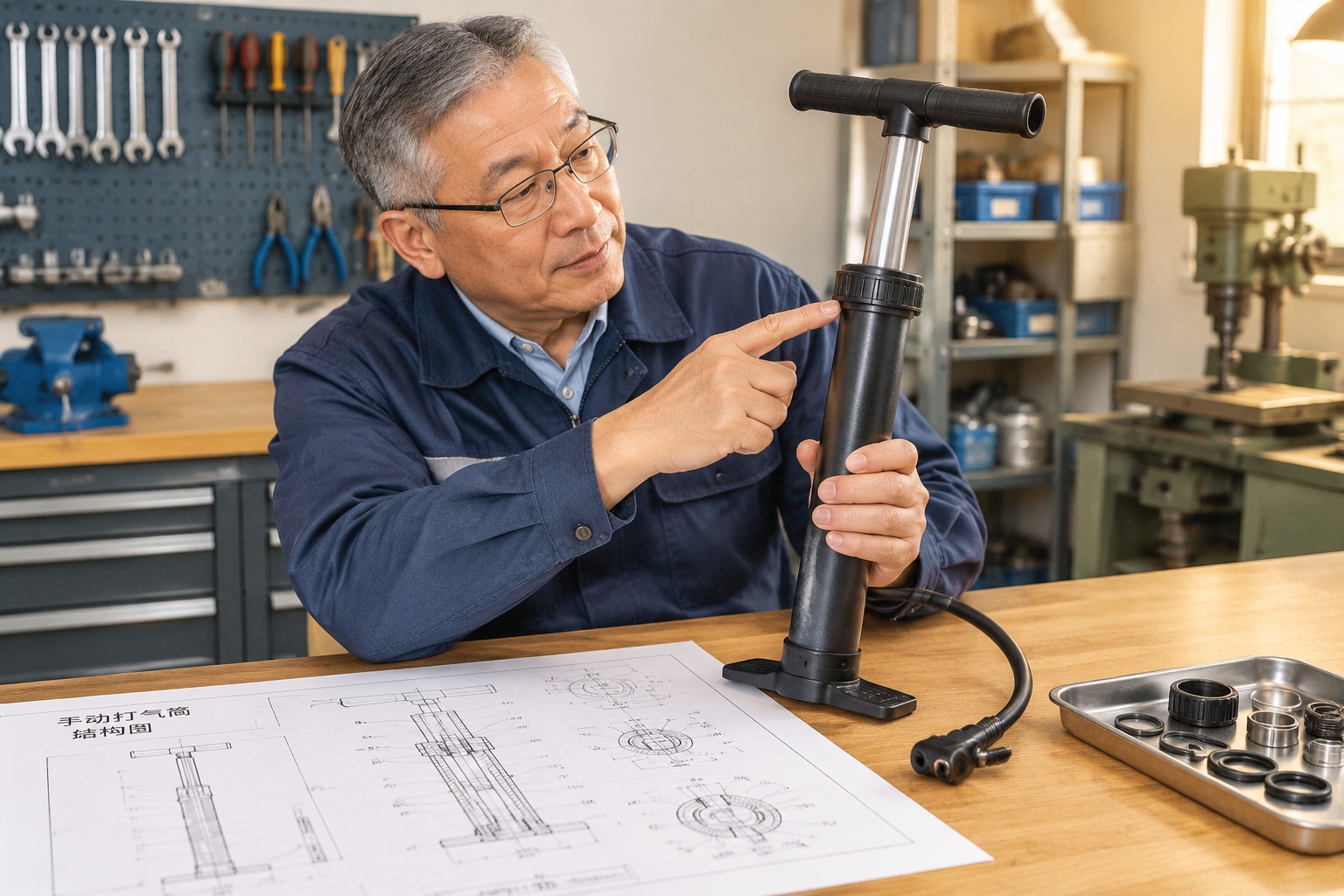
CNIPA does not conduct substantial examination for utility models. They are registered after a preliminary check, often within eight to twelve months. Protection lasts only 10 years, but for short-cycle consumer goods, that’s usually enough.
Scenario 3 – Design patent: protecting a sculpted housing
A French designer creates a small portable blender with a curved bowl and an ergonomic lid that looks like a seashell. The technical inner parts are ordinary; the selling point is the visual identity. No metal structure or method deserves patent protection here. A design patent stops competitors from producing a blender with the same ornamental shape or pattern. The grant is fast — typically four to eight months — and the term is now 15 years, aligned with the Hague Agreement provisions.
Be careful: a design patent protects only the appearance, not how the product works. A competitor can take your exact shape and change a minor detail; they are still infringing if the overall visual effect is the same, but proving that requires legal review.
Costs, timelines and agency requirements
Costs and timelines differ sharply by type. The table below lists CNIPA’s basic official fees (in RMB, as of early 2025). Attorney fees are extra and vary by firm.
| Patent type | Application fee | Additional CNIPA fee | Typical time to grant |
|---|---|---|---|
| Invention | 950 | Substantive exam: 2,500 | 24–48 months |
| Utility model | 500 | None | 8–12 months |
| Design | 500 | None | 4–8 months |
These fees cover the filing stage only. Invention patents also charge an annual fee that rises as the patent ages. Utility models and designs are cheaper to maintain, but the fee still grows in later years. The exact schedule is published on CNIPA’s website. Always check the current fee schedule before budgeting.
For all foreign applicants without a registered address or regular place of business in mainland China, the law is clear: you must appoint a licensed Chinese patent agency to file and handle proceedings on your behalf. This applies to individual foreigners as well as foreign companies. A Chinese company with its own address can technically file directly, but few do without professional attorneys because CNIPA communications are in Chinese.
Which international route should you use?
You have three main paths to obtain a Chinese patent:
- Direct filing in China works if you have never filed elsewhere, but you will not have a priority date.
- The Paris Convention route lets you claim the filing date of your first application if you enter China within 12 months for invention or utility model (6 months for a design). You file directly with CNIPA and claim priority from your home application.
- The PCT route is available only for invention and utility model patents, not designs. You file one international application, then enter the national phase in China within 30 months from the earliest priority date (up to 32 months with a late fee). This gives you more time to decide and can simplify initial paperwork.
If your product is still evolving and you want to delay costs, the PCT route is often the sensible choice for inventions. For designs, there is no PCT; use the Paris Convention route, but know that the priority window is only six months from your home filing date.
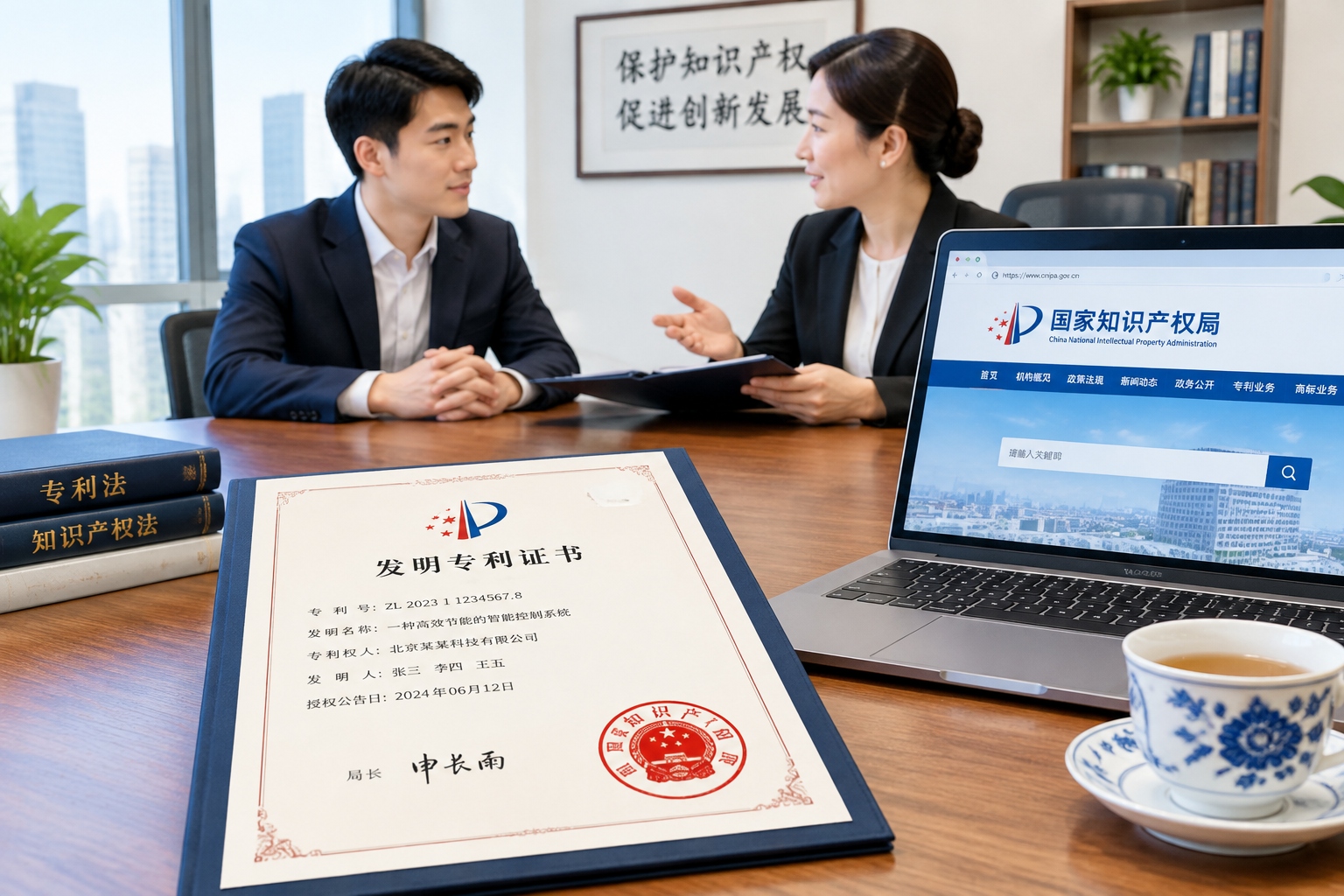
Remember that CNIPA official documents are in Chinese. Your agency will handle translation, which is another reason to use a local agent early.
After you get the patent: annual fees and enforcement
Maintaining a Chinese patent costs more than most first-time applicants expect. CNIPA charges annuity fees each year, and the fee increases as the patent ages. The first payment is due at the time of grant. For example, an invention’s annual fee for years 1–3 is 900 RMB; years 4–6 it jumps to 1,200 RMB; years 7–9, 2,000 RMB; and eventually reaches 8,000 RMB per year after year 16. If you fail to pay within the six-month grace period, the patent lapses and cannot be reinstated easily.
Enforcement is separate from maintenance. A granted patent is not self-enforcing; CNIPA does not police infringers. If you discover someone copying your invention, utility model or design, you have options:
- Send a cease and desist letter based on your patent number, often enough to stop small players.
- Use an administrative complaint through the local IP office, which can issue orders to stop infringement that carry relatively quick effect.
- File a civil lawsuit in a Chinese court; patent litigation in China is active and, in recent years, has moved to professionalized courts in Beijing, Shanghai, Guangzhou and Shenzhen.
Utility models and designs do not go through rigorous substantive examination, so infringers may challenge validity before you enforce. Experienced patentees often request an evaluation report from CNIPA for utility models before proceeding.
Advice for first-time filers
Don’t treat your first patent application as a leap into the dark. Begin by searching Chinese databases like CNIPA’s full-text search or Google Patents’ Chinese coverage. Then talk to a licensed patent agency at least one month before you plan to file. Ask whether your product needs a utility model for speed and an invention for long-term scope — many applicants file both at the same time for the same technical core. That combination provides early protection while the longer invention application is under review.
The Chinese market rewards those who file, but only if they file the right kind of patent. Understand the differences, budget for professional advice, and start as early as you can.
Start the discussion at forum.chinacomes.com