

The First Five Minutes
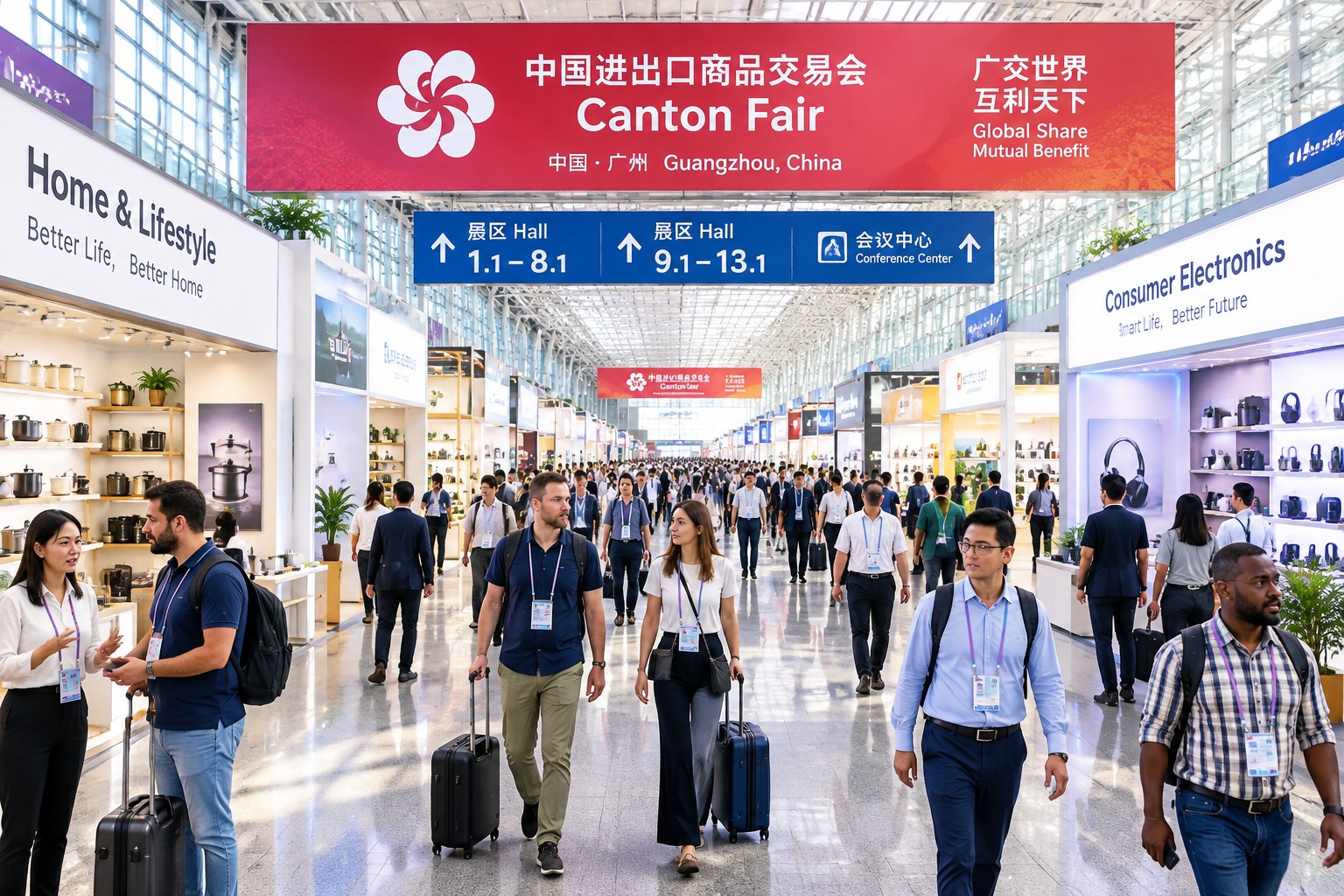
At 9:30 a.m. on a spring morning in Guangzhou, the doors of Hall A at the Canton Fair Complex slide open with a low mechanical sigh. Inside, the air smells like new electronics and freshly printed brochures. A crowd of buyers from Southeast Asia, Europe, the Middle East and Latin America moves forward in a messy but purposeful flow, dragging empty suitcases across the polished floor. Behind a booth on the left, a saleswoman presses a rice cooker lid shut with a click. Further down the aisle, a toy drone hovers a few centimetres above a demo table while a buyer records it on his phone. This is organised chaos that has been repeated, twice a year, since 1957.
This is the China Import and Export Fair, still widely known as the Canton Fair. For a first-time visitor, the first shock is scale: the complex in Guangzhou’s Pazhou district covers a huge amount of exhibition space, and each session brings together more than 30,000 exhibitors. You cannot see it all in one day, and you should not try. What you can do is walk in with a clear plan, a comfortable pair of shoes, and a system for turning thousands of booths into a short list of real suppliers. That is what this guide is for.
Step 1: Prepare Before You Fly
Register as a buyer
If you are visiting from outside mainland China, registration goes through the official Canton Fair website. You will need a scanned copy of your passport and a clear headshot-style photo. Overseas buyers can normally finish the process online and pick up the badge at one of the credential centres near the venue. Do this a few weeks before the fair if you can, because the queues at the on-site counters grow longer with each day.
Book transport and accommodation early
The Canton Fair Complex sits on Pazhou Island, about 30 minutes by taxi from the Guangzhou city centre. Hotels across the city fill up quickly, especially along Metro Line 8, which connects the venue with the rest of town. The two nearest metro stations are Xingangdong and Pazhou on Line 8. Book a hotel near one of these stations, or near the official fair shuttle bus stops, and you will save a surprising amount of energy. Booking flights and hotels months in advance is usually both cheaper and more comfortable.
Step 2: Decide Which Products and Suppliers You Want
Understand the three phases
Before you choose your travel dates, know that each Canton Fair has three phases. Exact dates move slightly from year to year, but the rhythm is stable. Phase 1 focuses on consumer electronics, household appliances, lighting, vehicles and related parts. Phase 2 shifts to home decoration, gifts, furniture, and everyday consumer goods. Phase 3 covers textiles, clothing, shoes, luggage, food, beverages and medicines. If your sourcing list spans several categories, you may need to stay for more than one phase, or at least plan two separate trips over the year.
Make a “must-find” list
Before you arrive, create a simple list with three columns: product, target price range, and the questions you need to ask. Typical questions might include lead time, minimum order quantity, packaging options, and certifications. A list like this does more than save time; it changes the way you look at every booth. Instead of catching a vague impression of “nice products”, you can decide in the first minute whether this exhibitor can realistically fit into your supply chain. Chinese suppliers are used to serious buyers who ask specific questions. Being specific builds credibility from the first exchange.

Step 3: Navigate the Fairgrounds Like a Local
Start with a map, not a guess
The Canton Fair Complex has several lettered halls, and product categories are grouped by hall and floor, but the boundaries are not always obvious from the outside. Use the official Canton Fair app or the printed visitor guide at the entrance to identify the exact hall and floor for your target products. Even better, look up the latest exhibitor list before you travel and write down the booth numbers you really want to visit. Treat these booths as your anchors. Around each anchor, spend time visiting neighbouring exhibitors, because similar products are often clustered together.
The unspoken fairground rules
Carry more business cards than you think you need. Chinese exhibitors often ask for your card within the first minute of conversation, not only to send samples later but also to understand whether you are an end buyer or just browsing. Wear comfortable shoes: the aisles are measured in kilometres. A portable charger is not a luxury, it is survival equipment. And do not be shy about taking a photo of the product sample together with the booth number and the supplier’s name. That small habit saves hours of confusion when every brochure starts to look the same.
Step 4: Screen a Supplier in the First Five Minutes
Aisles can feel endless, so you need a quick filter to decide which booths deserve more time. Size is not everything, but a well-funded manufacturer usually invests more in its booth. Bigger booths often mean more production capacity, but small booths can also offer excellent specialty products. Watch how the staff speak about their goods.
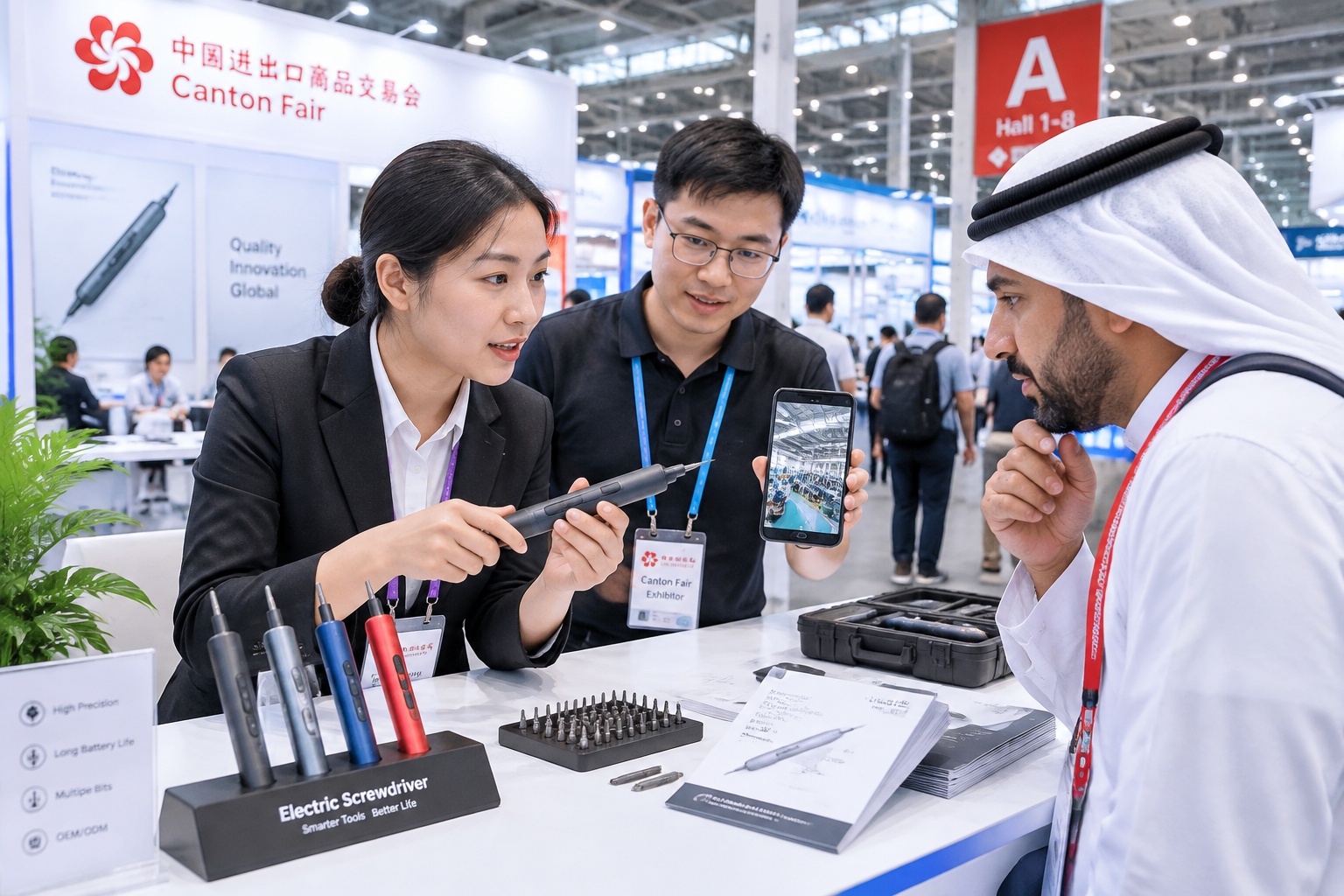
As you walk past a booth, notice whether the staff can answer basic questions about materials, production process, lead times and minimum quantities. Do they offer detailed explanations, or simply repeat “good quality, good price”? Are they willing to show factory photos and videos on a phone or laptop? Are they clear about whether they are a factory or a trading company? There is nothing wrong with a trading company, but you should know who you are actually dealing with.
Watch the details, not just the pitch
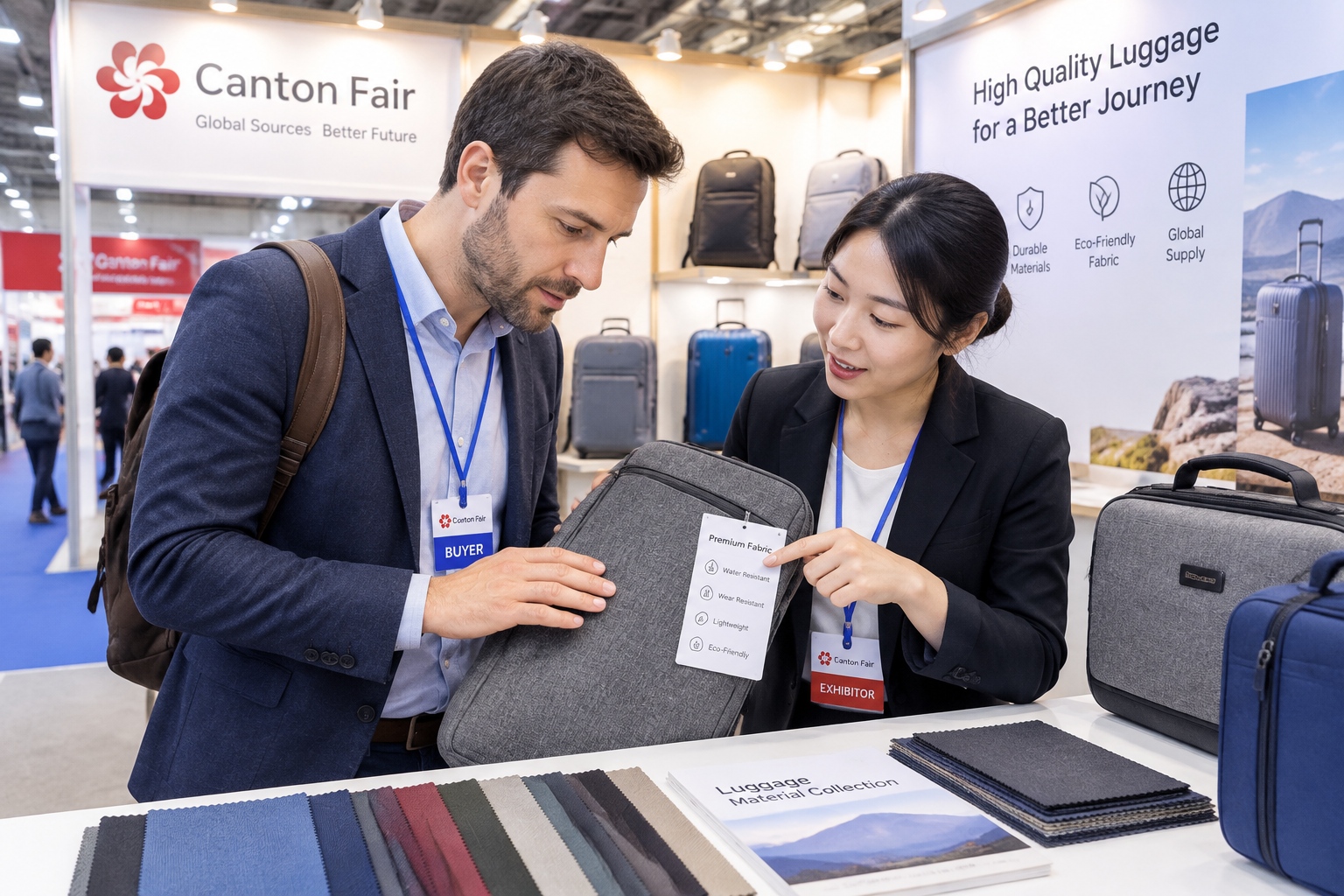
When you do stop, touch the samples. Open lids, feel fabric, check seams, and ask about the materials used. Ask what packaging the standard export version uses and whether customised packaging is available. Ask whether they can send samples after the fair and whether the samples are free or paid. These small questions quickly separate a serious manufacturer from a booth full of polished words.
Step 5: Negotiate Without Pressure
Negotiation at the Canton Fair does not have to feel like a hustling street market. It usually starts with product specifications, not just price. Make sure you are discussing the same model and the same configuration as the product you have in mind. Ask for the minimum order quantity, the normal lead time, and the payment terms the supplier prefers. Then ask for a written quotation on company letterhead with a clear trade term, such as FOB, EXW or CIF. A unit price without a trade term is not a real price.
Some suppliers will say that a discount is available if you place an order today. If you have not finished comparing options, it is perfectly acceptable to answer: “Let me compare your quotation and I’ll get back to you tomorrow.” In fact, that is one of the most common phrases at any Canton Fair. A trustworthy supplier will not go cold; they will follow up politely because they know real buying decisions take more than five minutes.
Step 6: Follow Up Before the Fair Ends
The most important work happens after each day inside the venue. At the end of the day, sort through the business cards, brochures and phone photos you collected. Match each supplier with one or two product photos and brief notes about their MOQ, price range and the questions you still need answered.
Within 48 hours of that conversation, send a professional email to each supplier you liked. Attach a representative product photo and ask two or three concrete questions, such as sample cost, sample delivery time, or packaging dimensions. Put the words “Canton Fair” in your subject line so they immediately remember where you met. If your plan includes a factory visit, this is also the moment to schedule it. Many exhibitors will be happy to arrange a pickup from a nearby high-speed rail station or airport after the fair ends.
Know Before You Go
Practical information
- Official name: China Import and Export Fair (Canton Fair)
- Venue: China Import and Export Fair Complex, No. 382 Yuejiang Middle Road, Haizhu District, Guangzhou
- Session timing: A spring session and an autumn session each year, usually running in April-May and October-November; each session is divided into three phases of about five days
- Getting there: Take Guangzhou Metro Line 8 to Xingangdong or Pazhou station; taxis and official shuttle buses are also widely available
- Buyer badge: Register online as an overseas buyer in advance, then collect your badge at the venue with your original passport
- Worth knowing: English is spoken at many but not all booths. A translation app can help when exhibitors have limited international sales experience
Start the discussion at forum.chinacomes.com