

The Invisible Ingredient in Your Pocket
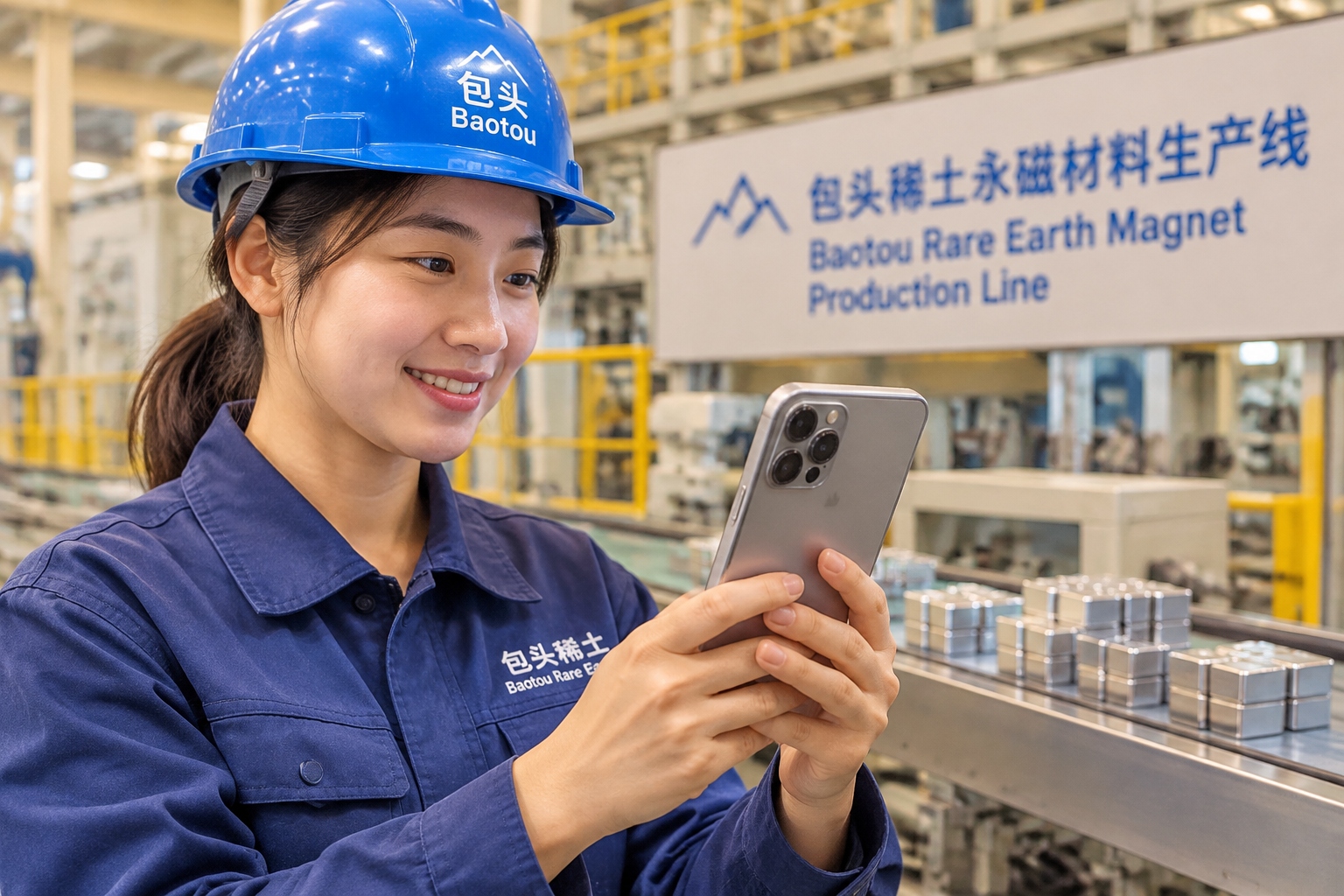
Pull out your smartphone. The vibrant screen, the precise vibration motor, the tiny speakers that deliver clear sound — all of them rely on a handful of obscure elements you’ve probably never heard of: neodymium, praseodymium, dysprosium. These are rare earth elements, and a staggering portion of the world’s supply originates from one place: Baotou, a sprawling industrial city in Inner Mongolia, northern China.
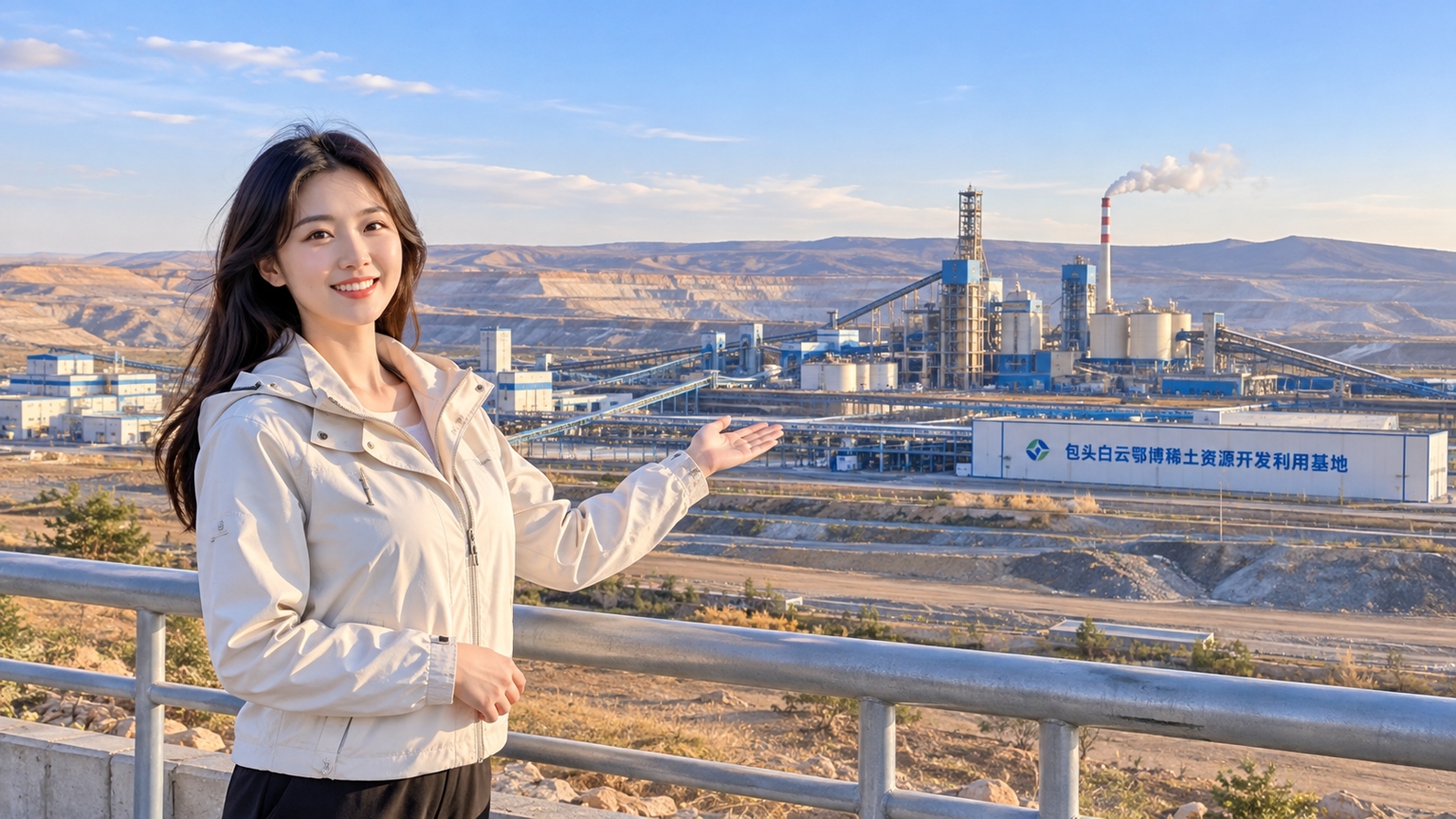
Baotou is not just a city that produces rare earths; it is the world’s rare earth capital. In 2024, the Baotou region accounted for about 60% of China’s total rare earth output and roughly 40% of global production. But what does that mean for the rest of the world? It means that when you buy an electric vehicle (EV) from Tesla, BMW, or BYD, the magnets in the motor almost certainly contain rare earths processed in Baotou. When a wind turbine spins in Germany or Texas, its giant generator likely relies on the same supply chain. The global green transition, the tech industry, and even defense systems are quietly anchored to the dusty plains of this northern Chinese city.
Why Baotou? The Geological and Industrial Logic
Baotou’s dominance is not an accident of policy alone — it is built on geology. The nearby Bayan Obo mining complex is the world’s largest rare earth deposit, containing an estimated 48 million tons of rare earth oxides. That’s more than one-third of the world’s known reserves. But nature alone doesn’t make a capital. Over the past two decades, China invested heavily in the entire value chain: mining, separation, smelting, and magnet manufacturing. Today, Baotou hosts the world’s largest rare earth separation plant, run by state-owned China Northern Rare Earth Group, and a growing cluster of downstream factories that turn raw oxides into high-performance magnets, polishing powders, and catalytic materials.
To understand the scale: In 2023, Baotou produced over 200,000 tons of rare earth concentrates, more than the combined output of the next top five countries (Vietnam, the United States, Myanmar, Australia, and Madagascar). The city is not just a miner; it has become a refining and manufacturing hub, with 85% of the rare earth material processed in China passing through its facilities at some stage.
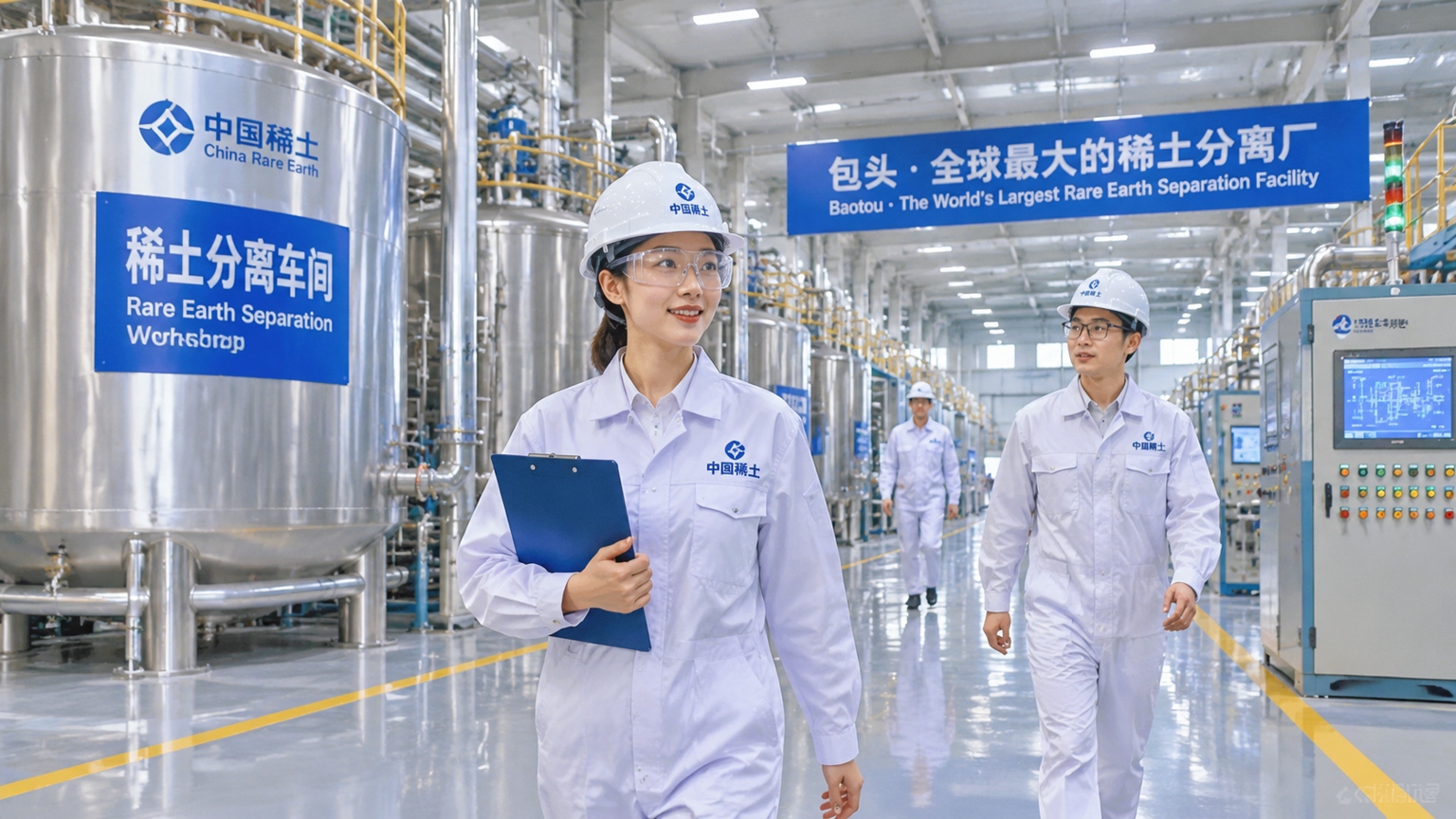
What makes this city truly unique is the shift from raw material export to high-value production. A decade ago, Baotou mostly shipped concentrates overseas. Now, the city’s factories churn out finished magnets for EV motors, laser crystals for medical devices, and specialty alloys for aerospace. The strategy is clear: capture more of the global value chain, not just the dirt.
How Rare Earths from Baotou Change Your Daily Life
Most people never see a rare earth element, but they experience its effects constantly. The neodymium magnet in your wireless earbuds is tiny yet powerful enough to drive a tiny speaker. The cerium oxide in your sunscreen helps block UV rays. The lanthanum in camera lenses sharpens your photos. The yttrium in LED lights makes them glow white. Baotou is the source of many of these elements.
In the energy sector, the shift is even more dramatic. A single modern wind turbine requires about 2 tons of rare earth magnets. A typical EV needs about 2–3 kilograms of neodymium and dysprosium per motor. As the world pushes for net-zero emissions, demand for these materials is soaring. The International Energy Agency projects that rare earth demand for clean energy technologies could triple by 2030. Baotou will be the swing producer — the city that can ramp up or slow down supply, affecting prices and project timelines globally.
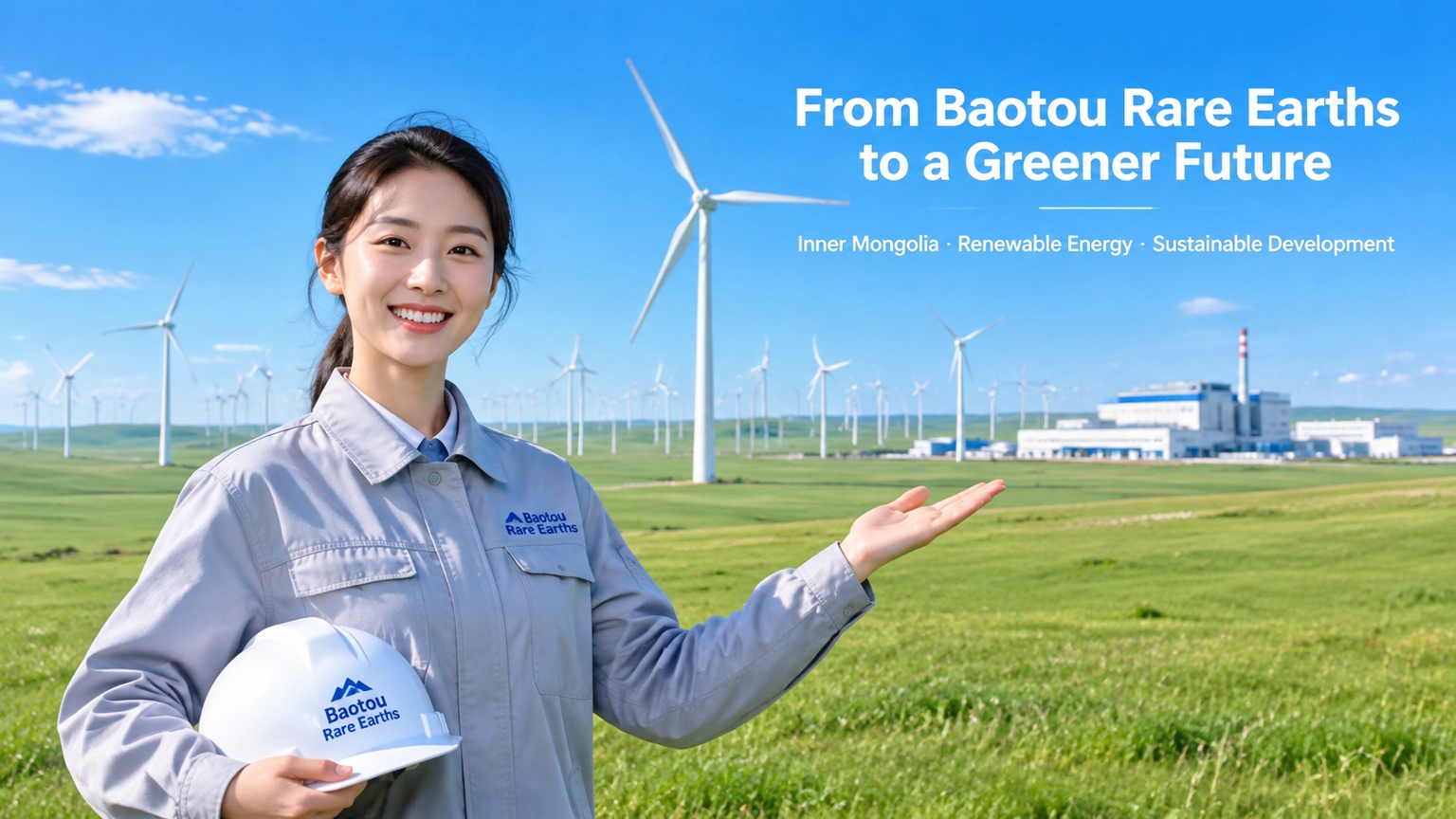
But the story is not one of pure abundance. Rare earth mining has environmental costs. The mining and refining process generates radioactive tailings (because rare earth ores often contain thorium and uranium) and consumes large amounts of chemicals and water. Baotou has faced criticism and regulatory pressure. In response, the city has invested in greener extraction technologies, tailings treatment facilities, and recycling programs. The goal is to reduce the environmental footprint while maintaining output. Progress is visible — new separation plants use closed-loop water systems, and the government has banned illegal mining — but challenges remain.
The Global Tension: Dependency and Diversification
Baotou’s dominance creates a geopolitical reality: the world depends on one city for a critical set of materials. The United States, Europe, Japan, and other economies have identified rare earths as a supply chain risk. Efforts to diversify are underway — the U.S. is backing the Mountain Pass mine in California, and Australia is ramping up production at Mount Weld. But building a complete supply chain from mining to magnet manufacturing takes years and billions of dollars. China’s head start is massive: it controls about 90% of global rare earth refinement and 75% of magnet production. Even if mines open elsewhere, the material often still needs to be shipped to China for processing.
Baotou, however, is not a passive node in this system. Chinese companies have invested in rare earth mines in Africa, Southeast Asia, and South America, integrating them into the Baotou processing network. The city is also pushing into next-generation technologies, such as intelligent mining using AI and automated sorting lines, to maintain its cost advantage. The message is clear: Baotou intends to remain the world’s rare earth powerhouse for decades to come.
For the average person outside China, this might seem distant. But the price of a new iPhone, the availability of a Tesla, the cost of wind power — all are quietly influenced by decisions made in Baotou’s boardrooms and factories. When China tightens rare earth export quotas, as it did in 2011 and again in 2022, prices spike globally, and manufacturers scramble for alternatives. The city is not just a producer; it is a lever of global industrial policy.
Conclusion: A City That Powers the Future
Baotou is rarely in the headlines, but it is woven into the fabric of modern technology. It is a reminder that the clean energy transition, digital life, and defense technology all rest on materials that come from specific places. The future of rare earths will involve more recycling, more substitution, and more diversified supply. But for the foreseeable future, Baotou’s role as the world’s rare earth capital is unlikely to be unseated. Understanding this city is essential for anyone who wants to understand the material foundation of the 21st century economy.
Next time you pick up your smartphone, remember: a small part of the world’s most advanced technology started as ore in a mine outside Baotou. That’s how a city in Inner Mongolia changes the world — quietly, indispensably, and permanently.
Start the discussion at forum.chinacomes.com