


A 19-Minute Commute That Redraws a Region
At 7:10 a.m. on a Tuesday, the waiting hall at Kunshan South Railway Station is already busy. Commuters with backpacks and coffee cups line up at the ticket gates, tapping their phones to pass through. Their destination is Shanghai—just 19 minutes away by high-speed rail. For many, this trip is shorter than a cross-town subway ride in a single megacity.
That short ride is not just a convenience. It is a visible slice of the Yangtze River Delta (YRD) integration, a national strategy that has been turning Shanghai, Jiangsu, Zhejiang, and Anhui into a seamless economic zone. The region contributes about a quarter of China’s GDP, and within it, Jiangsu plays an outsized role. With a GDP of around 12.8 trillion yuan (roughly $1.8 trillion), the province is China’s second-largest economy after Guangdong. But its most important asset may be its geography: Jiangsu hugs Shanghai on three sides, making it the natural bridge between the city and the rest of the country.
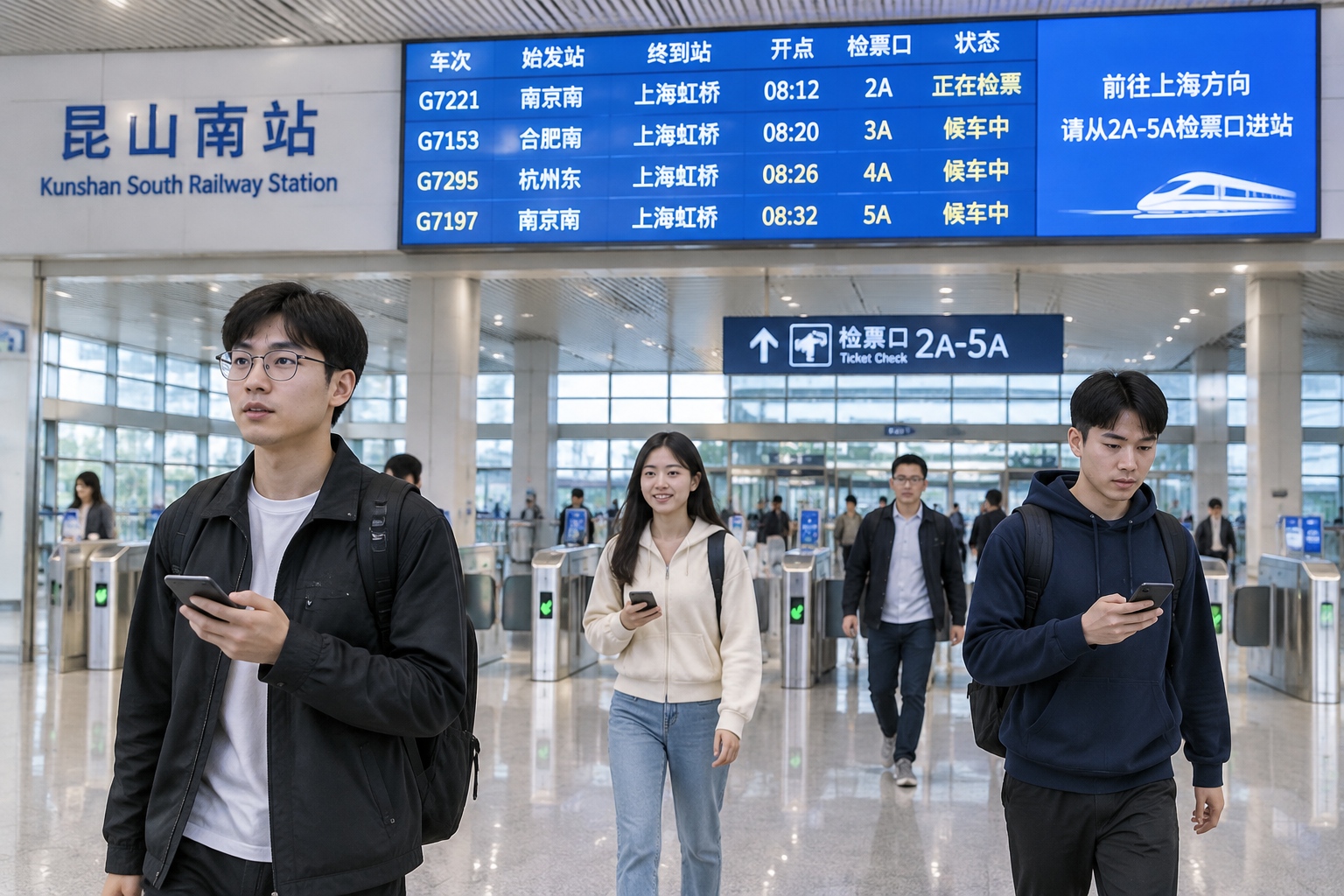
What Does “Integration” Actually Look Like on the Ground?
For people living in the delta, integration is not an abstract policy paper. It is a growing network of physical and digital connections that make provincial borders feel less relevant.
High-Speed Rail: The Backbone of the “1-Hour Circle”
Jiangsu is crisscrossed by high-speed rail lines that put most of its cities within a one-hour train ride of Shanghai. The Beijing–Shanghai line, the Shanghai–Nanjing intercity, and the newer Shanghai–Suzhou–Nantong line have compressed time and distance. Today, Nanjing, the provincial capital, is about one hour from Shanghai by train—a trip that used to take four hours by road in the 1990s. This “1-hour commuting circle” is a central goal of the YRD plan.
The connectivity extends beyond trunk lines. In 2013, Shanghai Metro Line 11 was extended into Kunshan, making it China’s first cross-provincial subway line. A resident of Huaqiao, a town on the Jiangsu–Shanghai border, can take the metro to downtown Shanghai without changing trains. More recently, the Suzhou–Shanghai regional rail has been expanding, and the two cities are now physically closer than many districts within a single metropolis.
Roads, Bridges, and Ports: Moving Goods and People
Passenger traffic is only half the story. Jiangsu’s highway network is among the densest in China, and new cross-river bridges, such as the Hutong Bridge (Nantong–Suzhou) and the Shanghai–Suzhou–Nantong railway bridge, have ended the era when the Yangtze River split the province in two. For cargo, the port of Taicang, under Suzhou’s jurisdiction, now operates as an extension of Shanghai’s port. Many export containers are loaded at Taicang and shipped to Shanghai’s Yangshan deep-water port through a “direct transfer” system, cutting logistics time by a day.
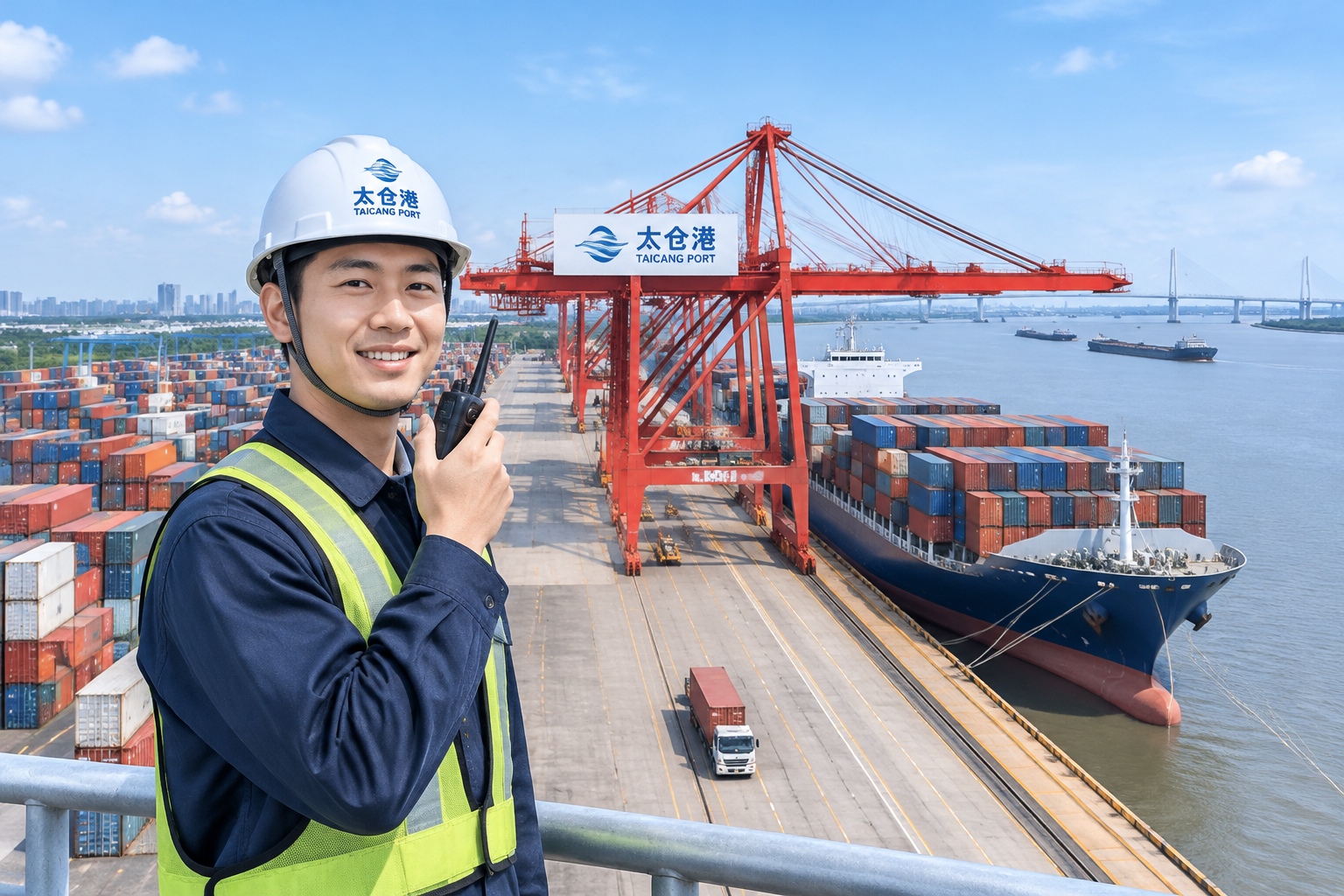
Industry: One Supply Chain, Many Cities
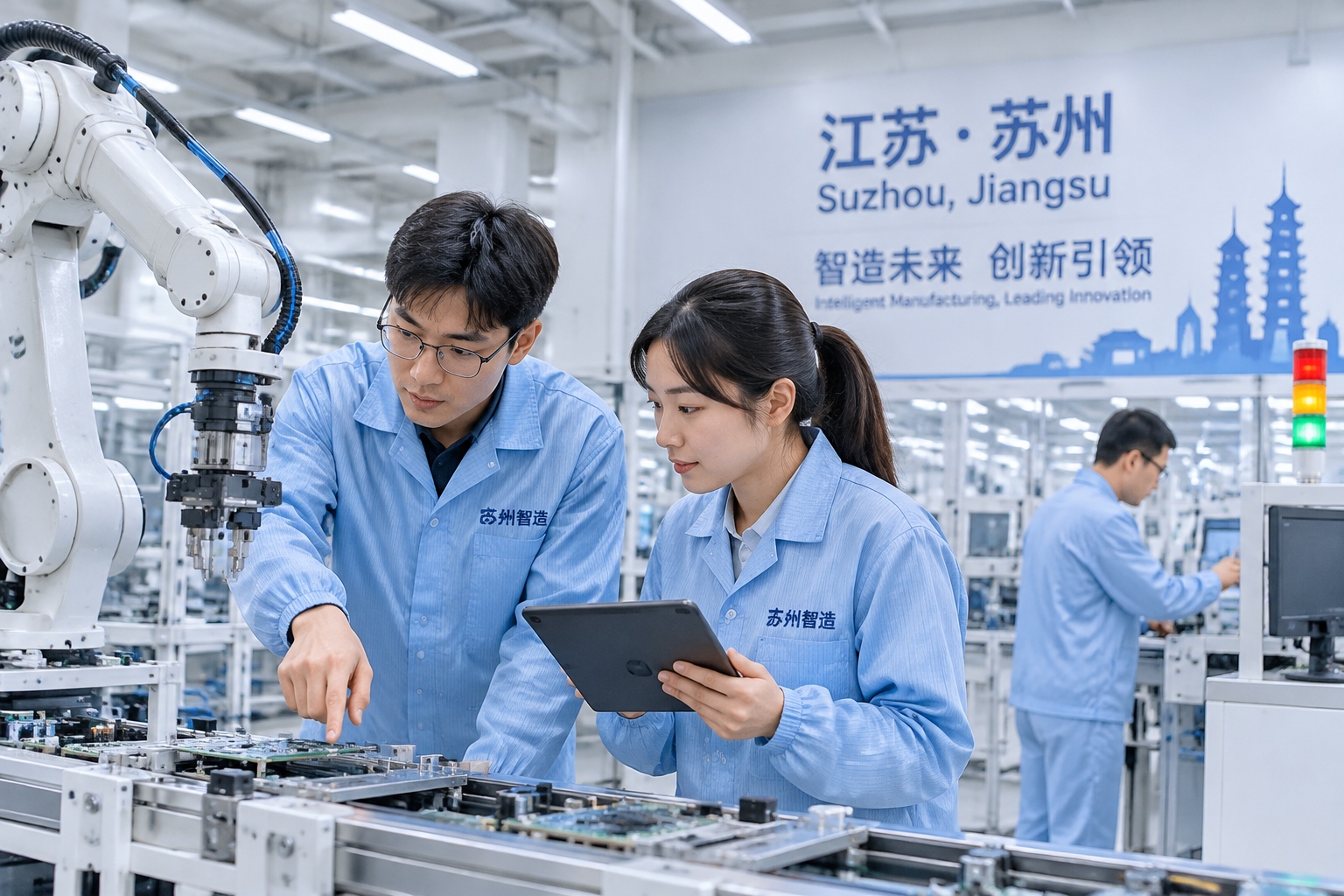
Jiangsu’s manufacturing base—spanning electronics, machinery, textiles, and automobiles—does not operate in isolation. It is deeply interwoven with Shanghai’s finance, R&D, and headquarters economy. A typical case: an integrated circuit company might design chips in Shanghai, produce them at a fab in Wuxi or Suzhou, and assemble final products in Nantong. This vertical division is getting faster and cheaper because of the transport links and shared customs procedures.
Take the YRD integration demonstration zone around the border of Shanghai’s Qingpu district, Suzhou’s Wujiang district, and Jiaxing in Zhejiang. Financial institutions there can now approve cross-province loans more easily, and companies can register with a single digital ID across the region.
Talent Flows Without Boundaries
Integration also moves people. Millions now live in one city and work in another, thanks to the rail network. Jiangsu’s universities—Nanjing University, Southeast University, and many others—produce tens of thousands of engineers every year. Shanghai’s finance firms and tech companies hire them, while Suzhou’s factories attract technicians from across the region. A new “talent card” system allows qualified professionals to access public services in any participating city, like renting subsidized apartments or applying for research grants, without resettling their household registration.
Public Services: When a Border Feels Like a Zip Code
The integration also changes everyday life. Medical insurance accounts, for example, can be settled directly across provinces. Since 2019, a resident in Jiangsu who sees a doctor in Shanghai can use their Jiangsu medical insurance card to pay on the spot, without filing an application for reimbursement later. By 2023, more than 14,000 medical institutions in the YRD had joined the direct-settlement network.
Other services are following: retirement benefits, unemployment registration, and even library memberships are becoming portable. For the 240 million people living in the delta, this is the most tangible sign that the “region” is becoming a real community.
Why Jiangsu Matters More Than “Third Place”
In the YRD, Shanghai is the financial and innovation hub, Zhejiang is known for e-commerce and private entrepreneurship, Anhui has emerging tech and manufacturing. So what makes Jiangsu integral?
First, economic weight. Jiangsu accounts for about a quarter of the YRD’s total GDP, and its per-capita GDP is often higher than the national average by a wide margin. Second, industrial completeness. From semiconductors to shipbuilding, Jiangsu has one of the most comprehensive manufacturing chains in China. Third, its network of mid-sized cities—Suzhou, Wuxi, Nanjing, Nantong, Changzhou—creates a “graphene” effect, where no single city dominates but the whole region benefits from specialization.
Suzhou, for instance, is now a global hub for high-end equipment manufacturing and biotech. It is consistently ranked among China’s top industrial cities, and its GDP (around 2.5 trillion yuan in 2023) rivals that of many provinces.
What’s Still Hard? The Real Friction Points
Integration does not mean uniformity. Complaints remain: telecom roaming charges between provinces were eliminated only in 2017, and some administrative procedures still require physical presence in one’s home town. Land policy, pensions, and school enrollment rules still differ across city lines. A family moving from Nanjing to Shanghai for work may find their children’s school options limited if they don’t secure an official residence permit.
But the direction is clear. In 2024, the YRD signed new agreements on joint emergency management, shared environmental data, and mutual recognition of engineering qualifications. The region is planning more cross-river tunnels and new high-speed lines, including the much-anticipated Shanghai–Huzhou high-speed railway, set to open in 2024, which will cut Shanghai to Huzhou from two hours to under 30 minutes.
Bottom Line: Jiangsu Is the Reliable Engine
If the Yangtze River Delta dreams of becoming a single megalopolis with global influence, Jiangsu is the landmass that makes it possible. Its role is not glamorous but foundational. The province provides the factory floors, the transport corridors, the engineering talent, and the patient administrative capital that turn Shanghai’s ideas into products and services used around the world.
For commuters on the 7:10 train to Shanghai, integration simply means they can have both a suburban home and a big-city career. For a factory manager in Wuxi, it means a delivery truck can cross two provincial borders and reach Shanghai’s port in under three hours. These daily efficiencies are the real proof of integration—and Jiangsu is where many of them come together.
As the region keeps tightening its bonds, the old picture of separate provinces is fading. What is emerging is a single economic space with many centers, and Jiangsu is the quiet, powerful core that holds it together.
Start the discussion at forum.chinacomes.com