


Beyond Jin Yong and Gu Long: An Advanced Reading Guide for Wuxia Authors
You have finished reading The Legend of the Condor Heroes or maybe a few short stories by Gu Long. You understand the basics: sword fights, internal energy (Qi), and the code of honor among knights-errants. But when you go back to your bookstore or browse online, you feel stuck. Jin Yong is the classic Shakespeare of Chinese literature; Gu Long is the noir detective. Who comes next?
If you stop here, you miss half the picture. Chinese martial arts fiction (wuxia) evolved rapidly in the late 20th century. New authors broke the rules, mixing genres and challenging traditional values. This guide helps you navigate that shift. Think of it as a menu: if you like mysteries, go left; if you like sci-fi, go right; if you prefer philosophical depth, stay in the middle.
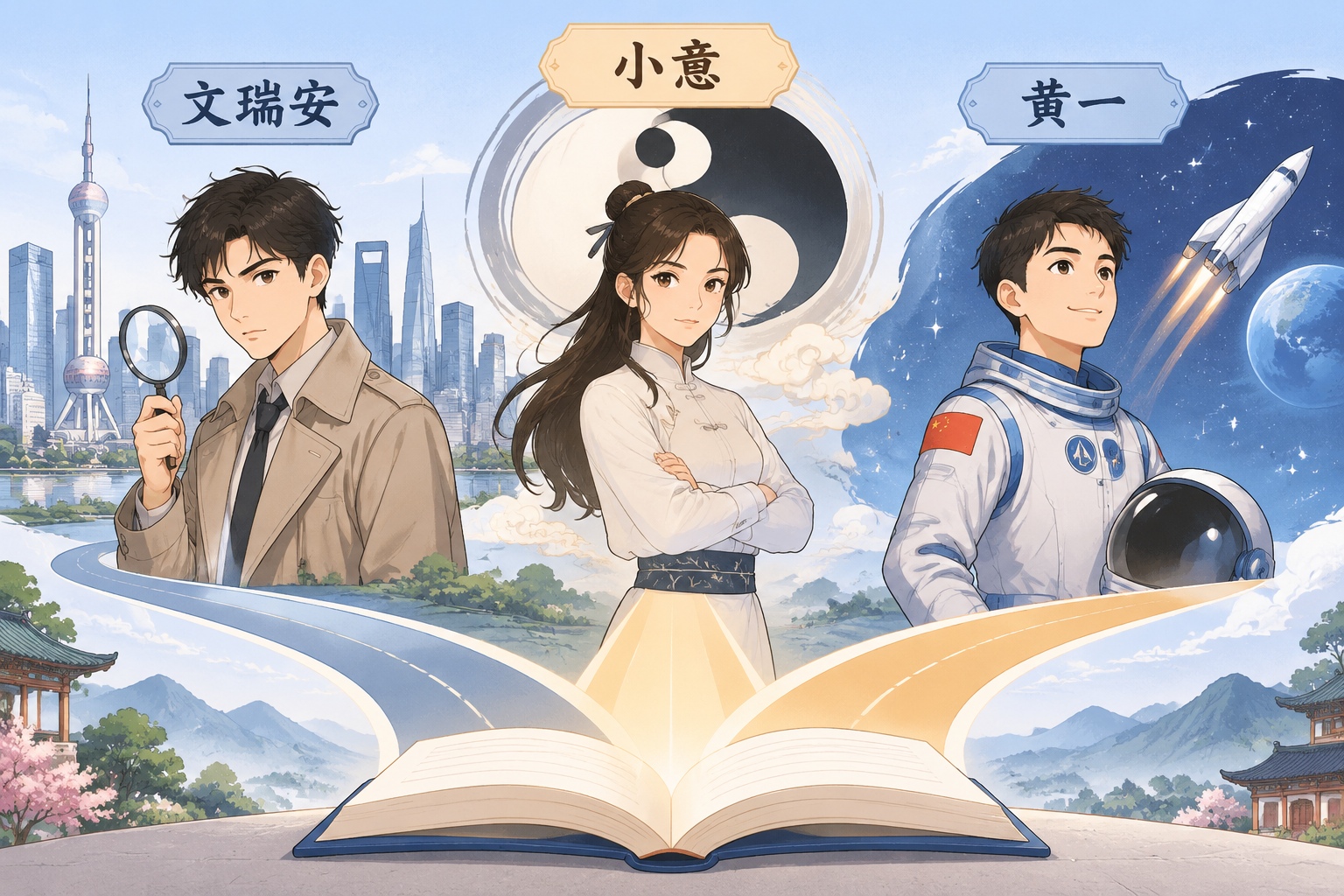
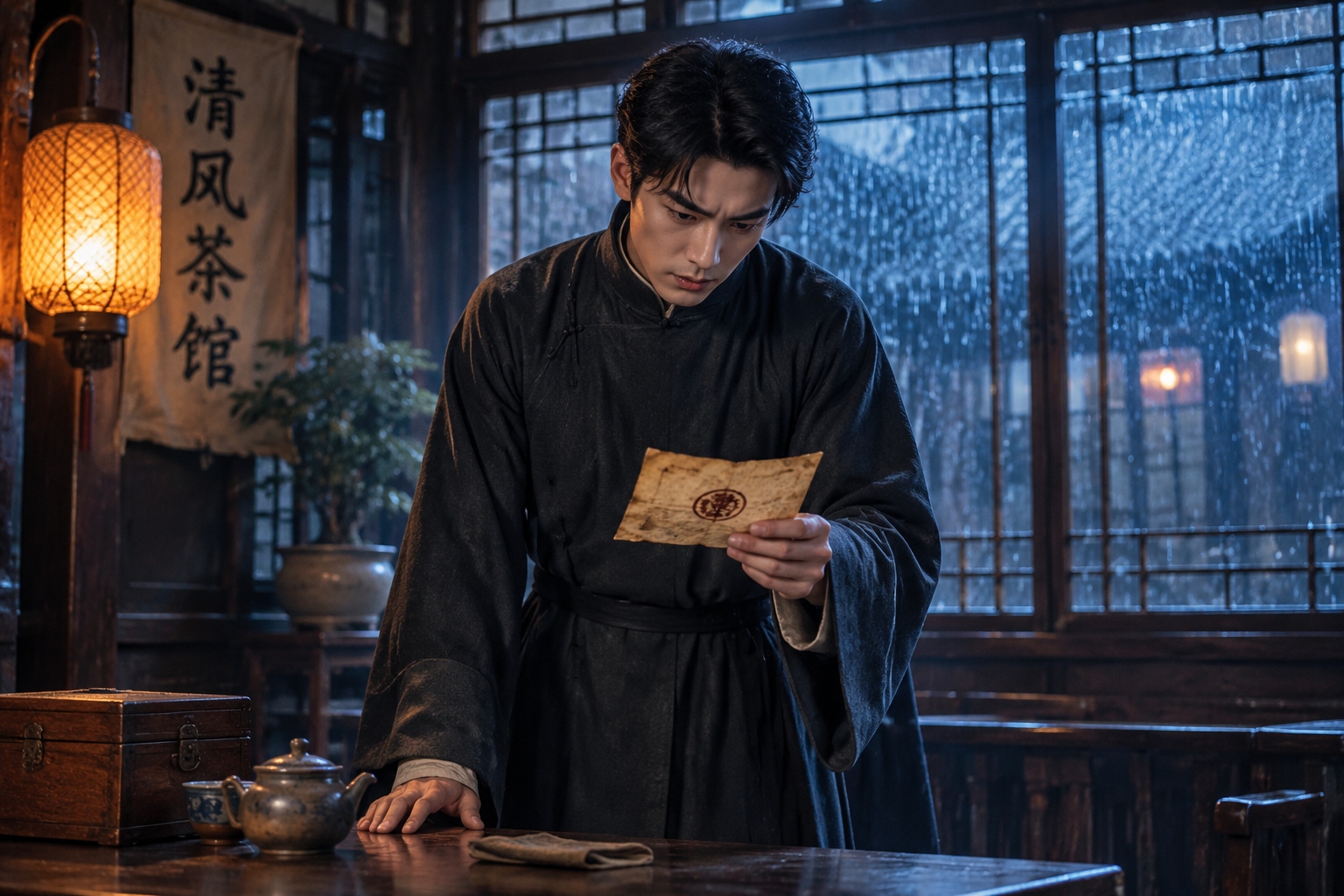
Wen Rui’an: When Wuxia Meets Thriller
If Gu Long was influenced by Western hard-boiled detective novels, Wen Rui’an pushed that boundary further. He didn’t just write fights; he wrote conspiracies. His style is often described as “wuxia noir.” The pacing is fast, the dialogue is sharp, and the plots are layered like a puzzle box.
Wen’s most famous series, Four Great Constables, isn’t about lone wolves wandering mountains. It’s set in the imperial capital, Beijing (historically), where heroes work as police detectives solving complex crimes while navigating political corruption. For readers who enjoy Agatha Christie or Arthur Conan Doyle, Wen offers a familiar structure with a martial arts twist.
His prose is also unique. He often uses fragmented sentences and poetic imagery to describe action, making the violence feel artistic rather than brutal. If you found Jin Yong’s detailed historical context too slow, Wen’s fast-paced mystery plots will keep you turning pages.
Why Read Wen Rui’an?
- You like mysteries: The core of his stories is “whodunit,” not just “who wins the fight.”
- You prefer urban settings: Unlike the remote mountains in Jin Yong, Wen’s heroes operate in cities and courts.
Huang Yi: Wuxia Goes Sci-Fi
If you thought wuxia was strictly historical, Huang Yi shattered that ceiling. He is the bridge between traditional martial arts and science fiction. In his novels, “internal energy” isn’t just a mystical force; it’s often explained through pseudo-scientific concepts like quantum mechanics or biological evolution.
Huang Yi’s works, such as Yi Jian Ping Shan, blend high-tech weaponry with ancient swordsmanship. He explores how martial arts might evolve if applied to space travel or futuristic warfare. This genre is sometimes called “Xuanhuan” (mysterious fantasy) because it incorporates elements of Taoist mysticism, mythology, and speculative science.
For Western readers familiar with Dune or Star Wars, Huang Yi offers a similar scale. The stakes are often cosmic, not just local. Characters might be fighting for control of the galaxy rather than a single sect’s reputation. His writing is dense and intellectual, requiring more focus than typical wuxia.
Why Read Huang Yi?
- You like Sci-Fi: If you enjoy concepts like time travel, parallel universes, or genetic enhancement, this is your lane.
- You want larger-than-life stakes: The scope moves from personal revenge to civilizational survival.
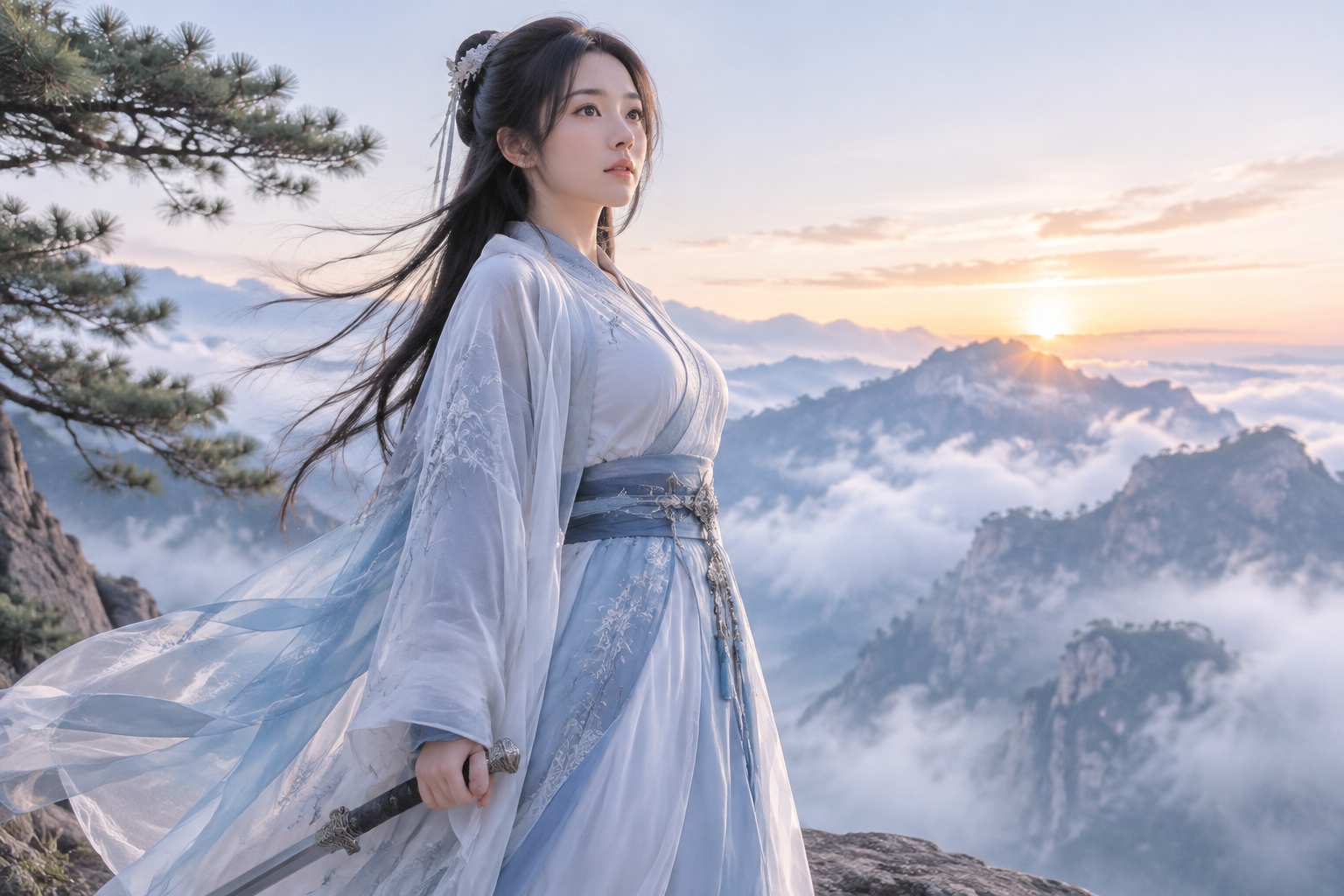
Xiao Yi: Philosophy and Strong Female Leads
While Jin Yong focused on Confucian duty and Gu Long on existential loneliness, Xiao Yi leaned heavily into Taoist philosophy. His stories are quieter, more introspective, and deeply concerned with the nature of power and freedom.
Xiao Yi is also known for creating some of the most complex female characters in wuxia history. Unlike the often passive or tragic women in earlier works, his heroines are autonomous, skilled, and morally ambiguous. They drive the plot rather than reacting to it. In Fei Tian Xue Zi (often translated as Snow Storm of Flying Swallow), the protagonist is a mysterious woman whose identity and motives unfold slowly, challenging traditional gender roles.
His writing style is elegant and atmospheric. He spends less time on choreographed fight scenes and more on psychological tension and philosophical debates. If you enjoyed the moral dilemmas in Jin Yong but wanted them to be more ambiguous and less black-and-white, Xiao Yi provides that nuance.
Why Read Xiao Yi?
- You like strong female protagonists: His women are leaders, fighters, and thinkers.
- You prefer philosophical depth: The stories explore Taoist ideas of non-action and natural order.
Your Reading Map: Which Author Fits You?
Choosing your next wuxia author depends on what you enjoyed most in Jin Yong and Gu Long. Here is a quick navigation guide:
| If you like… | Try this author | Key Feature |
|---|---|---|
| Mystery & Detective Plots | Wen Rui’an | Urban settings, conspiracy theories, fast pacing. |
| Sci-Fi & Fantasy Elements | Huang Yi | Cosmic scales, pseudo-science, high-tech martial arts. |
| Philosophy & Strong Women | Xiao Yi | Taoist themes, complex female leads, psychological depth. |
Don’t worry if you don’t read Chinese. Translations of these authors are available, though quality varies. For Wen Rui’an, look for editions that preserve his poetic style. For Huang Yi, be prepared for dense world-building explanations. For Xiao Yi, focus on the character dynamics.
The Living Tradition
Wuxia is not a museum exhibit. It is a living genre that reflects how Chinese society has changed over the last century. Jin Yong wrote during a time of cultural preservation; Gu Long reflected urban alienation; Wen Rui’an mirrored bureaucratic complexity; Huang Yi looked toward globalization and technology; Xiao Yi explored individual identity.
Reading beyond the big two allows you to see this evolution firsthand. You aren’t just reading about sword fights; you are reading about how Chinese people have imagined justice, power, and identity in different eras. Start with one recommendation above, pick up a book, and see where the rabbit hole leads.