


More Than Just Wuxia Movies
If you’ve ever watched a Chinese martial arts drama, you’ve heard the word Jianghu. It’s often translated loosely as “the underworld” or “rivers and lakes.” But if you think of it as just a place where swordsmen fight for treasure, you’re missing the point.
Imagine a parallel universe. In this world, there are no police, no courts, and no government bureaucracy. Instead, order is maintained by personal honor, sworn brotherhoods, and the threat of violence if you break your word. This is Jianghu. It’s not a physical place on a map, but a social space that exists alongside mainstream society.
For many Chinese people, understanding Jianghu is essential to understanding traditional Chinese culture. It explains why relationships (Guanxi) matter more than contracts in some business dealings, and why “saving face” can be a matter of life and death in social hierarchies.
The Literal Meaning: Rivers and Lakes
The term Jianghu literally means “rivers and lakes.” Historically, it referred to the wild, untamed wilderness outside the walled cities. In ancient China, the city represented order, law, and Confucian hierarchy. The countryside and waterways represented freedom, danger, and unpredictability.
When someone said they were “entering Jianghu,” they weren’t just going hiking. They were stepping out of the protected, regulated world of the state into a zone where your survival depended on your skills and your network.

Wild West vs. Jianghu: A Cultural Comparison
To help Western readers understand, let’s compare Jianghu to two familiar concepts: the American Wild West and the Mafia underworld.
The Wild West analogy works for the setting. Like cowboys, Jianghu characters are drifters who move from town to town, settling disputes with their fists or swords rather than calling a sheriff. There’s a romanticized sense of individualism and freedom from authority.
However, the Mafia (Underworld) analogy is better for the social structure. In both Jianghu and organized crime groups, hierarchy is rigid. Loyalty to your “brothers” or “master” is absolute. Betrayal isn’t just rude; it’s a capital offense.
But here’s the key difference: The Mafia is primarily about illegal profit. Jianghu is about Yi (righteousness/loyalty). A hero in Jianghu might rob a corrupt official not for money, but to redistribute wealth to the poor. Their code isn’t written down, but it’s strictly enforced by social pressure and reputation.
The Code of Yi: Loyalty Over Law
If you want to survive in Jianghu, you need Yi. This is often translated as “loyalty,” but it’s deeper than that. It’s a moral obligation to protect those who have helped you, even at great personal cost.
In mainstream Chinese society, laws and contracts govern behavior. In Jianghu, your word is your bond. If you promise to help a friend move house, you do it, even if you’re busy. If you owe someone a favor, you repay it with interest. This system relies entirely on trust and reputation.
Consider this modern parallel: In China’s business world, people often prefer to work with “friends of friends” rather than strangers. Why? Because in the old Jianghu logic, a friend is bound by Yi. A stranger might cheat you; a sworn brother cannot afford to, or he loses his standing in the community.
Who Lives in Jianghu?
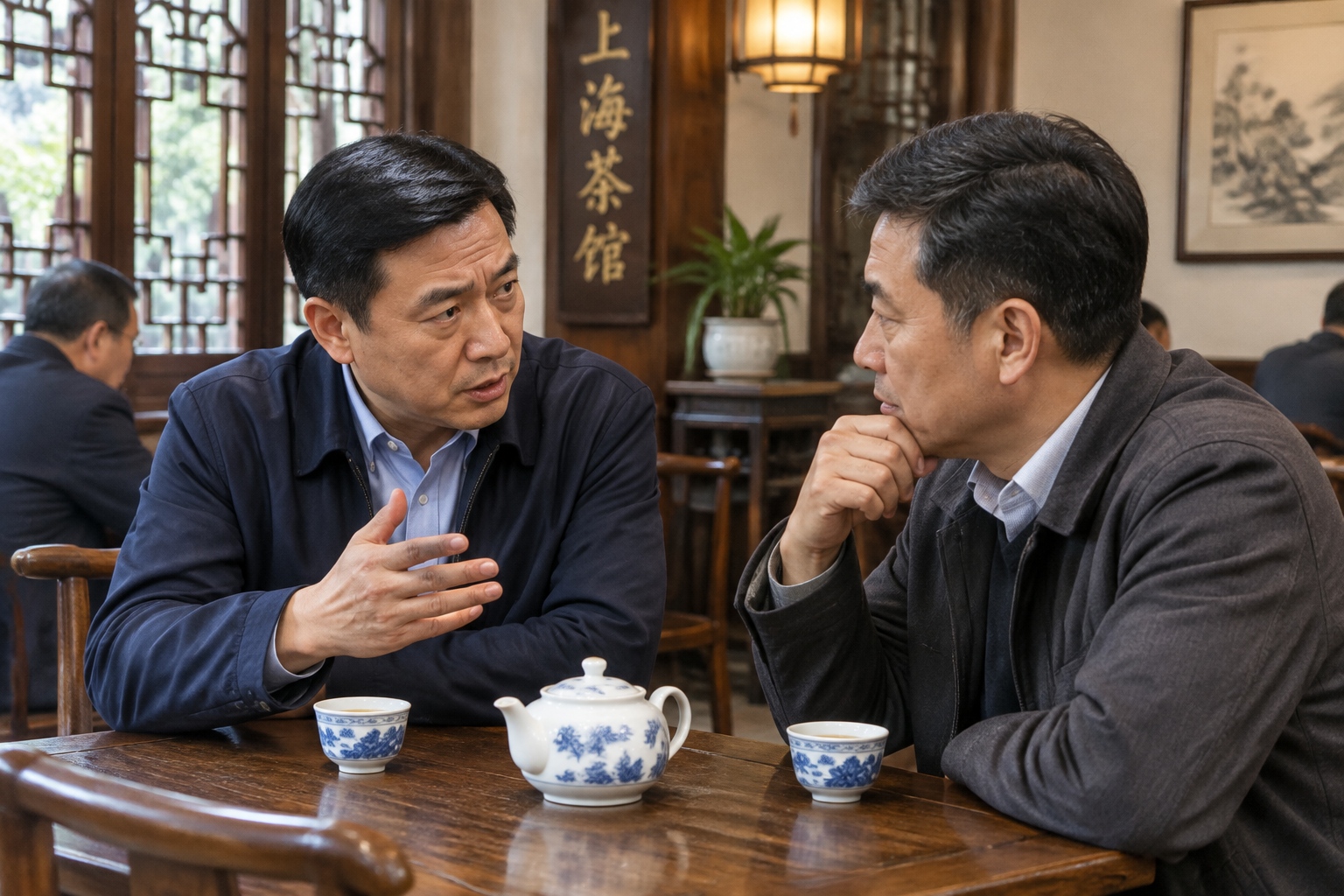
Jianghu isn’t just for sword-wielding heroes. Historically, it included beggars, monks, merchants, criminals, and scholars who refused to serve the emperor. Today, the “spirit” of Jianghu lives on in specific subcultures.
- The Urban Drifters: Young people who move between cities for work, relying on networks of friends rather than corporate HR departments to find opportunities.
- The Online Communities: Gaming clans or niche hobbyist groups where internal rules, reputation, and “clan loyalty” matter more than platform terms of service.
- The Traditional Martial Arts Masters: In parks across China, you’ll see elderly practitioners teaching Tai Chi. They often operate in small, tight-knit circles with their own hierarchies and codes of conduct, preserving a living fragment of Jianghu.
Why It Matters Today
You might ask: Why should a modern person care about an ancient code of honor?
Because it shapes how people interact. When a Chinese businessperson says, “This is a matter of Jianghu,” they mean it’s not just about the contract—it’s about respect, face, and long-term relationship preservation. Breaking the deal might be legally permissible but socially fatal.
Understanding Jianghu helps you decode the unspoken rules of Chinese social life. It’s a reminder that in many cultures, order doesn’t always come from the top down. Sometimes, it emerges from the bottom up, built on promises kept and debts repaid.
Final Thought
Jianghu is not chaos. It’s an alternative order. It’s a world where you are judged not by your title or wealth, but by your character and your loyalty. For foreigners, recognizing this layer of social reality can turn confusing interactions into understandable human connections.