
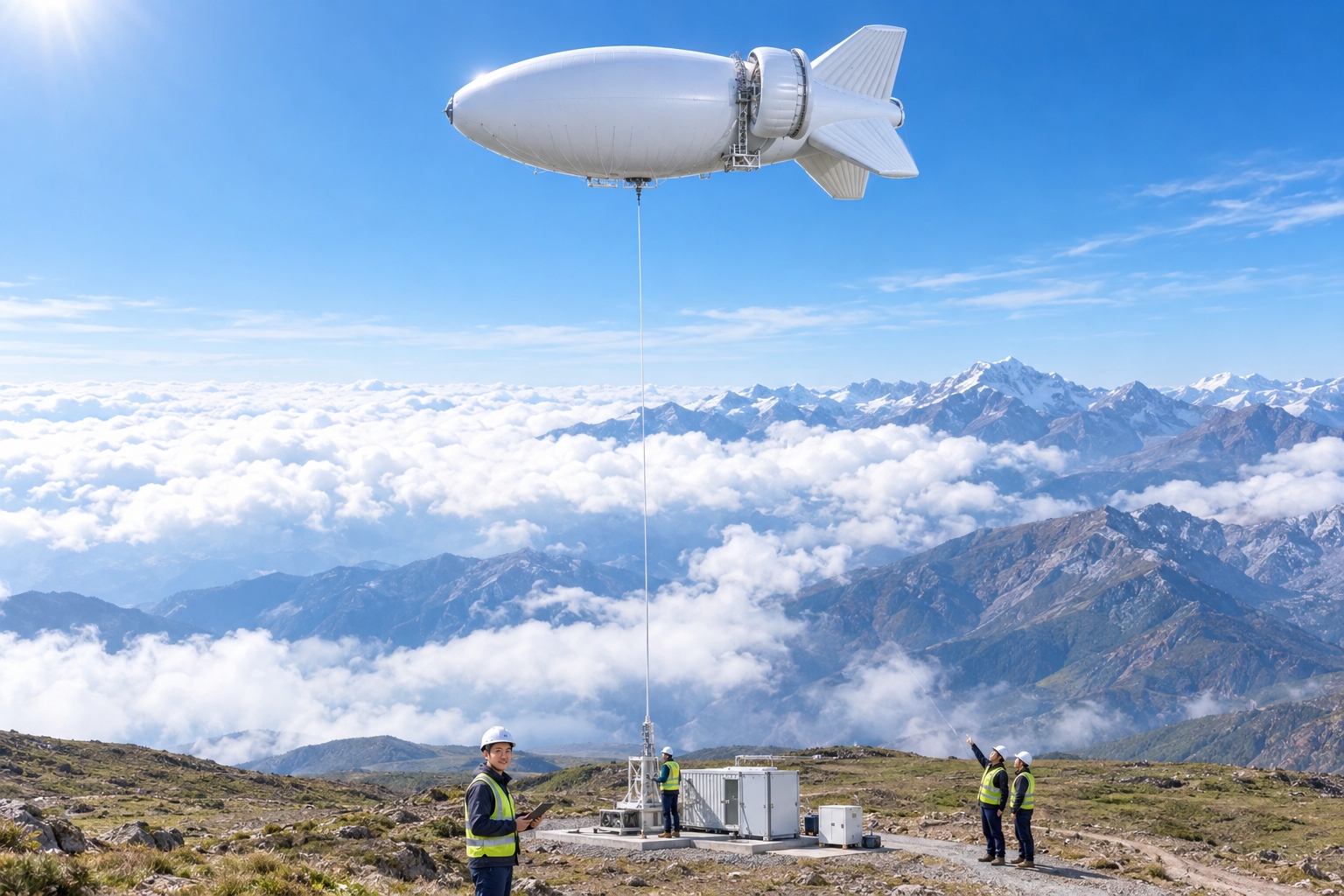

A Flying Power Station at 4,000 Meters
On August 22, 2026, a Chinese team completed the world’s first full-process validation of a floating wind power system generating electricity at 4,000 meters above the ground. This is not just an engineering milestone—it means China has become the first country to walk the entire path from technical verification to engineering deployment in stratospheric high-altitude wind power.
Three Core Technological Breakthroughs
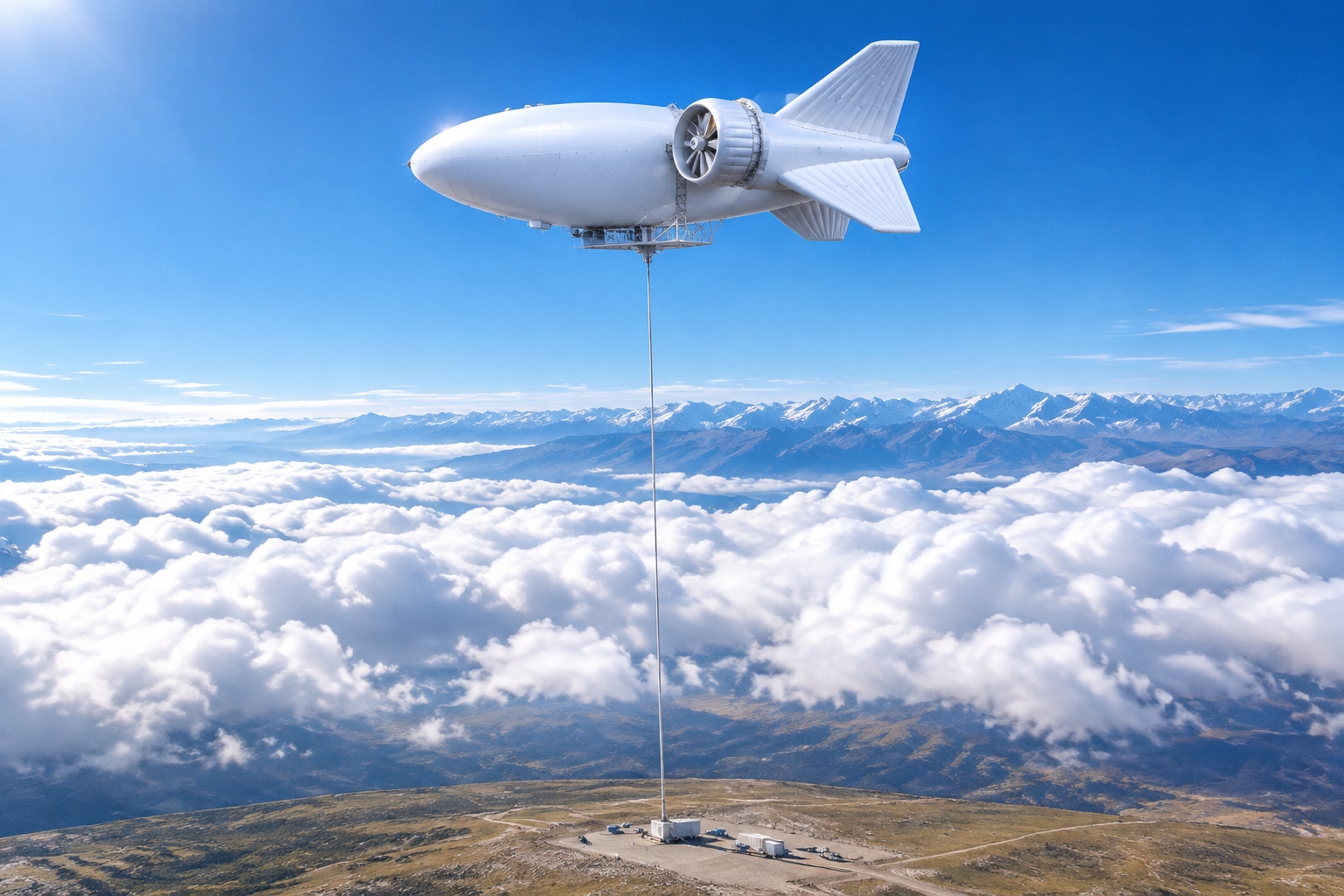
The S4000 system’s innovation can be understood through three key technical dimensions.
Aerodynamic Design Innovation
The S4000 uses a hybrid structure combining a streamlined envelope with a rigid skeleton. Compared with its predecessor, the S2000, its wind resistance has improved by 45%, and it can maintain stable posture even in 12-level extreme winds. An integrated ducted channel accelerates airflow, boosting wind energy utilization by more than 20%.
Lightweight Power Generation
The system applies lightweight superconducting power generation technology. The generator weight is reduced by 60% compared with conventional models, while power density reaches 5 kilowatts per kilogram—a critical factor for keeping a heavy power plant aloft.
Transmission Cable Revolution
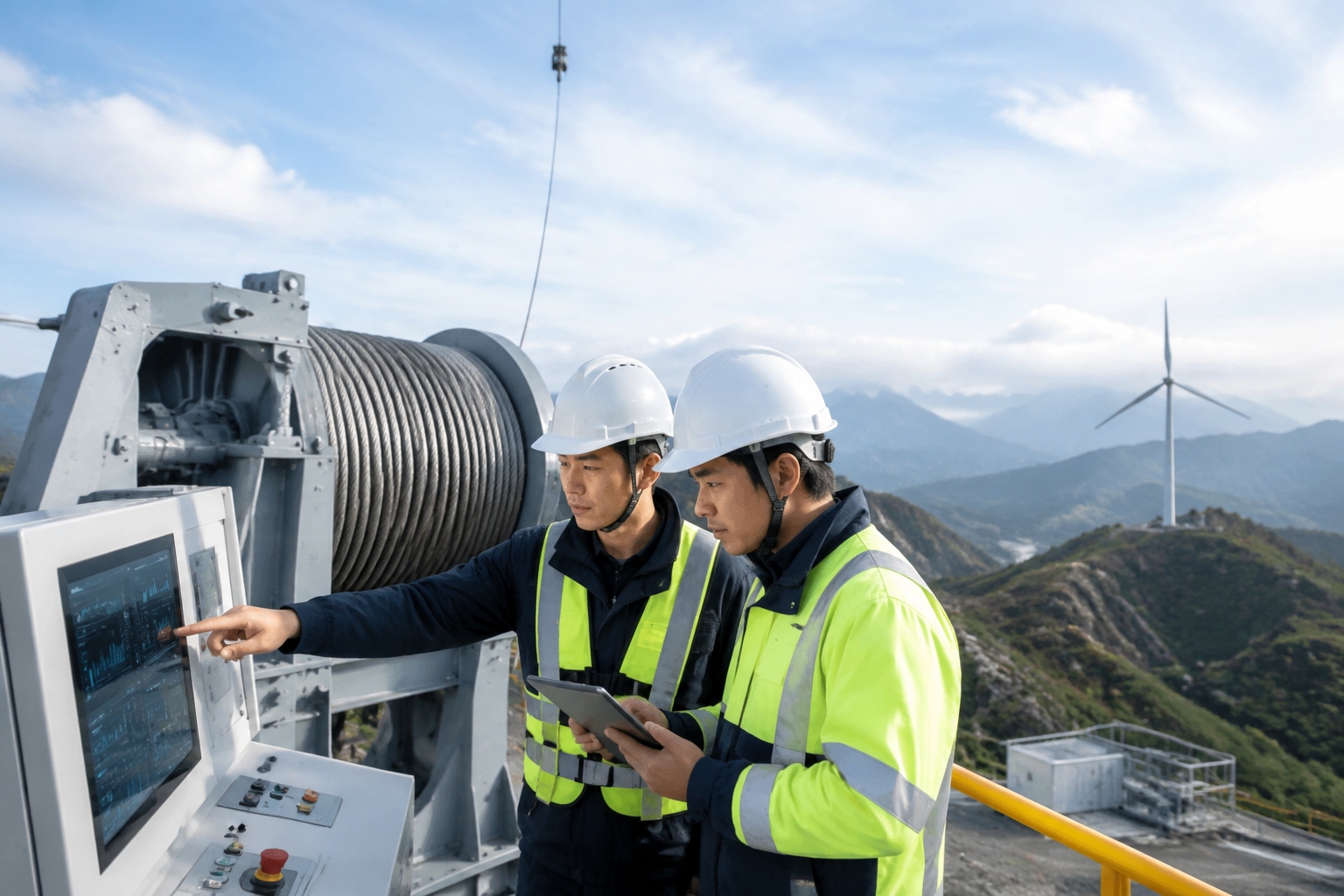
At its core, the system uses a carbon-fiber photoelectric composite cable. This cable must both anchor more than a ton of airborne equipment and transmit electricity. It weighs 60% less than traditional cables, achieves a transmission efficiency of 99.2%, and its tensile strength is three times that of steel—at only one-quarter the weight.
From Chasing to Leading: The International Race
High-altitude wind energy is not a Chinese invention. In Europe, Germany’s SkySails Power is advancing smart kite systems, while EnerKite (Germany) and TwingTec (Switzerland) focus on autonomous modular designs. The U.S. Department of Energy and ARPA-E have also funded high-altitude wind research. Yet none of these international projects have completed a full 4000-meter closed-loop verification. China’s rapid iteration of megawatt-class systems and its push toward engineering application now show a clear trajectory from follower to segment leader.
Cost Advantage and Industrial Value
Public estimates suggest that after mass production, the S4000 could reduce the levelized cost of electricity by about 30%. Unlike conventional wind towers, the floating system requires no massive steel tower, saving about 40% in materials. If SAWES (Stratospheric Airborne Wind Energy Systems) reaches scale at higher altitudes, the cost per kilowatt-hour could fall below 0.2 yuan, making it competitive with many traditional power sources.
Policy Backing and Strategic Roadmap
In July 2026, China’s 15th Five-Year Plan for Renewable Energy formally listed “exploring and researching new wind energy utilization technologies such as high-altitude wind power” as a key direction. The S4000 success fills the critical missing link in China’s high-altitude wind engineering chain.
Dun Tianrui, founder and CEO of the startup behind the system, said the team began basic principle exploration in 2017. After years of R&D, they have now completed core technology development and full-chain manufacturing capacity. The company uses a rolling iteration model—”pre-research one generation, develop one generation, apply one generation.” The S1500 and S2000 models are already commercial, with order intake approaching 500 million yuan. Data from the S4000’s extreme-environment tests will directly support the development of the next-generation S6000-5MW model.
A New Frontier for Clean Energy
The theoretical global reserve of high-altitude wind energy is more than 100 times current electricity demand. Sending power stations into the sky is an entirely new path for clean energy development. It will not replace conventional wind farms tomorrow, but it opens exciting possibilities for energy supply in remote areas and disaster zones. With high-altitude wind power now included in China’s national renewable energy strategy, the standardization and serialization of floating wind power equipment are expected to accelerate significantly.
Start the discussion at forum.chinacomes.com