

The room where prices fall
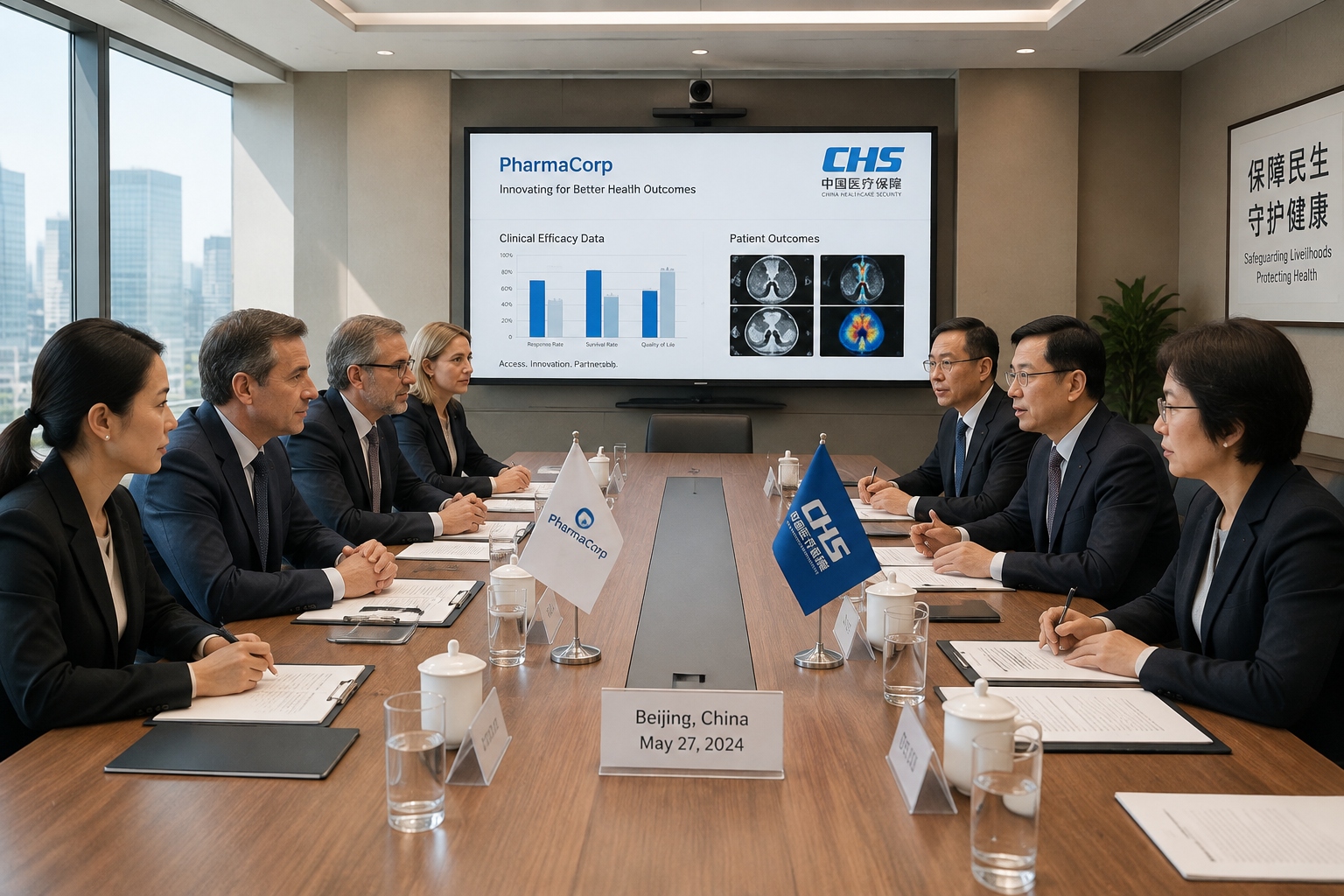
In a conference room in Beijing, a video camera records the scene. On one side sit representatives from a multinational drug company. On the other side, a small team from China’s National Healthcare Security Administration. A timer counts down from 25 minutes. The negotiator speaks slowly: “Every small group matters. Please lower the price further.”
This is not a show. It is the annual ritual of China’s medical insurance drug price negotiations. The country’s public health insurance system, which covers about 1.3 billion people, sits down with pharmaceutical companies to haggle over the prices of new, often lifesaving drugs. When an agreement is reached, the drug enters the national drug reimbursement list. Patients pay a fraction of the original price.
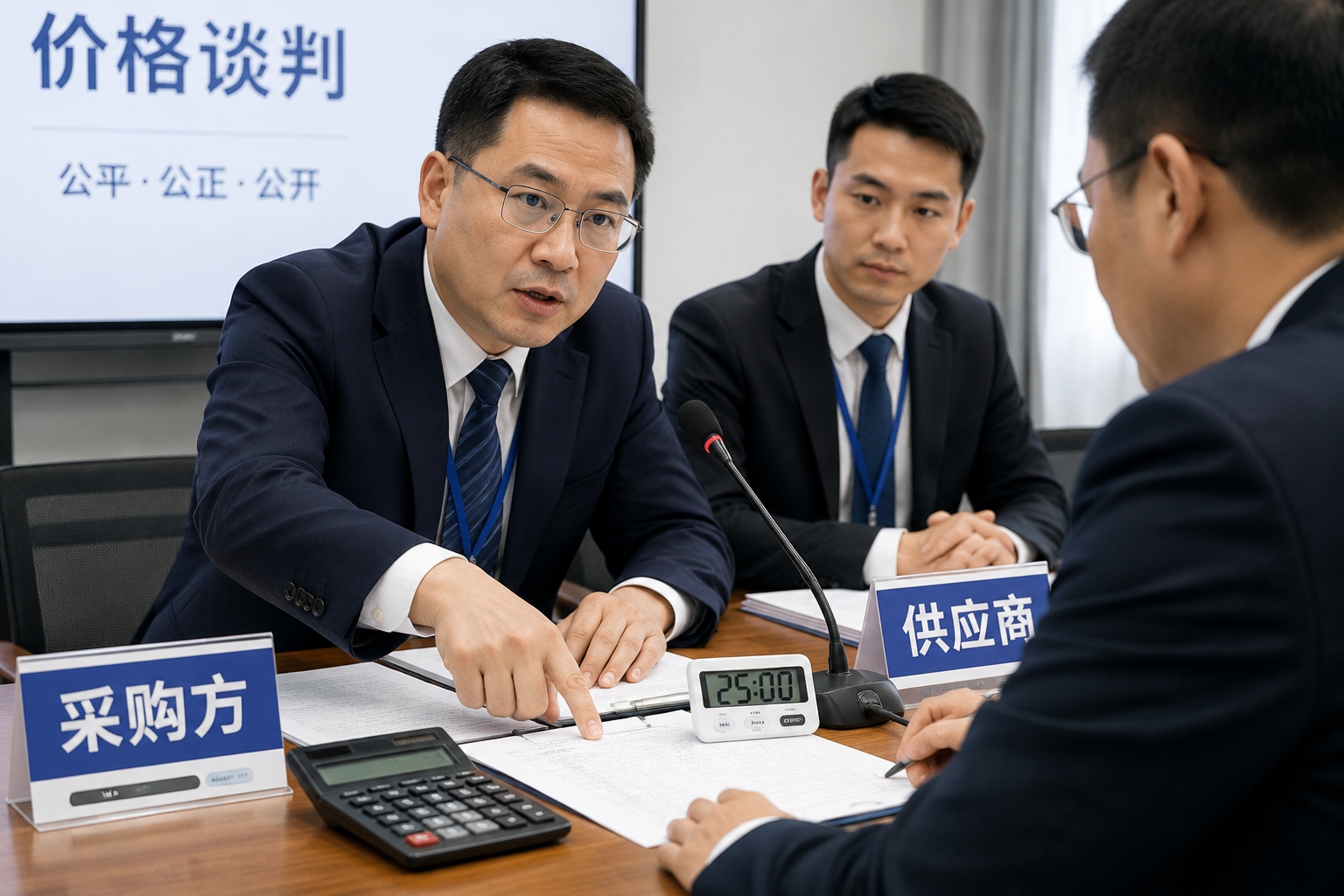
Clips of these negotiations, especially the moment when a price suddenly drops by tens of thousands of yuan, have gone viral on Chinese social media. But what actually happens behind those closed doors? And why do global drugmakers agree to cut prices so sharply?
One buyer, huge leverage
China’s health insurance system is the largest in the world. Almost every resident is enrolled. This gives the National Healthcare Security Administration enormous bargaining power. A drug that gets into the insurance list can be sold to hospitals across the country, with millions of potential patients. For a pharmaceutical company, that kind of volume is attractive enough to accept a lower unit price.
“The negotiation is not a simple game of saying a number and seeing if you accept it,” said a former negotiator who asked not to be named. “We first evaluate clinical value through internal and external experts, then benchmark against international prices and comparable treatments. We set a ceiling price before the drugmaker even walks in.”
That preparation matters. The government uses health economics assessments to judge whether a drug is worth its price, considering how many patients need it and what alternatives exist. If a medicine is too expensive, negotiators are told to be tough.
Pricing that changed the game
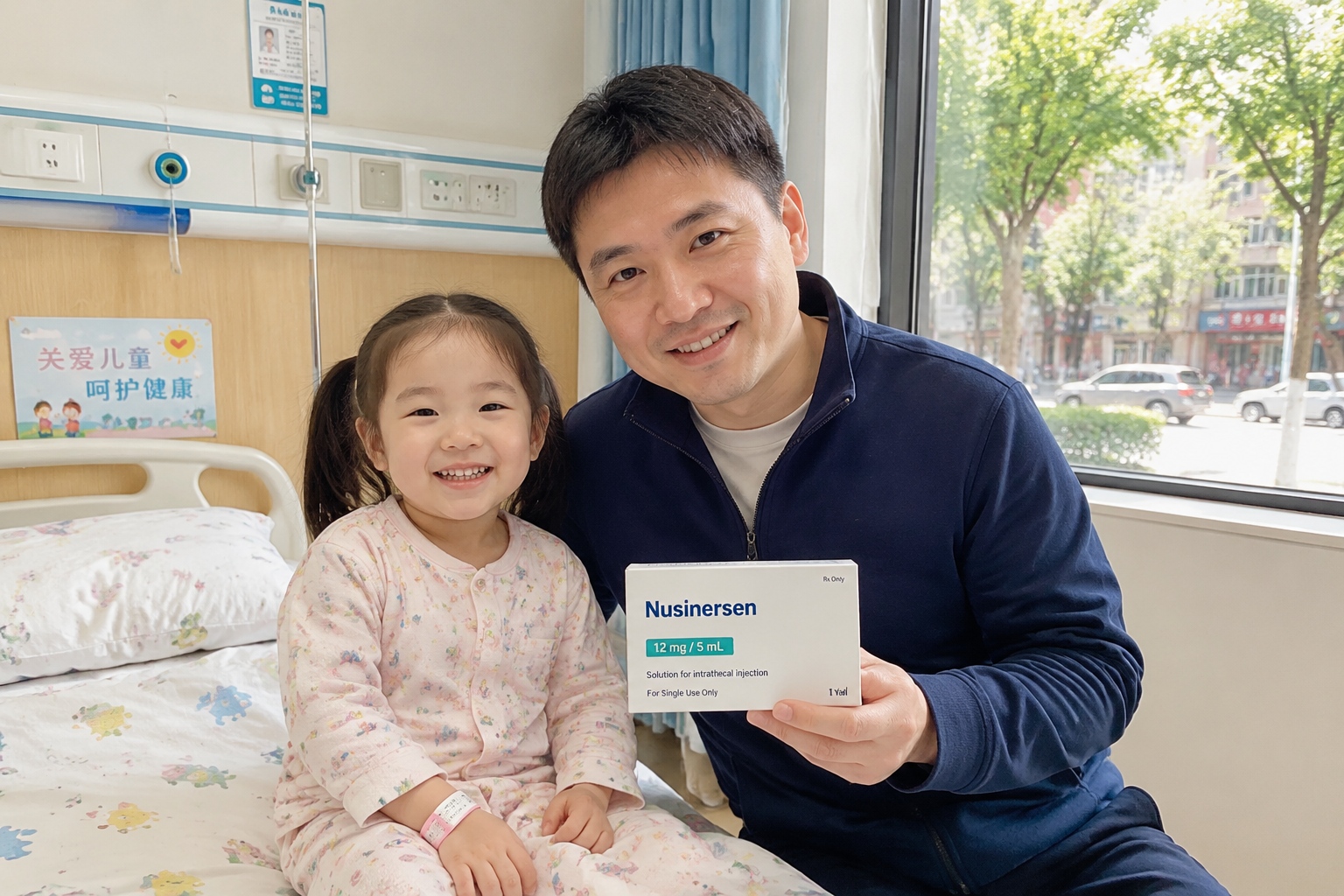
One dramatic example is nusinersen, a treatment for spinal muscular atrophy, a rare genetic condition that progressively damages nerves. The drug once cost about 700,000 RMB (around $98,000) per injection, making life-long treatment affordable to almost no one in China.
In 2021, after a long conversation, the manufacturer agreed to bring the price down to about 33,000 RMB per injection (less than $5,000). The video of the negotiator saying, “Every small group should not be abandoned,” became a symbol of the policy.
Similar stories have played out for cancer drugs, diabetes medication, and new antivirals. According to official data, the average price cut for drugs brought into the national list in the 2021 negotiation was 61.7%. In the 2023 round, it was about 61.3%. Some drugs dropped by 90% or more.
From 700,000 to 33,000: a patient’s story
Wei Dong, a father from Fujian province, has a daughter with spinal muscular atrophy. Before the drug was added to the insurance list, his family had sold their apartment and borrowed from relatives, but still could not afford treatment for more than a few months. “When I heard the news that nusinersen would be covered, I cried,” he told us. “Now, with insurance, we pay a few thousand yuan per injection. My daughter can keep getting treatment and live a much more normal life.”
Not every story ends so dramatically. Some drugs fail to reach a deal and stay outside the insurance list. Others enter with conditions, such as being limited to certain patient populations or hospital departments. The negotiation is not a magic wand.
The hard parts no one talks about
Even after a drug is listed, patients may still face difficulties getting it. Hospitals have quotas or limited budgets for new treatments, and sometimes a rural patient has to travel to a big city to get the medicine. Some drugs require long-term monitoring that primary care clinics are not equipped to provide.
Pharmaceutical companies have also expressed concerns that too aggressive bargaining could reduce their incentives to innovate. But market insiders say the opposite is often true: being excluded from the Chinese market is worse than accepting a lower price. In 2023, more than 80 percent of eligible drugs that were selected for negotiation did reach a deal, meaning most companies still see value in winning a spot.
Global ripple effects
China’s approach has influenced how drugmakers price new medicines. For years, companies launched drugs with high prices in the U.S. and Europe, then treated China as a secondary market. That strategy no longer works. Global pricing specialists now have to do the math with Chinese insurance coverage in mind.
Some international observers worry that China’s hard bargaining could slow down new drug development. But patient advocates point to a different reality: when a drug becomes affordable, usage expands, and the pharmaceutical company still earns revenue from high volume. The scale of China’s market often makes up for the lower unit price.
Not perfect, but moving forward
China’s medical insurance payment system still has gaps. The list is updated regularly, but not every new medicine can be included. The affordability of very expensive, ultra-rare disease treatments remains a serious problem. And the medical system with 1.3 billion people will always face resource constraints.
Yet the negotiation mechanism represents something important: a state explicitly trying to balance profit with public health. The negotiators sit at the table not for themselves, but for every patient who cannot afford a message of hope. They argue over every 10 yuan. Sometimes it saves a life.
If you have ever wondered why some medicines cost so much less in China, the answer is not simple. It is a complex mix of market size, government policy, and human determination. The next time a video from a negotiation goes viral, you will know what really happened behind the numbers.
Start the discussion at forum.chinacomes.com