

Introduction: One Holiday, a Thousand Faces
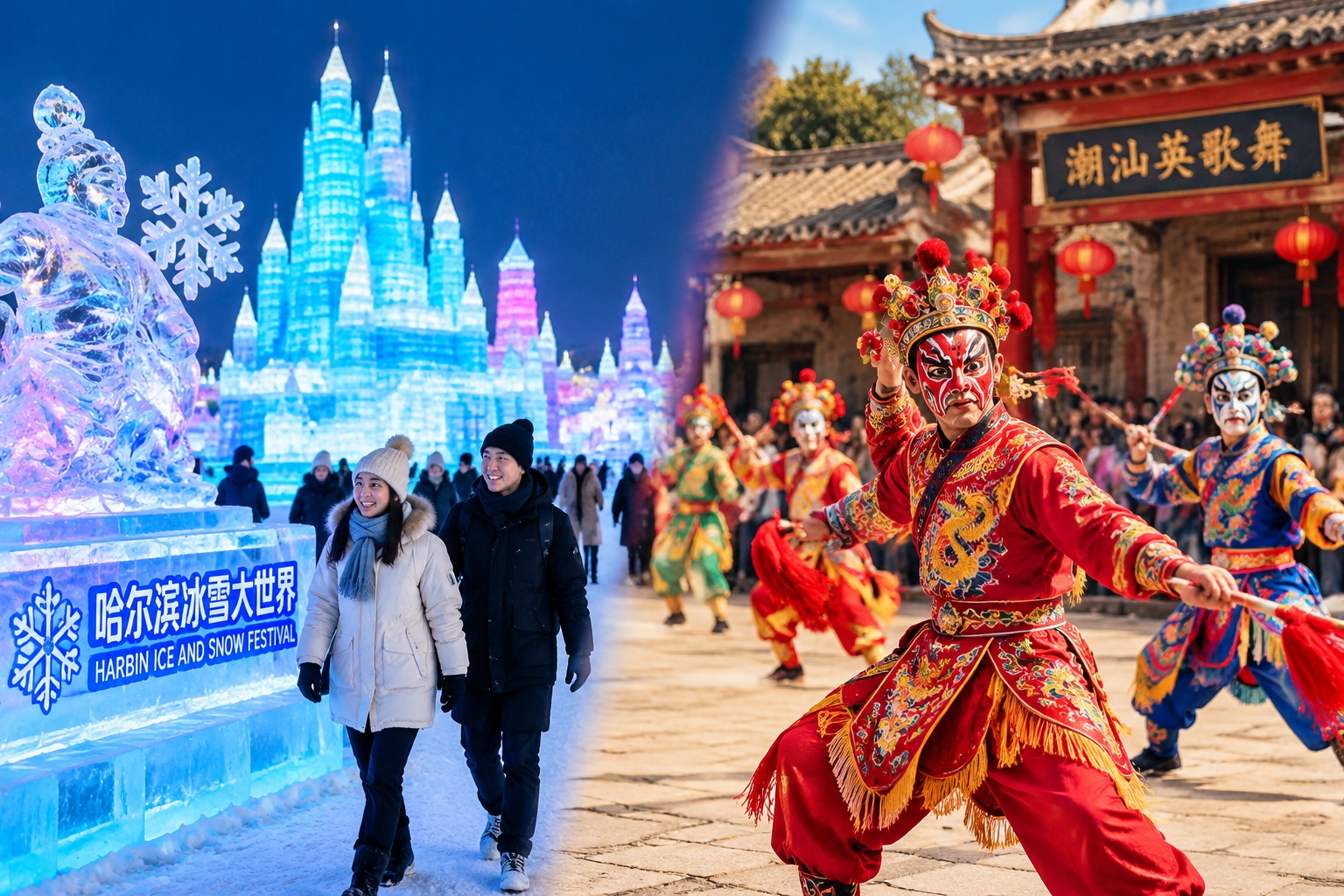
On a January night in Harbin, the air hits -25°C. Your breath freezes on your scarf. Yet thousands of people are outside, phones in gloved hands, staring at a 50-meter ice castle that glows pink and blue. Three thousand kilometers south, in the Chaoshan region of Guangdong, it’s a mild 18°C. Here, the streets are packed with a different crowd: they’re watching young men with painted faces perform the Yingge dance, a whirlwind of drums, sticks, and synchronized stomping.
Both scenes are part of the same holiday: Chinese New Year, or Spring Festival. But they couldn’t feel more different. That’s the thing about Spring Festival—it’s not one celebration. It’s hundreds of local traditions, each with its own flavor, rhythm, and even temperature.
Harbin: When Winter Becomes an Art Form
Harbin, the capital of Heilongjiang province in northeast China, is known as ‘Ice City.’ For over 60 years, it has hosted the Harbin International Ice and Snow Sculpture Festival, one of the world’s largest winter events. The main venue, Ice and Snow World, spans over 600,000 square meters—about 84 football fields. Artists carve blocks of ice from the nearby Songhua River into castles, pagodas, and life-sized cartoon characters. At night, LED lights inside the ice turn the park into a neon dreamscape.
But it’s not just a tourist attraction. Local families bundle up and go every year. ‘We come to see the ice lanterns, drink hot cocoa, and eat candied hawthorns,’ says Li Wei, a Harbin resident. ‘It’s our way of embracing winter instead of hiding from it.’
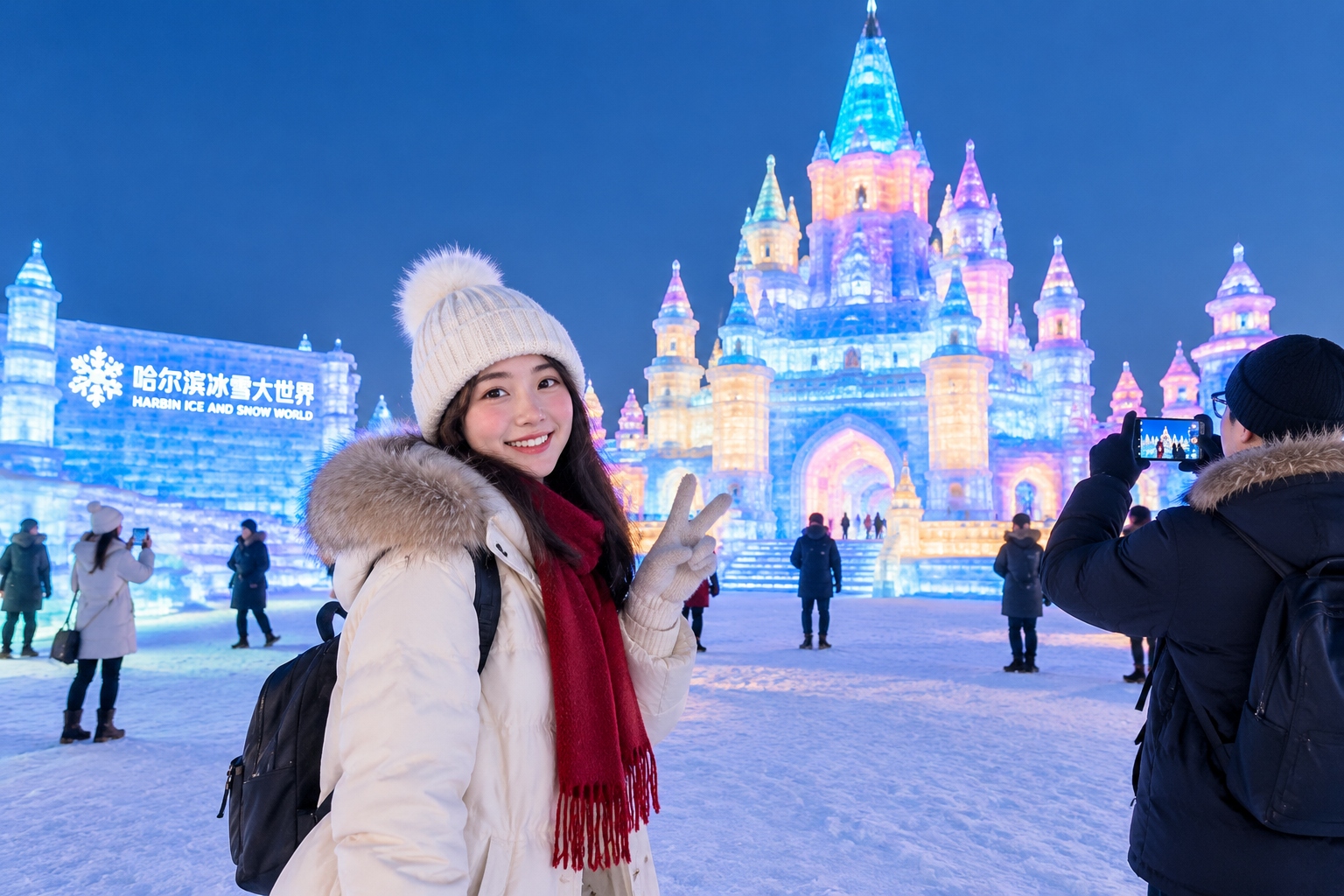
The festival has changed with the times. In the 1960s, ice lanterns were simple buckets of water frozen with a candle inside. Today, designers use 3D modeling and computer-controlled lights. Social media has also brought a surge of visitors from southern China, curious about the icy north. During the 2024 Spring Festival, Harbin received over 3 million tourists, a record high. For many, it’s a bucket-list experience: ride a snow slide, take a selfie with a giant ice Buddha, and warm up with a bowl of hot stew.
Chaoshan: The Rhythm of the Ancestors
Now imagine a very different scene. In the Chaoshan region—covering the cities of Shantou, Chaozhou, and Jieyang—Spring Festival is loud, fiery, and deeply communal. The highlight is Yingge dance, a folk performance that dates back over 300 years. ‘Yingge’ means ‘song of heroes’. Dancers, often young men and boys, wear elaborate costumes and paint their faces to resemble characters from the classic novel Water Margin. They carry short wooden sticks and move in precise formations, striking the sticks together in a thunderous rhythm.
The dance is more than entertainment. It’s a ritual to ward off evil spirits and welcome good fortune. In many villages, Yingge troupes are organized by clans and train for weeks before the holiday. ‘I’ve been dancing since I was eight,’ says Chen Jie, a 19-year-old performer from Chaozhou. ‘It’s exhausting, but when the drums start, you forget everything and just move.’
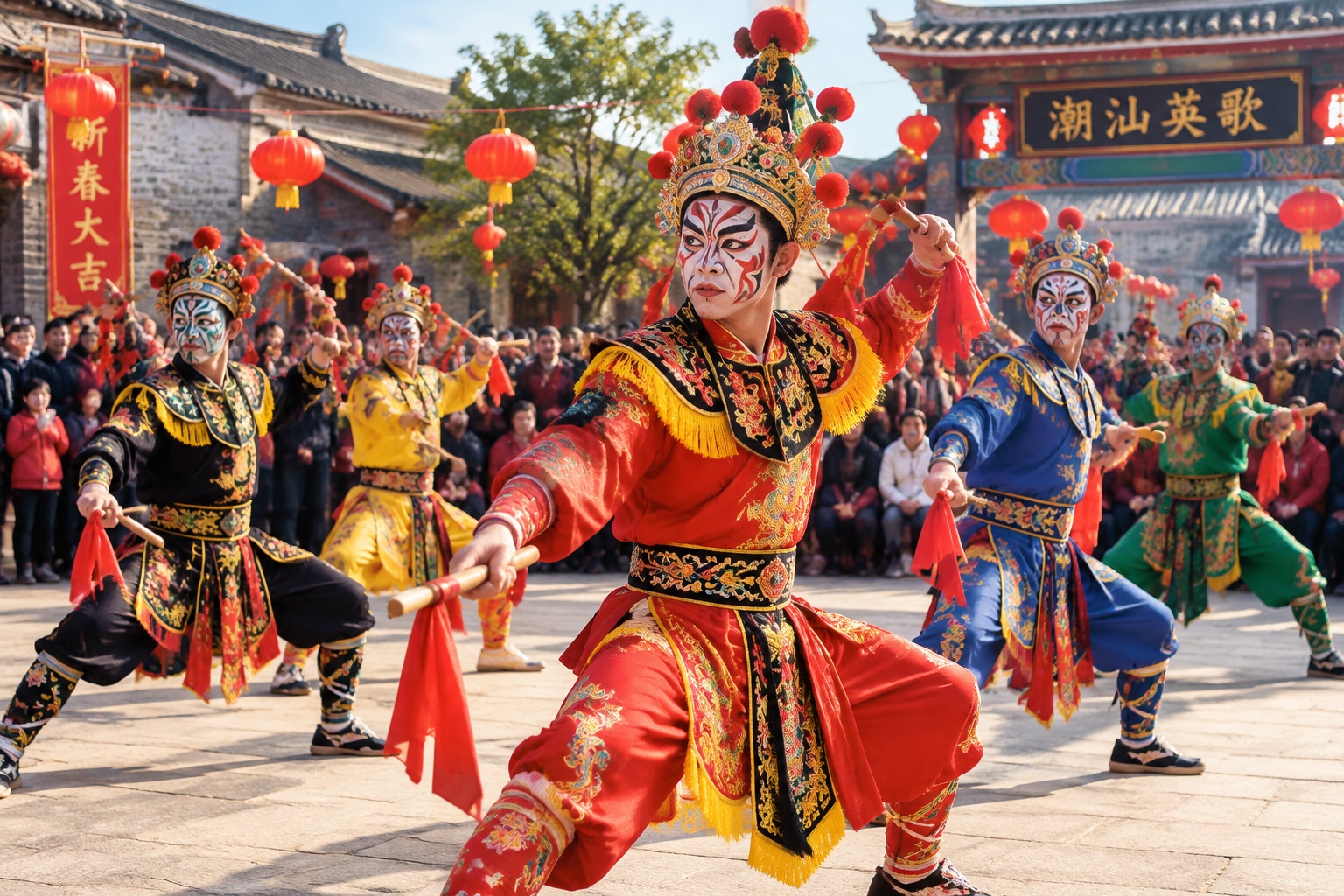
In recent years, Yingge has gone viral on Chinese social media. Videos of dancers stomping in unison have millions of views. Young people are joining troupes in record numbers. The dance has even been performed abroad, from Thailand to the United States. But for locals, it remains a matter of pride and identity. ‘It’s our way of saying: this is who we are,’ says Chen.
Two Ends of the Same Celebration
What do these two traditions have in common? Both are about bringing people together. In Harbin, the cold forces strangers to huddle, share hot drinks, and marvel at human creativity. In Chaoshan, the dance requires teamwork, discipline, and a shared beat. Both are also evolving. Harbin’s ice festival now features drone shows and virtual reality experiences. Chaoshan’s Yingge troupes are experimenting with new choreography and social media marketing. Neither is frozen in time.
And because of China’s massive travel rush during Spring Festival—the largest annual human migration—these worlds often collide. A young worker from Harbin might marry into a Chaoshan family and learn to dance. A Chaoshan entrepreneur might take her kids to see the ice. The result is a constant exchange of traditions.
What This Means for Visitors
If you’re traveling in China during Spring Festival, don’t limit yourself to Beijing or Shanghai. The holiday is a great time to see regional culture at its most vibrant. Here are a few tips:
- Harbin: Go in late January or early February. Pack thermal underwear, hand warmers, and a good camera. Book tickets for Ice and Snow World in advance. Don’t miss the local hot pot and Russian-influenced pastries.
- Chaoshan: Fly to Jieyang or take a high-speed train from Shenzhen. Stay in Chaozhou’s old town, where you can watch Yingge performances in the streets. Try the beef balls, oyster omelets, and Gongfu tea. Be prepared for crowds—this is a peak season for locals returning home.
Both destinations offer a glimpse of a China that many outsiders never see. Not the skyscrapers of Shanghai, but the living traditions of small cities and villages.
Conclusion: More Than One Story
Spring Festival is often described as a single event, but it’s really a mosaic. In Harbin, it’s ice and light. In Chaoshan, it’s fire and drums. In other places, it’s temple fairs, paper cuttings, or reunion dinners that last for hours. The common thread is renewal: saying goodbye to the old, welcoming the new, and doing it with the people you love.
So next time you hear ‘Chinese New Year,’ don’t picture just one scene. Picture a frozen castle in the north, a dancing troupe in the south, and millions of stories in between.
Start the discussion at forum.chinacomes.com