


An Expat, an Apartment, and a Tax Story
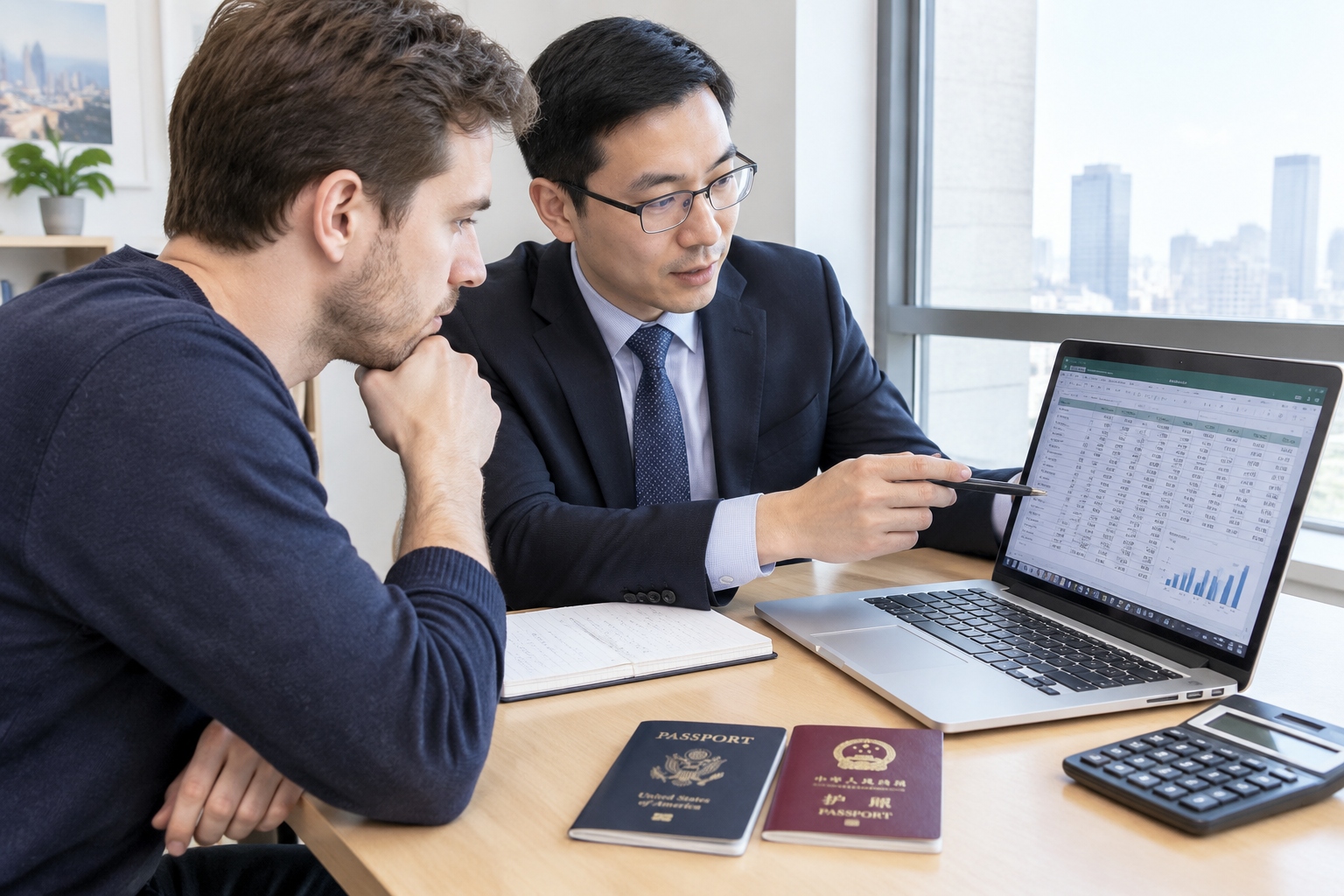
When Lisa, a French designer who has been living in Shanghai for eight years, decided to sell the two-bedroom flat she bought in 2019, her first concern was not the buyer’s offer but the tax office. “Do I actually have to pay 20% to the Chinese government?” she asked. It’s a fair question. For many expats who own property in China, the selling process looks like a maze of unsettled questions: Is the tax the same for foreigners? What if I have only owned it for three years? And how do I get my money back to Europe?
After a decade of property counselling and daily contact with local tax bureaus, I’ve watched many non-Chinese homeowners overreact—or underprepare—when the moment comes to transfer ownership. This article is a plain-English breakdown of the main taxes you will face as a foreign seller, using a real case from Shanghai to show how the numbers actually work.
The Three Main Taxes (and Which Ones Actually Apply)
When you sell a residential property in China, the taxes that might appear on your paperwork are: (1) value-added tax (VAT), (2) personal income tax (IIT) on the transfer income, and (3) land appreciation tax (LAT). In practice, if you are selling a home (not an office or a shop), LAT is almost always exempt. But the VAT and IIT rules carry specific exemptions and deadlines that can turn a frightening bill into a near-zero payment.
Value-Added Tax (VAT): The 2-Year Threshold
China’s VAT on real estate resale is calculated differently for homes held for less than two years versus two years or more. Since 2016, the standard rate for an individual seller is 5% of the full sale price if the property has been held for fewer than two years (plus a small urban surcharge, typically around 0.3%–0.6% depending on the city). If the property has been owned for at least two years, most cities across China will exempt you from VAT entirely. One important nuance: in “first-tier” cities like Beijing, Shanghai, Guangzhou and Shenzhen, if the unit is classified as a non-ordinary residential property (roughly, a high-end property with a large size or a high price per square meter), VAT is charged on the difference between your selling price and your original purchase price even after two years. For an ordinary apartment—which most expats will own—the two-year ownership period sets you free.
Personal Income Tax: The “Full Five, Only One” Exemption
This is the tax that worries people the most. If you profit from selling a home you have owned for less than five years, China will generally impose IIT at 20% of the taxable gain. The gain is calculated as your net sale price minus your original cost and reasonable expenses – and here the “reasonable expenses” include your original purchase tax, broker fees and installation costs, as long as you have proper invoices. When you cannot provide an original purchase value, many local tax bureaus allow a deemed rate of 1% of the selling price instead. But if you meet the famous “满五唯一” (Full Five, Only One) condition, your IIT liability disappears completely. “Full Five, Only One” means that you have held the property for at least five years, and it is the only residential home under your name in mainland China. The date of holding is counted from the earlier of (a) the date on your real estate ownership certificate or (b) the date on your original deed tax payment invoice. For a foreign resident with only one flat, this is a very valuable condition to plan for.
Land Appreciation Tax: A Non-Issue for Houses
Land appreciation tax is often placed on top of every tax-breakdown list, but if you are selling an ordinary residence, you can relax. The State Administration of Taxation has for many years explicitly exempted individuals from LAT when they sell their own residential properties. The tax matters when a foreigner sells a commercial unit (like a shop or an office space) or a very high-end non-ordinary home. Since our article focuses on the far more common case of an apartment, LAT will not appear in the calculation below.
Case Study: Selling a Shanghai Apartment After 5 Years
Let us put numbers to all this. Suppose you bought a second-hand apartment in Puxi, Shanghai in 2019 for RMB 5 million. It is a 120m² ordinary residential home. In 2024, you sell it for RMB 6 million. You have provided the full purchase invoice, and this is the only property you own in mainland China. What do you owe?
- VAT: Since you have held the property for more than two years and the apartment is ordinary residential, VAT = 0.
- Additional surcharges: 0 (because there is no VAT to add onto).
- Personal Income Tax: Because you satisfy both conditions of “Full Five” (over 5 years) and “Only One” (your sole mainland residence), IIT = 0.
- Land Appreciation Tax: Ordinary residential property, exempt.
- Stamp duty and other fees: Individual sellers of residential property are generally exempt from stamp duty, and the deed tax is paid by the buyer, not you. Total tax liability: RMB 0.
Now imagine a slightly different scenario: you bought the flat in 2021 but sold it in 2024, so you have owned it for only three years. You are still not eligible for “Full Five”, but you are over the VAT two-year threshold. Your VAT is still zero, but your personal income tax is now on the table. Since you can prove the original purchase price, the taxable gain is RMB 1 million (6m – 5m). The IIT would be 200,000 RMB (20% of 1m). In a third scenario—where you sell in less than two years—you would also have to pay VAT of 6,000,000 × 5% = 300,000 RMB, plus urban surcharge (about 1.8 million? no, it’s 300k plus small fees), and the entire capital gain may be taxed at 20%. That is a heavy difference from the zero-tax outcome in the happy “满五唯一” case.
Practical Fine Print on the “Full Five, Only One” Exemption
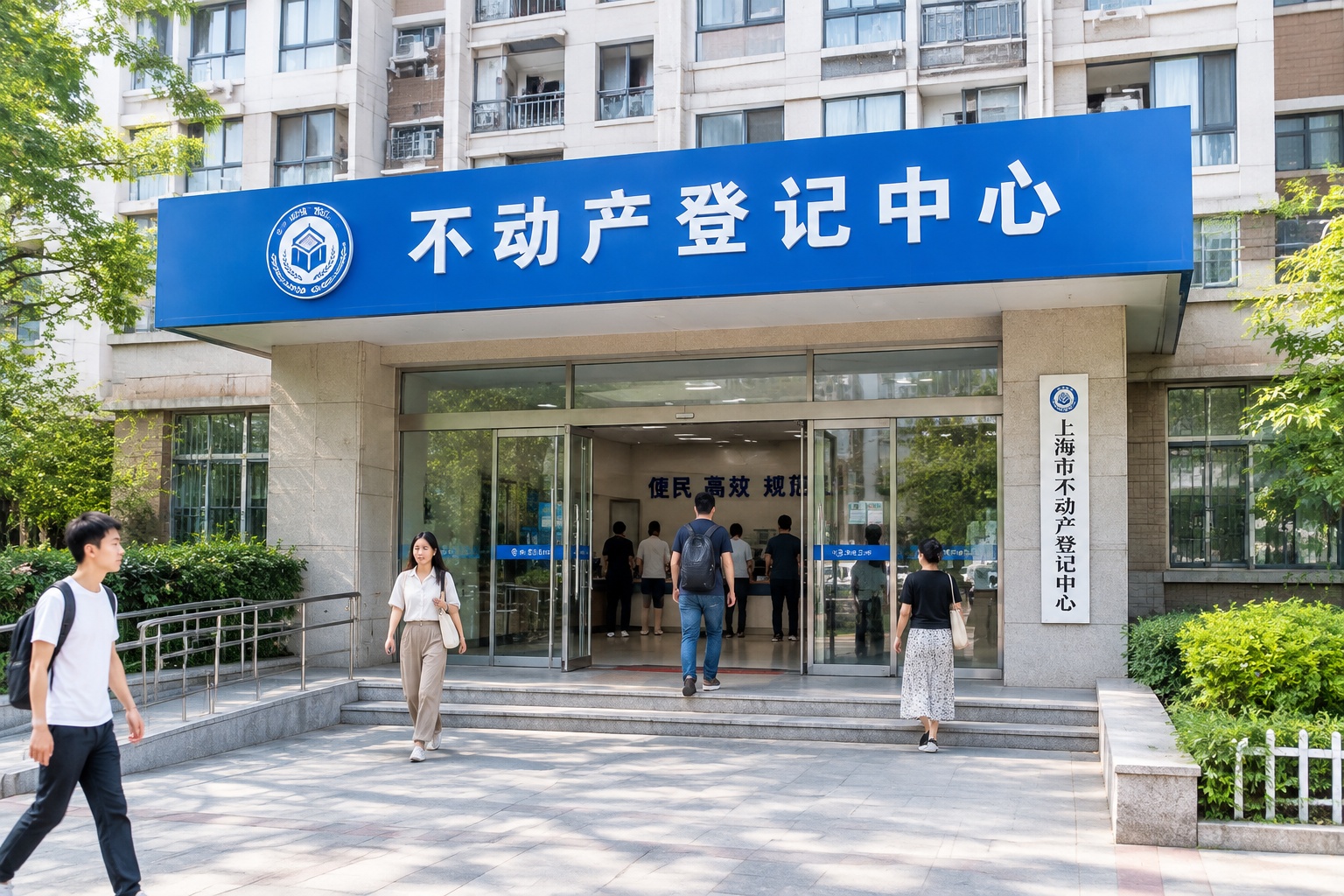
In real transaction flow, the “Full Five, Only One” exemption is not granted automatically. You must apply for it at the tax office when you handle the deed transfer. The typical documents required are:
- Your passport and a notarized translation (if in a foreign language);
- The original real estate ownership certificate;
- The original deed tax payment invoice or the purchase contract, to prove your holding start date;
- A declaration that this is the only residential property you own in Mainland China (you may be asked to sign a statement under perjury liability);
- Completed tax declaration forms, often available on the local tax bureau website.
A common mistake is to believe that “Only One” refers only to the property in the same city. It does not. The tax bureau of the city where you sell the home will check whether you own other residential property anywhere in mainland China through the national real estate information network. If you have another flat in Beijing, your Shanghai sale cannot use the exemption.
Another practical point: when you sell an inherited property, keep an extra eye on the holding period. Inherited homes generally inherit the original holding date from the deceased person, not from the date you inherited them. If your parent bought the apartment in 2005 and you inherited it in 2020, you can still count 2005 as the start date for the “Full Five” test. Local tax officers will accept the probate paperwork and the original purchase invoices as evidence.
Getting Your Money Out of China Legally
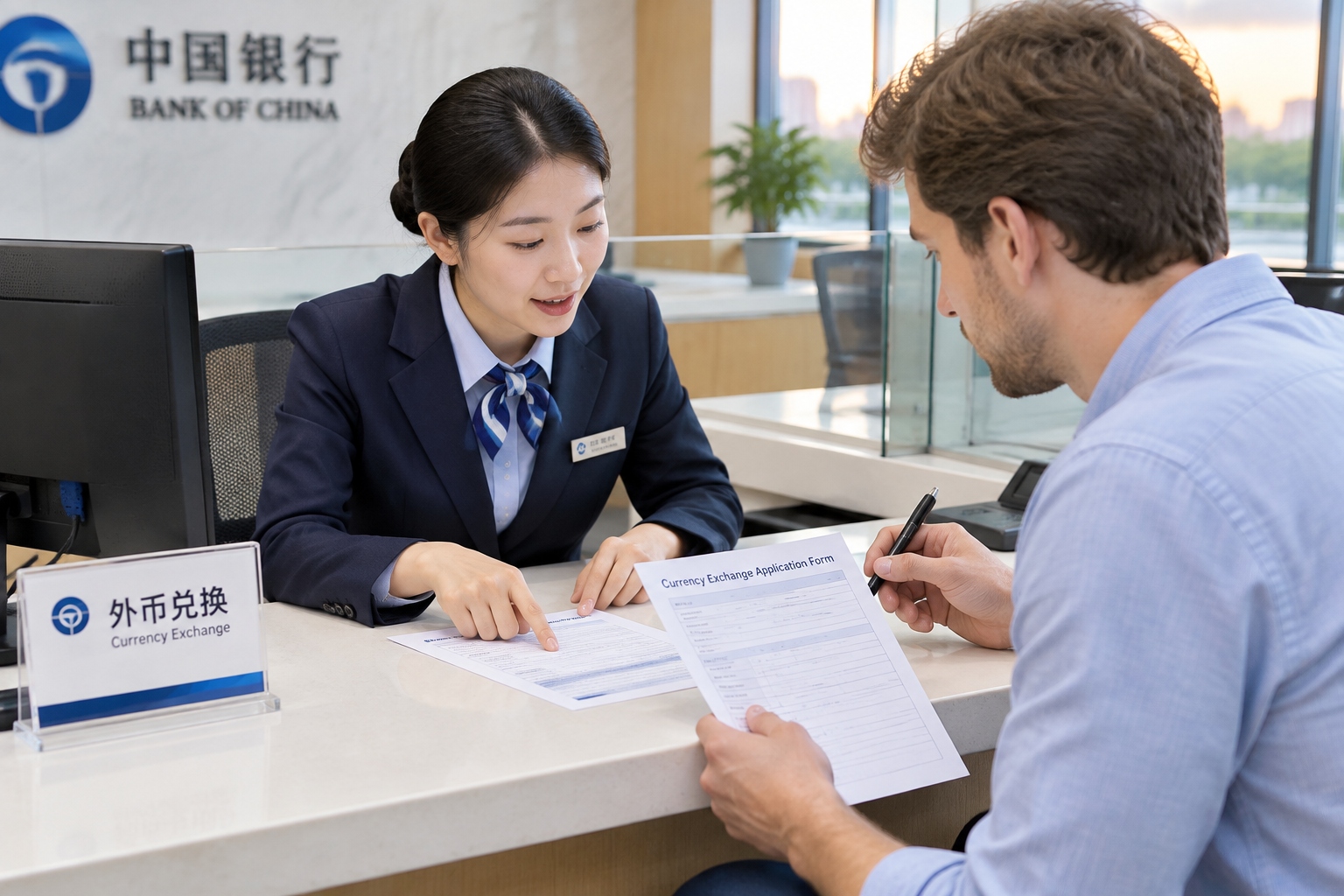
You have received the RMB from the buyer. How to convert it into euros or dollars and send it home? Under China’s current forex controls, a foreign individual can remit abroad the net sales proceeds of their real estate, provided they can prove the source and that the transaction is genuine. At your bank, you will typically need to produce:
- Your passport and residence permit or visa;
- The property sales contract and the transfer receipt;
- The official tax payment certificate (issued after you pay any tax due)
- A statement on the origin of the money, plus relevant proof (e.g., the original purchase contract and remittance records).
On the basis of these documents, the bank will carry out a capital transfer (not the annual US$50,000 personal foreign exchange quota that is meant for normal current items). There is no fixed upper limit written into law for the sale proceeds, but in practice the bank will do a real-transaction check, and you might need to wait a few days. For amounts above a certain threshold (often US$200,000 or equivalent, though the rule varies by bank), you may need the approval of the local branch. Hong Kong and common offshore banking routes are sometimes mentioned, but we warn against using unofficial conduits—they can freeze your funds or lead to fines.
A Final Tip on Inherited Property
One extension of the “Full Five, Only One” rule is often overlooked: when a foreigner inherits a property from a parent and then sells it, the IIT exemption still applies if the combined holding period (inherited + original owner’s holding) is at least five years and the new owner has no other residential property in mainland China. The real tricky part is that inherited ownership changes the “Only One” test: if you used to have another property that you sold, that is fine, but if you own a second home, the inheritance will lose its tax-free status.
As any local tax attorney would say, the best time to plan the exit is when you enter the purchase. If you know you may sell in the future, keep all your invoices, make a digital scan of your purchase contract and deed tax receipt, and remember that the square meters and price level will affect the “ordinary” classification. With the paperwork in order, the “Full Five, Only One” rule can erase your biggest tax bill entirely.
Start the discussion at forum.chinacomes.com