
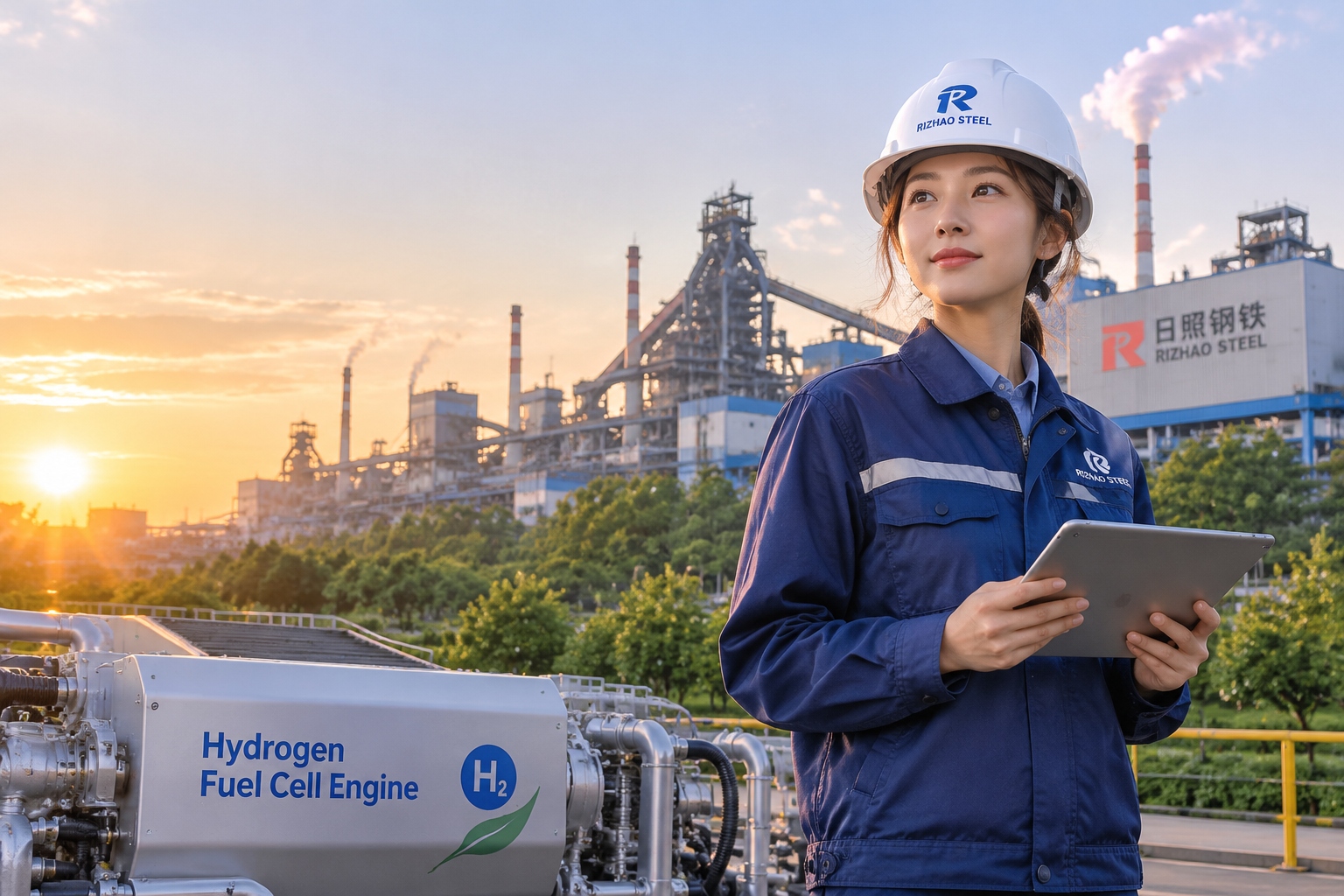

Morning in an Engine Workshop
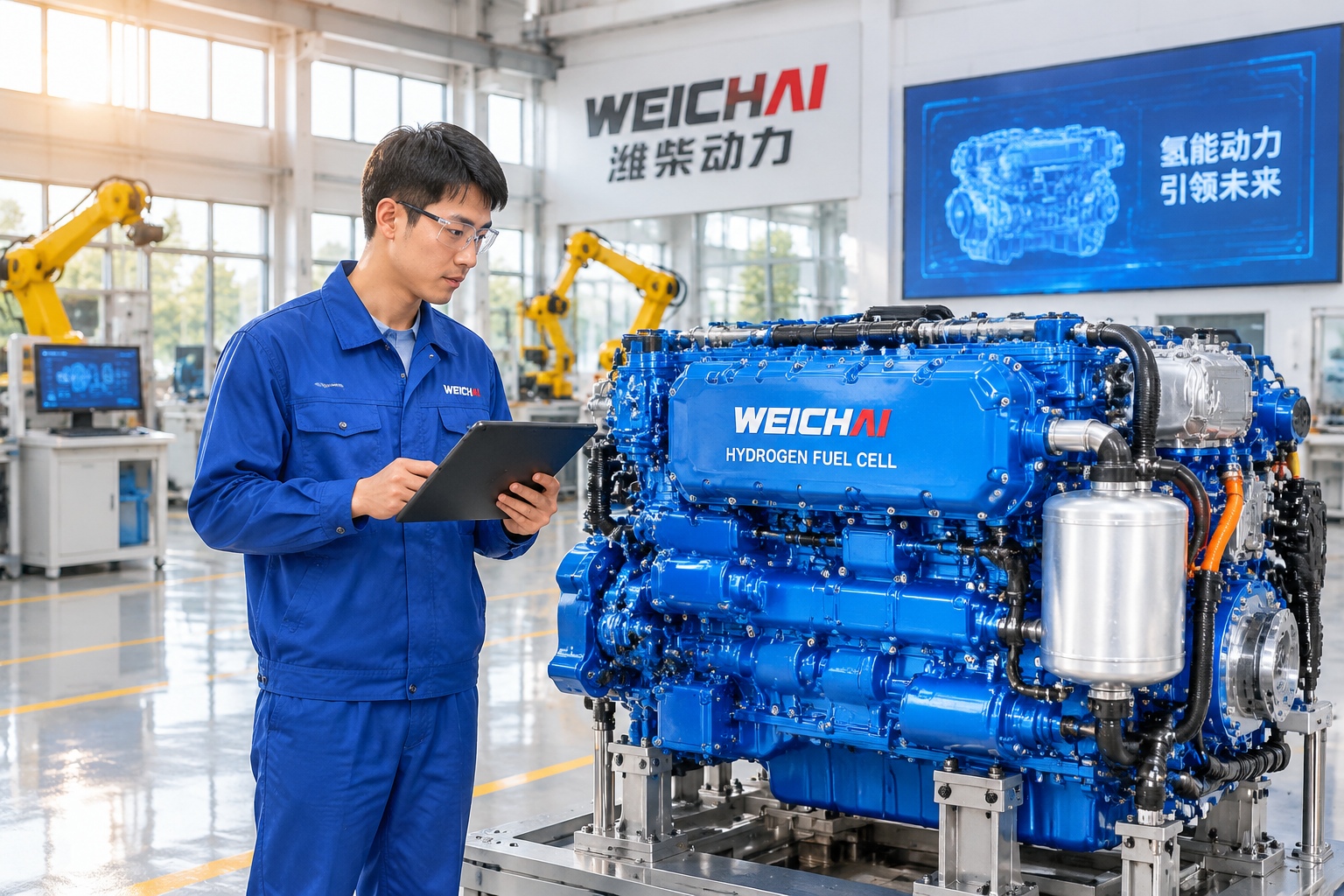
The air smells of cutting fluid and hot metal. At 8:30 a.m., the workshop floor of Weichai Power in Weifang, Shandong, is already humming. On a test bench, a young engineer in a blue coverall taps a tablet. He is checking the data from a hydrogen-fueled heavy-duty engine — a machine that didn’t exist in this factory a decade ago. Nearby, a veteran worker with years of grime in his hands runs a CNC lathe that he once operated manually. “We don’t turn cranks as much anymore,” he says. “We watch screens.”
This is not a story about robots replacing people. It’s a story about a province that built China’s industrial bones and is now learning how to make them lighter, cleaner, and smarter.
A Province Built on Steel and Grit
Shandong is China’s second-most populous province and one of its industrial giants. For decades, its steel mills, machinery plants, and oil refineries powered Chinese growth. Rizhao, a coastal city, grew around its steel complex. Jinan, the capital, was known for its trucks and lathes. Weifang made engines. Heavy industry gave the province its identity — and its smog.
But by the 2010s, the old model was hitting a wall. Steel overcapacity, falling profits, and choking air pressed the province to change. New environmental rules forced factories to cut emissions. The challenge was how to keep the mills running while making them cleaner — and how to retrain a generation of workers for a new economy.
The Smart Steel Plant That Breathes Easier
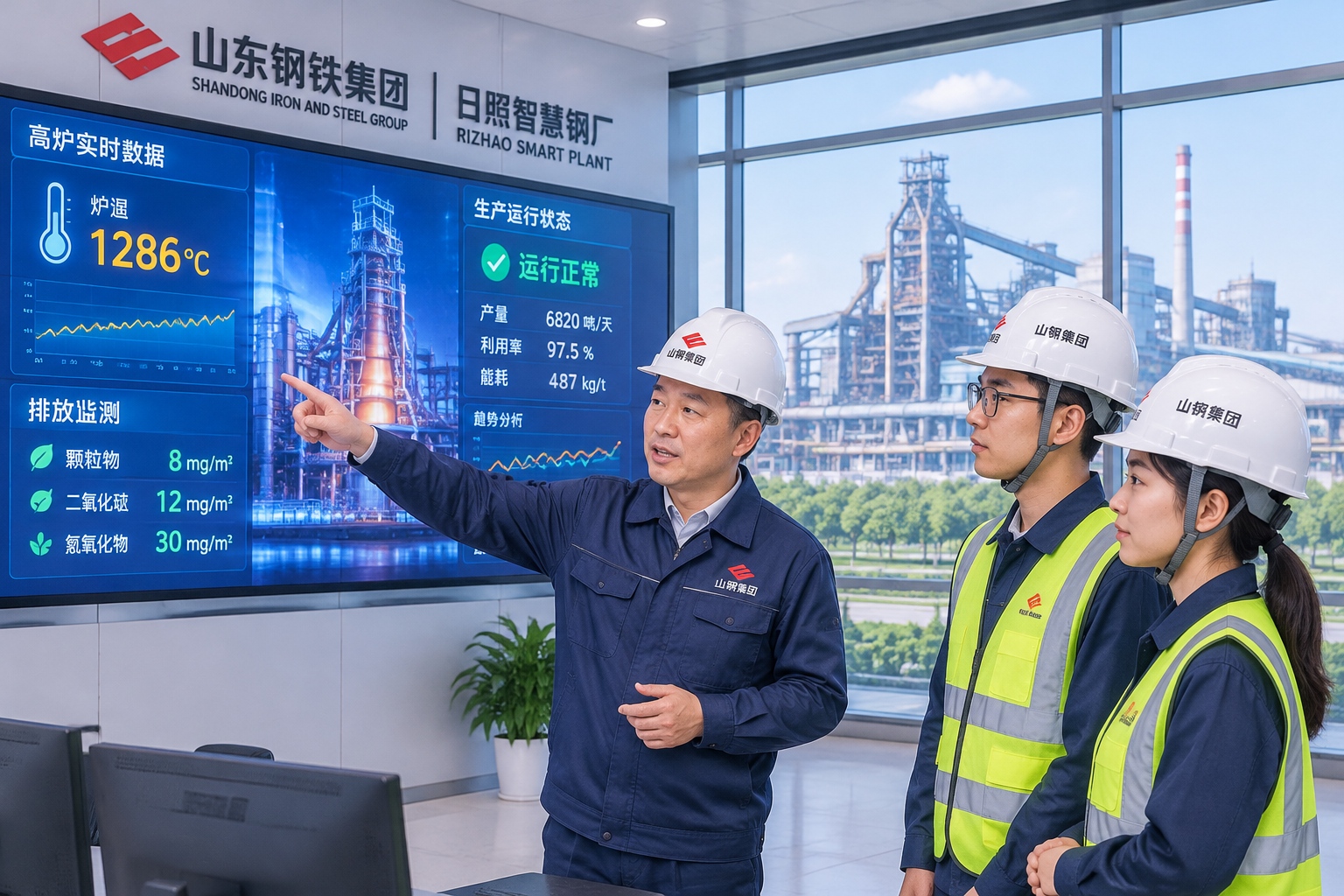
In Rizhao, Shandong Iron & Steel Group’s (Shangang) new plant looks less like a blast furnace yard and more like a mission control room. Drone-like cameras inspect the furnace walls. Artificial intelligence adjusts the feed of coke and ore. Dust is captured before it hits the air. The plant now emits as little as a modern gas-fired power plant, company officials say — a far cry from the gray pillars that once marked steel towns.
The transformation is visible in the workers’ routines. “We used to change clothes three times a day because of the dust,” says Li Wei, a control room operator. “Now I wear the same shirt for a full shift and it stays clean.” His job has changed too: he moved from shoveling coal to monitoring dashboards that track dozens of environmental sensors.
The old blast furnace, built in the 1990s, was demolished and replaced with a cleaner, more efficient one. In its place, a new electric arc furnace uses recycled steel. Shangang aims to double its share of recycled content by 2030, matching European standards.
Machinery Goes Green
Machinery is another pillar. Weichai Power, China’s largest truck-engine maker, is betting on hydrogen and liquefied natural gas (LNG). The engine on the test bench in Weifang is part of a national push to cut carbon. “We are not abandoning internal combustion entirely,” explains a project manager. “We are making it cleaner and adding alternatives.”
The company’s data center in Weifang monitors thousands of trucks across China in real time, predicting maintenance needs before breakdowns. It’s a shift from selling hardware to selling software and services. This is what economists call “new momentum” replacing old.
Lessons from a Changing Workshop Floor
What does this mean for ordinary workers? At the Weichai training center, a classroom of workers in their 40s and 50s learns to use tablets to diagnose engine faults. Some arrive with a high-school education and no previous interest in computers. “I was afraid at first,” says Zhang Jun, a 48-year-old assembler. “But if I don’t learn, I can’t operate the new line.” The company offers free courses and a slight pay raise for those who pass the exams.
The skills gap is real. Not everyone can transition. In the steel industry, the number of frontline workers has fallen as automation rises. But those who stay earn better pay and safer conditions. The province has also set up reemployment programs, teaching coding and welding to displaced workers.
Life Around the Industrial Belt
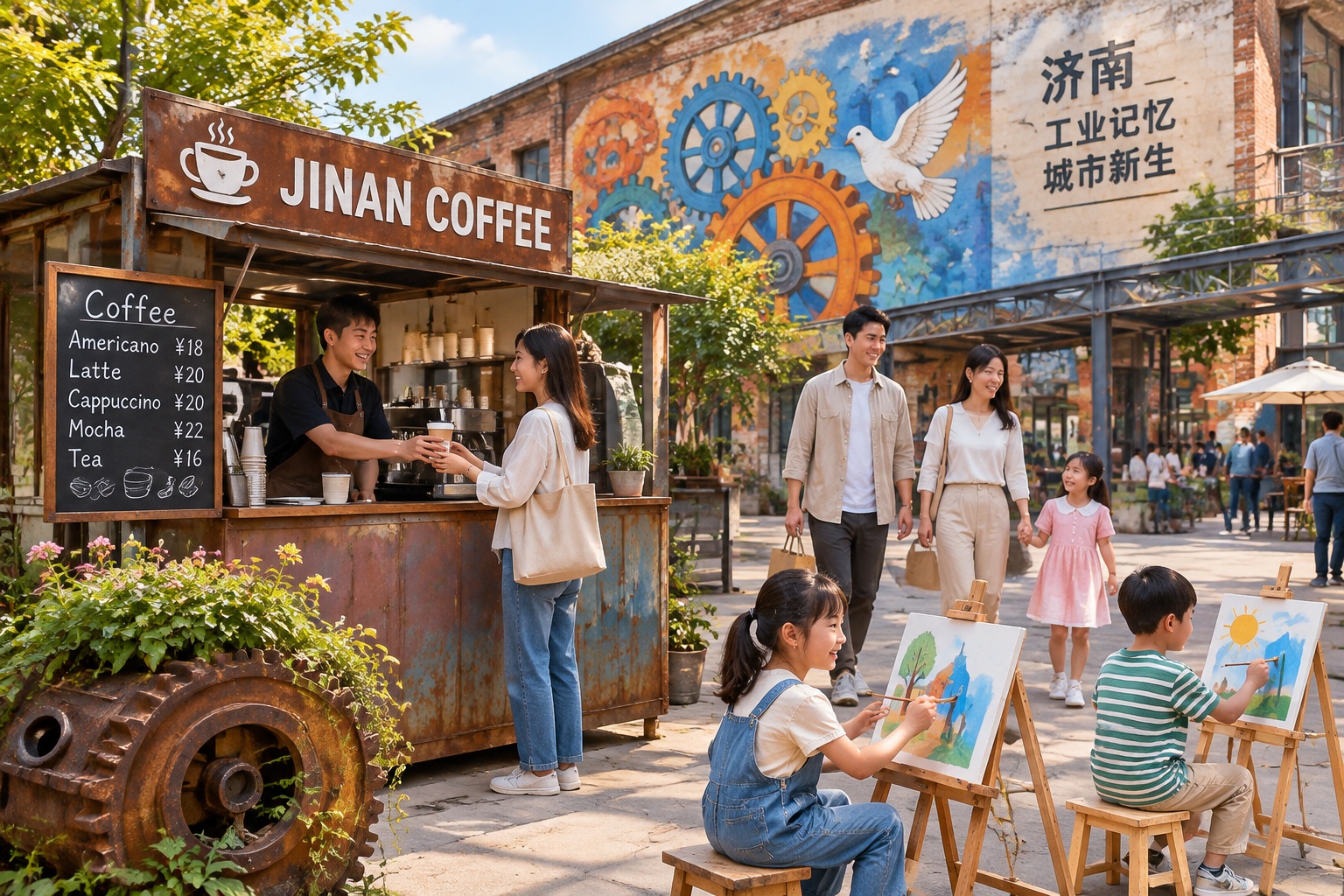
The changes go beyond factory walls. In the old worker neighborhoods near Jinan’s No. 2 Machine Tool Plant, the narrow alleys that once housed rust-streaked toolboxes now have pop-up cafés and community gardens. The city has turned an abandoned factory floor into a public library. On a Saturday afternoon, you’ll find children painting on the walls of a former warehouse while their parents order craft coffee from a stall made of recycled steel.
Not everything is perfect. Some residents miss the steady rhythms of the old shifts; others worry about layoffs. But there is a quiet confidence in the air. “We used to make things that lasted a lifetime,” says a retired steelworker, looking at the new glass-and-steel structure of a business park. “Now we are making a life that lasts longer.”
The Road Ahead
Shandong’s rebirth is not a miracle. It is a slow, hard grind of modernizing equipment, retraining people, and cleaning up the air. The province still has a long way to go: some smaller mills are still inefficient, and the digital divide between big plants and small suppliers remains. But the direction is clear. In the same workshop where the hydrogen engine hums, young engineers are already testing an ammonia-powered version. The next generation of heavy industry is being built here, one dashboard and one sensor at a time.
The smoke that once defined the region is fading into memory. What’s taking its place is quieter — the buzz of electric trucks, the click of keyboards, and the steady hum of a machine learning to do more with less.