

A Small Hatchback, and a Price Chart That Would Not Sit Still
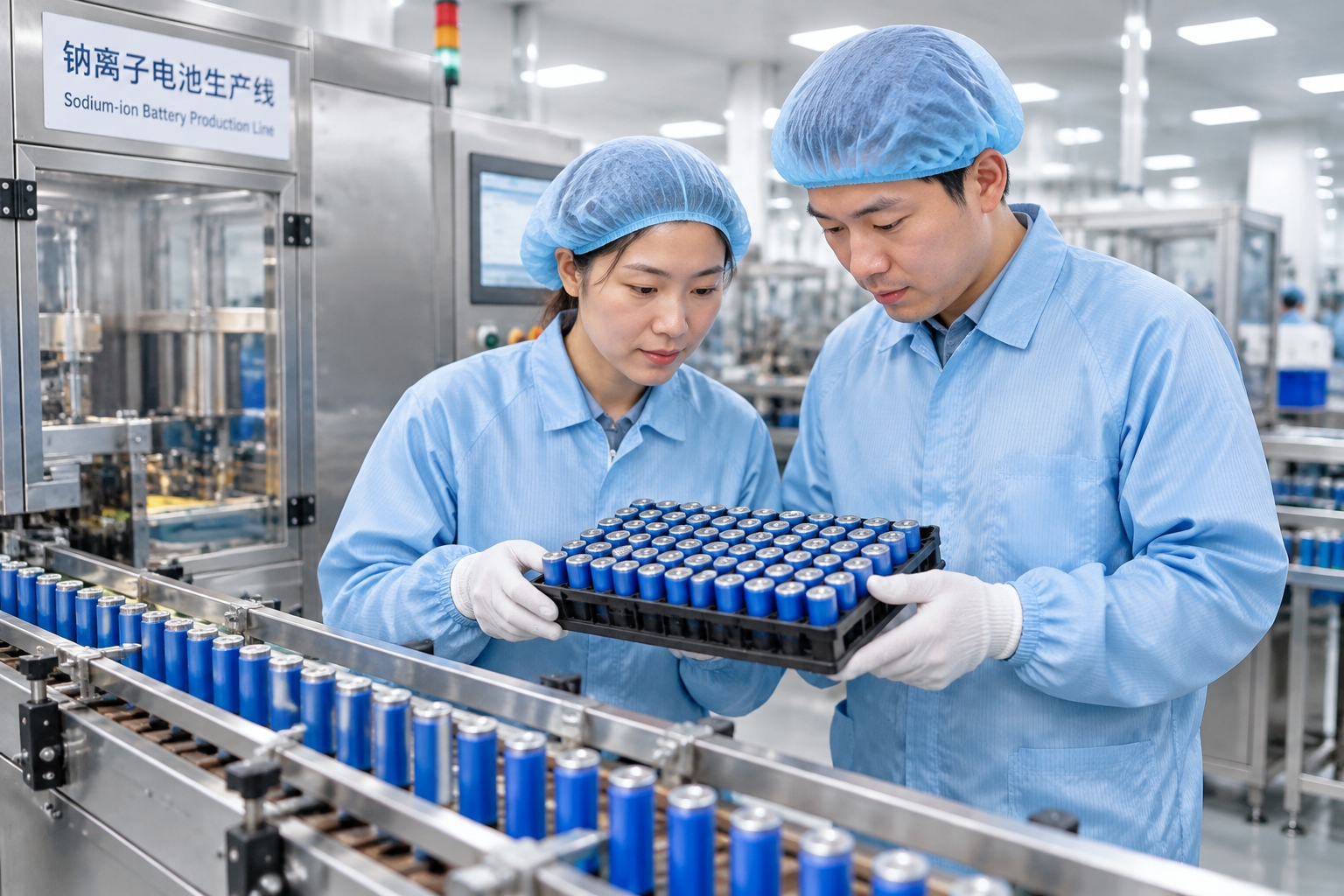
In February 2023, a compact electric hatchback rolled off a line in Anhui province with something under the floor that no production car had carried before: a battery containing no lithium at all.
The car was a JAC Yiwei. The pack came from HiNa Battery, a company spun out of the Institute of Physics at the Chinese Academy of Sciences. Its appearance in the government’s catalogue of approved vehicles was the moment sodium-ion batteries stopped being a laboratory curiosity and became something a customer could legally buy.
To understand why anyone bothered, look at what happened to lithium prices. Lithium carbonate, the raw material behind most electric-car batteries, traded at around 50,000 yuan (about $7,000) per tonne in early 2021. By November 2022 it was near 600,000 yuan. China refines most of the world’s lithium but mines relatively little of it, so a supply shock on the other side of the world shows up as a cost problem in Chinese factories within months.
Sodium is a different story. It makes up about 2.6 percent of the Earth’s crust — roughly a thousand times more abundant than lithium — and it is traded as soda ash, a bulk chemical China already produces by the tens of millions of tonnes a year. Nobody has to open a new mine in a politically difficult place to get it.
What Actually Happens Inside a Sodium-Ion Cell
The idea is a copy of the lithium-ion concept. Charged sodium ions move from one electrode to the other through an electrolyte; discharging sends them back. What changes is the plumbing, and two differences matter more than the chemistry textbooks suggest.
First, the current collector. In a lithium-ion cell, the anode sits on copper foil, and copper is expensive and supply-constrained. Sodium does not alloy with aluminium, so both sides of a sodium cell can use aluminium foil. It sounds like a footnote. In a factory, it is a direct cost cut and one less metal to worry about.
Second, the anode is not graphite but hard carbon, usually derived from biomass or resin precursors. This is the youngest part of the supply chain, and it is one reason sodium cells have not simply become cheaper overnight.
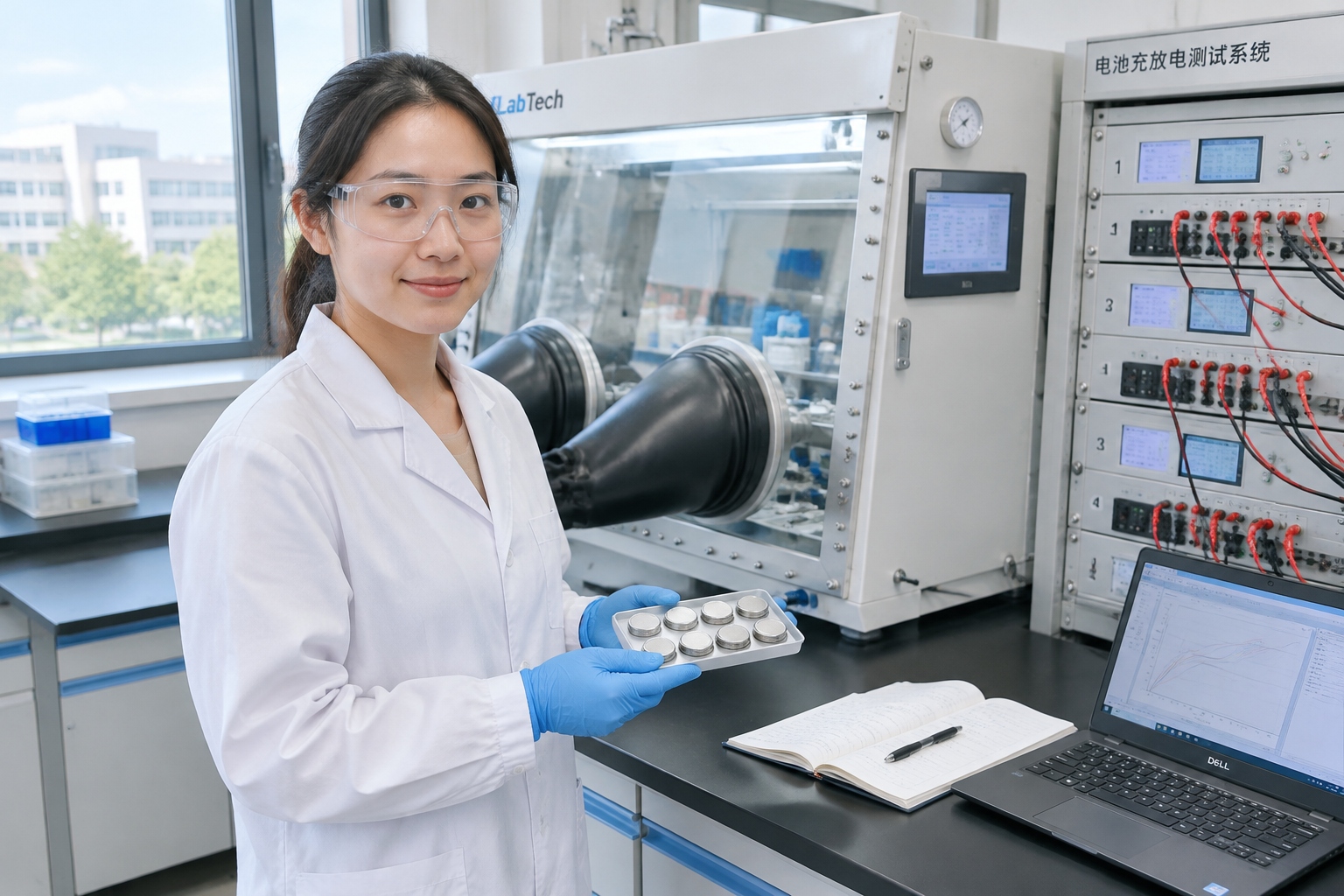
Cathodes come in several families — layered oxides, Prussian white, polyanions — each trading energy density against cycle life and cost. The practical result today is a cell that stores roughly 140 to 175 watt-hours per kilogram. A lithium iron phosphate (LFP) cell, the workhorse of Chinese electric cars, manages about 160 to 200. Same weight, less energy. That single number explains most of what sodium can and cannot do.
Where it genuinely wins: cold and speed
Cold weather is lithium’s weak spot. An LFP pack at minus 20°C keeps somewhere around 60 to 70 percent of its usable capacity and charges slowly, to avoid plating lithium on the anode. Sodium-ion cells handle low temperatures far better. CATL, which launched a sodium-ion brand called Naxtra in 2025, claims around 90 percent capacity retention at minus 40°C and 5C fast charging, meaning a pack can go from roughly 30 to 80 percent in about ten minutes.
Safety and shipping are quieter advantages. A sodium cell can be run down to zero volts for transport, which removes a costly fire-risk category from sea freight. For grid operators, cycle life matters more than weight, and sodium cells have been demonstrated at several thousand cycles.
Where You Can Already Find Them
Sodium-ion batteries are not waiting for the future. They are just small in volume.
The first real market was two-wheelers. Electric bicycles and scooters sell in the tens of millions a year in China, packs are small, and buyers care about price and winter range more than about weight. Yadea and several competitors have had sodium-ion models on sale since 2023, and northern cities — where January temperatures in Harbin routinely fall below minus 20°C — are the natural test bed.
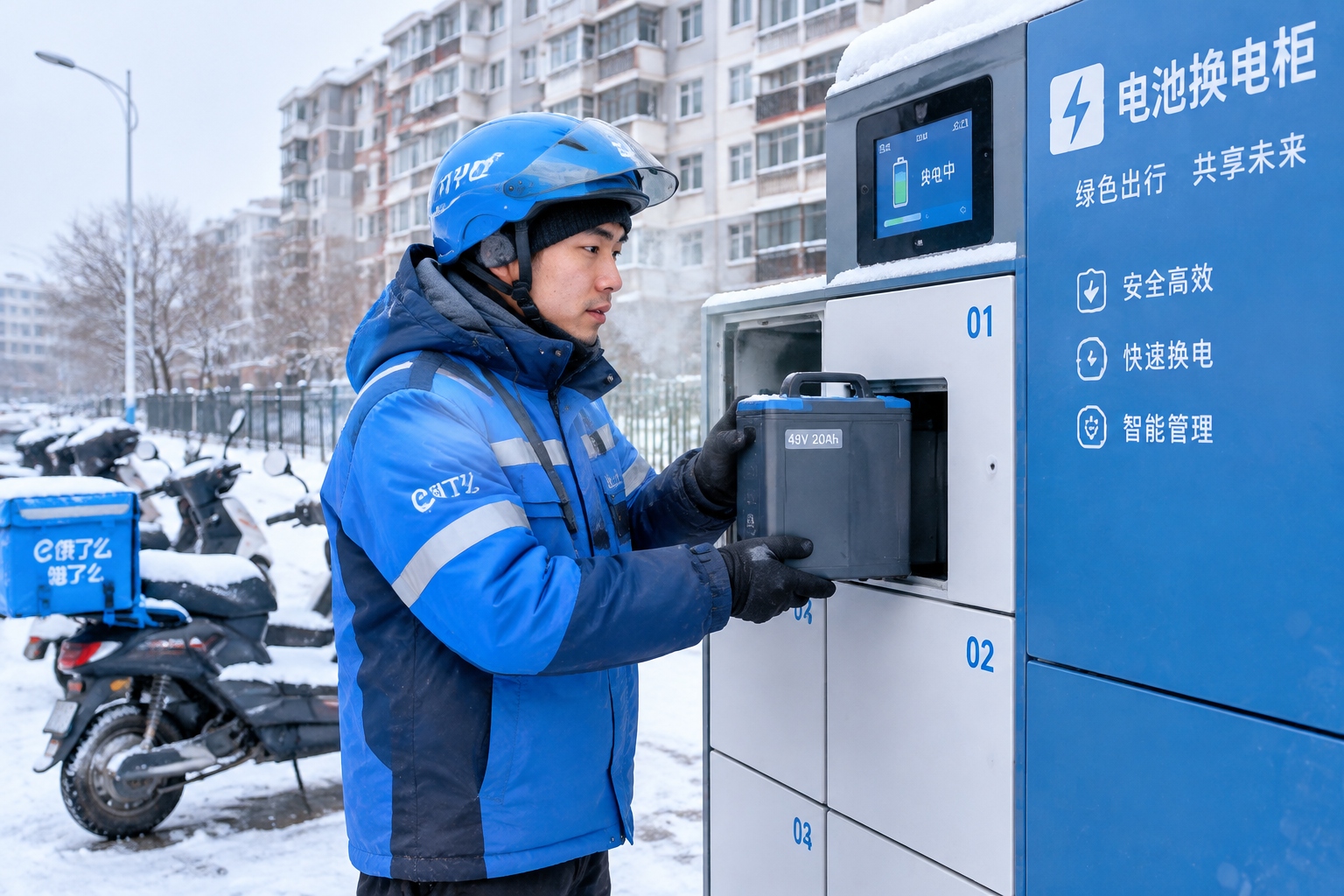
The second is entry-level electric cars, where the JAC Yiwei landed. CATL has taken a different route, mixing sodium and lithium cells in a single pack: sodium handles cold-weather starting and low-temperature power, lithium carries the range. The company has announced the design for several mass-market models.
The third, and probably the largest over time, is stationary storage. A 10 MWh sodium-ion storage station was connected in Nanning in 2022, built with HiNa technology and the utility Huaneng. In 2024 a much bigger one — 50 MW and 100 MWh — was connected to the grid in Qianjiang, Hubei, under China Datang. These are early commercial units and demonstrations, not a nationwide buildout. Industry estimates put total Chinese sodium-ion shipments in 2024 in the low single-digit gigawatt-hours, well under one percent of the lithium-ion market.
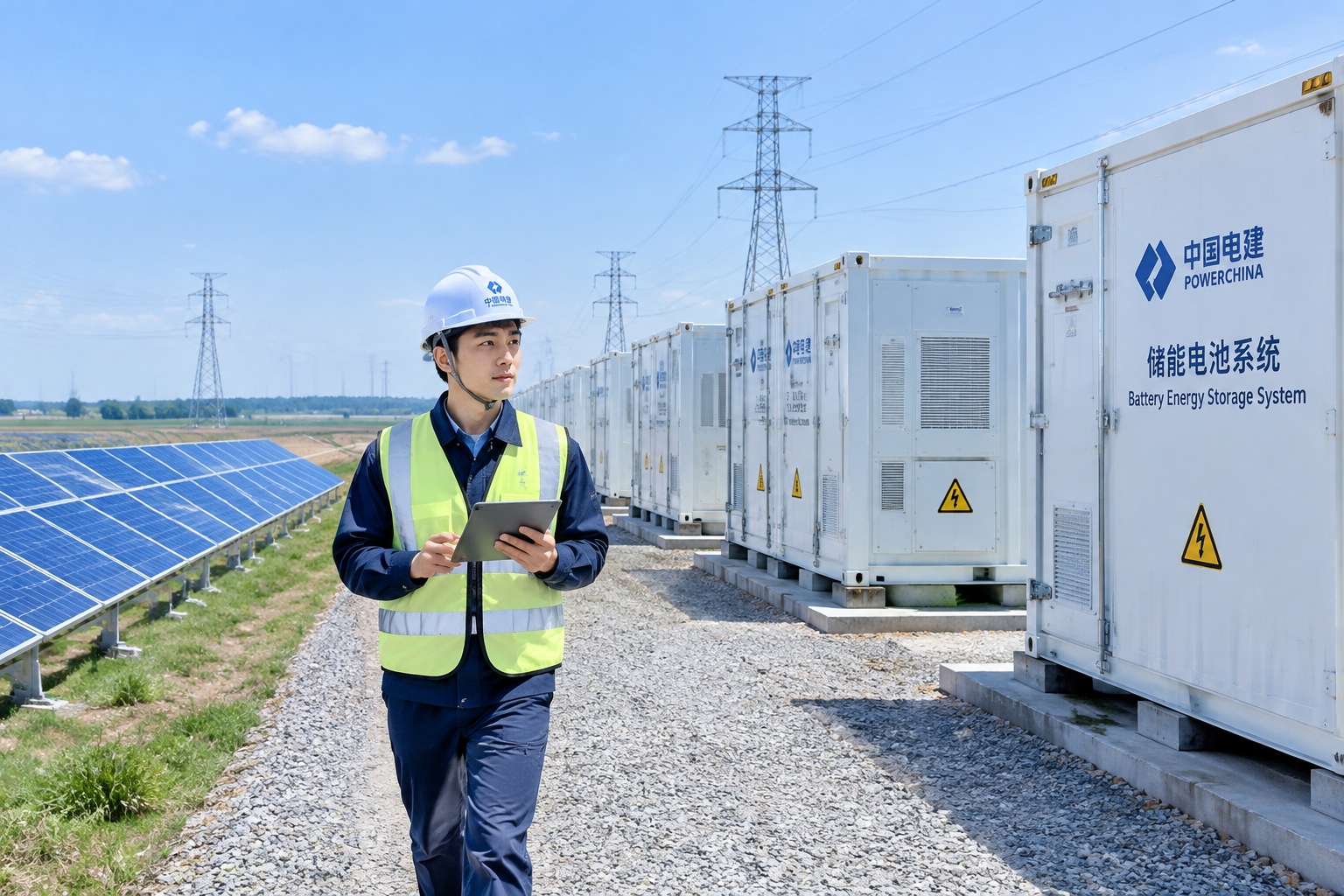
That number is worth keeping in mind. Sodium-ion is real, it is shipping, and on the industry’s balance sheet it is still a rounding error.
Sodium and Lithium Are Not Rivals
The most common mistake in coverage of this technology is to frame it as a replacement. It is not, and the economics say so plainly.
After the 2022 spike, lithium carbonate prices collapsed, falling back to roughly 100,000 yuan per tonne or less. That dragged LFP cell prices down to somewhere around 0.3 to 0.4 yuan per watt-hour. Today, most sodium-ion cells cost more per watt-hour than LFP, not less. Anyone selling sodium as “the cheap battery” is repeating a 2021 argument in a 2025 market.
What sodium actually offers is different: a raw material whose price does not swing tenfold, no dependence on imported lithium, better cold performance, and long cycle life. That fits stationary storage, cold-climate city vehicles, two- and three-wheelers, backup power, and the sodium half of a mixed pack. Lithium keeps the jobs where energy per kilogram decides the product: long-range cars, laptops, phones, aircraft.
Some sodium ventures have already stumbled as lithium got cheaper, and a few announced factories have slowed down. That is normal for a young industry, and it is a useful corrective to the hype.
The Next Five Years
China’s grid-connected new-type storage capacity reached roughly 74 gigawatts by the end of 2024, and it is still growing quickly. Sodium-ion’s share is tiny, but storage is the one market where its weaknesses barely matter — nobody cares how heavy a shipping-container-sized battery is — and its strengths line up exactly. If cell costs fall to around 0.3 yuan per watt-hour at scale, sodium becomes a default choice for four-hour storage paired with solar.
Exports are the more interesting question. China already ships the majority of the world’s battery cells. Sodium-ion is unusual because the core intellectual property, the pilot lines and the first commercial deployments are overwhelmingly Chinese — HiNa, CATL, BYD and a cluster of smaller firms. For countries with plenty of sun, cheap soda ash and no lithium, the exportable product may be less “batteries in containers” and more licences, equipment and factory engineering. That is a shift from selling goods to selling a process, and it is a harder thing for tariffs to stop.
Standards will follow the same path. Whoever writes the testing and safety rules for sodium cells shapes which suppliers can sell into which markets.
What Could Go Wrong
A lithium price recovery would remove some of the urgency. Sodium’s cost floor is set by hard carbon anodes and manufacturing scale, not by raw material, so it cannot simply undercut lithium by default. Energy density has a ceiling that keeps it out of the premium car market. And a technology with one percent market share can disappear quietly if investment dries up.
Why It Matters Anyway
Go back to that hatchback in Anhui. It was not a fast car and it did not change the world that year. But a battery built on an element nobody has to fight over, made with aluminium foil and a carbon powder derived from biomass, is a different kind of insurance policy — for grid operators, for cold cities, and for a country that imports most of the lithium it uses.
The most important thing about sodium-ion batteries may not be what they replace. It is that the option exists at all.
Start the discussion at forum.chinacomes.com