

A Coke Plant Worker’s New Routine
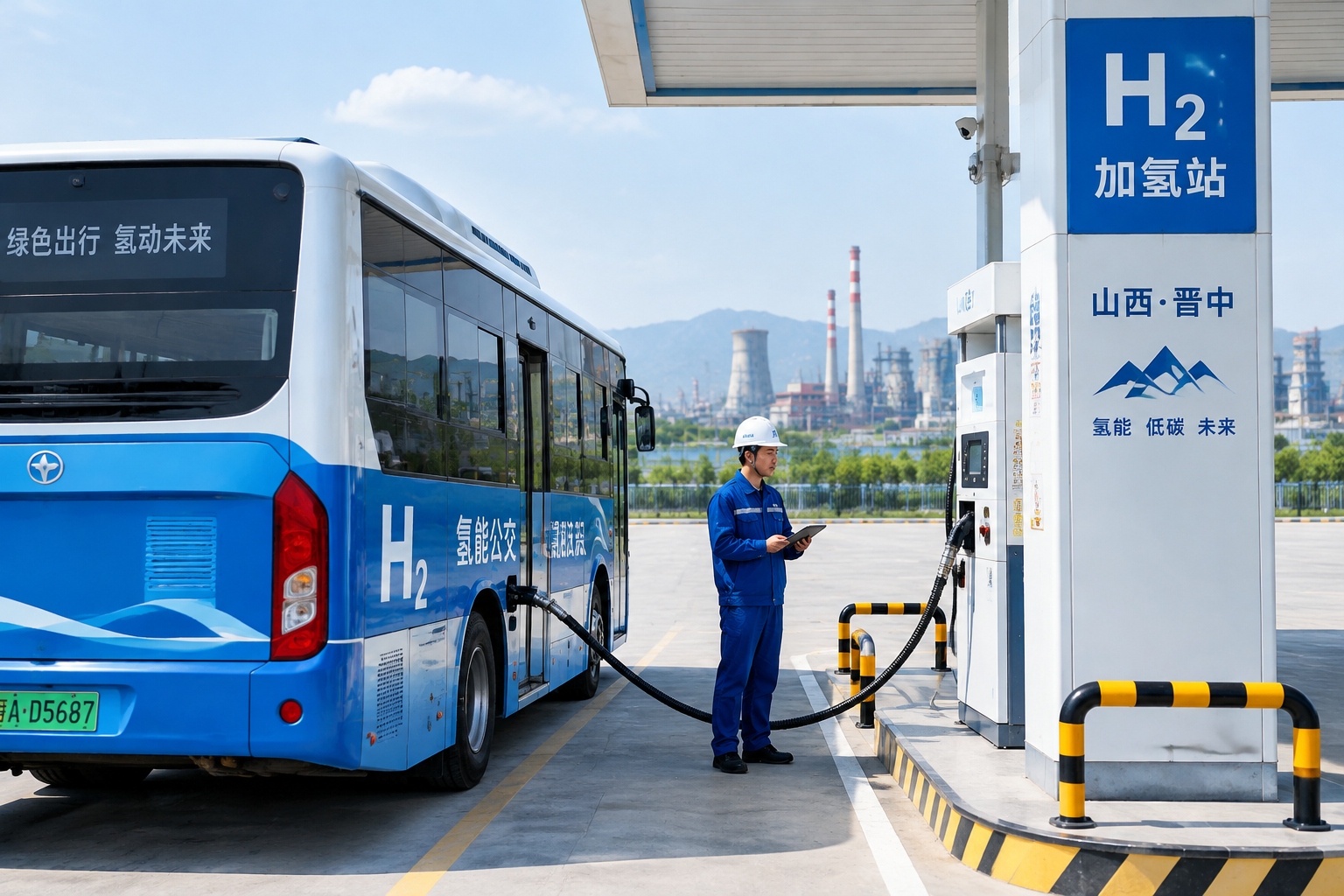
Zhang Wei used to start his shift at a coking plant in Taiyuan, Shanxi, by checking the pressure of coke oven gas—a thick, yellowish cloud with a sharp, rotten-egg smell. His eyes would water. His uniform absorbed the odor. That was ten years ago. Today, Zhang works at a hydrogen refueling station on the edge of the city. The air smells like nothing. The equipment hums. He fills buses with hydrogen made partly from the very gas that once stung his nose.
“I never thought that stuff could be clean fuel,” he says, watching a hydrogen bus pull away silently. “But here we are.”
Why Shanxi? The Unlikely Hydrogen Hub
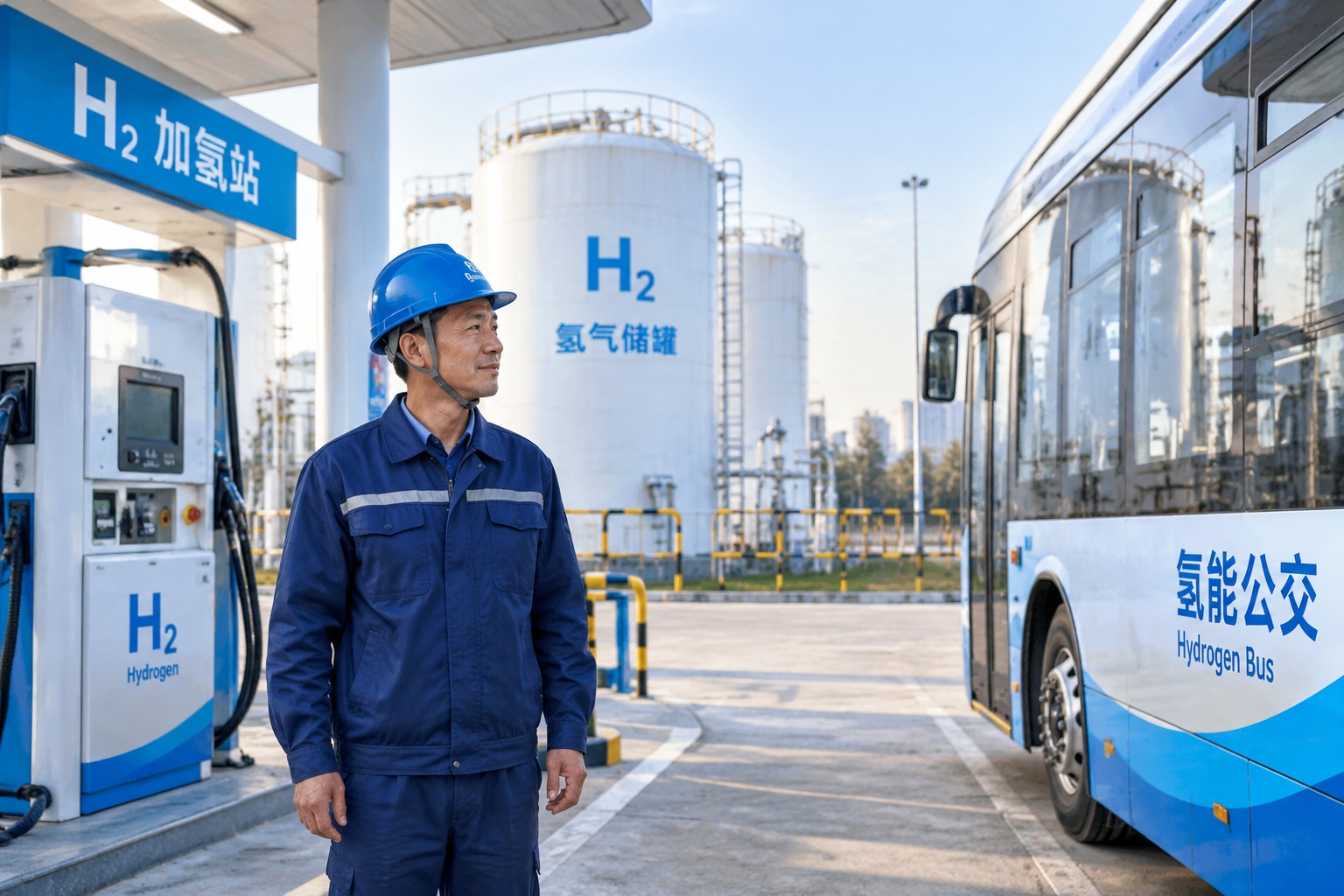
Shanxi produces more coal than any other province in China. For decades, that meant coke ovens, steel mills, and some of the worst air pollution in the country. But coke oven gas—a byproduct of turning coal into coke—is rich in hydrogen. Roughly 60% of the gas is hydrogen. For years, most of it was burned off or used for heating. Now, a growing number of plants are capturing it, purifying it, and sending it to hydrogen stations.
This is not green hydrogen made from renewable electricity. It is often called “grey” hydrogen because it still comes from fossil fuels. But it is cheaper and faster to scale than electrolysis. Shanxi has over 100 coking plants. If even a fraction of their byproduct gas is used, the province could supply thousands of fuel-cell vehicles without building a single new wind farm.
“We are not pretending this is perfect,” says Li Na, an engineer at a state-owned energy company in Datong. “But it is a step. And it uses waste we already have.”
Inside a Hydrogen Station: Drivers and Engineers
The station where Zhang works is small—two dispensers, a storage tank, and a small office. On a weekday morning, three hydrogen buses and a garbage truck roll in. The drivers are relaxed. “It’s quieter than diesel,” says Wang Jun, a bus driver for Route 618. “No black smoke. My throat doesn’t hurt at the end of the day.”
Hydrogen fuel-cell buses cost more upfront—about 1.5 to 2 million yuan (around $210,000 to $280,000) each, compared to 600,000 yuan for a diesel bus. But the fuel is cheaper per kilometer, and maintenance is simpler because there is no engine. Wang says he refuels once a day, takes about 15 minutes, and the bus runs 300 kilometers on a full tank.
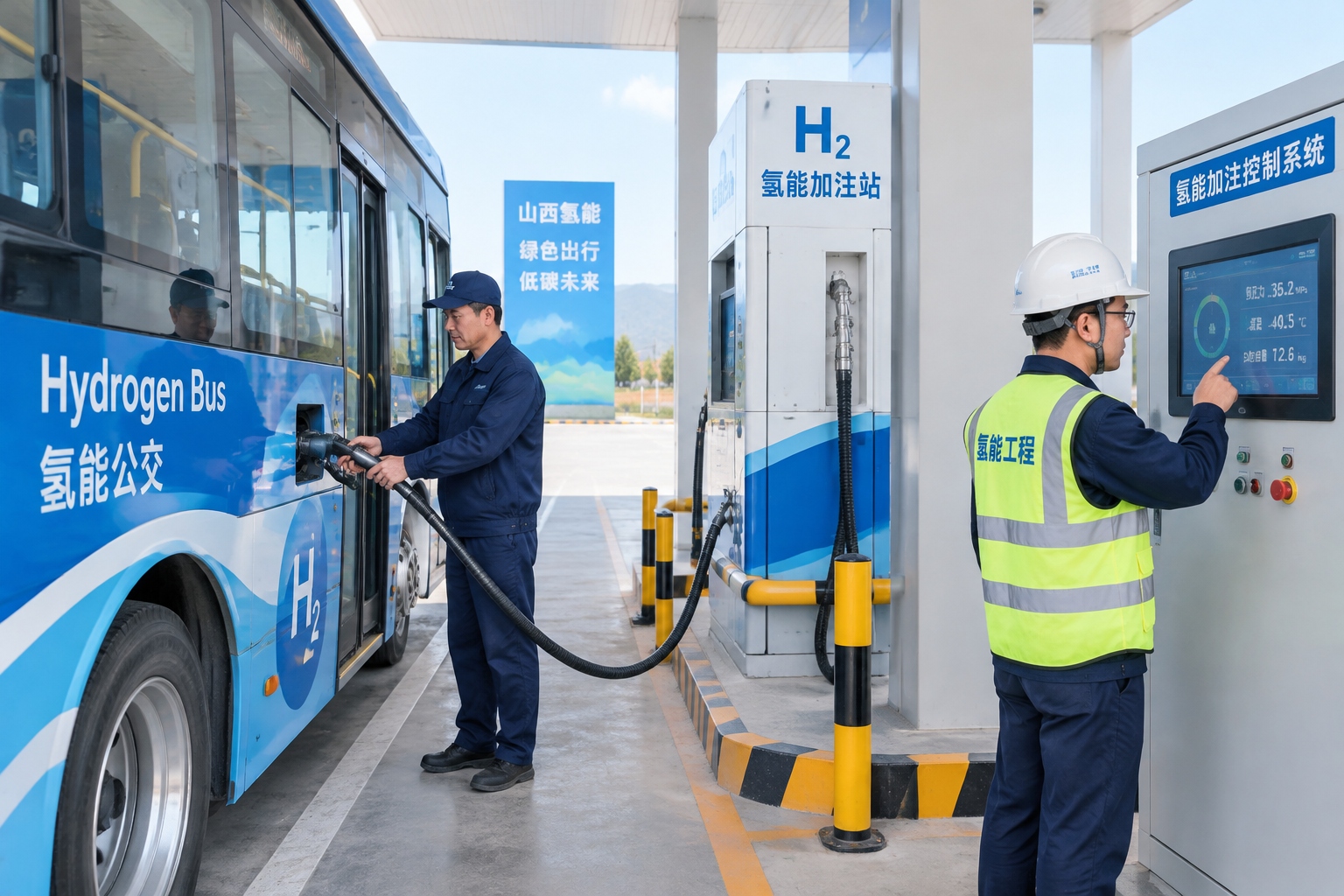
Engineers at the station say safety is their top concern. Hydrogen is flammable, but modern tanks and sensors are robust. “We train for leaks every week,” Li Na says. “The public worries, and we understand. But gasoline is also dangerous, and we manage it.”
How Hydrogen Changes a City’s Air and Jobs
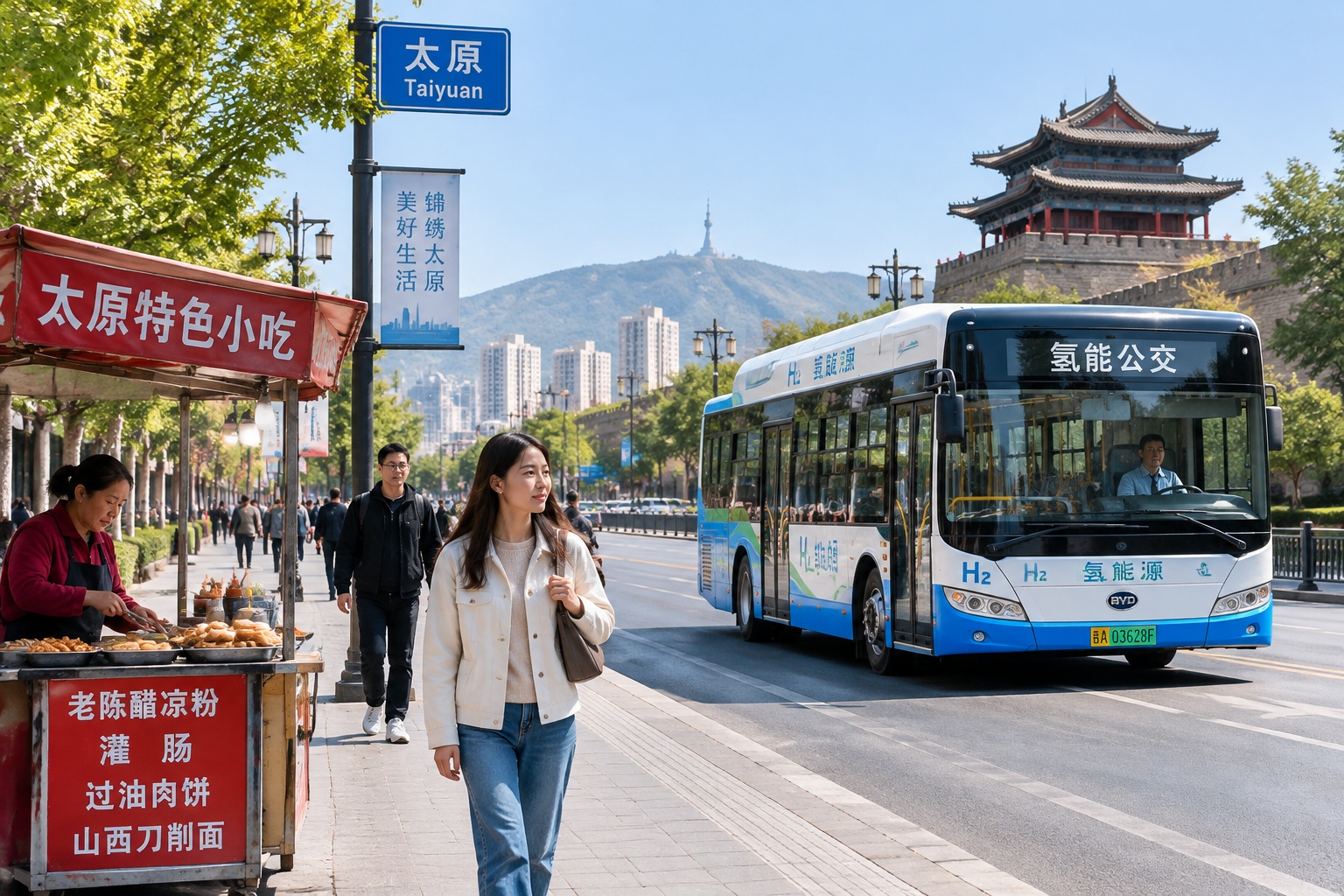
Shanxi has set a target: 10,000 hydrogen fuel-cell vehicles by 2025. That is ambitious. As of late 2024, the province had around 2,000, mostly buses and trucks. But the direction is clear. In Taiyuan, the air quality index has improved in recent years, partly due to switching buses from diesel to hydrogen and electric. The city now has over 200 hydrogen buses.
Jobs are shifting too. Zhang, the former coking worker, received three months of training and now earns 20% more than before. “I worried about losing my job when the old plant closed,” he says. “Now I have a skill.”
Local universities are adding hydrogen engineering courses. Small startups are making fuel-cell components. It is not a boom yet, but it is a beginning.
Challenges and Controversies: Cost, Safety, and Skepticism
Not everyone is convinced. Hydrogen from coke oven gas still releases carbon dioxide when the gas is purified. It is not zero-emission. Critics call it a distraction from truly green hydrogen made from solar and wind. “It’s a bridge, not a destination,” says Professor Chen from a university in Beijing. “But bridges matter.”
Cost is another barrier. A hydrogen station costs 10 to 15 million yuan to build. Fuel-cell stacks rely on platinum, which is expensive. And most hydrogen is still transported by truck, which is inefficient.
Ordinary people have mixed feelings. “I like that the buses are quiet,” says a street vendor near the station. “But I don’t know if it’s really clean. They say it is.”
Conclusion: No Magic, But a Different Path
Shanxi’s hydrogen push is not a fairy tale. It is messy, incremental, and full of trade-offs. But it is also real. A province that once symbolized coal’s grip on China’s economy is now using that same coal infrastructure to test a cleaner fuel. For workers like Zhang, the change is personal: from stinging gas to silent buses. For the rest of us, it is a reminder that energy transitions are not always glamorous. Sometimes they start in the least likely places—with a byproduct nobody wanted.
Start the discussion at forum.chinacomes.com