

Beyond the Snow: What Jilin Food Is Really Like
Most travelers arrive in Jilin thinking about two things: snow and sour cabbage. The snow part is fair. The sour cabbage part is only half the story. Jilin cuisine is bigger, warmer, and more layered than the postcards suggest. It is the kind of food that sits in your memory long after you leave.
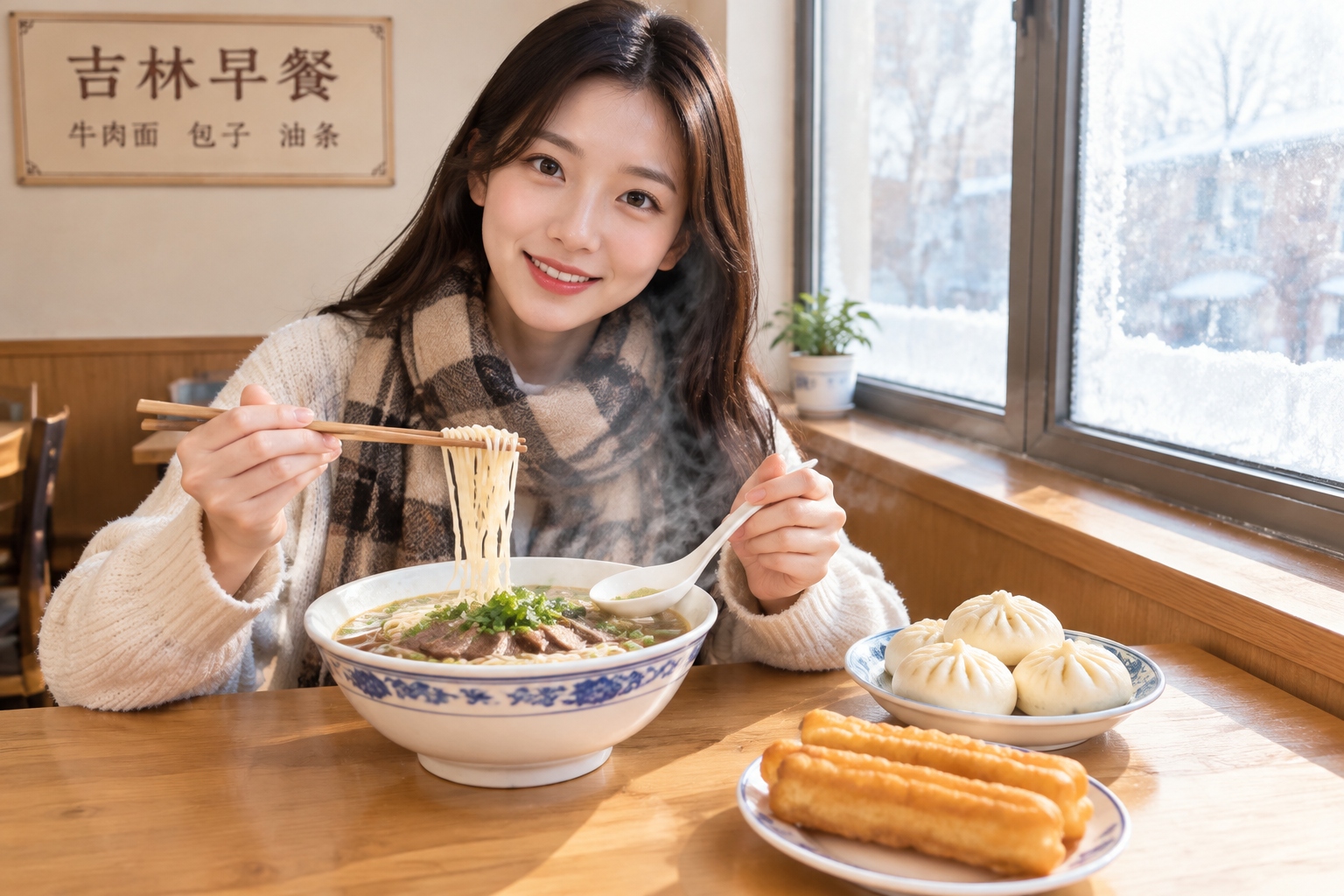
This is Northeast China, where winter lasts five months and food is built for fuel. But that doesn’t mean heavy and boring. It means steaming bowls of beef noodle soup at 7 a.m., grilled lamb skewers at midnight, and a breakfast culture that would confuse most Europeans.
The Morning Ritual: Hot Pot for Breakfast?
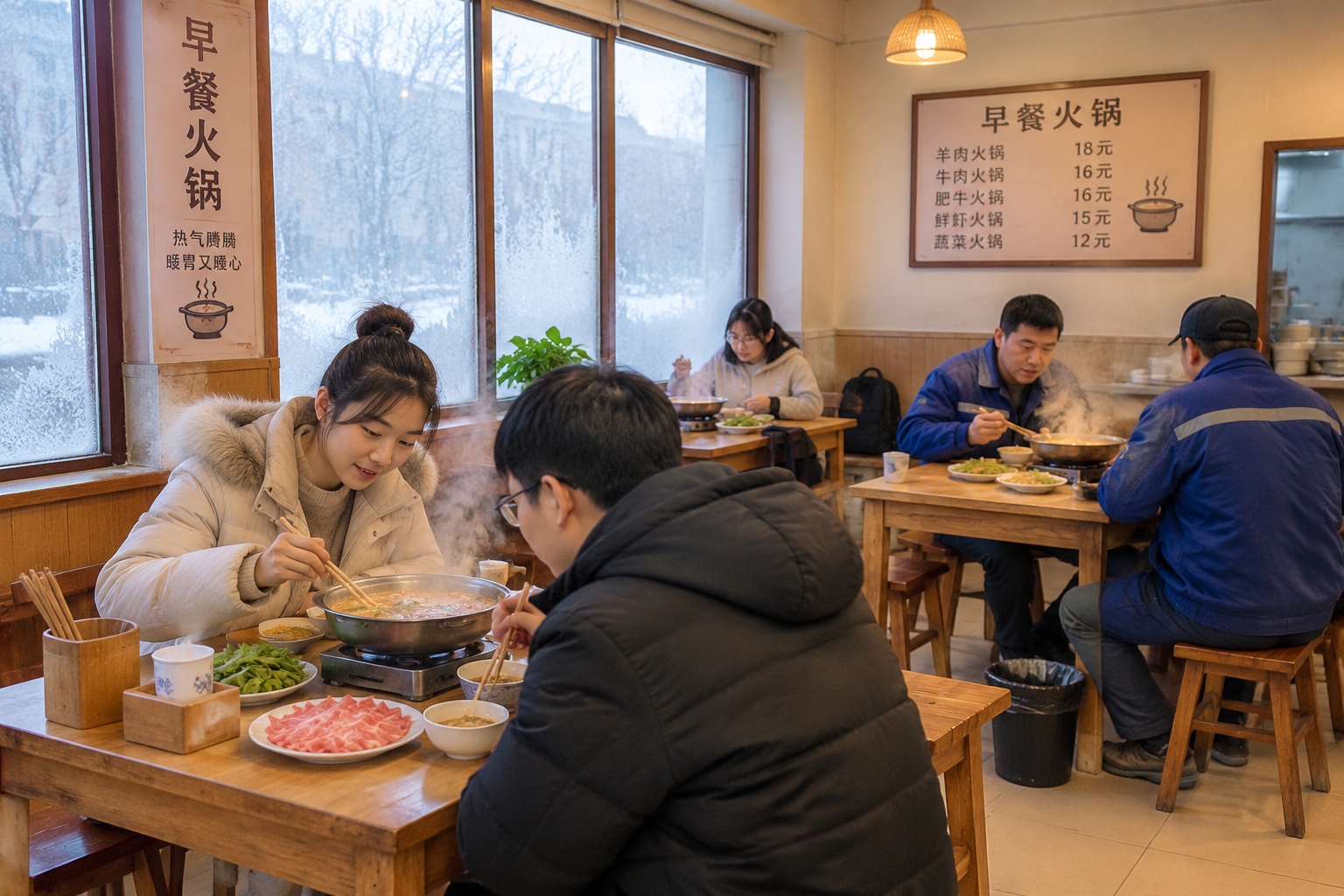
Yes. In Jilin, breakfast can look a lot like dinner. Walk into a local shaokao (barbecue) or huoguo (hot pot) spot in Changchun at 6:30 a.m., and you’ll see office workers, taxi drivers, and students hunched over bubbling pots. This is not a tourist gimmick. It’s how people start the day when it’s minus 20 outside.
If hot pot at dawn feels too much, try baozi (steamed buns) with soy milk, or youtiao (fried dough sticks) dipped in warm porridge. The point is: breakfast here is not a quick croissant. It’s a sit-down, social, belly-warming event. Locals don’t rush it. You shouldn’t either.
Decoding the Menu: Dialect and Dishes Without Fear
Menus in Jilin often use local slang that translation apps miss. Here are a few terms that will make your life easier:
- 嘎嘎香 (gá gá xiāng) – Not a dish. It means “smells incredible.” You’ll hear it from the kitchen.
- 造 (zào) – Local verb for “eat a lot.” If someone says “可劲造,” they’re telling you to go for it.
- 酸菜 (suān cài) – Sour cabbage, yes, but also a base for stews, dumplings, and hot pot. Try it in suān cài bái ròu (sour cabbage with pork belly).
- 冷面 (lěng miàn) – Cold noodles. A Yanji specialty. Not a dessert, but a full meal with beef broth and pear.
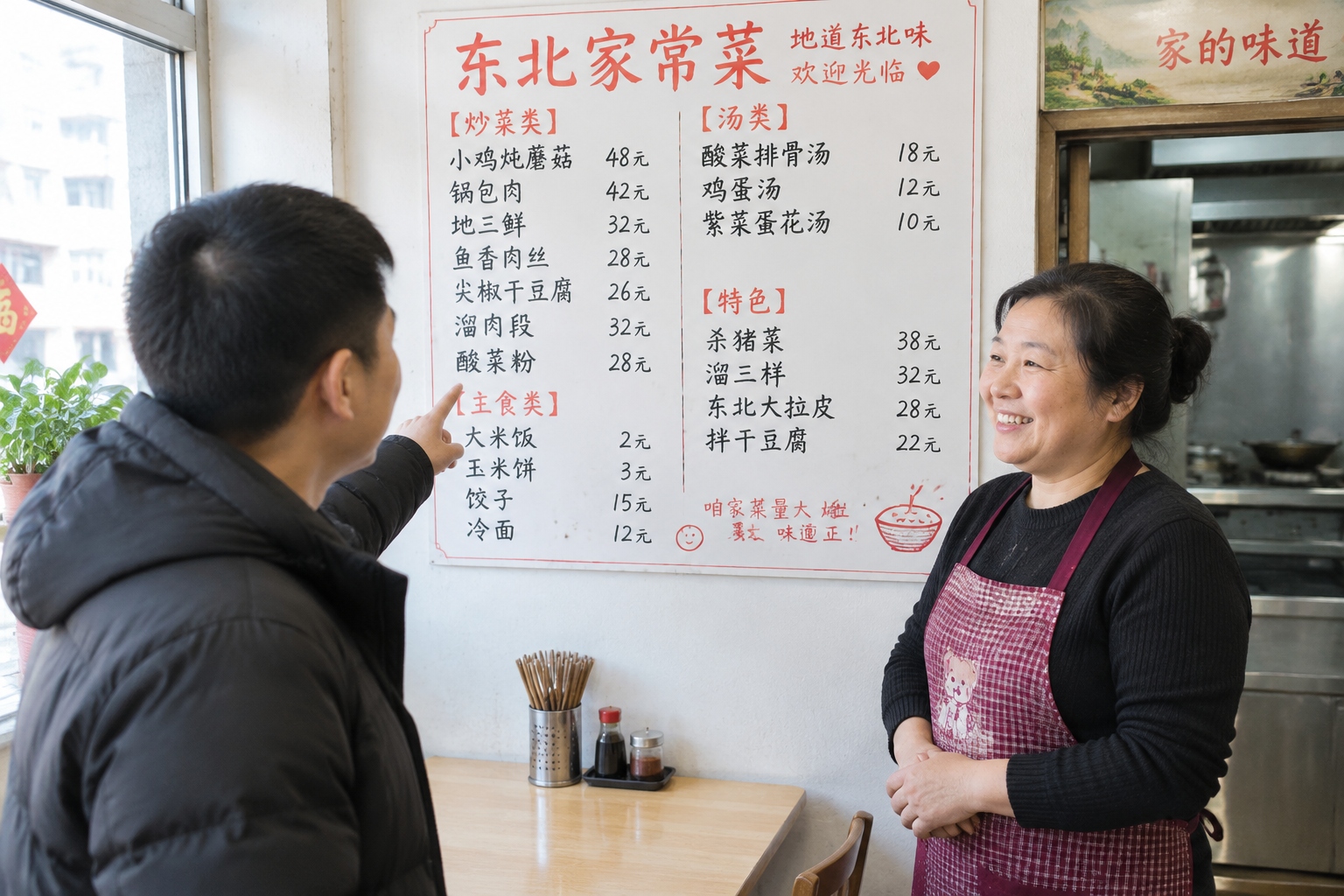
Don’t be afraid to point and ask. In smaller restaurants, the menu might be on the wall. Use your phone camera and a translation app. Most owners will smile and help.
How Locals Actually Order: Spiciness, Portions, and Prices
Here’s where tourists often get tripped up. Jilin portions are huge. One dish can feed two or three people. Ordering three dishes for two people is a common mistake. Start with one, then add more if you’re still hungry.
Spiciness: When you say “spicy,” locals hear “mild.” If you want real heat, say tè là (extra spicy). If you want none, say bù là (not spicy). If you want just a little, say wēi là (tiny bit spicy).
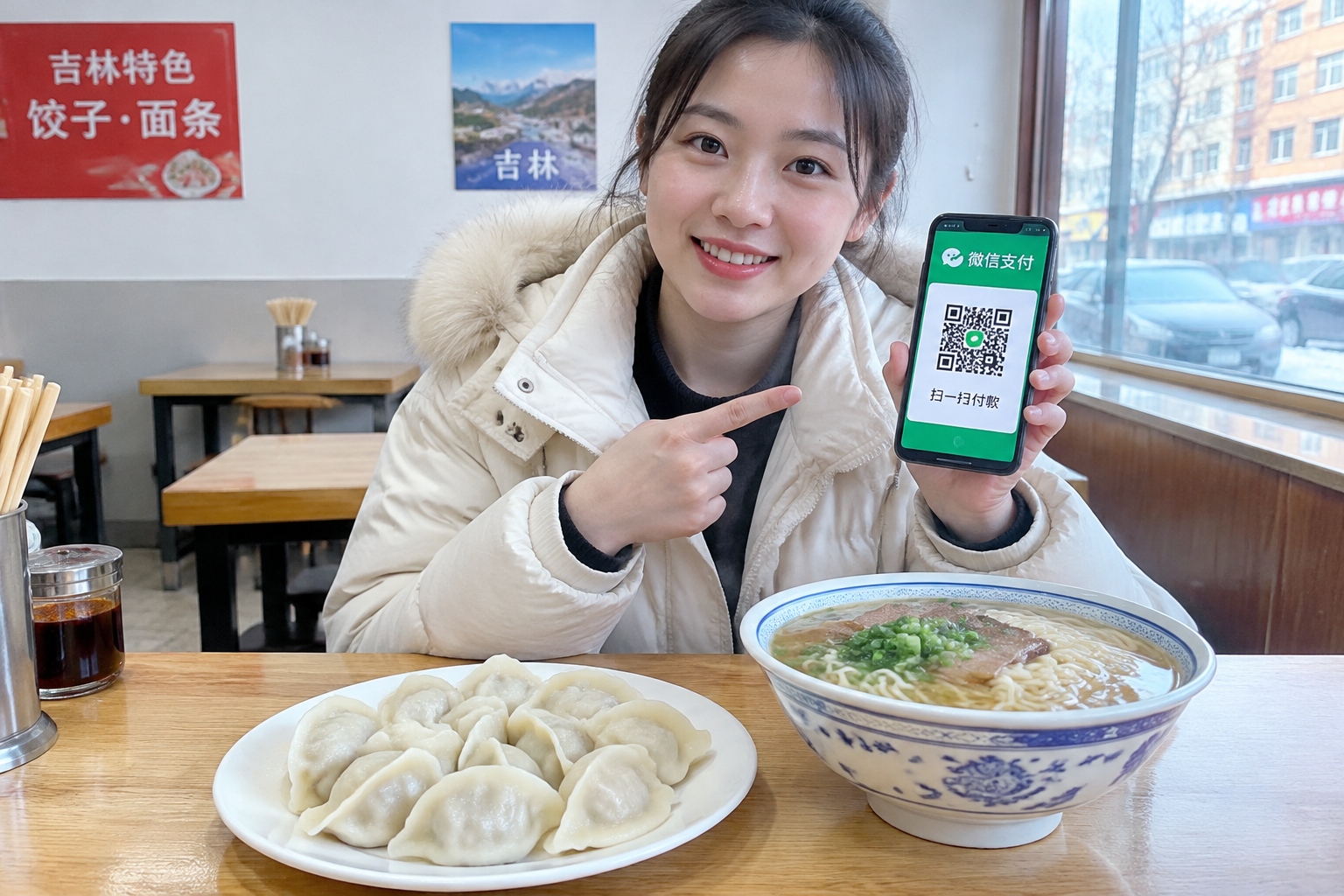
Prices: In neighborhood restaurants, a bowl of noodles costs 10–15 RMB (about $1.50–2). A plate of dumplings is 15–25 RMB. If a place charges 60 RMB for dumplings, you’re in a tourist spot. Walk two blocks away.
Payment: Most places accept WeChat Pay or Alipay. Cash works, but locals rarely use it. Set up mobile payment before you arrive if you can.
Hidden Gems vs. Tourist Traps: Where Locals Eat in Changchun and Yanji
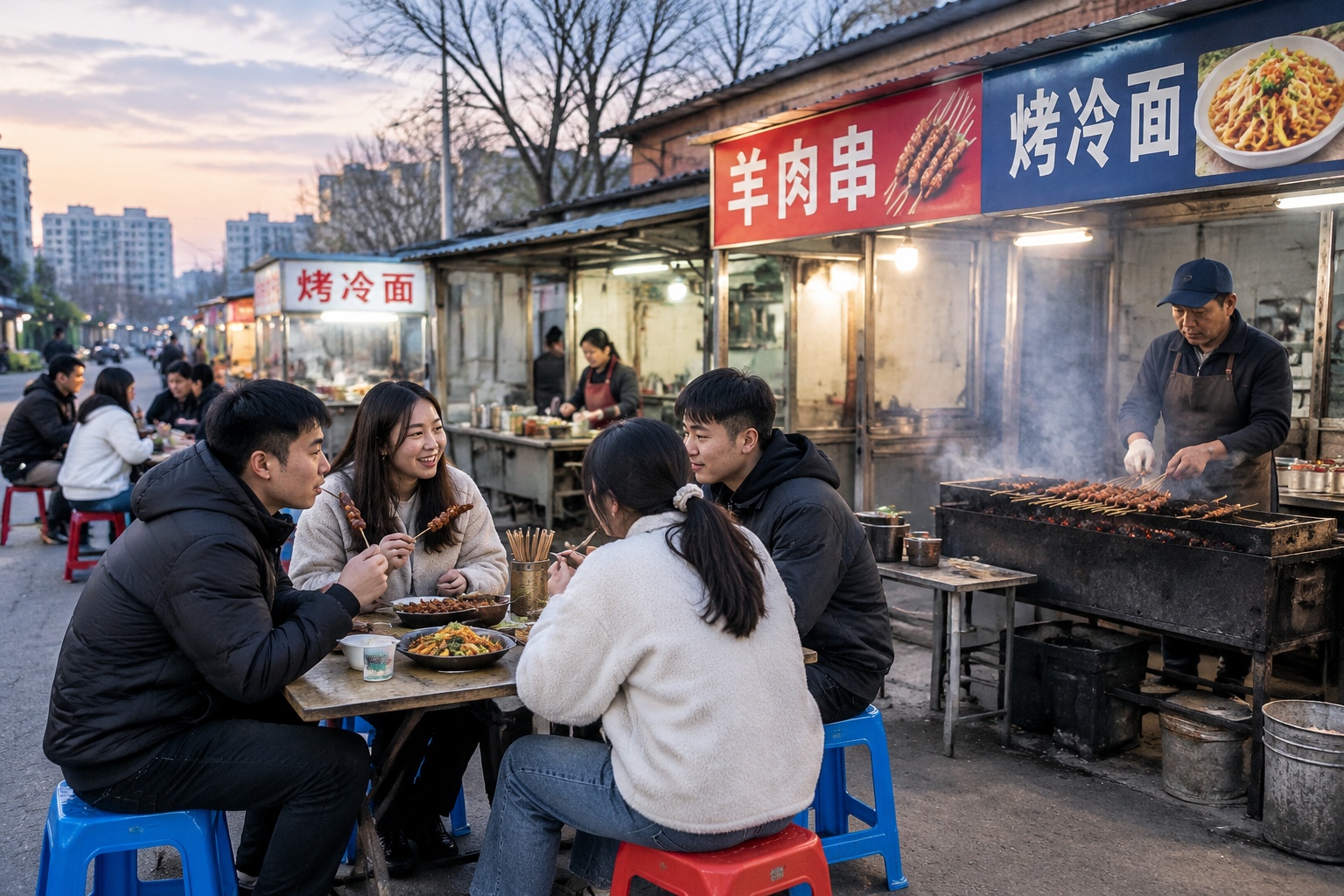
In Changchun, skip the hotel restaurant. Head to Guilin Road or Hongqi Street after 6 p.m. Look for small shops with plastic stools and a line of locals. That’s your signal. Try chuan’r (lamb skewers) seasoned with cumin and chili, or kaolengmian (grilled cold noodles) folded around egg and sausage.
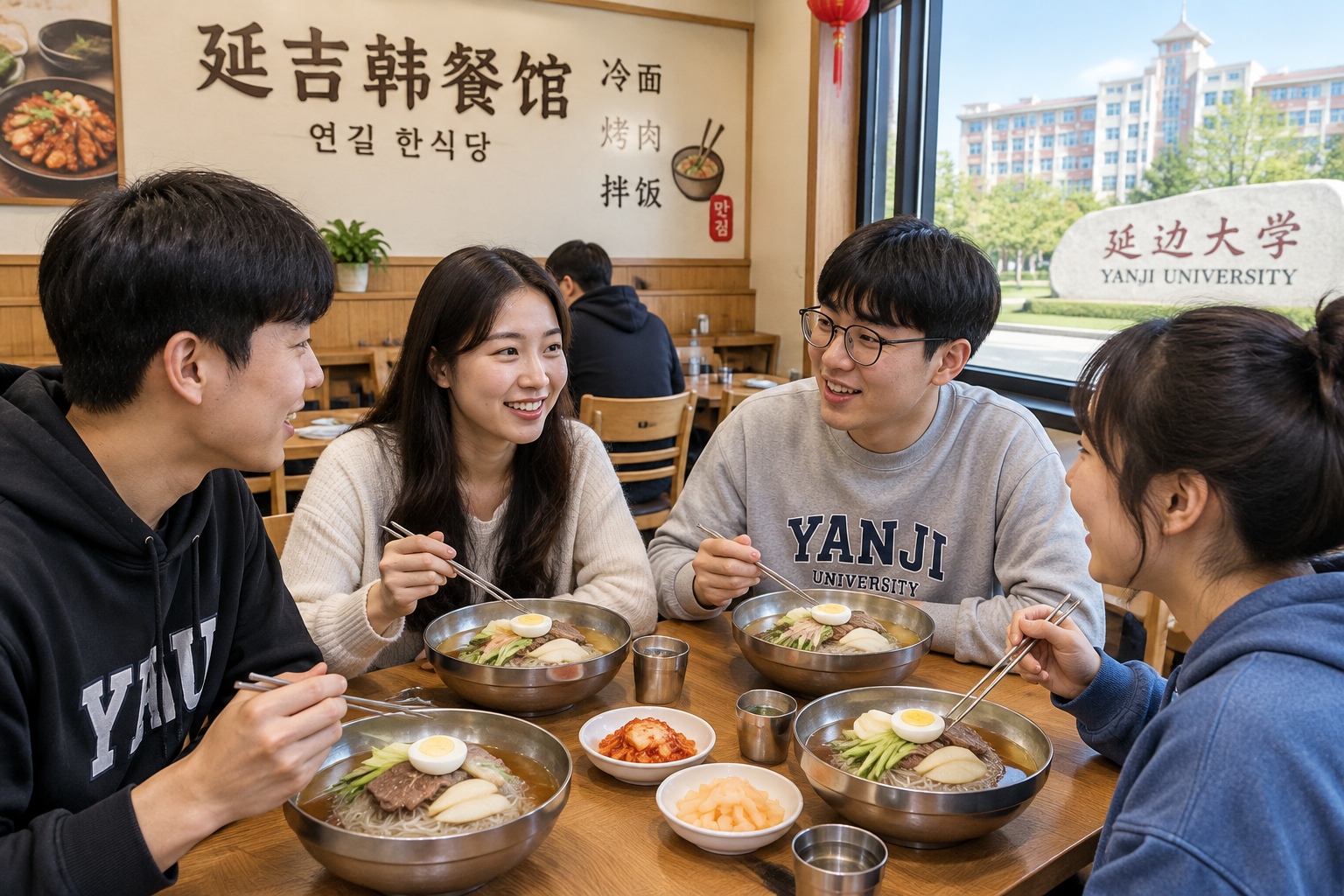
In Yanji, the Korean-Chinese influence is everywhere. Go to Yanji University area for lengmian (cold noodles) and bulgogi that locals actually eat. The best spots don’t have English menus. They have pictures. Point, smile, and you’ll be fine.
Avoid restaurants with big signs in five languages and a host waving you in. Those are for tour buses. The real food is in the alleys, behind unmarked doors, where the smell of charcoal and garlic pulls you in.
Food as a Connector: Sharing a Table with Strangers
In Jilin, meals are rarely solo. Tables are shared. Strangers talk. If you’re alone, sit at a communal table in a noodle shop. Someone will ask where you’re from. They might offer you a piece of their guo bao rou (sweet and sour pork). Accept it. Offer a bite of yours.
This is not about politeness. It’s about how people here build warmth in a cold climate. Food is the icebreaker. You don’t need perfect Mandarin. A smile and a “hǎo chī” (delicious) go a long way.
So yes, come for the snow. But stay for the breakfast hot pot, the alleyway dumplings, and the stranger who becomes a friend over a bowl of beef noodles. That’s the real Jilin.
Start the discussion at forum.chinacomes.com