
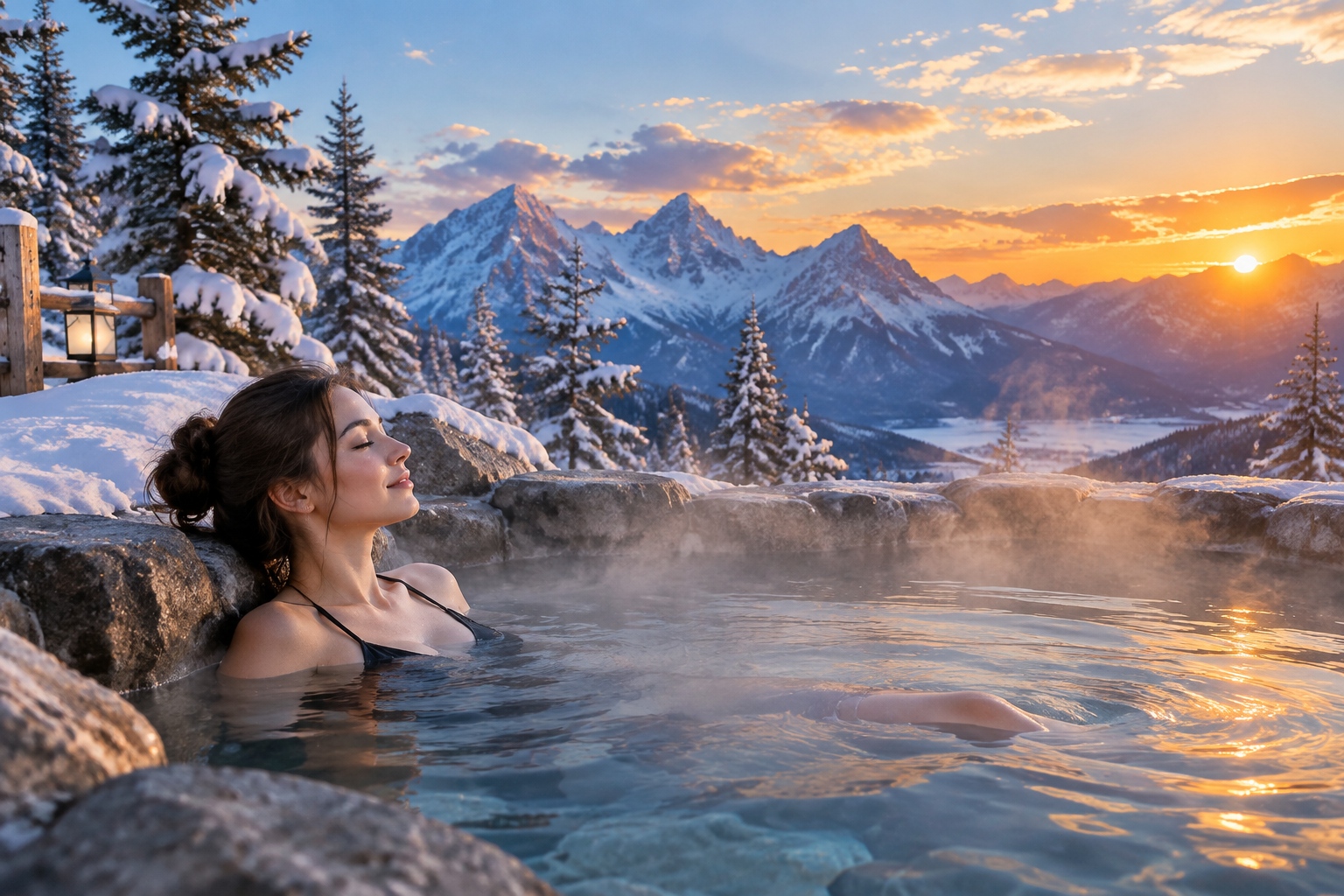

Morning on Huangshan: The Unhurried Climb
At six in the morning, the sky was still a smudged gray-blue, and the fog hung low over the granite peaks. I was standing near the Beginning-to-Believe Peak (Shimiao Peak) with a dozen other early risers. We weren’t there for a perfect sunrise photograph. We were breathing in the thin mountain air, watching the clouds roll through the pine forest below.
Huangshan, the Yellow Mountains in Anhui Province, is one of China’s oldest wellness destinations. It doesn’t need one more article about its sea of clouds. But it is an extraordinary place to feel what locals call shanyang – mountain recuperation. The altitude (above 1,800 meters at the summit) gives you a mild, natural kick. The path from Tangkou village at the foot is a stairway of carved stone that switches between oak groves and open ridges. I took the cable car up partway, then walked the last three hours, each step a small negotiation between my quads and the next stone slab. By the time I reached the top, my legs were on fire, my ears popped, and my mind had gone still. That’s the intention. Hiking in Chinese is often described as yundong, but for many locals, it’s zhan – a moving meditation.
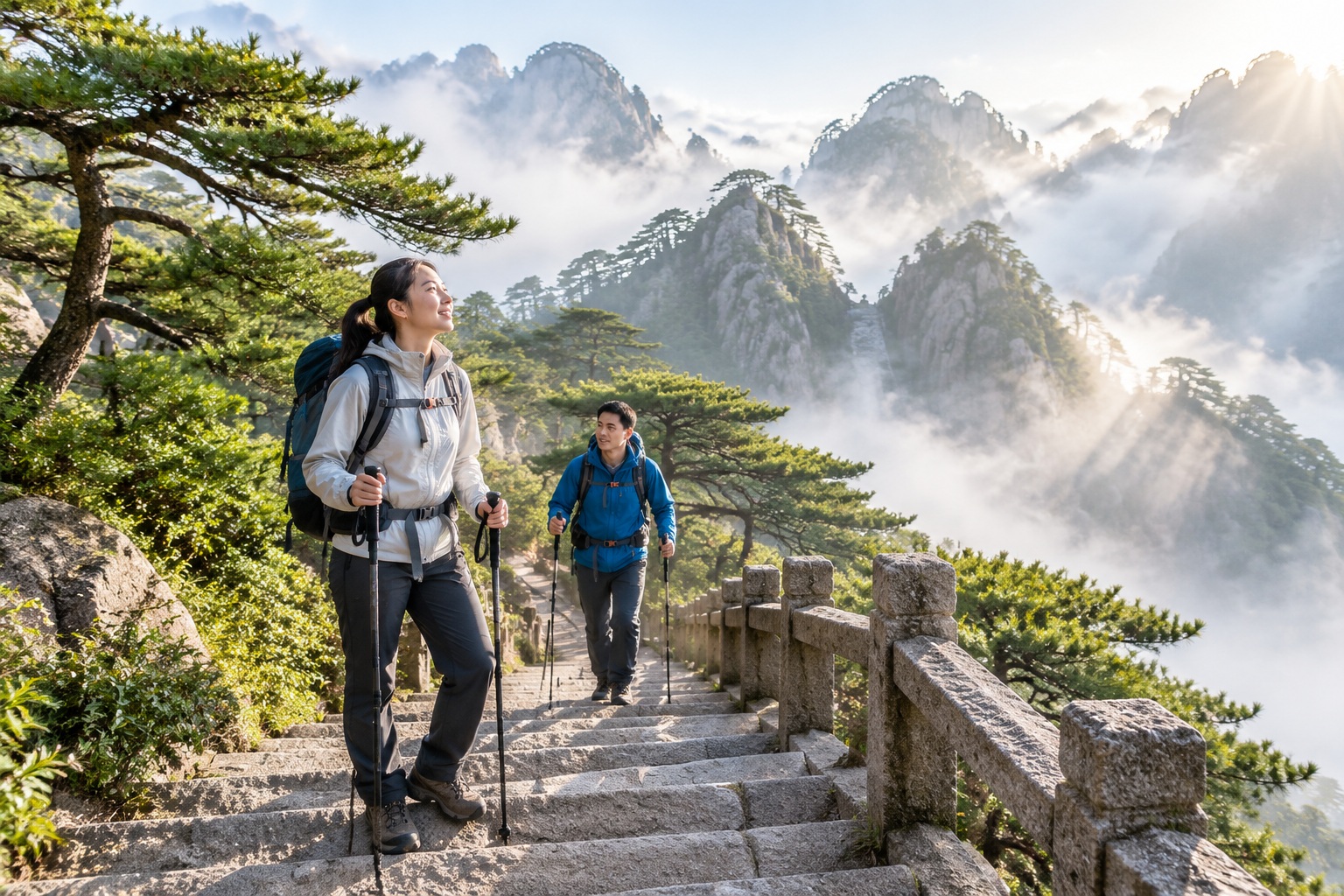
Huangshan is also home to some of China’s most accessible hot springs. The village of Tangkou, at the base, has been bathing visitors for over a thousand years; Tang-dynasty poet Li Bai once wrote about soaking his tired feet near this very mountain. After a full day of unhurried climbing, I slid into a small private pool fed by the mountain’s natural spring. The water was slightly sulfuric, held at 38°C – not hot enough to shock, but warm enough to melt the knots in my shoulders. Above the pool, a bare electric bulb flickered; outside, the temperature had dropped to 10°C. It was a modest scene – no fancy towels, just a concrete tub and the sound of running water. For my aching body, it was heavenly. (If you’re on a budget, the public baths in Tangkou cost about ¥20/less than $3).
If you have a free afternoon, follow the local wisdom: walk the lower trails around the mountain. I met a 70-year-old farmer named Zhang who walks these paths daily, sometimes barefoot. He told me his grandfather did the same. “The mountain air works on things you can’t see,” he said, pointing to his chest. “When you walk, you breathe with the mountain.” I didn’t argue. My lungs felt cleaner after just one morning.
Changbai Mountain: Hot Water in a Frozen Forest
From Huangshan I flew north to Jilin Province, to the volcanic forest of Changbai Mountain on the Chinese-North Korean border. It was late autumn and already minus 8°C. I booked a shuttle to the north slope, where the famous crater lake, Tianchi, lay frozen under a slate-blue sky. Silence wrapped us like a blanket.
The real wellness experience at Changbai, however, isn’t the summit view. It’s the cluster of hot springs known as Julongquan (聚龙泉) – “Gathering Dragon Spring” – halfway up. Volcanic heat warms the groundwater to over 80°C, and in the cold air, dense columns of steam rise like ghosts. Hotels in the area have built outdoor thermal pools fed by these same waters. Invisible ice crunched under my flip-flops as I ran from the changing cabin to the pool. In the water, everything quieted. My body adjusted; snow collected on the hair on my arms while my skin turned pink. I stayed for an hour, watching the frozen pine treetops and the steam that smelled faintly of eggs and minerals.
Winter bathing is an established practice in China’s northeast. The contrast – what locals call han re jiao cuo – is said to improve circulation and wake up sluggish blood vessels. Science is not conclusive about these claims, but the physiological sensation is real: your heart rate rises, your pores open, and you sleep better that night. In the nearby town of Erdaobaihe, I met a retired doctor from Shenyang who comes to Changbai every winter. “The cold makes me grateful for the heat,” she said. “Gratitude is good for the immune system.” I laughed, but I knew what she meant.
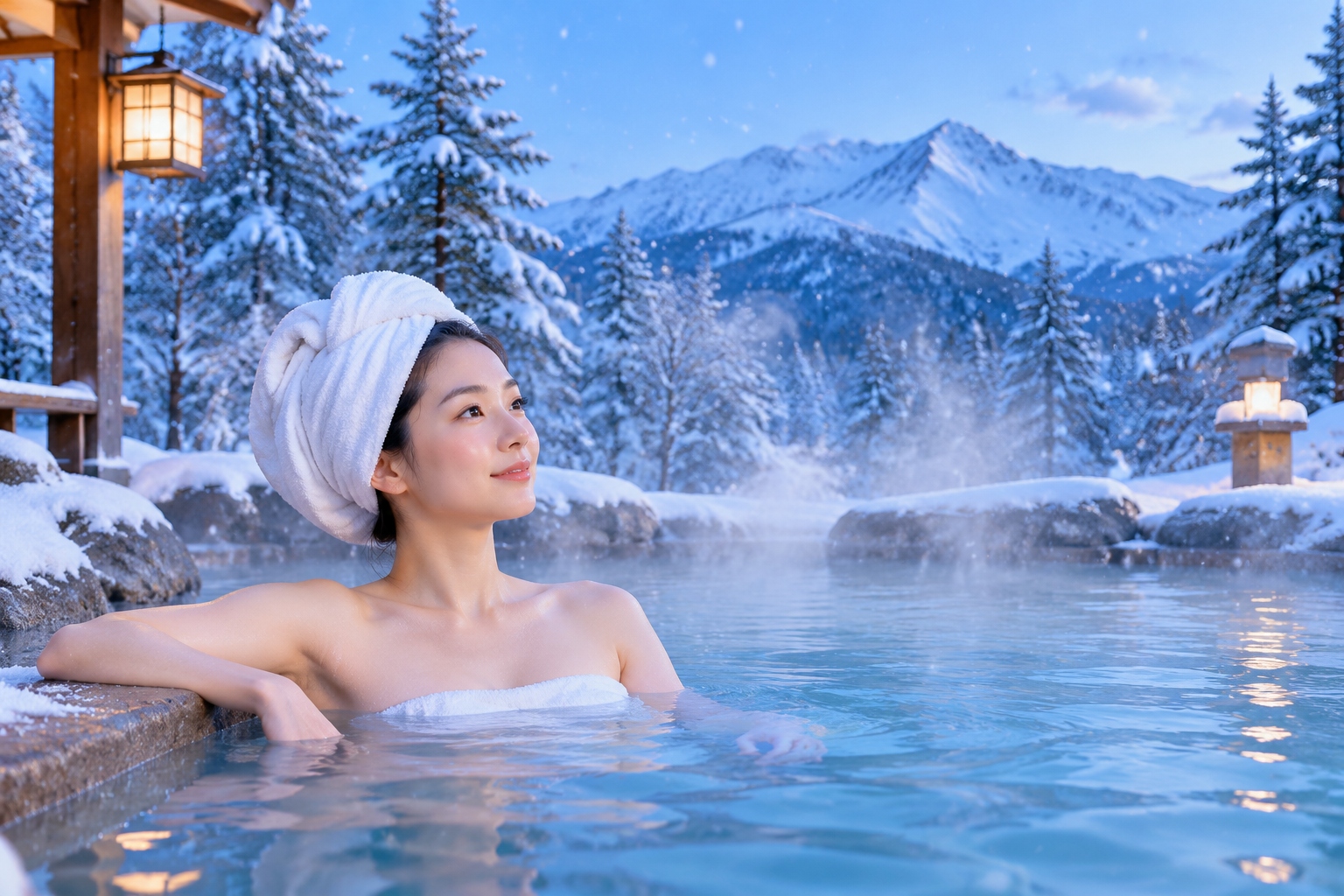
If you’re short on time, you can get a similar effect by soaking your feet in the public foot-bath pavilion next to the gorge – no swimsuit needed. Bring a towel and some dried ginger tea. Both are regular items in every local convenience store.
Sanya: Recharge on the Southern Beach
My journey ended in the tropics. I flew 3,000 kilometers south to Sanya, on Hainan Island. The change was immediate and dramatic. From thick wool coats, I stepped into a humid wind carrying the scent of mangroves and sunscreen. Sanya is China’s version of Hawaii, but it’s also becoming a destination for health travelers who want warmth, ocean air, and activities that don’t involve ski lifts.
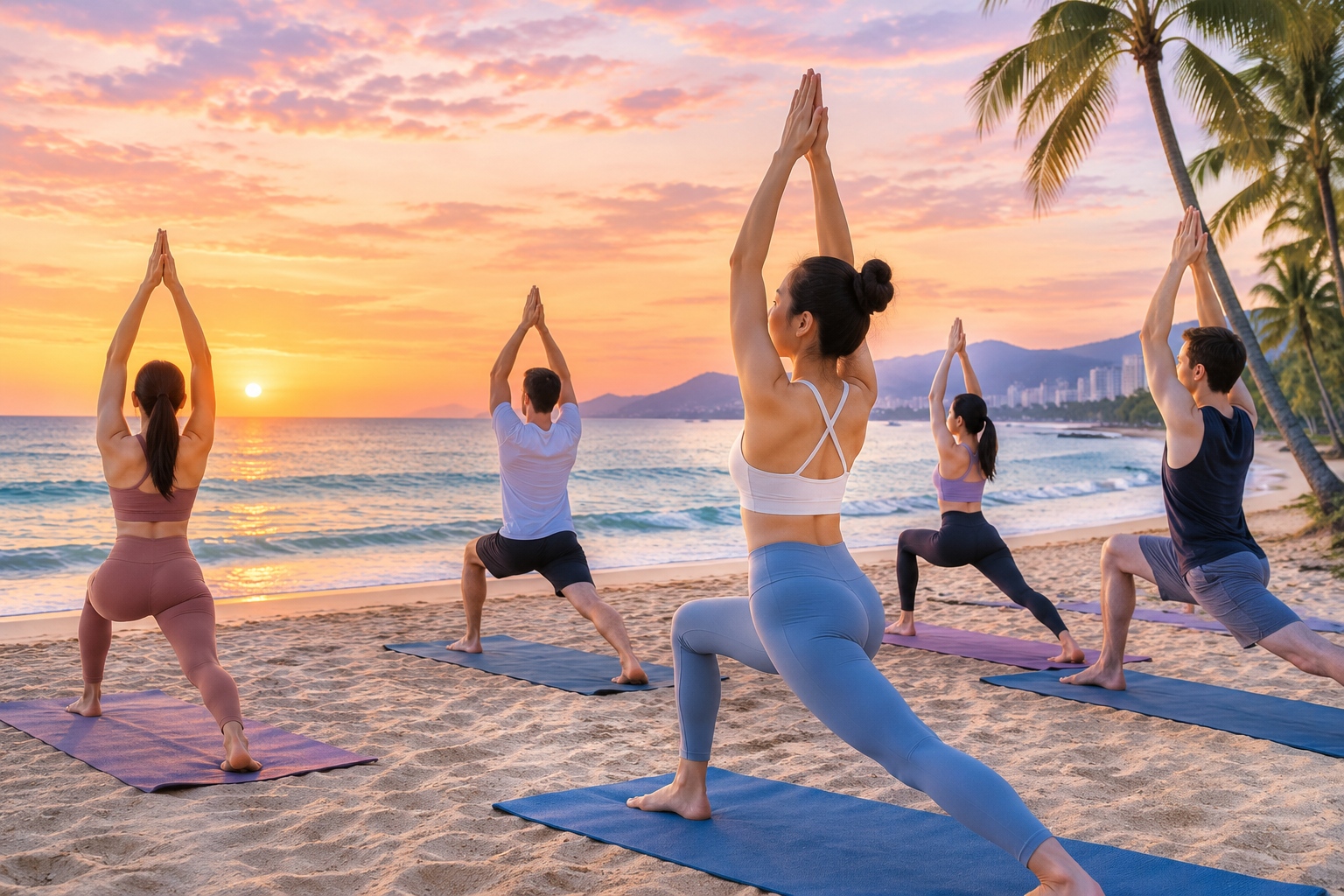
I started each day at 7 a.m. with a beach yoga class in Dadonghai Bay. The instructor, Liu Xin, is a Guangzhou native trained in both vinyasa and the Chinese practice of qigong. “Chinese medicine says our qi moves strongly when the body is calm and connected to the elements,” she explained as we settled on our mats. The class was slow: sun salutations followed by a long standing meditation facing the ocean. I noticed that even the most type-A visitors seemed to stretch their breath to match the waves.
Sanya’s wellness ecosystem also includes several forest retreats in the nearby hills. I spent an afternoon in Baoting, an hour inland, where local Li and Miao communities open small herbal steam huts. The experience was raw: a wooden box that fit my body up to the neck, filled with steam from boiled mugwort, ginger, and lemongrass. A village woman in her sixties checked on me through a canvas flap. For thirty minutes, I sweated out the memory of airport food. It was less polished than a Balinese spa, but more honest.
For a low-key day, just walk the beaches at Yalong Bay, where the water is turquoise and the sand squeaky clean. Bring a bottle of water, walk barefoot at tide line, and let the sound of waves reset your nervous system.
Traditional Chinese Medicine: Beyond the Needles
To understand how Chinese wellness heritage lives today, I sat down with Dr. Lin Wen, a licensed TCM practitioner with 15 years of clinical experience in Beijing. Her clinic looks like a mix between a minimalist tea lounge and a lab: acupuncture needles in sterile wrappers, a small moxibustion station, shelves of dried herbs in glass jars. “Most foreign guests think of Chinese medicine as musk deer and powdered horns,” she said laughing. “In reality, daily TCM is quite down-to-earth: acupuncture, cupping, mugwort heat therapy, and what we call shiliao – food as medicine.”
Traditional Chinese Medicine is woven into modern Chinese life. Apps like “Xiaoye Health” let you book certified acupuncturists to your home. After surgery, some patients ask for acupuncture instead of opioids. During lunch breaks, office workers now duck into small clinics for a 15-minute moxa session to ease desk hunches. Maybe you’ve tried cupping at a trendy spa – in China, it’s covered by basic health insurance in some cities.
Dr. Lin treated my travel-stiff shoulders with ten thin needles. As they dropped in, I felt a tiny pulse in each spot. She left them in for 20 minutes, occasionally turning one needle. Then she placed a small warm rod of mugwort above my back – not burning, just gently heating – and I fell asleep. When I woke up half an hour later, my shoulders had unlocked, like a door no longer stuck. She prescribed a tea: goji berries and chrysanthemum. “Good for office screen eyes,” she said. I bought the identical mixture at a pharmacy around the corner for about ¥15 (less than $2).
Is it magic? No. TCM is a framework built over centuries, with many claims that haven’t passed modern clinical trials. But it’s also practical. For many Chinese, it’s not an alternative to Western medicine but a complement – a way to manage stress, chronic pain, and sleep issues, and a reason to slow down.
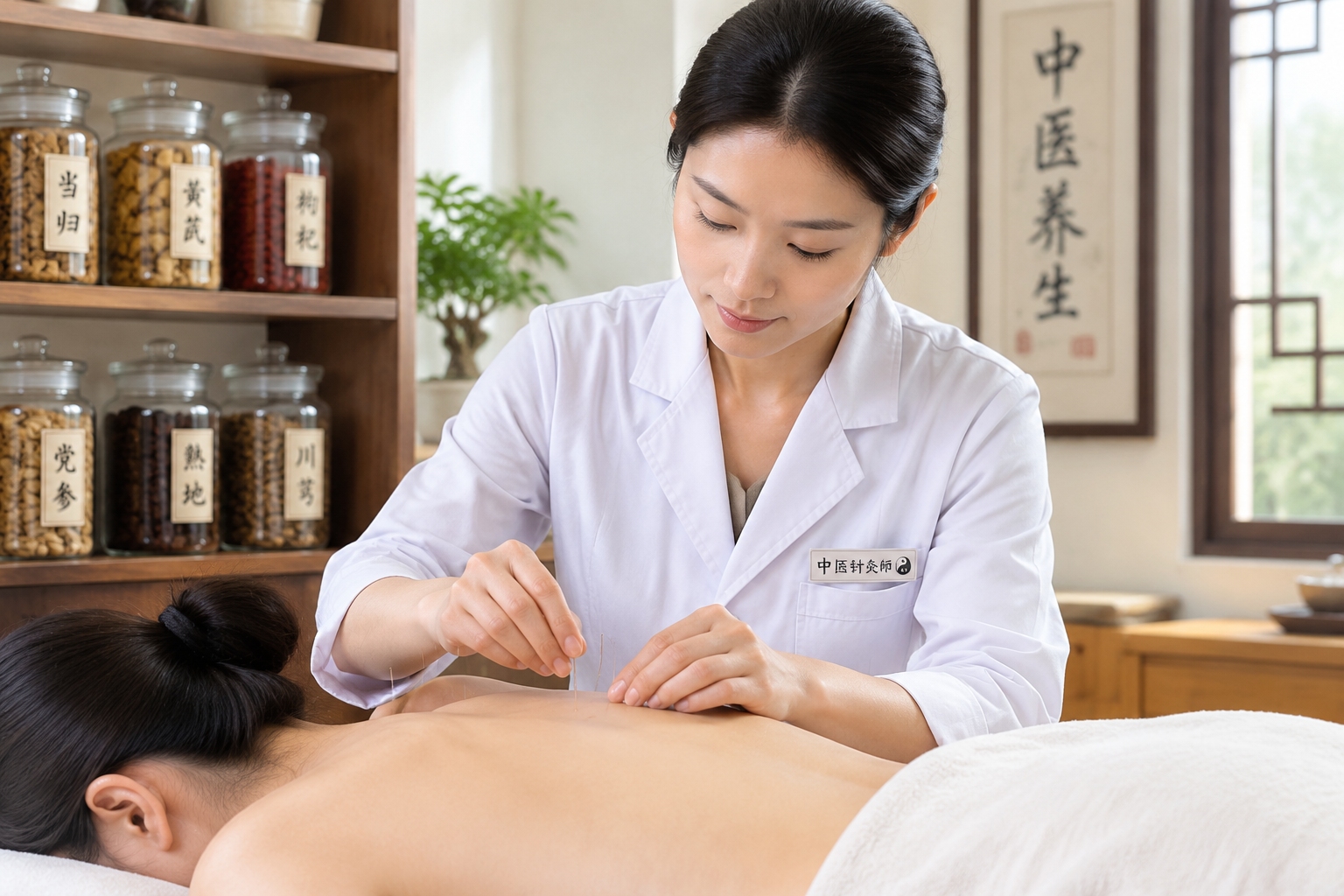
If you’re in Beijing, a handful of clinics offer TCM experiences for international visitors, some with English-speaking staff and a clear menu of prices. Ask your hotel’s concierge or search for “Beijing traditional Chinese medicine clinic with English” online.
Building Your Own Wellness Itinerary
What I learned on this trip is that China’s landscape is its best therapist. You can design a short recovery circuit that mixes hiking, hot springs, mountain air, and a bit of TCM. Here’s a two-week suggestion:
Stage 1 (Days 1–4): Huangshan. Fly to Huangshan Tunxi International Airport. Spend one night in a mountain hotel to catch the sunrise; then hike down through the west sea canyon or take the ‘Manbu Xian’ (leisurely stroll). In the evening, soak in the old hot springs in Tangkou. Best weather is in April – June or September – November.
Stage 2 (Days 5–7): Changbai Mountain. Take a direct flight to Changbaishan Airport and shuttle to the north slope. If you arrive in winter, bring down the thick jacket. Hike around the volcanic forest, see the frozen Tianchi, and spend at least one evening in an outdoor thermal pool. Even if you’re not staying at the fancy hotel, the public foot-bath pavilion is a unique evening ritual.
Stage 3 (Days 8–11): Sanya. Fly to Sanya Phoenix International. Choose a hotel on Yalong Bay or Dadonghai. Schedule a beach yoga class or just walk the shoreline at dawn. For a deeper detour, visit Baoting in the mountains for herbal steam or a forest shower.
Stage 4 (Days 12–14): Beijing. End your trip in the capital to balance the nature with some human touch. Visit a TCM clinic for acupuncture and moxibustion, or take a short class in Chinese herbs in a courtyard. Many international-friendly clinics also offer cupping or Tuina (deep massage).
Domestic flights between these regions are abundant and reasonably priced (compared to Western domestic legs, a one-way ticket from Huangshan to Changbai can cost $80–150 USD if booked early). High-speed rail links most of the southeastern leg if you prefer ground travel. Use platforms like Trip.com or Fliggy, and be flexible.
Practical Info and Reading Notes
– Best season overall: Mid-September to mid-October gives you pleasant temperatures in Huangshan, early snow in Changbai, and still-warm seas in Sanya. If you want snow, come between December and February; for flowers, May is best in Huangshan.
– What to pack: Layers for mountains (temperatures can swing 15°C), compact thermal underwear, a swimsuit for hot springs, and water shoes for rocky pools. In Changbai, add a windproof hood (dust masks are sold everywhere if you need them).
– TCM clinics: Prices are low by Western standards – $20-40 for an acupuncture session, $15 for cupping, $30 for moxibustion in city centers. Always confirm if the clinic uses disposable needles. Look for clinics listed with 卫健委 (National Health Commission) accreditation.
– Etiquette for hot springs: In public soak pools, you are required to wear a swimming cap (both men and women). Nudity is never allowed in mixed bathing areas; many are single-sex. In private rooms, you can swim in a swimsuit.
– Connectivity: Even in remote areas like Changbai, mobile payment via Alipay/WeChat is standard. Forget mobile network roaming – buy a local SIM or install China’s eSIM; download the offline map of Gaode and DiDi (ride-hailing) in advance.
China’s wellness scene is not a retreat from reality. It’s a way of meeting it with a slower pulse. The mountains rise, the springs bubble, the shore stretches out. You only need to bring your body and an open mind.
Start the discussion at forum.chinacomes.com