

Where Heavy Machines Learn to Think
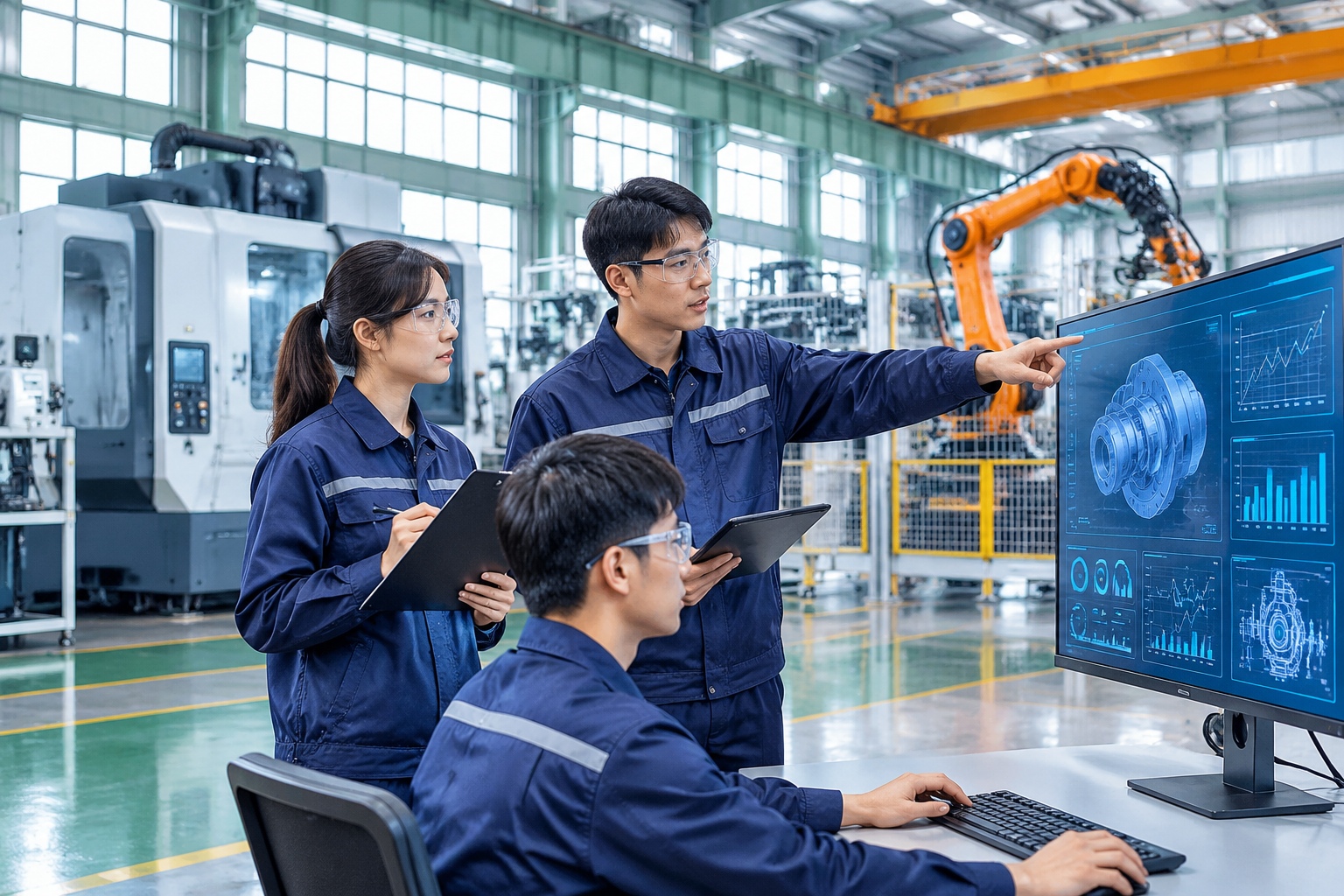
In a corner of Shenyang, the capital of Liaoning province in northeastern China, a young engineer named Li Wei pulls up a three-dimensional model on a large monitor. The model is a turbine blade used in a gas compressor. A few meters away, a robotic grinding machine is slowly shaving the metal to a tolerance measured in microns—one-fifth of the width of a human hair. Li’s job is to watch the digital twin, adjust the feed rate, and make sure the finished part matches the design exactly. Ten years ago, a task like this would have demanded the steady hands of a 30-year veteran and thousands of trial runs. Now, it’s a routine day for someone in his late twenties.
The scene is repeated in hundreds of factories across the province, which once produced much of China’s heavy industrial backbone. It offers a clear answer to a question outsiders often ask: what happened to China’s old industrial rust belt? The answer is not simply decline. It is reinvention—moving from the massive, heavy machinery of the Mao era to a new generation of equipment that talks, senses, and makes decisions.
From Pillars of the Nation to Smart Machines
Liaoning’s industrial history is a defining chapter in modern China. In the 1950s, Beijing built its first heavy-steel mills and machine tool factories here, often with Soviet assistance. Shenyang was the center for airframes and engines; Dalian, 250 kilometers to the southeast, was the center for ships. For decades, production was measured in tons and horsepower. The province’s state-owned enterprises—like Shenyang Blower Works (now Shengu Group), Northern Heavy Industries (NHI), and Dalian Shipbuilding—made the country’s first compressors, mining shovels, tunneling machines, and even its first large tanker.
But by the late 1990s, the weaknesses were visible. Many mills were outdated, energy-hungry, and slow to innovate. Market reforms opened the door to foreign competition, and the coastal provinces began building consumer goods and electronics, leaving the northeast behind. Hundreds of thousands of workers lost their jobs when state factories were shut down or merged. For a time, “rust belt” seemed like the right term.
The turnaround started in the 2000s, when the central government launched the “Revitalize Northeast” program. Money flowed in, but the real change came from a combination of government directives and private-sector pressure. The province was told to focus on niche, high-end equipment instead of bulk production. Companies had to become more efficient and more precise.
Today, the factories in Liaoning look nothing like the grey workshops of old. The Shengu Group, for example, is now a supplier of turbomachinery for natural gas pipelines and the main compressor for ethylene plants across China. The company’s engineering campus in Shenyang has clean buildings, a central control room, and teams of software engineers working alongside mechanical designers. In one hall, workers are assembling a centrifugal compressor with a diameter of more than two meters. The precision required is exactly what the digital twins are there to ensure.
The Robot Revolution Finds a Home
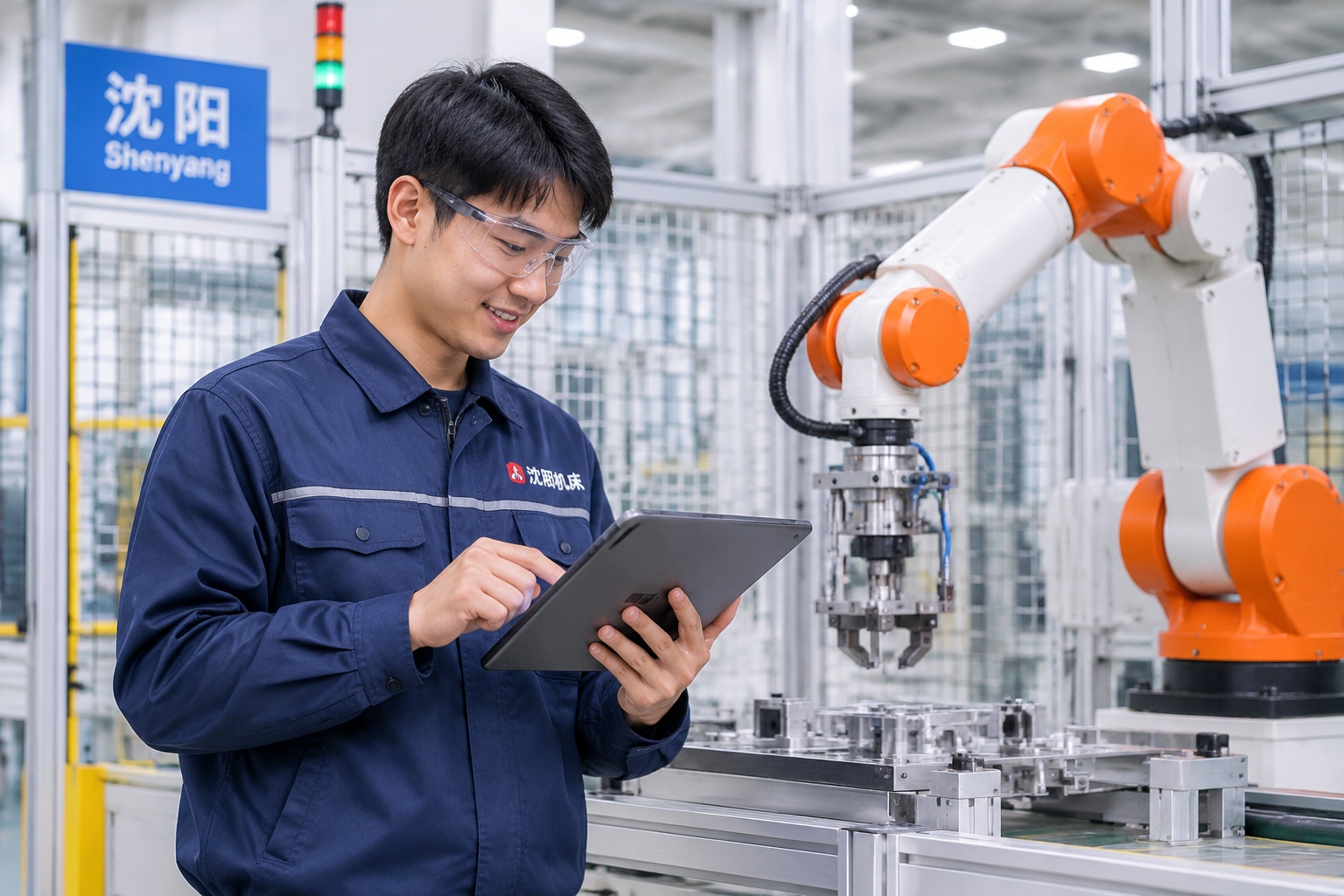
One of the most visible signs of the shift is the rise of industrial robotics in Liaoning. The province now hosts thousands of companies that make or use robots. The best-known is SIASUN, headquartered in Shenyang, one of the world’s largest robot suppliers by unit sales. SIASUN began in 2000 as an academic spin-off from the Chinese Academy of Sciences. It now manufactures a wide span of robots: articulated arms that weld automobile frames, automated guided vehicles that carry parts to assembly stations, and even service robots used in hotels and hospitals. A plant operated by BMW in Shenyang uses SIASUN robots in the body shop, and local suppliers have grown alongside.
But it’s not only about robots that look like machines. The real shift is in how factories are connected. In a modern plant for mining trucks, each giant truck is equipped with sensors that send data on engine temperature, tire pressure, and hydraulic lift cycles to a remote monitoring center. Predictive algorithms tell maintenance crews when a component is about to fail, preventing breakdowns in remote mines. Another factory outside Dalian uses 3D printing to make titanium parts for aircraft, something that was only a research project twenty years ago.
What the Shift Means for Workers
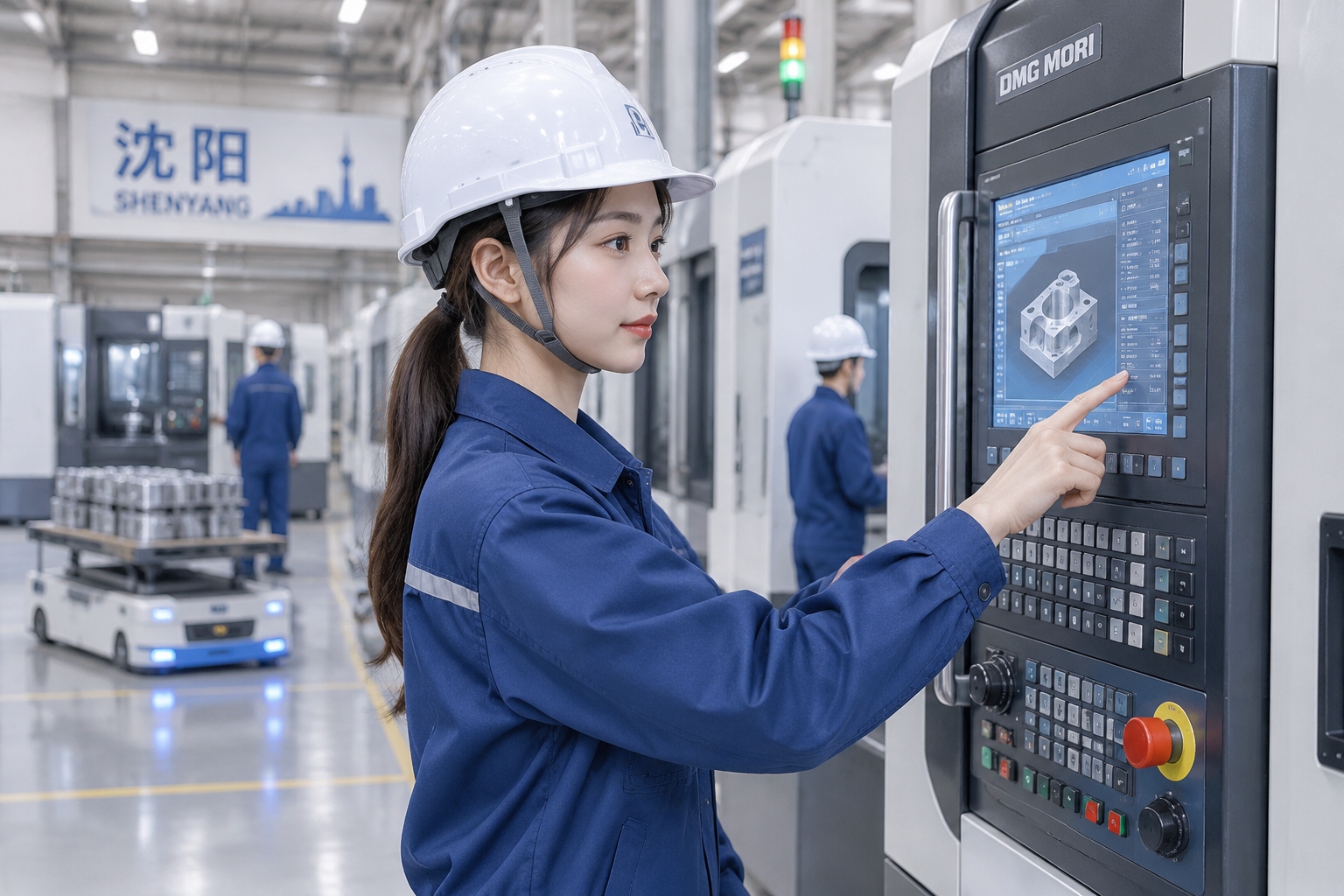
Technology alone can’t explain the transformation. The people who run these plants are also changing. Workers who used to rely on experience and manual skill now need to understand software, data, and automated systems. A veteran welder may now be retrained to program a robotic welding arm. A former lathe operator might become a cell operator who monitors a row of machines from a touchscreen.
Many young workers like Li Wei are coming to Liaoning with technical degrees. They know that job security no longer comes from serving one machine for thirty years but from learning new skills. Companies offer monthly training courses, and the most successful plants use “digital twin” software that lets workers simulate production in a virtual environment before touching real equipment. “When I started, you had to learn by making mistakes,” says Li. “Now, you can make all the mistakes on the computer. That’s a huge advantage.”
Still, not every change is easy. Small factories often cannot afford advanced automation. The wages, while better than a decade ago, are still below richer coastal cities. And some older workers are left behind, unable to master the new systems. The provincial government runs retraining programs, but the pace is uneven.
From Old Industrial Landscapes to a New Identity
Liaoning’s cities are reshaped by this economic evolution. In Shenyang’s Tiexi district, an area packed with steel mills and factories throughout the 20th century, many old plants have closed. The municipal government transformed the area into a residential and commercial district, with parks and shopping malls. But it kept a piece of history: the China (Shenyang) Industrial Museum, housed in a former factory building. Visitors walk among vintage machines—huge lathes and rolling mills—and then move into a gallery showing the latest robots and automation systems. On weekends, children climb into a display of a retired fighter jet, while their parents explain what it used to be like to work in these buildings.
That mix of past and future is a good metaphor for Liaoning’s equipment industry. The old pillars—heavy machinery, military equipment, energy generation—are still here, but they are getting smarter. The province is increasingly a test bed for the Chinese government’s broader push toward “intelligent manufacturing” and “new quality productive forces.” For overseas customers of Chinese equipment, this means that products from Liaoning are now more reliable, more connected, and often more competitive than those from a decade ago.
Challenges remain, of course. The province’s population is aging and shrinking. Some state-owned enterprises still rely heavily on government support. The global market for heavy machinery is becoming more contested. But the direction of travel is unmistakable. The nation’s “most important” machinery is now being built in a new way—with microchips, software, and a new generation of engineers and operators. And that is a story worth paying attention to.