

Introduction: The Price Shock Heard Around the World
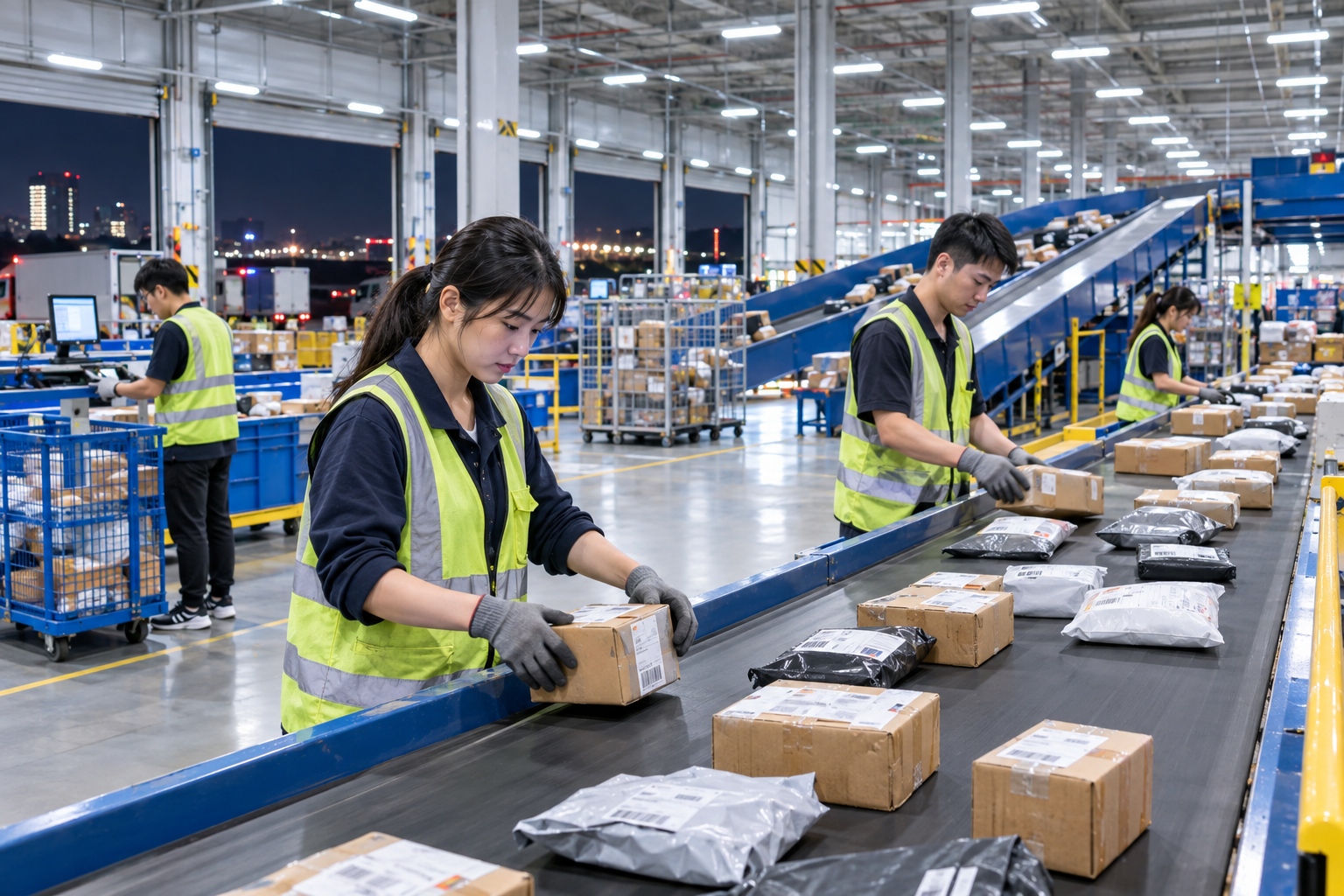
In 2023, Sara, a college student in Ohio, ordered three dresses, a phone case, and a set of air fryer liners from Temu for less than what she would have paid for one dress at Forever 21. She wasn’t a bargain hunter; she was curious about an app that had flooded her social media feeds with bright, product-packed ads. Within two weeks, the packages arrived separately, each wrapped in a thin gray plastic bag. She wasn’t alone. In the United States, Temu was downloaded more than 100 million times in just a few months after its 2022 launch. Her exact experience—low prices, free shipping, and an endless list of quirky items—is now being repeated in homes across the world.
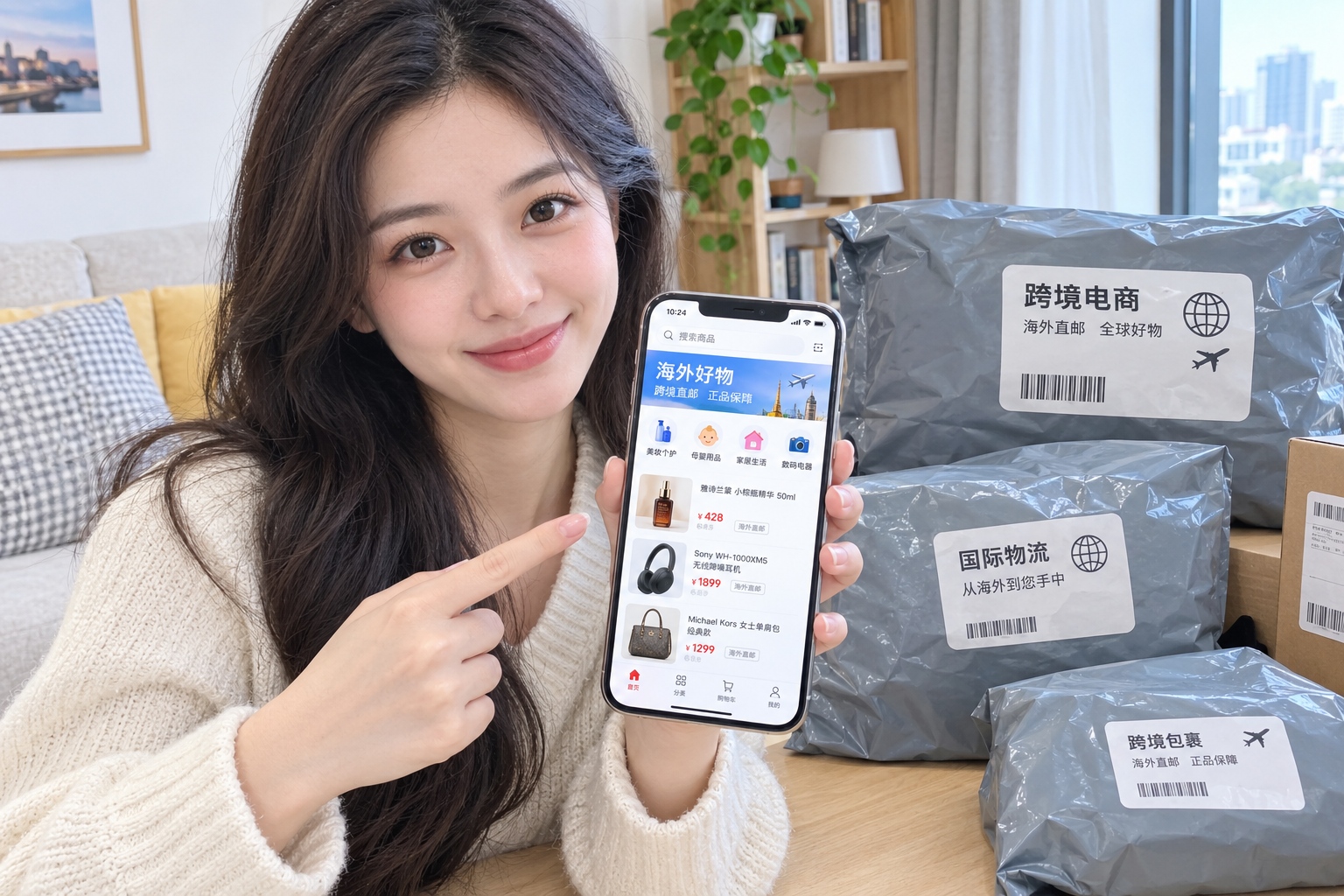
Meanwhile, Shein, the fast-fashion giant that began as a Chinese cross-border e-commerce site, has become so ubiquitous in Australia, Europe, and the United States that it has prompted protests from climate activists and warnings from trade regulators. Yet shoppers keep clicking. Shein has reportedly added thousands of new items to its website every single day, a pace no conventional retailer can match. Together, Shein and Temu have forced a hard conversation: is this the future of e-commerce, or just a passing price war?
The Engine Behind the Price Tags: China’s Agile Supply Chain
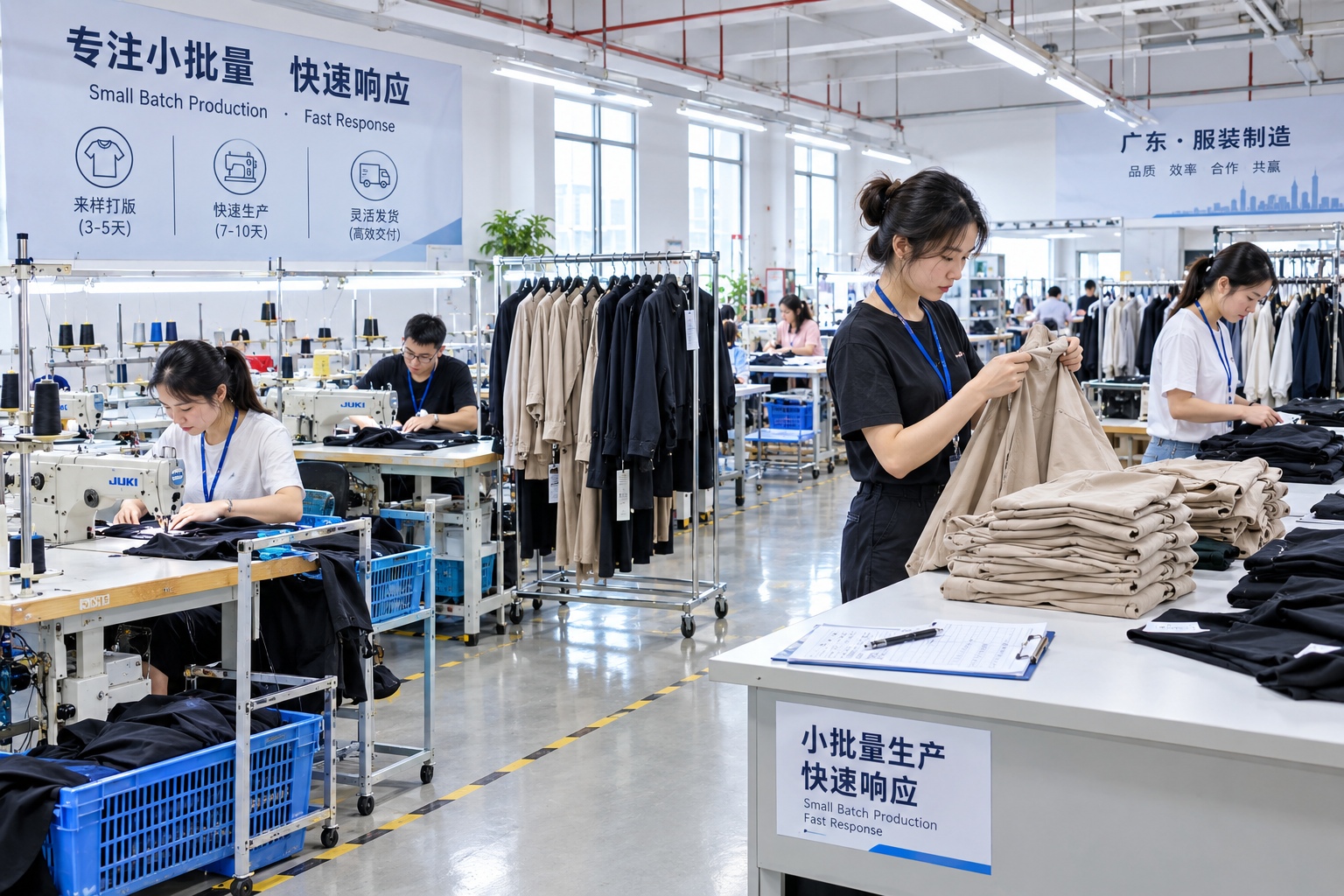
It is tempting to dismiss Shein and Temu as companies that simply “sell cheap stuff from China.” But that undersells the industrial machinery behind them. Shein’s breakthrough is a production model often called “small order, fast reorder” (known in Chinese as “小单快反”). Instead of preparing thousands of SKUs in bulk sizes, brands like Shein start with tiny test runs—sometimes 100 to 200 units—place them on the platform, and monitor which styles attract clicks and purchases. If a style goes viral, the supply chain steps on the gas and ships hundreds of thousands within days. If it flops, the loss is small.
This model is possible because of a tightly clustered garment industry in Guangzhou, Guangdong Province, where Shein has its roots. A designer can have a sample sewn in the morning, photographed in the afternoon, and listed for sale online at night. Factories in the area can switch production lines quickly, responding to real-time demand data instead of seasonal guesses. According to public reports, Shein releases thousands of new products daily—in some estimates, more than the entire annual output of some traditional apparel retailers. This isn’t just a faster channel; it is demand-driven manufacturing at a scale no one believed possible.
The logistics behind Temu are similar, though the marketplace model is different. Temu connects consumers directly to manufacturers, often from the same Guangdong and Fujian powerhouse regions. By cutting out middlemen, the platform moves cargo in small parcels using special e-commerce logistics channels. These channels helped reduce shipping costs to a degree that made a $2 kitchen gadget still profitable. This is not magic; it is the result of years of investment in warehousing, customs clearance, and a staggeringly efficient network of small-batch exporters.
Mastering Traffic, Algorithms, and Consumer Psychology
Price alone can’t explain the sheer scale of Shein’s and Temu’s growth. Both platforms have become obsessed with algorithmic discovery and user behavior. Shein’s homepage is a firehose of products, and its recommendation engine is constantly testing new styles against your click patterns. It’s a bit like TikTok for shopping—the app learns faster than your own taste does, showing you ten similar dresses until one of them lands. This algorithmic approach has turned impulse buying into a science.
Temu takes a blunter but equally effective approach. Its signature game-like program encourages users to share links with friends to “spin a wheel” and unlock free items or discounts. The hook is real—Temu offered free stuff to users who recruited enough friends, and those viral share loops drove a rapid surge in app installs. The consequence is that even the biggest e-commerce players are now copying these attention-engineering features.
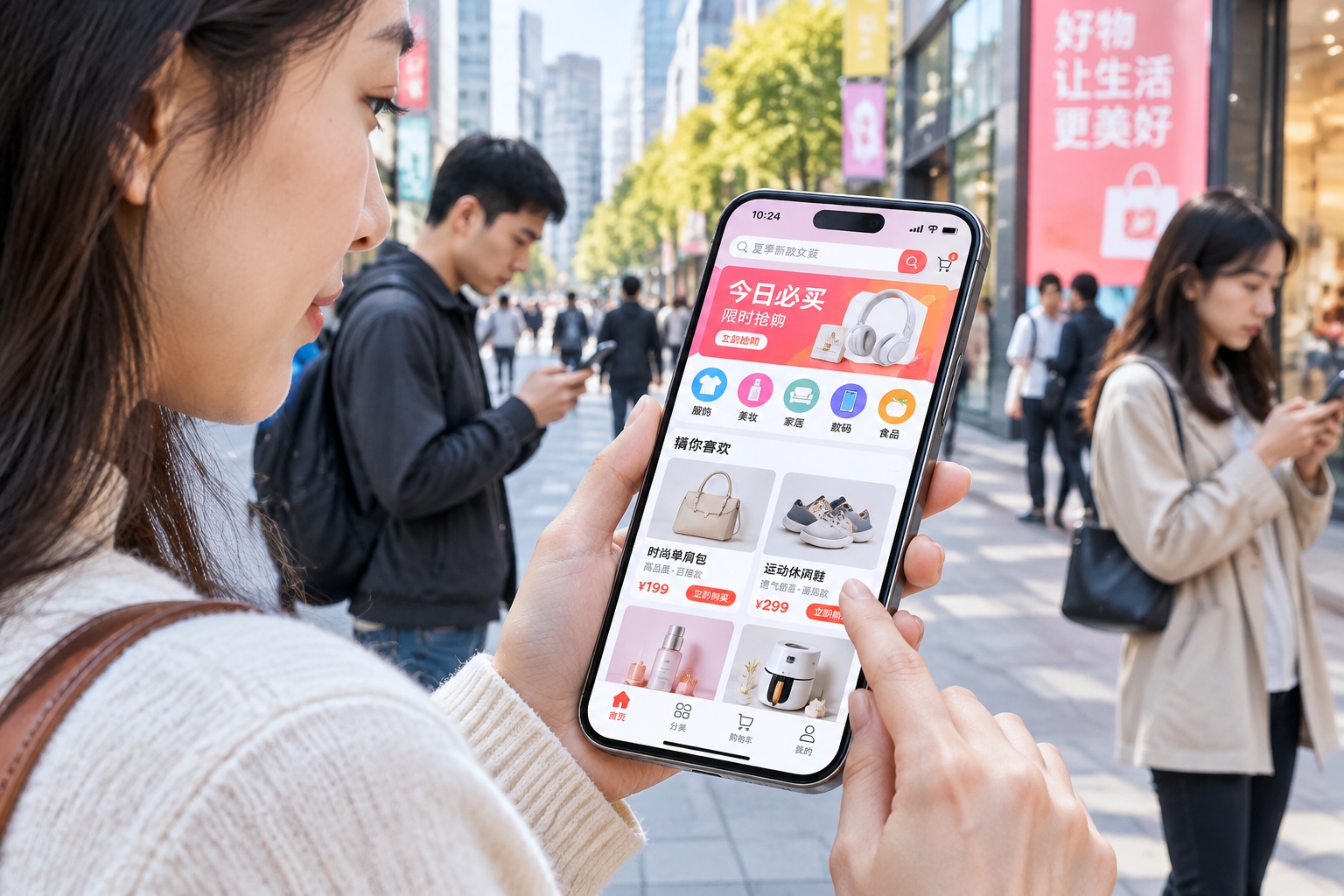
What does this mean for small brands? It reminds us that price expectations are not set by the market alone, but by the richest platforms. If a customer can find a direct-from-factory charging cable on Temu for $1.50 with free shipping, your $12 cable—even with premium packaging—needs to tell a very different story in the same amount of screen time.
What Small Brands Can Learn from This Playbook
The playbook is not out of reach. While few small brands can build their own garment district, they can adapt the core principles:
Test small, reorder fast
If you are a fashion or accessories brand, abandon the old season-based bulk ordering. Use micro-batches of 50-200 units to test designs in your local market. Create a private channel—Instagram polls, WhatsApp groups, or even your own website—and watch what people engage with. Once a pattern shows traction, have a plan for faster replenishment with a trusted manufacturer. The key is not to predict demand; it is to react to it before your capital is stuck.
Let data be your buyer
Both Shein and Temu live and die by their data. Use simple A/B testing on product titles, images, and even price thresholds. Do not ask your staff to guess; run ads and see. Many small brands still rely on gut feeling for selection, which accounts for high overstock costs. A small up-front analytics investment—even just Google Trends and conversion tags—can save months of bad inventory.
Buy from the source, if you can
If you want the cost base of Shein or Temu, you need to understand China suppliers. Using public B2B platforms like Alibaba, or working with a sourcing agent in Guangzhou, you can access the same factories. Ship less-perfect products in smaller batches and reserve a “fast lane” for your best sellers. Some direct-from-source goods will have quality issues, so build in a quality-control step for every order. This can slash your landed costs even after packing and shipping.
Compute the “last-mile” value
Temu and Shein often ship for free, but they use slow, consolidated shipping. Your small brand cannot beat them on price or free-shipping promotions. Instead, focus on geography. If you sell locally or regionally, you can offer same-day or next-day delivery, exclusive service, repairs, or personalized items. Those are attributes an import from overseas will never have. Make the customer see why your speed and service is worth the margin difference.
Risks, Limits, and the Road Ahead
Not everything in the cheap-e-commerce world is sustainable, and small brands should not mimic the negatives. Both Shein and Temu face increasing scrutiny over labor practices, environmental waste, and trade rule loopholes. In the United States, the de minimis rule—allowing packages under $800 to enter duty-free—has come under attack, and some countries have begun to limit access for ultra-cheap products.
There’s also a psychological ceiling. Endless consumption of $2 items can trigger buyer’s remorse and a sense of wastefulness. Some customers are already migrating back to quality, experience, and brand values. As a small brand, your task is not to replace the sheer convenience of the giant platforms, but to become a considered choice—a brand someone actively mentions to a friend because of its uniqueness, not just because of a coupon.
Conclusion: The New E-Commerce Reality
Shein and Temu have changed the default expectations of consumers. Fast shipping, low prices, and endless selection are no longer a premium; they are the baseline. If you are a small independent label or an online store owner, you need to be better at the very things that make you human: taste, service, story, and community. The good news is that the same digital infrastructure that gives these giants reach can be used by you in a more targeted way. You don’t have to become a mega-platform. You can learn how to be faster, smarter, and more customer-led—which is, in the end, what Shein and Temu did when they were small.
Start the discussion at forum.chinacomes.com