

1. Start With a Battery
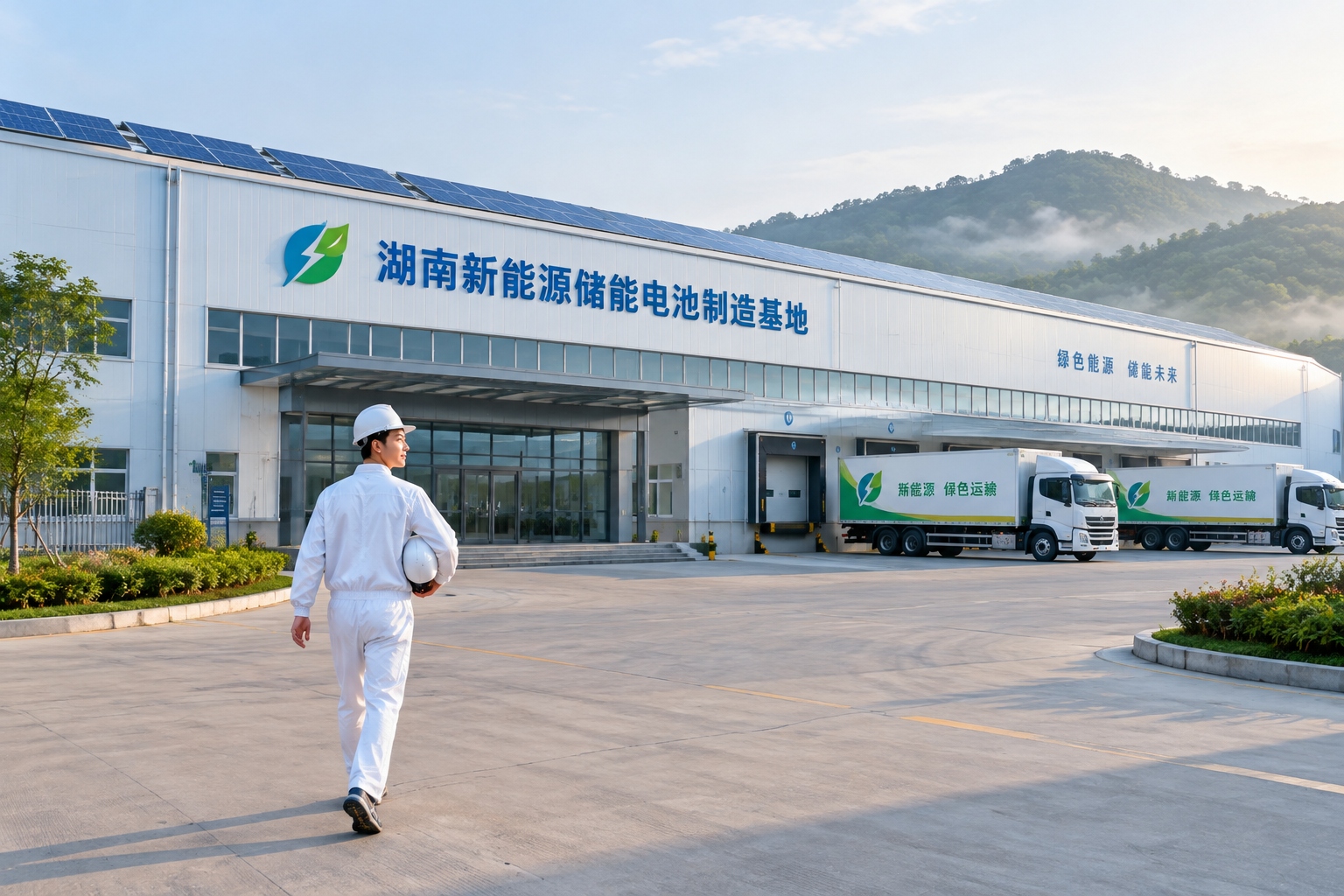
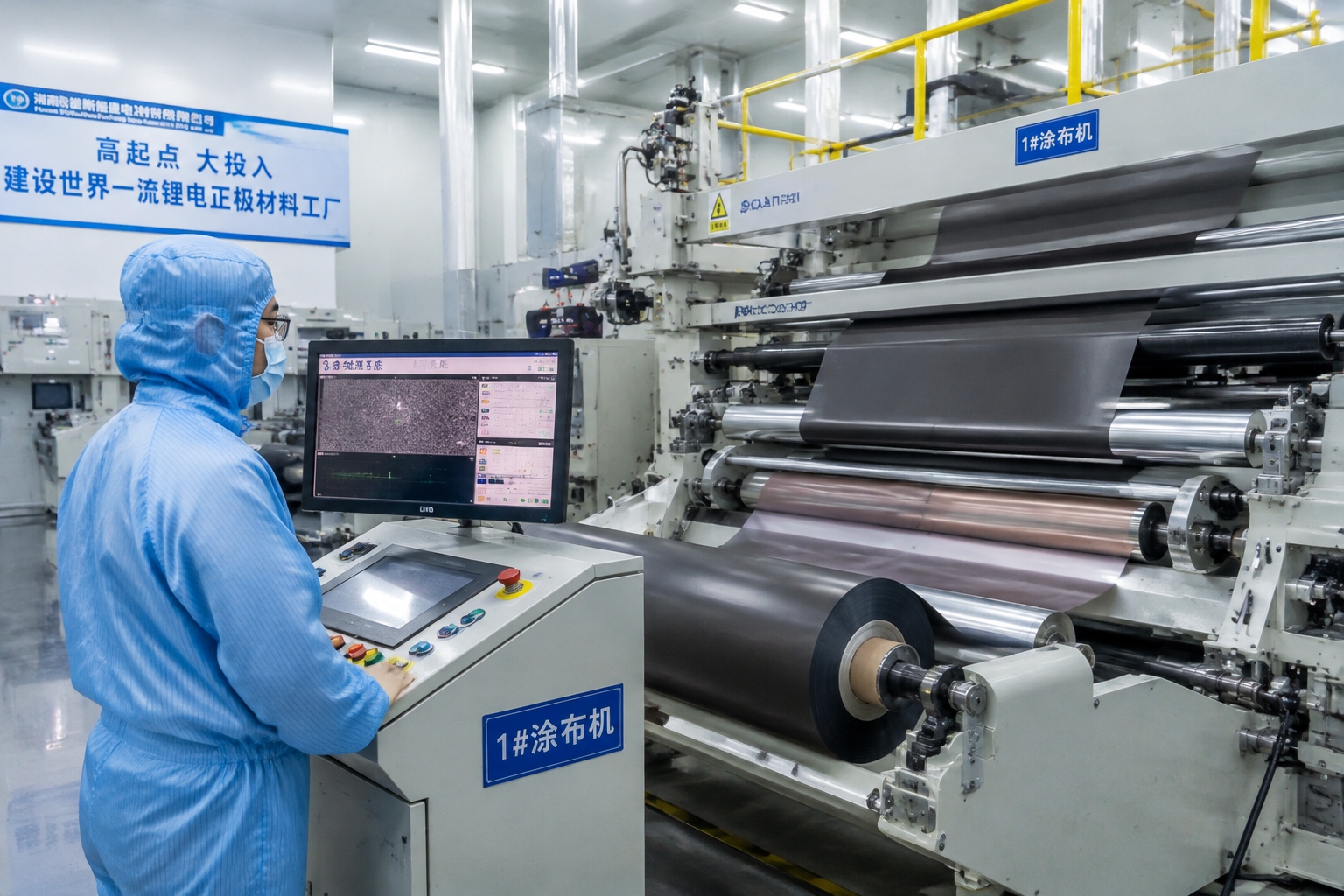
On a cloudy morning in Ningxiang, a county-level city southwest of Changsha, 26-year-old Li Wei walks through a security checkpoint into a battery factory. He puts on a white cleanroom suit, a dust mask, and gloves. Inside, rows of coating machines lay lithium iron phosphate paste onto thin metal foils, one of the first steps in making a battery cell. Li Wei used to work on phone assembly lines in Shenzhen. Now he is a technician in an energy storage materials plant, earning about 5,500 yuan (RMB $760) a month.
Li Wei’s routine is a small window into a much larger trend. While global headlines about China’s electric vehicle industry are often dominated by carmakers in Shenzhen or Shanghai, the central province of Hunan has quietly become a key node in the battery supply chain. In 2023, Chinese battery makers shipped roughly twice as much storage capacity as the year before, and a growing share of that capacity moved through factories in provincial cities like Ningxiang, Xiangtan, and Zhuzhou. This quiet expansion helped push China’s total battery storage installations past 100 gigawatt-hours in 2023, according to industry data. This is not just a story about technology leadership. It’s about how a province that rarely appears in the global conversation became essential to the green energy transition.
2. Why Hunan? Small Cities, Big Supply Chains
Hunan does not have the largest lithium reserves in China, but it has built something just as important: a dense network of battery material producers. The province is home to companies like Hunan Yuneng, which makes lithium iron phosphate cathode materials at massive scale. Industry observers estimate that Yuneng and its subsidiaries supply a major share of the cathode material used in Chinese LFP batteries. Alongside them, dozens of smaller firms produce separators, electrolytes, and cell packages. Local supplier parks in Yueyang and Chenzhou have grown into industrial clusters where raw materials arrive by truck or train and leave as finished electrode sheets. In Yueyang alone, the new energy materials park hosts more than a dozen companies that supply active materials to battery plants across the country.
The expansion is partly a result of deliberate industrial planning. Since the late 2010s, Hunan’s provincial government has treated energy storage as a strategic emerging industry, offering land, tax rebates, and cheap electricity to anchor factories. The strategy seems to work: in 2022, the province’s advanced energy storage material industry was valued at over 100 billion yuan (about $14 billion). That number may not match the scale of coastal tech hubs, but for a province known for rice and heavy machinery, it shows how local economies can reinvent themselves around the low-carbon supply chain.
3. The Workers Behind the Greening Industry
The new factories have brought visible changes to the neighborhoods around them. In Ningxiang’s energy storage industrial park, blocks of dormitory buildings have replaced rice paddies along the main road. Local shops now open until midnight, and the evening rush hour stretches past the central square. Li Wei, who returned from Shenzhen four years ago, says the pay is about 20 percent lower than what he earned on the coast, but rent is one-third the price. He sees his daughter every day, and he owns a small apartment bought with a mortgage. “I don’t foresee going back,” he said.
His job is not as simple as it sounds. The battery industry is racing through generations of production techniques, and Li Wei has learned to operate automated inspection systems that check electrode surfaces for microscopic defects. Workers at other plants tell similar stories: the factory floor is cleaner, but the pressure to upgrade skills is constant. A quality error in a battery cell can cause a fire, so employees receive safety training that would have been rare in the electronics assembly shops they left behind. Li Wei’s company pays for certification courses and offers night classes in robotics, which he says are essential to stay employable as the industry changes.
4. Local Government: The Unlikely Driver
Behind the scenes, local officials act almost like venture capitalists. Chen Meng, a deputy director at the Ningxiang Industrial Park management committee, explains that attracting battery factories is not just about cheap land. “We create a one-stop service for permits and safety inspections, and we help companies connect with local universities and trade schools,” Chen says. The park also runs recruitment drives in poorer parts of Hunan, bringing young workers to the area.
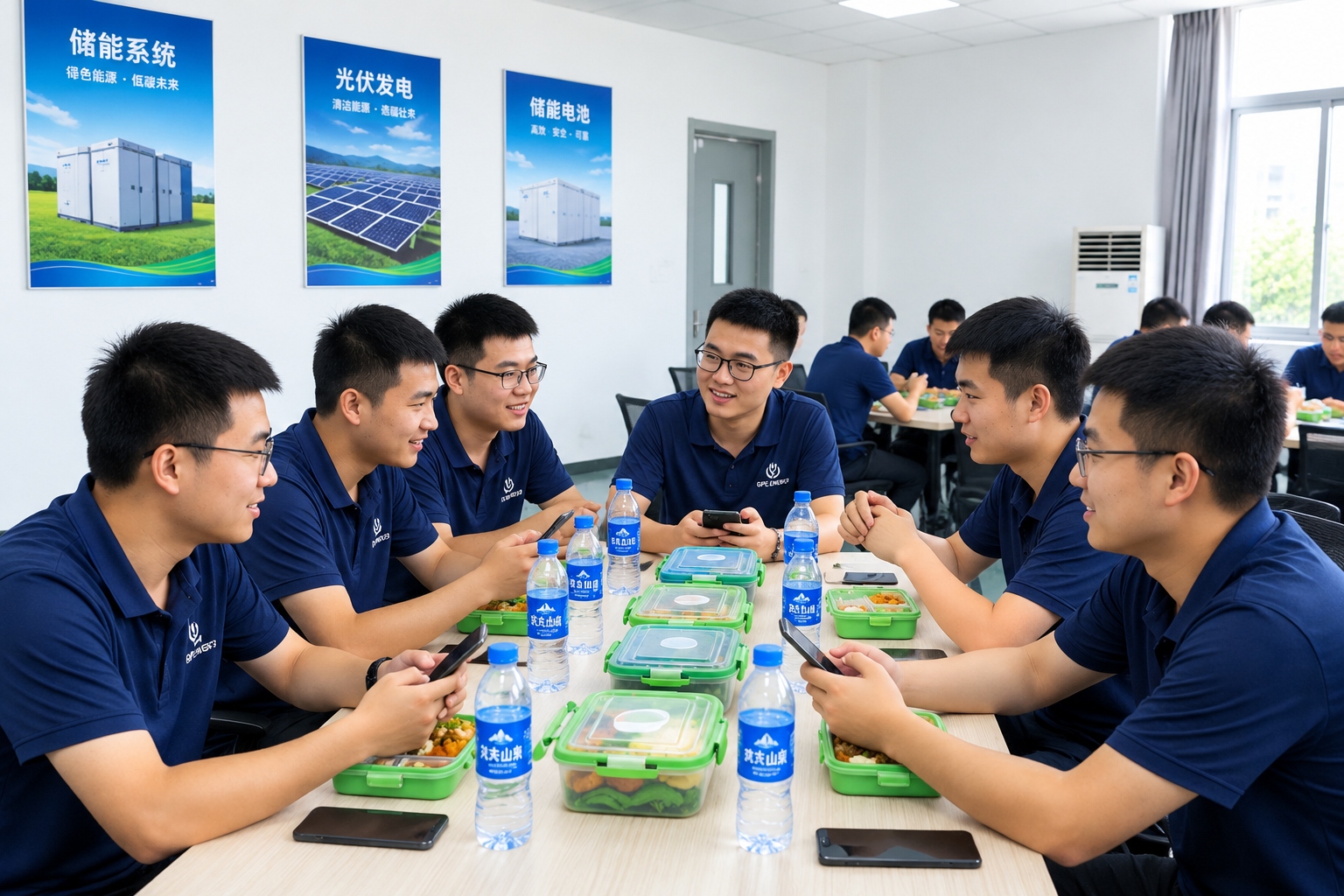
To keep up with demand, the park has partnered with local vocational colleges to train technicians in battery chemistry and mechatronics. Classes are held in the evening after shifts. Chen says the goal is to create a pipeline of workers who can handle the next generation of equipment. For many young people in Hunan, this is an alternative to moving to the coast.
The community feels both the upside and the growing pains. A shopkeeper across from the factory gate says business has been good; she now sells iced tea and instant noodles more than her old household items. But residents also complain about the dust from construction sites and newly crowded middle schools. The local government has responded with additional schools and a second sewage treatment plant, scheduled for completion in 2025. The growth has also attracted migrants from neighboring provinces, adding a layer of diversity to the local dialect. These are small, unglamorous adjustments, but they show how an industrial transition is not only about new factories.
5. Between Boom and Bust: Price Wars and New Technologies
The path forward is far from smooth. In 2023 and 2024, the price of lithium carbonate swung from around 600,000 yuan per ton to less than 100,000 yuan in some months. That plunge hurt many producers, and smaller companies in Hunan have had to consolidate or shift to niche products. At the same time, sodium-ion batteries, which use cheaper raw materials, are starting to appear on the market. Analysts expect the price turbulence to continue as many provinces announce new battery projects simultaneously. Some local officials worry that a technology shift could leave behind plants built around lithium chemistry.
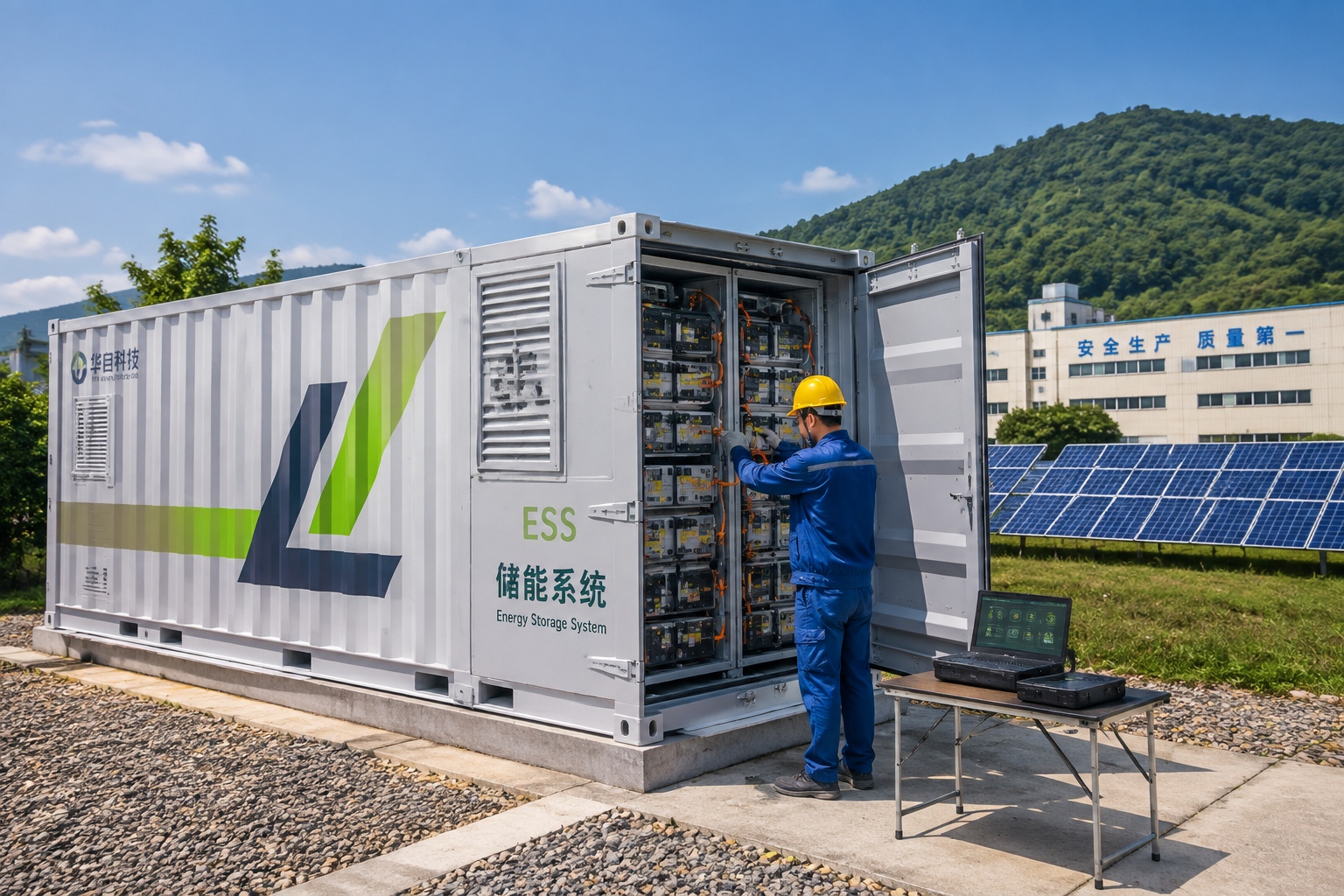
The response has been pragmatic. Several Hunan companies are moving from raw materials into complete “storage products,” such as container-sized battery systems for grid stability. Li Wei’s factory has also installed a few of these storage units next to its own rooftop solar panels, using them to shave peak electricity demand. Recycling is an emerging business, with several local companies recovering lithium and nickel from used batteries. “We don’t just sell batteries anymore,” his manager told him during a morning briefing. “We teach people how to use them.”
6. What a Local Energy Storage Boom Really Means
Hunan’s experience offers a useful counterpoint to the idea that China’s clean-tech future is shaped only in gigantic coastal metropolises. It shows that mid-sized provincial cities, with patient local governments and a workforce willing to learn, can become nodes in the world’s most important industrial transition. The gains are real: higher-paid jobs, growing tax bases, and streets that no longer empty after dark. So are the challenges: price volatility, technological uncertainty, and the environmental cost of industrial expansion.
This matters far beyond Hunan. As Europe and the United States push for domestic battery production, they are learning that a stable supply chain depends not only on mining and gigafactories, but on a complex network of material processors that often sit in places like Ningxiang. The cost advantage of Chinese batteries comes less from low wages than from the efficiency of these clustered suppliers.
For Li Wei, the meaning is simpler. He is part of a workforce that keeps the lights on in cities far from Shanghai or Shenzhen. When asked what he would tell a foreigner about his hometown, he points to a rack of new batteries wired into the factory’s solar array. “The world talks about going green,” he says. “We are the people who make that possible.”
Start the discussion at forum.chinacomes.com