

A Plastic Chair Made from Coal?
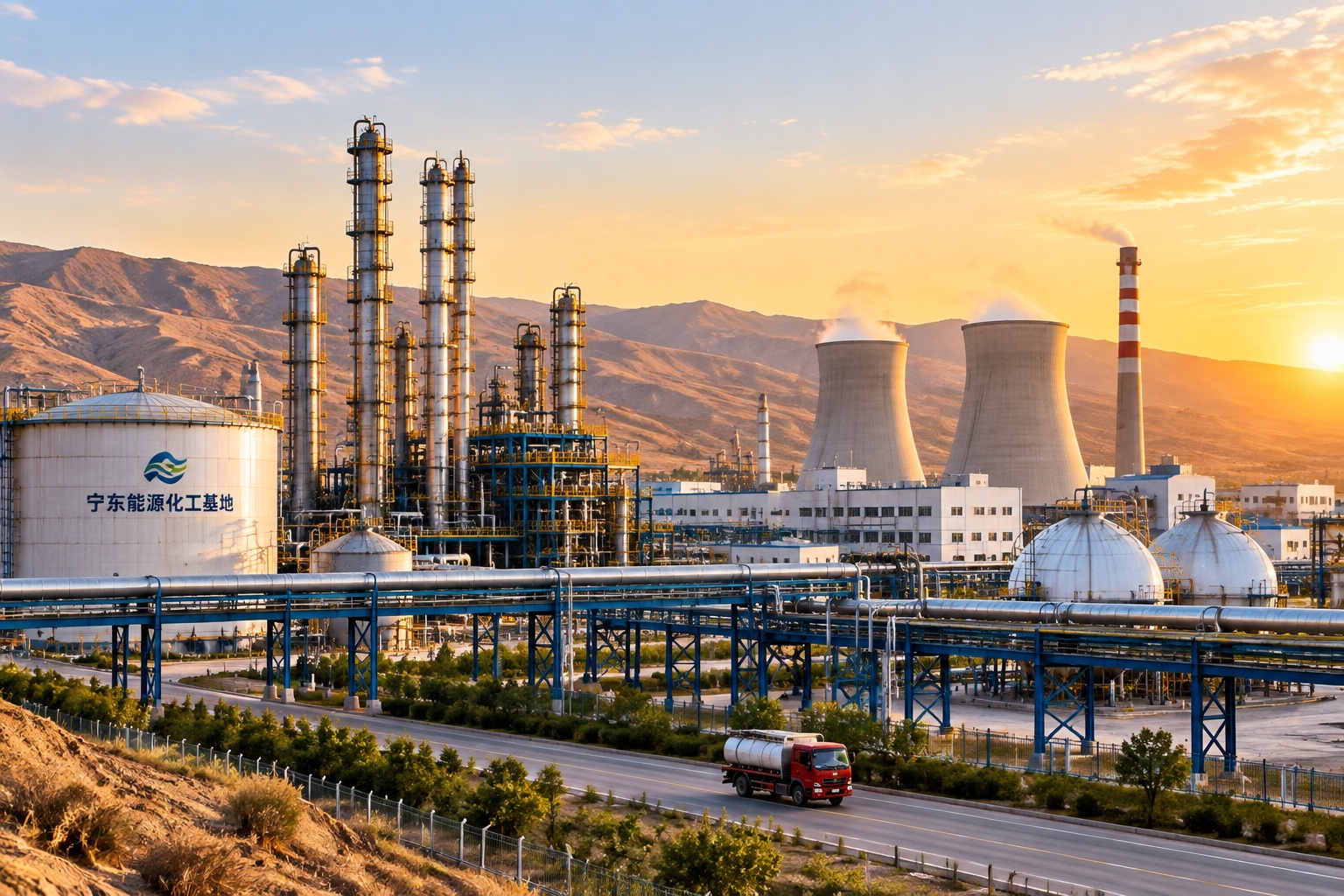
Imagine a plastic chair at a bus stop in New Delhi, or a polyester jacket in a store in Berlin. Now imagine the raw material for their plastic and fiber is not petroleum, but coal dug from deep underground in northwest China. That’s the reality in Ningxia, a region that has turned its massive coal reserves into a sophisticated chemical industry, producing the building blocks for everyday items you probably use without thinking.
Ningxia is not a name you hear much outside China. It’s a small, arid region wedged between Inner Mongolia, Gansu, and Shaanxi. But beneath its sparse landscape lies one of China’s richest coalfields. Over the past decade, the government has poured billions into converting that coal into chemicals, a strategy that is reshaping the local economy and supplying plastics and fibers to the rest of the world.
Why Ningxia?
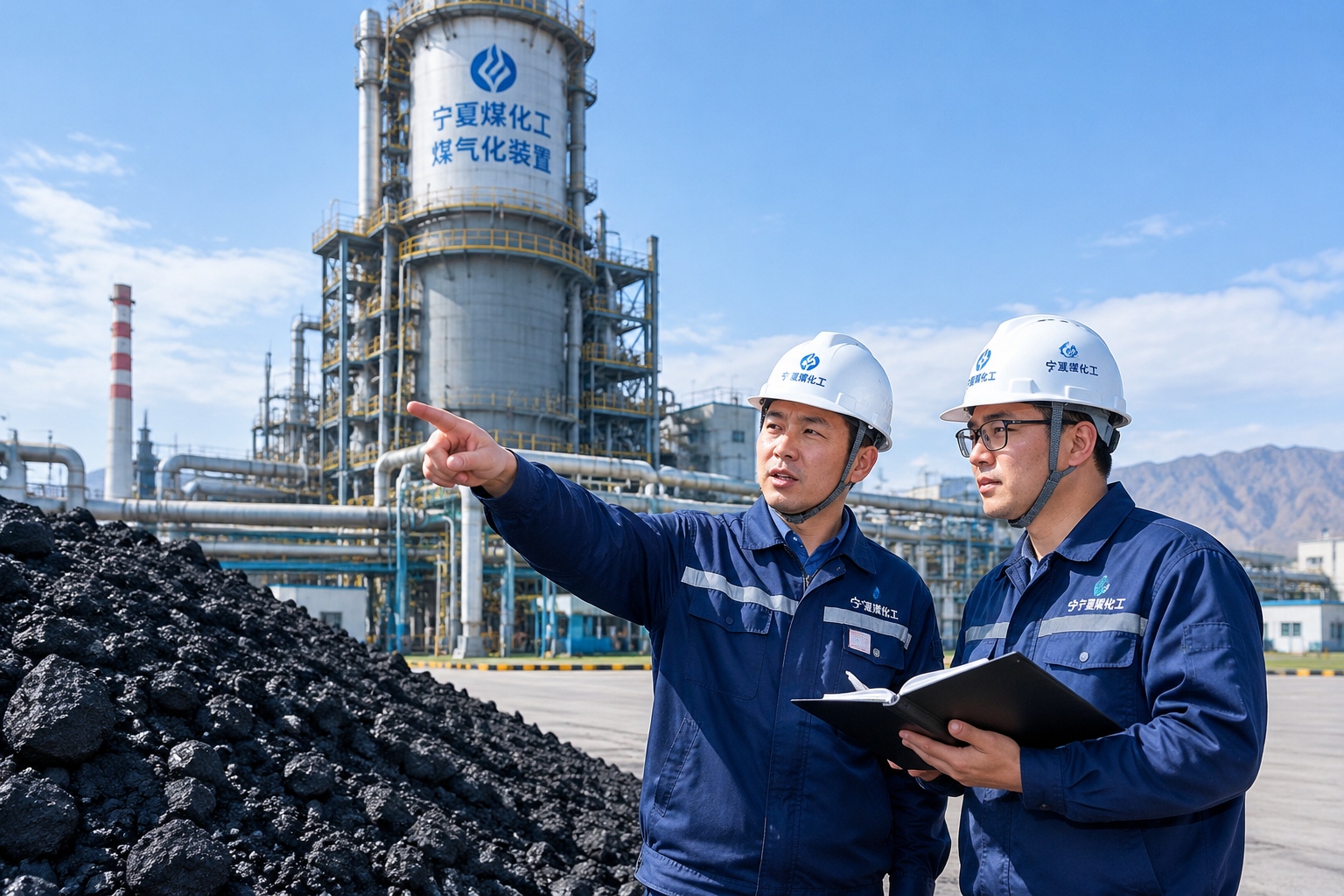
China runs on coal. It’s the world’s largest producer and consumer of coal, and even as solar and wind expand, coal remains the backbone of its energy and industrial system. Ningxia specifically was chosen as a major coal chemical hub because its coal has a low ash content and is easy to gasify — a crucial first step. The region also sits in a geographically advantageous spot, with railways and pipelines connecting it to eastern markets.
In 2003, the Ningdong Energy Chemical Base was established, a complex of power plants, coal mines, and chemical facilities spread over thousands of hectares. Today, it’s the largest coal chemical base in China, and one of the largest in the world. For companies like National Energy Group, the state-owned giant that operates here, the aim is not just to burn coal, but to transform it into far more valuable products.
The Chemical Journey: From Coal to Plastic
How exactly do you get a plastic chair from a lump of coal? The process is complex, but the basic logic can be understood with a simple analogy: you break coal down into its basic molecules, then reassemble them into new materials.
Step 1: Gasification
Coal is not a pure substance. It’s a mix of carbon, hydrogen, oxygen, and other elements. In a gasifier, pulverized coal is heated to over 1,000°C and blasted with oxygen and steam. The carbon in the coal reacts with the oxygen and water to produce a mixture called synthesis gas, or syngas, composed mainly of carbon monoxide (CO) and hydrogen (H₂). This is the same gas that was once manufactured in individual gasworks in many cities before natural gas pipelines arrived.
Step 2: Making Methanol
Syngas is cleaned and then passed over a catalyst, which encourages the CO and H₂ to combine into methanol (CH₃OH). Methanol is a simple alcohol, also called wood alcohol. It’s useful in itself as a fuel and solvent, but in Ningxia it’s mostly an intermediate step. Huge reactors, each containing tons of catalyst, produce millions of tons of methanol at a single plant.
Step 3: Turning Methanol into Olefins
This is the crucial step. Methanol is fed into a reactor containing another catalyst, where it undergoes a reaction called Methanol-to-Olefins (MTO). The methanol molecules crack apart and recombine into ethylene (C₂H₄) and propylene (C₃H₆). These are small molecules with double bonds, and they are the fundamental building blocks for most plastics. Ethylene is used to make polyethylene, the most common plastic in the world. Propylene becomes polypropylene, a slightly sturdier plastic used for everything from bottle caps to car bumpers.
Step 4: Polymerization into Plastics and Fibers
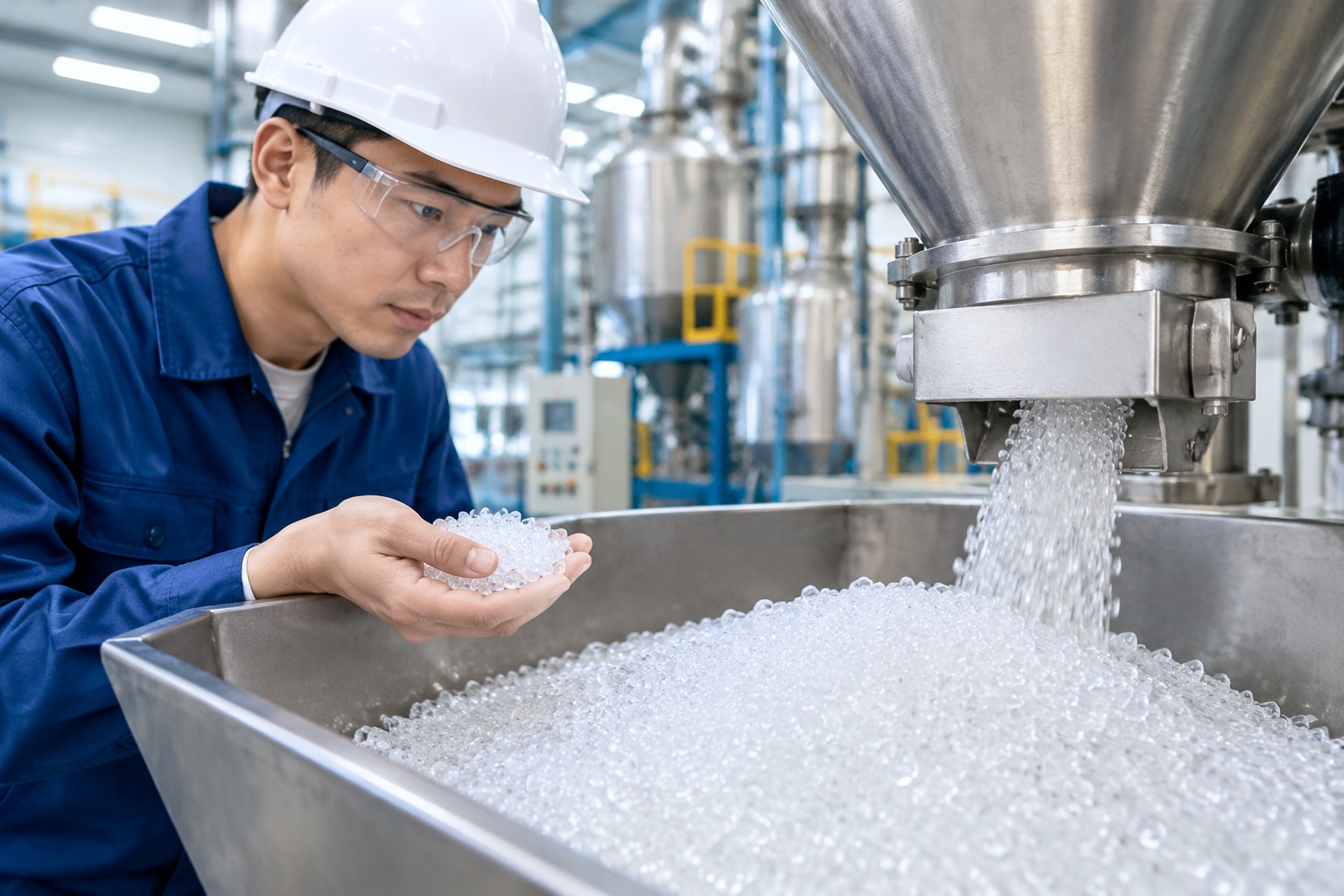
The olefins are then polymerized, meaning thousands of these small molecules link together into long chains. The resulting polymers are extruded as pellets (the “plastic” most factories buy), or melted and spun into fibers. Polypropylene fiber, for instance, is used to make the woven bags that hold rice and flour, as well as carpets and non-woven masks. Polyethylene can be blow-molded into bottles or extruded into films.
But coal can also become other types of fibers. For example, coal can be converted into ethylene glycol, one of the two main ingredients in polyester fiber (the other is PTA, also derived from coal or petroleum). In Ningxia, coal-based ethylene glycol is already being used to make polyester, which is the fabric in most of our clothes.
What This Means for Everyday Life
The products from Ningxia’s coal chemical plants end up all over the world. You may be sitting on polypropylene carpet made from Chinese coal. The plastic bottle you drink from might have started as coal gasified in Ningxia. This isn’t unusual: China produces about a quarter of the world’s chemical fibers, and a significant portion now comes from coal instead of petroleum.
For local people, the industry has been a powerful economic engine. In the Ningdong base, around 200,000 workers find employment in the plants and supporting services. Many families have moved from rural villages to new towns near the base. Local restaurants, schools, and housing have all expanded. The average income in Ningxia has caught up closer to the national average, largely thanks to this industrial base.
However, this industrial transformation is not without trade-offs. Coal chemicals are energy-intensive and emit CO₂. A typical coal-to-olefins plant can emit more than 10 tons of CO₂ for every ton of olefins produced. Water is another scarce resource in arid Ningxia, and the plants have developed sophisticated recycling systems to minimize use. Still, environmentalists point out that the industry carries a heavy carbon footprint.
The Road Ahead: Cleaning Up Coal Chemicals
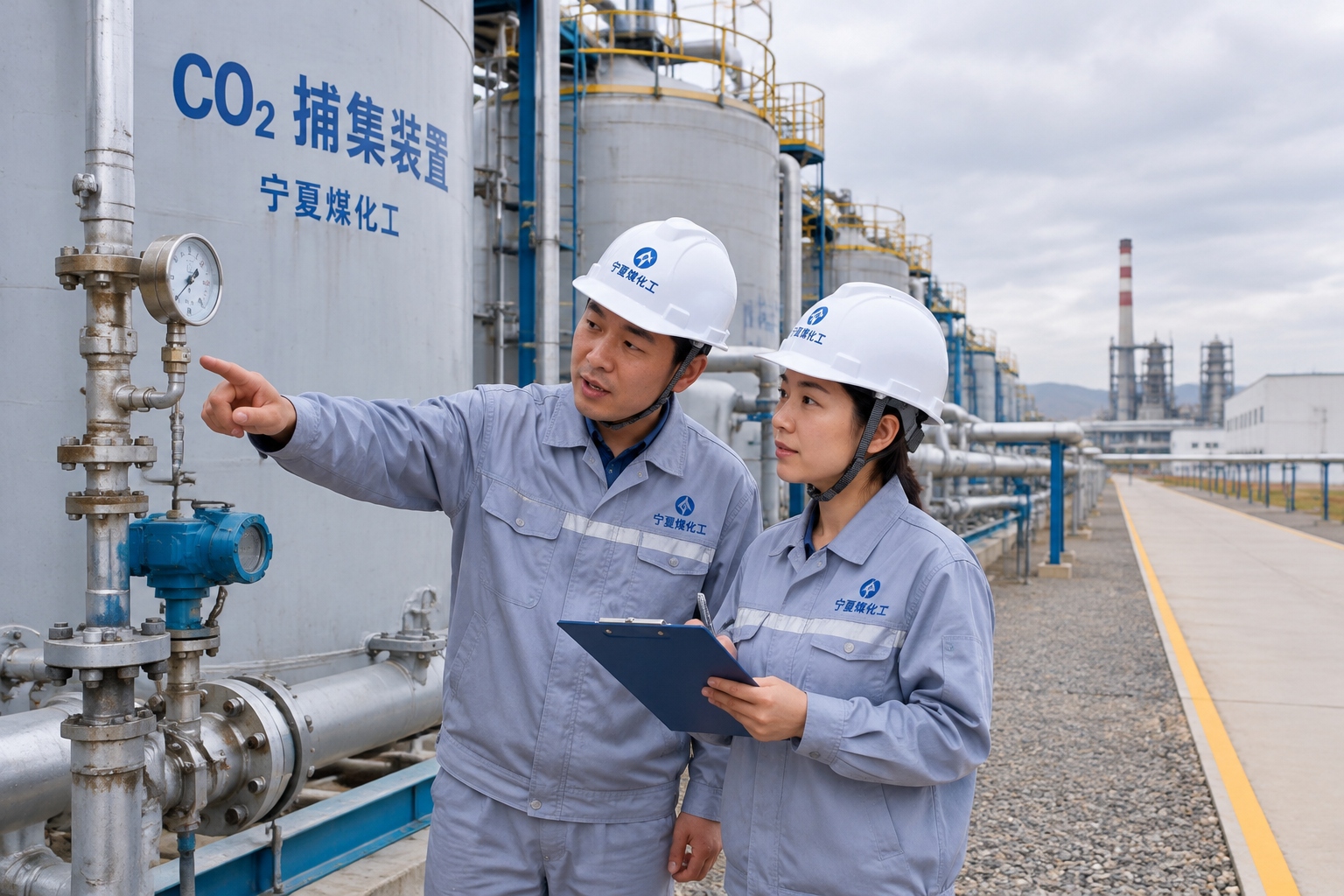
China is aware of these concerns. New coal chemical projects are required to include carbon capture, utilization, and storage (CCUS) or green hydrogen to offset emissions. Ningxia itself is building one of the largest CCUS projects in Asia, which could capture millions of tons of CO₂ annually. The idea is to make coal chemical production “clean” not by stopping it, but by trapping the emissions.
There’s also a push to shift from making basic plastics to more advanced materials, such as specialty polymers and carbon fiber. The same technical know-how that turns coal into plastic can, with more processing, produce high-performance materials used in aerospace and electric vehicles. This is part of China’s broader effort to move up the industrial value chain.
Not Just Petrol’s Cousin
For most of human history, coal was simply burned for heat or power. Today, in places like Ningxia, it has become the basis for a surprising array of products. The next time you pick up a plastic item, it’s worth asking where it came from. It might have been a lump of rock, dug from a mine, processed in a giant chemical plant, and transformed into something entirely new. That’s not just industry; it’s a modern form of alchemy, and it’s happening right now in the deserts of northwest China.
Start the discussion at forum.chinacomes.com