
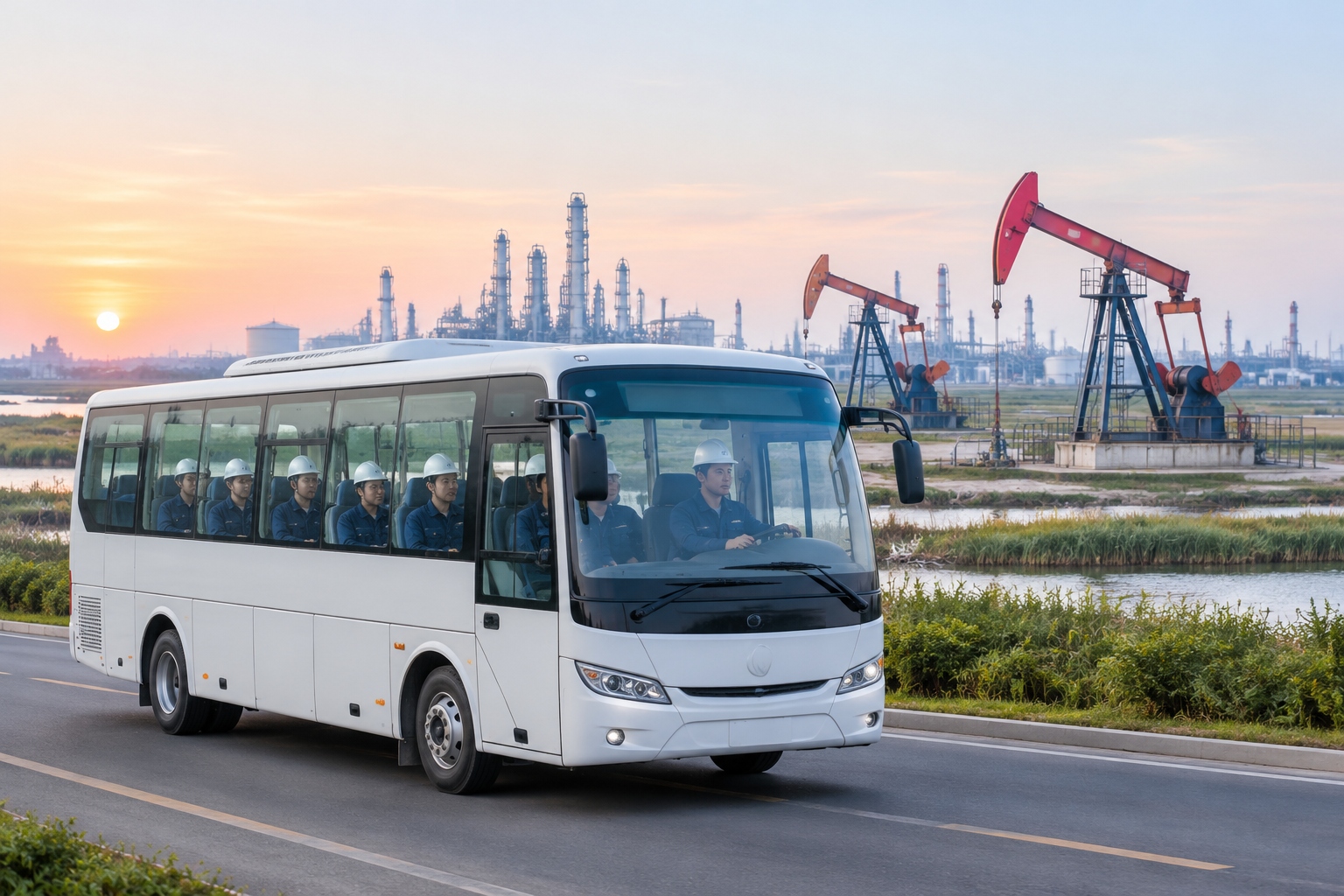

A morning bus that passes the oil pumps
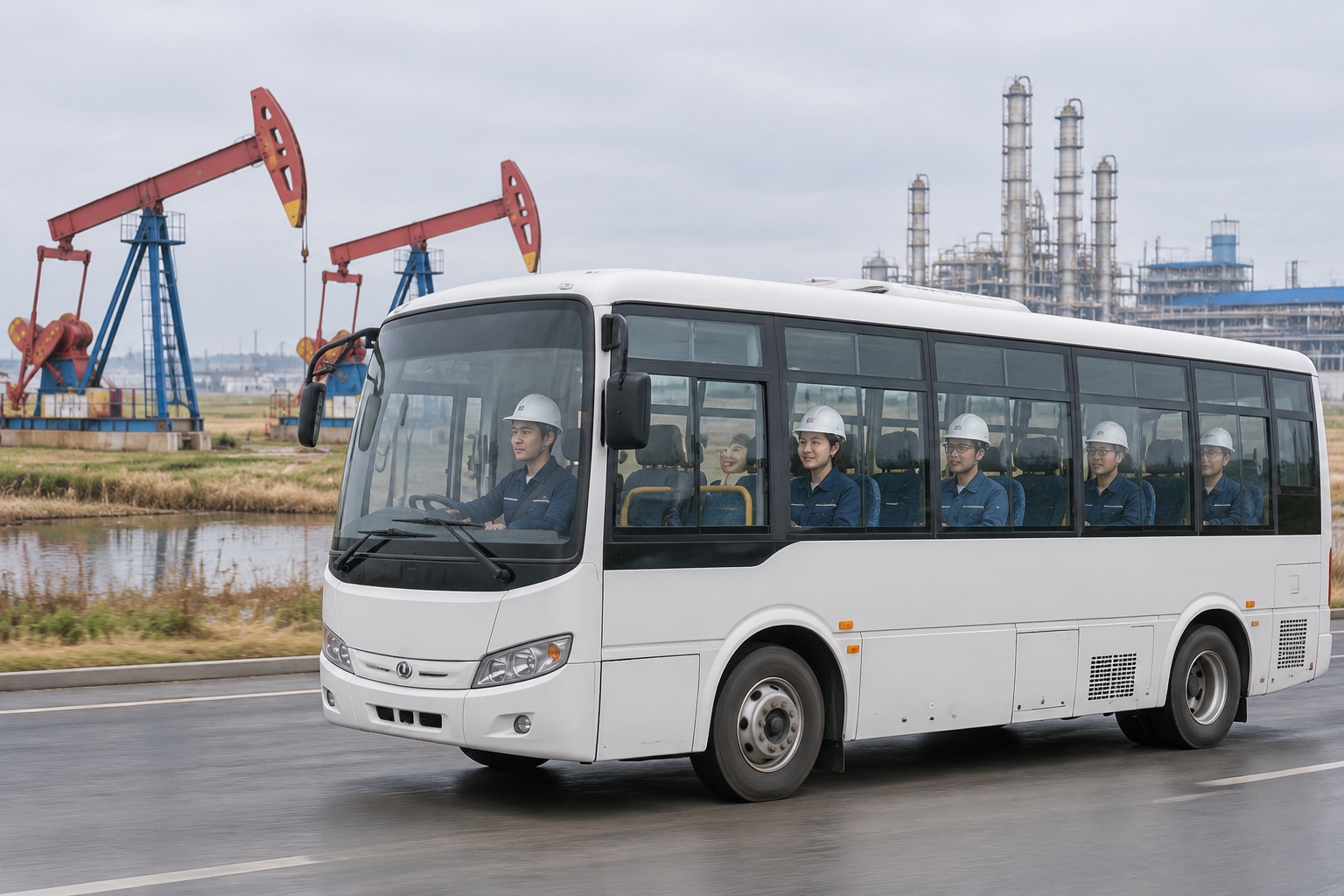
At 6:40 a.m., a white commuter bus leaves a residential compound in Dongying, a city on the Yellow River delta in Shandong province, eastern China. The road runs past wetlands, fields and rows of oil pumpjacks nodding in the half-light. Most passengers are quiet. Their navy blue uniforms and white helmets make the destination clear: the chemical parks near Dongying Port, not the old oilfield crews.
The driver has run this route for years. A decade ago, he says, the morning buses were mostly full of oilfield workers. Now more than half of his passengers work in plants that turn oil, gas and other raw materials into coatings, plastic additives, medical materials, battery chemicals and electronic chemicals. The pumpjacks are still part of the view. The jobs behind them are not the same.
How Shengli oilfield built Dongying
Dongying is not an old city that happened to find oil. It is a city that grew up around oil. In 1961, a discovery well in the region produced industrial oil flow. That led to the Shengli oilfield, China’s second-largest oilfield. The city was officially established in 1983. For decades, oil paid for roads, housing, schools, hospitals and the city’s unusually wide streets. It also shaped the local identity: stable state-owned jobs, shift schedules, company compounds, and a certain pride in tough field work.
At its peak, Shengli produced more than 30 million tonnes of crude a year. In recent years output has stayed in the range of 20 million tonnes. That is still huge. But the easy part of the story is over. Older fields need more water, more chemicals and more money to produce the same barrel. A city that once measured its future in crude output has to look at what else can be made from a barrel.
Why an oil city has to change
The pressure comes from several directions at once. Oil and gas are cyclical; prices swing, and investment follows. Refining margins in China are thin, especially for independent refiners that turn crude into fuels. Dongying sits at the center of Shandong’s refining cluster, which has been through rounds of consolidation and tighter environmental rules. At the same time, young people with university degrees are less eager to build a life around a remote well site. They want research jobs, engineering jobs, city jobs.
Environmental and safety rules have also become stricter. Chemical parks are now expected to track emissions, wastewater and hazardous waste in real time. That raises costs, but it also pushes companies toward higher-value products. The logic is simple: if you have to invest in cleaner plants, you might as well make something more expensive than diesel.
What specialty chemicals actually means
Specialty chemicals is a broad term. In Dongying, it covers products that few people see directly but many people use. A car’s clear coating, the flame retardant in a phone case, the plasticizer in a medical tube, the electrolyte in a lithium battery, the cleaning agent used to make a computer chip: these are all chemical products with specific formulas, strict quality control and higher margins than fuel.
The difference is not just technical. Fuel is a commodity; a specialty chemical is often made to a customer’s specification. A refinery sells by the tonne into a market where price is set by global crude and local competition. A specialty chemical plant may sell a few hundred tonnes to a single battery or medical customer, with tests, audits and long-term contracts. That shift requires labs, engineers, customer service and patience. It is less visible than a new refinery, but it changes the skill mix of a city.
Inside the park: a technician’s day
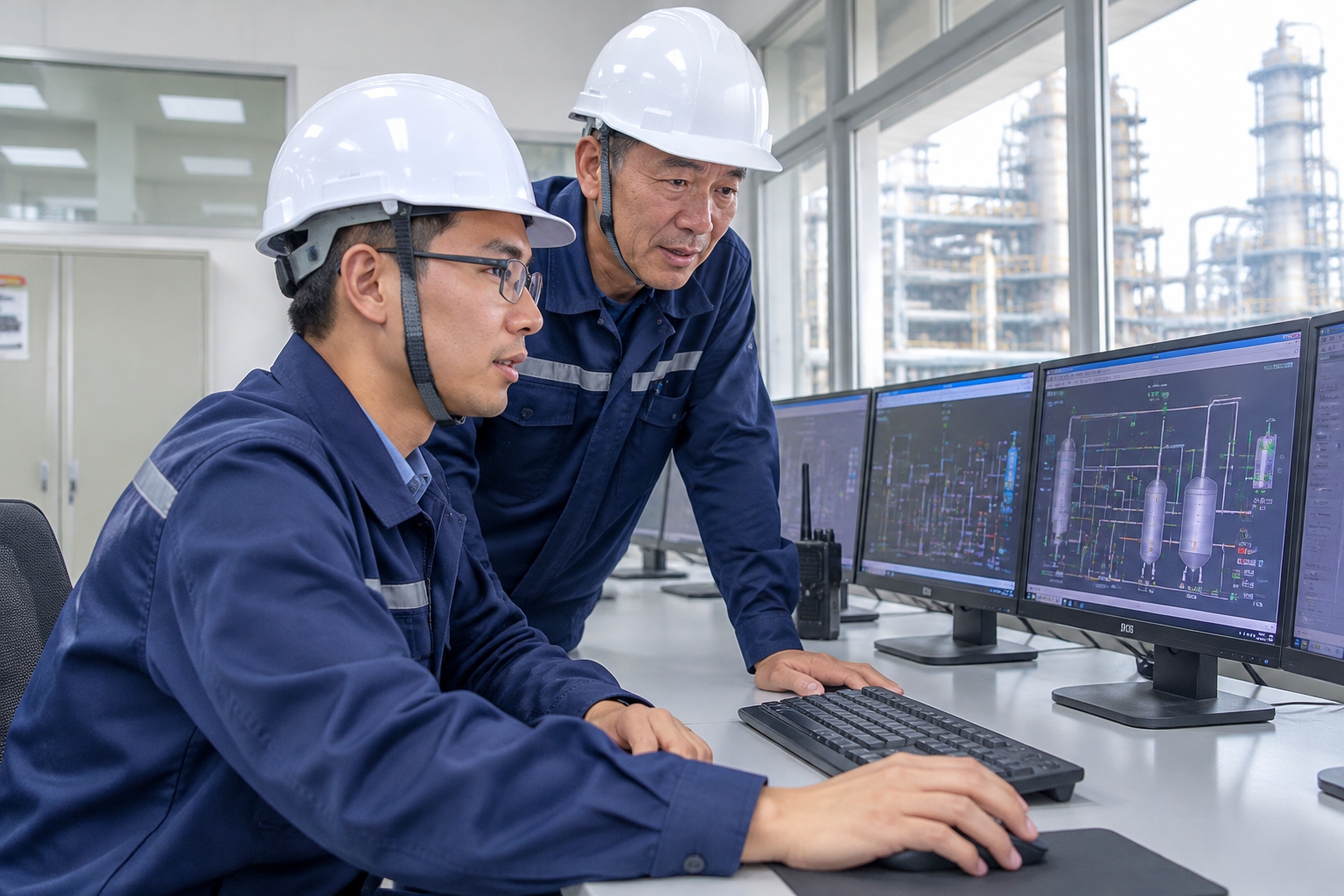
Li Wen, 31, is one of the people on that 6:40 bus. He grew up in Dongying, studied chemical engineering in Shandong, and worked for three years in Qingdao before moving home in 2021. He now works as a process technician at a specialty chemical plant in the Dongying Port economic development area. His day starts with a safety briefing and a handover meeting. Then he checks the control room screens, walks the unit with an operator, and adjusts temperature, pressure and feed rates. Some days he runs small tests in the lab to see whether a new additive meets a customer’s spec.
He earns more than the local average, though the job comes with shift work and constant training. ‘You cannot stop learning,’ he says. ‘The recipe changes, the customer changes, the rules change.’ His parents worked in oilfield services. They are glad he stayed close, but they sometimes ask why he did not find a job in a government office. He tells them the plant is cleaner than they imagine and the work is more technical than they think.
The city around the plant
The transformation is visible outside the factory gate. The commuter bus network now runs more routes to the port area. Rents near the parks have risen, though they remain lower than in Qingdao or Jinan. Small restaurants near the gates serve breakfast at 6 a.m. and noodles at midnight. New coffee shops and gyms have opened in the city center, mostly for young engineers and sales staff. The city has also invested in hospitals, schools and public parks, partly to persuade families to stay.
Dongying still feels spacious. Roads are wide, traffic is light, and the Yellow River delta wetlands are close by. On weekends, families go to the wetland park to see birds or drive to the coast for seafood. The oil city image persists, but daily life is more mixed. A young couple may work in a chemical plant, order takeout, watch a movie at a mall and worry about the same things young couples worry about elsewhere: housing, childcare, whether to stay or leave.
Safety, emissions and the neighbors
Chemical parks are not invisible. Residents ask about smells, flares and truck traffic. After several industrial accidents elsewhere in China, public attention to chemical safety has increased. In Dongying, the parks have closed management, gate checks and emergency response teams. Monitoring stations measure volatile organic compounds and other pollutants. Wastewater is treated on site and tracked. Companies are required to publish some environmental information, and local officials hold open days and community meetings.
These measures do not remove risk. A park is a place where pipes, tanks and reactors operate under pressure and heat. Equipment fails; people make mistakes. The honest question is not whether risk exists, but whether it is measured, reported and reduced. Residents I spoke with said the air is better than it was a decade ago, but they still want real-time data they can understand and a phone number that answers. That is a reasonable demand for any industrial city, in China or elsewhere.

What the pivot has not fixed
The move to specialty chemicals is real, but it is not a finished story. Dongying still lacks the research universities and talent pools of Qingdao, Jinan or Shanghai. Young chemists often leave for better labs and higher pay. Local companies complain about financing for long research projects and about the difficulty of finding experienced engineers who understand both chemistry and customers. The industry is cyclical, and a downturn can hit a small specialty plant as hard as a refinery.
There is also the image problem. For many outsiders, a chemical city means pollution and accidents. That stereotype is not entirely false, but it is incomplete. Dongying’s future depends on whether it can make the cleaner, higher-value part of the industry visible: the labs, the quality control, the environmental monitors, the engineers who design a molecule for a medical device. That is a slower story than a new oilfield discovery. It is also the one that matters now.
Back to the 6:40 bus
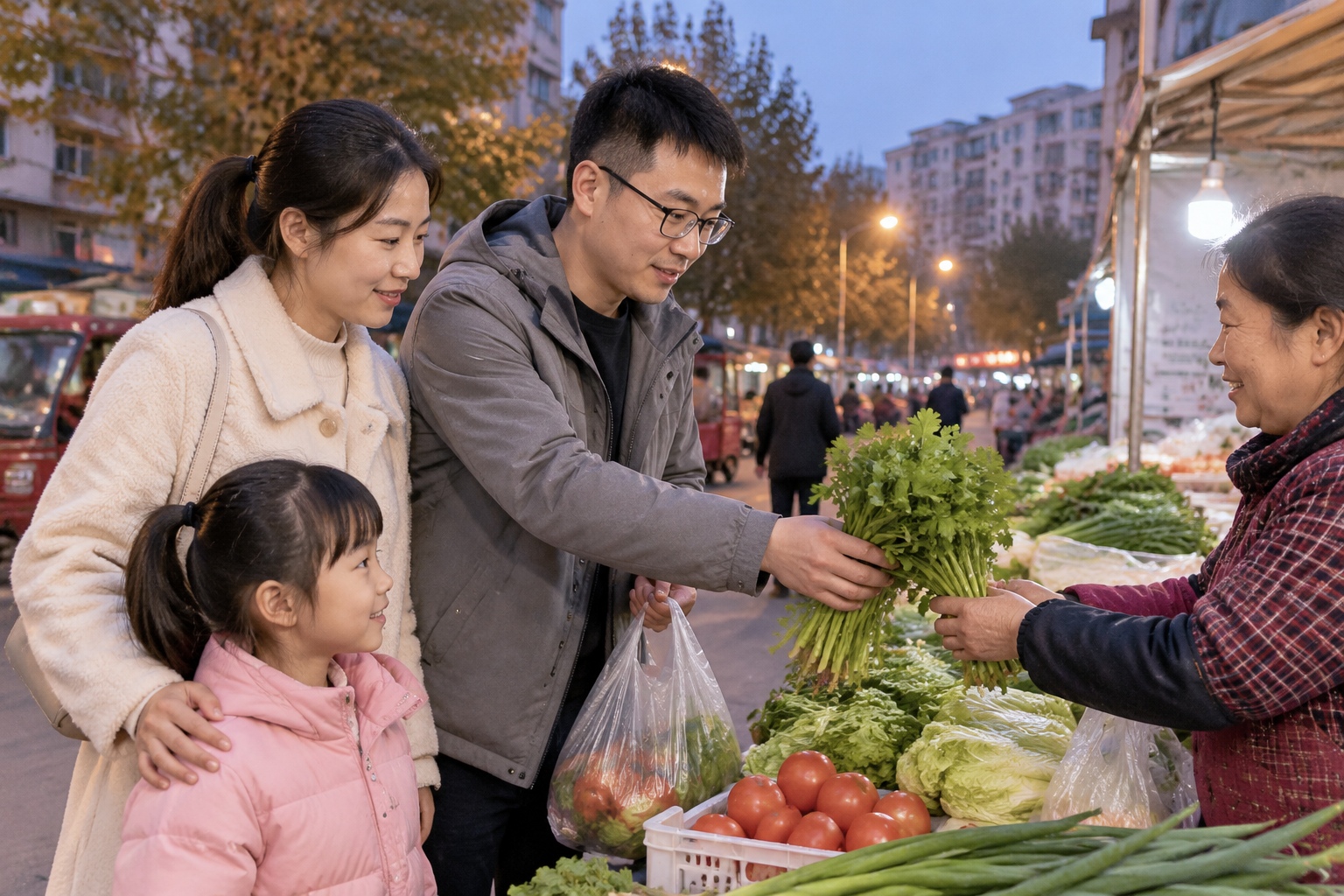
On a Tuesday evening, Li Wen leaves the plant at 7:30. He takes the bus back to the city, buys vegetables at a neighborhood market, and picks up his daughter from his parents’ apartment. His wife works at a local hospital. They talk about whether to buy a bigger apartment and whether the plant will get a new customer next year. The pumpjacks are still nodding outside the city, and the chemical park is still lit at night. Dongying’s turn is not a slogan on a billboard. It is a family deciding to stay, a technician learning a new formula, and a city learning to make more from a barrel of oil than fuel.