
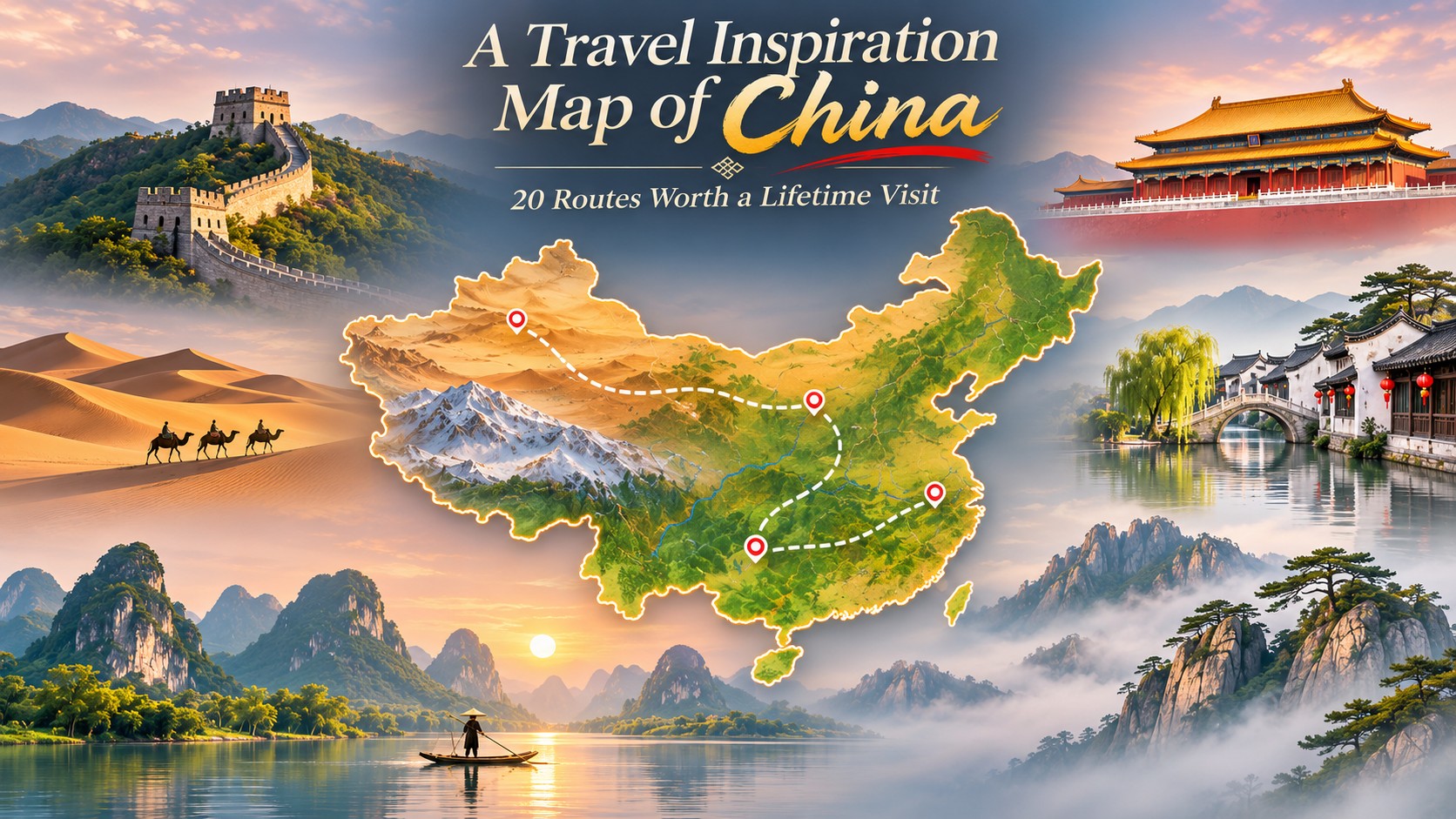
From imperial capitals to snow peaks and deserts, from hotpot and dim sum to terraced Miao villages, a guide for first-timers, second-timers and beyond.
Before You Begin
China is a destination of “one country, many worlds.” In a single day you might cycle through old hutongs in the morning, take a high-speed train to a thousand-year-old walled town in the afternoon, and eat hotpot in a neon-lit, eight-level vertical city at night. Or you can head straight into the grasslands of Xinjiang, the high plateau of Tibet, or the Miao villages of Guizhou and see an entirely different side of the country.
This guide presents 20 routes of 7 to 10 days, covering six themes: classic culture, natural wonders, futuristic cities, food, ethnic traditions, and island getaways. Each route comes with a one-line tagline, three reasons to go, and an itinerary overview, so you can quickly decide: which one is right for you?
Need customized travel consultation service? click here >>
Quick Route Finder (30 seconds)
| What kind of traveler are you? | Start with these routes |
|---|---|
| First time in China, want to see it all | 1 Classic China, 9 Jiangnan Water Towns & Huangshan |
| Want a “different” China | 3 Cyber-Future Cities, 10 Hidden Guizhou |
| Photography and scenery lovers | 2 Ink-Painting Landscapes, 11 Northern Xinjiang, 12 Western Sichuan |
| Food lovers | 4 Culinary Pilgrimage, 17 Fujian Roundhouses & Coast |
| History and culture buffs | 5 Silk Road Northwest, 15 Kung Fu & Zen of the Central Plains, 16 Shanxi Ancient Architecture |
| Looking to relax at a slow pace | 13 Hainan Tropical Escape, 17 Fujian, 19 Yangtze Gorges Cruise |
| Traveling with family or elders | 9, 13, 19 |
| Winter travel | 7 Winter Wonderland, 13 Hainan |
| Summer escape from the heat | 11 Northern Xinjiang, 14 Hulunbuir, 20 Qinghai-Gansu |
| Hiking and highlands | 8 Tibet, 12 Western Sichuan, 20 Qinghai-Gansu |
All Routes at a Glance
| # | Route | Days | Theme | Suggested Season |
|---|---|---|---|---|
| 1 | Classic China | 10 | History + modernity + food | Apr–May, Sep–Oct |
| 2 | Ink-Painting Landscapes | 8 | Karst peaks and floating mountains | Apr–May, Sep–Nov |
| 3 | Cyber-Future Cities | 9 | Futuristic metropolises | Year-round, best in spring and autumn |
| 4 | Culinary Pilgrimage | 10 | Four great cuisines | Year-round, better in autumn and winter |
| 5 | Silk Road Northwest | 10 | Deserts and grottoes | May–Oct |
| 6 | Colorful Yunnan | 9 | Old towns, snow mountains, ethnic cultures | Mar–May, Sep–Nov |
| 7 | Winter Wonderland | 7 | Ice, snow and northeastern warmth | Dec–Feb |
| 8 | Tibet: Roof of the World | 8 | Pilgrimage and plateau | May–Oct |
| 9 | Jiangnan Water Towns & Huangshan | 8 | Classical gardens and sea of clouds | Mar–May, Sep–Nov |
| 10 | Hidden Guizhou | 9 | Waterfalls and Miao/Dong villages | Apr–Oct |
| 11 | Northern Xinjiang Gallery | 10 | Grasslands, lakes, snow peaks | Jun–Sep |
| 12 | Western Sichuan | 9 | Snow mountains and Tibetan villages | Apr–Jun, Sep–Nov |
| 13 | Hainan Tropical Escape | 7 | Island getaway | Nov–Mar |
| 14 | Hulunbuir Grasslands | 8 | Grasslands and borderland culture | Jun–Sep |
| 15 | Kung Fu & Zen of the Central Plains | 8 | Martial arts and grottoes | Mar–May, Sep–Nov |
| 16 | Shanxi Temples & Merchant Heritage | 7 | Ancient architecture and old towns | Apr–Oct |
| 17 | Fujian Roundhouses & Coast | 8 | Roundhouses, islands, tea mountains | Mar–May, Oct–Nov |
| 18 | Confucius’s Hometown & Qingdao Coast | 7 | Confucian culture and Mount Tai | Apr–Oct |
| 19 | Yangtze Gorges Cruise | 9 | River and river cities | Mar–Jun, Sep–Nov |
| 20 | Qinghai-Gansu Highlands | 9 | Plateau lakes and Tibetan Buddhism | Jun–Sep |
Part 1. First Time in China: Classic and Modern
1. Classic China (10 days)
Four Chinas in Ten Days: Imperial, Ancient, Delicious, Dazzling.

In one line: See China’s past, present and flavors in a single trip.
Three reasons to go: ① Imperial capital, ancient capital, slow-living city and “Magic City”: four completely different faces of China. ② The Great Wall, the Terracotta Army and giant pandas, three world-class icons in one trip. ③ High-speed trains connect everything, and riding them is itself a taste of modern China.
Itinerary overview: Beijing, 4 days (Forbidden City, Great Wall, hutong cycling, Peking duck) → Xi’an, 2 days (Terracotta Army, city wall, Muslim Quarter) → Chengdu, 2 days (panda base, teahouses, Sichuan cuisine) → Shanghai, 2 days (the Bund, Lujiazui, former French Concession)
Major transport: Beijing → Xi’an by high-speed rail; Xi’an → Chengdu by high-speed rail; Chengdu → Shanghai by air
9. Jiangnan Water Towns & Huangshan (8 days)
Poetry in Water, Stone and Mist.
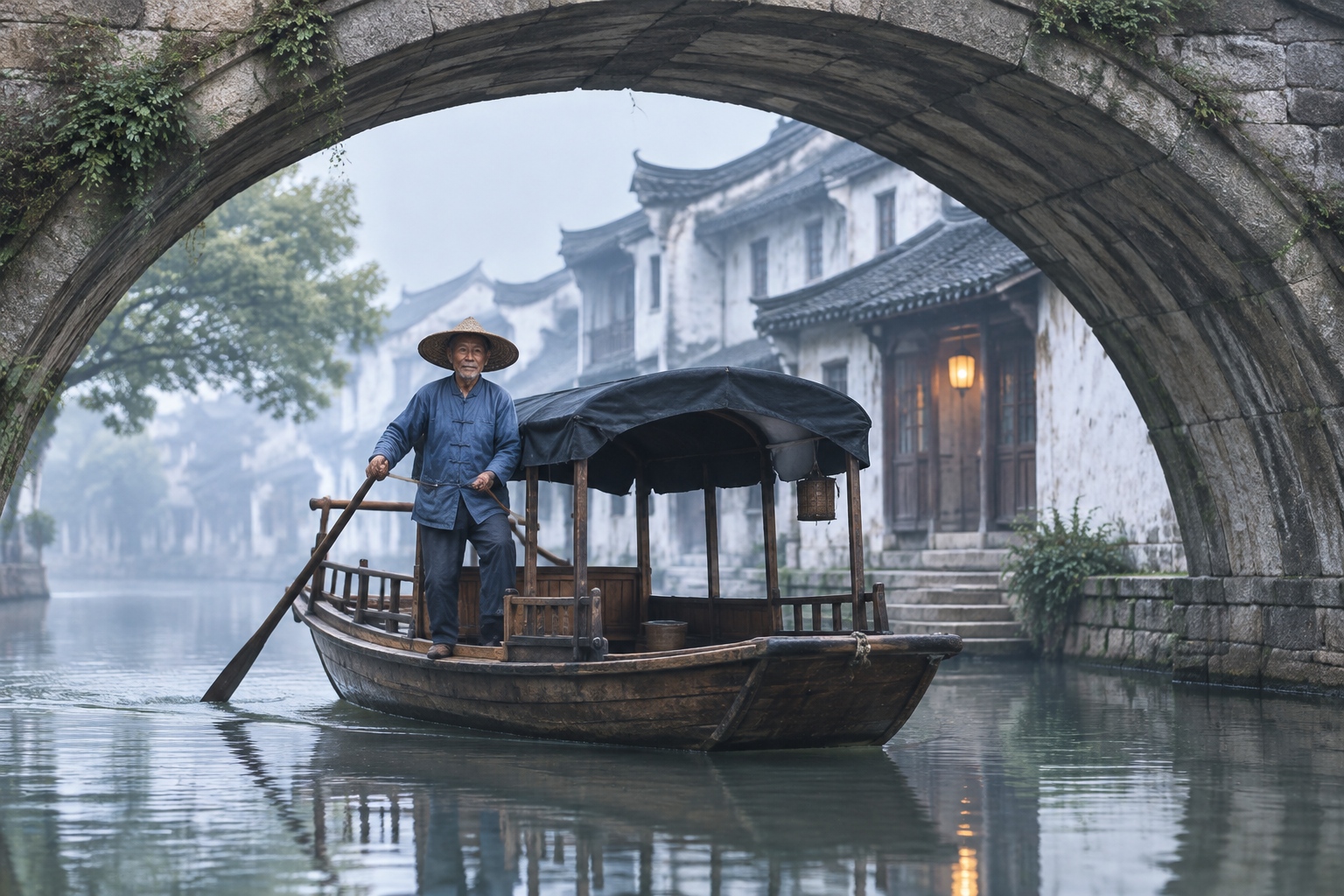
In one line: Little bridges over flowing water, whitewashed garden walls, and Huangshan above a sea of clouds.
Three reasons to go: ① The highest concentration of classical Chinese aesthetics on any route. ② A relaxed pace, suitable for first-timers and older travelers alike. ③ Gardens, tea plantations, water towns and cloud-sea peaks make for strikingly cinematic scenes.
Itinerary overview: Shanghai, 2 days (the Bund, Yu Garden, French Concession) → Suzhou, 2 days (Humble Administrator’s Garden, Tongli or Wuzhen water town) → Hangzhou, 2 days (West Lake, Lingyin Temple, Longjing tea fields) → Huangshan, 2 days (sunrise and sea of clouds, Welcoming Pine, Hongcun)
Major transport: High-speed rail throughout, Shanghai → Suzhou → Hangzhou → Huangshan
3. Cyber-Future Cities (9 days)
Welcome to the Cities of 2050.
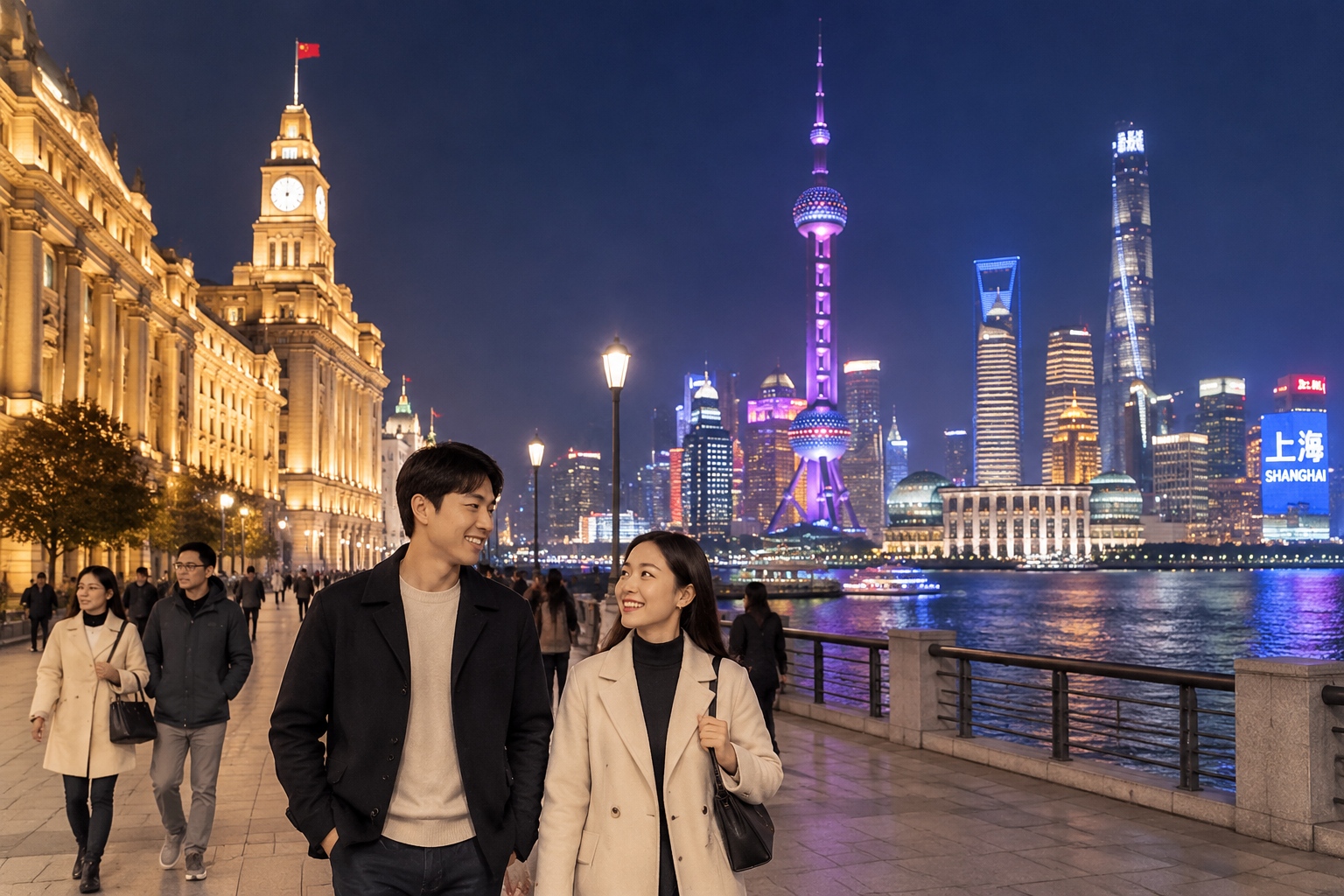
In one line: Visit “the cities of 2050” and shatter every stereotype you had about China.
Three reasons to go: ① The future is already here: maglev trains, delivery robots, QR-code payments. ② Chongqing’s “8D” vertical city has no equal anywhere in the world. ③ Light shows and monorails that pass through apartment buildings, with every scene made for social media.
Itinerary overview: Shanghai, 3 days (Bund light show, Lujiazui, maglev) → Chongqing, 3 days (Hongyadong, monorail through buildings, riverside hotpot) → Shenzhen, 2 days (tech districts, drone shows, Huaqiangbei) → Hong Kong, 1 day (optional)
Major transport: Shanghai → Chongqing by air; Chongqing → Shenzhen by air; Shenzhen → Hong Kong by high-speed rail
Part 2. Natural Wonders: Wallpaper-Worthy Scenery
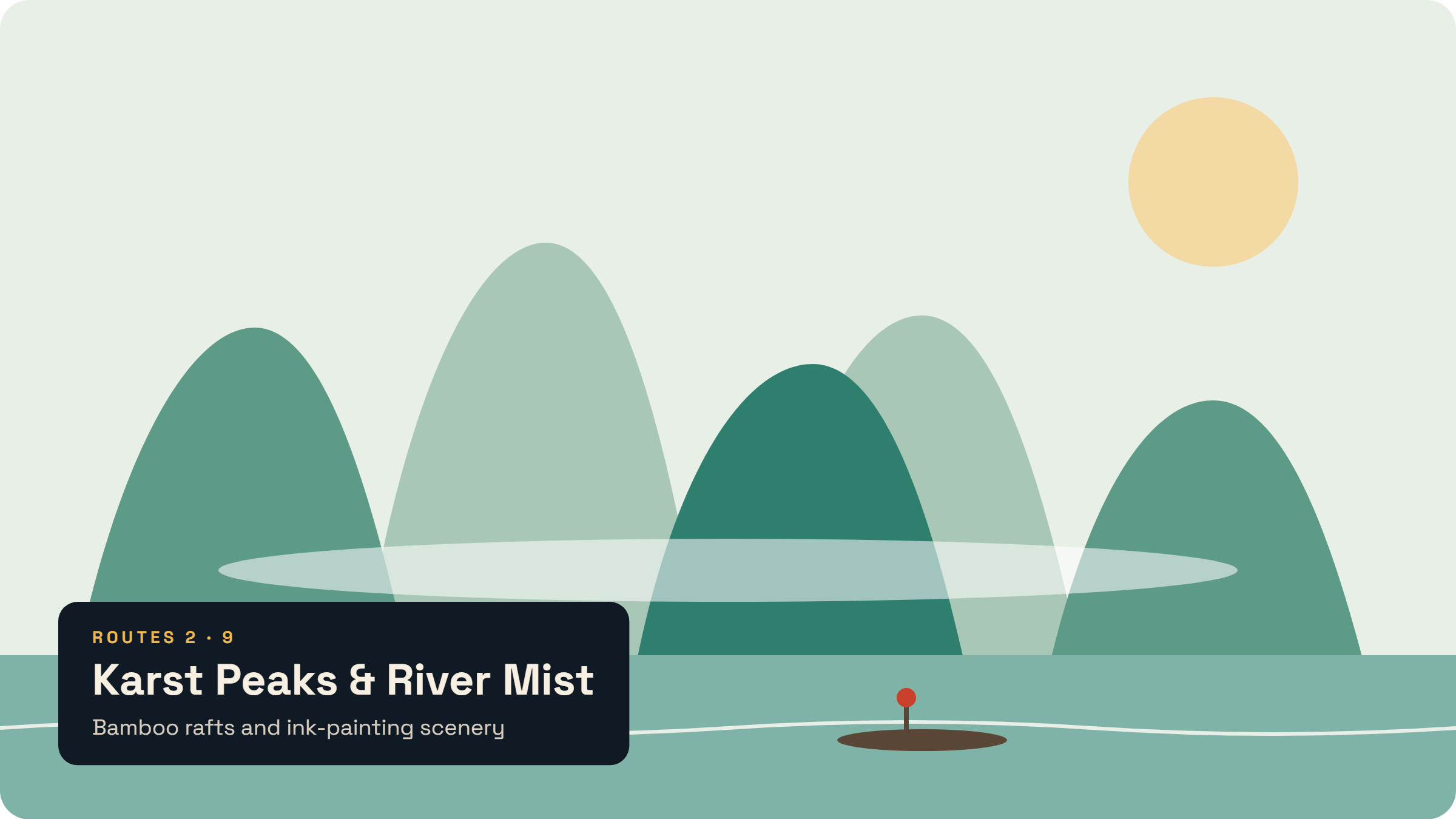
2. Ink-Painting Landscapes (8 days)
Step Into a Chinese Ink Painting.

In one line: Walk into the floating mountains of Avatar and the Li River of classical ink paintings.
Three reasons to go: ① Karst peaks and floating mountains that look even more astonishing in person than on screen. ② Hiking can be easy or demanding, and almost anyone can take “unreal” photos. ③ Bamboo rafts, cycling and glass walkways offer a variety of experiences.
Itinerary overview: Guilin, 2 days (Longji Rice Terraces, Li River at night) → Yangshuo, 2 days (bamboo raft on the Li River, cycling along the Yulong River) → Zhangjiajie, 3 days (Avatar Hallelujah Mountain, Tianmen Mountain glass walkway, Grand Canyon glass bridge) → Fenghuang Ancient Town, 1 day (stilt houses at night)
Major transport: Guilin → Zhangjiajie by high-speed rail; Zhangjiajie → Fenghuang by chartered car
11. Northern Xinjiang Gallery (10 days)
Every Turn a Wallpaper: Xinjiang’s Painted North.
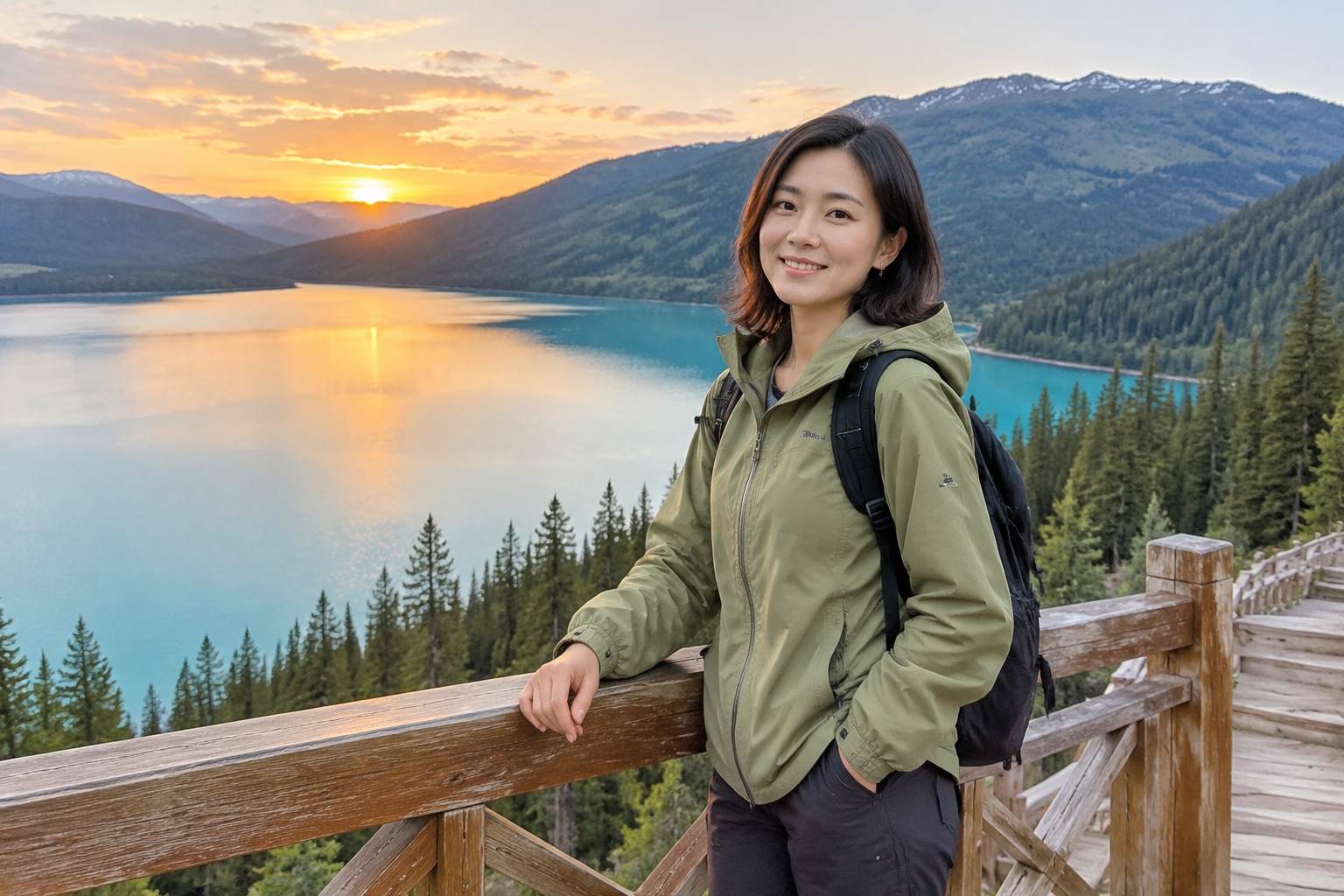
In one line: Wallpaper-grade scenery all the way: lakes, grasslands, snow peaks and birch forests.
Three reasons to go: ① Lakes, grasslands, snow peaks and birch forests appear one after another, nearly every frame a desktop background. ② Music, dance and food from many ethnic groups make for a lively cultural experience. ③ Whole roast lamb, hand-pulled rice and naan-pit meat: the most “Silk Road” flavors in China.
Itinerary overview: Urumqi, 2 days (Grand Bazaar, museum) → Sayram Lake, 1 day → Ili, 3 days (Narat, Kalajun, lavender fields) → Kanas and Hemu, 3 days (misty wooden cabins, birch forests) → Burqin, 1 day
Major transport: Fly into Urumqi; Ili leg by air or chartered car; chartered cars between scenic areas
12. Western Sichuan (9 days)
Snow Peaks, Prayer Flags and the Last Shangri-La.
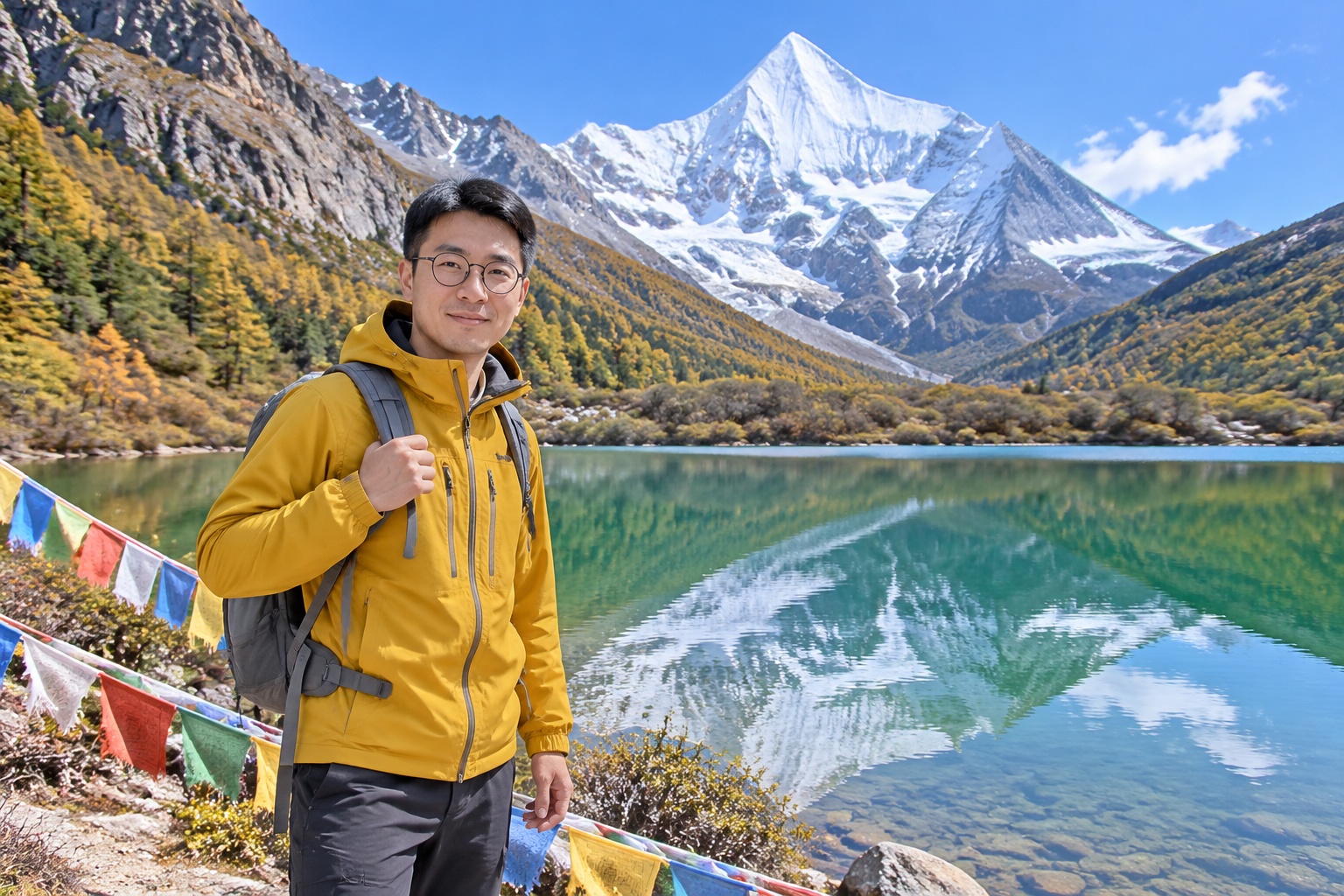
In one line: Snow peaks, watchtowers, prayer flags and blue alpine lakes, on the road to “the last Shangri-La.”
Three reasons to go: ① Snow mountains, watchtowers, lakes and prayer flags: the essence of the Tibetan world along one road. ② A paradise for photographers and hikers. ③ Yading’s title as “the last pure land on the blue planet” is well earned.
Itinerary overview: Chengdu, 1 day → Mount Siguniang, 2 days (Shuangqiao and Changping valleys) → Danba, 1 day (Tibetan villages and watchtowers) → Xinduqiao, 1 day (photographer’s paradise) → Daocheng Yading, 3 days (three sacred peaks, Milk Lake, Five-Color Lake)
Major transport: Mostly by chartered car from Chengdu; fly back to Chengdu from Daocheng Yading Airport; the altitude is high, so allow time to acclimatize
14. Hulunbuir Grasslands (8 days)
Endless Grassland, Borderland Charm.
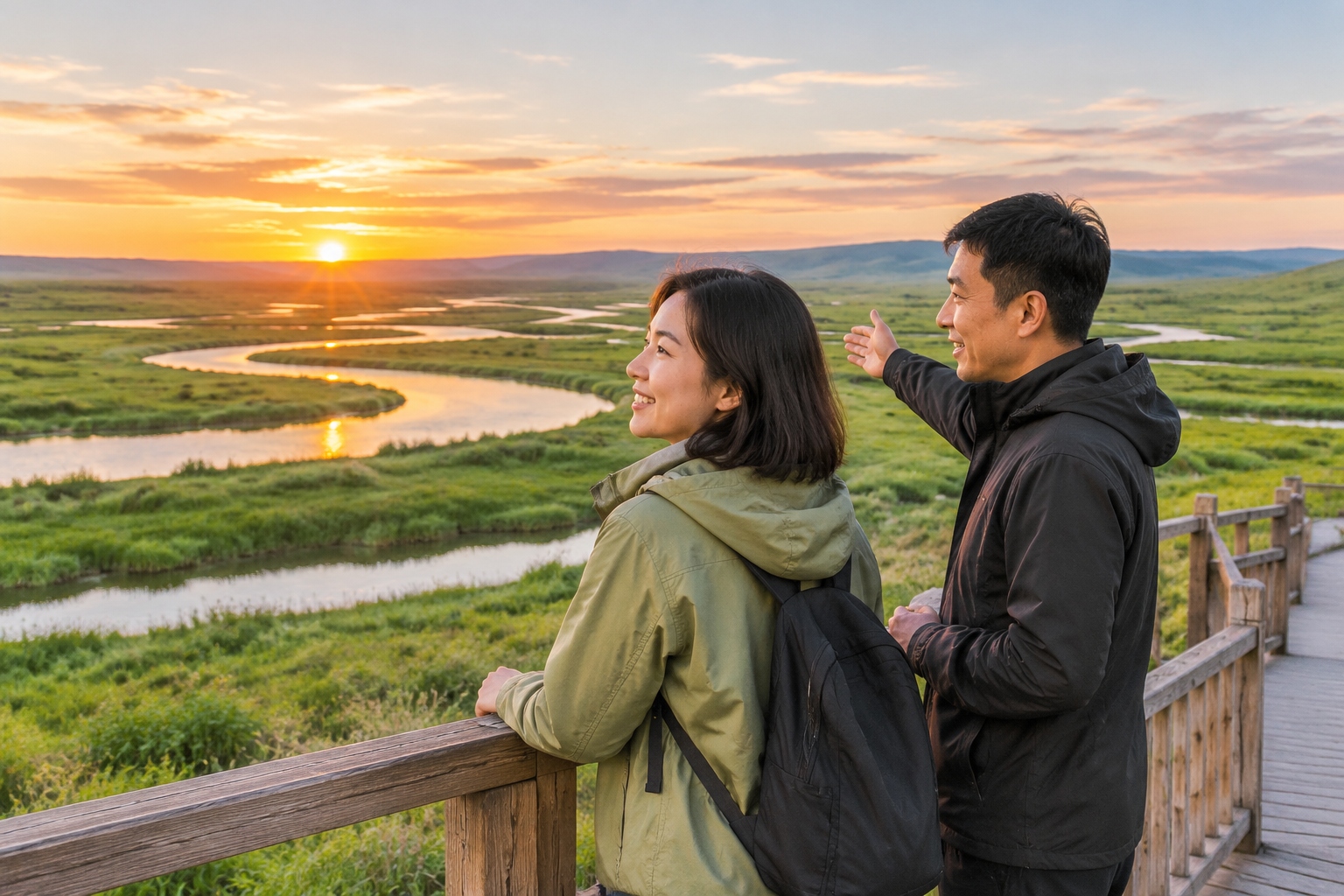
In one line: Grasslands without end, plus a Chinese border town that feels like a Russian village.
Three reasons to go: ① Boundless grasslands that let you completely unwind. ② Mongolian and Russian cultures meet here: three flavors in one trip. ③ Horse riding, yurt stays and milk tea for an authentic grassland life.
Itinerary overview: Hailar, 1 day → Grassland, 2 days (yurts, horse riding) → Argun Wetlands, 1 day → Shiwei, 2 days (Russian-style wooden houses, border river) → Manzhouli, 2 days (Matryoshka Square, border-trade culture)
Major transport: Fly to Hailar; chartered cars to the grasslands and Shiwei; Hailar → Manzhouli by high-speed rail or train
Part 3. Ancient Roads and Culture: The Depth of China
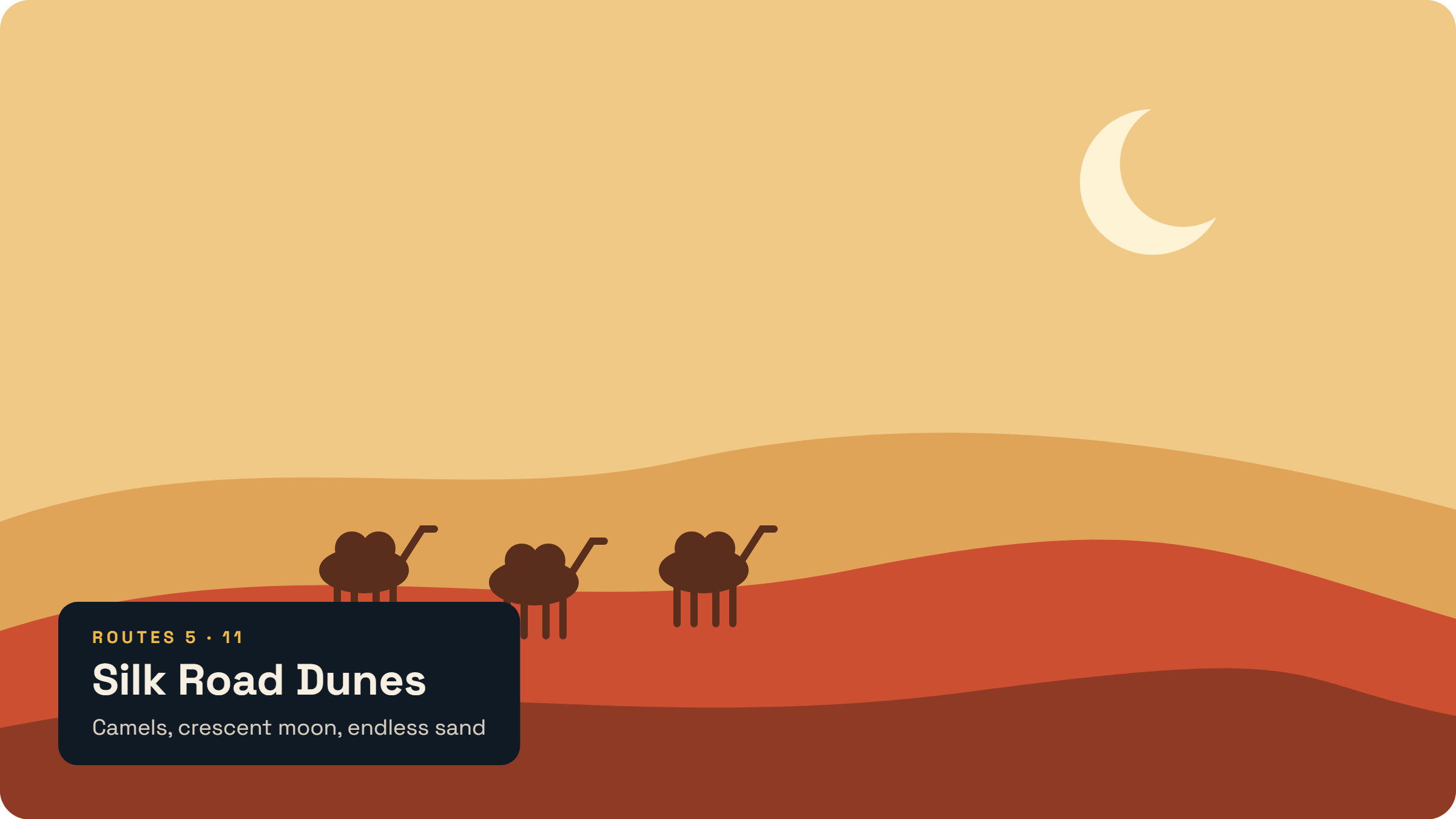
5. Silk Road Northwest (10 days)
Where the Desert Meets the Dynasties.
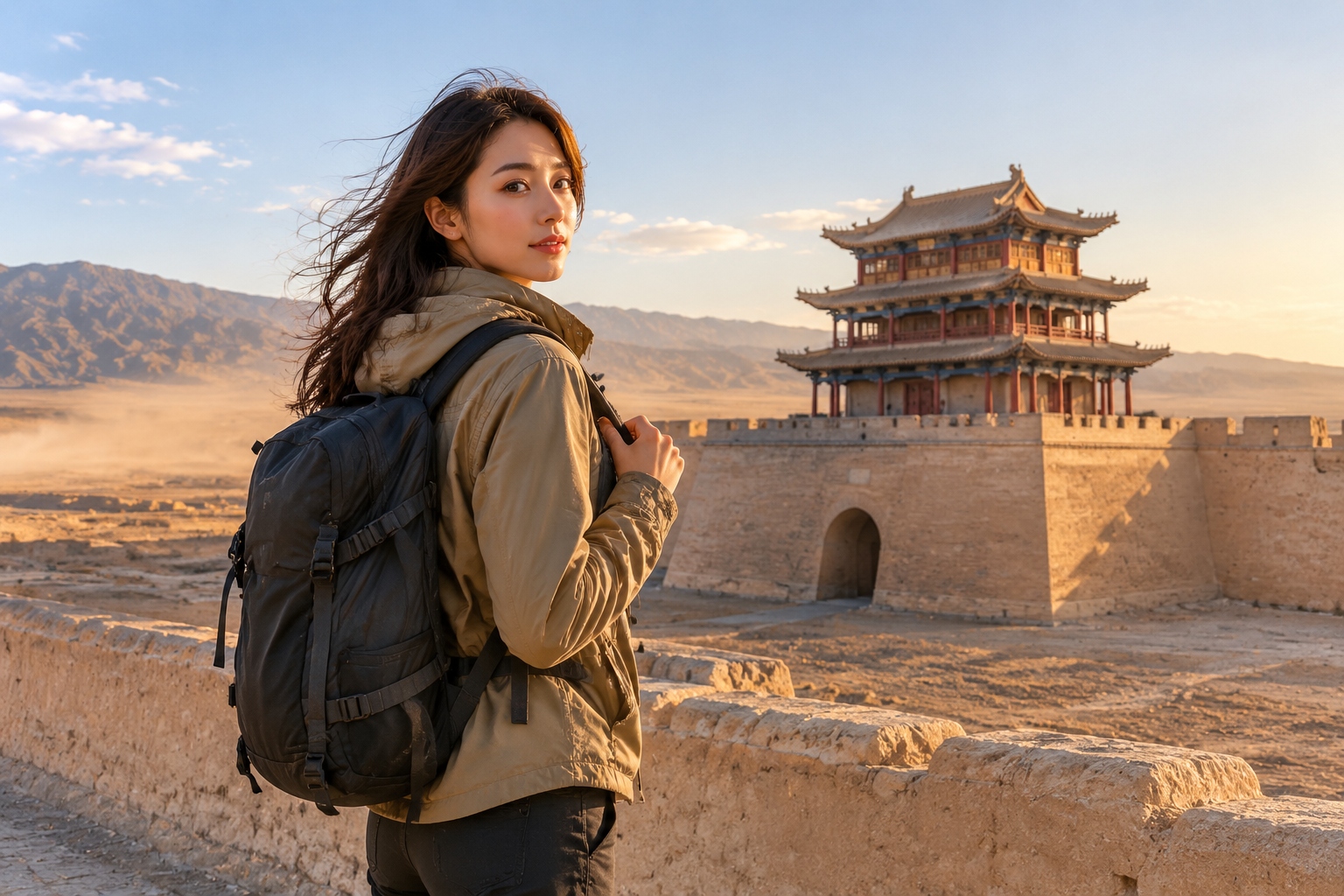
In one line: Deserts, Danxia landforms, grottoes and camel bells: the most cinematic China.
Three reasons to go: ① Deserts, rainbow mountains, grottoes and the Great Wall, each stop like a film location. ② Few crowds, vast scenery and enormous historical depth. ③ The Mogao murals are among the wonders of world art history.
Itinerary overview: Xi’an, 2 days (Terracotta Army, Big Wild Goose Pagoda) → Lanzhou, 1 day (Yellow River Iron Bridge, beef noodles) → Zhangye, 2 days (Rainbow Mountains) → Jiayuguan, 1 day (Great Wall) → Dunhuang, 3 days (Mogao Caves, Mingsha Dunes, Crescent Lake, desert stars)
Major transport: Xi’an → Lanzhou → Zhangye → Jiayuguan by high-speed rail; Jiayuguan → Dunhuang by rail plus chartered car; fly home from Dunhuang
15. Kung Fu & Zen of the Central Plains (8 days)
Kung Fu, Cave Temples and Ancient Capitals.
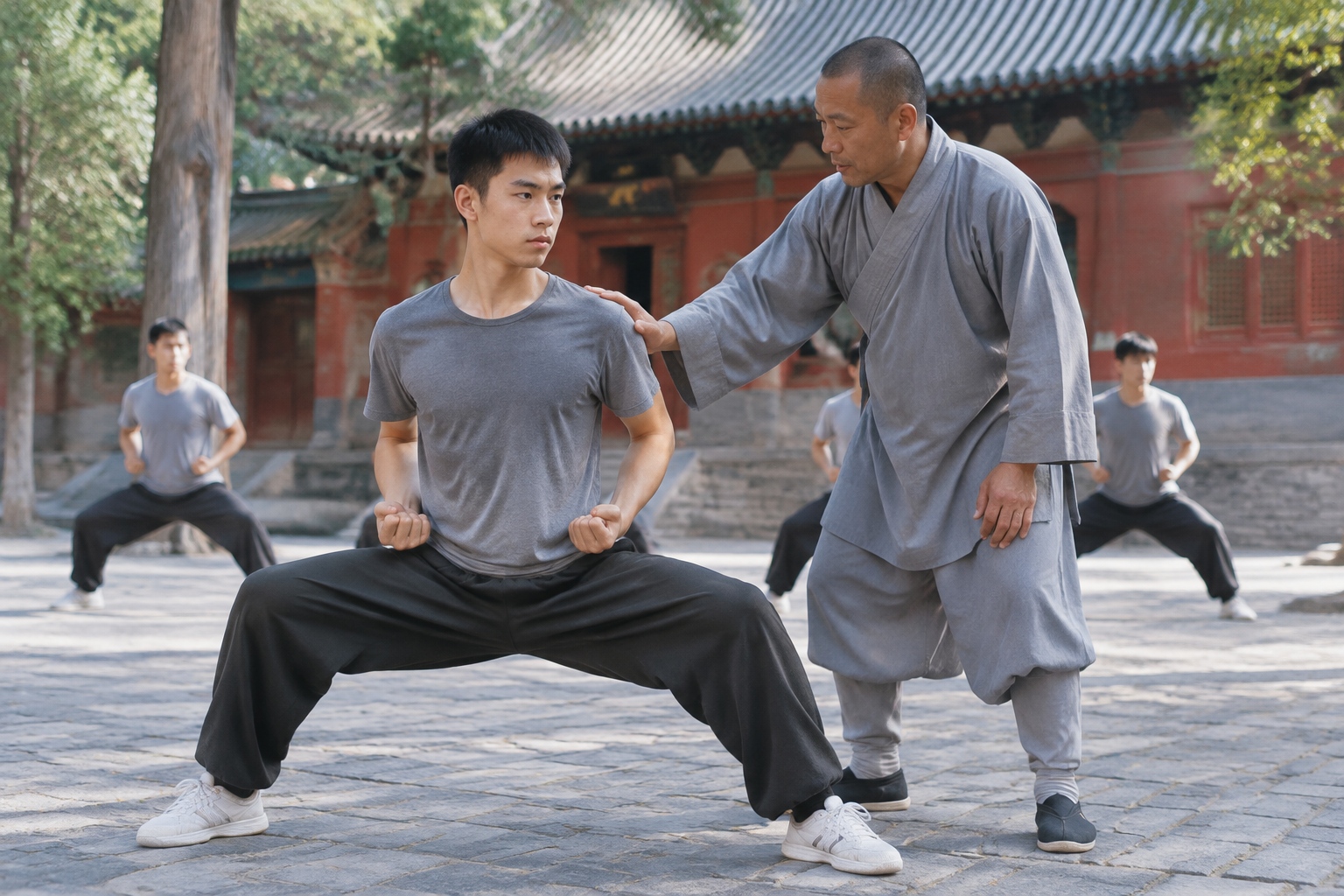
In one line: See real warrior monks at Shaolin and meet thousand-year-old Buddhas at the Longmen Grottoes.
Three reasons to go: ① Kung fu, Buddhism and ancient capitals: three of China’s most internationally recognized symbols in one trip. ② You can learn martial arts and tai chi yourself, not just watch. ③ The Longmen Grottoes are the pinnacle of Chinese stone carving.
Itinerary overview: Zhengzhou, 1 day → Dengfeng, 2 days (Shaolin Temple, Mount Song, martial arts class) → Luoyang, 2 days (Longmen Grottoes, White Horse Temple, Water Banquet) → Kaifeng, 1 day (Qingming Riverside Garden, Drum Tower night market) → Mount Hua or Xi’an, 2 days (optional)
Major transport: Zhengzhou → Luoyang → Kaifeng by high-speed rail; Luoyang → Xi’an by high-speed rail; chartered car to Dengfeng
16. Shanxi Temples & Merchant Heritage (7 days)
China’s Open-Air Museum of Temples and Walled Towns.
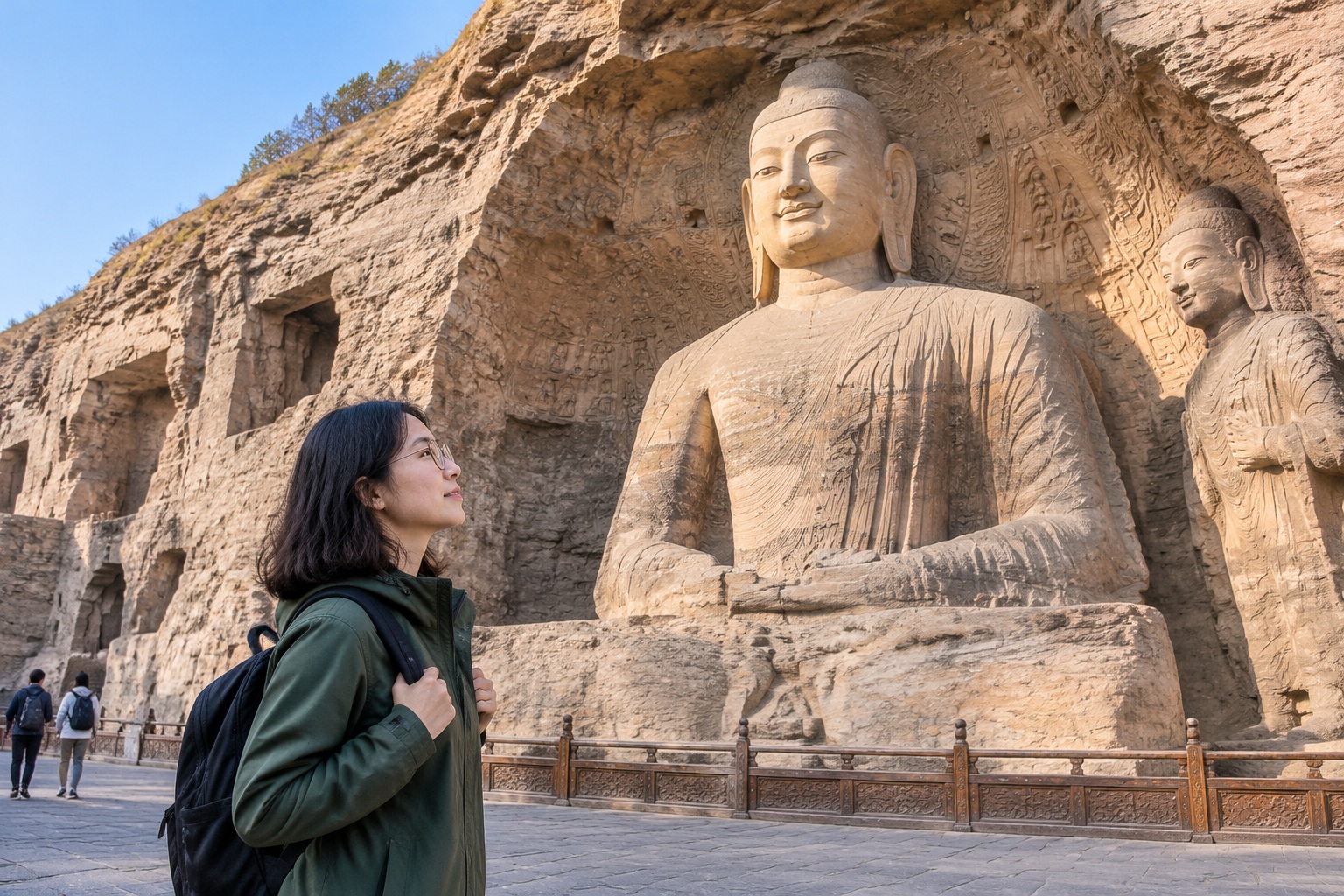
In one line: An open-air museum of Chinese ancient architecture, a hidden-gem province many have never heard of.
Three reasons to go: ① Yungang Grottoes, the Hanging Temple and Pingyao Ancient City: an astonishing density of heritage with few crowds. ② Well-preserved old towns that make you feel you’ve stepped back into the Ming and Qing dynasties. ③ Jin merchant culture and Shanxi noodles: a story you can find nowhere else.
Itinerary overview: Datong, 2 days (Yungang Grottoes, Hanging Temple) → Mount Wutai, 1.5 days → Taiyuan, 1 day (Jinci Temple, Shanxi Museum) → Pingyao, 2 days (city wall, Rishengchang bank, Qiao Family Compound)
Major transport: Beijing → Datong → Taiyuan → Pingyao by high-speed rail; chartered cars to Mount Wutai and the Hanging Temple
18. Confucius’s Hometown & Qingdao Coast (7 days)
From Sacred Mountain to Sea Breeze.

In one line: Climb Mount Tai for sunrise, visit Confucius’s hometown, and finish with beer by the sea in Qingdao.
Three reasons to go: ① Sunrise on Mount Tai, a “spiritual landmark” in the Chinese mind. ② The Confucius Temple and Mansion, the best entry point to Confucian culture. ③ Qingdao beer, seafood and seaside charm bring the trip to a relaxed close.
Itinerary overview: Jinan, 2 days (Baotu Spring, Daming Lake) → Mount Tai, 1 day (sunrise) → Qufu, 1 day (Confucius Temple, Mansion and Cemetery) → Qingdao, 3 days (Zhanqiao Pier, Badaguan, Laoshan, Beer Museum)
Major transport: High-speed rail throughout, Jinan → Tai’an → Qufu → Qingdao
Part 4. Food and Slow Travel: Feel It Through Your Stomach and Your Pace

4. Culinary Pilgrimage (10 days)
Travel with Your Taste Buds.
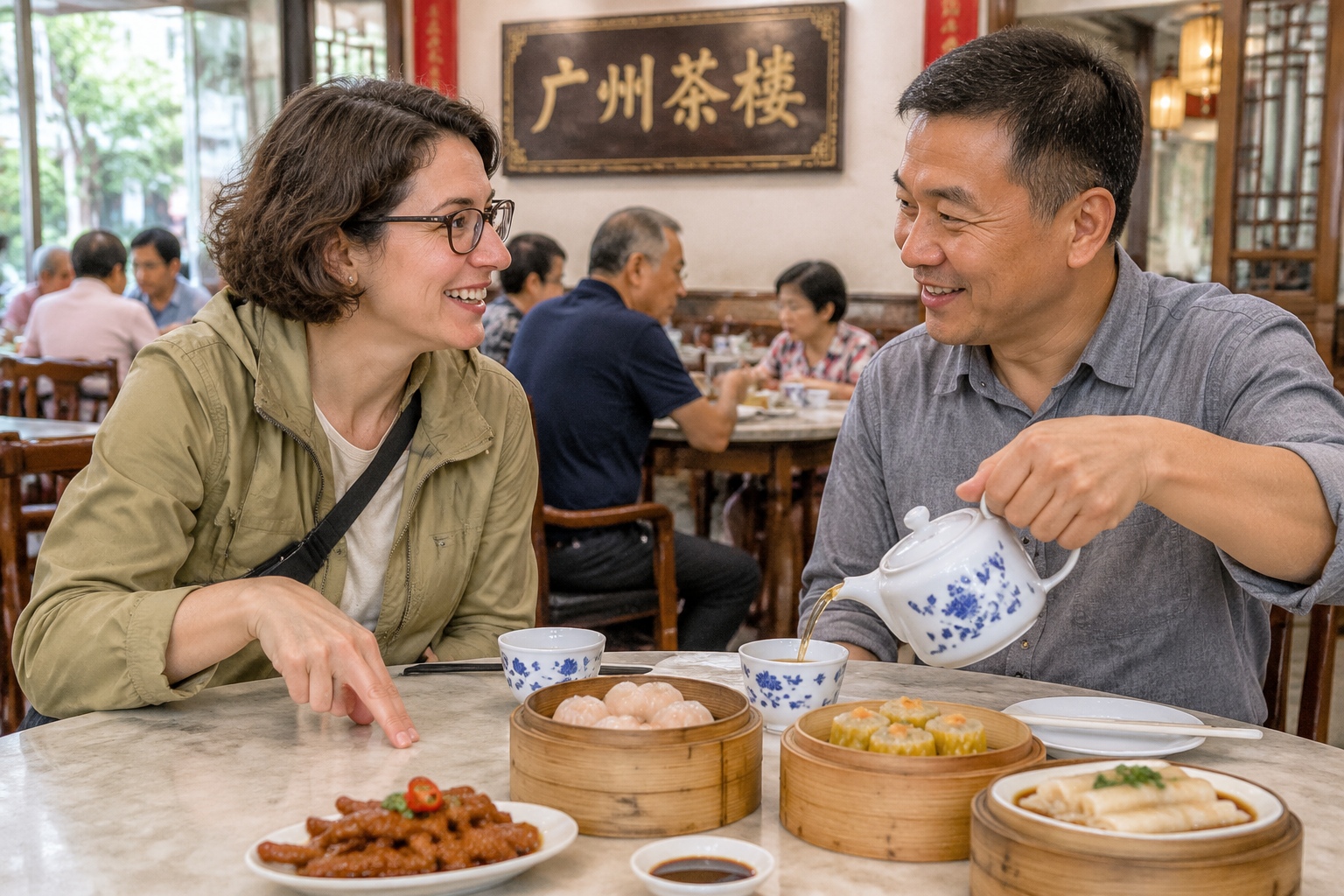
In one line: Travel with your stomach: every stop is a completely different taste of China.
Three reasons to go: ① Four cities, four distinct flavors: Cantonese, Sichuan, Chongqing and Shaanxi. ② Hands-on experiences such as market visits and cooking classes, so it’s not just about eating. ③ Food is the easiest way to spark curiosity and sharing.
Itinerary overview: Guangzhou, 2 days (dim sum, roast goose, clay-pot rice) → Chengdu, 3 days (Sichuan cuisine, hotpot, skewers, cooking class) → Chongqing, 2 days (noodles, Jianghu cuisine) → Xi’an, 3 days (roujiamo, lamb stew with bread, dumpling class)
Major transport: Guangzhou → Chengdu by air; Chengdu → Chongqing by high-speed rail; Chongqing → Xi’an by high-speed rail
17. Fujian Roundhouses & Coast (8 days)
Roundhouses, Island Breezes and the Scent of Tea.
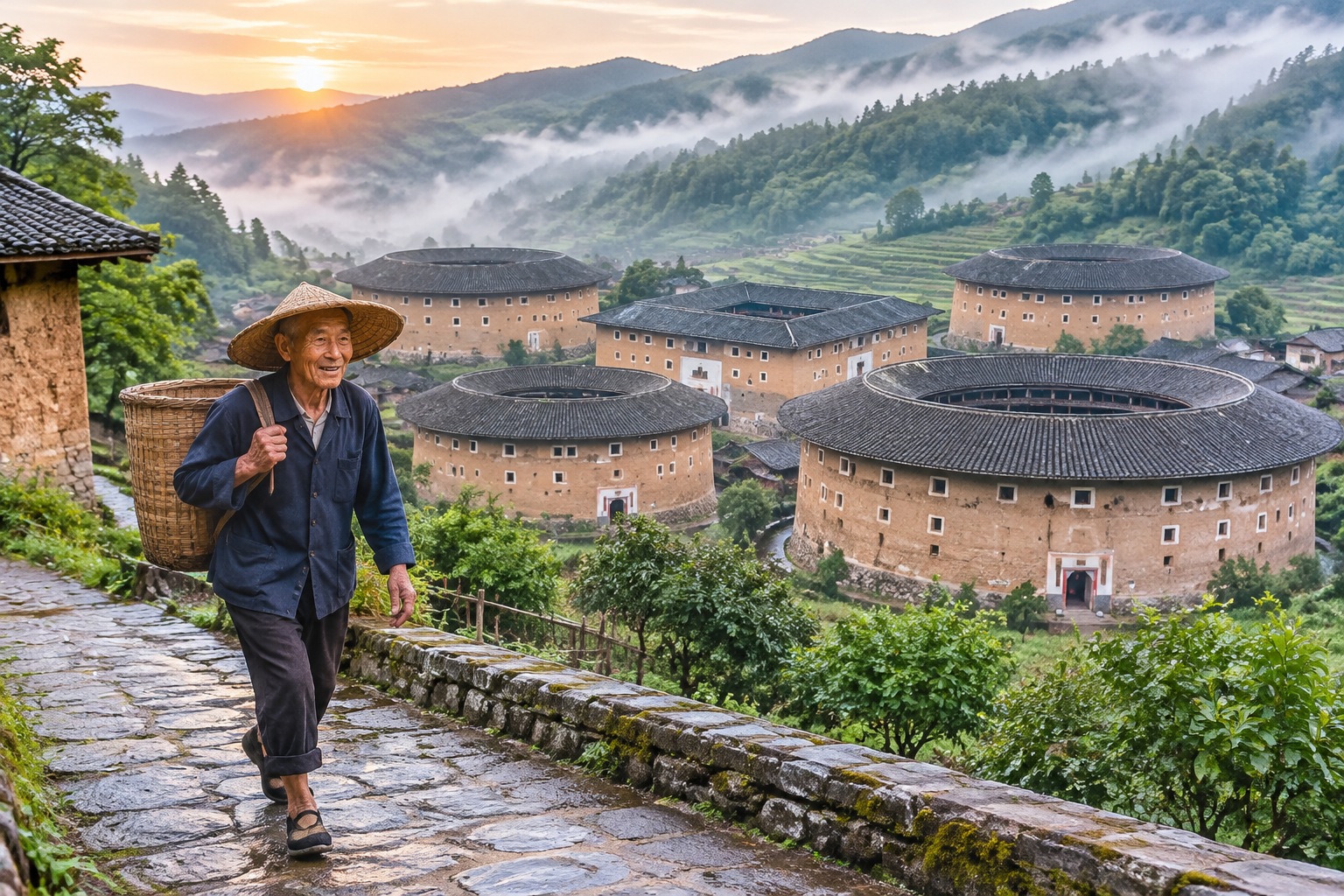
In one line: Circular Hakka roundhouses, the seaside of Gulangyu, and the tea fragrance of Wuyi Mountain.
Three reasons to go: ① UNESCO-listed Hakka roundhouses, a building form found nowhere else on Earth. ② Island, ancient city and tea mountains: three rhythms along one route. ③ Gongfu tea, sand-tea noodles and oyster omelets give you the flavor of southern Fujian life.
Itinerary overview: Xiamen, 3 days (Gulangyu, Zengcuo’an) → Nanjing and Yongding, 2 days (roundhouse clusters) → Quanzhou, 1 day (Kaiyuan Temple, West Street) → Wuyishan, 2 days (Nine-Bend Stream bamboo rafting, Da Hong Pao tea plantations, tea ceremony)
Major transport: Xiamen → Quanzhou → Wuyishan by high-speed rail; roundhouse leg by high-speed rail plus chartered car
19. Yangtze Gorges Cruise (9 days)
Drift Through the Gorges of a Thousand Years.
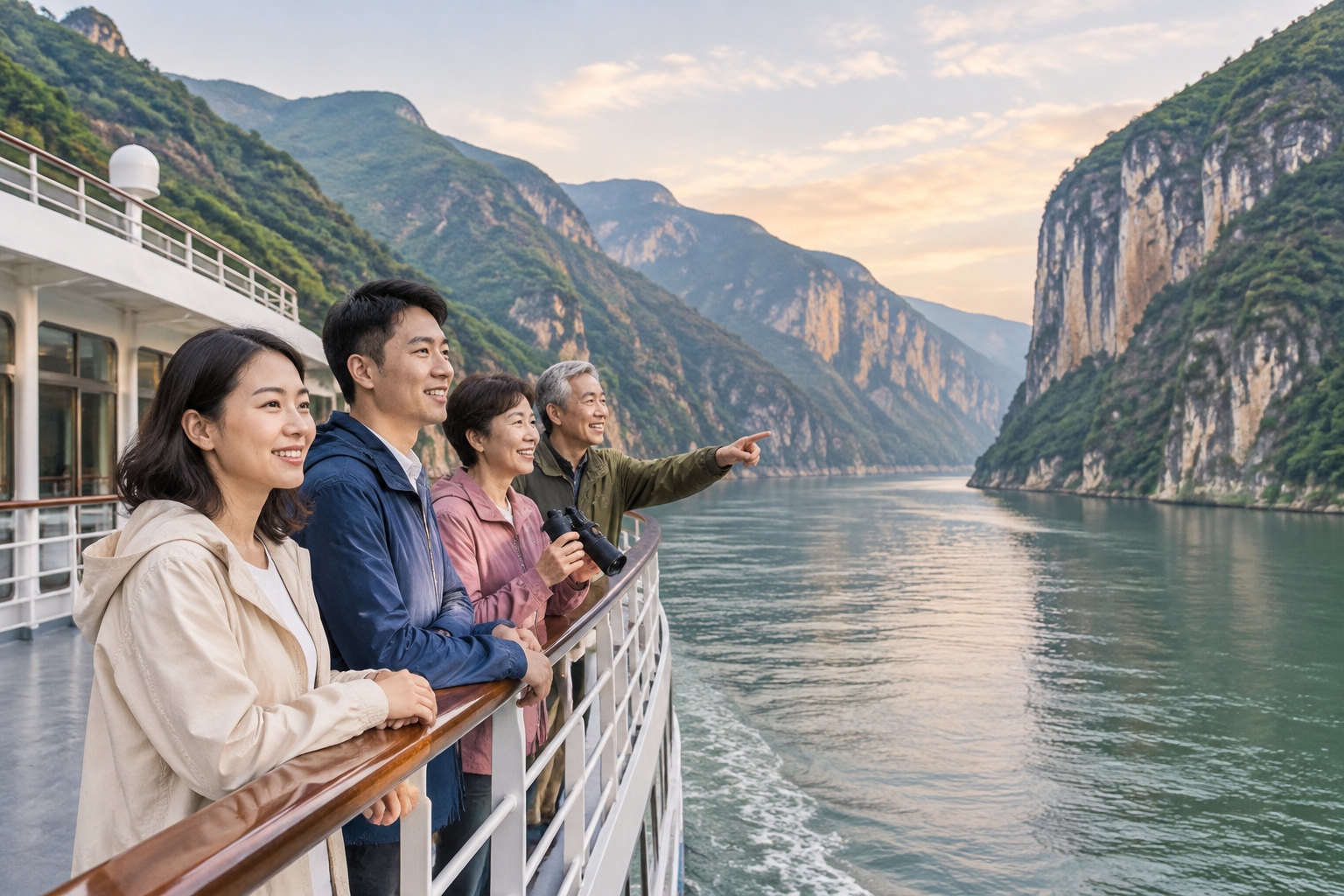
In one line: Float down the Yangtze, see the Three Gorges, and finish with hot dry noodles in Wuhan.
Three reasons to go: ① On a cruise you don’t change hotels every day, so it’s easy and comfortable. ② The Three Gorges and the dam: a striking contrast of nature and modern engineering. ③ Chongqing hotpot and Wuhan hot dry noodles: eat your way down the river.
Itinerary overview: Chongqing, 2 days (Hongyadong, hotpot) → Yangtze cruise, 3 nights / 4 days (Fengdu, Lesser Three Gorges, Qutang, Wu and Xiling Gorges) → Yichang, 1 day (Three Gorges Dam) → Wuhan, 2 days (Yellow Crane Tower, Hubu Alley, East Lake)
Major transport: Chongqing → Yichang by Yangtze cruise; Yichang → Wuhan by high-speed rail
Part 5. Plateau and Ethnic Cultures: China at Its Most Vivid
6. Colorful Yunnan (9 days)
Four Seasons, Ten Cultures, One Province.
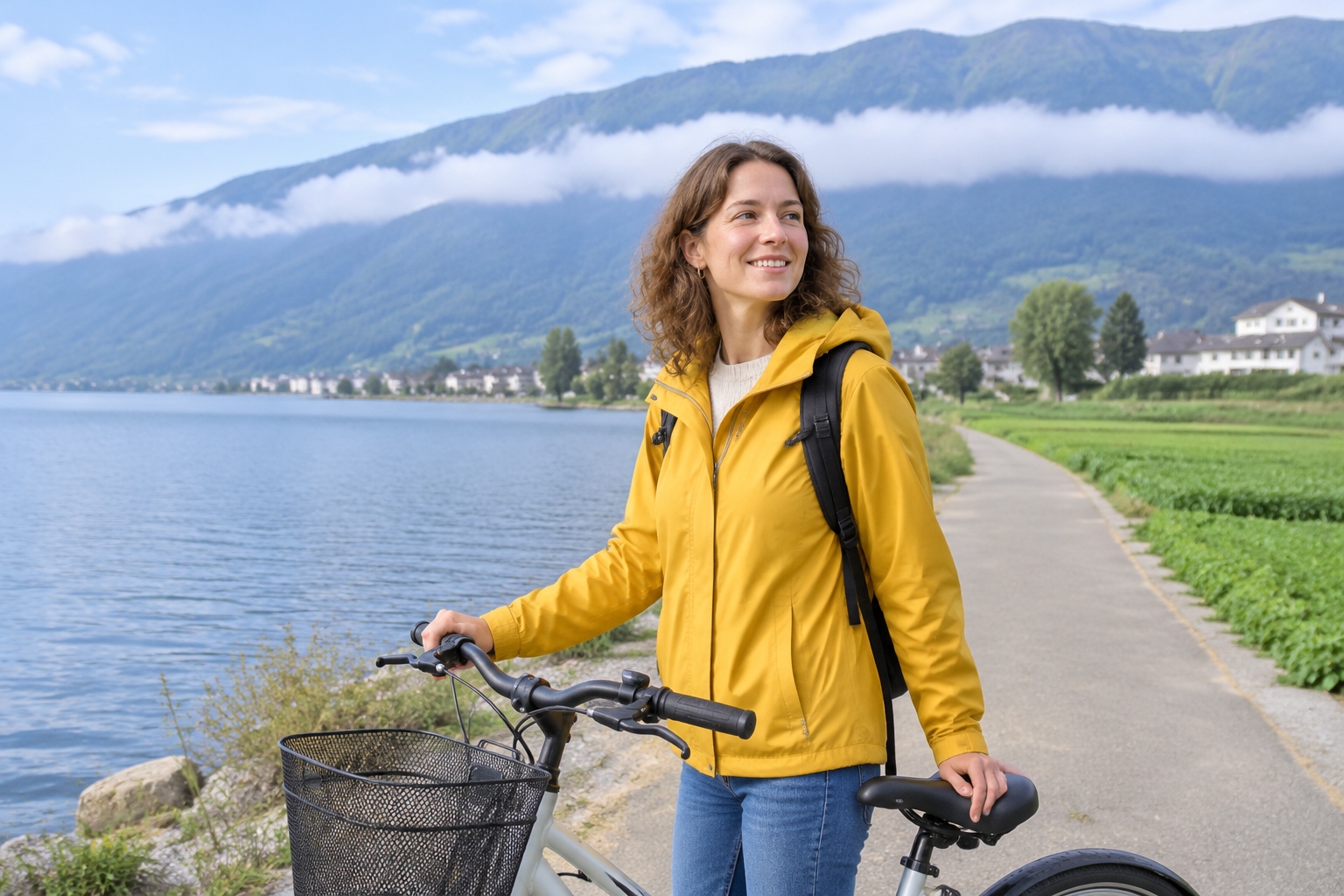
In one line: Old towns, snow mountains, Erhai Lake and ethnic traditions: several worlds in one province.
Three reasons to go: ① Old towns, snow mountains, lakes and meadows give a rich layering of landscapes. ② Pleasant weather and a slow pace make it truly relaxing. ③ Bai, Naxi and Tibetan cultures meet here, with experiences that feel natural rather than staged.
Itinerary overview: Kunming, 1 day → Dali, 3 days (Erhai cycling, Xizhou, Three Pagodas, tie-dye) → Lijiang, 3 days (old town, Jade Dragon Snow Mountain, Blue Moon Valley, Naxi music) → Shangri-La, 2 days (Songzanlin Monastery, Pudacuo)
Major transport: Kunming → Dali → Lijiang by bullet train; Lijiang → Shangri-La by chartered car
8. Tibet: Roof of the World (8 days)
A Journey to the Roof of the World.

In one line: A once-in-a-lifetime plateau journey to the place closest to the sky.
Three reasons to go: ① The grandeur of the roof of the world cannot be replicated in photos. ② Circumambulation, pilgrimage and monastery debates are living, flowing faith. ③ Namtso and Everest are headliners on any “bucket list.”
Itinerary overview: Lhasa, 3 days (Potala Palace, Jokhang Temple, Barkhor Street) → Namtso, 1 day → Shigatse, 2 days (Tashilhunpo Monastery) → Everest Base Camp, 2 days (sunrise, starry skies)
Major transport: Fly into Lhasa, or take the Qinghai-Tibet Railway; chartered cars in the region. Allow time to adjust to the altitude
10. Hidden Guizhou (9 days)
China’s Best-Kept Secret: Waterfalls, Villages and Songs.
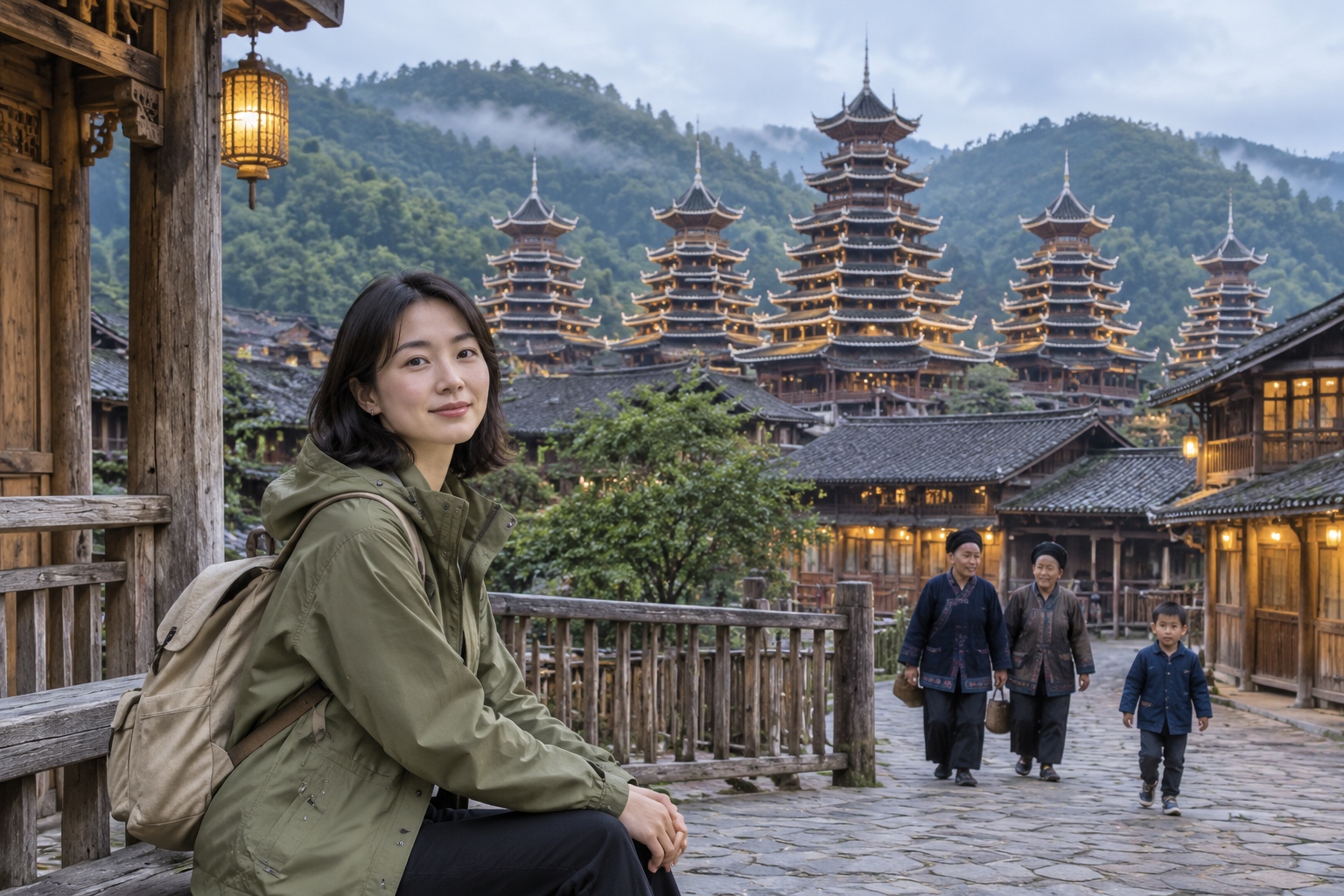
In one line: Waterfalls, Miao villages and Dong villages: a treasure route that still sees few visitors.
Three reasons to go: ① Waterfalls, terraces, Miao and Dong villages combine landscape and culture. ② Ethnic songs and dances, long-table banquets and sour fish soup deliver authentic, lively experiences. ③ “Village Super League” and “Village BA” bring a fresh rural sports culture to talk about.
Itinerary overview: Guiyang, 1 day → Huangguoshu, 1 day → Libo Xiaoqikong, 2 days → Zhaoxing Dong Village, 2 days (Drum Tower, Dong Grand Choir) → Xijiang Thousand-Household Miao Village, 2 days (night view, silver and batik crafts) → Zhenyuan Ancient Town, 1 day
Major transport: Fly to Guiyang; Guiyang → Anshun and Kaili by high-speed rail; chartered cars between sites
20. Qinghai-Gansu Highlands (9 days)
Blue Lakes, Prayer Wheels and Hidden Mountain Villages.
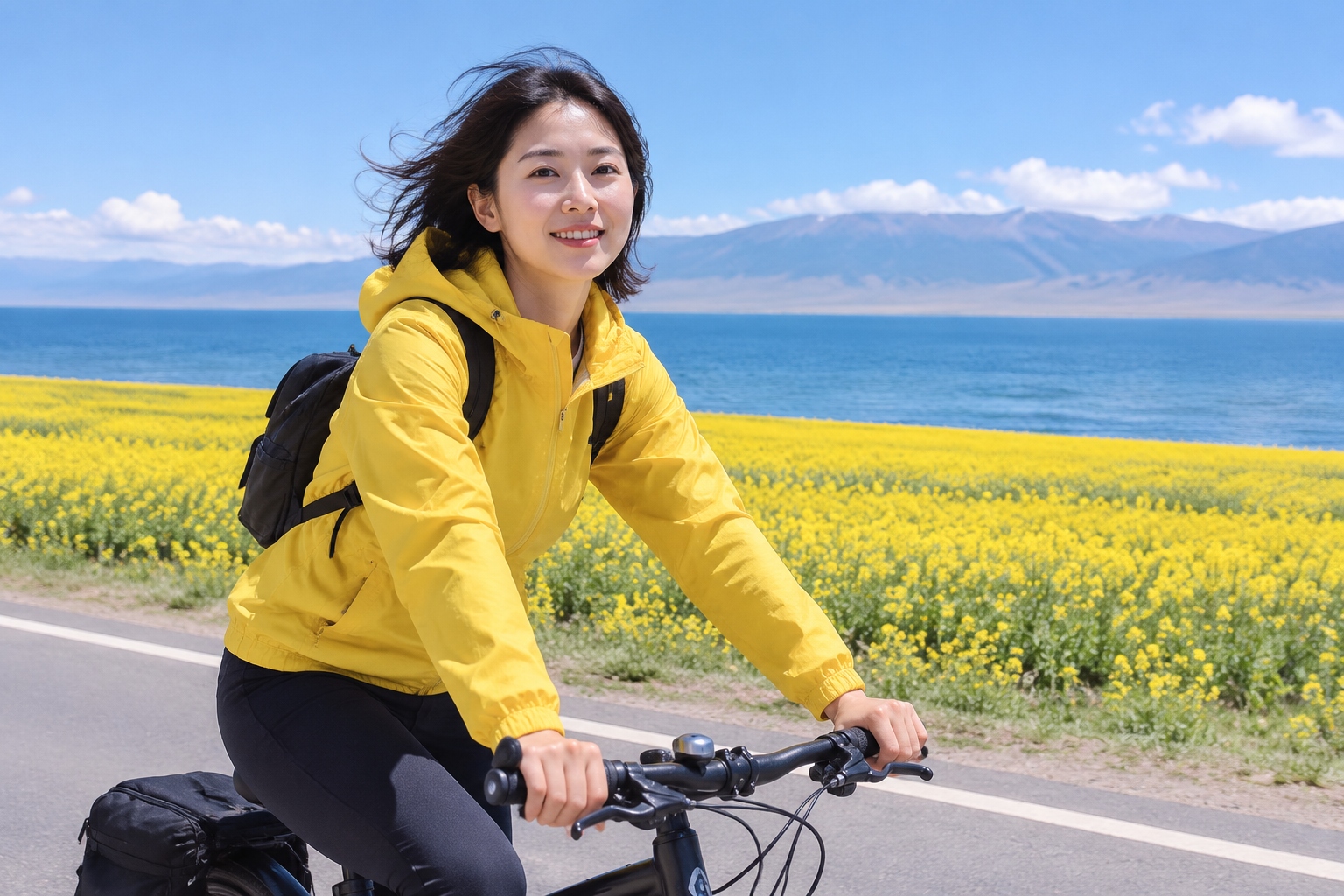
In one line: Brilliant blue plateau lakes, Tibetan pilgrims turning prayer wheels, and villages hidden in the mountains.
Three reasons to go: ① An easier “introduction to the plateau” than Tibet. ② Qinghai Lake and Chaka Salt Lake are so blue they hardly seem real. ③ Circumambulation and debate at Labrang Monastery reveal living Tibetan Buddhist culture.
Itinerary overview: Xining, 2 days (Ta’er Monastery) → Qinghai Lake, 2 days (lakeside cycling) → Chaka Salt Lake, 1 day → Xiahe, 1 day (Labrang Monastery) → Zhagana, 2 days (stone village, hiking) → Lanzhou, 1 day
Major transport: Fly to Xining; chartered cars between sites; leave from Lanzhou by air or high-speed rail
Part 6. Winter and Island Escapes: A Different Rhythm
7. Winter Wonderland (7 days)
Minus 30, Plus a Thousand Smiles.

In one line: The Northeast at minus 30 degrees is a dreamlike kingdom of ice and snow.
Three reasons to go: ① Ice sculptures, snow cabins and rime ice: a real “ice and snow kingdom.” ② The warmth and humor of Northeasterners will be your most unforgettable memory. ③ Iron-pot stews, frozen pears and snow-side hot springs: eat warm and play wild in winter.
Itinerary overview: Harbin, 3 days (Central Street, Ice and Snow World) → Yabuli, 1 day (skiing) → Snow Town, 1 day (mushroom cabins, snow hot springs) → Jilin, 2 days (Songhua River rime ice)
Major transport: Fly to Harbin; Harbin → Jilin by high-speed rail; chartered cars to Snow Town and Yabuli
13. Hainan Tropical Escape (7 days)
China’s Tropical Island Escape.
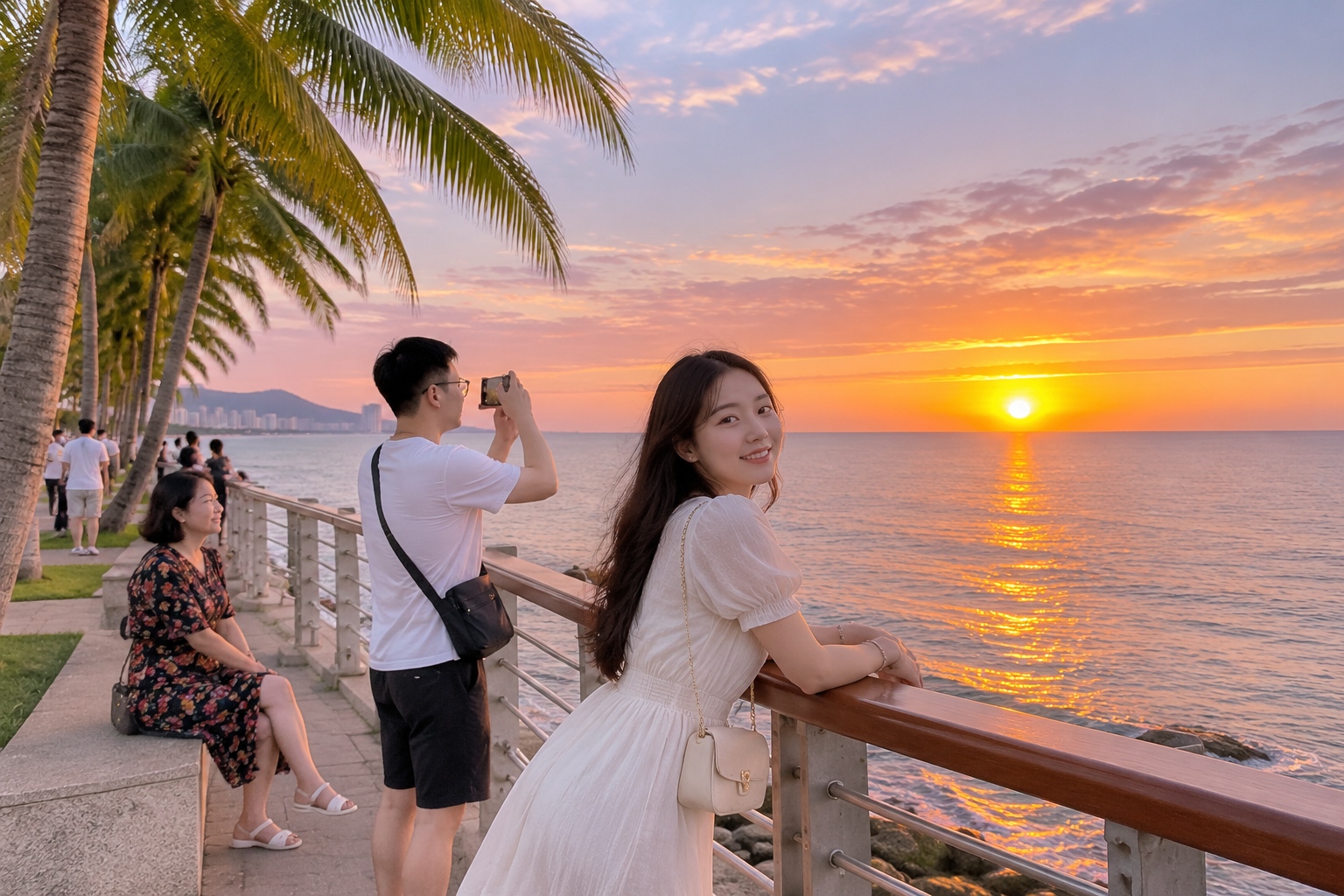
In one line: Coconut groves, beaches, diving, surfing and rainforest: China’s “Hawaii.”
Three reasons to go: ① Warm in winter, the perfect escape from the cold. ② Beaches, diving, surfing and rainforest: many experiences on one island. ③ Hainanese chicken rice, coconut chicken hotpot and seafood stalls make the food equally excellent.
Itinerary overview: Haikou, 1 day (arcade old streets) → Wanning and Lingshui, 2 days (Riyue Bay surfing) → Sanya, 3 days (Yalong Bay, Wuzhizhou Island diving, Nanshan Temple) → Wuzhishan rainforest, 1 day (optional)
Major transport: Haikou → Sanya by round-island high-speed rail; chartered cars or taxis between sights
Part 7. The Big Picture: How to Choose and Combine
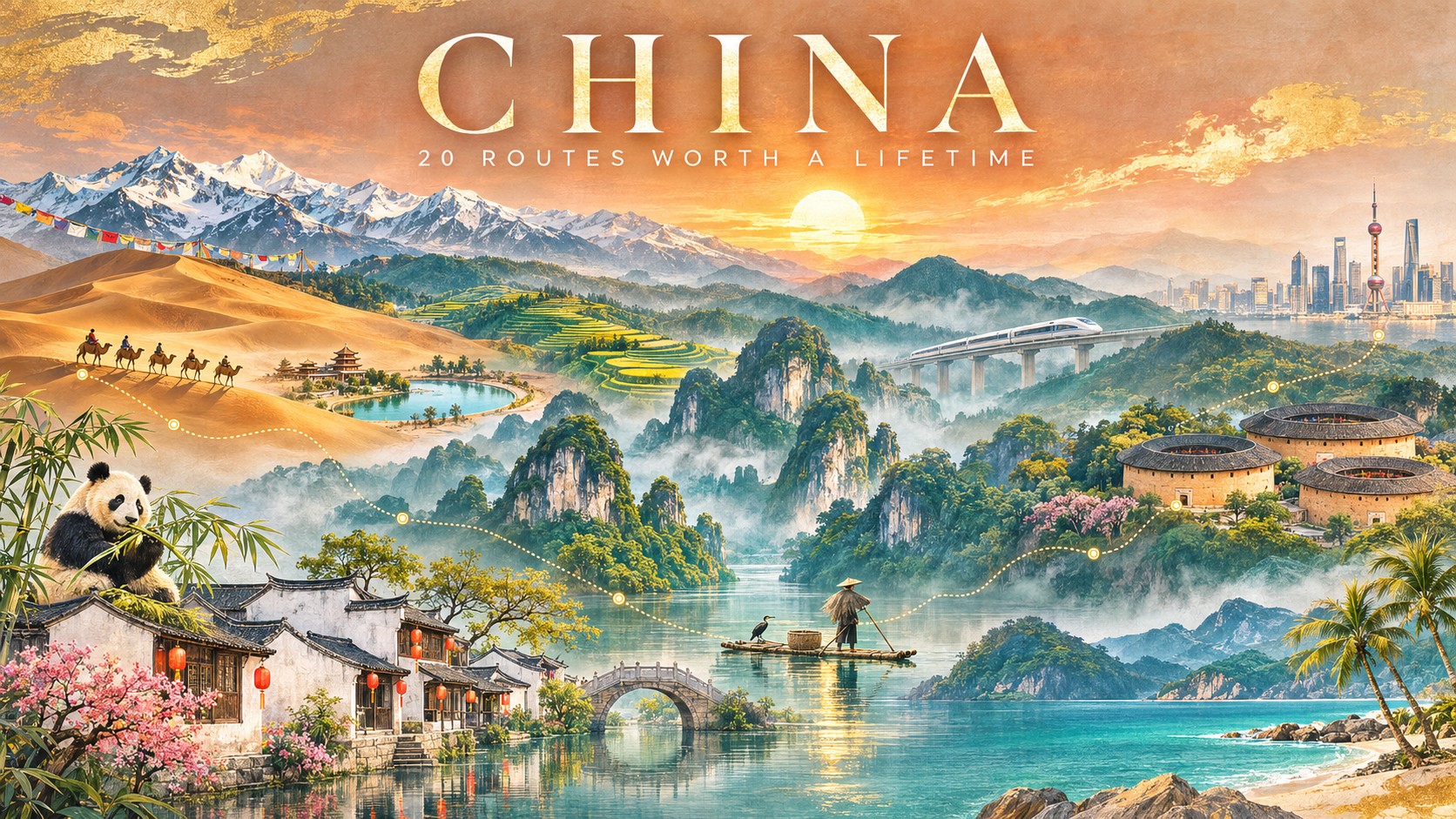
The Personality of Each Route at a Glance
Need customized travel consultation service? click here >>
- Most “China”: 1 (Classic), 9 (Jiangnan), 15 (Central Plains)
- Most “Futuristic”: 3 (Cyber-Future Cities)
- Most “Photogenic”: 2 (Landscapes), 11 (Northern Xinjiang), 12 (Western Sichuan), 20 (Qinghai-Gansu)
- Most “Delicious”: 4 (Culinary), 17 (Fujian), 19 (Three Gorges)
- Most “Off the Beaten Path”: 10 (Guizhou), 16 (Shanxi), 14 (Hulunbuir)
- Most “Relaxing”: 13 (Hainan), 17 (Fujian), 19 (Three Gorges Cruise)
- Most “Awe-Inspiring”: 5 (Silk Road), 8 (Tibet), 12 (Western Sichuan)
- Most “Winter”: 7 (Ice and Snow), 13 (Hainan)
Choose by Travel Pace
| Pace | Suitable Routes | Characteristics |
|---|---|---|
| Relaxed and slow | 9, 13, 17, 19 | Few hotel changes, short high-speed rail hops, experience-focused |
| Balanced exploration | 1, 3, 6, 15, 16, 18 | A mix of cities and nature, moderate intensity |
| Deep adventure | 5, 8, 11, 12, 14, 20 | Longer distances and higher altitudes; need good fitness and preparation |
Choose by Season
| Season | Recommended Routes |
|---|---|
| Spring (Mar–May) | 1, 2, 6, 9, 15, 17, 19 |
| Summer (Jun–Aug) | 11, 14, 20, 10, 12 (avoid rainy-season road sections) |
| Autumn (Sep–Nov) | 1, 2, 5, 6, 12, 15, 16, 18 |
| Winter (Dec–Feb) | 7, 13, 3, 4, 6 |
Combining Two Routes into a Longer Vacation
- 15 days, “Culture + Scenery”: Route 1 + Route 9
- 14 days, “Photography Trip”: Route 11 + Route 12
- 14 days, “Culture + Island”: Route 16 + Route 13
- 16 days, “Silk Road + Plateau”: Route 5 + Route 20
- 14 days, “Food + Slow Travel”: Route 4 + Route 17
Three Tips Before You Go
- Check the season first: The same route can feel very different at different times of year, especially Xinjiang, Tibet, the Northeast and Western Sichuan.
- Leave room for high altitude: Tibet, Western Sichuan and Qinghai-Gansu are high up. Don’t overpack the schedule, and treat the first day as a day to acclimatize.
- Keep some free time: A good trip doesn’t need every hour planned. Leave blank space to wander side streets and sit in a teahouse.
One Last Word
China is so vast that a single trip can never cover it all. Pick the one route that moves you most, and once you set out, you’ll find it is only the beginning of your next journey.