


One Tax, Many Layers: What a Foreign Business Faces
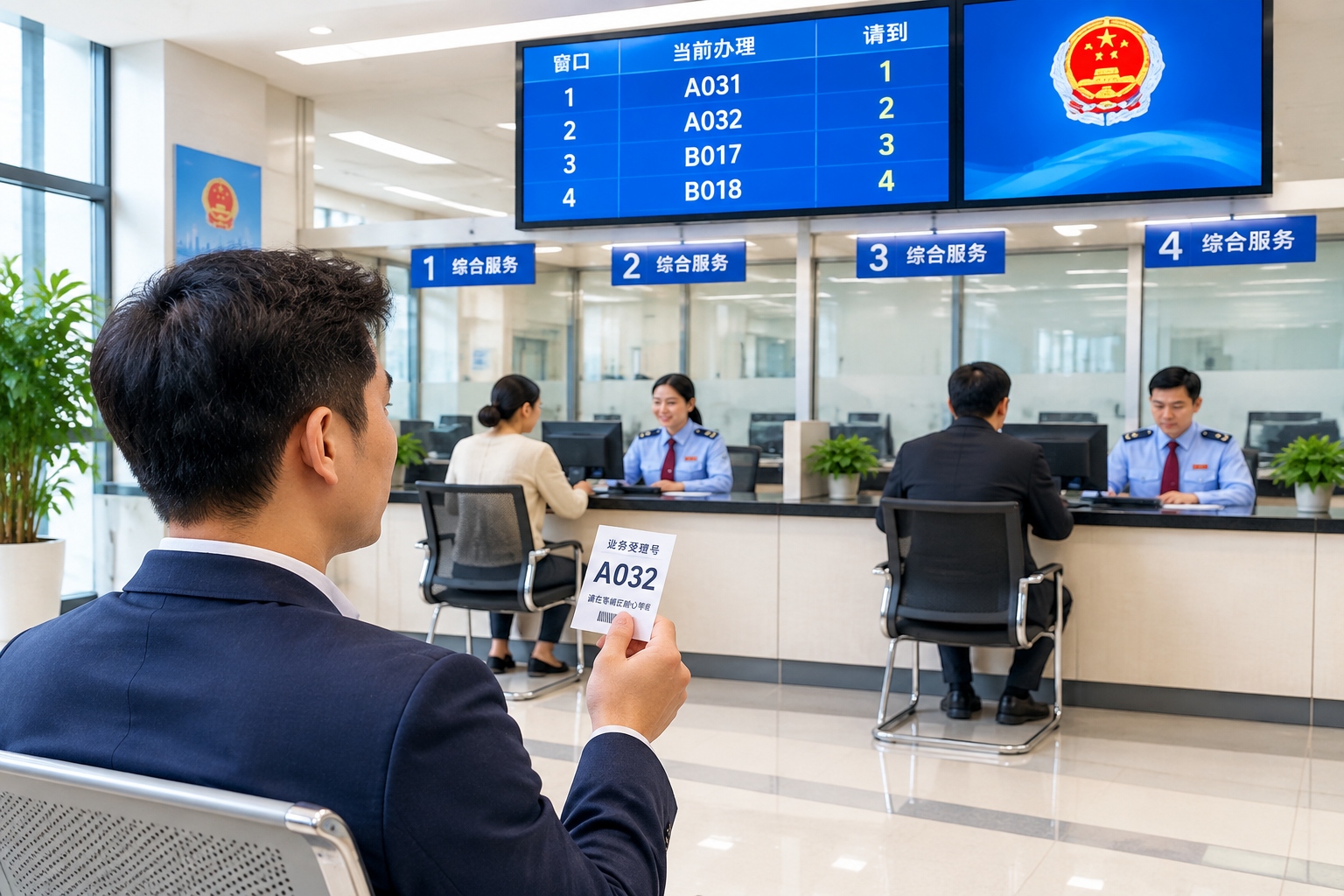
When Marco, an Italian mechanical engineer, set up his small components trading company in Shenzhen in 2022, he thought the hardest part was finding customers. A year later, he realized the real headache was understanding what the tax man wanted. His monthly accountant visits turned into five-hour meetings. ‘I just need to know if I’m overpaying or underpaying,’ he told me.
Marco’s confusion is common. China’s tax system may look familiar on paper, but the practical details differ from many Western jurisdictions. If you’re a foreigner running a business here, you don’t need to become a certified tax agent. You do need a mental map of the major taxes, who they apply to, and when your accountant’s spreadsheet matters.
The Big Two: Corporate Income Tax and VAT
Corporate Income Tax (CIT) – 25% rate, but that’s just the starting point
Every enterprise that earns income within China – including foreign-owned companies – pays Corporate Income Tax. The standard rate is 25% on net profit. For many small and low-profit firms, especially those under the ‘small low-profit enterprise’ threshold, the effective rate can be as low as 2.5% for taxable income up to 3 million RMB per year, as of 2023. This is a major difference from a flat 25%.
High-tech companies certified by the government enjoy a preferential 15% rate. Other preferential rates exist for encouraged industries in special regions, like the Hainan Free Trade Port (15%) or the Western Development Strategy areas (15% until 2030). ‘Do I qualify?’ is not just an academic question; it directly affects your bottom line by thousands of RMB each month.
VAT – A Tax on Every Sales Invoice
Value-Added Tax (VAT) in China isn’t a single rate. The standard rate for most goods is 13%. Services, such as logistics, information technology, and consulting, face 9% or 6%, depending on the type. Small-scale taxpayers – defined as those with annual sales under 5 million RMB – pay a simplified VAT based on turnover at 3%, and currently many of those see a partial reduction to 1% until the end of 2027.
When you buy a product from a supplier in Beijing and sell it in Shanghai, you can offset the VAT you paid on purchases against the VAT you charge your customer. But the challenge is collecting proper VAT invoices from suppliers. Without a compliant invoice, you lose the credit, and your effective tax cost jumps. That’s why a typical Chinese accountant spends more time on invoices than on profit statements.

Withholding Tax and Indirect Taxes You May Not Expect
Dividends, Interest, and Royalties – 10% May Go to Tax
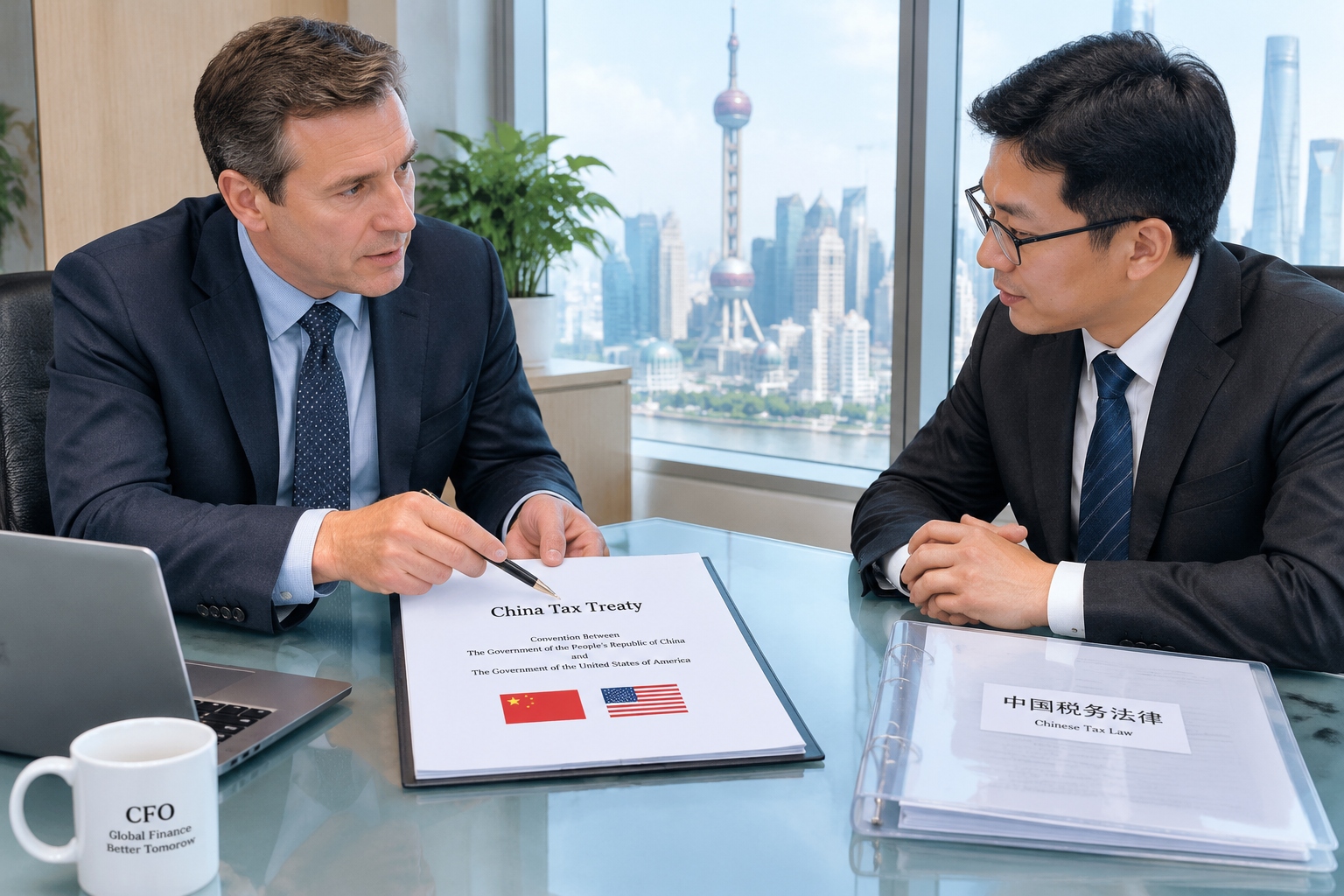
If your foreign parent company receives dividends, interest, or licence fees from a Chinese subsidiary, China withholds 10% of the gross payment. This rate can drop to 5% or even zero if your home country has signed a tax treaty with China. For example, a Hong Kong company holding at least 25% equity in a mainland subsidiary can get dividends at 5% if it meets the conditions. The claim process requires filing a treaty benefit, so don’t wait until the payment day.
The ‘Other’ Taxes That Add Up
Beyond CIT and VAT, a foreign-invested enterprise is also subject to:
Urban Maintenance and Construction Tax and Education Surcharges: These are calculated on top of the VAT you actually pay. Rates vary by location, roughly 7% + 3% + 2% of VAT paid in many cities.
Stamp Duty: On contracts such as sales agreements, leases, and loans. It looks tiny – often 0.03% to 0.05% – but failing to seal a stamp can invalidate a contract in court.
Property Tax: If you own or lease office space, you pay property tax at 1.2% of the original building value, or 12% of rental income if you’re the lessor.
Tax Incentives and Regional Policy: Where to Set Up Your Office
China’s tax landscape is not uniform. When Marco asked why his friend’s company in Dalian paid lower tax, the answer was political and geographical. The central government offers tax subsidies to spur economic activity in less-developed areas or special zones.
For foreign-invested enterprises, the most relevant are:
Hainan Free Trade Port: A corporate income tax rate of 15% for encouraged industries, and a list of tax-free imports.
Pilot Free Trade Zones (Shanghai, Shenzhen, etc.): These don’t necessarily guarantee a lower tax rate, but they offer simplified customs, faster foreign exchange services, and some industry-specific incentives, like lower VAT on cross-border services.
High-tech Zones: In many parks, local authorities give refunds or allowances on local taxes, even if the national rate doesn’t change. These are often negotiated, not automatic.
One caution: government subsidies might be taxable. You need to check whether a grant is treated as a non-taxable income or a source of CIT. A rule change in 2021 made many local financial subsidies taxable unless they fall under a specific list.
Transfer Pricing: The Rules That Say ‘Don’t Shift Profits Away’
China has strict transfer pricing rules that follow the OECD framework. If you rent, buy goods from, or provide a service to your overseas parent company, the price you charge must be the same as what independent companies would charge – an ‘arm’s length’ standard.
From 2022 onward, China’s government has raised the annual threshold for filing a transfer pricing contemporaneous documentation from 200 million RMB to 100 million RMB for related-party transactions, according to a key administrative announcement. Wait – that’s a significant threshold reduction. In practical terms, more companies now need to prepare three sets of documents: a master file, local file, and special file. Many foreign SMEs overlook this, thinking they’re too small. But if the local tax authority audits you and finds that your intercompany pricing is unrealistic, they may adjust your taxable income and impose a penalty of 0.05% per day on the unpaid tax, plus interest. There have been cases where a company’s entire profit margin was reallocated out of China.
To stay safe, prepare a transfer pricing policy before the transaction, keep evidence of comparable prices, and file the relevant forms with your annual CIT return.

Practical Tax Planning and Compliance Tips
Let me give you a list of what a trusted Chinese accountant would tell you if you sat in his office:
1. Keep a valid VAT invoice for every business purchase. Without it, no deduction.
2. Track your monthly tax filing deadlines. VAT and most taxes are filed monthly, by the 15th of the following month. CIT is filed quarterly, with annual reconciliation by May 31.
3. Use the ‘one-time annual bonus’ rule for salary planning. This is a personal income tax tip, but your employees will thank you. The bonus can be taxed separately at lower brackets, but the policy is temporary and has been extended to the end of 2027.
4. Consider structuring your China entity as a ‘wholly foreign-owned enterprise’ with commercial, not manufacturing, status. That may qualify you for small-scale VAT or simpler accounting, but double-check that it doesn’t limit your business activities.
5. Don’t ignore the annual filing of the final accounting report and audit. Foreign-owned companies must submit an audit done by a certified public accountant (CPA) in China to the tax bureau and the Administration for Market Regulation. If the profit is zero for three years, the tax bureau will notice.
6. Get local professional help. The Chinese tax code changes every year – for example, the VAT rate changes in 2019 and 2020. A licensed tax consultant in your city is worth the cost.
The Bottom Line
China’s tax system is not a wild west. It is a structured environment with clear rates and deadlines, and it’s full of regional discounts that can quickly add up to a large sum for a business.
When Marco finally spent a day with a tax consultant and listed his actual monthly invoices, he discovered he was eligible for a 15% high-tech rate because his product had a patent, and that his small-scale status let him pay simplified VAT at 1%, not 13%. That was a difference of roughly 40,000 RMB per year – enough to hire one extra employee in a cheaper city.
The lesson: China’s taxes are manageable, but only if you stop guessing and start checking the specific rules for your business type, location, and scale.

Start the discussion at forum.chinacomes.com