

Introduction: The Port That Never Sleeps
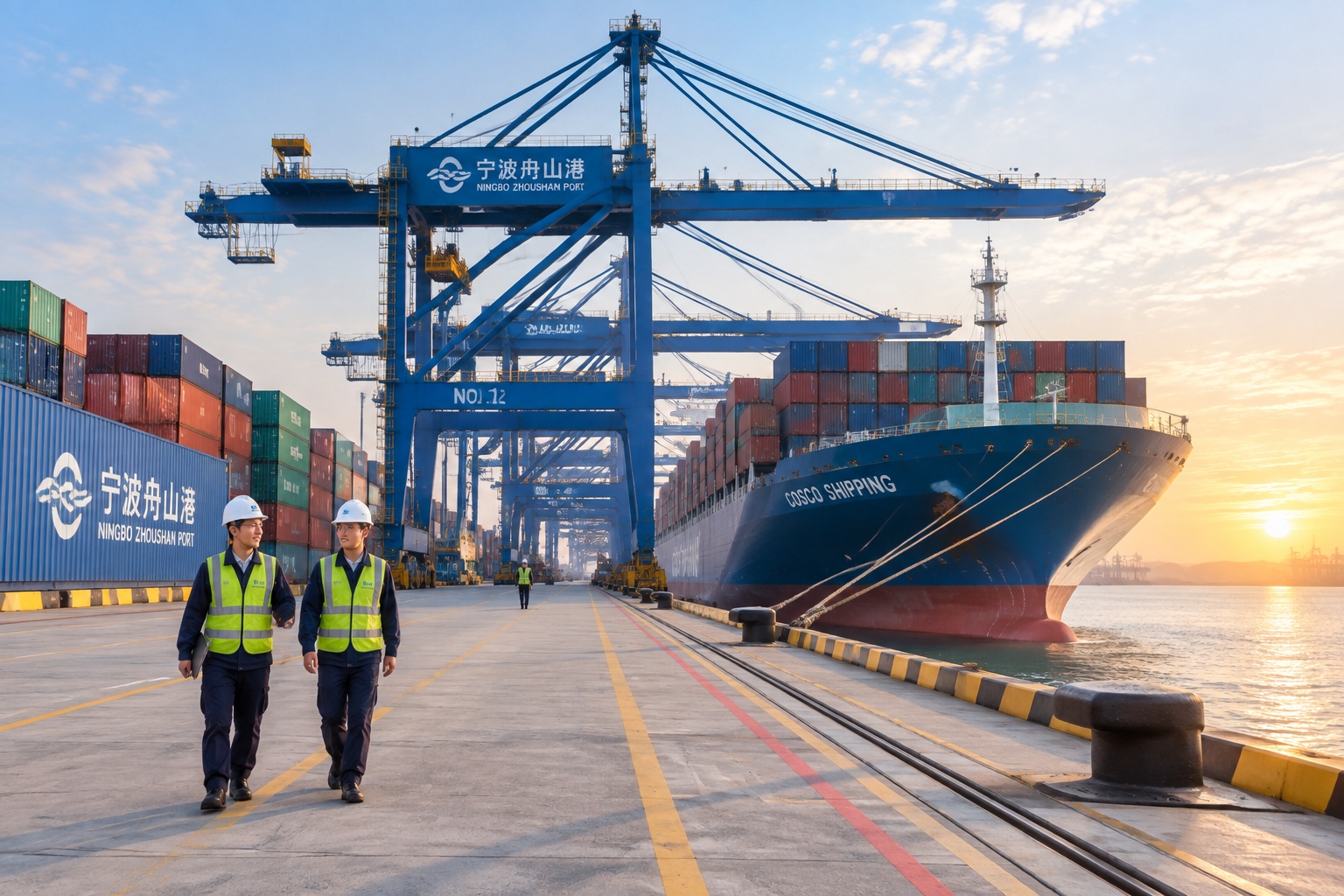
At 3 a.m., the control room at Ningbo-Zhoushan Port is bright and quiet except for the soft hum of screens. A dispatcher watches a 400-meter container ship inch toward its berth. On another screen, a remote crane operator in a nearby building moves a steel box from ship to shore. The port never stops. In 2016, it became the first port in the world to handle more than 900 million tonnes of cargo in a single year. That number is hard to imagine. It is roughly the weight of 1,500 fully loaded Boeing 747s, or enough coal to fill a train circling the Earth several times. But the story of how it got there is less about one record and more about geography, infrastructure, and the daily work of thousands of people.
Geography: Why the Zhoushan Islands Matter
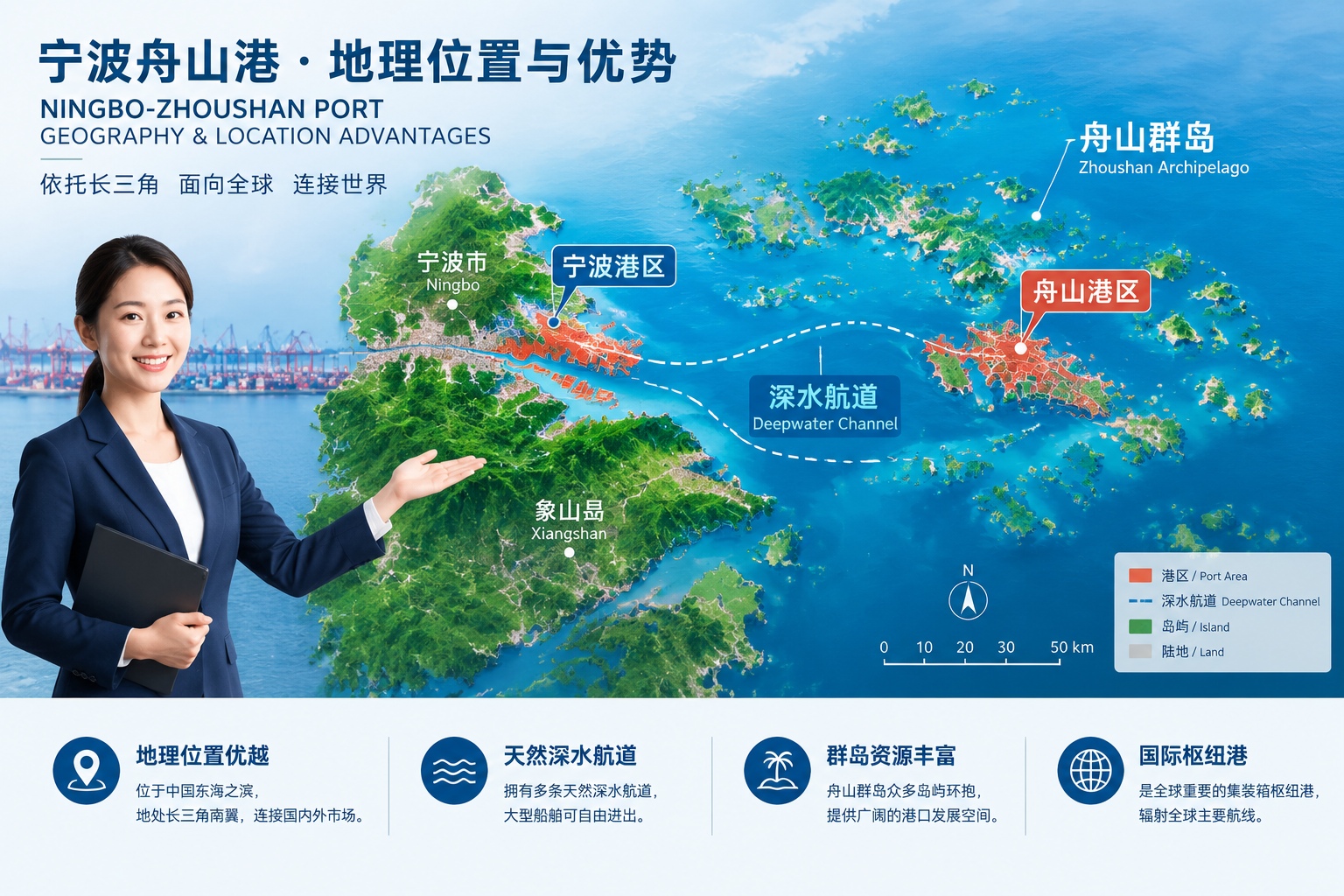
Ningbo-Zhoushan Port is not a single harbor. It is a cluster of port areas spread across the coast of Zhejiang Province and the Zhoushan archipelago. The islands act as natural breakwaters, calming the sea and protecting deepwater channels. The main channels, such as the Xiazhimen and Tiaozhoumen, are more than 20 meters deep, allowing the world’s largest bulk carriers and container ships to enter without waiting for tides. The coastline includes more than 100 kilometers of deepwater quays suitable for 300,000-tonne vessels. This natural advantage is rare. Few places on Earth combine deep water, shelter, and proximity to a major manufacturing region. Shanghai is less than 200 kilometers to the north. The Yangtze River Delta, with its factories and consumers, sits right behind the port.
That geography explains why the port handles so much bulk cargo: iron ore, crude oil, coal, and liquefied natural gas. These are heavy, low-value goods that need deep water and efficient loading. Container ships, by contrast, need speed and connections. Ningbo-Zhoushan Port offers both.
Two Numbers, Two Different Stories
People often confuse cargo throughput and container throughput. Cargo throughput is measured in tonnes. It counts everything: oil, ore, coal, grain, cars, and the contents of containers. Container throughput is measured in TEUs, or twenty-foot equivalent units. It counts only containerized cargo. A port can be number one in cargo but not in containers. Ningbo-Zhoushan Port is the world’s largest by cargo tonnage, but it ranks third globally by container traffic, behind Shanghai and Singapore. In 2023, its container throughput reached 35.3 million TEUs. That is a huge number, but the tonne count—13.24 billion tonnes—tells a different story. Most of that weight is bulk cargo moving in and out of China’s industrial heartland.
The 900 Million Tonne Milestone
In 2016, Ningbo-Zhoushan Port handled 920 million tonnes of cargo, passing the 900 million mark for the first time. No other port had done that. The milestone was not a sudden jump. It was the result of decades of investment: new berths, deeper channels, better rail links, and a merger of the previously separate Ningbo and Zhoushan ports. The merger in 2006 combined Ningbo’s container expertise with Zhoushan’s deepwater resources. Later, the port added two container terminals capable of handling more than 10 million TEUs each—the Chuanshan and Meishan port areas. This dual ten-million capacity gave the port flexibility and scale.
Today, the port connects to more than 600 ports in over 200 countries and regions. It has more than 300 shipping routes, including over 120 ocean-going lines. Major commodities include iron ore, crude oil, coal, liquefied natural gas, containers, automobiles, and grain. It is also a growing hub for vehicle exports, as Chinese electric cars find buyers in Europe and Southeast Asia.
How the Port Shapes Zhejiang’s Economy
The port is not just a gateway for cargo. It is the engine of Zhejiang’s export machine. Yiwu, the world’s largest wholesale market for small commodities, is about two hours away by road. Goods from Yiwu—Christmas decorations, toys, tools—travel to Ningbo-Zhoushan Port and then to warehouses in Europe and America. Ningbo itself is home to thousands of manufacturers in home appliances, textiles, and machinery. The port gives them direct access to global markets. According to local estimates, the port handles about 90% of Zhejiang’s foreign trade cargo.
The port also creates jobs. Directly, it employs tens of thousands of people: crane operators, dispatchers, pilots, tugboat crews, customs brokers, and logistics staff. Indirectly, it supports hundreds of thousands more in trucking, warehousing, shipping agencies, and finance. In the city of Ningbo, the port economy accounts for a significant share of GDP. Zhoushan, once a quiet island economy, has become a hub for ship repair, bunkering, and marine services. Young people from inland provinces come to Ningbo for jobs in logistics and shipping. Some of them study at Ningbo University or Zhejiang Ocean University, which offer maritime programs.
A Day in the Life of the Port
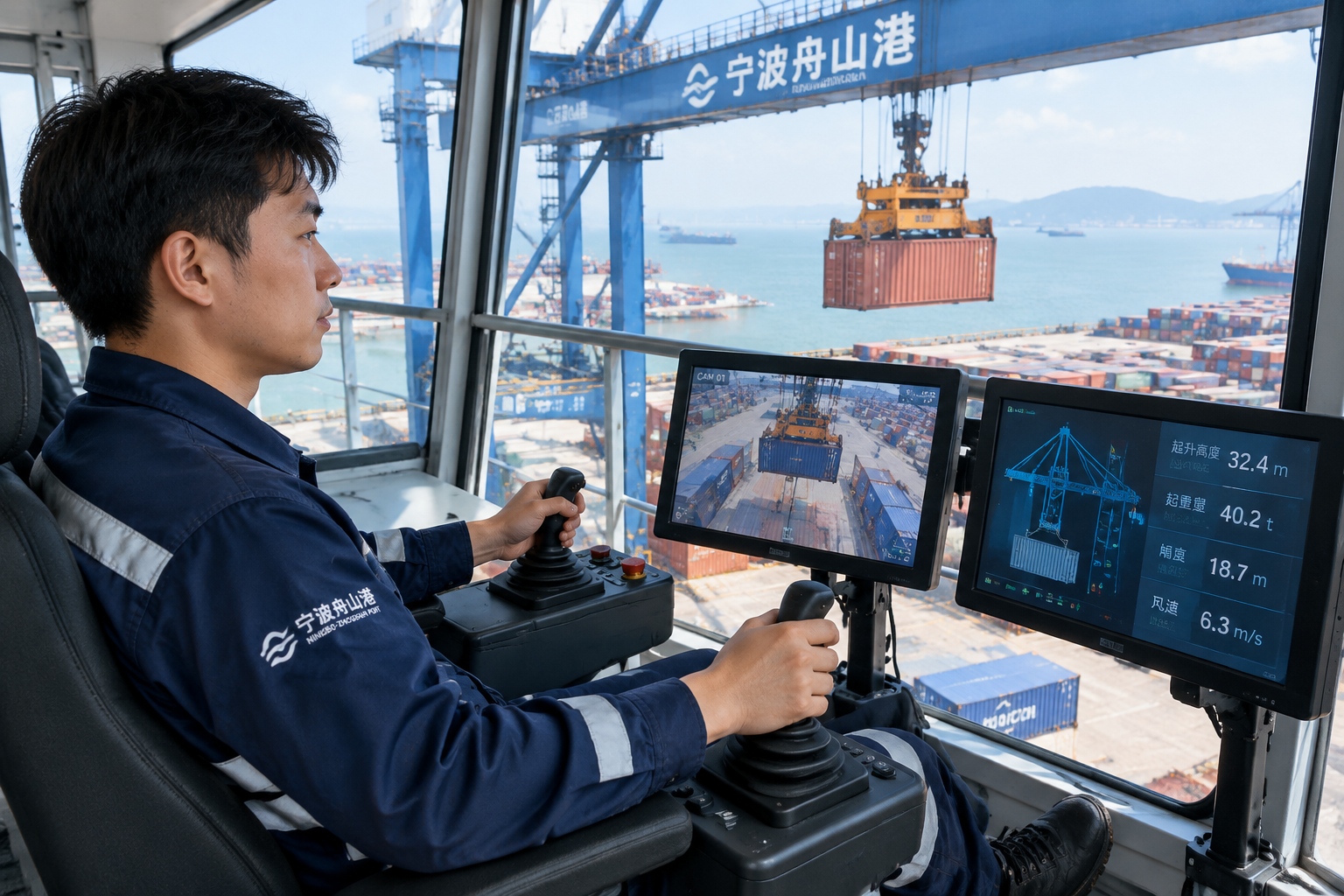
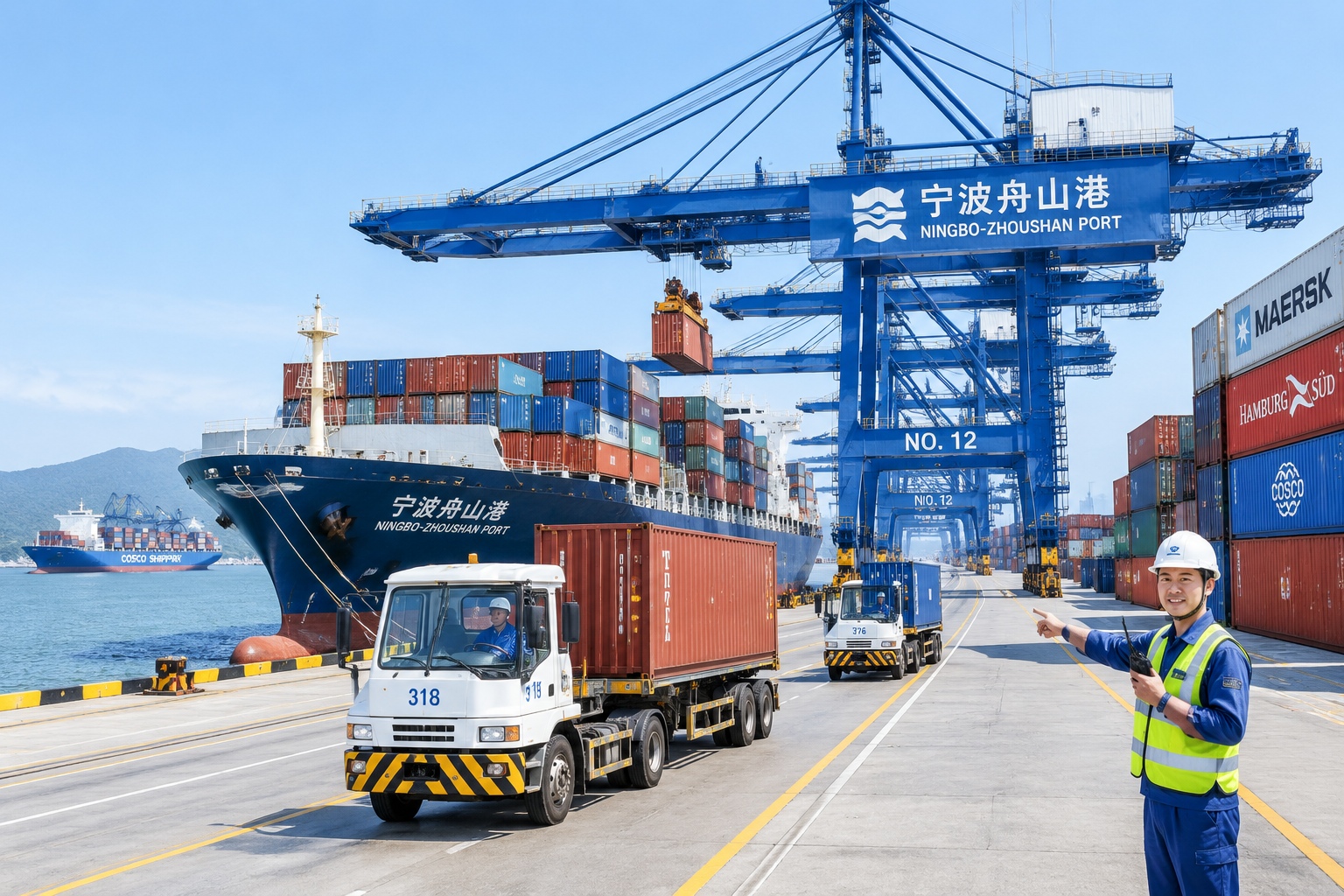
To understand the port, you need to see it at night. At the Chuanshan container terminal, the sky is dark but the quay is lit like a stadium. A 20,000 TEU ship is being unloaded by eight giant cranes. Each crane can move 30 to 40 containers per hour. The crane operators sit in a control room, not in the crane itself. They use joysticks and screens to guide the spreader. It looks like a video game, but the stakes are real: one mistake can damage cargo or injure a worker below.
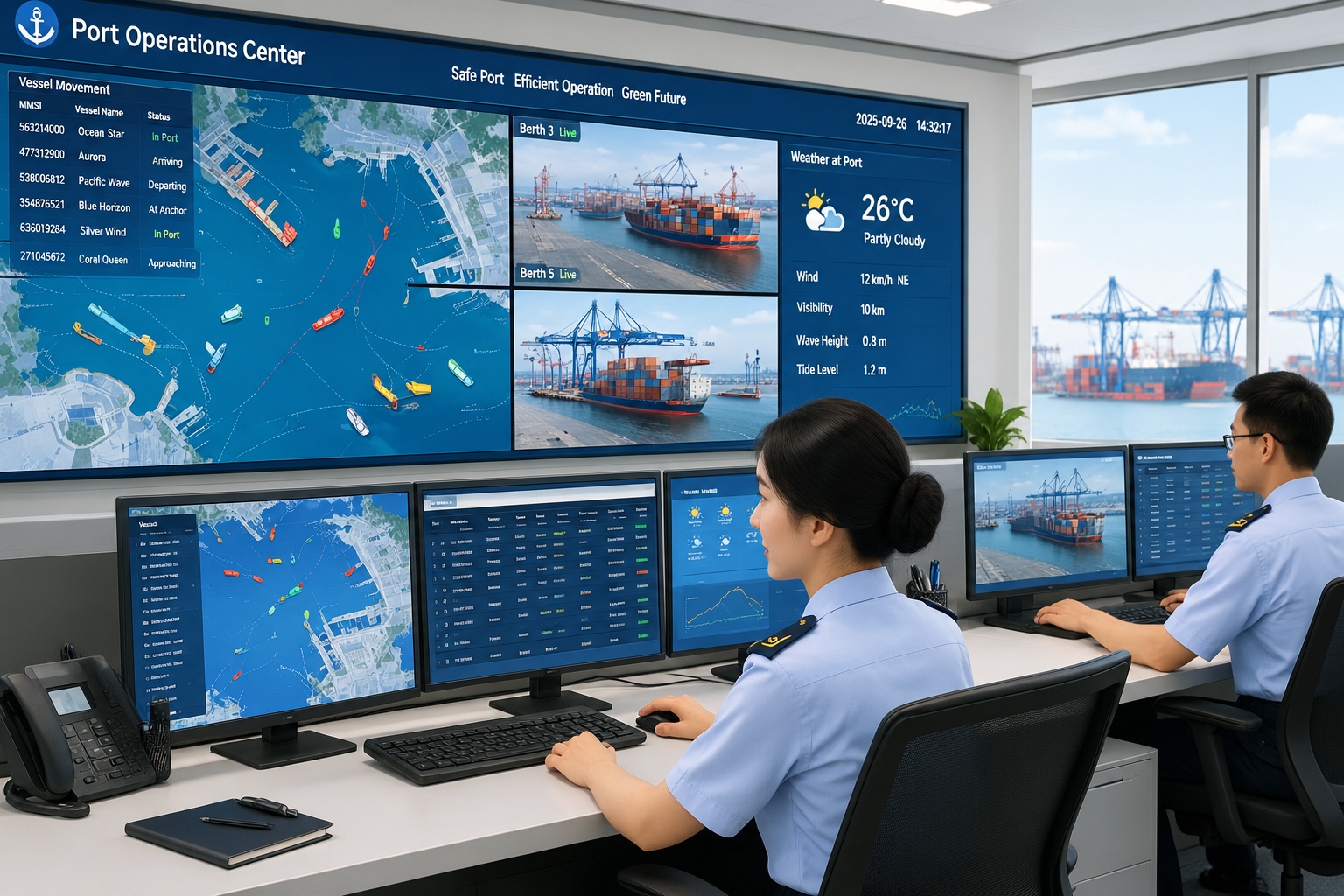
Elsewhere, a dispatcher named Li Wei starts his 12-hour shift. He works in a control center with 30 screens. He talks to ship captains, pilots, and tugboat crews. He decides which ship gets which berth, and when. ‘The hardest part is the weather,’ he says. ‘Typhoons can shut us down for two days. Then we have to catch up.’ The port operates 24 hours a day, 365 days a year. During peak season, before Christmas, the terminals are packed. During Chinese New Year, it slows down for a week. But it never fully stops.
Challenges and the Future
The port faces real challenges. Environmental regulations are tightening. Ships must use cleaner fuel or plug into shore power. The port is building more automated terminals, with driverless trucks and remotely controlled cranes. But automation also raises questions about jobs. The port authority says workers are retrained, not replaced. Competition is intense. Shanghai is building its own deepwater port at Yangshan. Singapore and Busan are investing in automation. Ningbo-Zhoushan Port must keep improving to stay ahead.
For now, the record remains. But the port’s real achievement is not the number. It is the fact that a ship from Brazil can unload iron ore, a train can carry it to a steel mill in Jiangsu, and a container of toys from Yiwu can leave for Rotterdam—all within days, without anyone thinking twice. That is what world-class infrastructure feels like: it disappears into the background.
Start the discussion at forum.chinacomes.com